River North and the Occasion Dining Question
Chicago's River North corridor has long functioned as the city's highest-pressure dining district: the neighborhood where restaurants are tested not just by food critics but by anniversary dinners, corporate entertaining, and the kind of meals where someone has already told eight people it will be good. The address at 51 W Hubbard St places Crying Tiger inside that competitive zone, drawing comparisons not only with Thai and Southeast Asian kitchens elsewhere in the city but with the broader field of River North restaurants that have built reputations on delivering for high-stakes evenings. That context matters more than it might seem. A restaurant with a name drawn from one of Thailand's most recognizable grilled-meat preparations is making a statement about specificity over generalism, and in a neighborhood where generic ambition is common, specificity tends to hold up better on a night when the meal has to matter.
The wider Chicago dining scene, for reference, includes some of the country's most closely watched tasting-menu programs: Alinea and Smyth both hold three Michelin stars, while Oriole and Ever operate in the same rarified bracket. Kasama has drawn national attention for its Filipino tasting menu since earning a Michelin star. Crying Tiger sits in a different register, not a tasting counter but a destination within the broader fabric of the city's special-occasion restaurant culture.
The Sunday email
Read about the people behind restaurants like Crying Tiger in the Sunday email.
Every Sunday we send a lead story and up to four more about the chefs, winemakers, sommeliers and hoteliers behind the restaurants, bars, wineries and hotels we cover.
Recent stories
Free. One email a week, and you can unsubscribe from any issue.
The Crying Tiger Name as Editorial Signal
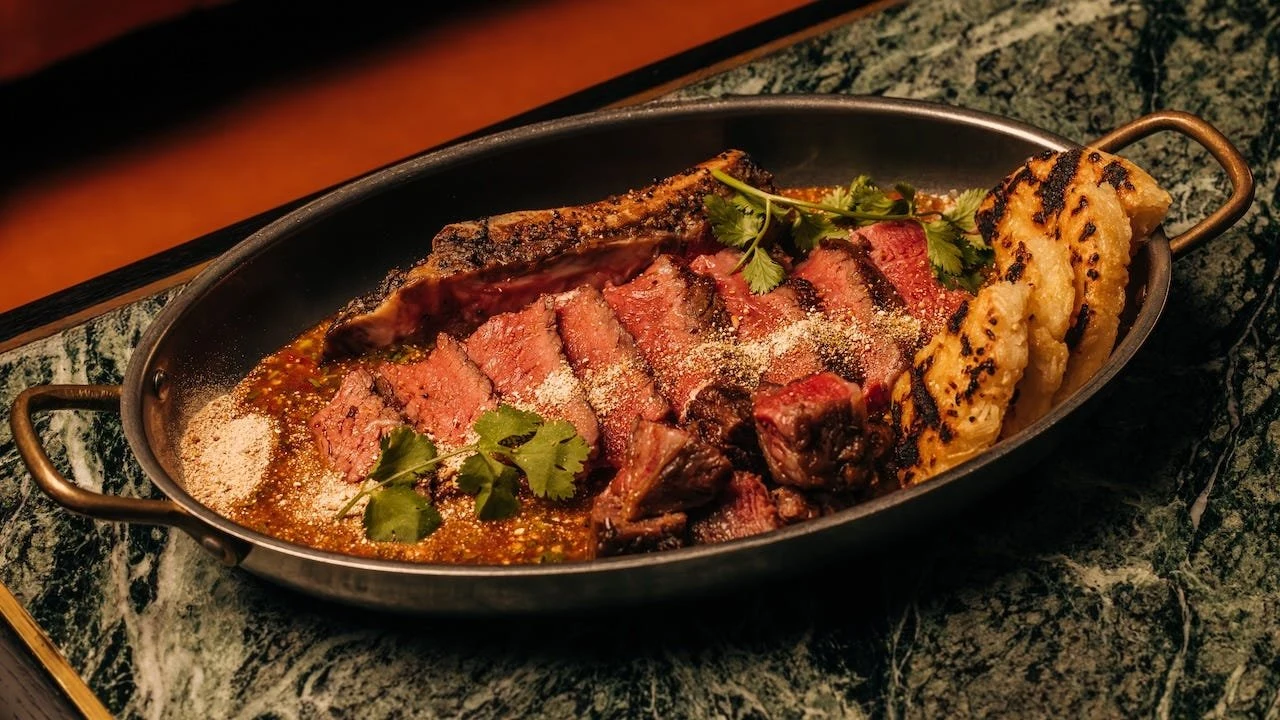
In Thai culinary tradition, crying tiger, suea rong hai, refers to grilled beef, typically skirt or flank, served alongside a tamarind and fish sauce dipping condiment. The name's origin stories vary: some attribute it to the idea that even a tiger would weep at being deprived of such meat, others to the appearance of the char marks on the cut. Either way, the dish belongs to a canon of Thai grilled preparations that prioritize intensity over refinement, smoke, acidity, heat, and the saline depth of fermented fish sauce are the dominant register. For a Chicago restaurant to take its name from that preparation is to flag a kitchen interested in those flavors and that tradition, rather than in the softer, sweeter Thai-American idiom that still dominates much of the country's Thai restaurant scene.
That distinction matters for occasion dining. When a meal is meant to mark something, the food needs a clear point of view. Kitchens that commit to the full tonal range of a cuisine, the funk and heat alongside the brightness, tend to produce meals that read as intentional rather than convenient. The tradition behind crying tiger as a dish is well-documented in Thailand's northeastern Isan region and in Bangkok's street-food culture, where the cut and the sauce carry equal weight. A restaurant that grounds itself in that specificity is making a case for its own coherence.
Occasion Dining in a City of High Standards
Chicago has a longer history with serious restaurant ambition than many cities give it credit for. The dining scene that produced Alinea's early reputation in the mid-2000s also sustained a culture of expecting restaurants to deliver on specific evenings, not just to maintain consistent averages. That expectation has filtered down through price tiers and cuisine categories. A Thai kitchen operating in River North is drawing on the same cultural expectation: that a restaurant worth choosing for a birthday or an anniversary has to work harder than a restaurant chosen for a Tuesday lunch.
For comparison, consider what has made occasion dining work at similarly positioned restaurants in other American cities: at Lazy Bear in San Francisco, the communal format turns the occasion into a shared experience rather than a private one; at Atomix in New York, the Korean tasting counter has redefined what a milestone meal looks like in a non-European culinary tradition. The lesson from both is that a clear point of view, executed with discipline, tends to serve occasion dining better than a broad menu designed to offend no one. Crying Tiger's naming logic suggests awareness of that principle.
Chicago's broader dining map is worth consulting before planning a visit: our full Chicago restaurants guide maps the city's most compelling tables across neighborhoods and price tiers. For a broader trip, the bars guide, experiences guide, and wineries guide provide context for building a full itinerary around a meal at this end of the market.
Questions
Frequently asked
Who works at Crying Tiger?
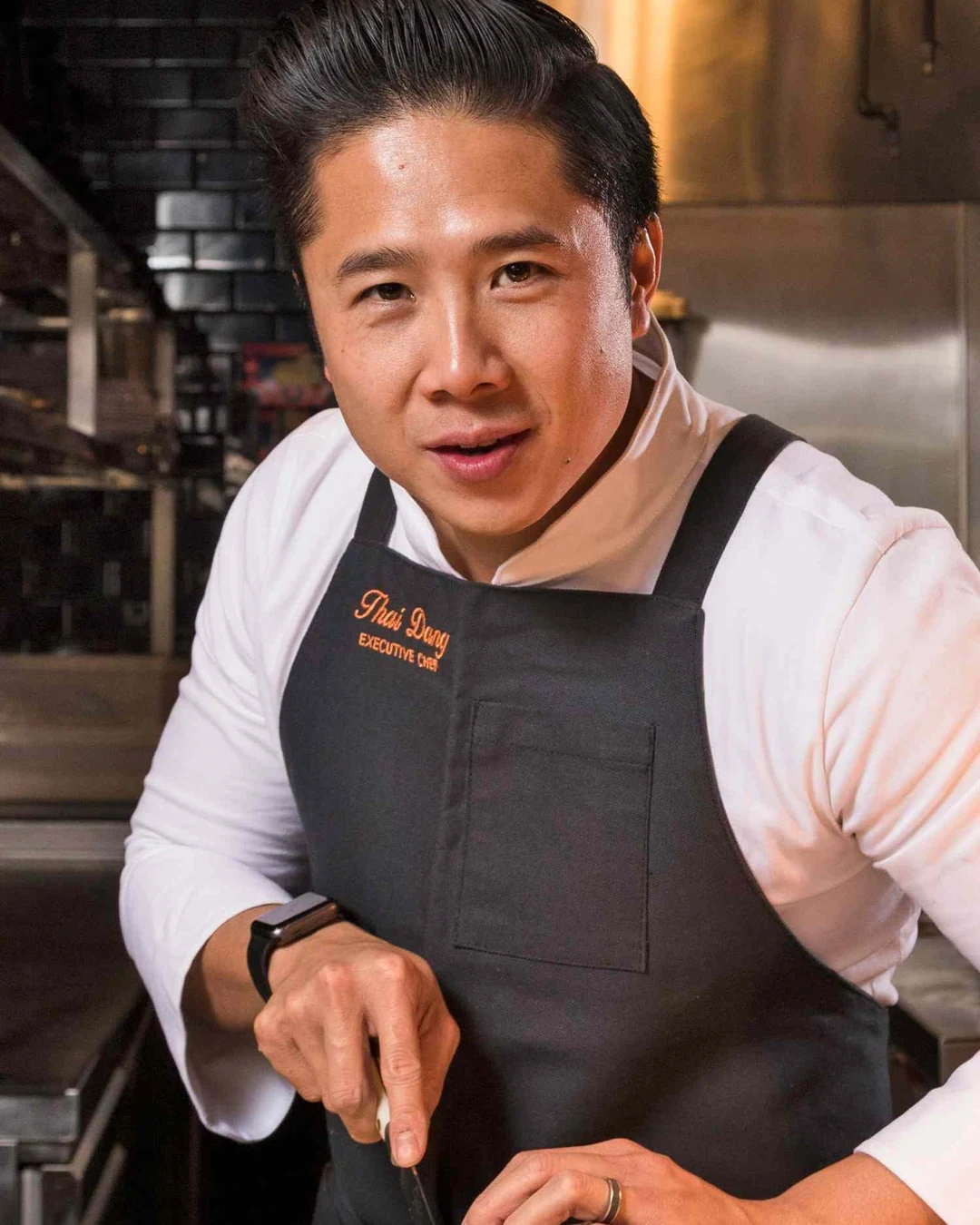
Made By profiles Thai Dang (Chef) at Crying Tiger.
How expensive is Crying Tiger?
Crying Tiger is listed at a price level of $$$.
Where is Crying Tiger and what does it serve?
Crying Tiger is in River North, Chicago, serving Modern Southeast Asian.
The field
How it compares
| Place | Cuisine | Notes | Awards |
|---|---|---|---|
| Crying Tiger | Modern Southeast Asian | River North, $$$ | · |
| Alinea | Avant-Garde Molecular Gastronomy | Chicago | Michelin 3 Stars, 50 Best |
| Asador Bastian | Basque-Inspired Steakhouse | Chicago | · |
| Ever | Modern American Fine Dining | Chicago | Michelin 2 Stars |
| Kumiko | Japanese Dining Bar | Chicago | 50 Best |
| Oriole | Modern French-Japanese Tasting Menu | Chicago | Michelin 2 Stars |
| Smyth | Modern American Tasting Menu | Chicago | Michelin 3 Stars, 50 Best |
Similar places
Avant-Garde Molecular Gastronomy
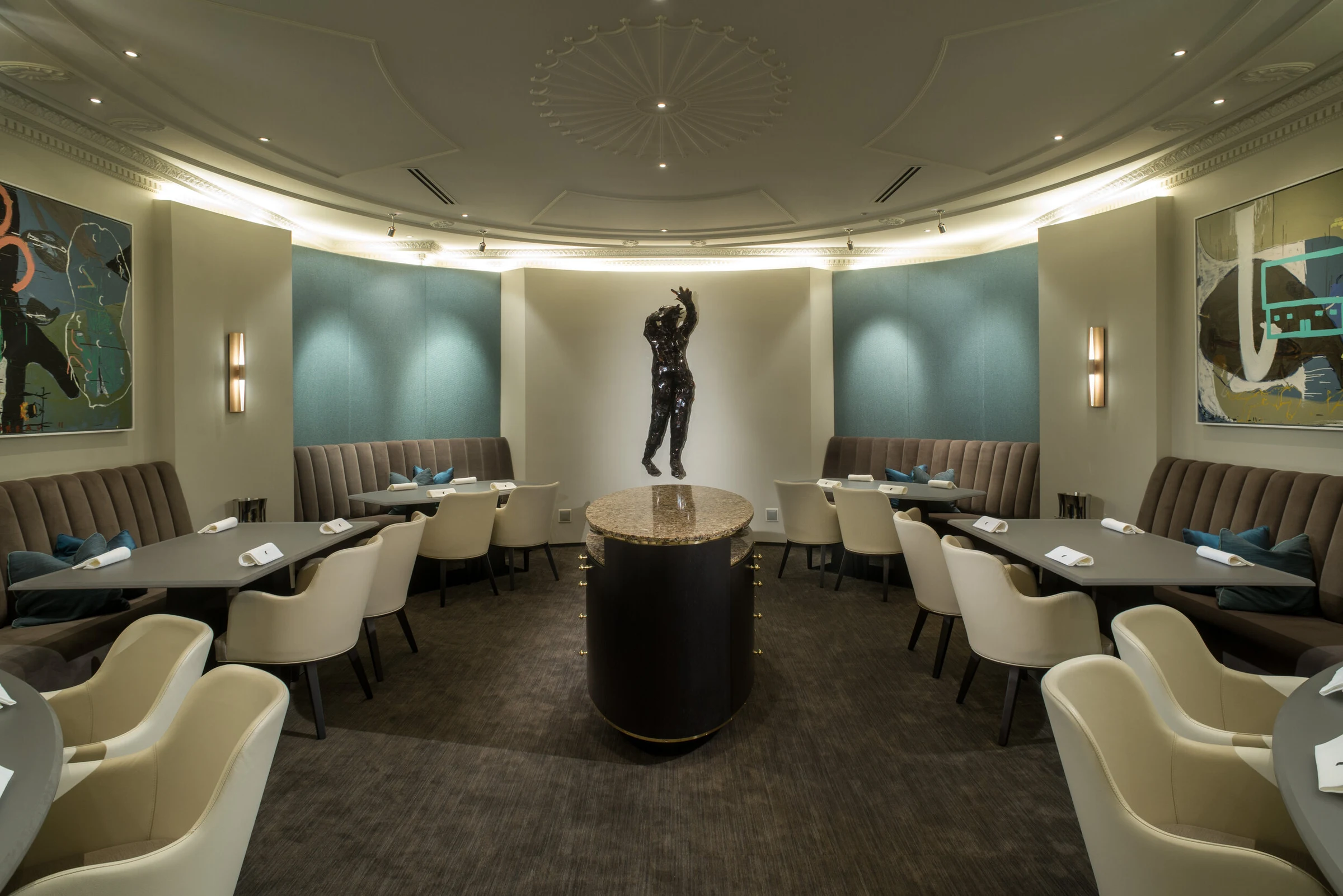
Alinea
Chicago, United States
★★★ · 50 Best
Basque-Inspired Steakhouse
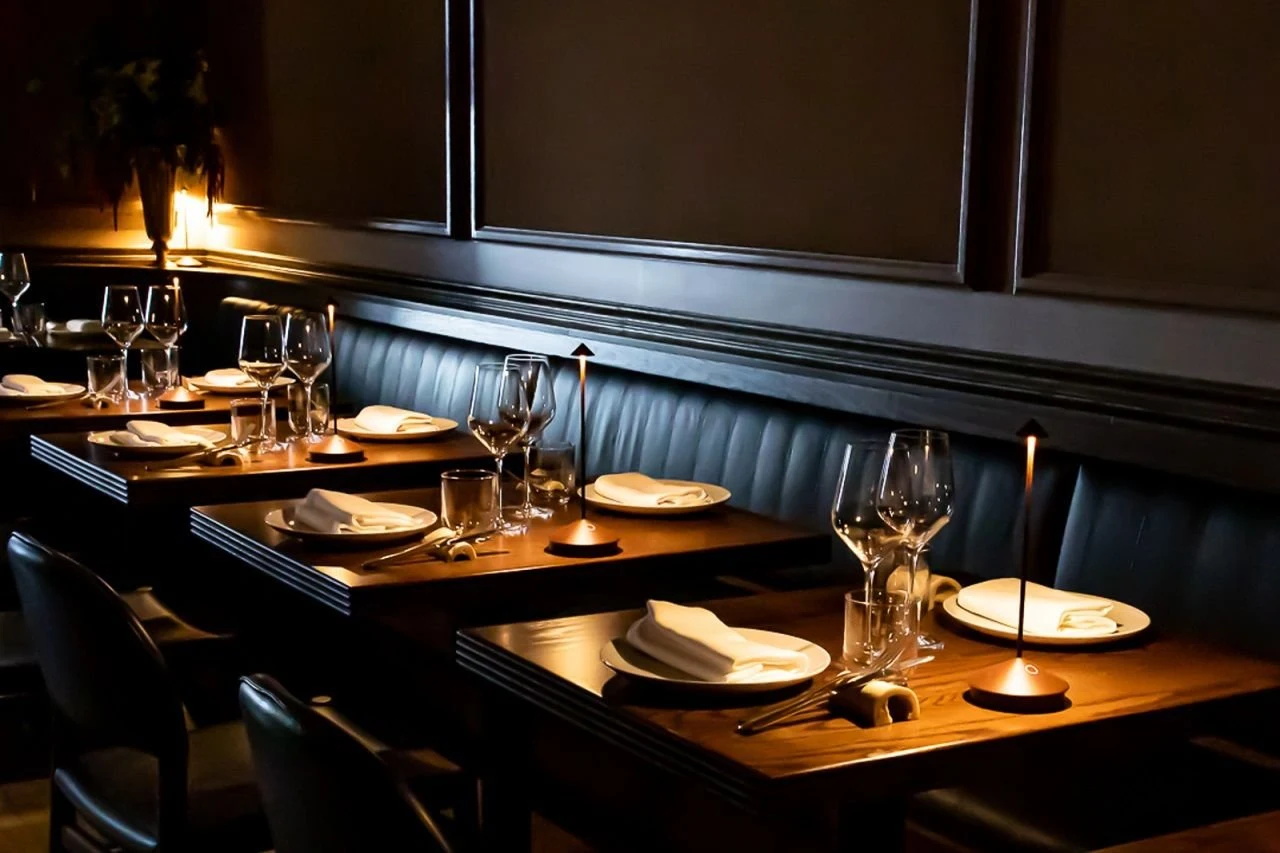
Asador Bastian
Chicago, United States
Modern American Fine Dining
Ever
Chicago, United States
★★
Japanese Dining Bar
Kumiko
Chicago, United States
50 Best
Modern French-Japanese Tasting Menu
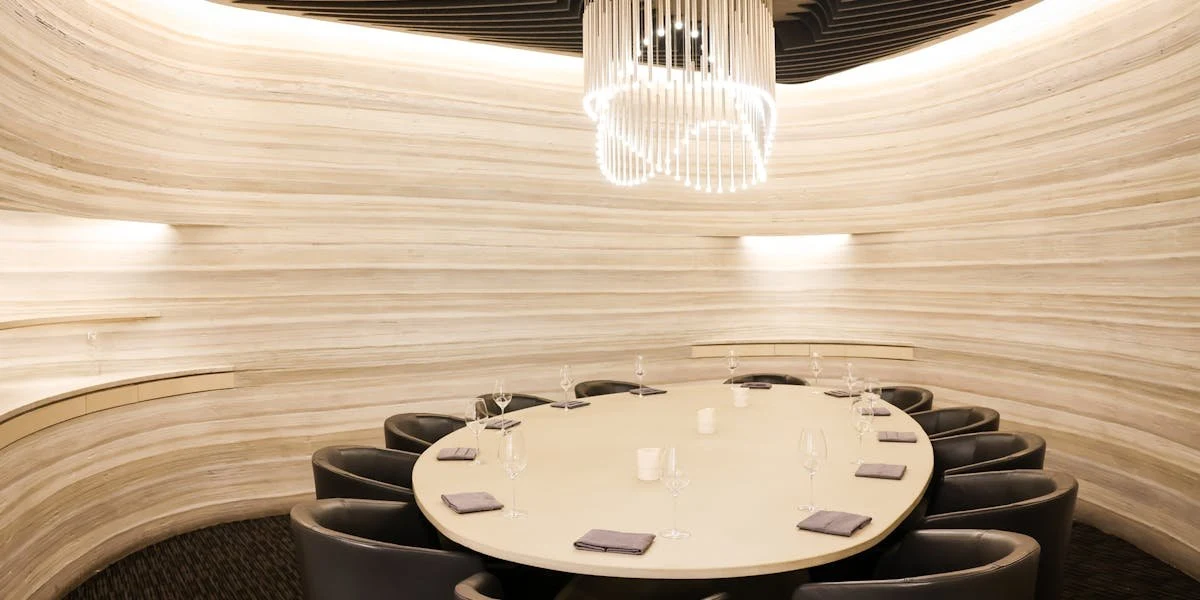
Oriole
Chicago, United States
★★
Modern American Tasting Menu
Smyth
Chicago, United States
★★★ · 50 Best
The Sunday email
Read about the people behind restaurants like Crying Tiger in the Sunday email.
Every Sunday we send a lead story and up to four more about the chefs, winemakers, sommeliers and hoteliers behind the restaurants, bars, wineries and hotels we cover.
Recent stories
Free. One email a week, and you can unsubscribe from any issue.