Lazy Bear
In Residence
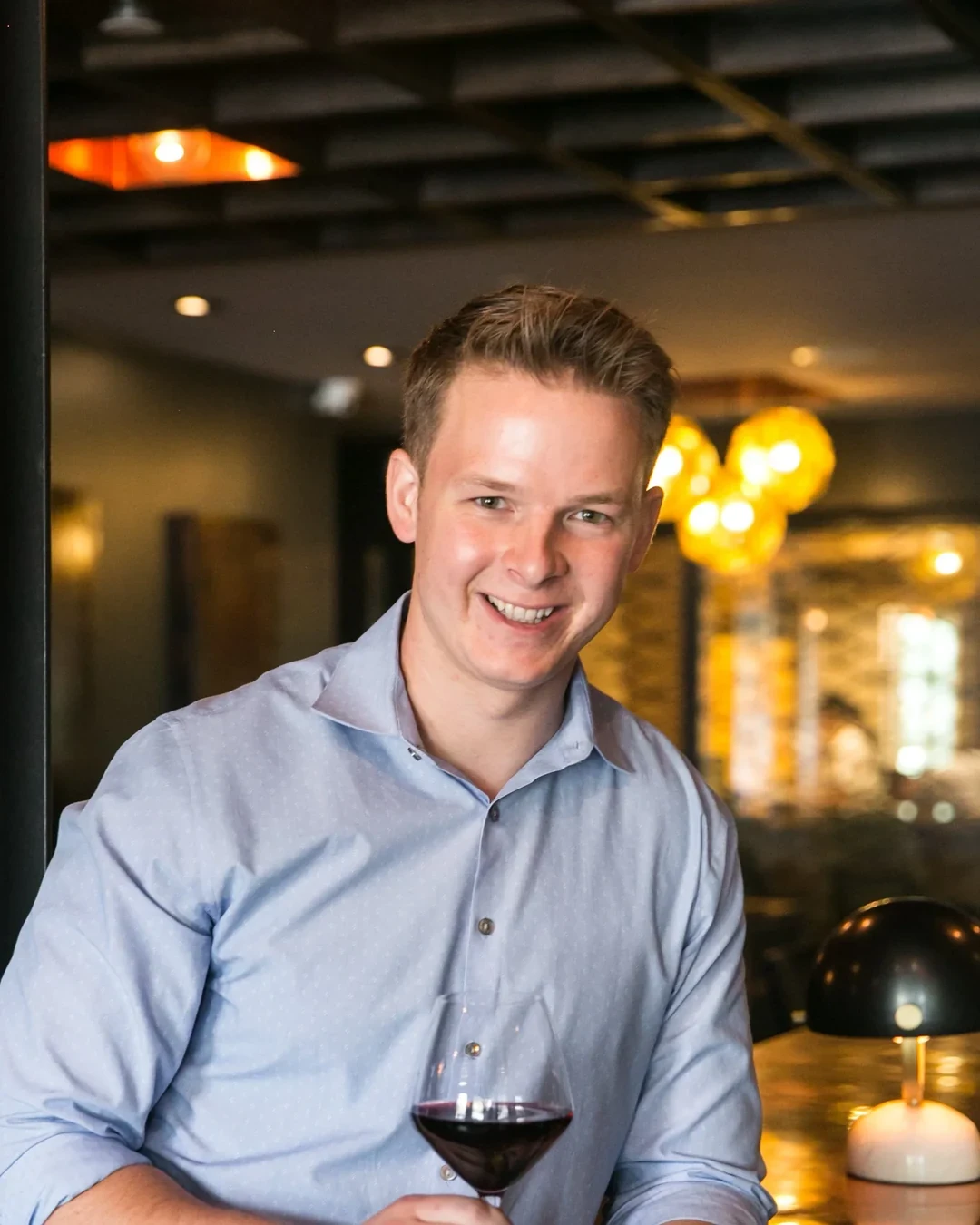
Jacob Brown
Beverage Director
- 01CuisineModern American Tasting Menu
- 02CitySan Francisco, United States
- 03RecognitionTwo Michelin Stars
- 2 Michelin Stars · Michelin Guide
- World's 50 Best · #25 · World's 50 Best Restaurants
- James Beard Winner · James Beard Foundation
- Wine Spectator · Tier 3
- Wine Spectator Grand Award · 2026
- Michelin 2 Stars · 2026
- San Francisco Chronicle Top 100 Bay Area Restaurants #100 · 2026
- La Liste Top Restaurants: 85pts · 2026
- Opinionated About Dining Top Restaurants in North America Highly Recommended · 2026
- Star Wine List · 2026
- Pearl Recommended Restaurant · 2025
- Michelin 2 Stars · 2025
- Wine Spectator Grand Award · 2025
- James Beard Award Semi Finalist · 2025
- World's 50 Best North America's Best Restaurants #25 · 2025
- La Liste Top Restaurants: 85.5pts · 2025
The Occasion That Calls for a Dinner Party
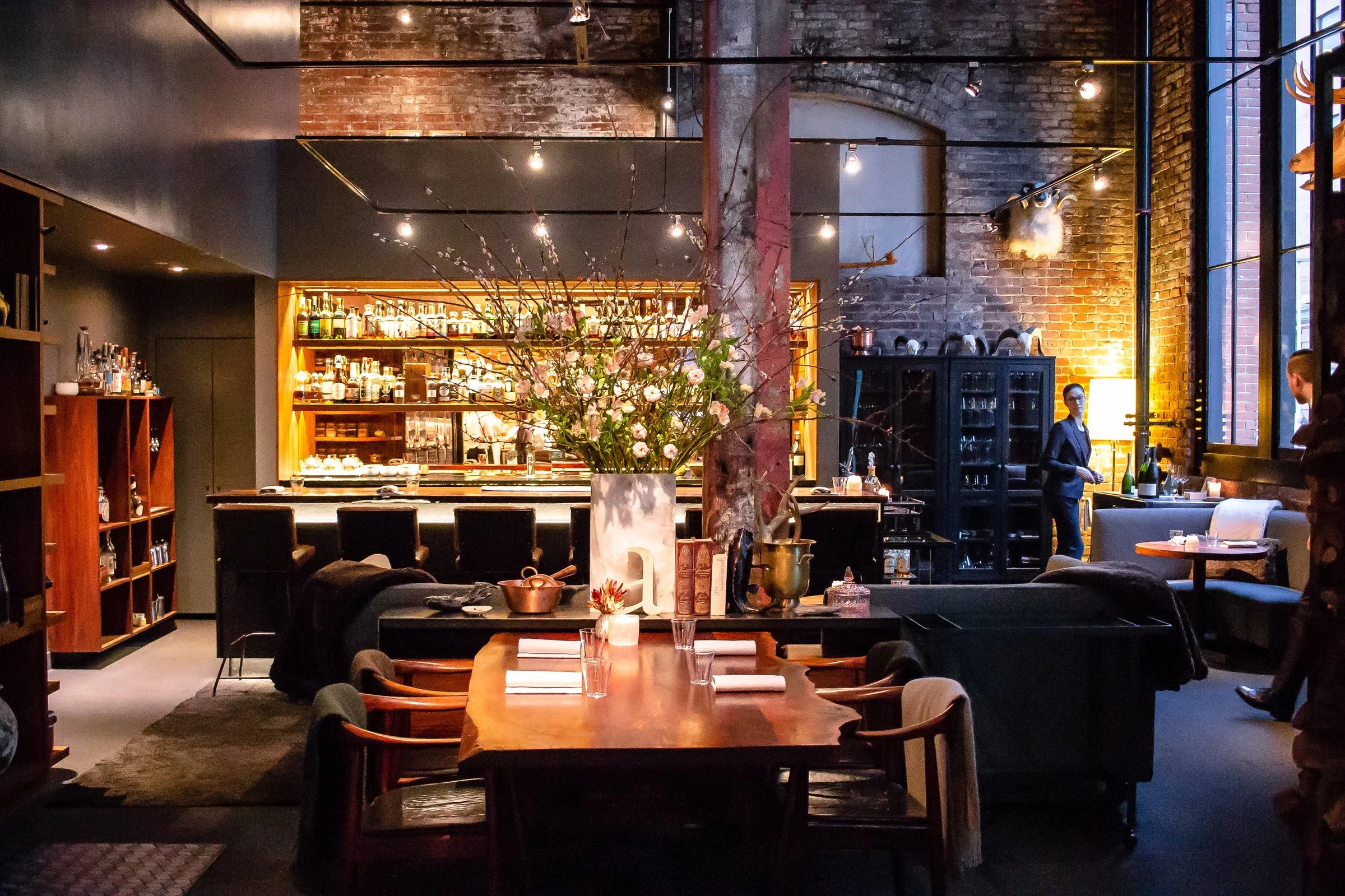
There is a particular kind of special-occasion meal that resists being filed away under "fine dining" in any conventional sense. The room is too warm, the noise level too convivial, the format too deliberately communal for the usual ceremonies of white tablecloth reverence. Lazy Bear operates in that register. At 3416 19th Street in San Francisco's Mission District, the two Michelin-starred restaurant stages what reads less like a tasting menu and more like a high-craft dinner party, one where the cooking happens to be among the most technically precise in California.
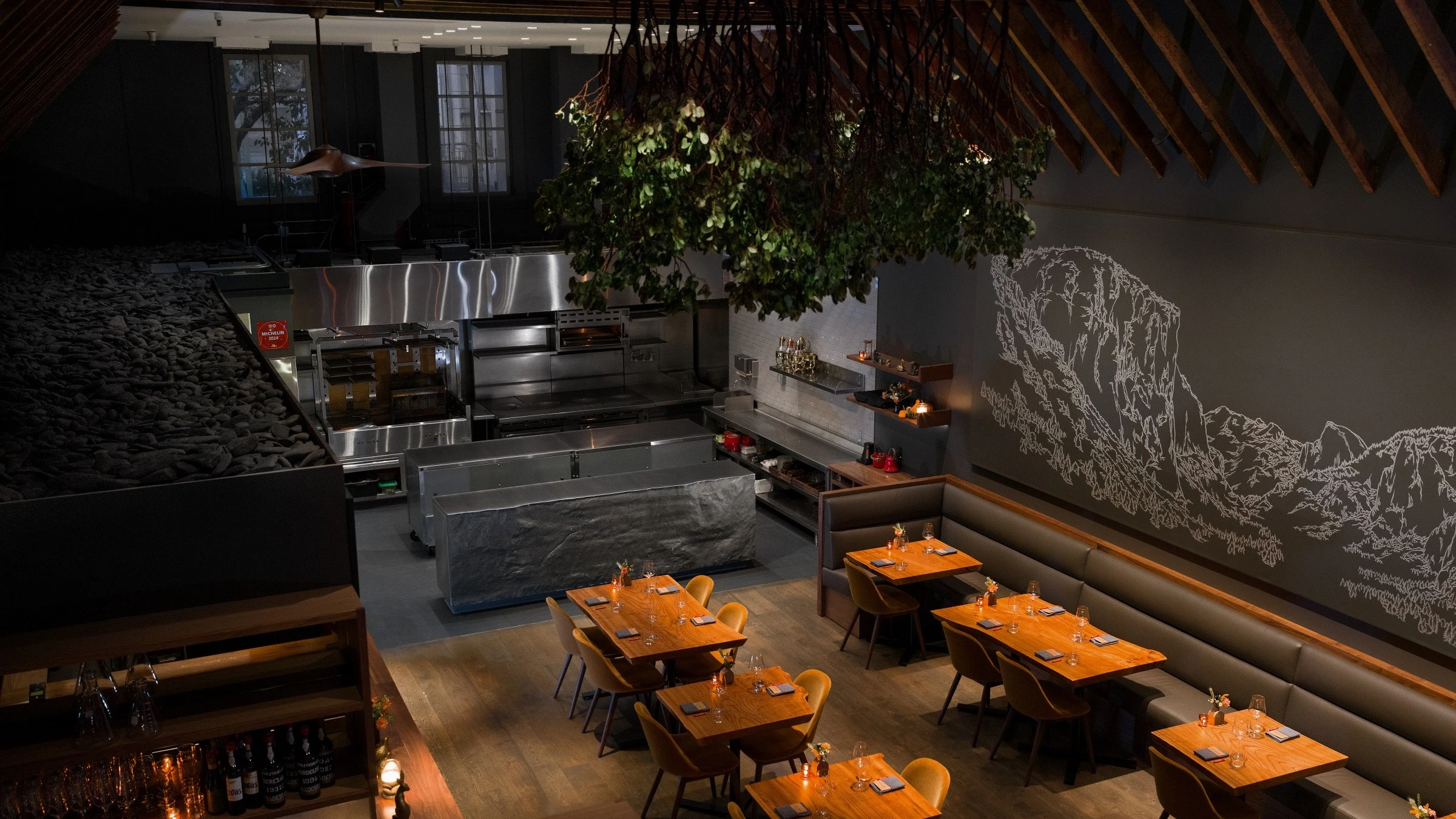
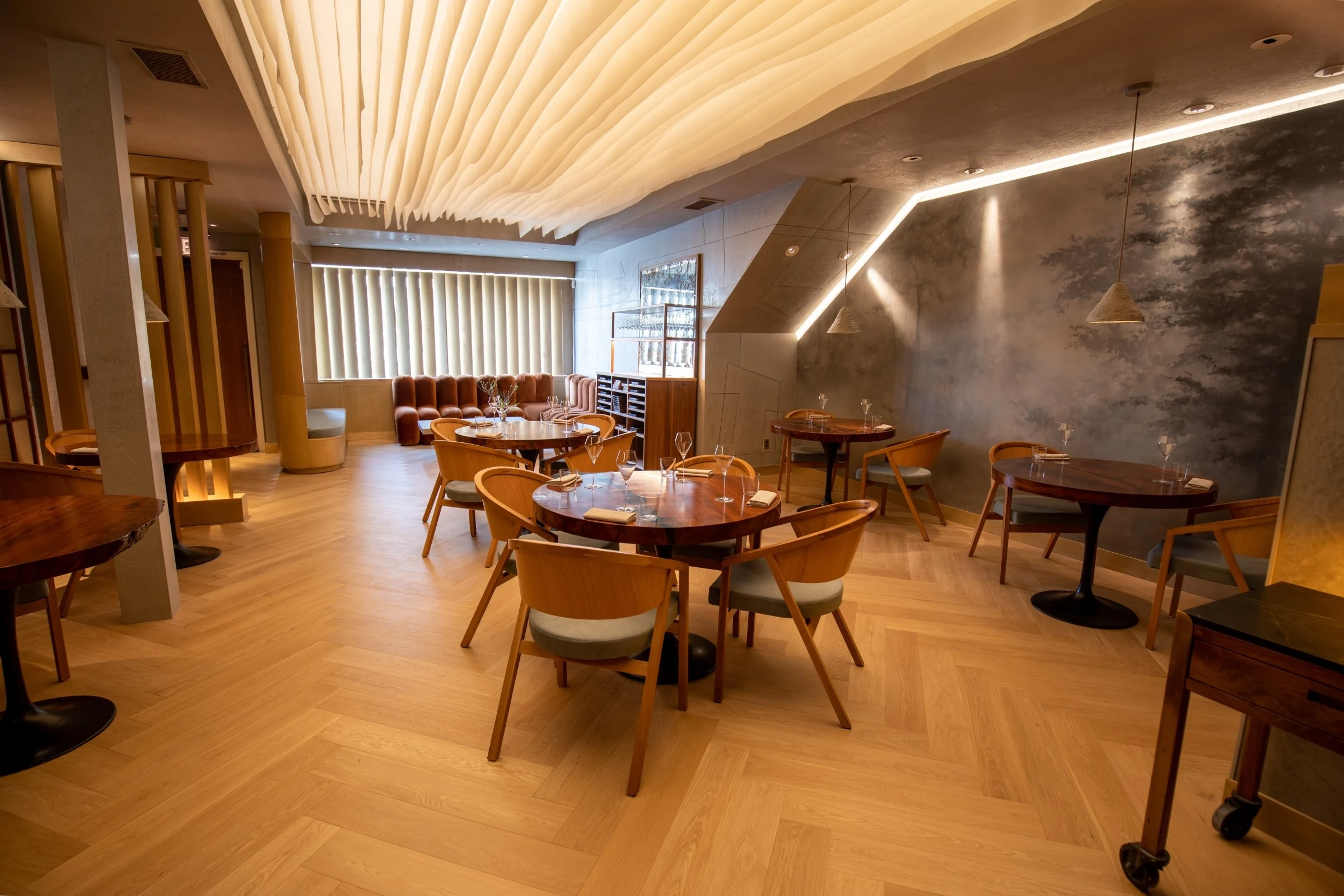
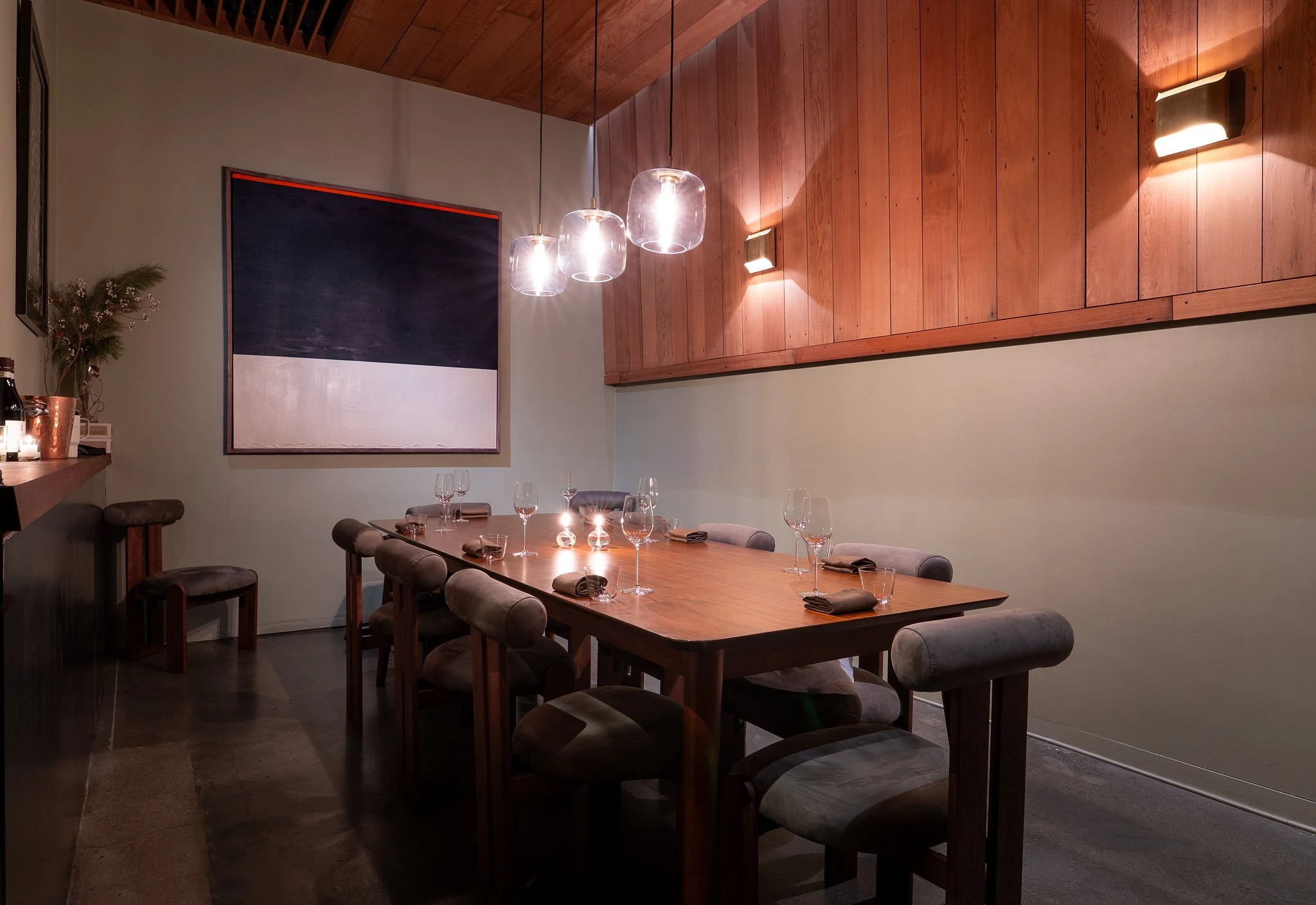
That positioning matters when you are choosing where to mark a milestone. Anniversary dinners, landmark birthdays, career celebrations: these occasions ask a room to hold a certain energy, and Lazy Bear's communal-table format is purpose-built for exactly that. Guests share the space across two levels, moving between a ground-floor dining room and an upstairs mezzanine that reads like a considered upgrade of the American cabin aesthetic. The environment is an argument in itself, and it sets a different emotional tone from the hushed precision of comparable Michelin-tier addresses in the city.
The Sunday letter
Find new places through the people who run them.
Our Sunday email brings you the chefs, winemakers and hoteliers behind our newest stories. See a sample before you subscribe.
See a sample of the Sunday emailOne email a week. Unsubscribe from any issue.
Where Lazy Bear Sits in San Francisco's Fine Dining Tier
San Francisco's upper bracket of tasting-menu restaurants operates as a small and scrutinized cohort. Benu, Atelier Crenn, and Quince each hold three Michelin stars and price accordingly. Lazy Bear's two-star status places it in a tier just below that ceiling, but the restaurant draws comparisons that reach across formats rather than just down the star-count ladder. Where Birdsong and Commis share the precise, ingredient-first ethos of Northern California's progressive dining scene, Lazy Bear reads differently: more sociable, more nostalgic in its flavour references, more interested in the rituals of American communal eating than in the quiet restraint that defines many of its peers.
When you are booking a meal around an occasion rather than a culinary experiment, that consistency matters. Nationally, the closest format analogues in the Progressive American category are venues like Smyth and Oriole in Chicago, or Alinea's more theatrical register, though Lazy Bear's dinner-party DNA sets it apart from all three.
The Cooking: Nostalgia with Technical Range
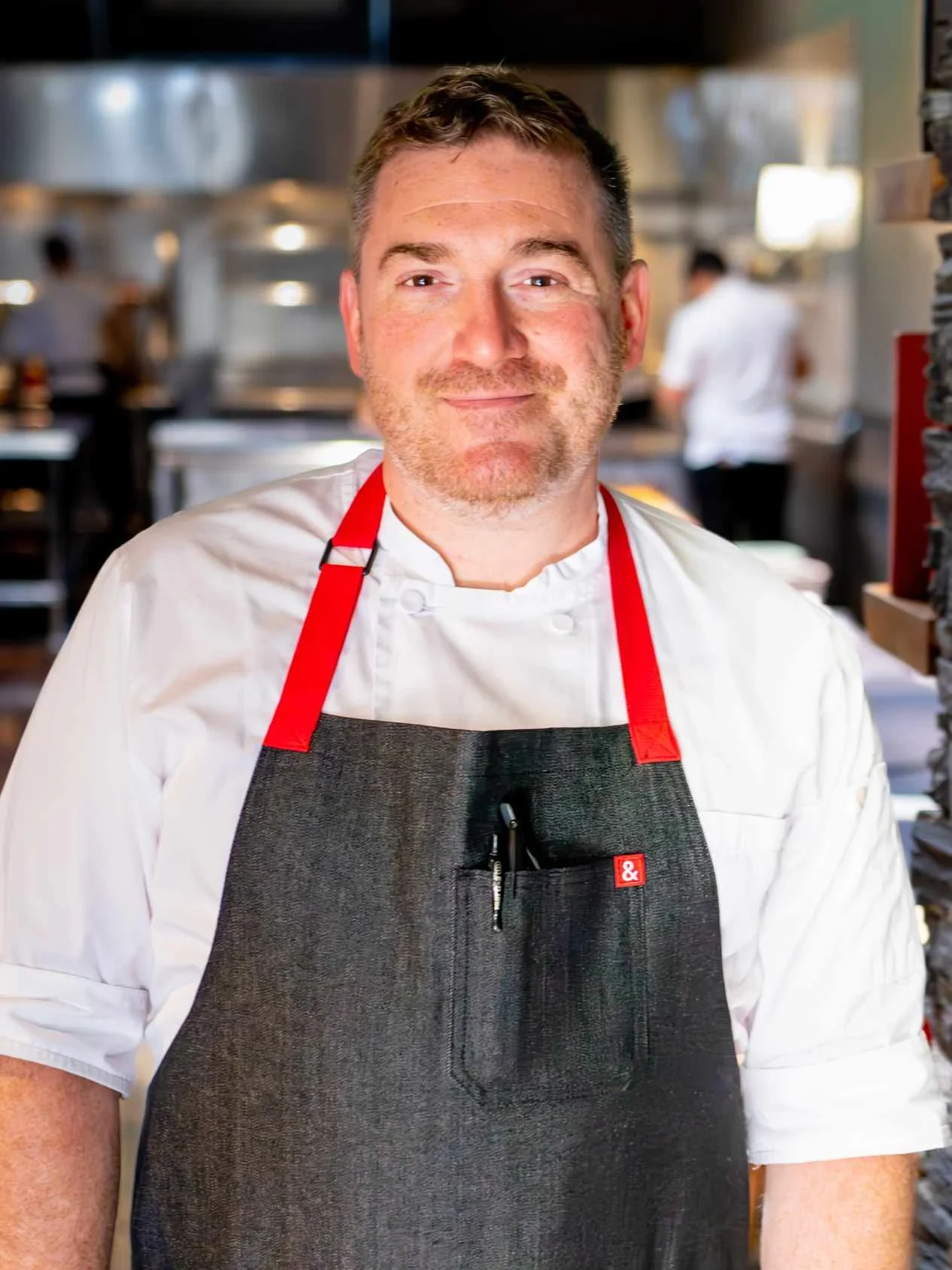
Progressive American cooking, as practiced in this part of California, tends to orbit around local sourcing and seasonal restraint. Lazy Bear shares those instincts but adds a layer of nostalgic American reference that makes the food distinctly narrative. Chef David Barzelay and chef de cuisine Genoa Pieron work through a lens the kitchen describes as inspired by "the wild" and by memory, which translates on the plate to cooking that is technically demanding but emotionally legible.
The most cited example is the whipped scrambled eggs, served with maple syrup and hot sauce inside an eggshell, a dish that has become a point of continuity across multiple menu iterations. Seasonal courses have included caviar over white asparagus, sturgeon rillettes with spring alliums in caramelised asparagus cream and ramp oil, combinations that read as high-technique interpretations of American outdoor-eating instincts rather than European formalism. That flavour identity makes Lazy Bear a particularly strong choice for guests who find the abstraction of some tasting-menu cooking too far removed from pleasure as they actually experience it.
Barzelay's background follows an unusual trajectory: he was practising law before developing Lazy Bear as a pop-up in 2009, running sell-out dinner parties from his apartment before the Mission District brick-and-mortar opened in 2014. That origin story is now a decade behind the current restaurant, but it explains why the communal format is structural rather than gimmick, the dinner-party framework was the founding condition, not a later design decision.
The Cellar and Beverage Program
The wine program at Lazy Bear operates at a scale that warrants separate attention. Wine director Jacob Brown, a James Beard Award nominee, oversees a list of approximately 2,400 selections drawn from a 10,500-bottle inventory housed in a dedicated cellar across the street from the restaurant. The program is weighted toward California, Champagne, Burgundy, Rhône, and Bordeaux, with Italy as a secondary focus. Corkage runs at $75 for guests who prefer to bring their own bottles.
A sommelier team of four, Daniel Pendleton, Jaxon van Groningen Stapleton, Thoger Petry, and Tommy Laurel, manages service, which at this inventory scale means the depth of vintage access exceeds most of San Francisco's comparable addresses. For occasion dining, this matters practically: rare-vintage bottles, whether Burgundy or California Cabernet, are often what matters most at a milestone meal, and having a team that can navigate deep and unusual selections is part of the program.
The 2024 Remodel and What It Signals
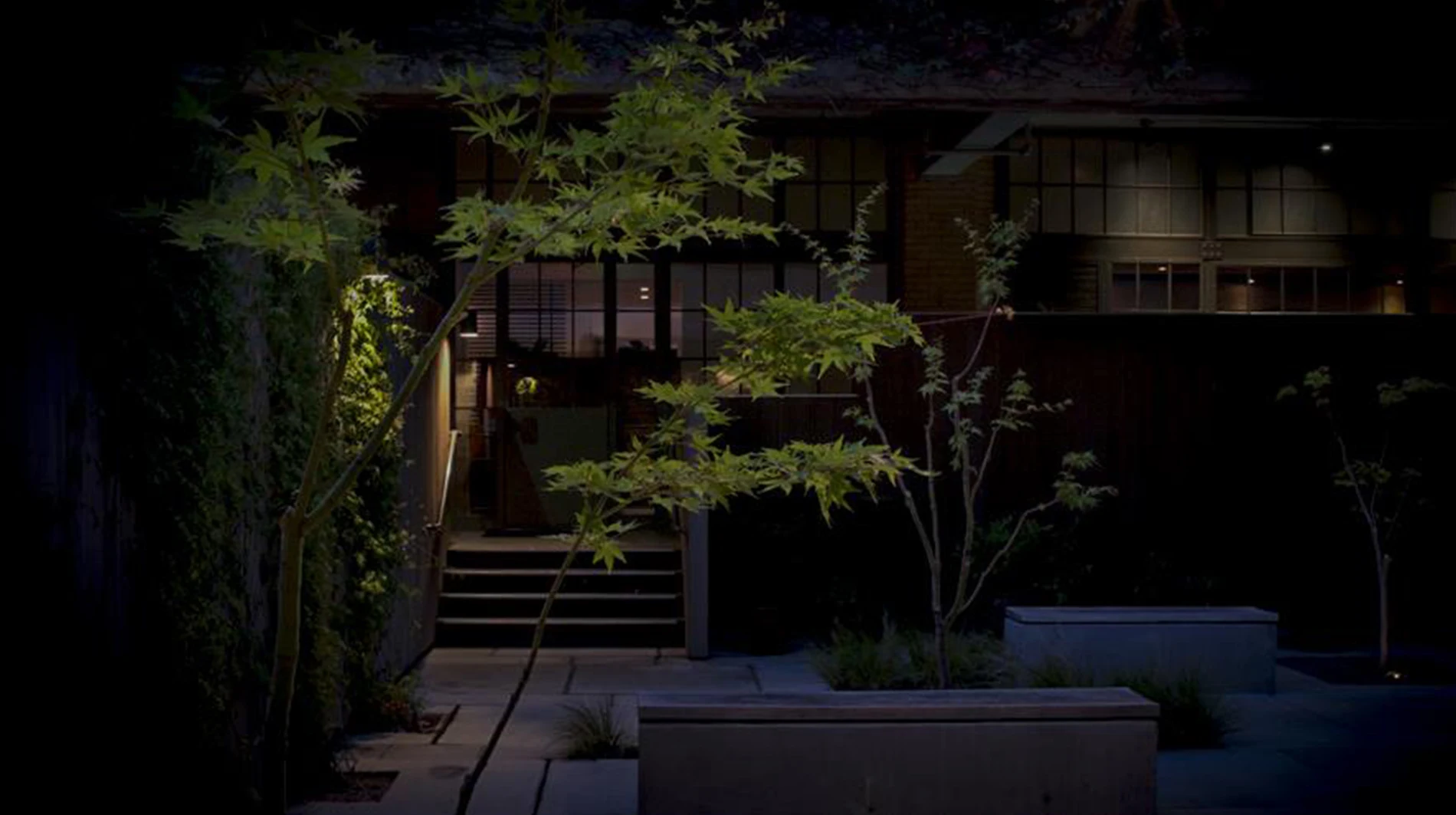
In 2024, marking a decade in the Mission, Lazy Bear completed a significant physical refresh. The remodel addressed kitchen flow and table layout alongside the design register. Smokey Bear signage, an exposed rock entrance, and faux animal heads contribute to the room's character. The upstairs mezzanine reads as an elegant cabin.
The charred wood that characterised the pre-remodel interior survives in fragments, retained as a through-line rather than a dominant material. The effect of the remodel is a restaurant that looks more deliberately like itself, which in occasion-dining terms means the environment can now hold the theatrical weight that milestone celebrations require. The room is doing work alongside the kitchen.
Context: This Format Versus Other Occasion Choices
Among California's high-tier occasion restaurants, the choice between Lazy Bear and venues like The French Laundry in Napa or Single Thread Farm in Healdsburg comes down to what kind of celebration you are staging. The French Laundry operates in a register of formal reverence that suits guests for whom ceremony is itself the point. Single Thread integrates a Japanese-influenced kaiseki sensibility with Northern California produce in a format that is quieter and more contemplative. Lazy Bear runs warmer, louder, and more communally, which makes it the stronger choice when the occasion involves a group and the goal is a shared experience rather than an intimate, near-silent one.
Outside California, the dinner-party tasting-menu format has parallels at Le Bernardin in New York City, where the format is more formal but the consistent-occasion quality is comparable, or at Providence in Los Angeles, which operates in a similar price tier with a seafood-forward emphasis. For guests travelling to San Francisco specifically, Lazy Bear offers the Mission District setting, the California inflection of the wine program, and the social geometry of communal tables.
Know Before You Go
Address: 3416 19th St, San Francisco, CA 94110
Hours: Tue: 5–10 PM; Wed: 5–10 PM; Thu: 5–10 PM; Fri: 5–10 PM; Sat: 5–10 PM; Mon: Closed; Sun: Closed
Price range: $$$$ (cuisine); wine list priced at $$$
Wine cellar: 2,400 selections, 10,500-bottle inventory; California, Champagne, Burgundy, Rhône, Bordeaux, Italy
Corkage fee: $75
Awards: Michelin two stars; World's 50 Best Restaurants No. 25
Format: Communal tables across two levels; dinner-party style
Questions
Frequently asked
What recognition does Lazy Bear hold?
Lazy Bear holds 2 Michelin stars, a place on the World's 50 Best list at number 25 and a James Beard award.
Who works at Lazy Bear?
Made By profiles Jacob Brown (Beverage Service Professional) and David Barzelay (Chef) at Lazy Bear.
How expensive is Lazy Bear?
Lazy Bear is listed at a price level of $$$$.
Where is Lazy Bear and what does it serve?
Lazy Bear is in Mission, San Francisco, serving Modern American Tasting Menu.
The field
How it compares
| Place | Awards | Cuisine | Notes |
|---|---|---|---|
| Lazy Bear | Michelin 2 Stars, World's 50 Best #25, James Beard | Modern American Tasting Menu | Mission, $$$$ |
| Atelier Crenn | Michelin 3 Stars, World's 50 Best | Contemporary French Fine Dining | San Francisco |
| Benu | Michelin 3 Stars, World's 50 Best | Modern Asian Fusion Fine Dining | San Francisco |
| Mister Jiu’s | Michelin 1 Star | Modern Cantonese | San Francisco |
| Quince | Michelin 3 Stars, World's 50 Best | Modern French Fine Dining | San Francisco |
| Saison | Michelin 2 Stars, World's 50 Best | Modern Fire-Forward Fine Dining | San Francisco |
| Sons & Daughters | Michelin 2 Stars, World's 50 Best | New Nordic Fine Dining | San Francisco |
Producers
Sourced from / Made with
In residence
Similar places
Contemporary French Fine Dining
Atelier Crenn
San Francisco, United States
★★★ · 50 Best
Modern Asian Fusion Fine Dining
Benu
San Francisco, United States
★★★ · 50 Best
Modern Cantonese
Mister Jiu’s
San Francisco, United States
★
Modern French Fine Dining
Quince
San Francisco, United States
★★★ · 50 Best
Modern Fire-Forward Fine Dining
Saison
San Francisco, United States
★★ · 50 Best
New Nordic Fine Dining
Sons & Daughters
San Francisco, United States
★★ · 50 Best
The Sunday letter
Get the next Made By story in your inbox.
We send one email every Sunday morning with the places and people we covered that week.
See a sample of the Sunday emailOne email a week. Unsubscribe from any issue.