Restaurant
Quince sits in <strong>San Francisco</strong>’s <strong>Jackson Square</strong> at the formal end of the city’s Italian-Californian dining spectrum, with three <strong>Michelin stars</strong>, a <strong>Michelin Green Star</strong>, and deep farm sourcing behind the polish. <strong>Michael Tusk</strong>’s kitchen uses Northern Italian structure rather than red-sauce nostalgia, placing pasta, produce, and cellar depth in a conversation with Bay Area seasonality.
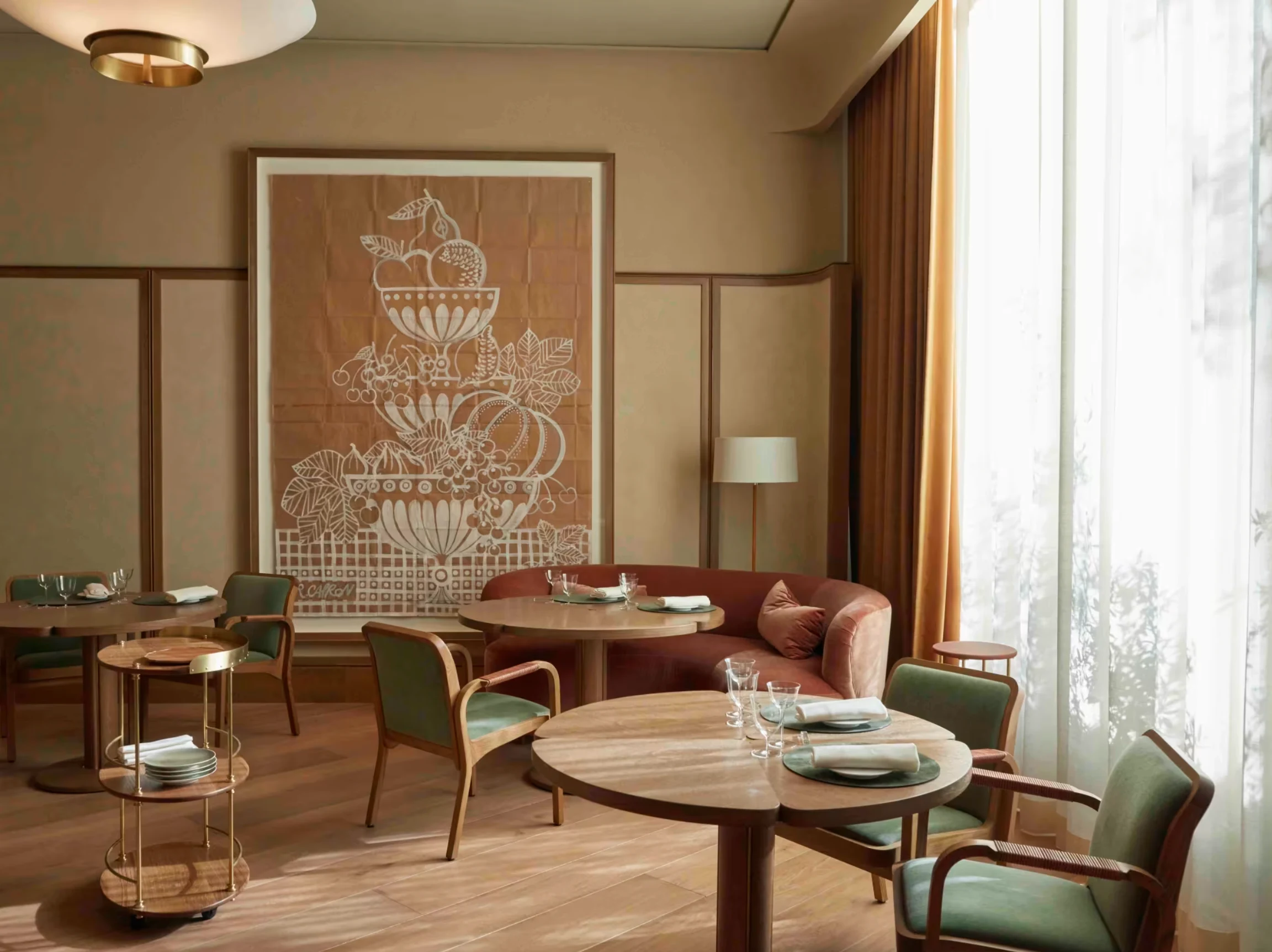
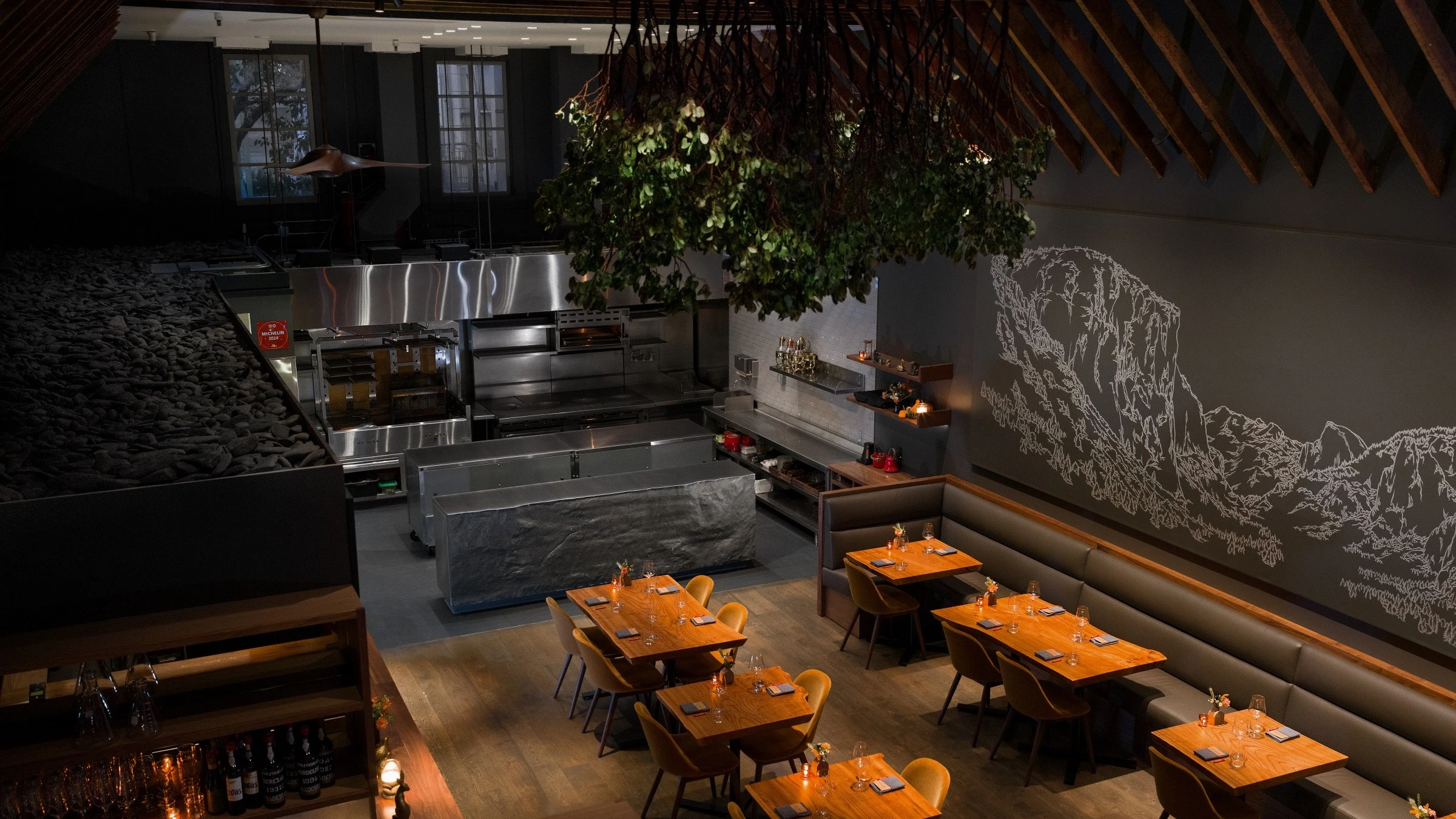
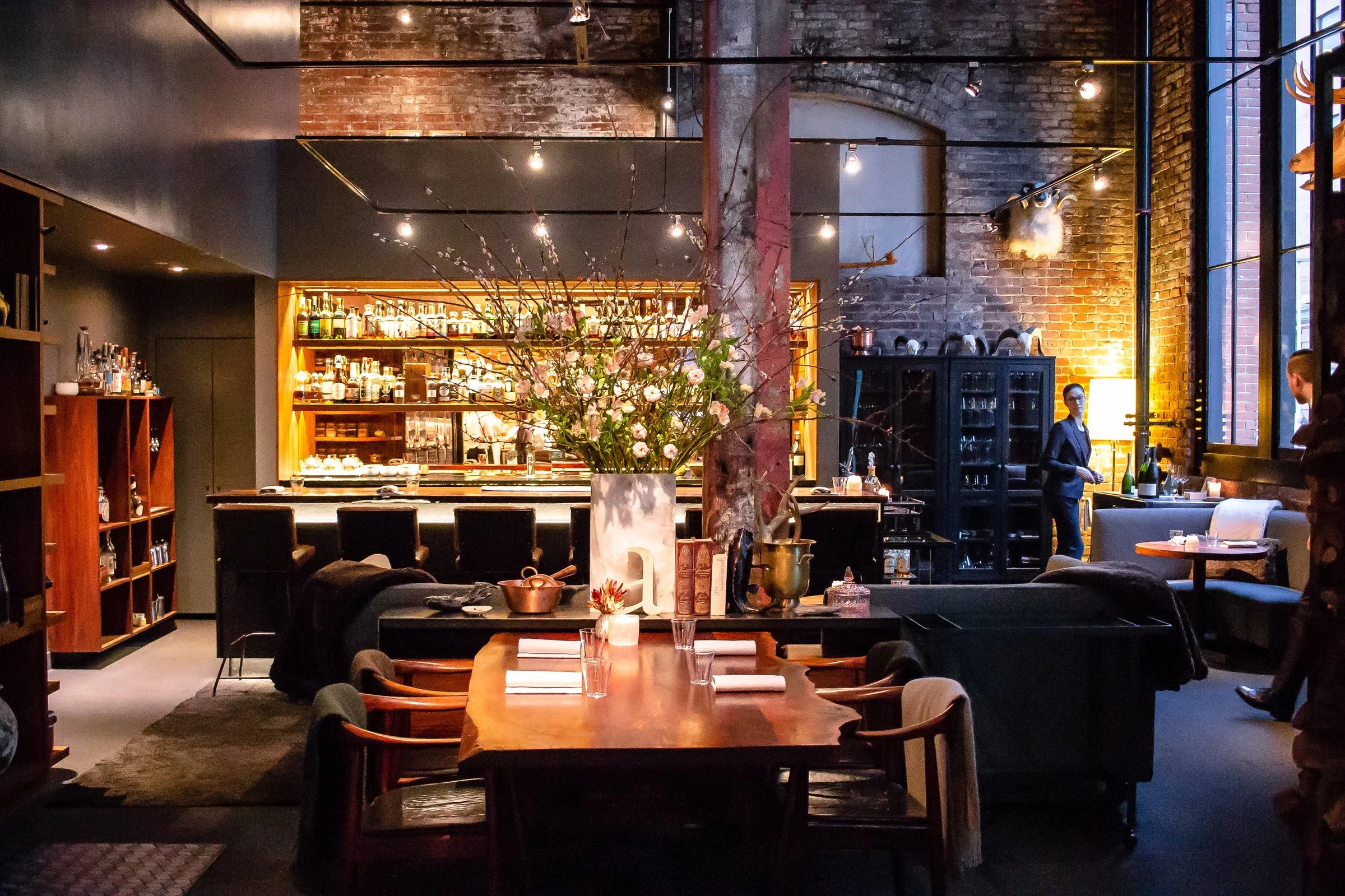
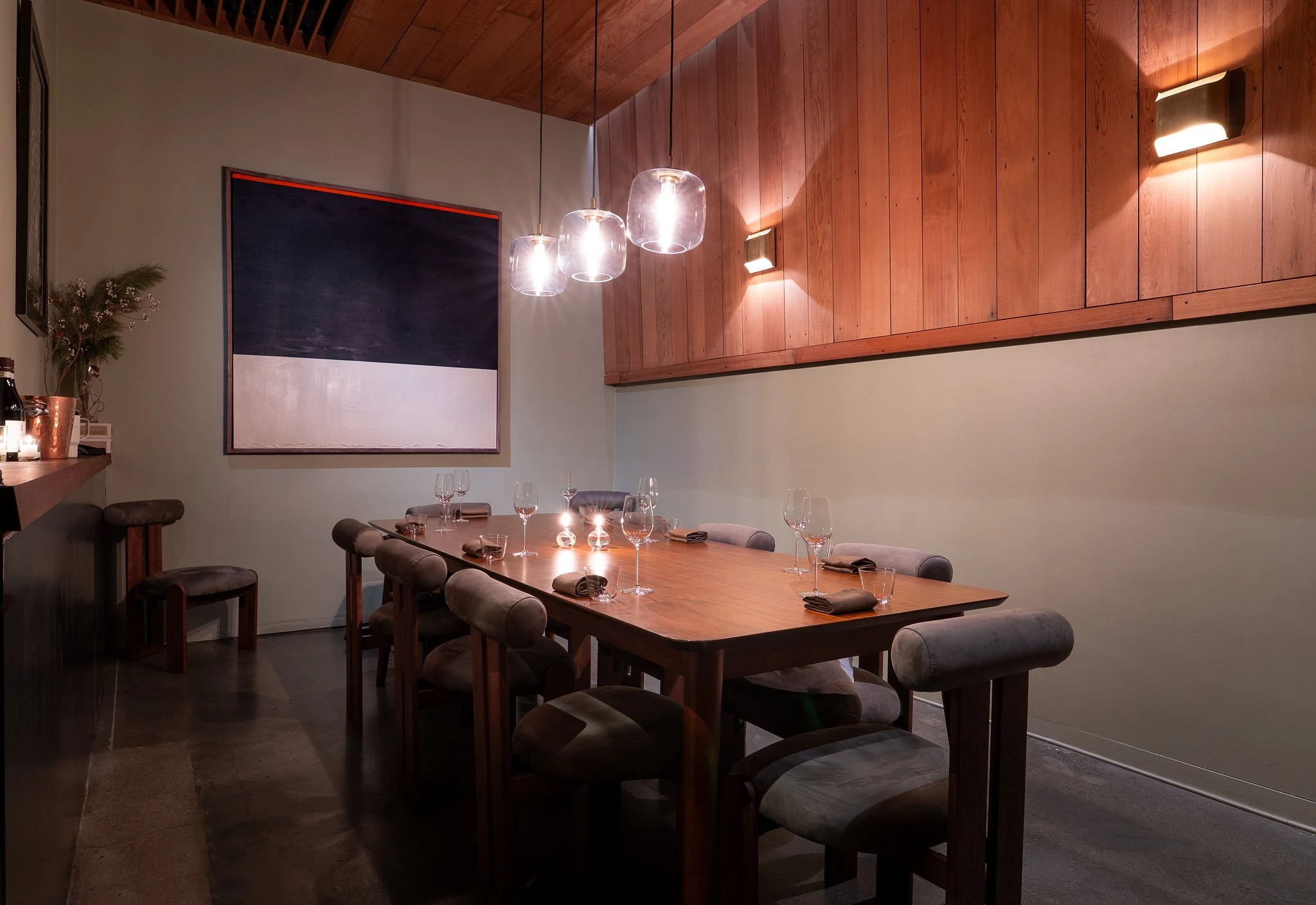
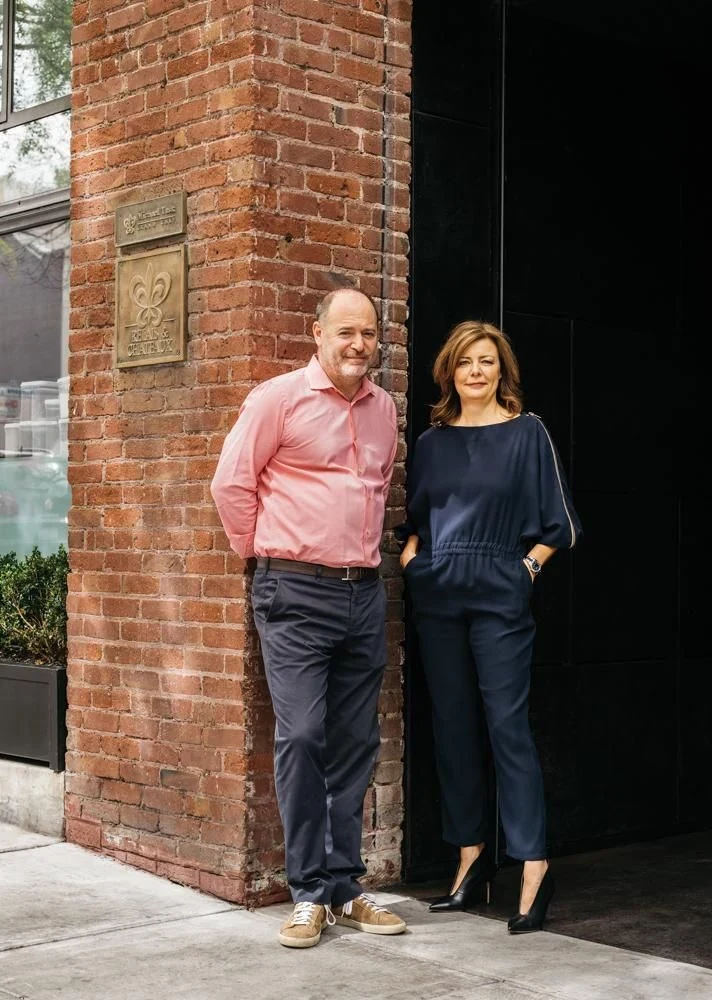
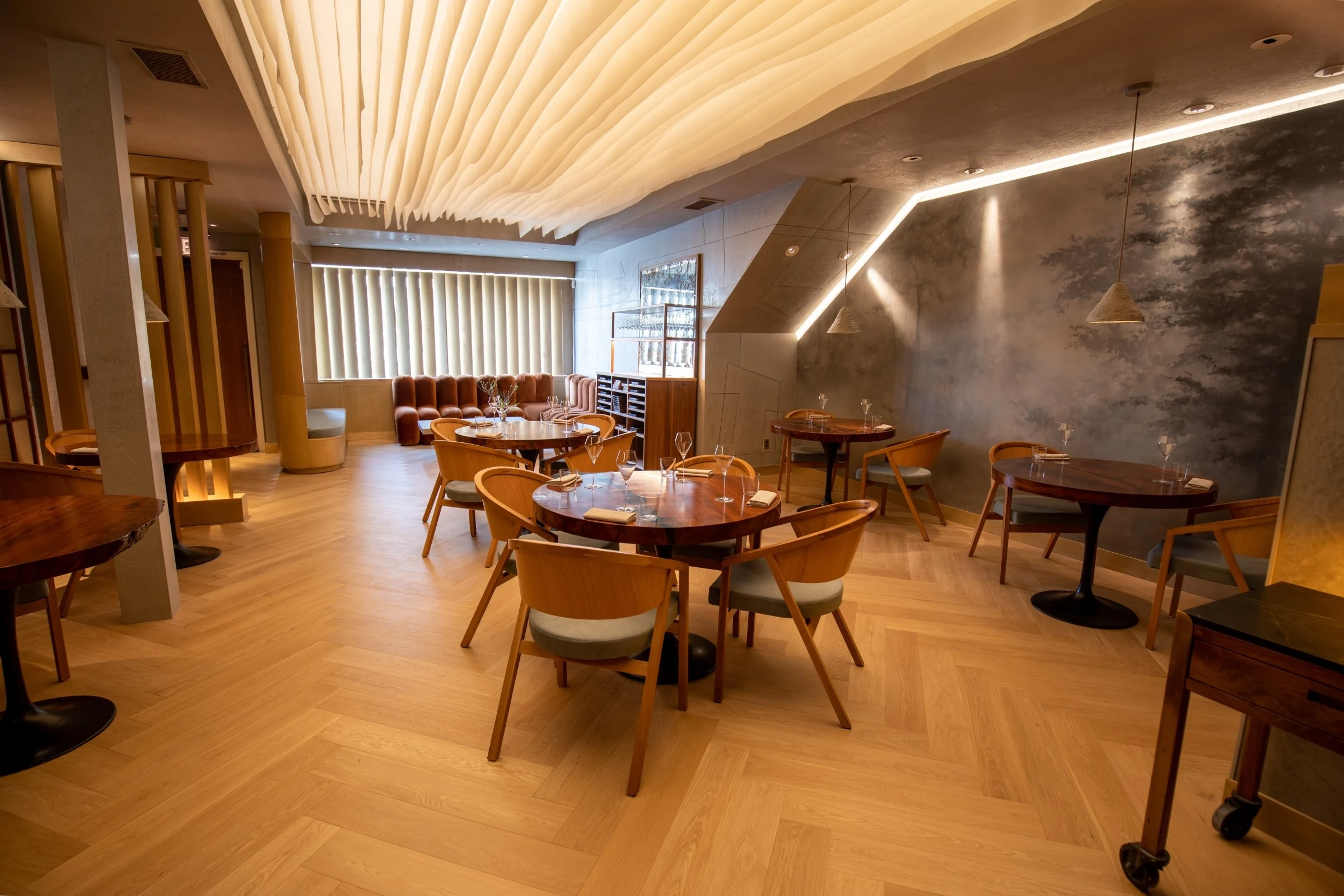
<p><strong>Jackson Square</strong> changes the tempo before the first course. The brick frontages, narrow streets, and relative quiet around <strong>470 Pacific</strong> Avenue create a different San Francisco from the dining corridors that trade on noise and density. Inside Quince, the 2023 refresh matters because it clarifies the restaurant’s current role: formal dining in a city that often prefers informality, Italian technique in a region defined by produce, and a room that treats service as choreography rather than personality. The velvet tones, lounge, bar, and multi-room flow put the restaurant in a polished register, but the more interesting story is how San Francisco’s farm-driven cooking has absorbed Italian grammar without becoming a museum of regional Italy.</p><p>That distinction is useful. In San Francisco, Italian <strong>fine dining</strong> has never meant simply importing Roman carbonara, Tuscan bistecca, Neapolitan pizza, or Milanese cotoletta into a Californian dining room. The city’s stronger contribution has been translation: Northern Italian pasta discipline, Ligurian and Piedmontese restraint, Emilia-Romagna craft, and the Bay Area habit of allowing local vegetables, seafood, and dairy to set the agenda. Quince belongs to that lineage. Its awards place it among the city’s formal dining rooms, yet its identity is less about ceremony for its own sake than about how Italian structure can carry Northern California terroir.</p><h2>San Francisco Italian dining after the red-sauce era</h2><p>The Bay Area’s Italian scene has several speeds. North Beach preserves the older social memory of Italian-American San Francisco. Neighborhood trattorias keep handmade pasta close to daily life. At the luxury end, the cooking becomes more forensic: dough thickness, sauce reduction, vegetable timing, and wine pairing choices become the field of play. Quince operates in that last tier, where pasta is not a comfort category but a technical language.</p><p>That makes comparisons with peers revealing. <a href="https://www.enprimeurclub.com/restaurants/acquerello-san-francisco-restaurant">Acquerello</a> represents another long-running San Francisco argument for Italian fine dining, with its own French-Italian inflections and a more classical sense of luxury. Quince leans harder into Californian sourcing and the newer grammar of seasonal tasting menus. The difference is not simply one of price, although Quince sits in the $$$$ bracket. It is a difference in how Italian tradition is used: Acquerello reads closer to the grand-restaurant continuum, while Quince places Italian craft inside a Bay Area farm system.</p><p>Regional Italy matters here because “Italian” is too broad a label to explain the meal. Roman cooking prizes directness and offal-laced pragmatism; Tuscan cooking often finds power in bread, beans, grilled meat, and olive oil; Neapolitan food carries a coastal, tomato-and-dough identity that travels easily; Milanese food signals butter, rice, veal, and urban refinement. Quince is closest to the northern and central Italian habit of precision, but its produce logic is Californian. That hybrid is now a recognizable San Francisco dialect.</p><h2>The room, the menu, and the farm signal</h2><p>In luxury dining, a remodel can be cosmetic or strategic. The 2023 work at Quince, timed around the restaurant’s 20th anniversary, have done the latter by loosening the old special-occasion rigidity. Public recognition notes a romantic bar and lounge, a shorter tasting menu, a la carte bites, and cocktails, all of which reflect a wider fine-dining trend: restaurants with high fixed costs are adding entry points without abandoning the tasting-menu core. In San Francisco, where diners often split their attention between experimental counters and polished dining rooms, that flexibility has become a survival skill.</p><p>The farm connection is central to the restaurant’s position. The kitchen sources much of its produce from Fresh Run Farm in Bolinas, with more than 40 varieties of fruit, vegetables, and flowers grown for the restaurant according to public award-source material. This is not a decorative farm-to-table claim in a city where such language can become vague. It supplies the restaurant’s strongest regional argument: Italian technique is used as a frame for Bay Area agriculture. A Michelin Green Star in 2025 reinforces that sustainability and sourcing are part of the critical record, not only part of the restaurant’s self-description.</p><p>The menu is described as Italian and Contemporary in the venue record, while award-source material also uses Californian and Italian. That split is accurate. The Italian side gives the kitchen its grammar; the Californian side determines much of the vocabulary. Pasta has long been a signature strength associated with <strong>Michael Tusk</strong>, but the broader point is the city’s affection for restaurants that can turn market dependence into a luxury proposition. San Francisco diners tend to reward seasonality when it feels exact rather than pious. Quince’s strongest case sits there.</p><h2>Where Quince fits among San Francisco's serious rooms</h2><p>San Francisco’s high-end dining map is compact but unusually varied. <a href="https://www.enprimeurclub.com/restaurants/benu">Benu</a> builds a French-Chinese and Asian fine-dining language around precision and restraint. <a href="https://www.enprimeurclub.com/restaurants/saison-san-francisco-restaurant">Saison</a> uses fire, luxury ingredients, and Californian sourcing in a different register. <a href="https://www.enprimeurclub.com/restaurants/atelier-crenn">Atelier Crenn</a> brings modern French structure into a poetic tasting-menu format. <a href="https://www.enprimeurclub.com/restaurants/lazy-bear">Lazy Bear</a> turns progressive American cooking into a communal, performance-aware format. Against that field, Quince is the city’s Italian-Californian formalist: less theatrical than some peers, less austere than others, and more invested in the long arc of pasta, wine, and produce than in a single conceptual hook.</p><p>The awards record gives that position hard edges. Quince holds three <strong>Michelin stars</strong> and one Michelin Green Star for 2025 in the supplied record, Michelin three stars in 2024, La Liste scores of 90 points in 2025 and 89 points in 2026, and <strong>Opinionated About Dining</strong> placements including North America rank #40 in 2023, #36 in 2024, #89 in 2025, and #49 in the 2026 OAD Leading Restaurants in <strong>North America Ranked</strong> list. The venue also carries a 4.6 Google rating from 712 reviews. No single list should be treated as a full verdict, but the combined pattern matters: Michelin rewards the room and execution at the highest level, OAD keeps it within the North American conversation, and La Liste records continued international notice.</p><p>That breadth separates Quince from restaurants that are locally loved but lightly credentialed. It also creates a clear expectation for the reader. This is not the place to test whether San Francisco can do casual Italian; it is the place to see how far the city has taken Italian technique when paired with luxury service, a major cellar, and farm-specific sourcing. Readers comparing Bay Area destinations might also weigh it against <a href="https://www.enprimeurclub.com/restaurants/the-french-laundry">The French Laundry in Napa</a> and <a href="https://www.enprimeurclub.com/restaurants/single-thread">Single Thread Farm in Healdsburg</a>, both of which frame Northern California produce through destination tasting menus outside the city. Quince offers the urban version of that conversation.</p><h2>Chef credentials without the personality cult</h2><p>Michael Tusk is a necessary part of the story, but not the whole story. The chef is listed in the venue record and award-source material, and public inspector notes cite his 2011 James Beard Award for Leading Chef: Pacific. His background includes Chez Panisse according to supplied material, a credential that matters because Bay Area fine dining still carries the influence of Alice Waters’ ingredient-first philosophy. The useful point is not biography as mythology; it is continuity. Quince connects the Chez Panisse-era insistence on seasonality to a more formal Italian-Californian dining room with Michelin-level service expectations.</p><p>Lindsay Tusk’s role as owner and hospitality figure, also present in the supplied material, helps explain the restaurant’s long life in a city where luxury dining has been repeatedly tested by labor costs, real estate pressure, and changing dining habits. The couple’s broader restaurant activity, including Verjus and the planned Bar Coto noted in the record, also signals a wider San <strong>Francisco Italian</strong> and European-leaning ecosystem rather than a single isolated address. Quince remains the anchor because it carries the awards, the cellar, and the full ceremony.</p><h2>Wine as part of the regional argument</h2><p>The cellar is not an accessory here. The supplied wine data lists 1,700 selections and an inventory of 14,000 bottles, with strengths in Champagne, Bordeaux, Burgundy, Loire, Rhône, France more broadly, Germany, California, Tuscany, and Italy. That range tells a reader how the restaurant thinks about Italian-Californian cooking: not narrowly through Italy alone, and not through California alone. Champagne supports the luxury opening; Burgundy and Loire suit delicacy and acidity; Tuscany and broader Italy keep regional continuity; California links the restaurant back to place.</p><p>Star Wine List recognition in 2026 adds an external trust signal for the beverage program. The corkage fee is listed at $120, and wine pricing is marked $$$, with many bottles above $100. For a reader planning the meal, this is useful intelligence rather than trivia. Quince’s price tier is already $$$$, and the wine program can move the final bill materially. The better way to understand the restaurant is as a full fine-dining spend, not a pasta splurge with incidental wine.</p><p>San Francisco has bars and wine rooms that can satisfy a separate drinking agenda, and travelers building a broader itinerary can use <a href="https://www.enprimeurclub.com/bars/san-francisco">our full San Francisco bars guide</a> or <a href="https://www.enprimeurclub.com/wineries/san-francisco">our full San Francisco wineries guide</a>. But within the restaurant itself, the cellar is part of the point. A 14,<strong>000-bottle inventory</strong> places the meal in a different category from the city’s smaller chef-driven rooms, where wine depth often gives way to shorter natural-leaning lists.</p><h2>Lunch, timing, and the practical read</h2><p>The venue record lists hours as Monday closed, Tuesday through Thursday 5–9 pm, Friday 12–1 pm and 5–9 pm, Saturday 5–9 pm, and Sunday closed. Other supplied material mentions lunch tasting menus on Fridays and Saturdays, while the database hours specify Friday lunch only; readers should treat the current listed venue hours as the safer planning basis and confirm directly before arranging a daytime meal. Dinner is the main rhythm, and the room’s formal polish makes early evening and later prime-time tables feel like different versions of the same restaurant: the former quieter and more controlled, the latter more fully charged.</p><p>The address, 470 Pacific Avenue at the Jackson Square edge, is useful for itinerary planning because the neighborhood sits near the Financial District, North Beach, and the Embarcadero without feeling like any one of them. Supplied access notes list San Francisco International Airport at 24 km and Oakland at 30 km. For travelers staying in the city, the restaurant pairs naturally with hotels in downtown, Nob Hill, North Beach, or the waterfront; <a href="https://www.enprimeurclub.com/hotels/san-francisco">our full San Francisco hotels guide</a> gives the broader lodging context. The restaurant’s setting also works before or after a cultural itinerary, for which <a href="https://www.enprimeurclub.com/experiences/san-francisco">our full San Francisco experiences guide</a> is the more useful starting point.</p><p>Reservations are strongly recommended in supplied inspector material, with availability noted as opening two months in advance by phone or online through the restaurant website. The venue database does not provide a booking method field, but the award-source record includes the restaurant website. Because Quince sits in a Michelin three-star category and a high-price bracket, planning at the beginning of the booking window is the rational move, especially for Fridays and Saturdays. The practical decision is simple: this is a planned dinner, not a spontaneous walk-in strategy.</p><h2>How it compares beyond the Bay Area</h2><p>Placed against American luxury dining, Quince is part of a national group of restaurants that use region as a serious operating system. <a href="https://www.enprimeurclub.com/restaurants/le-bernardin">Le Bernardin in New York City</a> anchors French seafood precision in Midtown formality. <a href="https://www.enprimeurclub.com/restaurants/providence">Providence in Los Angeles</a> builds a seafood-focused West Coast luxury language. <a href="https://www.enprimeurclub.com/restaurants/smyth">Smyth in Chicago</a> channels Midwestern product through an experimental tasting-menu structure. <a href="https://www.enprimeurclub.com/restaurants/emerils-new-orleans-restaurant">Emeril’s in New Orleans</a> belongs to a different lineage, where regional identity and restaurant history carry the weight. Quince’s national relevance comes from San Francisco’s version of the same question: what does place taste like when filtered through formal technique?</p><p>The Italian comparison is also worth sharpening. In Italy, regional identity is often protected by habit and geography. In the United States, Italian fine dining has to choose how literal it wants to be. <a href="https://www.enprimeurclub.com/restaurants/taverna-estia-brusciano-restaurant">Taverna Estia in Brusciano</a> sits closer to Italian soil and its own local culinary expectations, while <a href="https://www.enprimeurclub.com/restaurants/boia-de-miami-restaurant">Boia De in Miami</a> shows how contemporary Italian cooking can move through a looser American register. Quince is neither a replica of Italy nor a casual reinterpretation. It is a San Francisco answer: farm produce, technical pasta, luxury service, and a cellar built for long meals.</p><h2>Who should book it</h2><p>Quince makes sense for diners who want the formal end of San Francisco dining rather than the city’s counter-service creativity or neighborhood ease. The price tier, Michelin status, and cellar depth point to anniversaries, client dinners, destination dining itineraries, and travelers trying to understand the Bay Area’s serious restaurant culture in one address. For a broader selection across moods and budgets, <a href="https://www.enprimeurclub.com/restaurants/san-francisco">our full San Francisco restaurants guide</a> is the better map.</p><p>The restaurant is less suited to diners seeking a quick pasta dinner, a loud room, or a low-commitment evening. It also asks for interest in seasonality as a structure, not just as a menu note. The reward is a clear view of how San Francisco has matured past the old debate between European technique and California ingredients. At Quince, the two are not competing claims. They are the operating premise.</p><h2>FAQs</h2><h3>Would Quince be comfortable with kids?</h3><p>If the child is comfortable with long formal meals, quiet service, and a $$$$ San Francisco dining room, Quince can work as a special-occasion family dinner. If the priority is speed, flexibility, or a casual setting, the price level and Michelin three-star format make another San Francisco restaurant a better fit.</p><h3>What's the vibe at Quince?</h3><p>If San Francisco fine dining is split between relaxed creative rooms and high-ceremony destinations, Quince sits firmly in the polished camp. The <strong>three Michelin stars</strong>, Michelin Green Star, $$$$ price tier, Jackson Square address, and 2023 refresh point to a composed, adult, service-led room rather than a noisy trend-driven scene.</p>
Yes, if the child can handle a long, quiet meal in a $$$$ dining room. Quince at 470 Pacific Ave is a formal San Francisco restaurant with 3 Michelin stars, so it suits families treating dinner as an occasion rather than a quick stop.
The room leans polished and deliberate, shaped by the 2023 remodel and the Jackson Square setting. Expect the kind of service and pacing associated with a 3 Michelin-star address in San Francisco, led by chef Michael Tusk.
Quince has received recognition including: {"import":{"source":"opinionatedaboutdining-restaurants-2026","year":2026},"matching":{"confidence":"high","decision":"matched","explanation":"identity_anchor:site_plus_locality","manual_decision":"","match_score":"1.0","match_status":"matc….
Quince is categorized in our database as Italian, Contemporary.
Pricing at Quince is listed as $$$$.
470 Pacific Ave, San Francisco, CA 94133
Jackson Square

Modern Fire-Forward Fine Dining
Saison
San Francisco, United States
★★ · 50 Best
Atelier Crenn
San Francisco, United States
★★★ · 50 Best

Modern Asian Fusion Fine Dining
Benu
San Francisco, United States
★★★ · 50 Best

New Nordic Fine Dining
Sons & Daughters
San Francisco, United States
★★

Innovative
Lazy Bear
San Francisco, United States
★★ · 50 Best
Contemporary French-American Fine Dining
Gary Danko
San Francisco, United States