Chef
Trey Lamont
- Discipline
- Chef
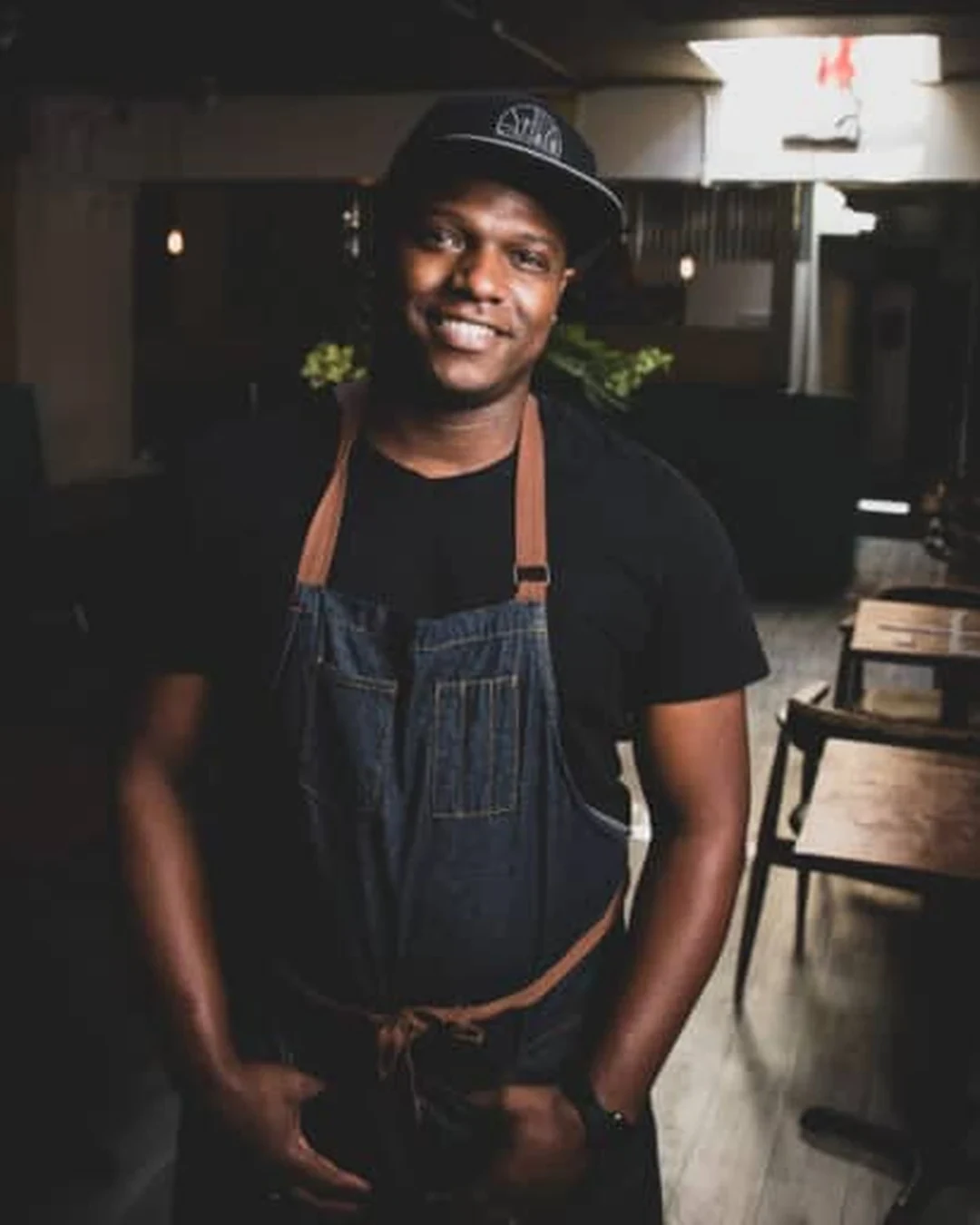
Portrait of Trey Lamont
i. Biography
Trey Lamont is the owner and executive chef of Jerk Shack in Seattle, where his cooking is defined by smoke, Scotch bonnet heat, house-ground spice, scratch-made sauces, and Pacific Northwest product. His approach begins in Caribbean cuisine and carries Jamaican inheritance through a style built on chile-marinated chicken, smoked meats, crisp frying, and seasoning that does not retreat. The work balances smoke and char with vinegar and chile, sweetness and salt, and the aromatic persistence of allspice and herbs. Smoked chicken anchors the restaurant’s identity because it brings the central craft into plain view: seasoning, smoke, heat, and restraint in the finish. Classical training at Le Cordon Bleu gave Trey Lamont a technical base before his cooking moved into a more personal island vocabulary. Discipline, repetition, and kitchen procedure became the frame for food designed to travel, hold, and reach people directly. That structure mattered in his earlier work as founder and operator of Papa Bois food truck, where he carried Jamaican flavors through the city with immediacy and control. From Papa Bois to Jerk Shack, his work has stayed close to smoke, spice, frying, scratch sauces, and cultural ownership. He also leads Food with Melanin, bringing island food, professional rigor, and representation into the same operating language. His Seattle cooking translates Caribbean flavor for the Pacific Northwest without diluting it. The menu brings island tastes into the local setting through smoked meats, scratch-made dishes, and spice blends ground in house. A chile-smoked ribeye steak sandwich shows the method clearly. House-baked bread holds pre-smoked ribeye seasoned with kosher salt and signature spice, then grilled, sliced on the flat top, and layered with greens, escovitch, house-made sauces, tamarind sauce, more spice, and seasoned fries. Each part has a job, whether texture, heat, tang, smoke, or salt. Limited and seasonal items follow the same grammar rather than changing the subject. Lamb Chops have appeared as a limited item, flame-grilled and finished with signature herb salt and Scotch Bonnet Hot Honey. Christmas Oxtail has been offered as a holiday pre-order item, extending the kitchen’s cooking into planned gatherings and family-table service. Representation is treated as part of the service model. At Jerk Shack, a Black-owned wine program is used to promote change, so the plate and the glass work together within the same frame. Caribbean food, Black ownership, and Seattle hospitality are presented as one practice rather than separate ideas. Trey Lamont’s cooking also includes local sourcing, with Caribbean fried Alaskan Pollock showing how a local fish can be carried through the seasoning logic of his kitchen. In Field to Table at Lumen Field in Seattle, he has been included as a participating chef, and that setting underscores the practical focus of his work. Jamaican heritage, Caribbean cuisine, Seattle, smoke, spice, frying, and scratch-made technique remain the constants in a cooking style built to serve people directly and with clarity.
The Sunday letter
Read Made By's new profiles every Sunday.
Meet the chefs, winemakers and sommeliers behind the places we cover. See a sample below before you subscribe.
See a sample of the Sunday emailOne email a week. Unsubscribe from any issue.
Explore



The Sunday letter
Get the next Made By profile in your inbox.
We send one email every Sunday morning with the people we profiled that week.
See a sample of the Sunday emailOne email a week. Unsubscribe from any issue.