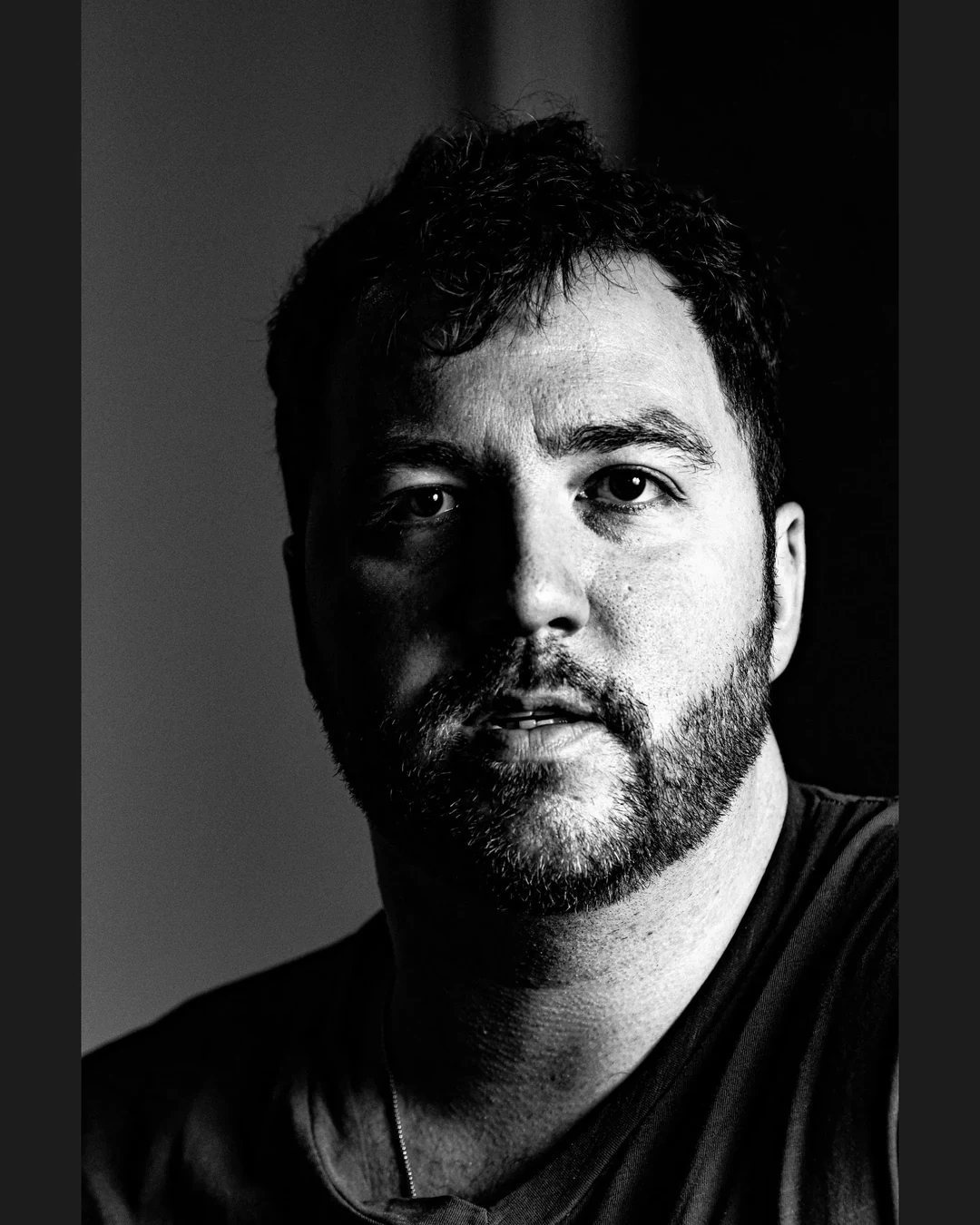
Portrait of Tyler Akin
i. Biography
Tyler Akin was chef-partner at Le Cavalier in Philadelphia from 2020 to 2025, and the path to that title ran through university study, culinary training, and line work in West Virginia, Washington, D.C, and Philadelphia. Read as a trade record, it shows the slow build that matters in kitchens: timing learned under pressure, judgment sharpened by repetition, and stamina earned before a room ever knows the name on the docket.
The Sunday letter
Read Made By's new profiles every Sunday.
Meet the chefs, winemakers and sommeliers behind the places we cover. See a sample below before you subscribe.
See a sample of the Sunday emailOne email a week. Unsubscribe from any issue.
The Climb
L’Academie de Cuisine, Delaware School of Law, and University of Delaware formed the base of Tyler Akin’s training, with each stop adding a different layer of discipline before service became the center of the work. That mix of classroom and kitchen matters in the trade: the cook who can move between books, systems, and the line often brings a broader kind of control to the pass. In 2020, Tyler went on to work as chef at Le Cavalier in Wilmington, Delaware, and later as chef at Bastia in Philadelphia, Pennsylvania. The sequence of roles maps the usual kitchen ladder without flattening it: bread baking, line cooking, sous-chef work, then the expanded responsibilities that come with chef-owner roles and chef-partner titles. Each step asks for a deeper hold on rhythm, speed, and consistency—the early call, the long service, the ability to keep a room moving without losing the standard. Tyler Akin stayed close to the stove through all of it. Today, Tyler is chef of Amour Blanc.
Today
Akin’s work has passed through bread baking, line cooking, sous-chef work, chef-owner roles, and chef-partner titles. The thread is continuity, not spectacle: a career built by accumulating control rather than leaping past it. The kitchens shift, the scope widens, but the job remains anchored in the same practical center—hands on the work, attention on the next plate. The record also points to movement as a kind of education: New York study, culinary training, Washington line work, Philadelphia ownership, and responsibilities carried across named restaurants. Taken together, those stops describe a chef shaped by transit between cities and by the pressure of service itself. The result is a body of work defined by continuity, the sort that lets a dining room feel effortless because someone has done the hard, repetitive labor of making it so.
In Their Words “I got really comfortable with the ingredients, flavors, and techniques at Little Serow.” “Fine dining is more of a feeling than a set of criteria.” The quotes point to the working logic underneath the résumé: fluency with ingredients, flavors, and techniques, and a view of fine dining that reaches beyond checklist thinking. Comfort at Little Serow suggests repetition turning into control, the kind of familiarity that only comes after enough service to make the work second nature. The second line frames fine dining as something felt in the room and in the cadence of service, not just counted by markers on paper.
Career - chef — Amour Blanc, Blois, France - chef — Le Cavalier, Wilmington, Delaware (from 2020) - chef — Bastia, Philadelphia, Pennsylvania Education: L’Academie de Cuisine; Delaware School of Law; University of Delaware; New York University
Recognition
The titles mark the ascent: line cook, sous chef, chef-owner, chef-partner. Those roles are the clearest ledger of Akin’s progression, each one carrying more responsibility, more room for judgment, and more obligation to keep service steady. The pattern is plain, but the substance is in the repetition beneath it: Tyler Akin has kept his work close to the stove, building a record that reads as deliberate, durable, and earned.
FAQ
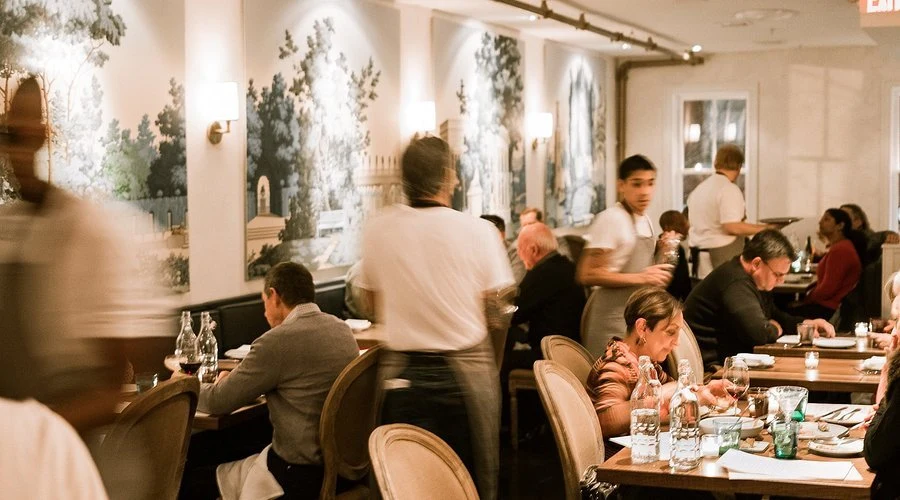
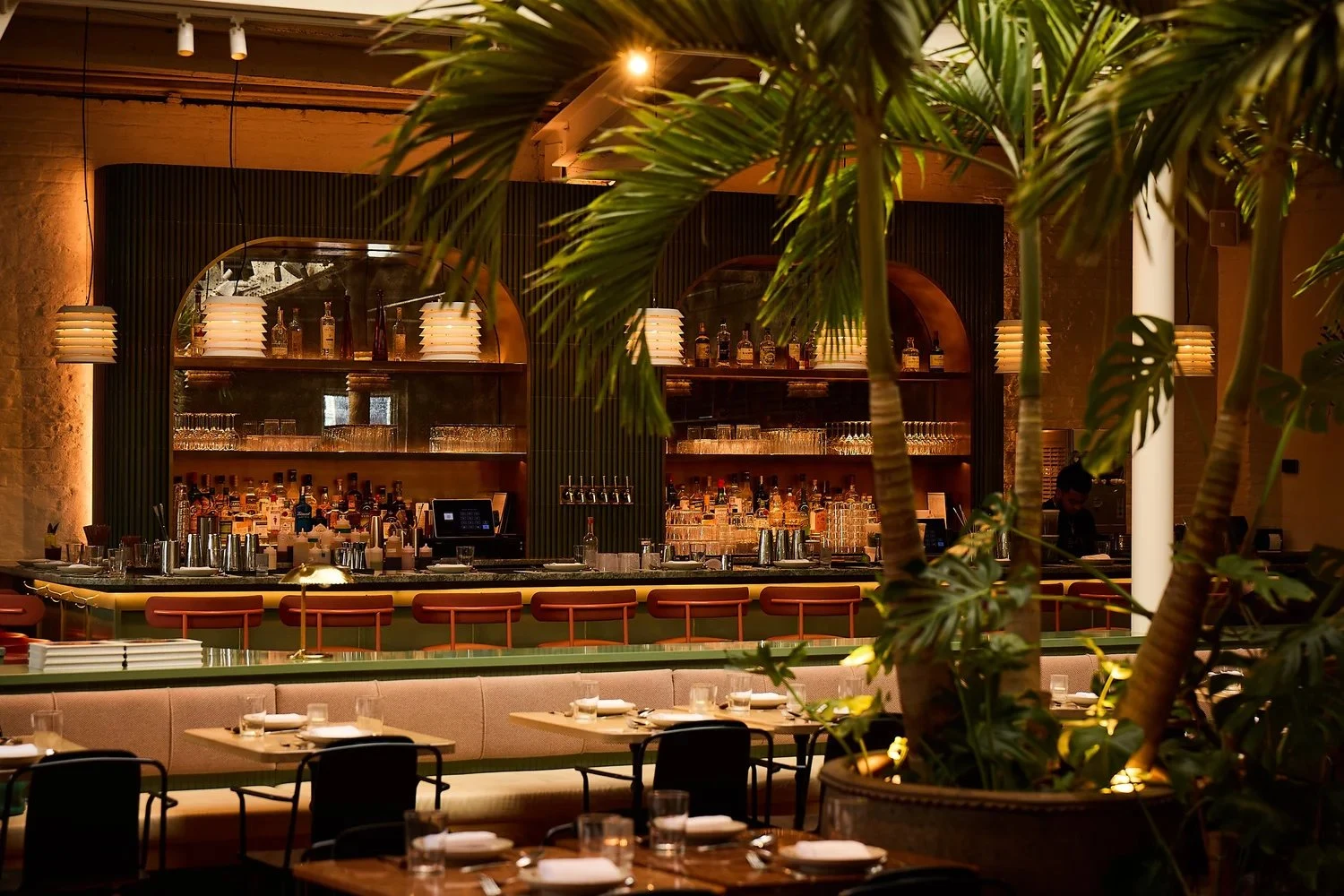
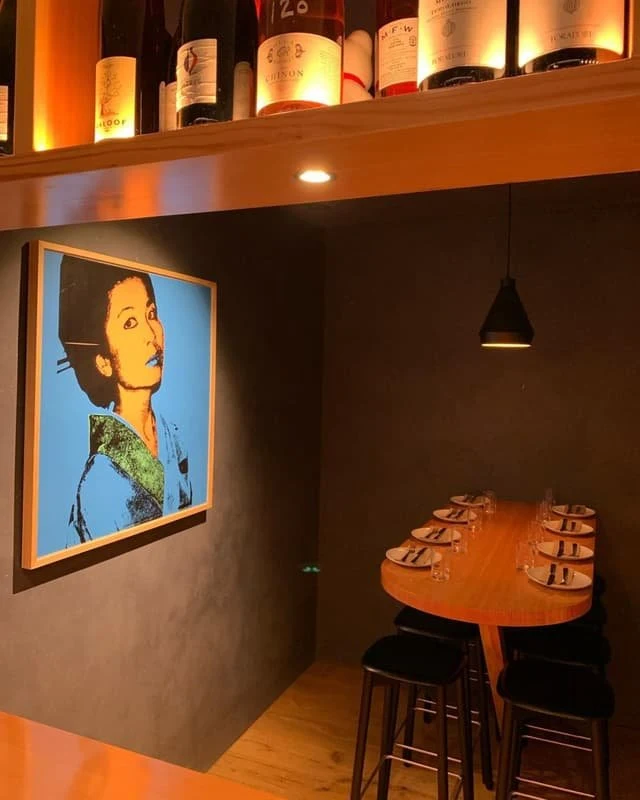
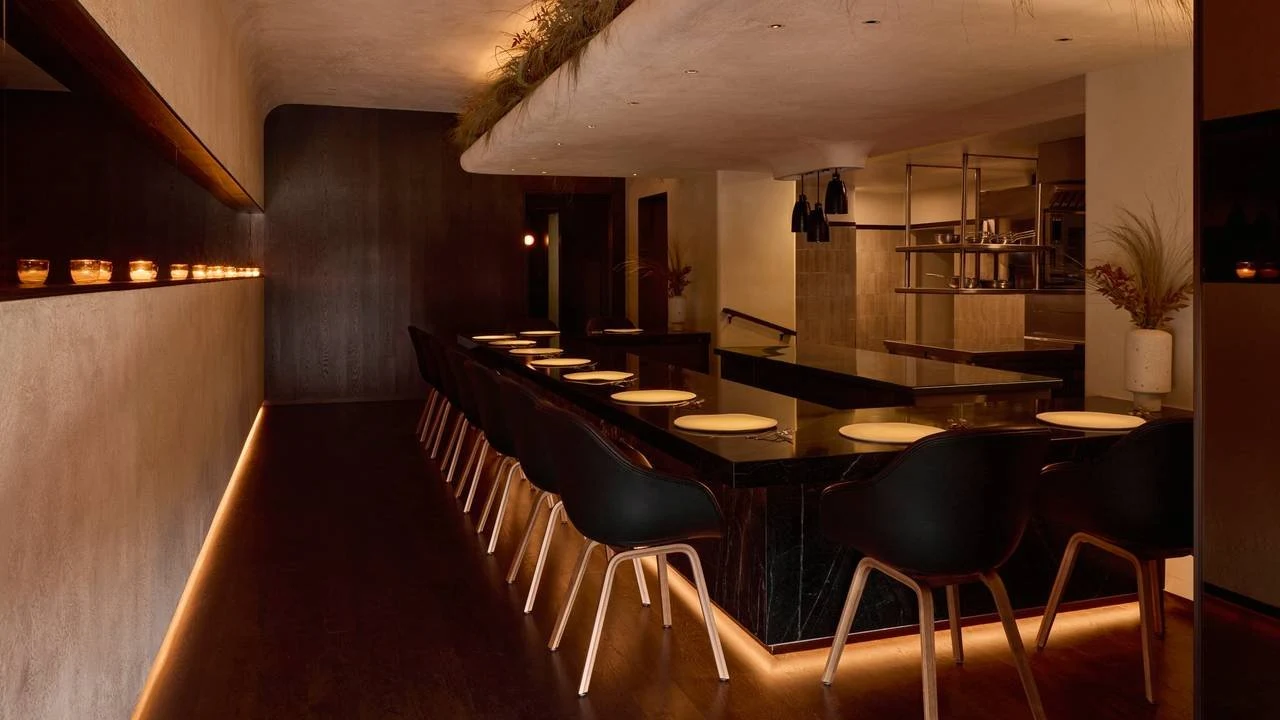
Favorite Places
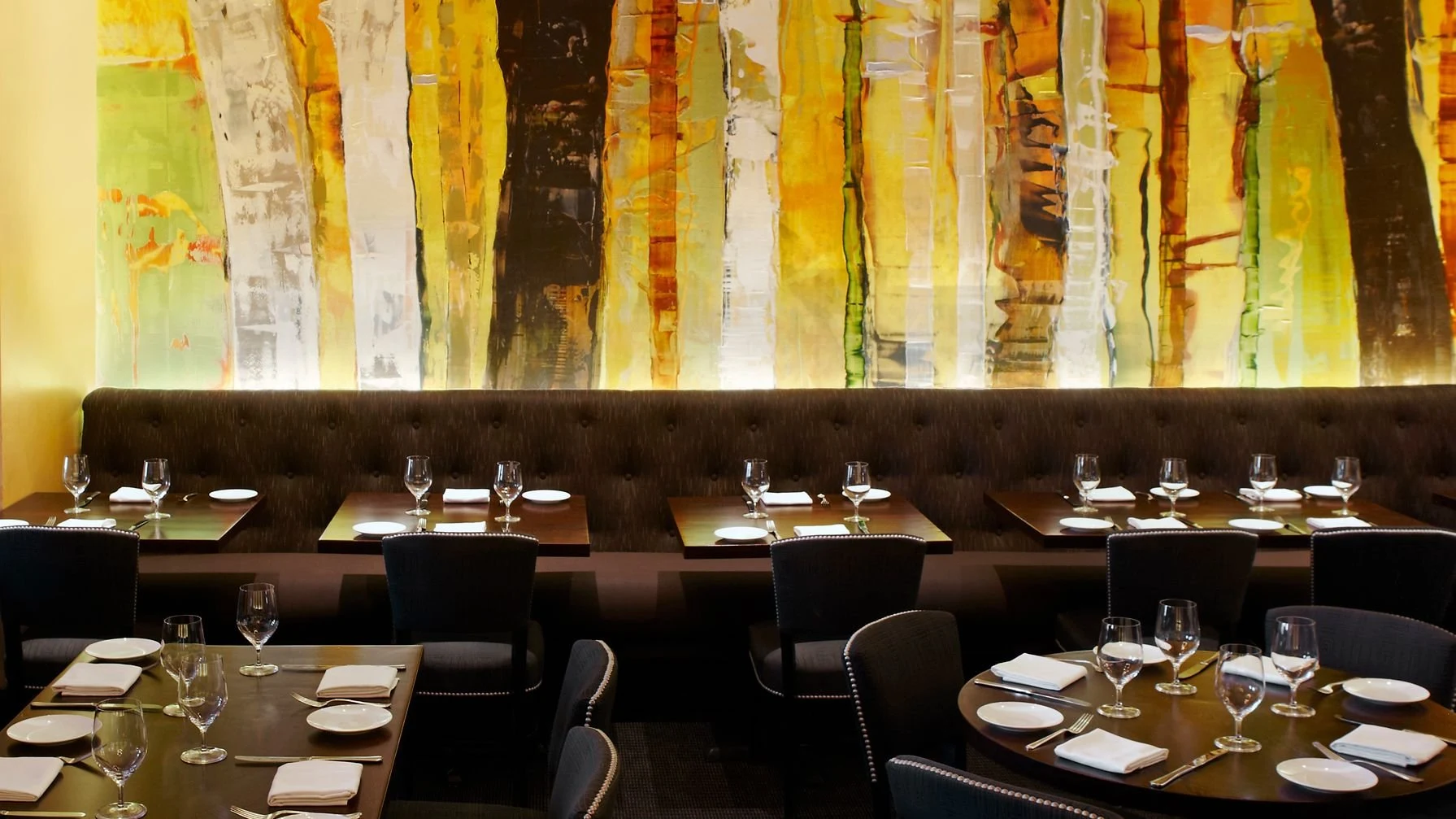
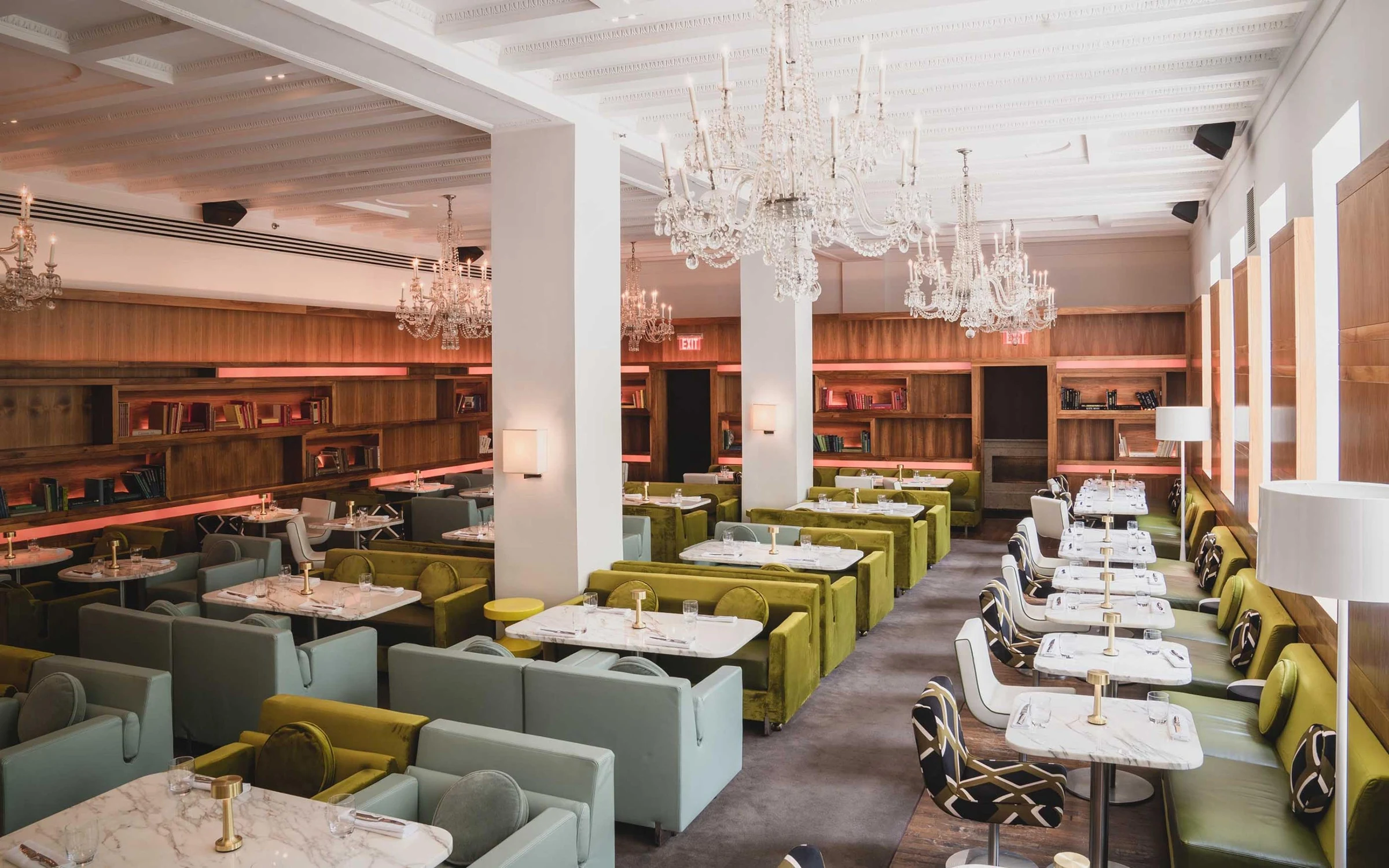
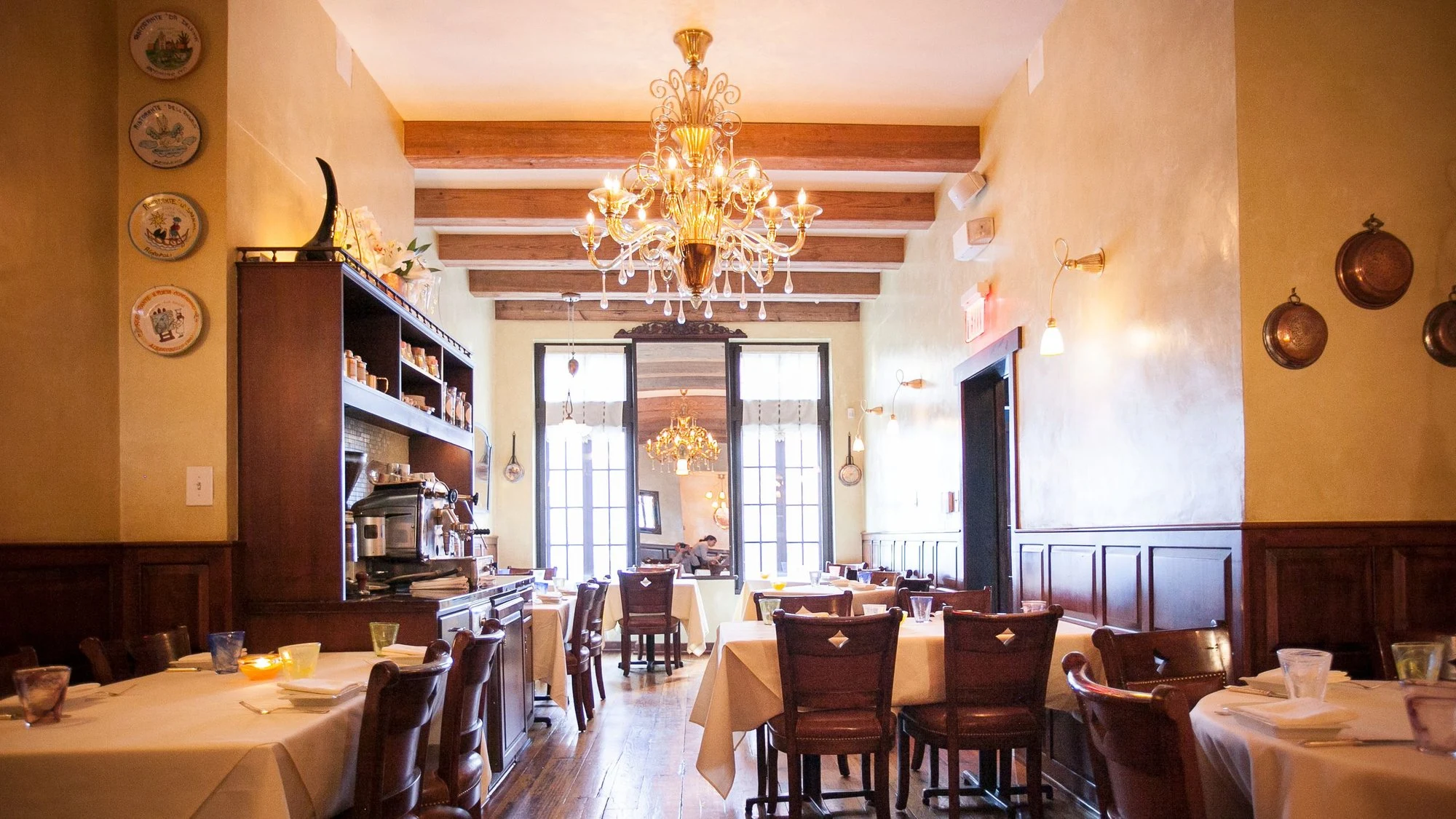
Recommended by Tyler

The Sunday letter
Get the next Made By profile in your inbox.
We send one email every Sunday morning with the people we profiled that week.
See a sample of the Sunday emailOne email a week. Unsubscribe from any issue.