Chef
Yia Vang
- Discipline
- Chef
Made By record
Awards & recognition
1 total
verified records

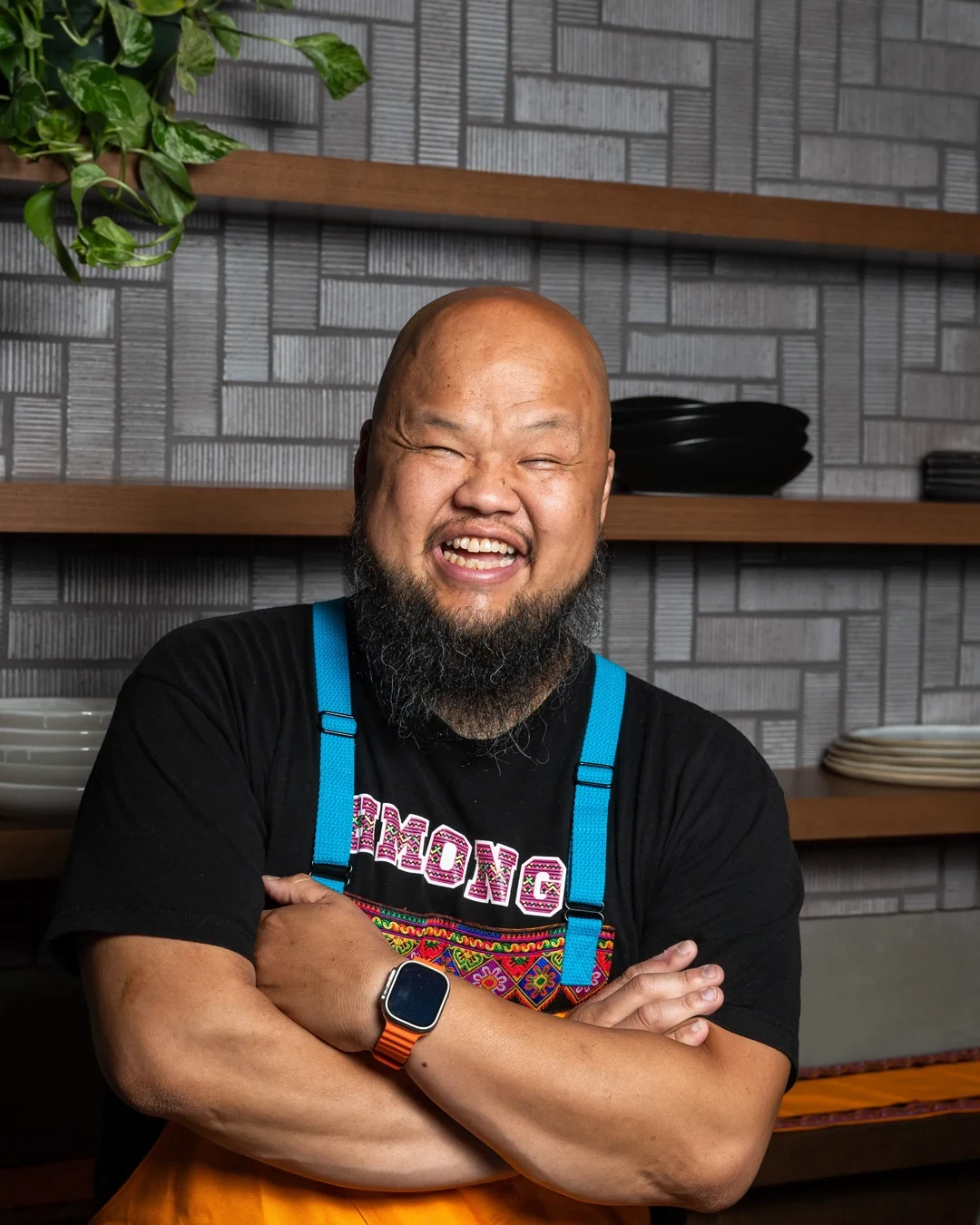
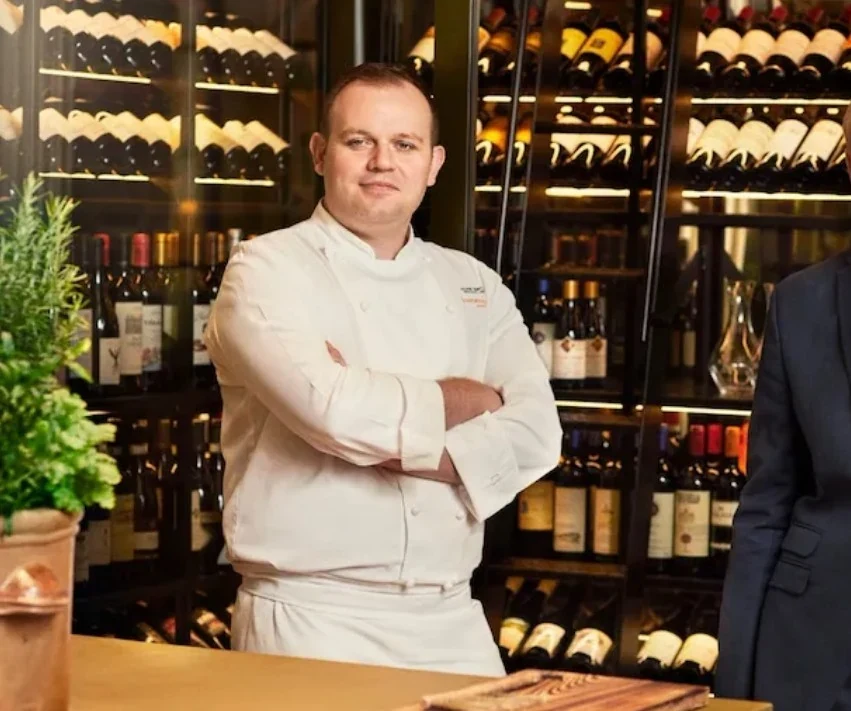
Portrait of Yia Vang
i. Biography
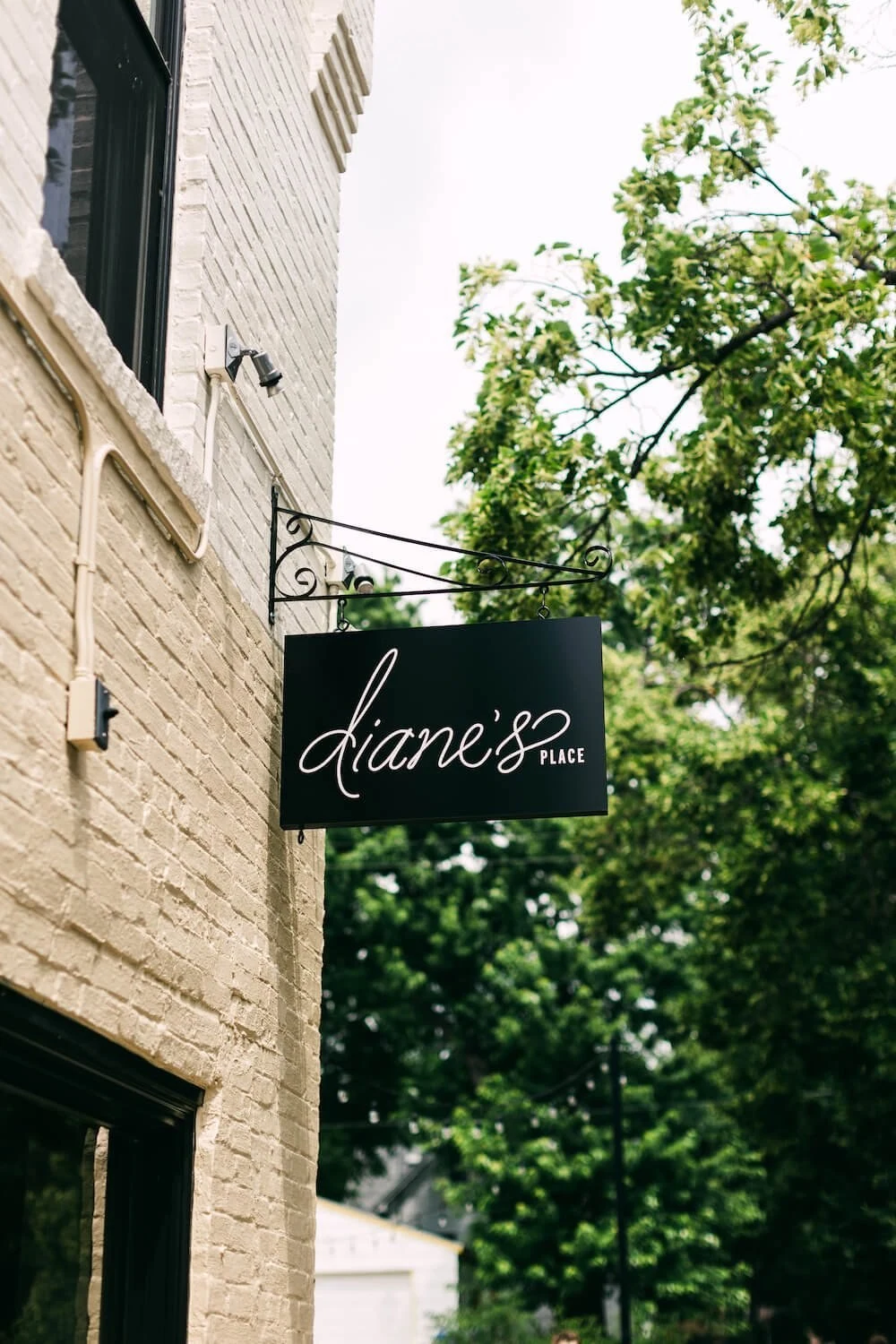
Yia Vang’s kitchen work reads as a study in practical lineage: memory handled through repetition, regional reference, and the discipline of service. Since 2024, Vinai in Minneapolis has been the place where Yia Vang’s title is Executive Chef and Owner, but the broader record is older than that — built through line work, operating roles, and the kind of accumulated judgment that comes from moving through a kitchen from the bottom up. Tiger Bite Hot Sauce, Minnesota Hmong Hotdish, and Wild Boar Coppa Steaks point to the range of that approach: direct flavors, clear intention, and dishes that keep place visible in the final plate.
The Sunday letter
Read Made By's new profiles every Sunday.
Meet the chefs, winemakers and sommeliers behind the places we cover. See a sample below before you subscribe.
See a sample of the Sunday emailOne email a week. Unsubscribe from any issue.
Today
Training at University of Wisconsin-La Crosse sits behind Yia Vang’s later work as a useful counterweight to the kitchen floor: formal education on one side, service labor on the other. The early jobs that followed — dishwasher at Ridges Golf Course, cook at Golden Sands Speedway, and cook at Spoon and Stable in the Minneapolis area — map the standard apprenticeship of serious restaurant work. It is the everyday mechanics that matter here: washing, timing, moving, repeating, and learning how kitchens actually hold together. That same foundation now shows up across multiple platforms. Since 2016, Yia Vang has been co-owner of Union Hmong Kitchen, a position that signals continuity rather than reinvention. He is also the host of Relish, and since 2022, the host of Feral, bringing the same point of view to media as to the pass. Then, in 2024, Vinai in Minneapolis added the title of Executive Chef and Owner, extending the same working vocabulary into a new room. Across those roles, the craft remains consistent: food used as a carrier for memory, identity, and regional specificity. The format changes — restaurant, camera, ownership — but the underlying method does not. Yia Vang’s work stays legible because it is built on clear flavors, practical discipline, and a refusal to flatten the source material.
Career - Co-owner — Union Hmong Kitchen, Minneapolis (2016–present) - Host — Relish - Host — Feral, Outdoor Channel (2022–present) - Executive Chef and Owner — Vinai, Northeast, Minneapolis (2024–present) - Dishwasher — Ridges Golf Course - Cook — Golden Sands Speedway - Cook — Spoon and Stable, Minneapolis area Education: University of Wisconsin-La Crosse
Signature
The signature dishes show how Yia Vang works at the level of flavor structure. Hilltribe chicken with lemongrass sauce and Grilled Butterflied Chicken With Lemongrass Sauce both center a familiar set of elements — char, aroma, and the sharp lift of lemongrass — and treat them with enough precision to keep the dish readable from the first bite. Tiger Bite Hot Sauce suggests a different register altogether: immediate, concentrated, and built to change a plate on contact. Minnesota Hmong Hotdish is the clearest example of how region and inheritance can share the same frame. The name places it in the Midwest, but the work it implies is not generic comfort food; it is a dish carrying specific identity through a format the region knows well. Wild Boar Coppa Steaks, meanwhile, signals a taste for depth and density, a plate that leans into richness without losing structural control. Taken together, these works describe a cook with a strong handle on contrast: bright and heavy, familiar and specific, regional and personal. The common thread is not ornament but purpose. Each item suggests a kitchen practice where flavor has a job to do.
In Their Words The language is plain, tactile, and built from material fact. It treats the restaurant less as a polished concept than as something assembled, held together, and made usable by the people inside it. The sentence carries the practical weight of restaurant life in motion. It reads as a note from the middle of the work, where conditions matter and persistence becomes part of the craft.
FAQ What is Yia Vang's current role? As of 2026, Yia Vang is Executive Chef and Owner. Where did Yia Vang tra

The Sunday letter
Get the next Made By profile in your inbox.
We send one email every Sunday morning with the people we profiled that week.
See a sample of the Sunday emailOne email a week. Unsubscribe from any issue.