Vinai
In Residence
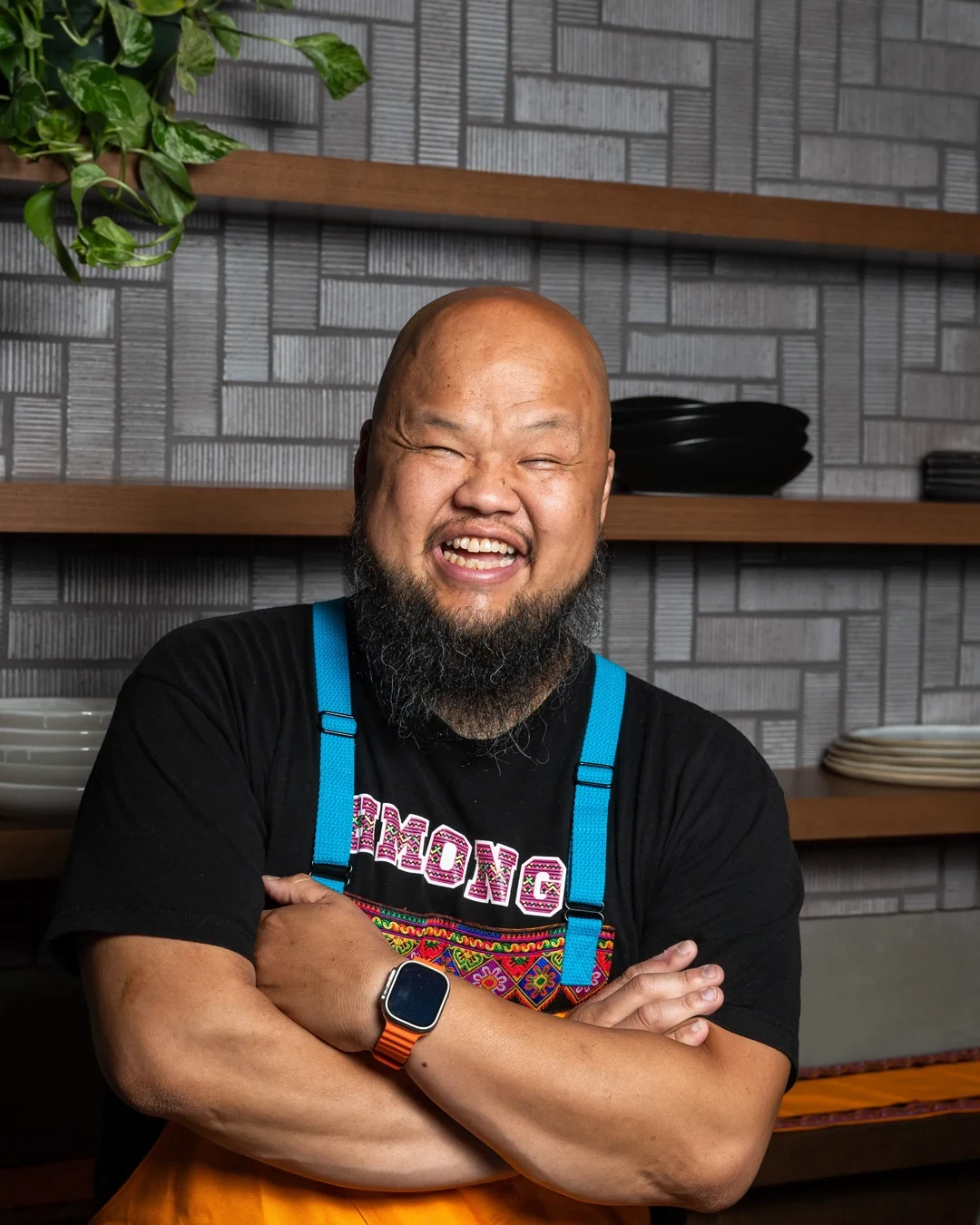
Yia Vang
Chef
- 01CuisineModern Hmong Fine Dining
- 02CityMinneapolis, United States
- 03RecognitionJames Beard Award
- James Beard Winner · James Beard Foundation
- James Beard Award Semi Finalist · 2026
- Bon Appétit The 20 Best New Restaurants #12 · 2025
- James Beard Award Semi Finalist · 2025
- Esquire Best New Restaurants #17 · 2024
Where Northeast Minneapolis Meets Hmong Memory
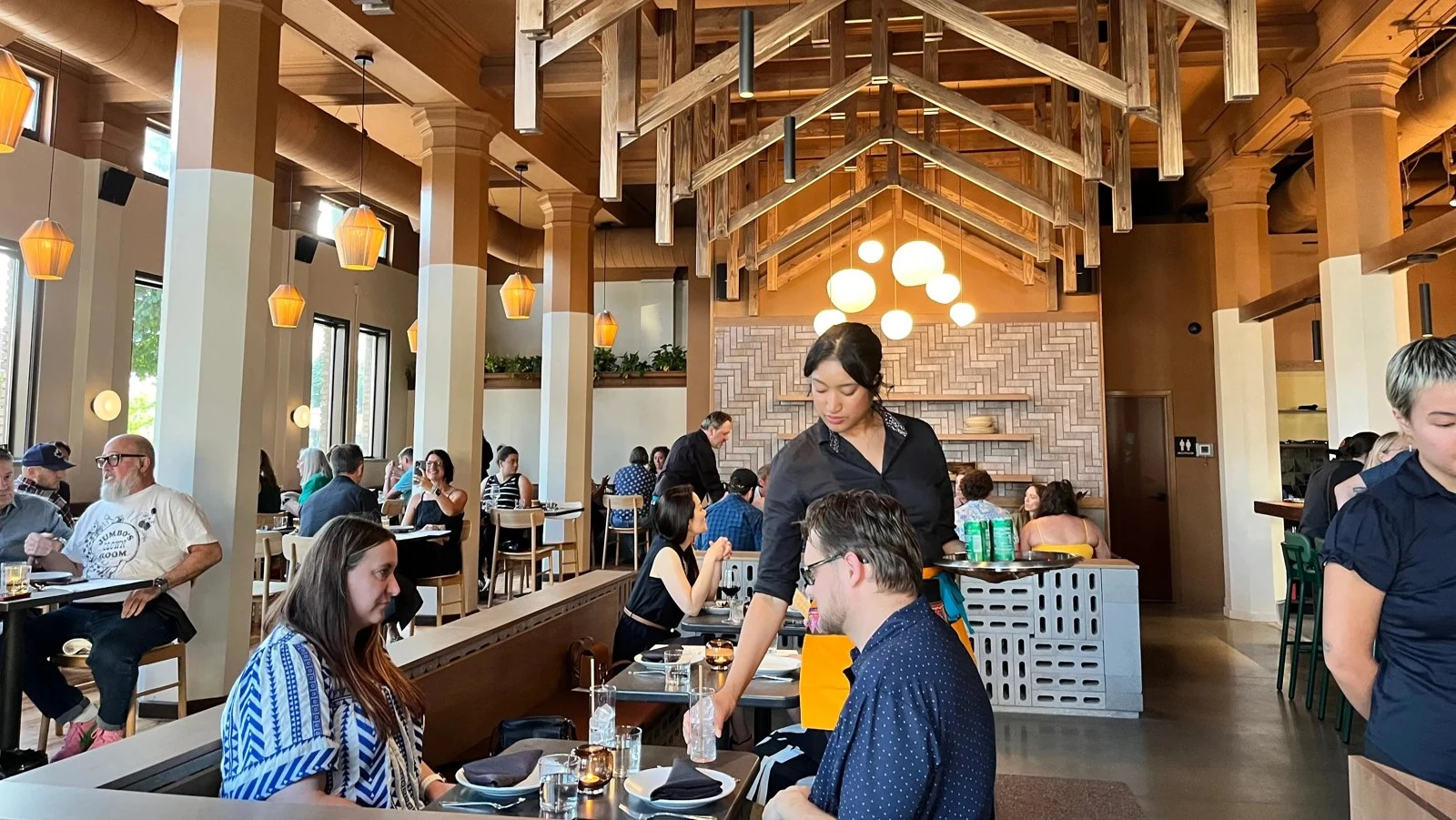
Northeast Minneapolis has spent the last decade becoming the city's most culinarily interesting corridor, a stretch where Somali grocers, Vietnamese bakeries, and Nordic supper clubs exist in close proximity. The restaurant at 1300 NE 2nd St arrives into that context with unusual weight. Vinai, named after the Ban Vinai Refugee Camp in northern Thailand where Chef Yia Vang's parents met and fell in love, is not simply a restaurant serving Hmong food. It is a public act of cultural reclamation, and the dining room carries that seriousness without becoming a museum.
Approaching the space on 2nd Street, you are in an industrial-residential seam, the kind of Minneapolis block where old warehouses slowly become something else. The building does not signal much from outside, which suits the room. Restaurants that lead with their own gravity rarely need architectural fanfare. Inside, the design channels communal gathering: shared surfaces, warmth, and a sense that the meal is about more than eating.
The Sunday letter
Find new places through the people who run them.
Our Sunday email brings you the chefs, winemakers and hoteliers behind our newest stories. See a sample before you subscribe.
See a sample of the Sunday emailOne email a week. Unsubscribe from any issue.
The Arc of the Meal: From Forage to Fire
Hmong cooking is rooted in highland Southeast Asia, a tradition built on foraged herbs, fire-cooked proteins, fermented condiments, and sticky rice as the structural base of every meal. That culinary grammar is not widely known in American dining rooms, which means Vinai's menu functions simultaneously as a tasting experience and an education. Chef Yia Vang trained within American culinary structures but draws his ingredient logic from a distinctly Hmong pantry: galangal, lemongrass, sawtooth coriander, bitter greens, and fermented fish pastes that most American diners have not encountered.
Think of the progression through the meal in three registers. The early courses orient you in aromatic territory: fresh herbs, acid-bright dipping sauces, and raw preparations that establish the kitchen's flavor vocabulary. Mid-meal, the cooking shifts toward fire and patience, the kinds of preparations that take hours and arrive as evidence of that labor. The final register, typically where Hmong family cooking ends, is rice and broth, a quieter but deeply satisfying close that resists the Western impulse to finish with sweetness and spectacle.
That structure is not accidental. It mirrors how Hmong communal meals actually work, where the table builds progressively rather than announcing itself with a dramatic opener and fading. For diners accustomed to the progression logic of, say, a tasting menu at Alinea in Chicago or Lazy Bear in San Francisco, Vinai offers a structural parallel with different culinary DNA underneath. The scaffolding is familiar; the content is not.
Vinai in the Context of Minneapolis's Indigenous and Diaspora Dining
Minneapolis has become one of the country's more interesting cities for diaspora-led fine dining, partly because of the size and depth of its Hmong, Somali, and East African communities. Owamni, which operates on the riverfront with a focus on Indigenous American ingredients, occupies a comparable cultural position: a kitchen that insists on a food tradition most of the country has ignored. Hai Hai works in a similar register with Southeast Asian cooking from a James Beard-nominated team. These restaurants are not drawing from the same tradition, but they share a common project: making the argument that cuisines outside the French-Italian-Japanese axis deserve serious, technique-driven treatment.
Vinai arrives at that argument from a specific personal and historical position. The Ban Vinai camp, at its peak in the 1980s, housed over 100,000 Hmong refugees who had fled Laos following the Vietnam War. Minnesota eventually became home to one of the largest Hmong populations outside Southeast Asia, a community whose food culture has been visible at farmers markets and family tables for decades but had not received a fine-dining articulation until now. Esquire named Vinai among its 17 Best New Restaurants in 2024, a recognition that placed Minneapolis alongside cities like New York and Los Angeles in the national conversation about where serious food is happening.
How Vinai Compares to Its Northeast Minneapolis Neighbors
Northeast Minneapolis's dining scene is less vertically stratified than, say, Chicago's or New York's. You do not have the same sharp divide between casual neighborhood spots and destination restaurants that you find in cities where Le Bernardin or Atomix anchor the top tier. What Minneapolis has instead is a set of restaurants that reach national relevance from mid-size city infrastructure. Spoon and Stable set the template for that model. 112 Eatery built a durable reputation in Italian-influenced late-night cooking. Diane's Place adds to that roster of neighborhood-rooted rooms earning wider attention.
Vinai fits this pattern but occupies a distinct lane. Its comparable set nationally is not primarily defined by price tier or format, but by mission: restaurants at Single Thread Farm in Healdsburg or Emeril's in New Orleans operate with different culinary focuses, but Vinai's Esquire placement puts it in conversation with kitchens across the country that are defining what American food means in 2024. What sets it apart locally is the combination of cultural specificity and technical ambition. Most Minneapolis restaurants drawing on immigrant food traditions do so at a more casual price point. Vinai makes the case that Hmong cooking deserves the same investment of craft and presentation that French or Japanese cuisine has received in American fine dining for generations.
Planning Your Visit
Vinai is located at 1300 NE 2nd St in Northeast Minneapolis. Reservations are essential, particularly for weekend evenings. The restaurant's Google rating of 4.7 across 396 reviews suggests consistent execution.
Questions
Frequently asked
What recognition does Vinai hold?
Vinai holds a James Beard award.
Who works at Vinai?
Made By profiles Yia Vang (Chef) at Vinai.
How expensive is Vinai?
Vinai is listed at a price level of $$$.
Where is Vinai and what does it serve?
Vinai is in Northeast Minneapolis Arts District, Minneapolis, serving Modern Hmong Fine Dining.
The field
How it compares
| Place | Awards | Cuisine | Notes |
|---|---|---|---|
| Vinai | James Beard | Modern Hmong Fine Dining | Northeast Minneapolis Arts District, $$$ |
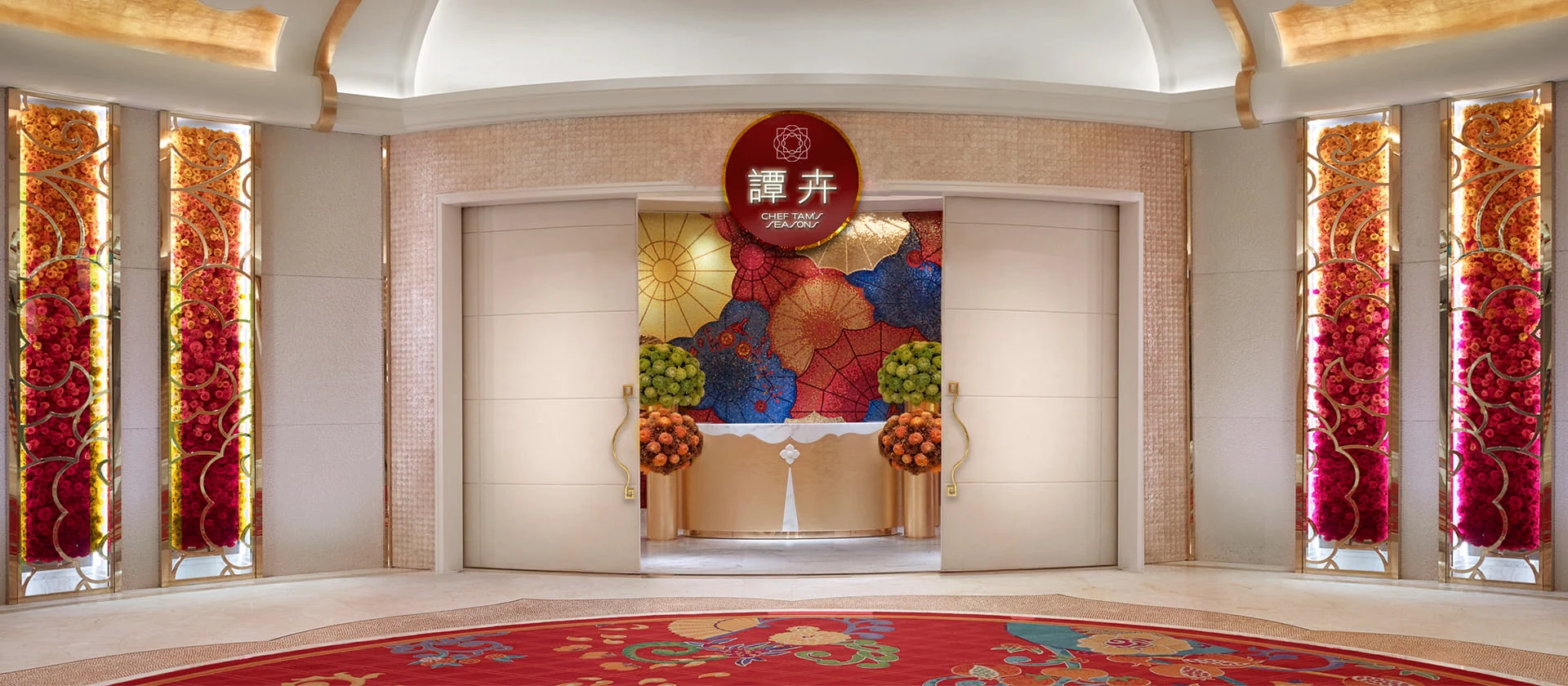
| Chef Tam's Seasons | Michelin 2 Stars, World's 50 Best | Modern Cantonese Fine Dining | Macau |
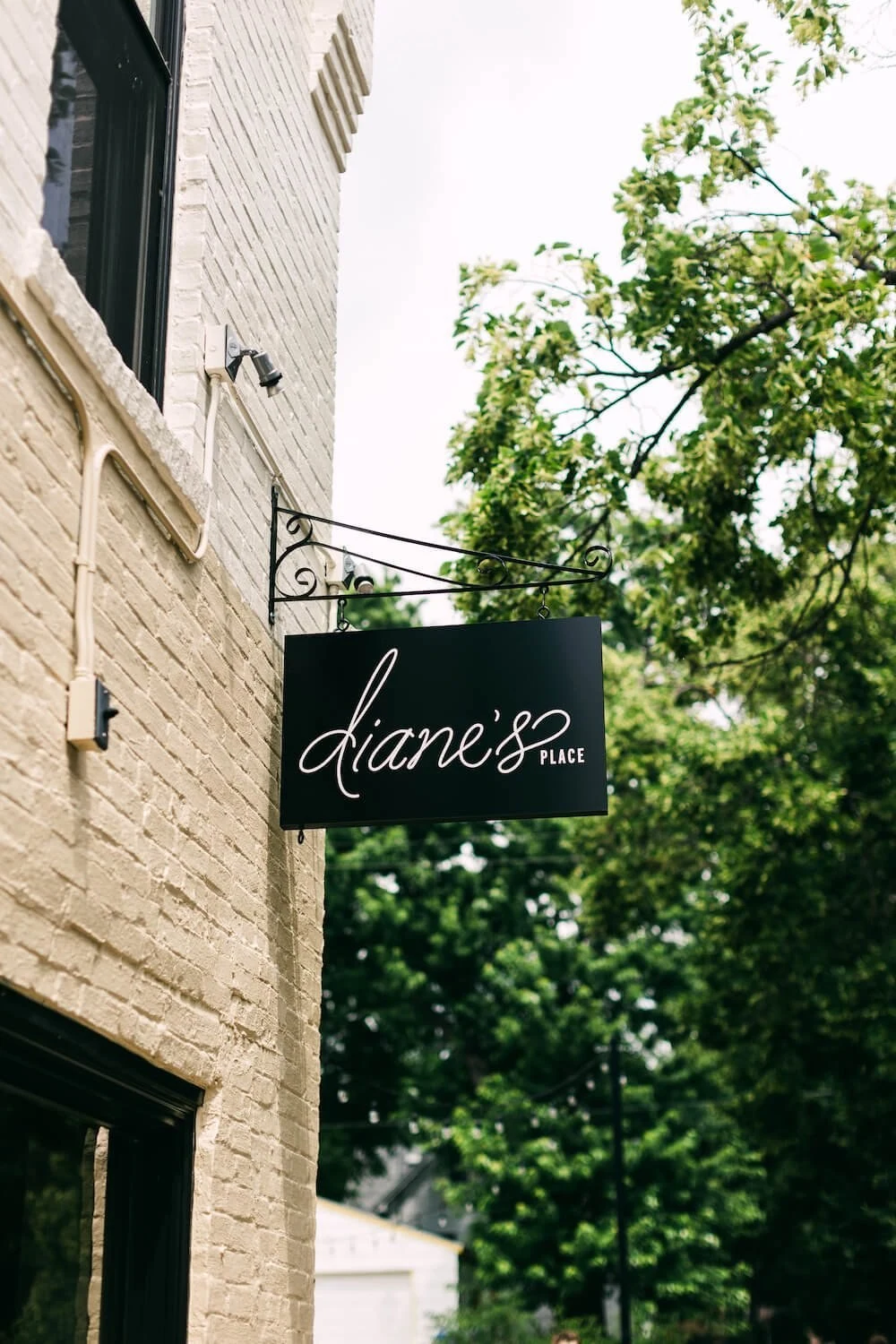
| Diane’s Place | World's 50 Best | Hmong American | Minneapolis |
| Manny’s Steakhouse | · | Classic American Steakhouse | Minneapolis |
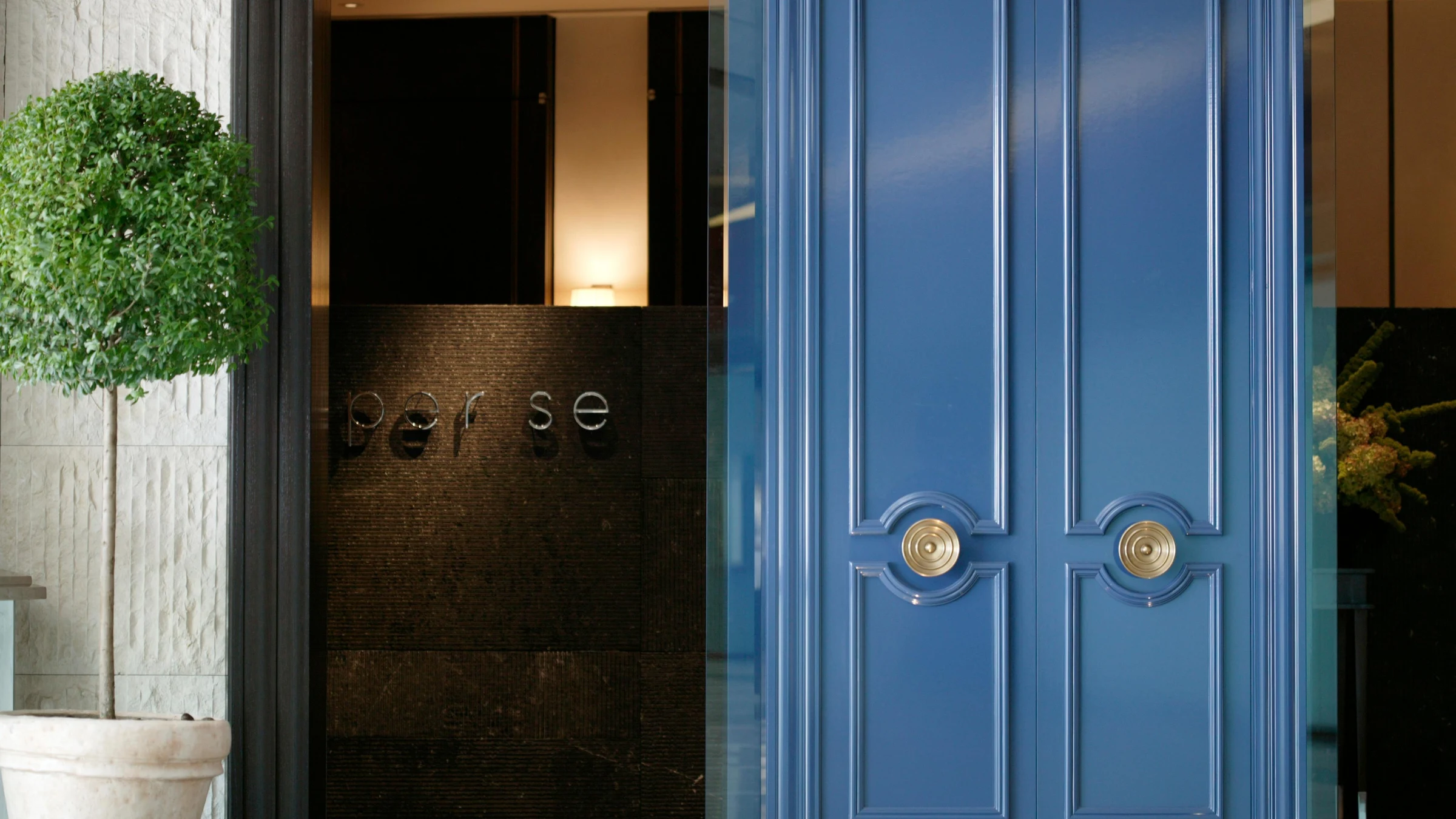
| Per Se | Michelin 3 Stars, World's 50 Best | French Fine Dining Tasting Menu | New York City |
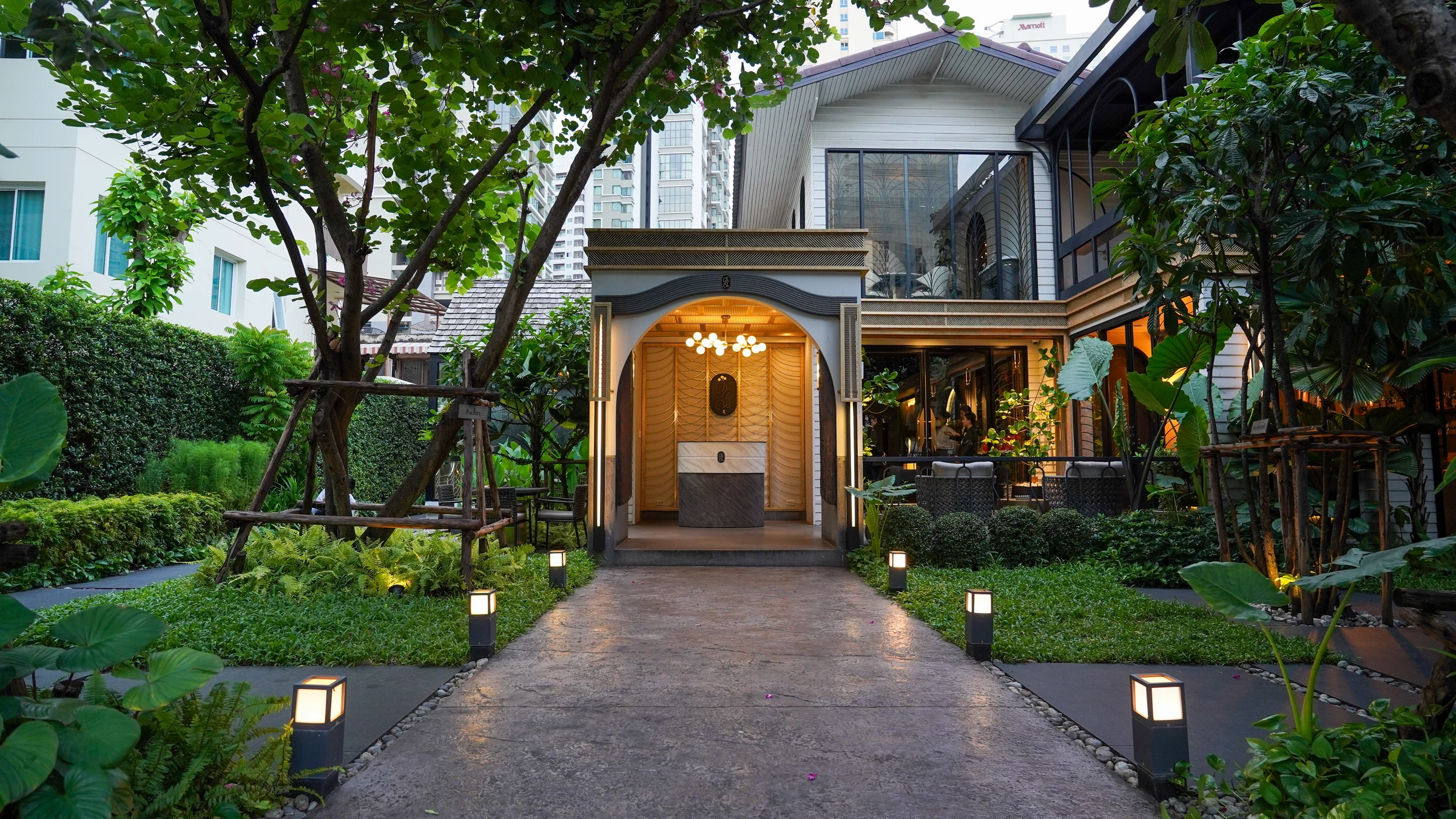
| Sorn | Michelin 3 Stars, World's 50 Best | Fine Southern Thai | Bangkok |
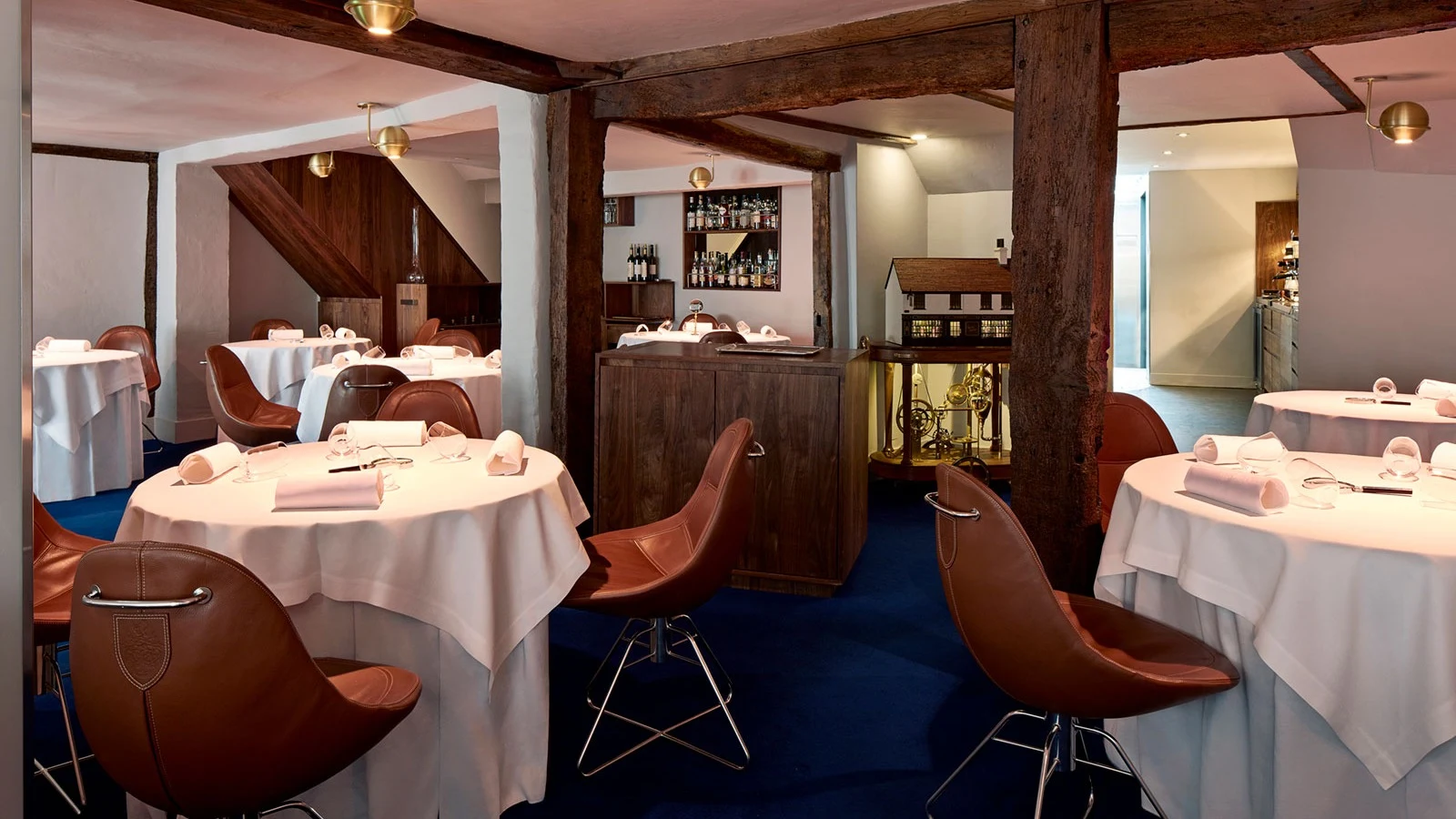
| The Fat Duck | Michelin 3 Stars, World's 50 Best | Modern British Molecular Gastronomy | Bray |
In residence
Similar places
Modern Cantonese Fine Dining
Chef Tam's Seasons
Macau, Macau
★★ · 50 Best
Hmong American
Diane’s Place
Minneapolis, United States
50 Best
Classic American Steakhouse
Manny’s Steakhouse
Minneapolis, United States
French Fine Dining Tasting Menu
Per Se
New York City, United States
★★★ · 50 Best
Fine Southern Thai
Sorn
Bangkok, Thailand
★★★ · 50 Best
Modern British Molecular Gastronomy
The Fat Duck
Bray, United Kingdom
★★★ · 50 Best

The Sunday letter
Get the next Made By story in your inbox.
We send one email every Sunday morning with the places and people we covered that week.
See a sample of the Sunday emailOne email a week. Unsubscribe from any issue.