Chef
Yuki Onishi
- Discipline
- Chef
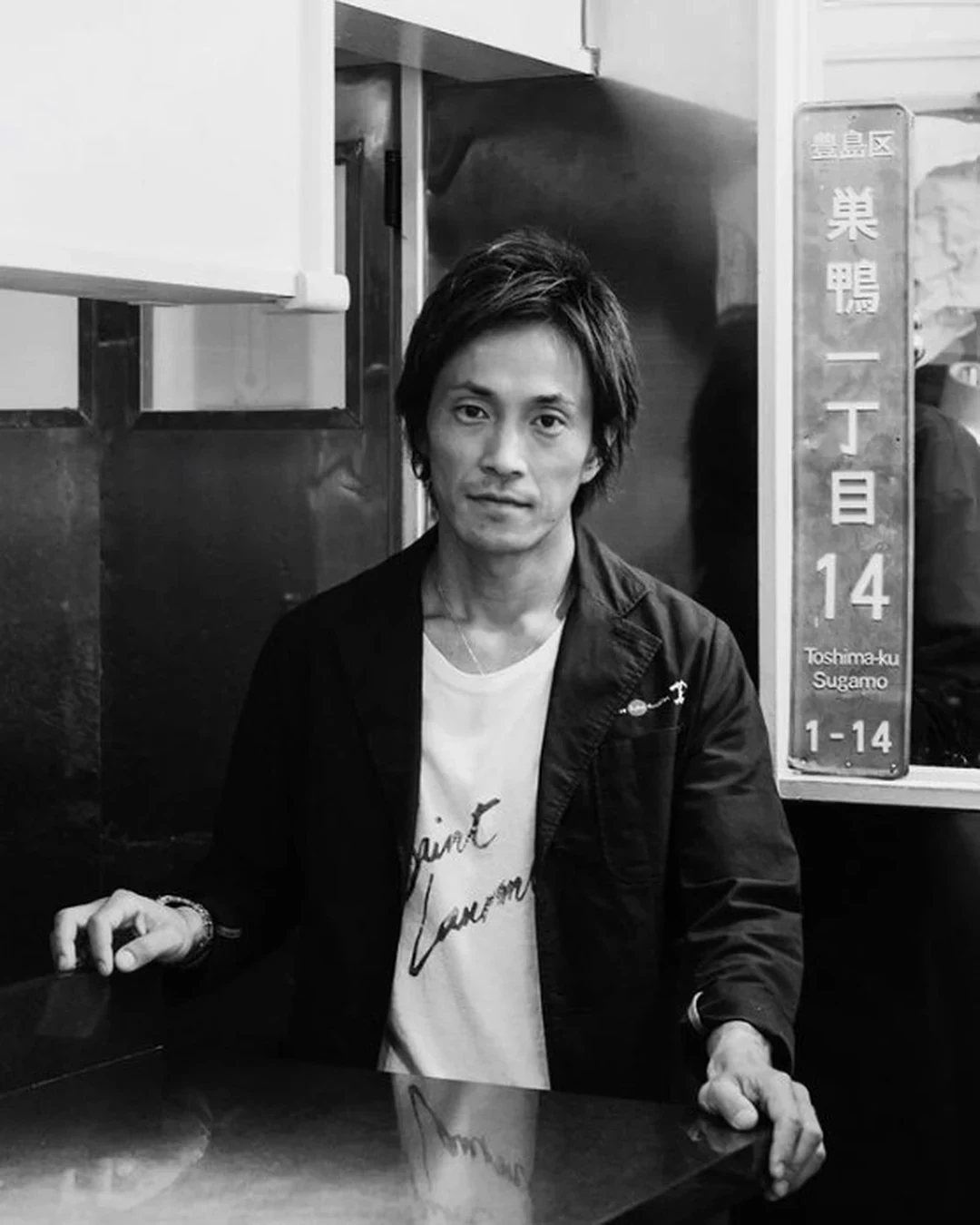
i. Biography
The Climb
Ramen counter work is learned through repetition under service pressure: stock monitored, noodles timed, bowls assembled while the guest waits within view. Early apprenticeship for Yuki Onishi took place at his father’s ramen shop, Nanae no Aji no Mise, Mejiro, Japan, where the craft was practiced as daily execution rather than theory. Merchandising work can sharpen a cook’s sense of proportion, presentation, and restraint when those habits return to the kitchen. Onishi’s period as a fashion merchandiser sat outside the stove line, but the later ramen work associated with his name carried that attention to small adjustments and finished impression. A ramen shop can make its argument through precision rather than scale. As founder and head chef at Japanese Soba Noodles Tsuta / Tsuta in Sugamo, Tokyo, Japan; moved to Yoyogi, Shibuya, Tokyo, Japan in 2019 (2012–2022), Onishi worked in a compact counter format where soy sauce, stock, noodles, and aroma were treated with the scrutiny more often reserved for formal tasting menus, without leaving the direct grammar of ramen. Brand extension in ramen depends on keeping a disciplined language intact beyond the original counter. Onishi later served as Global Executive Chef and director at Tsuta Global (until 2022), carrying the association with ramen made through control rather than excess.
Today
Dashi stock, shoyu ramen, and ramen etiquette define the craft territory most closely attached to Yuki Onishi. The work is not best described as a broad noodles category; it is a narrower practice built around broth depth, seasoning balance, the movement from aroma to first sip, and the counter manners that shape how the bowl is received. International attention came to a ramen form grounded in soy sauce, stock, a small Tokyo counter, and disciplined assembly. The facts of the work point less to luxury framing than to clarity: the sheen of soup, the measured force of shoyu, and a bowl considered from edge to center.
Career - Apprentice / worked at father's ramen shop — Nanae no Aji no Mise, Mejiro, Japan - Fashion merchandiser - Founder and head chef — Japanese Soba Noodles Tsuta / Tsuta, Sugamo, Tokyo, Japan; moved to Yoyogi, Shibuya, Tokyo, Japan in 2019 (2012–2022) - Global Executive Chef and Director — Tsuta Global (until 2022)
Signature
Signature dishes include Tsuta's basic bowl of soy-sauce ramen. The dish puts the technical structure in plain view: soy sauce and stock as foundation, broth as the central carrier, and restraint as the method for building depth without adding noise.
Recognition
Yuki's honors include One Michelin star for Tsuta, the world's first Michelin-starred ramen shop (2016). The recognition moved an everyday counter-service form into an international fine-dining frame while keeping the achievement specific: ramen executed with enough focus for a single bowl to carry global attention.
FAQ Where did Yuki Onishi work before? Earlier in their career, Yuki Onishi worked at Nanae no Aji no Mise, Mejiro, Japanese Soba Noodles Tsuta / Tsuta, and Tsuta Global. What recognition has Yuki Onishi received? One Michelin star for Tsuta, the world's first Michelin-starred ramen shop (2016).


