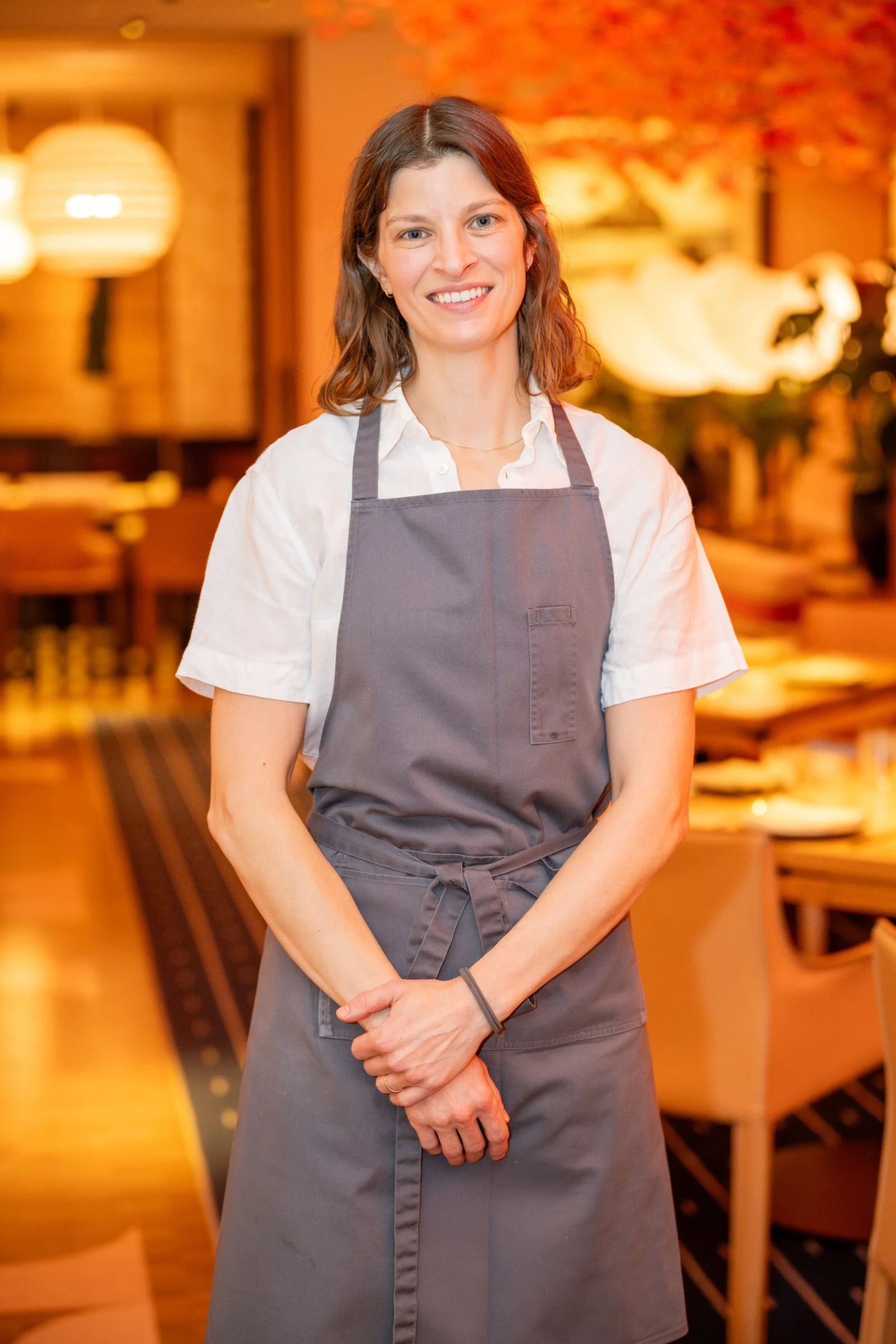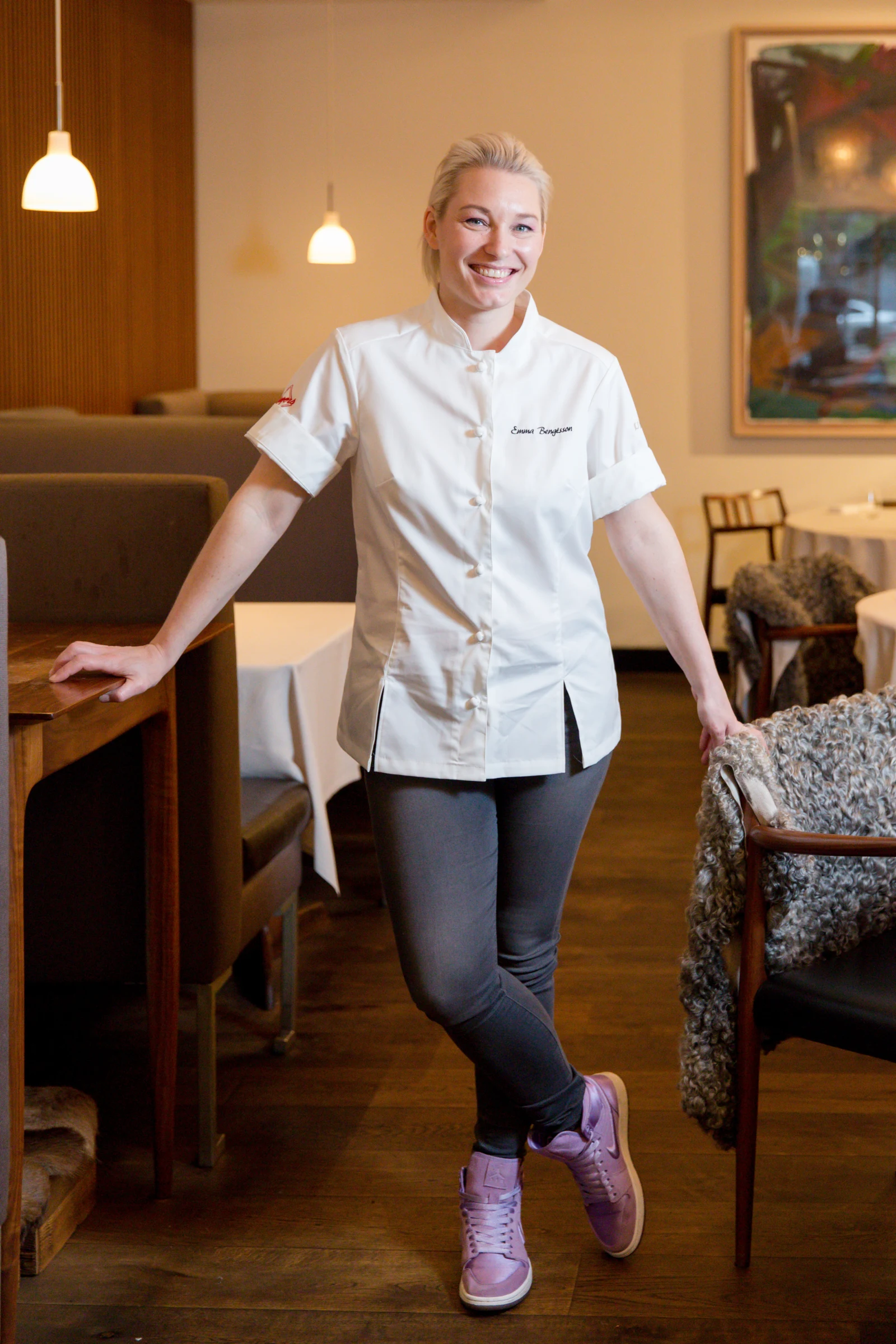
Emma Bengtsson keeps a ruler in the kit, not as theater, but because a plate at Aquavit can lose its shape by a few millimeters. Emma Bengtsson Aquavit is now shorthand for a rare kind of New York fine dining discipline: a chef raised near Falkenberg on Sweden’s west coast, who joined as pastry chef in 2010, stepped up to executive chef in 2014, and saw Michelin hand the Midtown Nordic restaurant a second star within months. The change did not begin with a louder pass. It began with a pastry cook’s habit of measuring twice.
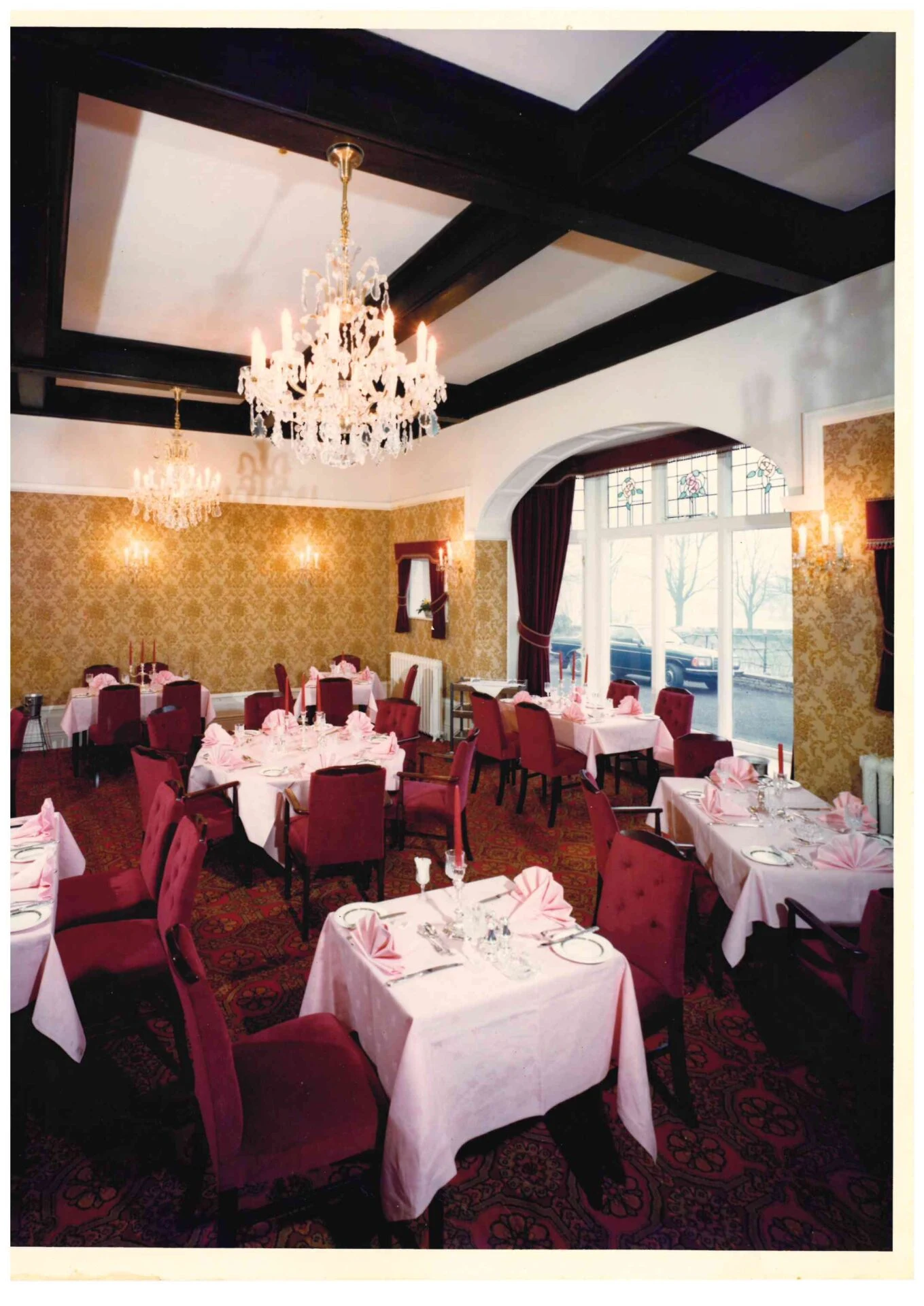
That habit matters because Aquavit was not a new room waiting for an identity. Håkan Swahn opened the restaurant in 1987 in a Midtown townhouse, giving New York a Scandinavian table built around gravlax, herring, and the bracing spirit that gives the restaurant its name. Before Bengtsson took the pass, Christer Larsson, Marcus Samuelsson, and Marcus Jernmark had each left marks on the kitchen; Samuelsson earned three stars from The New York Times, and Jernmark held a Michelin star. Bengtsson entered that lineage first through pastry in 2010, then through the whole kitchen four years later.
From Pastry Precision to Executive Chef at Aquavit
Bengtsson’s promotion in spring 2014 reads cleanly on paper: pastry chef from 2010, executive chef after Jernmark’s exit, and a second Michelin star within months. The craft story sits underneath those dates. Pastry trains a cook to see error before a guest does. It turns grams, chilling time, set, cut, shine, and negative space into daily language. Bengtsson carried that language from the pastry station to the savory pass and did not sand it down to fit kitchen orthodoxy.
"My savory kitchen is very much run the way you would run a pastry department. Everything that goes onto my plates gets measured. There's always a ruler in everyone's kit. There's a micro scale. Every recipe is down to the T. There's no room for error."1
Emma Bengtsson, executive chef, Resy Blog
There is a clean transfer here from sugar to salt. Pastry cooks learn that a mousse broken by heat cannot be argued back into shape, that a tuile cut late will crack, that a parfait sliced unevenly will betray the hand. Bengtsson’s savory kitchen kept those consequences close. The ruler and micro scale are not props; they are tools that make a service repeatable when the dining room expects precision across five- and eight-course tasting menus.
The timeline sharpens the point. Bengtsson moved to New York in 2010 and spent her first four years at Aquavit at the pastry bench. By the time Swahn put her in charge of the full kitchen, she knew the restaurant from the final course backward: how a guest’s last bite lands, how sweetness can be restrained, how structure can disappear into pleasure when the ratios are right. Her leadership did not reject the predecessors. It answered them through another discipline.
How Emma Bengtsson Aquavit Became a Two-Star Nordic Kitchen
The second Michelin star in the 2015 guide came within months of Bengtsson stepping into the executive chef role. That fact is often used as the headline, but the more useful lesson for cooks is how quickly a kitchen can stabilize when the method is already embedded. Bengtsson had been inside Aquavit since 2010, absorbing its service rhythm and its Nordic vocabulary before she carried responsibility for the whole plate.
Her background before New York gave that vocabulary a foundation. Bengtsson trained at Stockholm ’s Hotel and Restaurant School, worked at Edsbacka Krog, and worked at Operakällaren in Stockholm before joining Aquavit. She was raised near Falkenberg on Sweden’s west coast, a geography that matters less as nostalgia than as a set of techniques and habits: curing, smoking, pickling, fermentation, restraint. These are not decorative Scandinavian signals. They are preservation methods, ways of managing season, salt, acidity, time, and scarcity.
At Aquavit, those methods appear inside a fine dining frame without losing their original logic. Halibut appears with salt-baked celeriac and smoked-whey beurre blanc. Kombu-brined yellowtail meets watermelon granita. A savory cheesecake with sourdough crisp can arrive before dessert, a pastry idea pulled into the savory register without apology. Each dish depends on control: salt level, temperature, smoke, brine, set, thaw, crunch. The hands remember the bench.
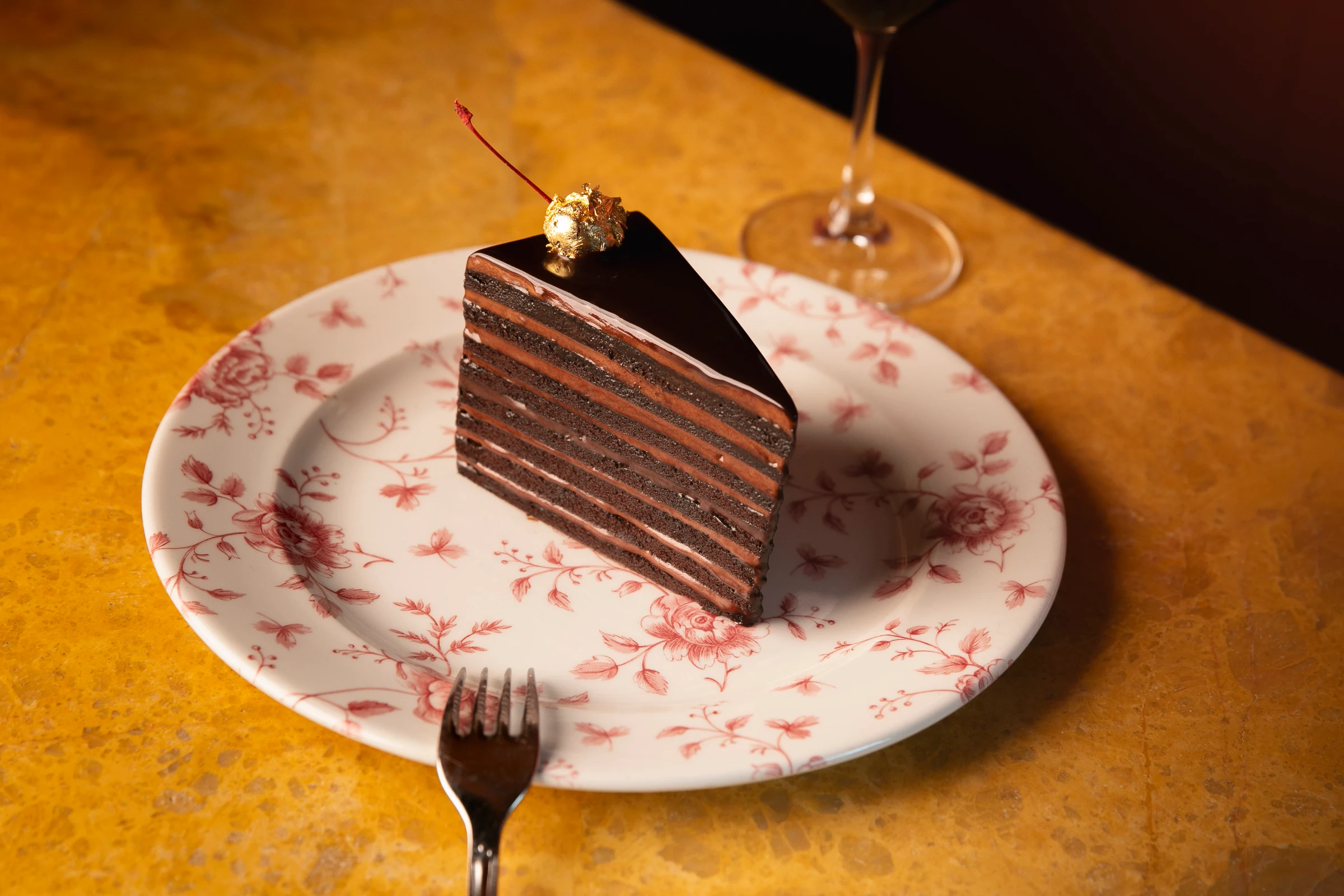
Bengtsson’s signature Arctic Bird’s Nest makes the argument in one plate. Goat-cheese parfait forms the eggs; sea-buckthorn yolks sit inside them. The dish belongs to pastry in its structure and to Nordic cooking in its acidity and visual restraint. It also shows why her transition to savory was not a break in lineage. A parfait egg needs pastry control. A sea-buckthorn yolk needs a cook who understands sourness as architecture, not garnish.
The Falkenberg Line: School, Swedish Kitchens, New York
Bengtsson’s path begins far from Midtown, near Falkenberg on Sweden’s west coast. The available biography gives no tidy apprenticeship myth, and that absence is useful. Instead of a single master’s blessing, the record names institutions and stations: Stockholm ’s Hotel and Restaurant School, Edsbacka Krog, Operakällaren, then Aquavit. The lineage is built through kitchens, not a single anecdote.
Stockholm’s Hotel and Restaurant School gave her formal training before the restaurant years. Edsbacka Krog and Operakällaren placed her inside Swedish professional kitchens before the move to New York. The source record also places her in kitchens in Sydney, Australia, before Aquavit, though the New York chapter is the one that fixed her public identity. By 2010, she arrived at Aquavit as pastry chef, entering a restaurant already more than two decades into its own American Scandinavian story.
Swahn’s 1987 opening is part of that story because it gave later chefs a room with pressure already built into the walls. Aquavit had to speak to New York while carrying a Swedish register. Larsson, Samuelsson, and Jernmark each worked inside that demand. Bengtsson inherited the same room and changed the center of gravity. The technique stayed Nordic; the kitchen cadence became more visibly shaped by pastry discipline.
That matters for younger cooks who study career paths too neatly. Bengtsson did not move from pastry to savory by pretending pastry was behind her. She moved by bringing the station with her. The pastry cook’s suspicion of improvisation, the attention to weight, the insistence that presentation obey the ingredient rather than crowd it, became the framework for a kitchen with two Michelin stars.
Curing, Smoking, Pickling, Fermentation, and Control
Nordic technique asks a cook to respect time as an ingredient. Curing is a salt calculation and a waiting period. Smoking is fuel, distance, heat, and dwell. Pickling is acid, sugar, salt, and texture. Fermentation is trust placed inside a controlled environment, then checked with the discipline to stop or extend it. Bengtsson’s pastry background gives those methods a particular edge because pastry teaches that time is not an idea. It is a measurement.
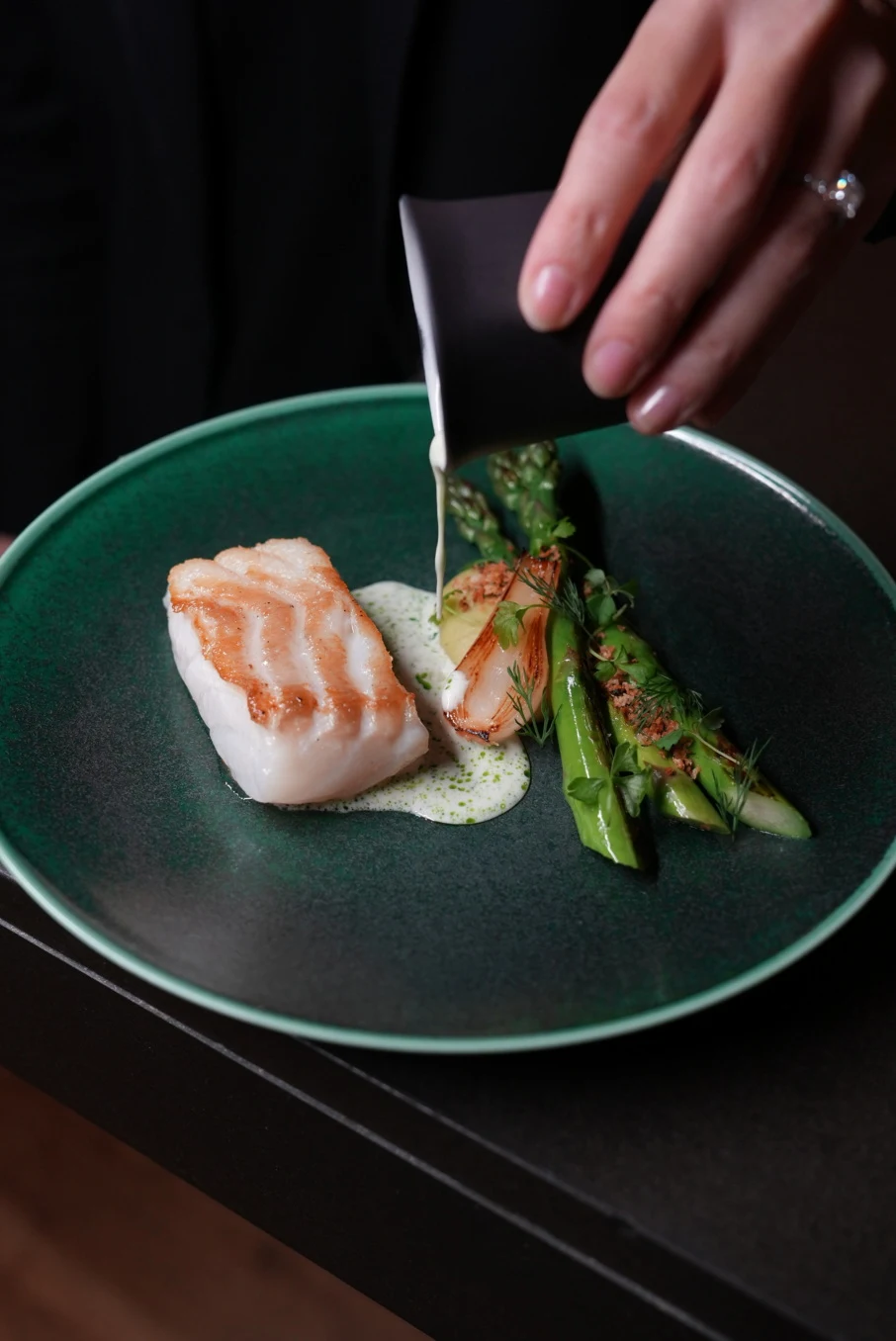
Her cooking roots itself in curing, smoking, pickling, and fermentation, but she keeps presentation ingredient-led, seasonal, and restrained. That last word matters because restraint is often harder than abundance. A plate can carry too many gestures. Bengtsson’s known dishes give the reader a way to see the restraint: salt-baked celeriac against halibut, smoked whey folded into beurre blanc, kombu brine meeting yellowtail, watermelon granita bringing cold and water rather than weight.
Even when the method turns to meat, control remains the through line. Bengtsson has described sous-vide as a way to manage tougher animals in Swedish cooking.
"Especially since [Swedes] use the tougher animals, a lot of the meat has to be slow-cooked to become tender. Sous-vide is an easier way of having it under control."2
Emma Bengtsson, executive chef, Research Citation
The point is not technology for its own sake. It is tenderness reached without surrendering consistency. Sous-vide gives a kitchen a repeatable path through collagen and time; pastry gives a chef the patience to value that repeatability. In Bengtsson’s hands, the method sits beside older Nordic preservation techniques rather than replacing them.
This is where Emma Bengtsson Aquavit becomes more than a restaurant search term. It names a working grammar: Swedish technique, New York service pressure, pastry measurement, and a pass run with enough calm that cooks can execute the same plate again and again.
Calm Leadership in a High-Pressure Room
Bengtsson’s record outside the kitchen helps explain the way she speaks about discipline. She is a former gymnast and equestrian and, in the current profile, is preparing to run a marathon. Those facts can be flattened into personality, but they are more useful as training notes. Gymnastics teaches repetition until the body stops negotiating with the task. Riding teaches pressure through another living creature. Marathon preparation teaches pace. None of those disciplines rewards panic.
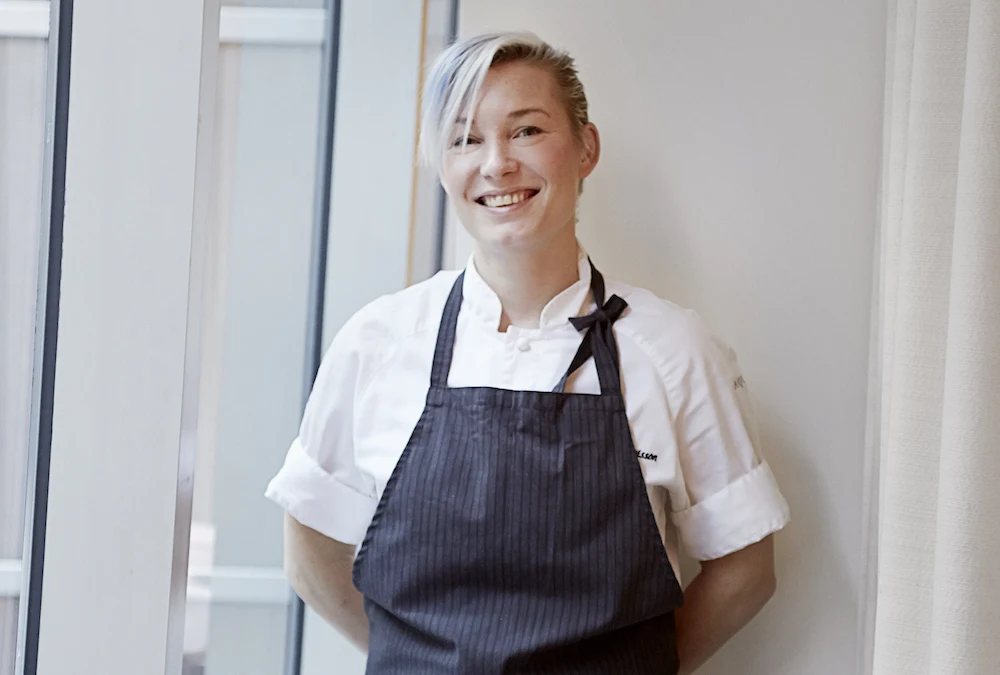
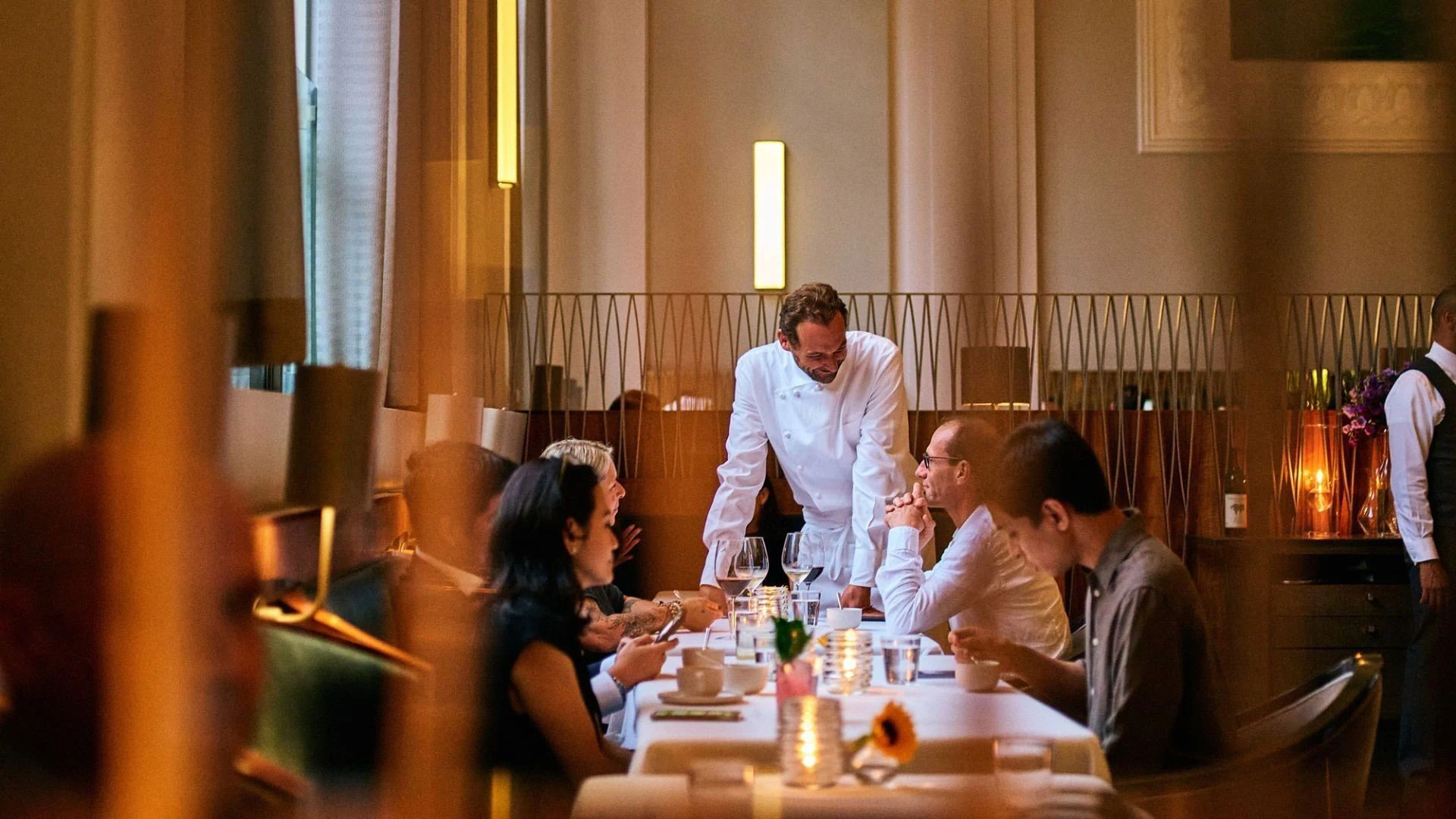
At Aquavit, Bengtsson emphasizes calm, consistency, and teamwork. The kitchen is built as a place of trust, not volume for volume’s sake. That approach sits against an older fantasy of the fine dining pass as a place where fear produces accuracy. Bengtsson’s kitchen offers another answer: accuracy comes from systems, repetition, and cooks who know what the hand next to them is doing.
The stakes were clear when she took the role in 2014. Aquavit already carried a Michelin star. It already carried New York Times history. It already carried Swahn’s long project of keeping Nordic cooking visible in Midtown. Bengtsson did not step into a blank room. She stepped into a room where loss would have been legible. The 2015 second star did not erase that pressure; it proved that her quieter method could hold under inspection.
A calm kitchen is not a soft kitchen. It still asks for scales, recipes, repeated cuts, measured placement, and the refusal to let a plate become crowded because service is moving. Bengtsson’s model asks cooks to perform under pressure without making pressure the point. For apprentices watching from the outside, that may be the lesson worth carrying: discipline does not need spectacle to be enforced.
The Plate That Explains the Maker
Arctic Bird’s Nest remains the clearest object lesson because it gathers Bengtsson’s career into a single construction. Goat-cheese parfait eggs, sea-buckthorn yolks, a nest form, a finale position in the meal. The dish requires pastry technique to hold illusion without becoming a stunt. It requires Nordic acidity to keep the goat cheese from closing down the palate. It requires the chef to know when a visual idea has enough structure and when it needs to stop.
The dish also explains why Bengtsson’s savory work has not abandoned dessert thinking. A pastry chef understands the final course as memory control. The last bite can sharpen or blur everything before it. When that sensibility moves earlier in the meal, each course has to consider its afterimage. The yellowtail with kombu brine and watermelon granita reads through that lens; so does halibut with salt-baked celeriac and smoked-whey beurre blanc. Temperature, acidity, fat, and texture do not sit in separate lanes. They are weighed against each other.
The five- and eight-course tasting menu format gives Bengtsson room to pace those ideas, but the restraint keeps the work from becoming a catalogue of techniques. Curing, smoking, pickling, and fermentation only matter if they serve the ingredient in front of the guest. Pastry precision only matters if the plate still eats well. The craft is visible, then it gets out of the way.
For diners, the practical reason to follow Emma Bengtsson Aquavit now is not only the Michelin count or the New York Times stars, though both remain part of the record. It is the chance to watch a chef in the long middle of her project, after the breakthrough and before the method has settled into nostalgia.
Aquavit is approaching four decades since Swahn opened its Midtown townhouse. Bengtsson’s chapter has already carried the restaurant from a one-star inheritance to a two-star identity.
The next visible work is likely to be measured in the same units she has used since pastry: a ruler in the kit, a micro scale on the bench, acidity held in check, a kitchen quiet enough to hear the plate land.