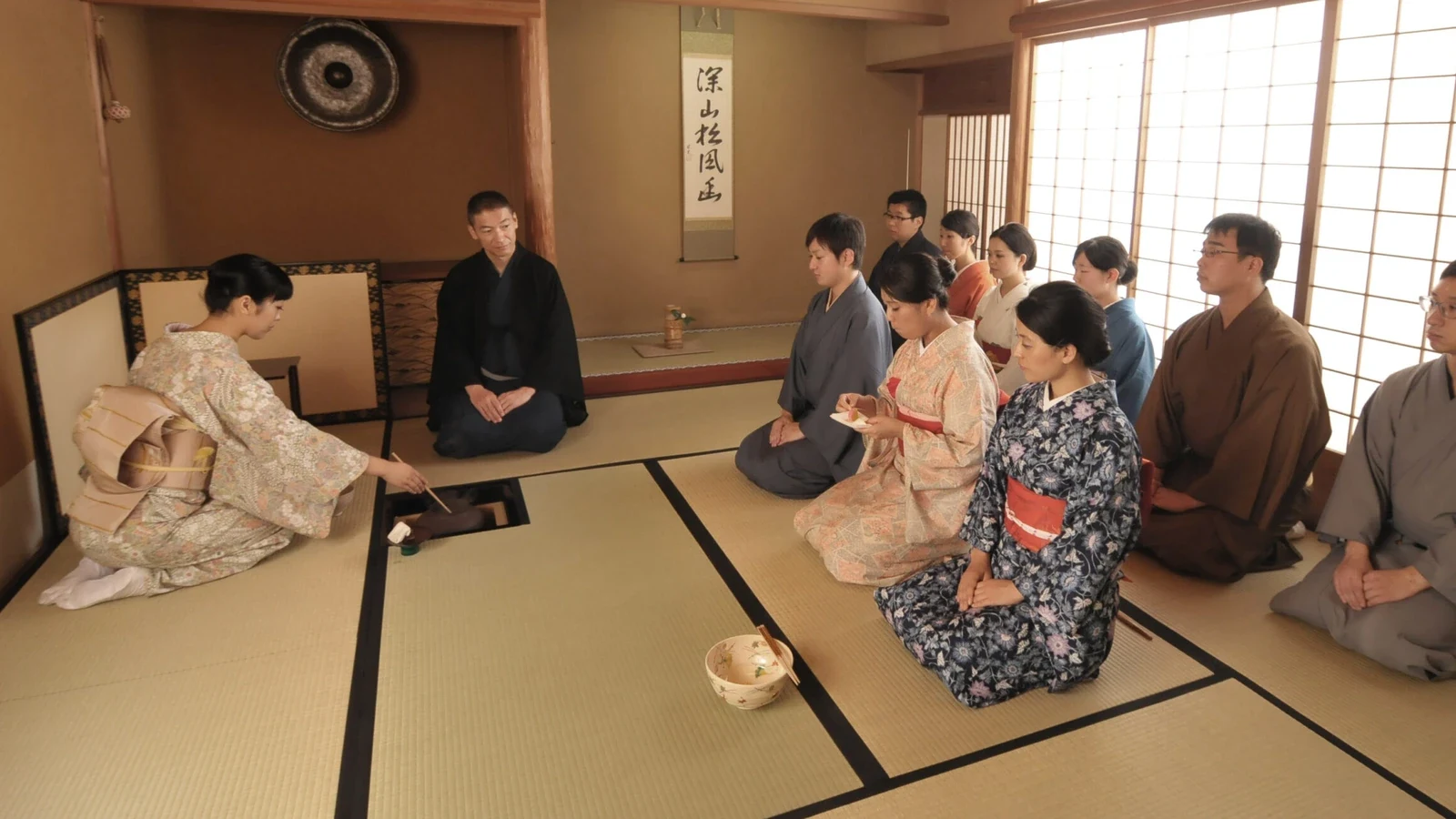
Urasenke's teaching hall on Ogawa-dori still runs its public programs on a schedule that has not changed in decades: a ninety-minute temae session, conducted in a tatami room that seats a small number of participants, led by an instructor who has trained inside the school's lineage for years before standing at the host's position. That is the single most reliable route to a ceremony with a practitioner who has earned the title. Getting in is not technically difficult, but finding the right room, at the right school, with the right hands at the chakin, takes more research than most visitors expect.
Public access to a genuine master-level ceremony exists, but it is narrow. The Urasenke Foundation in Kyoto offers structured programs for visitors, and several licensed teachers run private sessions bookable through their own studios. The challenge is distinguishing those from the tourist-facing performances that fill the Gion district, where the host may have six months of training and a rented kimono. The route that reliably works is a direct booking with a licensed Urasenke or Omotesenke instructor, confirmed well before arrival.
What Separates a Licensed Practitioner from a Hired Performer
Kyoto has hundreds of venues advertising "tea ceremony experiences." The word "master" appears on nearly all of them. The practitioners themselves, however, move through a licensing system that takes years of weekly study before they reach even intermediate certification; advanced licenses in the iemoto system may cost several million yen,1 and the highest ranks require decades of continuous practice and formal appointment. The gap between a licensed teacher and a performer hired for the afternoon shift is not a matter of style. It is a matter of whether the person across the tatami has internalized the sequence of movements that constitute a single temae, or whether they have learned enough to look convincing to someone who has never seen the real thing.
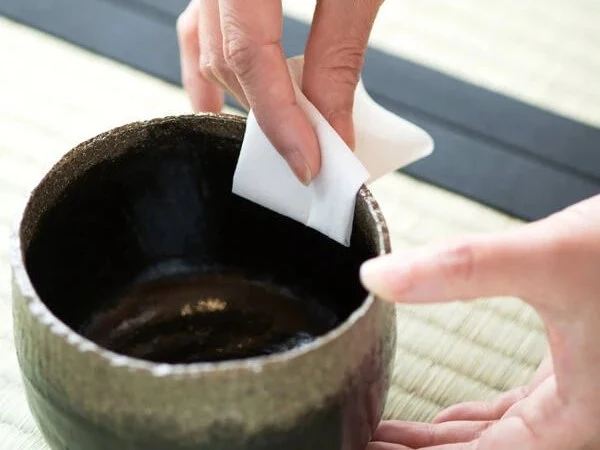
Capacity is the second constraint. Authentic sessions, whether at Urasenke's Konnichian compound or in a private instructor's machiya studio, run in small groups. The Urasenke Midorikai, for instance, accepts only a small cohort each year; official Urasenke figures indicate more than 500 students have attended since 1973, averaging roughly 8 to 10 students per year, which signals how tightly the school controls access to serious study. The serious visitor programs fill weeks in advance. Walk-in access to a master-level session is effectively zero during peak travel windows.2
How Licensed Instructors Open Their Books
Urasenke's public programs and the schedules of licensed private instructors do not follow a single published release calendar. The Urasenke Foundation does maintain an English-language inquiry channel through its official website, and several instructors affiliated with the school accept bookings via email or through curated booking platforms. The school does not publish a rolling drop time or a fixed advance-booking window in the way a restaurant reservation system does. Confirm availability and lead time directly with the program or instructor before building a travel itinerary around a specific date.
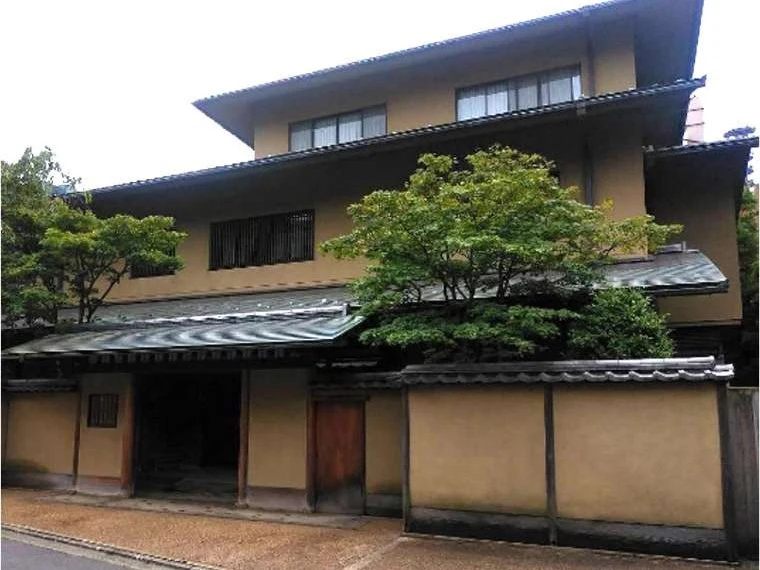
Private instructors who run their own studios typically ask for one to four weeks' notice for a private session. During cherry blossom season and autumn foliage season, that window extends; the venue does not publish peak-season lead times, so plan extra lead time before you commit. Some instructors close their books entirely during the highest-traffic weeks and reopen for quieter periods. The only reliable way to know is to contact them directly, early.
The Three Routes to a Practitioner Who Earned Their Credentials
Three routes carry different odds and different costs.
Direct contact with a licensed instructor. This is the highest-yield route for anyone who wants a genuine practitioner. Several Kyoto-based teachers who hold Urasenke or Omotesenke licenses run private sessions in their own studios, typically in machiya townhouses in the Nishijin or Fushimi districts. Rates for a private session vary and are not uniformly published; contacting instructors directly is the only way to confirm current pricing and availability. The Urasenke Foundation's website is the starting point for identifying affiliated instructors and programs.
Urasenke's structured visitor programs. The Foundation runs programs at its Kyoto headquarters that are open to visitors with advance arrangement. These are not drop-in sessions. The format involves instruction in basic temae, observation of a full ceremony conducted by a trained host, and, in some programs, the preparation and drinking of koicha (thick tea) and usucha (thin tea) in sequence. Inquire through the Foundation's official channels rather than through third-party aggregators, which sometimes list programs that are no longer active or that have been modified.
Curated cultural experience platforms. Services such as Airbnb Experiences and Viator list tea ceremony sessions in Kyoto, and a small number of those listings are led by instructors with verifiable credentials. The quality varies sharply. Before booking through any platform, check whether the host's profile names their school affiliation and years of study. A listing that does not name a school is a signal worth heeding.
What Instructors Charge, and What You Pay for Speed
The expensive-but-immediate route is a private session booked through a concierge at one of Kyoto's established ryokan, several of which maintain relationships with licensed instructors who will come to the inn or receive guests at their studio on short notice. This convenience carries a premium; the ryokan's margin sits on top of the instructor's fee, and the total cost for a private session arranged this way is higher than booking directly. The tradeoff is real: the concierge absorbs the research and the scheduling, and the session is confirmed before you land.
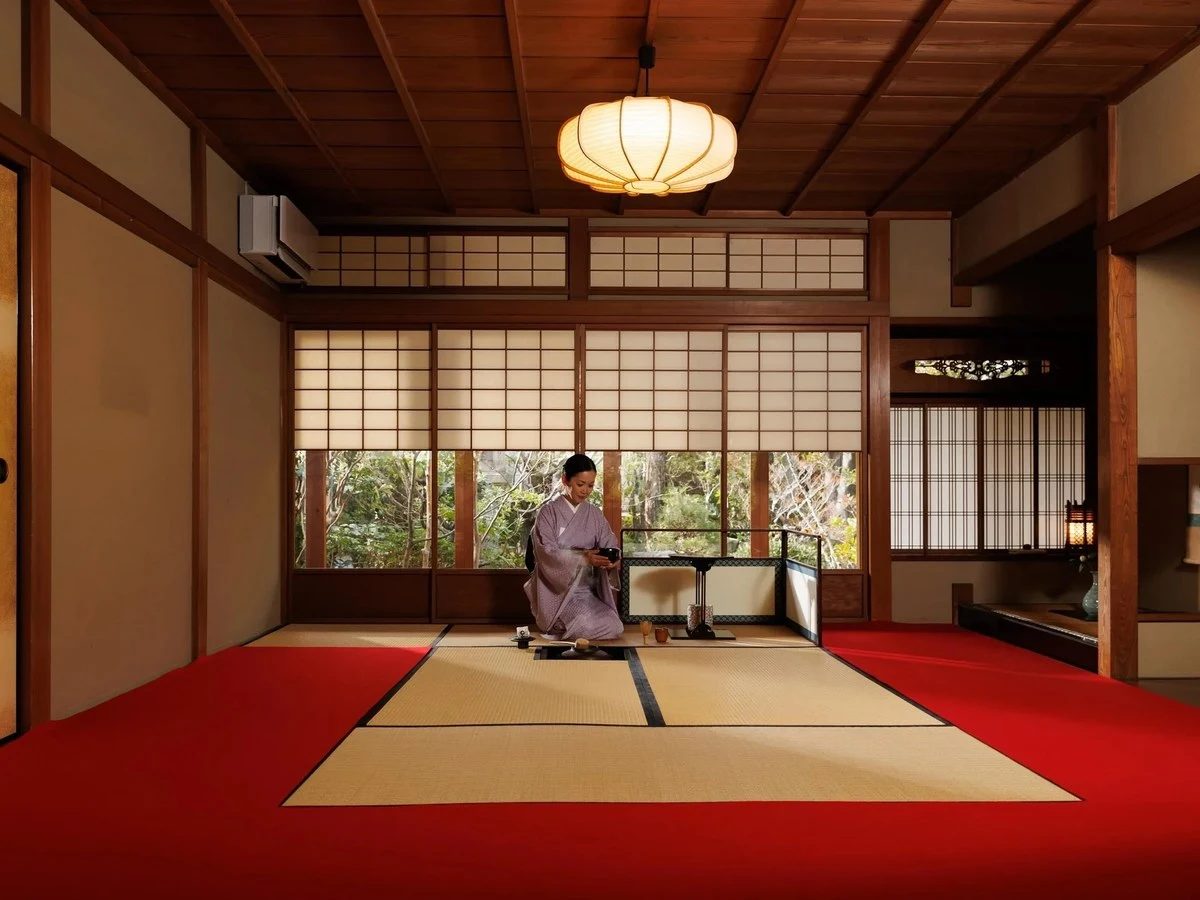
The patient route is direct outreach to an instructor well before travel, during an off-peak window. The venue does not publish a standard fee schedule; rates for a private session with a licensed instructor in their own studio are generally lower than the ryokan-mediated version, and the session itself is often more intimate, conducted in a room the instructor has arranged and maintained themselves rather than a hotel annex. The discipline rewards patience; so does the booking.
Who Shares the Tatami With You
In a private session, the room is yours.
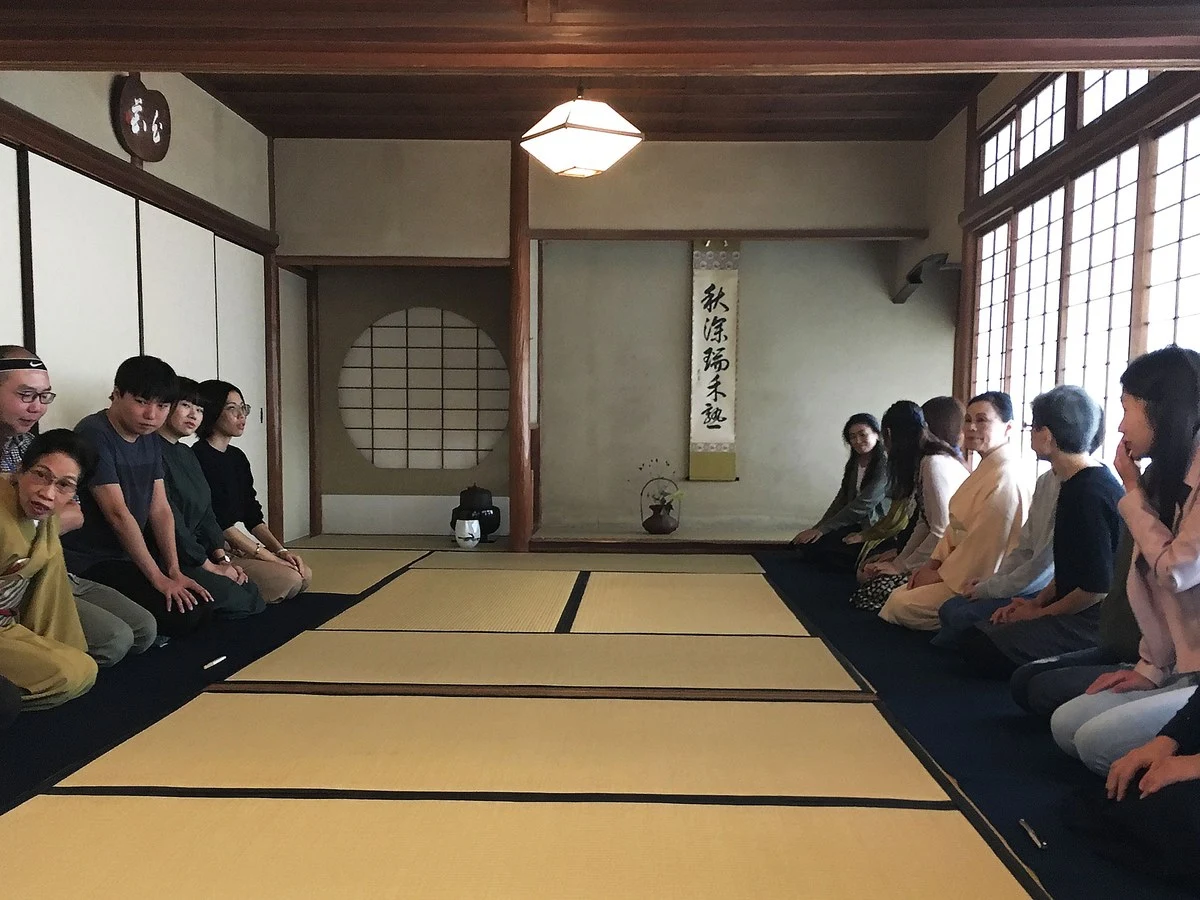
In a small-group program at Urasenke or through a licensed instructor's group format, the other participants are typically a mix of international visitors with a serious interest in the practice, Japanese students enrolled in the instructor's regular classes who sit in on visitor sessions, and occasionally academics or practitioners from other craft traditions who are in Kyoto specifically to study.
The tourist-performance venues in Gion draw a different crowd: larger groups, faster turnover, more photography. The two experiences are not comparable, and the room tells you immediately which one you are in.
How to Reach an Instructor When Their Books Are Open
The most practical tactic is to identify two or three licensed instructors before departure and contact all of them simultaneously. Instructors who run their own studios are often sole practitioners; if one is traveling or has a full schedule, another may have availability. The Urasenke Foundation's affiliated instructor directory and the Omotesenke Fushin'an's equivalent are the two most reliable sources for names. Cross-reference any name you find on a booking platform against those directories before committing.
If you are traveling with a specific interest in a particular school's lineage, say so in your inquiry. Urasenke and Omotesenke have distinct approaches to the same temae; a practitioner trained in one school will not teach the other's forms, and the differences, while subtle to a newcomer, are the kind of thing a serious student notices. Naming your interest signals that you are not looking for a performance.
For visitors who want to observe rather than participate, some instructors offer a viewing format in which the host conducts a full ceremony while the guest sits in the position of the principal guest (shokyaku), receiving tea without performing any of the preparation. This is a different experience from a participatory session and, for some visitors, a more honest one: you are watching the work, not approximating it.
For those considering structured study rather than a single visit, offers individual and small-group lessons in a traditional tea room on tatami mats.3 Introductory workshops are required before starting formal study,3 though prospective students with prior experience can contact [Program name] to make alternative arrangements..3 To inquire about upcoming introductory workshops, contact them directly.3
Licensed Instructors vs. Tourist Performers: Comparing Routes to the Real Practitioners
| Route | Practitioner Level | Lead Time | Cost Range | How to Book |
|---|---|---|---|---|
| Urasenke Foundation visitor program | Licensed instructor, school lineage | Weeks to months; unpublished, confirm directly | Not publicly listed | Direct inquiry via urasenke.or.jp |
| Private licensed instructor (direct) | Licensed; years of formal study typical | 1 to 4 weeks off-peak; longer in season, confirm directly | Not uniformly published; contact directly | Direct email or studio contact |
| Ryokan-mediated private session | Licensed instructor (varies) | Days to 1 week (concierge arranges) | Higher (ryokan margin added) | Through ryokan concierge |
| Platform listing (Airbnb/Viator) | Varies widely; verify credentials | Days to 1 week | N/A (varies by listing) | Platform booking page |
| Gion tourist venue | Performer, not licensed practitioner | Same day to 48 hours | N/A | Walk-in or platform |
Other Practitioners to Consider When Urasenke's Books Are Full
Omotesenke Fushin'an, Kyoto. The sister school to Urasenke, with its own iemoto lineage and a distinct approach to temae. Omotesenke's forms are considered slightly more austere in their aesthetic; the school also runs structured programs for visitors. If Urasenke's schedule is full, Omotesenke is not a consolation prize. It is a different lineage with its own depth, and a practitioner trained there has spent the same years at the bench.
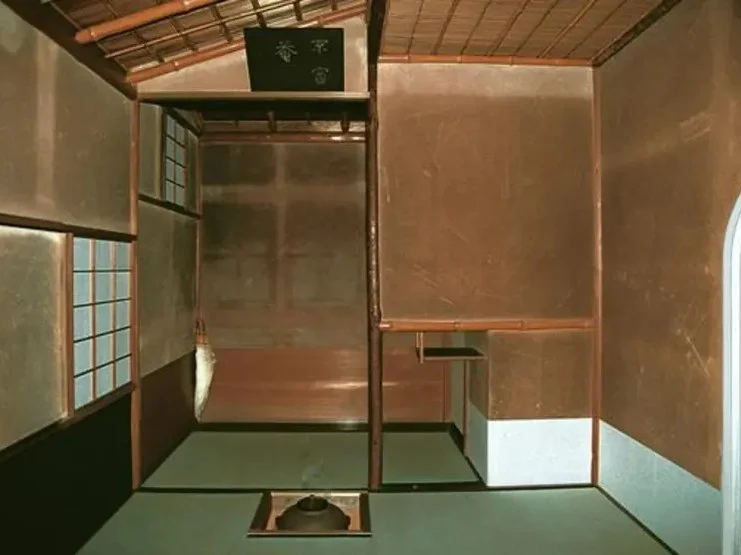
En tea ceremony, Kyoto. A studio run by instructors who hold formal credentials and conduct sessions in a restored machiya. The format is smaller and more conversational than a formal school program, which suits visitors who want to ask questions during the session rather than observe in silence. Availability is more flexible than the major schools.
Camellia Tea Experience, Kyoto. One of the more carefully run licensed-instructor studios that accepts visitors without prior connection to the school. The instructors hold Urasenke credentials. Sessions are conducted in a traditional room and include both koicha and usucha. Bookable through the studio's own site and through select platforms.
Structured multi-day study: the Japanese Tea Master Course. For visitors who want more than a single session, the Summer 2026 course ran 7 to 19 June 2026, with an application deadline of 31 January 2026;4 the Autumn 2026 course ran 27 September to 9 October 2026, with an application deadline of 31 March 2026.4 The course is limited to 12 people4 and held at a classroom in Kyoto City center with day trips to nearby towns.4 The course costs 380,000 yen, with a 10,000 yen discount for Tea Fellows on a yearly membership plan.4 Both 2026 intakes have now closed, with 2027 applications expected to open soon; for anyone serious about the discipline, this is the route that changes the frame entirely.
What a Licensed Instructor Does in Ninety Minutes
The room is smaller than most visitors expect. A traditional four-and-a-half mat tearoom (yojohan) is roughly seven to eight square meters; the host's movements are calibrated to that space, and every placement of the chakin, the chasen, the natsume, and the hishaku follows a sequence refined over centuries of the Sen family's stewardship. The instructor enters, sets the implements in order, and begins. There is no narration during the preparation itself. The sound is the ladle against the kama, the whisk against the bowl, the fold of the fukusa.
In a participatory session, you will be shown the basic temae for usucha: how to hold the bowl (rotating it clockwise before drinking, to avoid drinking from the front face), how to receive the sweet (wagashi, served before the tea to prepare the palate for the bitterness of matcha), and the correct posture for sitting in seiza or, if that is not possible, in a modified position the instructor will demonstrate. The instructor corrects quietly, by repositioning your hands rather than by verbal instruction. That is the method.
The tea itself, in a session with a licensed practitioner using quality matcha, is not the bright-green powder of commercial preparation. Koicha, when the instructor prepares it, is thick enough to coat the bowl; the flavor is vegetal, slightly sweet, with a finish that lingers. Usucha is lighter, frothy from the chasen, and drunk in three and a half sips by convention. The session ends when the host cleans and replaces each implement in its original position. The whole sequence, observed carefully, is a lesson in the relationship between time and attention.
Who Should Pursue a Licensed Practitioner, and When
This is the right pursuit for visitors who have some prior exposure to the practice, whether through study, through reading, or through a previous ceremony that left them wanting to understand what they had seen. It rewards people who are willing to sit in silence, to be corrected, and to accept that the point of the session is not the tea but the attention required to prepare it.
It is not the right pursuit for visitors who want a photogenic cultural moment on a tight schedule. The Gion venues exist for that, and they are not dishonest about what they offer. The distinction is between watching a form and beginning to understand why the form exists.
The best occasions are off-peak travel windows: January and February, when Kyoto is cold and quiet and the instructors have more time; or June, when the rainy season keeps the crowds down and the moss gardens are at their best. A ceremony in a room that is not rushed is a different experience from one conducted between two other groups.
The Practitioners Who Earned the Title Are Worth Finding
The access problem here is not scarcity in the conventional sense. It is discernment. Kyoto has no shortage of rooms where someone will prepare tea for you. It has a much smaller number of rooms where the person preparing it has spent a decade or more learning why each movement is what it is. Finding that room requires bypassing the aggregators, contacting the schools and instructors directly, and building enough lead time into your travel that you are not scrambling for availability during peak season.
The direct-contact route, through Urasenke's official channels or through a licensed instructor's studio, is the one that reliably puts you in front of a genuine practitioner. The ryokan concierge route works if you are already staying somewhere with strong cultural connections and you are willing to pay for the convenience. The platform route is a gamble that occasionally pays off, but only if you verify credentials before booking.
For anyone who has sat through a ceremony and felt the gap between what they saw and what they understood, the session with a practitioner who has earned their position at the host's mat is the one that begins to close that gap. The work is in the preparation, not the performance; the hands that have done it for years show you that plainly. The tea ceremony in Kyoto is one of the clearest cases where the person across the tatami is the entire point, and the research required to reach that person is, in its own way, the first lesson.
Frequently Asked Questions
How far in advance should I book a tea ceremony with a licensed Urasenke instructor in Kyoto?For off-peak travel (January through early March, or June through September), one to four weeks is typically sufficient for a private session with a licensed instructor. During cherry blossom season and autumn foliage season, that window extends; the venue does not publish peak-season lead times, so confirm directly with your instructor. Urasenke's own visitor programs do not publish a fixed booking window; contact the Foundation directly through its official site to confirm current availability.
What is the difference between an Urasenke session and an Omotesenke session in Kyoto?Both are legitimate lineages of the Sen family tradition, tracing back to Sen no Rikyu in the sixteenth century. Urasenke tends toward a slightly more accessible format for visitors and has a larger international presence; Omotesenke's forms are considered more austere in their aesthetic. The temae sequences differ in specific movements and implement placement. Neither is superior; they are distinct schools with distinct disciplines, and a practitioner trained in one does not teach the other's forms.
Can you walk into a master-level tea ceremony in Kyoto without a reservation?No. Sessions at Urasenke's Konnichian compound and with licensed private instructors require advance booking. Walk-in access is not available at the serious programs. The tourist-facing venues in Gion and around Kinkakuji do accept walk-ins, but those are not conducted by practitioners with formal school credentials. If a master-level session is the goal, plan and book before arrival.
Do Kyoto tea ceremony sessions at licensed studios require knowledge of Japanese?Most licensed instructors who accept international visitors offer sessions with English-language explanation, either from the instructor directly or through a translator. Urasenke's short-term study programs for non-Japanese students include translation support. Confirm the language format when you make your inquiry; some instructors conduct the ceremony itself in silence and provide written materials in English before or after.
Is there a dress code for a tea ceremony session at Urasenke or a licensed instructor's studio in Kyoto?Formal kimono is not required for visitors. Modest, clean clothing is appropriate; avoid strong perfume, which interferes with the scent of the incense and the tea. Socks are required (you will remove your shoes at the entrance). Some instructors ask that guests avoid jewelry that might scratch lacquerware. Confirm any specific requirements with your instructor when booking.