Made ByRestaurant
Aca 1°
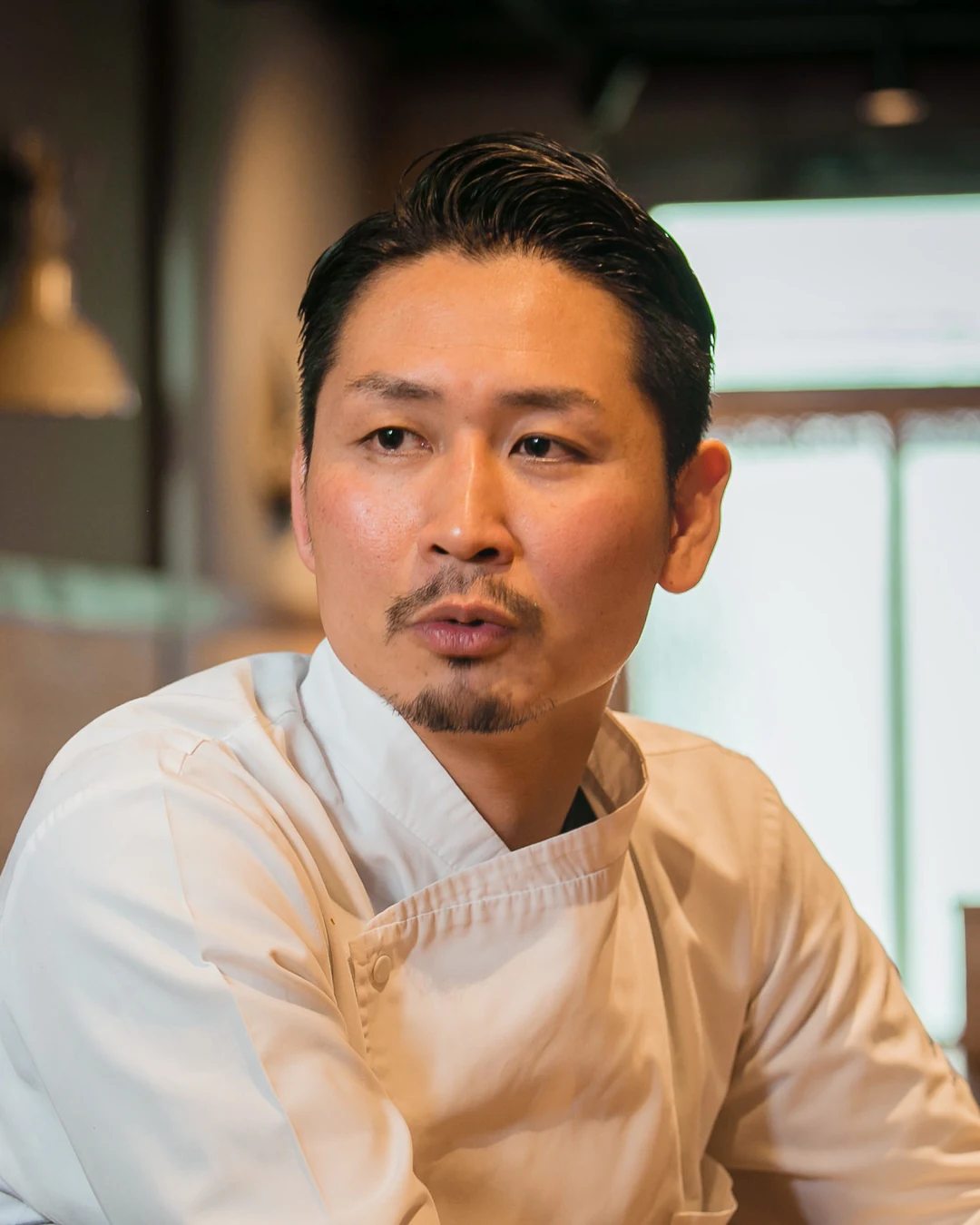
Chef in Residence
Tetsuo Azuma
Chef
- 01CuisineSpanish-Japanese Omakase Tasting Menu
- 02CityTokyo, Japan
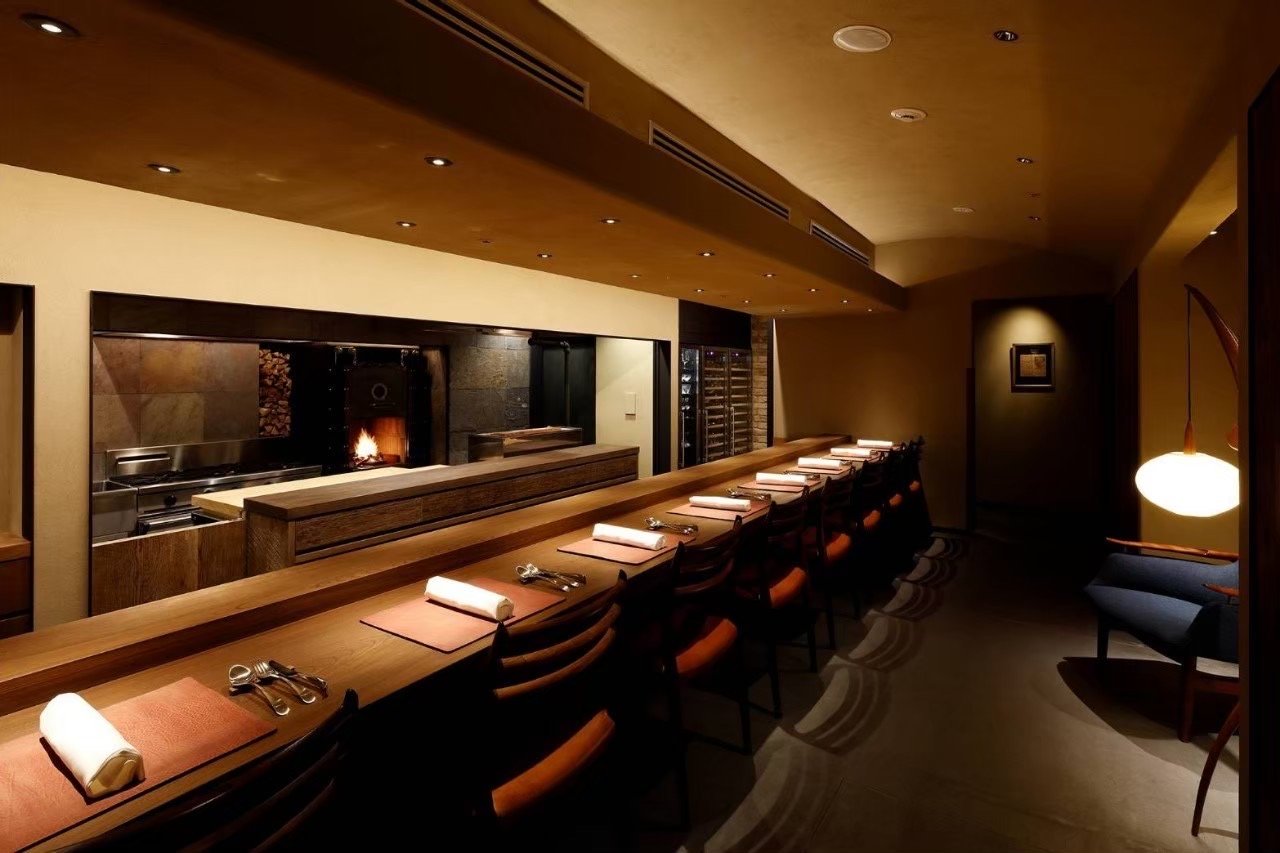
Aca 1° brings a Spanish frame to Tokyo’s precision dining culture, with chef Tetsuo Azuma and a 2026 Opinionated About Dining ranking placing it inside Japan’s serious restaurant conversation. The sharper editorial lens is ham: Ibérico, Serrano, curing, fat, salt and slicing as the grammar behind a meal that reads Spanish without abandoning Tokyo’s discipline.
At a glance
- Cuisine
- Spanish-Japanese Omakase Tasting Menu
- Price
- $$$$
- Per person
- $450
- Hours
- Mon: 5–8 PM, 8:30–11:30 PM; Tue: 5–8 PM, 8:30–11:30 PM; Wed: 5–8 PM, 8:30–11:30 PM; Thu: 5–8 PM, 8:30–11:30 PM; Fri: 5–8 PM, 8:30–11:30 PM; Sat: 12–3 PM, 5–8 PM; Sun: Closed
- Neighborhood
- Nihonbashi
- Rating
- 4.7 (220)
<p>The approach to a serious Spanish table in Tokyo is less about flamenco gestures than restraint: a quiet room, polished service rhythms, and a sense that salt, fat and timing matter as much as fire. Aca 1° belongs to that narrower category of Spanish dining in the city where the meal is not built around casual tapas volume. The signal is more formal: chef Tetsuo Azuma, Spanish cuisine, Nihonbashi context, and a place at No. 32 on the 2026 Opinionated About Dining Top Restaurants in Japan ranking.</p><p>That ranking matters because Spanish restaurants in Tokyo compete in an unusual field. The city has long absorbed foreign cuisines through exacting technique rather than loose imitation, and Spanish food has followed two tracks: rice-driven comfort, including arrocería formats, and more composed rooms where jamón, seafood, stock, olive oil and charcoal carry the argument. Aca 1° sits in the second lane. Its relevance is not that Spanish food exists in Tokyo, but that the cuisine can hold its shape in a city trained to read minute differences in texture, temperature and sequencing.</p><h2>Spanish dining in Tokyo, read through ham rather than spectacle</h2><p>Jamón is the quiet test of seriousness in a Spanish room. Ibérico and Serrano are not garnish in the Spanish tradition; they are structure. The curing craft compresses breed, feed, climate, salt, cellar time and hand-slicing into a few thin pieces, and those pieces set the tone for how a meal understands fat. In Japan, where knife work and temperature control already carry cultural weight, Spanish ham translates well because it rewards the same kind of attention. The point is not excess. It is the measured release of aroma, fat and salt before the meal moves into cooked courses.</p><p>That makes Aca 1° more interesting than a broad “Spanish in Tokyo” label suggests. Spanish cuisine abroad is often reduced to paella, sangria and small plates. Tokyo’s sharper Spanish rooms have pushed past that shorthand, treating cured ham, rice, shellfish, seasonal produce and stock as separate disciplines rather than a single festive mood. For readers mapping the category, <a href="https://enprimeurclub.com/restaurants/arroceria-la-panza-tokyo-restaurant">ARROCERÍA La Panza</a> and <a href="https://enprimeurclub.com/restaurants/arroceria-sal-y-amor-tokyo-restaurant">Arrocería Sal y Amor</a> show the rice-house side of the city’s Spanish conversation, while <a href="https://www.enprimeurclub.com/restaurants/eman-tokyo-restaurant">eman</a>, <a href="https://www.enprimeurclub.com/restaurants/eneko-tokyo-tokyo-restaurant">ENEKO Tokyo</a> and <a href="https://www.enprimeurclub.com/restaurants/lanbroa-tokyo-restaurant">LANBRoA</a> point to the broader range of Iberian cooking now operating in Tokyo.</p><p>The ham tradition also explains why Spanish food can feel unusually compatible with Tokyo’s dining habits. Both cultures understand appetite as sequence. A plate of cured pork in Spain may open the table, mark a wine, or reset the palate between richer moves; in Tokyo, that role is legible because diners are accustomed to reading progression through small calibrated servings. When a Spanish kitchen in Japan treats jamón as craft rather than decoration, it moves closer to the source tradition and further from theme-restaurant shorthand.</p><h2>Where Nihonbashi sharpens the room's ambitions</h2><p>Nihonbashi gives the restaurant a specific kind of pressure. The district is commercial, historic and polished without being nightlife-led, which suits restaurants that depend on adult pacing rather than noise. This is not the Tokyo of laneway discovery or late-hour bar crawling. It is a district where a high-spend meal has to justify itself through control, not theatre. In that setting, Spanish cooking benefits from editing: the diner notices curing, stock concentration, rice texture, olive oil, smoke and service cadence before noticing décor.</p><p>Azuma’s name is useful here as a credential, not as a sentimental origin story. The stronger point is that Spanish cuisine in Tokyo now has enough depth to support chef-led interpretations that are judged against Japan’s broader restaurant standards. A 2026 OAD Japan ranking places Aca 1° in a national conversation that includes restaurants across cuisines, not only Iberian specialists. That distinction is important. It means the restaurant is being read as a serious Tokyo dining address, with Spanish technique as its language rather than its novelty.</p><p>For travellers, the decision is category-based. Choose this kind of room when the aim is to see how Tokyo handles Spanish craft at a composed level: cured ham as an opening statement, rice and seafood traditions as cultural anchors, and the discipline of a Japanese dining room shaping the flow. Choose a more casual Spanish table when the priority is volume, looseness and a drink-led evening. The two experiences answer different questions.</p><h2>How to place it in a Tokyo itinerary</h2><p>Aca 1° works well in a dining itinerary that treats Tokyo as a city of formats rather than a checklist of famous names. One night is counter sushi, another kappo or tempura, and another a European cuisine filtered through Japanese precision. Spanish cooking earns its place in that sequence because it offers a different relationship to fat and salt: jamón instead of dashi as the opening register, olive oil rather than soy as a recurring accent, cured pork and rice traditions in place of raw-fish minimalism.</p><p>The restaurant’s appeal is strongest for diners who already understand that Spanish food is not a single mood. Ibérico culture belongs to pasture, curing rooms and knife skill; Serrano speaks to a wider everyday tradition; rice cooking varies by region and pan; seafood changes the grammar again along the coasts. Tokyo does not need to copy Spain literally to make those ideas compelling. It needs to respect hierarchy, ingredient handling and pacing. That is where Aca 1° earns attention.</p><p>Build the rest of the trip around contrast. For citywide planning, use Our full Tokyo restaurants guide, then widen the trip with Our full Tokyo hotels guide, Our full Tokyo bars guide, Our full Tokyo wineries guide and Our full Tokyo experiences guide. Travellers continuing through Japan can place the meal against other regional stops, from -Grilled beef Sukiyaki- KAMAKURA TANUKIAN 鎌倉 たぬき庵 in Kamakura and.cafe in Osaka to.know in Kumamoto, (Shoku) Vietnam in Kawasaki, [Curry Senmon Ten] Maruyama Kyoju. in Sapporo and [ki:] in Kyoto. For a broader Spanish frame beyond Japan, compare the category through Amari, Spanish in Brighton and Hove and AMOR, Spanish in Singapore.</p>
Know before you go
- Dress code
- smart_casual
- Reservations
- essential
- Payment
- credit_card
Frequently asked
What's Aca 1°'s location?
Aca 1° is located at Nihonbashi Mitsui Tower, Japan, 〒103-0002 Tokyo, Chuo City, Nihonbashimuromachi, 2 Chome−1−1 三井二号館 1F, Tokyo, Kantō, Japan, Tokyo.
How would you describe the cuisine at Aca 1°?
Aca 1° serves Spanish cuisine.
Who's behind the kitchen at Aca 1°?
The chef associated with Aca 1° is Tetsuo Azuma.
What is Aca 1° known for?
Aca 1° is primarily known for Spanish in Tokyo.
Address
Japan, 〒103-0002 Tokyo, Chuo City, Nihonbashimuromachi, 2 Chome−1−1 三井二号館 1F
Nihonbashi
How it compares
- Awards
- —
- Cuisine
- Spanish-Japanese Omakase Tasting Menu
- Notes
- Nihonbashi, $$$$
- Awards
- —
- Cuisine
- Peruvian-Inspired Innovative Fine Dining
- Notes
- Chiyoda, $$$$
- Awards
- —
- Cuisine
- International lounge with Malaysian specialties & afternoon tea
- Notes
- Chiyoda, $$$$
- Awards
- —
- Cuisine
- International all-day lounge with Japanese influences
- Notes
- Chiyoda, $$$$
- Awards
- —
- Cuisine
- Modern British-Japanese Fusion
- Notes
- Minato, $$$$
- Awards
- —
- Cuisine
- Modern French-Japanese Skewer Fusion
- Notes
- Shibuya, $$$$
In residence
Similar places
French
Sézanne
Tokyo, Japan
★★★ · 50 Best
Modern Chinese Fine Dining
Sazenka
Tokyo, Japan
★★★ · 50 Best
Modern Japanese Satoyama Fine Dining
Narisawa
Tokyo, Japan
★★ · 50 Best
Modern French-Japanese Plant-Based Fine Dining
Florilège
Tokyo, Japan
★★ · 50 Best
Modern Japanese Kaiseki
Den
Tokyo, Japan
★★ · 50 Best
Modern French Fine Dining
Quintessence
Tokyo, Japan
★★★