Made ByRestaurant
Alfred Keller
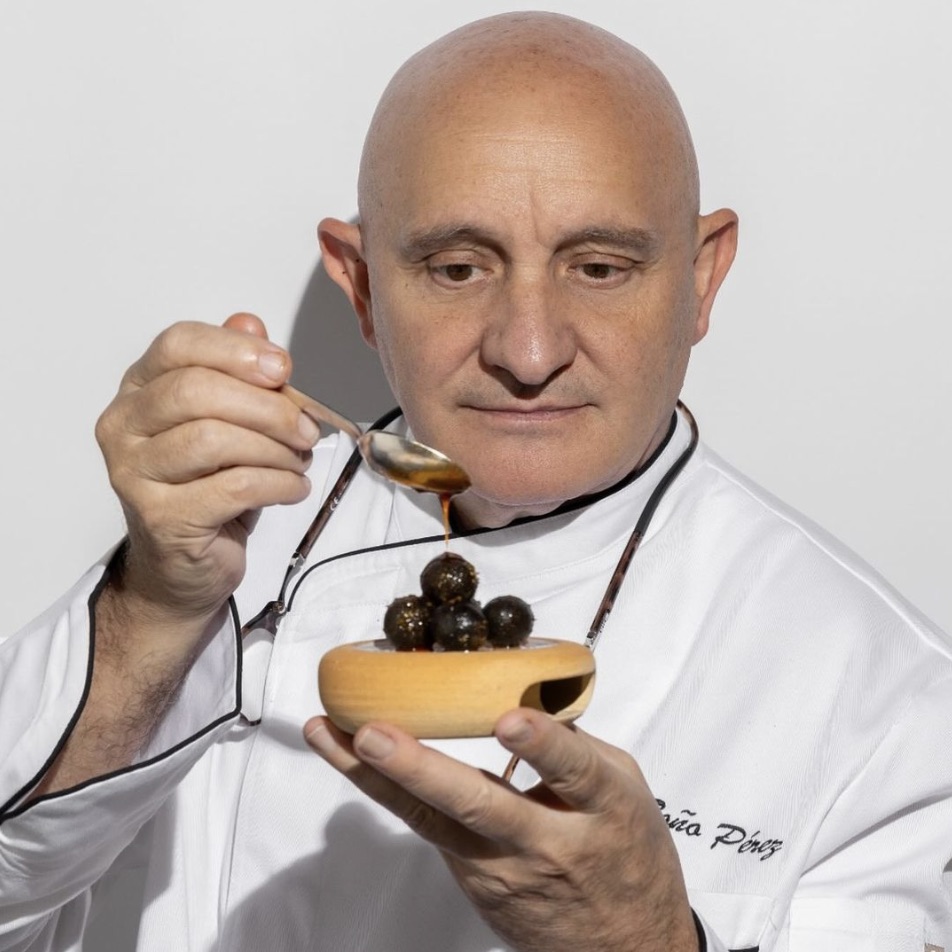
Chef in Residence
Toño Pérez
Chef
- 01CuisineModern Mediterranean Fine Dining
- 02CityMali Losinj, Croatia
- 03RecognitionOne Michelin Star
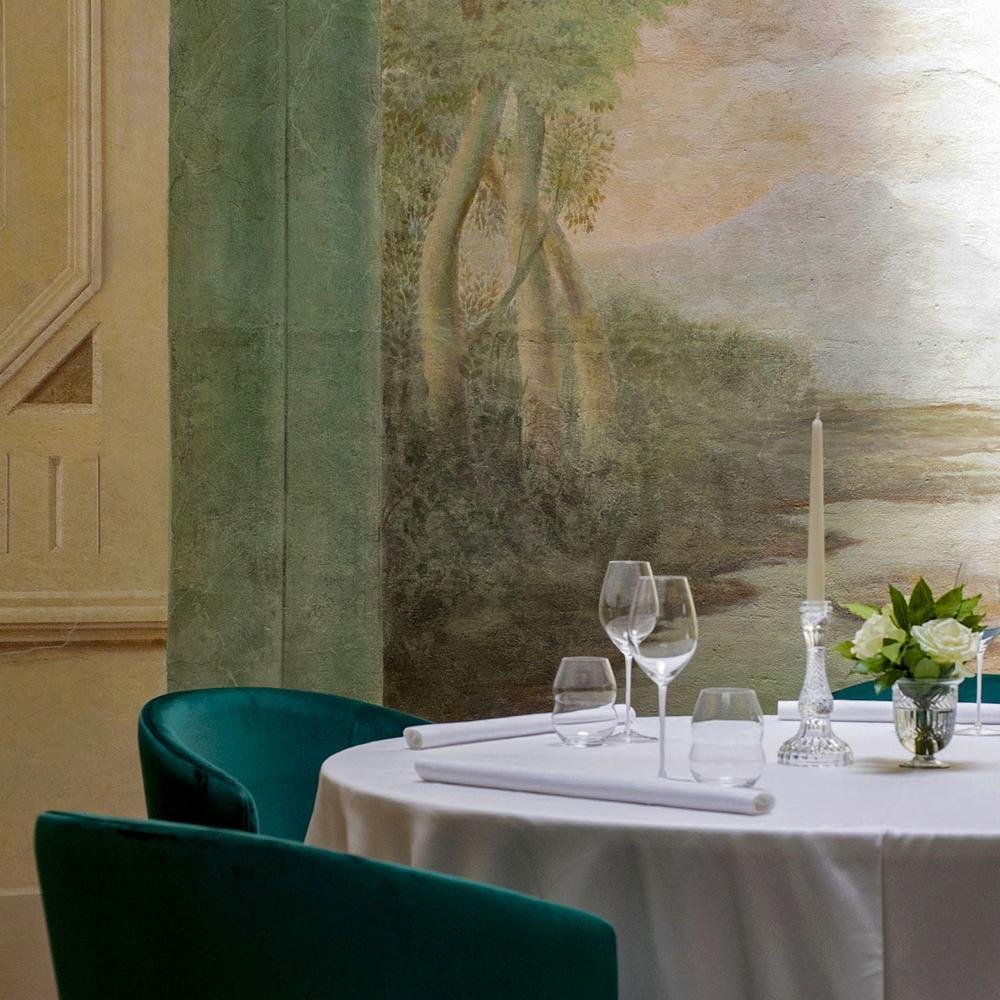
Alfred Keller holds a Michelin star and an 85-point La Liste rating, placing it among the most formally recognised restaurants on the Croatian Adriatic. Chef Michael Gollenz leads a French-Mediterranean kitchen on the Čikat waterfront in Mali Lošinj, backed by a 530-selection wine list with particular depth in Croatian and Italian bottles and overseen by Wine Director Filip Veselovac.
- 1 Michelin Star
- Wine Spectator · Tier 2
At a glance
- Cuisine
- Modern Mediterranean Fine Dining
- Price
- $$$$
- Per person
- $120
- Neighborhood
- Čikat Bay
<h2>The Čikat Setting and What It Signals</h2><p>Mali Lošinj's Čikat bay has a particular quality of evening light, the pine-lined promenade filters the late sun into something close to amber, and Alfred Keller occupies a position on that promenade that makes it feel like part of the landscape rather than an imposition on it. The address, Čikat ul. 16, puts guests a short walk from the harbour, but the atmosphere at this stretch of coast runs quieter and more considered than the town's busier restaurant strip. That sense of remove is appropriate for a restaurant operating at this level.</p><p>Croatia's Adriatic dining scene has expanded its formal tier steadily over the past decade. Michelin entered Croatia in 2017, and the award has since spread across the coast and islands, from <a href="https://www.enprimeurclub.com/restaurants/pelegrini-sibenik-restaurant">Pelegrini in Sibenik</a> and <a href="https://www.enprimeurclub.com/restaurants/restaurant-360-dubrovnik-restaurant">Restaurant 360 in Dubrovnik</a> to <a href="https://www.enprimeurclub.com/restaurants/agli-amici-rovinj-rovinj-restaurant">Agli Amici Rovinj in Rovinj</a> and <a href="https://www.enprimeurclub.com/restaurants/boskinac-novalja-restaurant">Boskinac in Novalja</a>. Alfred Keller is one of a small number of island restaurants to have earned that recognition, which is a different logistical and seasonal proposition from a mainland address. Running a starred kitchen on an island, with ferry-dependent supply chains, a compressed summer season, and a more limited local dining base, demands a different kind of operational discipline.</p><h2>The Kitchen and Its Reference Points</h2><p> That framing has specific meaning in the context of Adriatic fine dining. The French tradition here functions as structural: classical technique, precise plating disciplines, the kind of sauce and reduction work that takes years to internalise. The Mediterranean element provides the ingredient vocabulary, Adriatic seafood, island herbs, the produce geography of the northern Croatian littoral.</p><p>The combination is not unusual at this price tier in Croatia. What distinguishes Alfred Keller's position is that the French-Mediterranean frame is applied on an island rather than in a city or coastal resort town with year-round infrastructure. The culinary training lineage implicit in this approach, formal European technique translated through a local ingredient lens, is a recognisable pattern across the better Adriatic tables. At <a href="https://www.enprimeurclub.com/restaurants/dubravkin-put-zagreb-restaurant">Dubravkin Put in Zagreb</a>, <a href="https://www.enprimeurclub.com/restaurants/korak-jastrebarsko-restaurant">Korak in Jastrebarsko</a>, and <a href="https://www.enprimeurclub.com/restaurants/nebo-by-deni-srdoc-rijeka-restaurant">Nebo by Deni Srdoč in Rijeka</a>, the underlying logic is similar: European technique sharpened against local sourcing. Alfred Keller's version of that approach has earned consecutive Michelin stars in 2024 and 2025, and an improvement from 84 to 85 points on the La Liste ranking between 2025 and 2026.</p><p>The name attached to the restaurant's concept also carries weight. Pérez is known in European fine-dining circles through his work at Atrio in Cáceres, one of Spain's more celebrated addresses, a house with deep wine credentials and a classical but refined kitchen approach. That reference point, when filtered through Chef Gollenz's execution in a Croatian island context, produces something that sits at an intersection of influences rather than belonging cleanly to any single tradition.</p><h2>The Wine Programme</h2><p>At Alfred Keller, the wine list is as formally developed as the kitchen. The programme carries 530 selections, with declared strengths across Croatia, Italy, Champagne, France, Bordeaux, and Germany. That list of geographic strengths is not random. Croatia and Italy are the natural reference points for a restaurant of this location and cuisine type, Istrian and Kvarner wines sit alongside the Adriatic-facing Italian regions as the most contextually appropriate pairings for the kitchen's Mediterranean direction.</p><p>The deeper Champagne, Bordeaux, and French representation signals something about the restaurant's ambitions and its clientele. A 3,180-bottle inventory on an island restaurant serving lunch and dinner points to a serious collector infrastructure and a guest base willing to make significant commitments at the table. That pricing is consistent with a programme that does not need to compete on access, it competes on depth and curation.</p><p>Wine Director Filip Veselovac and Sommelier Aleksandar Petrović manage that list, and the presence of a formally titled sommelier at an island restaurant of this size is itself an indicator of the operation's tier. For comparison, <a href="https://www.enprimeurclub.com/restaurants/ld-restaurant-korcula-restaurant">LD Restaurant in Korčula</a> and <a href="https://www.enprimeurclub.com/restaurants/krug-split-restaurant">Krug in Split</a> both operate serious wine programmes within the same regional fine-dining conversation, but Alfred Keller's inventory scale places it closer to the collector-tier addresses than the curated-but-accessible model.</p><h2>Alfred Keller Within the Croatian Fine Dining Map</h2><p>The geography of Croatian fine dining tends to cluster in three areas: Dubrovnik and the southern Dalmatian coast, Split and central Dalmatia, and the Istrian peninsula. The Kvarner islands, Lošinj, Cres, Krk, are slightly off that established circuit, which means Alfred Keller occupies a position that is formally competitive with the coast's better tables while being physically distinct from them. That separation has implications for how guests plan visits.</p><p>A table at Alfred Keller is not easily combined with a Dubrovnik evening, as <a href="https://www.enprimeurclub.com/restaurants/restaurant-360-dubrovnik-restaurant">Restaurant 360</a> might be. It requires a commitment to Lošinj specifically, which is either a complication or a reason to stay longer depending on how the trip is structured. Matsunoki represents the other end of the formal spectrum on the island, with a Japanese Contemporary approach that sits alongside Alfred Keller as evidence of how the Lošinj dining scene has developed beyond traditional Adriatic cooking.</p><p><a href="https://www.enprimeurclub.com/restaurants/alla-beccaccia-valbandon-restaurant">Alla Beccaccia in Valbandon</a> in Istria and <a href="https://www.enprimeurclub.com/restaurants/agli-amici-rovinj-rovinj-restaurant">Agli Amici Rovinj</a>, the latter a two-star address, represent the upper end of what the northern Adriatic fine-dining circuit looks like. Alfred Keller sits in that peer conversation with one star and an improving La Liste score, at a price tier (€€€) that is slightly below the €€€€ bracket occupied by some of those comparators, which makes it one of the more accessible formal addresses in the Kvarner region.</p><p>Internationally, the formal French-Mediterranean model at this level has parallels at addresses like <a href="https://www.enprimeurclub.com/restaurants/frantzen-stockholm-restaurant">Frantzén in Stockholm</a> and <a href="https://www.enprimeurclub.com/restaurants/fzn-by-bjorn-frantzen-dubai-restaurant">FZN by Björn Frantzén in Dubai</a>, both of which operate within the same global conversation about European fine-dining technique applied through a local or hybrid lens, though at higher price tiers and in markets with very different competitive densities.</p><h2>Planning a Visit</h2><p>Alfred Keller serves both lunch and dinner. The restaurant's €€€ pricing, defined in the data as a typical two-course meal above €66, excluding drinks, is consistent with a Michelin-starred address at the more accessible end of the formal tier. A full meal with wine from the $$$-tier list will move the final bill significantly higher.</p><p>General Manager Lovorka Struna oversees operations, and the presence of a dedicated GM alongside a wine director and named sommelier confirms that the front-of-house infrastructure matches the kitchen's ambition.</p>
Know before you go
- Dress code
- smart_casual
- Reservations
- recommended
- Outdoor seating
- Yes
Frequently asked
Is Alfred Keller expensive?
Pricing at Alfred Keller is listed as €€€.
How do I find Alfred Keller?
Alfred Keller is located at Čikat ul. 16, Mali Lošinj, Croatia, Mali Lošinj.
What distinctions does Alfred Keller have?
Alfred Keller has received recognition including: La Liste Top Restaurants (2026): 85pts; La Liste Top Restaurants (2025): 84pts; WINE: Wine Strengths: Croatia, Italy, Champagne, France, Bordeaux, Germany Pricing: $$$ i Wine pricing: Based on the list\'s general markup and high and low pri….
What's the best thing to order at Alfred Keller?
What the data confirms is a French-Mediterranean kitchen under Chef Michael Gollenz, operating at Michelin one-star level since at least 2024 and rated 85 points by La Liste in 2026. Both lunch and dinner services are available, which gives more flexibility than most starred coastal addresses in Croatia — arriving at lunch allows you to work through the full menu without the time pressure of a ferry or evening connection.
Address
Čikat ul. 16, Mali Lošinj, Croatia
Čikat Bay
How it compares
Alfred Keller
- Cuisine
- Modern Mediterranean Fine Dining
- Price
- $$$$
- Awards
- Michelin 1 Star
- Notes
- Čikat Bay
Matsunoki
- Cuisine
- Japanese Fusion with Mediterranean Influences
- Price
- $$$$
- Awards
- Michelin Plate
- Notes
- Čikat
- Cuisine
- Croatian Grill & Seafood
- Price
- $$
- Awards
- —
- Notes
- Mali Losinj
- Cuisine
- Traditional Adriatic Seafood
- Price
- $$$
- Awards
- —
- Notes
- Čikat Cove, Mali Lošinj
- Cuisine
- Traditional Croatian Seafood
- Price
- $$
- Awards
- —
- Notes
- Mali Losinj
- Cuisine
- Mediterranean Seafood
- Price
- $$$
- Awards
- —
- Notes
- Mali Losinj
In residence
Similar places
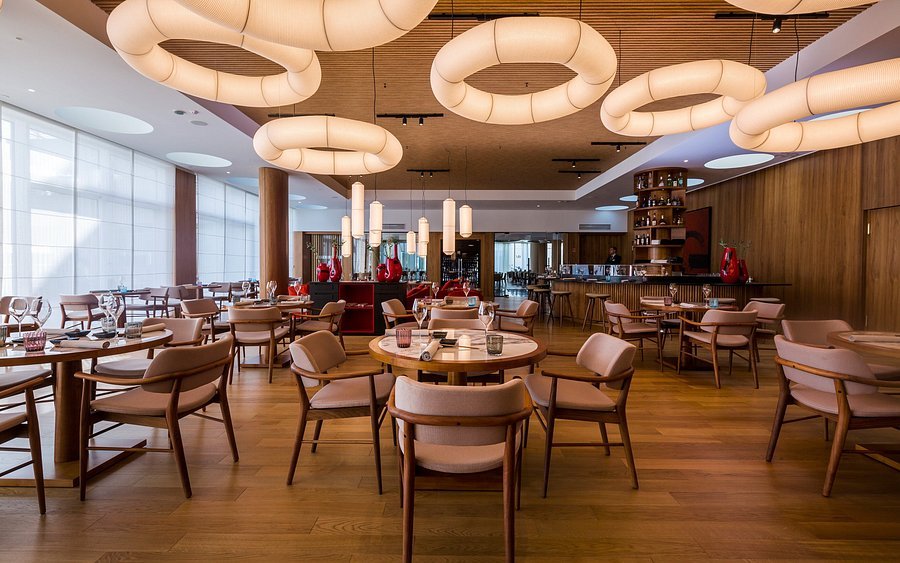
Japanese Fusion with Mediterranean Influences
Matsunoki
Mali Losinj, Croatia
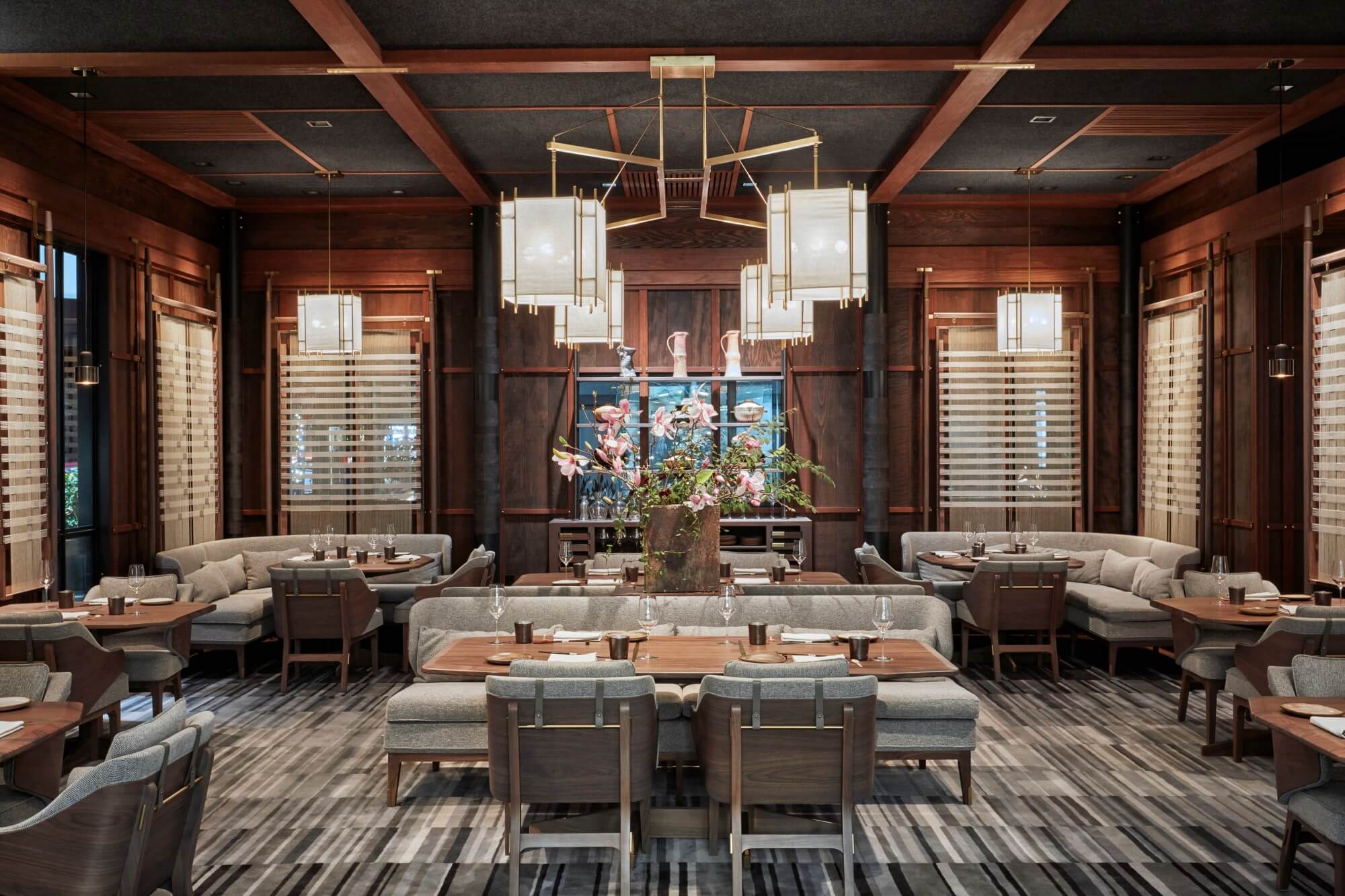
Japanese-influenced Californian Kaiseki
Single Thread Farm
Healdsburg, United States
★★★ · 50 Best
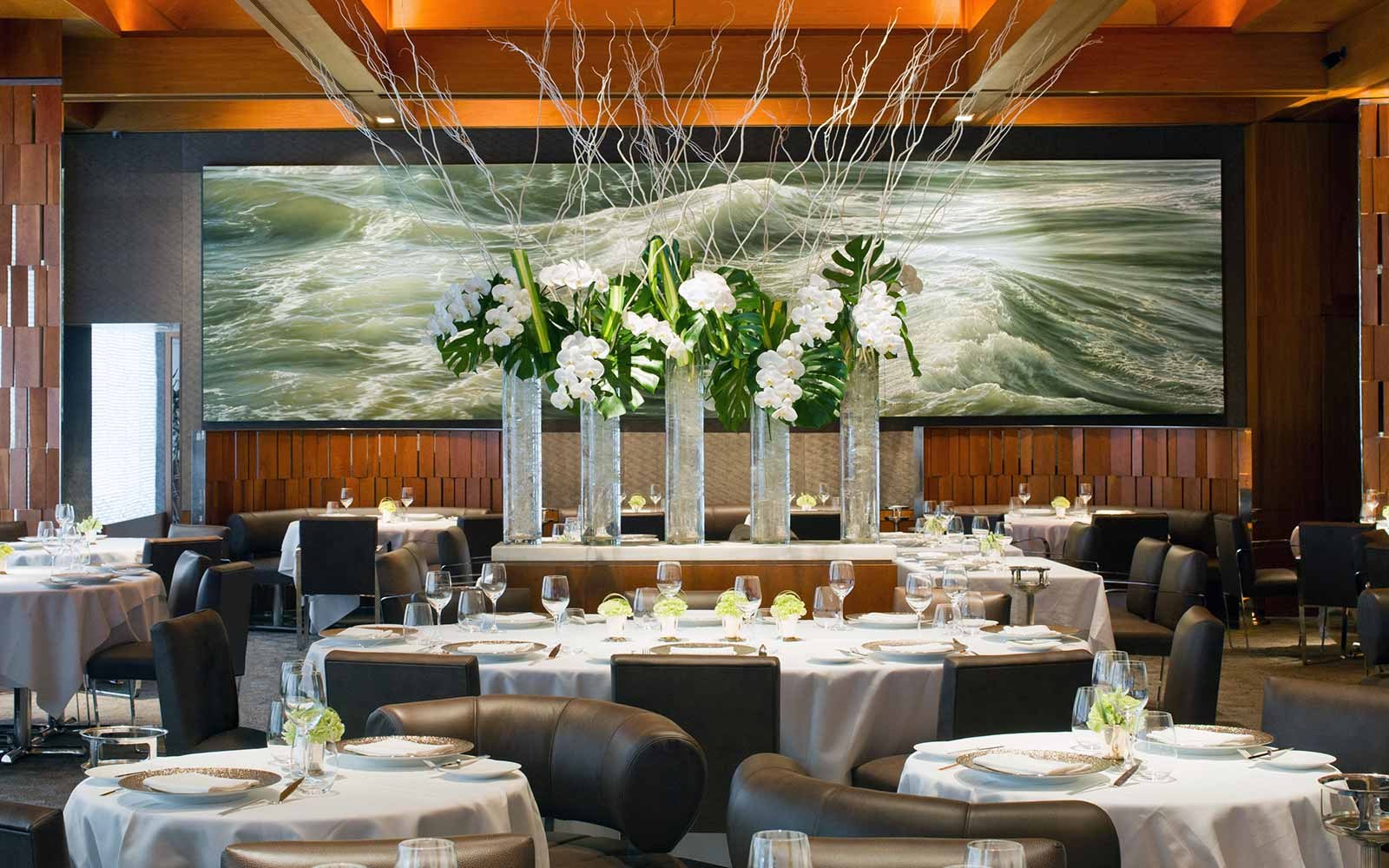
French Seafood Fine Dining
Le Bernardin
New York City, United States
★★★ · 50 Best
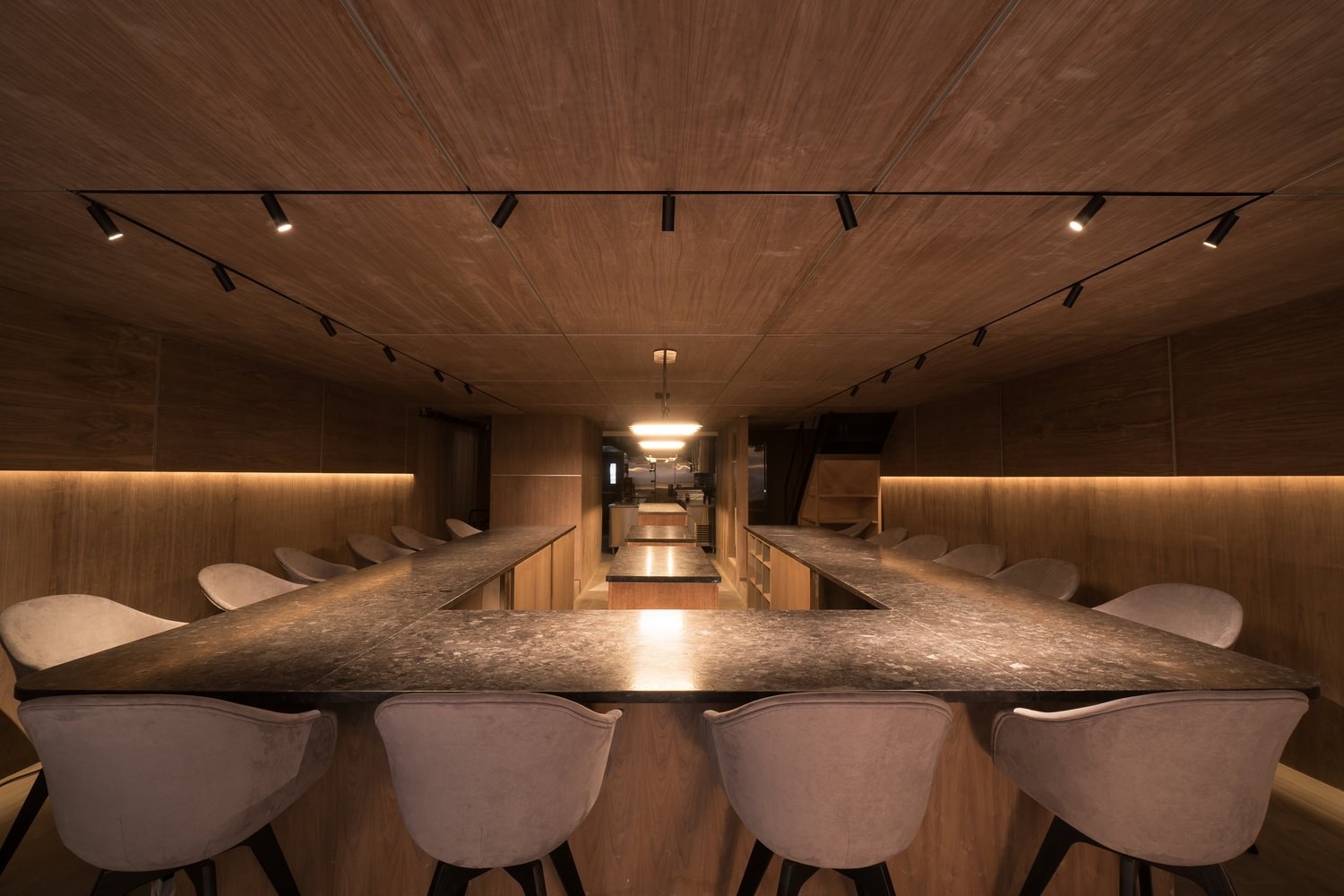
Modern Korean Tasting Menu
Atomix
New York City, United States
★★ · 50 Best
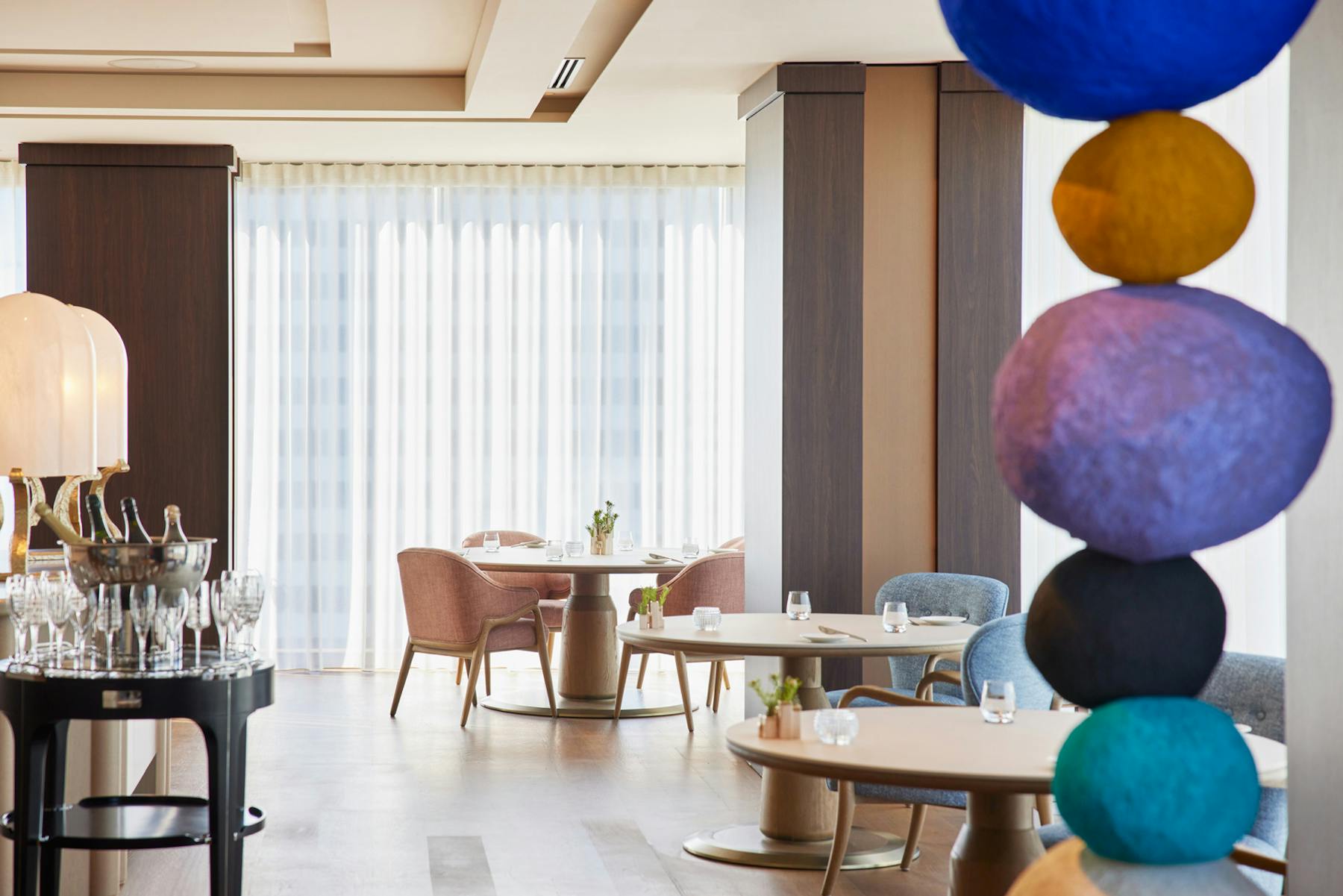
French
Sézanne
Tokyo, Japan
★★★ · 50 Best
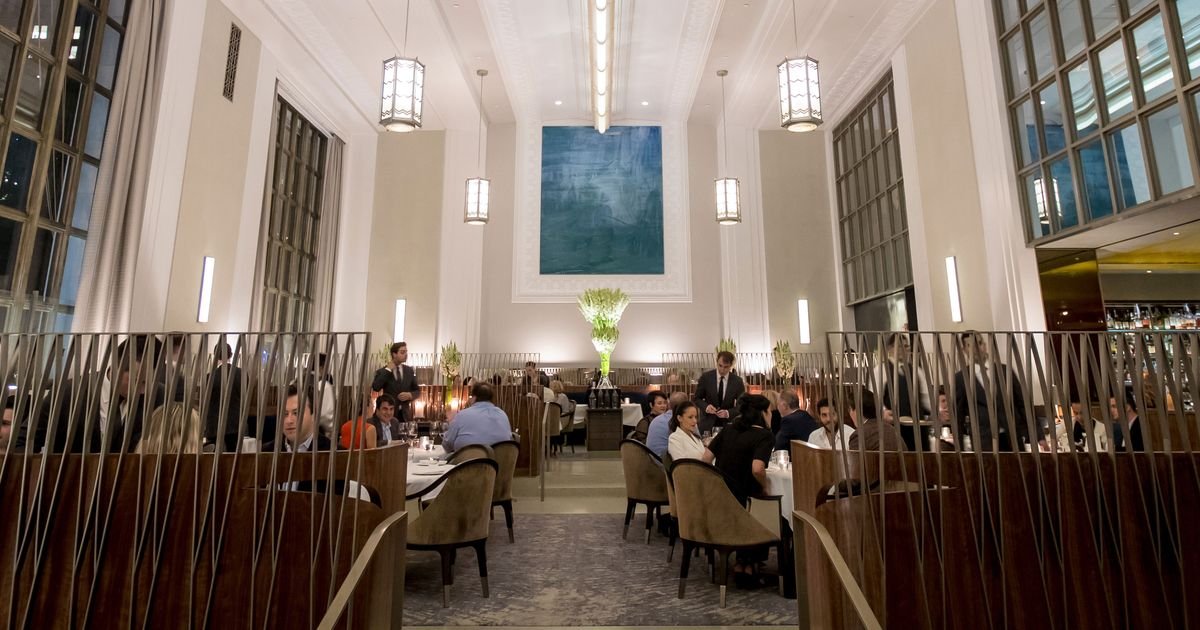
Contemporary Plant-Based Fine Dining
Eleven Madison Park
New York City, United States
★★★ · 50 Best