Made ByWinery
Alt Wiener Schnapsmuseum
- 01CityVienna, Austria
Alt Wiener Schnapsmuseum on Wilhelmstraße in Vienna's 12th district is a dedicated schnapps museum occupying a category of its own among the city's spirits destinations. The venue holds a Pearl 1 Star Prestige award (2025), placing it in a specialist tier where depth of tradition and format discipline matter more than scale. For visitors tracing Austria's distilling heritage, it belongs on the same itinerary as the city's serious wine estates.
Where Vienna's Distilling Past Becomes Present
The 12th district of Vienna, Meidling, sits well outside the tourist circuits that concentrate around the Innere Stadt and the Naschmarkt. Wilhelmstraße 21 is a residential address in a working neighbourhood, which means arriving at Alt Wiener Schnapsmuseum requires a degree of intention that most casual visitors to the city will not extend. That friction is part of what the place offers. Vienna has a long tradition of specialist institutions that survive precisely because they do not compete for foot traffic: they wait for the audience that already knows why it is coming.
The schnapps museum format is itself a statement about Austrian drinking culture. While the city's wine identity is well-documented through its Weingut Mayer am Pfarrplatz and the vineyard estates of the northern slopes, Austrian fruit distillation sits in a quieter register. Schnapps in the Austrian tradition is not the industrial grain spirit of northern Europe. It is a category built on orchard fruit, Williams pear, apricot, plum, quince, distilled to preserve the aromatic integrity of the source material rather than to produce neutral alcohol. A serious Austrian Obstler operates closer to Calvados or Armagnac in its relationship to terroir and producer identity than to most spirits marketed under the same name in export markets.
A Specialist Tier in a City of Wine
Vienna's spirits scene has historically operated in the shadow of its wine culture. The Heuriger tradition, documented since the late eighteenth century, established wine as the social and agricultural backbone of Viennese drinking. Estates like Weingut Fritz Wieninger and Weingut Rainer Christ continue that lineage with contemporary winemaking credibility. Against that backdrop, a schnapps museum occupies a distinct and narrower niche: it is not competing with wine estates for the premium drinks-tourism audience, but rather filling a gap those estates leave untouched.
The Pearl 1 Star Prestige award that Alt Wiener Schnapsmuseum holds in 2025 places it inside a curated tier of recognised Austrian experiences. That recognition signals a level of format discipline and depth that separates it from general tourism attractions. In a city where the Weingut Fuhrgassl-Huber and similar estates represent the established wine-tourism model, a dedicated distilling museum with prestige recognition occupies a different but comparably serious position in the broader map of Vienna's drinks culture.
The Distilling Philosophy Behind Austrian Schnapps
Understanding what Alt Wiener Schnapsmuseum documents requires some context on how Austrian fruit schnapps differs from the category's cheaper iterations. Austrian law governs the term Obstbrand, fruit brandy, with a specificity that most spirits-producing countries do not match. Fruit must be fermented and distilled without added sugar in the fermentation, the spirit must meet minimum alcohol thresholds, and geographical designations carry legal weight in the same way that wine appellations do in neighbouring regions.
The distillers whose work is represented in a serious schnapps museum context are operating within that framework, often at farm or orchard scale. Austrian distilling has its own lineage of craft producers in the same way that Wachau has its wine growers. Estates like Weingut Emmerich Knoll in Dürnstein and Weingut Bründlmayer in Langenlois are part of an Austrian agricultural tradition that extends beyond wine into orchard management and fruit processing. Schnapps production from estate-grown fruit is a natural extension of that tradition, and the leading examples carry measurable origin character in the way that serious wine does.
This is the intellectual framework that makes a schnapps museum a focused cultural record. It is a form of material history, bottles, stills, production records, regional variants, that documents a craft that predates the modern spirits industry by centuries and that survived industrialisation largely through small-scale family production.
Vienna's Drinks Geography and Where This Fits
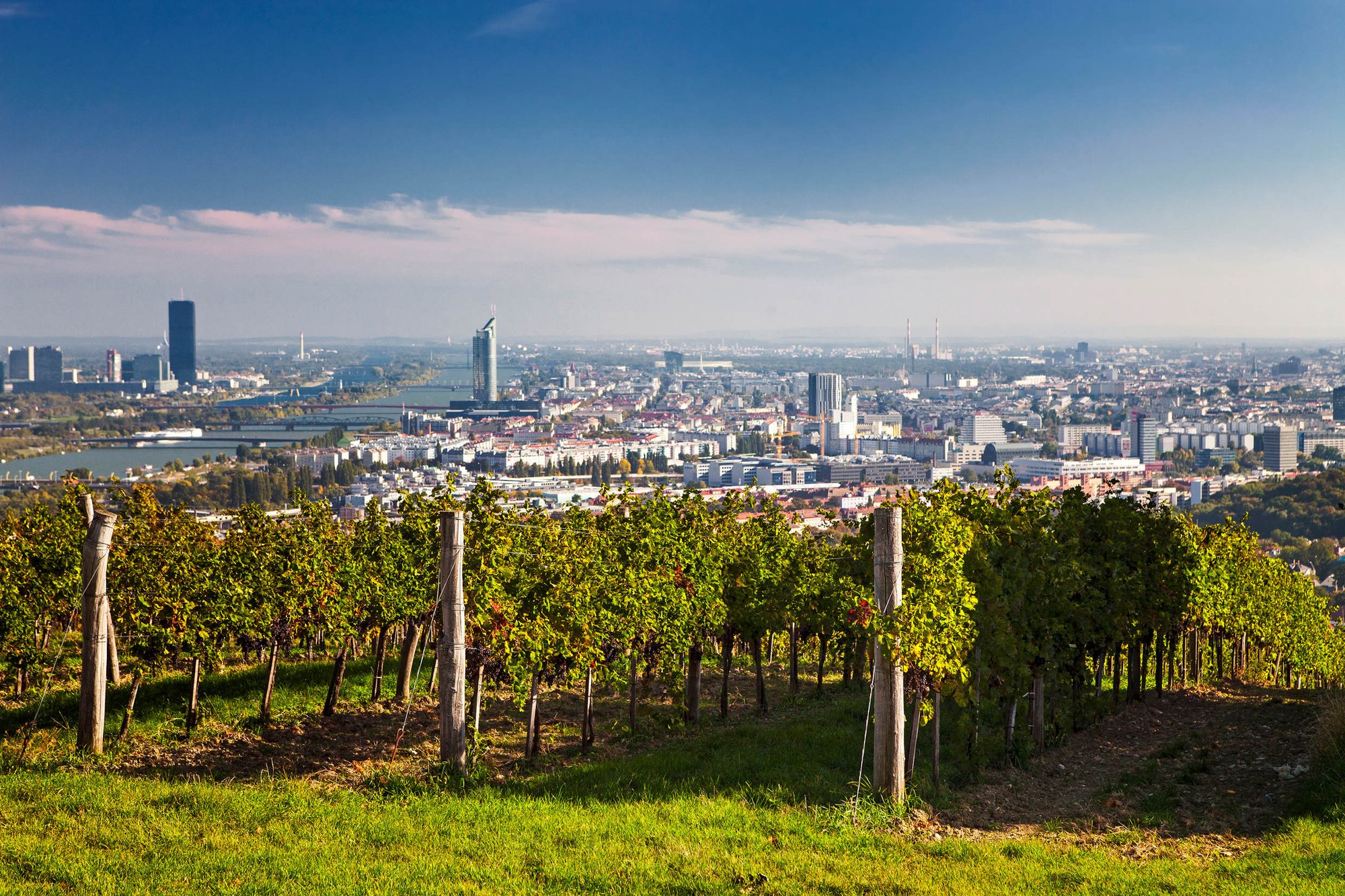
For visitors building an itinerary around Austrian drinks culture, the geography matters. Vienna's wine estates cluster in the north and northwest of the city, from Grinzing through Nussdorf to the Bisamberg slopes. The distilling and spirits culture is less spatially concentrated, which is why an institutional address like Alt Wiener Schnapsmuseum in Meidling functions as an anchor point rather than part of an existing cluster.
The broader Austrian spirits map extends well outside the capital. Weingut Scheiblhofer Distillery in Andau represents the Burgenland tradition, where wine and spirits production intersect on large estates. Weingut Pittnauer in Gols and Weingut Kracher in Illmitz operate in the same region with different production emphases. Weingut Wohlmuth in Kitzeck brings a Styrian perspective that adds further regional contrast. Against that dispersed geography, a Vienna-based museum with historical depth offers something that individual estate visits do not: a comparative and contextual frame for understanding the whole category.
For visitors interested in international craft distilling beyond Austria, the 1516 Brewing Company Distillery in Vienna provides a contemporary production contrast, while destinations further afield such as Aberlour in Aberlour and Accendo Cellars in St. Helena represent the premium end of other spirits and wine traditions. Alt Wiener Schnapsmuseum is an archival and educational institution within a specific cultural tradition. Weingut Heinrich Hartl in Oberwaltersdorf adds another reference point for Austrian estate-level production outside the capital.
Planning a Visit
Alt Wiener Schnapsmuseum is located at Wilhelmstraße 21 in Vienna's 12th district, reachable by U-Bahn via the Meidling or Längenfeldgasse stations. Specific session formats, admission structures, and seasonal availability should be confirmed in advance. The 12th district visit works well combined with other Meidling neighbourhood stops, and the journey from central Vienna requires roughly thirty to forty minutes by public transport, making it a half-day commitment rather than a brief detour.
Frequently asked
Has Alt Wiener Schnapsmuseum won any awards?
Alt Wiener Schnapsmuseum has received recognition including: Pearl 1 Star Prestige (2025).
What's Alt Wiener Schnapsmuseum's location?
Alt Wiener Schnapsmuseum is located at Wilhelmstraße 21, 1120 Wien, Vienna.
What wines should I try at Alt Wiener Schnapsmuseum?
Wine is not the focus here. Alt Wiener Schnapsmuseum documents Austrian schnapps tradition, specifically fruit-based distillates in the Obstbrand category. Visitors looking for Viennese wine should look to the Heuriger estates in the city's northern and northwestern districts; this venue in Meidling addresses a different part of Austria's drinks culture entirely.
What's the main draw of Alt Wiener Schnapsmuseum?
The venue holds a Pearl 1 Star Prestige award (2025), placing it in a recognised specialist tier among Vienna's cultural and drinks experiences. Its subject matter — the history and craft of Austrian fruit schnapps — occupies a gap that few dedicated venues address, particularly outside the country's wine-dominant narrative.
Do I need a reservation for Alt Wiener Schnapsmuseum?
Advance contact is advisable given the venue's specialist format and prestige recognition. Phone and website details are not currently listed in public directories, so the most reliable approach is to reach out directly via the address at Wilhelmstraße 21, 1120 Wien, or to verify current access details before making the trip from central Vienna.
Address
Wilhelmstraße 21, 1120 Wien
How it compares
Alt Wiener Schnapsmuseum
- Price
- —
- Awards
- 1 recognition
- Notes
- Winery
Stock Austria Distillery
- Price
- —
- Awards
- 1 recognition
- Notes
- Winery
Weingut Walter Wien Distillery
- Price
- $$$
- Awards
- 1 recognition
- Notes
- Vienna, Grüner Veltliner, Zweigelt
Weingut Wien Cobenzl
- Price
- $$
- Awards
- 1 recognition
- Notes
- Grinzing, Grüner Veltliner, Riesling
1516 Brewing Company Distillery
- Price
- —
- Awards
- 1 recognition
- Notes
- Winery
Koskij Distillery
- Price
- —
- Awards
- 1 recognition
- Notes
- Winery