Andreu Genestra
In Residence
Andreu Genestra
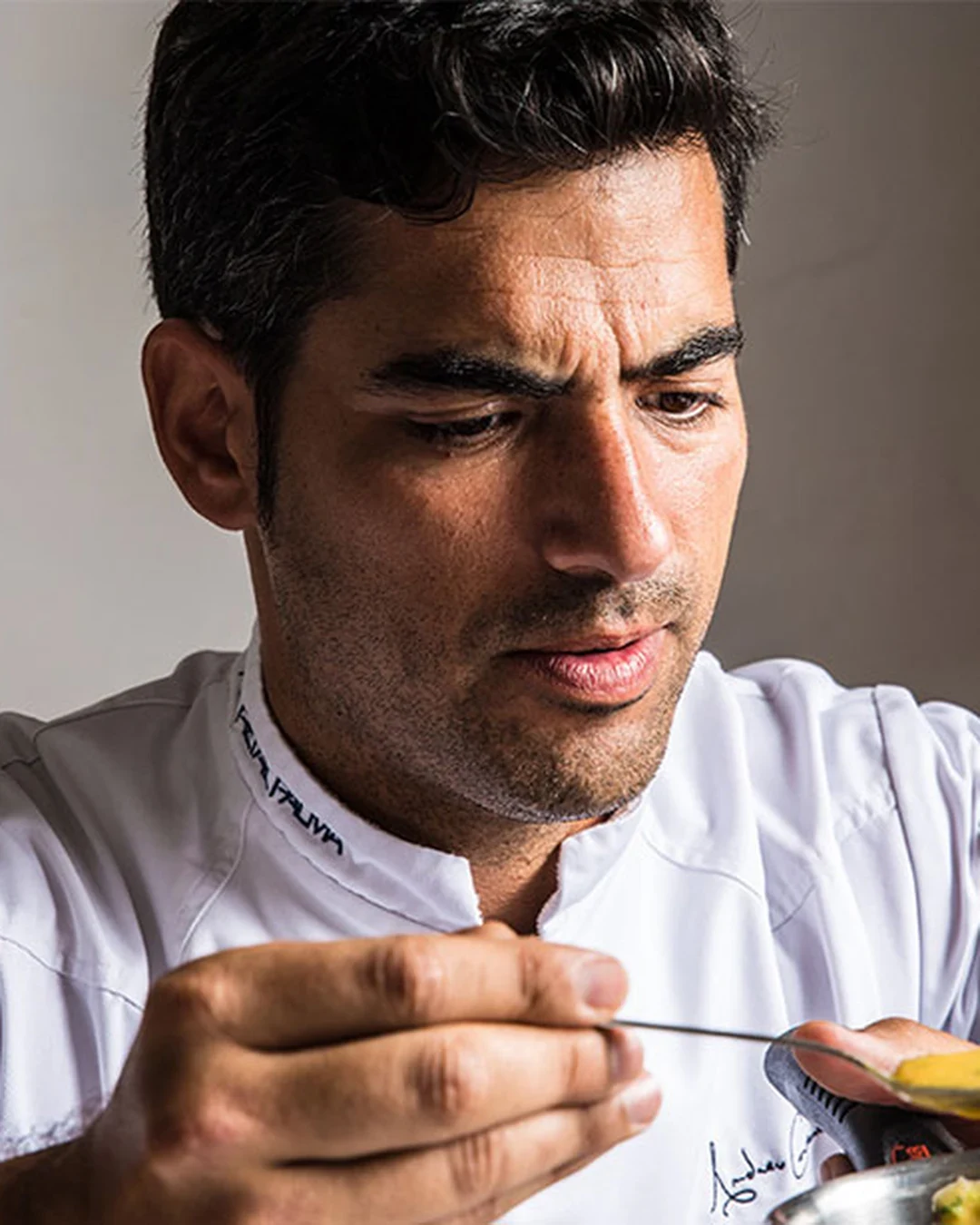
Chef
- 01CuisineModern Mediterranean Fine Dining
- 02CityLlucmajor, Spain
- 03RecognitionOne Michelin Star
- 1 Michelin Star · Michelin Guide
- Guía Repsol 2 Soles · 2026
- Michelin 1 Star · 2026
- Star Wine List · 2026
- Michelin 1 Star · 2025
- Opinionated About Dining Casual in Europe Ranked #558 · 2025
- Michelin 1 Star · 2024
- Opinionated About Dining Casual in Europe Ranked #696 · 2024
- Opinionated About Dining Casual in Europe Recommended · 2023
A Rural Estate, a Courtyard, and the Weight of a 14th-Century Address
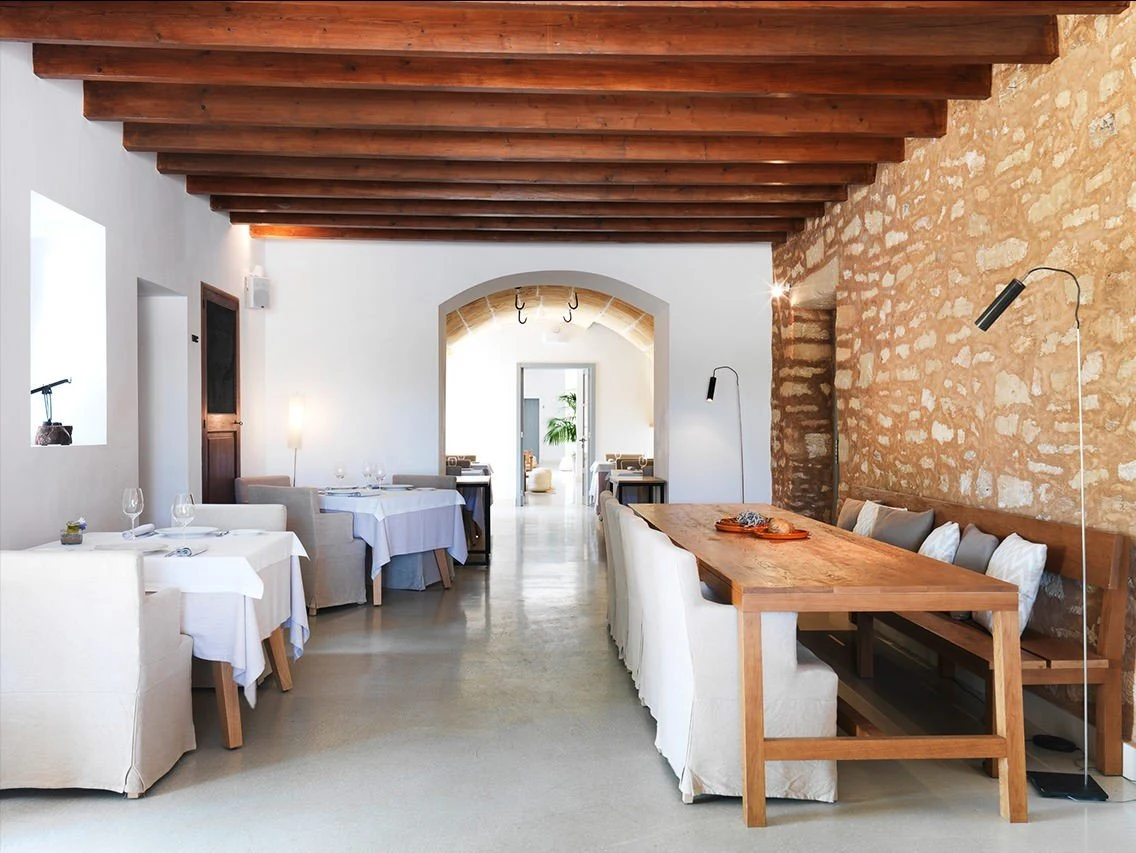
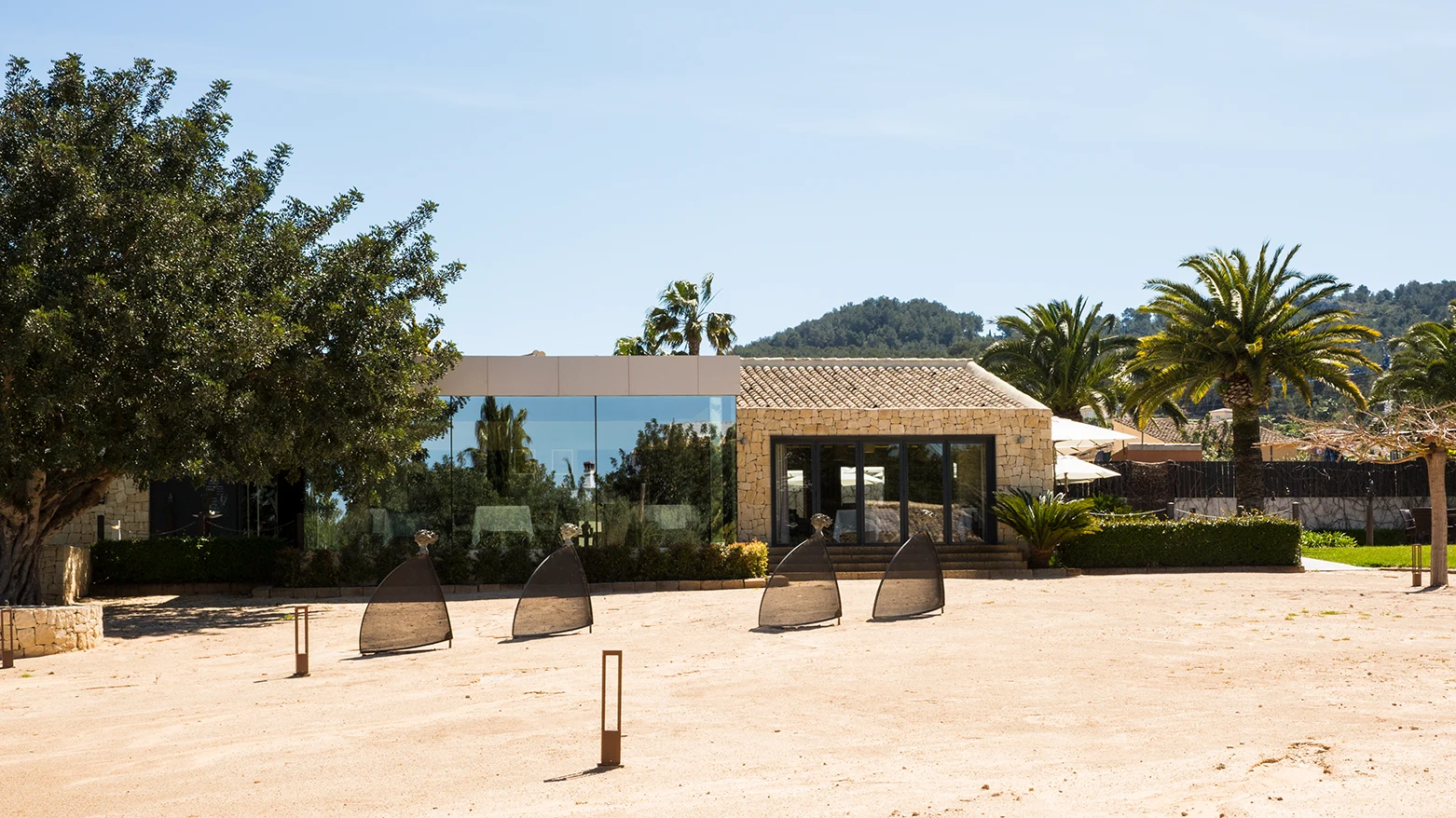
Arriving at the Sa Torre estate outside Llucmajor, you pass a windmill and a private church before reaching the hotel entrance. These are not decorative gestures, Sa Torre dates to the 14th century, and the stone structures around the property carry that age visibly. The restaurant sits within Hotel Zoëtry Mallorca, accessed through a courtyard that opens onto a terrace. The setting belongs to a specific Mallorcan tradition: the aristocratic finca repurposed for hospitality, where agricultural heritage and rural quietude are part of the offer, not incidental to it. Dining here is a long way, geographically and atmospherically, from the coastal resort circuit that dominates Mallorca's culinary conversation.
Among Spain's Michelin-starred restaurants, the majority cluster in urban centres or along well-trafficked coastlines. Andreu Genestra takes a different position, placing serious cooking in a deeply rural address 8 kilometres from the nearest town. That choice shapes everything: the pace of service, the relationship with the surrounding land, and the expectation a diner brings through the door.
The Sunday letter
Find new places through the people who run them.
Our Sunday email brings you the chefs, winemakers and hoteliers behind our newest stories. See a sample before you subscribe.
See a sample of the Sunday emailOne email a week. Unsubscribe from any issue.
Small Plates, Multiple Menus, and the Philosophy of the Table
The kitchen operates through structured tasting menus rather than freestyle small-plates selection. The kitchen operates through structured tasting menus rather than freestyle small-plates selection, yet the Mediterranean tradition of sharing, accumulating flavours across multiple dishes, and building a meal socially rather than individually is legible throughout the format. Spain's broader creative-cooking generation, the chefs whose names appear in lists from El Celler de Can Roca in Girona to Arzak in San Sebastián, long ago absorbed the small-plates logic into tasting-menu architecture. Each course functions as a self-contained statement; the progression builds an argument rather than delivering a single monolithic dish.
Three menus are available. The Mediterranean runs to 12 courses; the Mediterranean Extrem extends that to 14; and the Mediterranean Verde, also 12 courses, focuses substantially on the vegetable world. The Verde menu places Andreu Genestra in a growing cohort of Michelin-recognised kitchens across southern Europe that have shifted meaningful creative attention toward plant-based cooking without abandoning protein entirely. This is not a binary choice between omnivore and vegetarian formats, it is a signal about where the kitchen's research is concentrated.
Opinionated About Dining's reviewers noted a particular dish: tuna belly with courgette tartare, Fava Parada sauce, and toasted butter. The description points to what the kitchen does structurally, a protein anchor, a vegetable component with textural contrast, a legume-based sauce carrying regional identity, and a fat element for finish and balance. That combination of Catalan culinary vocabulary with contemporary technique is the throughline across the menu. Compared to peers like Quique Dacosta in Dénia or Ricard Camarena in València, both operating at the Mediterranean-creative intersection, Andreu Genestra's approach reads as less maximalist, more anchored in local ingredient specificity.
For those not committed to a full tasting sequence, the kitchen also offers a smaller à la carte format with two or three dishes. This is a notable structural choice. At this price tier and with Michelin recognition in place, many kitchens push guests exclusively toward the tasting menu. The option to order less positions the restaurant as accessible within its category, and means the terrace can function as a genuine dining destination for guests staying at the hotel who want a serious meal without a three-hour commitment.
Where This Sits in the Spanish Michelin Picture
Spain's Michelin one-star tier is dense and geographically spread. The country hosts three-star rooms from Aponiente in El Puerto de Santa María to Azurmendi in Larrabetzu and DiverXO in Madrid. At the one-star level, the competition is substantial, and the question for any critic is whether recognition reflects technical competence or genuine creative contribution. Andreu Genestra's OAD trajectory gives a partial answer: recommended in 2023, ranked 696th in 2024, and 558th in 2025 among Casual Europe, a consistent upward movement that suggests a kitchen finding its register rather than one coasting on initial recognition.
The Catalan-creative cuisine designation places the restaurant in a peer group that includes Caelis in Barcelona and, at a broader Spanish creative level, Cocina Hermanos Torres and Martin Berasategui in Lasarte-Oria. What distinguishes Andreu Genestra within that group is the rurality of its setting and the Balearic specificity of its ingredients. Mallorca has its own agricultural identity, olive oil, almonds, sobrassada, local seafood, legumes like the fava referenced in the OAD-noted dish, and a kitchen serious about that specificity occupies a different position than one using Catalan technique with generic Mediterranean produce.
For further context on where Catalan-rooted creativity sits internationally, the comparison with Le Bernardin in New York City is instructive not for stylistic similarity but for structural logic: both are tasting-menu rooms where the discipline of the format is inseparable from the cuisine's identity.
Planning a Visit: What to Know Before You Go
Andreu Genestra is at Camí de Sa Torre, km8, Llucmajor, a rural address that requires a car. The distance from Palma makes a taxi feasible for an evening without a return drive, though not cheap. The restaurant sits within Hotel Zoëtry Mallorca, which means hotel guests have the advantage of proximity; non-guests visit specifically for the meal rather than as part of a broader hotel stay. Given the price tier and the three-menu format with 12 or 14 courses, this is a multi-hour commitment: arrive with the evening free. The terrace access through the courtyard patio suggests that warm-weather evenings are the preferred season for a full experience, though Mallorca's shoulder months, April through June, September through October, offer better value on accommodation and fewer crowds at comparable creative tables across the island.
Questions
Frequently asked
What recognition does Andreu Genestra hold?
Andreu Genestra holds 1 Michelin star.
Who works at Andreu Genestra?
Made By profiles Andreu Genestra (Chef) at Andreu Genestra.
How expensive is Andreu Genestra?
Andreu Genestra is listed at a price level of $$$$.
Where is Andreu Genestra and what does it serve?
Andreu Genestra is in Llucmajor, Llucmajor, serving Modern Mediterranean Fine Dining.
The field
How it compares
| Place | Awards | Cuisine | Notes |
|---|---|---|---|
| Andreu Genestra | Michelin 1 Star | Modern Mediterranean Fine Dining | Llucmajor, $$$$ |
| Antiqvvm | Michelin 2 Stars | Modern Mediterranean Fine Dining | Porto |
| BonAmb | Michelin 2 Stars | Modern Mediterranean Fine Dining | Xàbia |
| Casadelmar | Michelin 2 Stars | Modern Mediterranean Fine Dining | Porto-Vecchio |
| La Table du Castellet | · | Modern Mediterranean Fine Dining | Le Castellet |
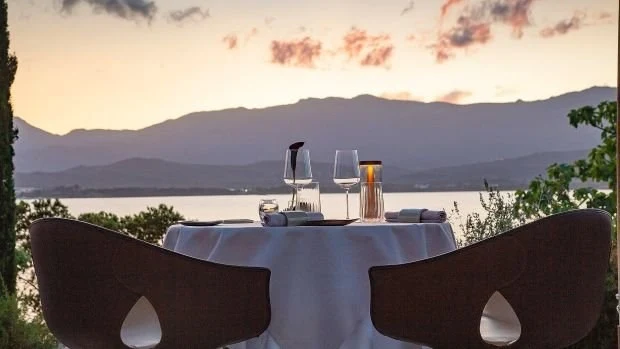
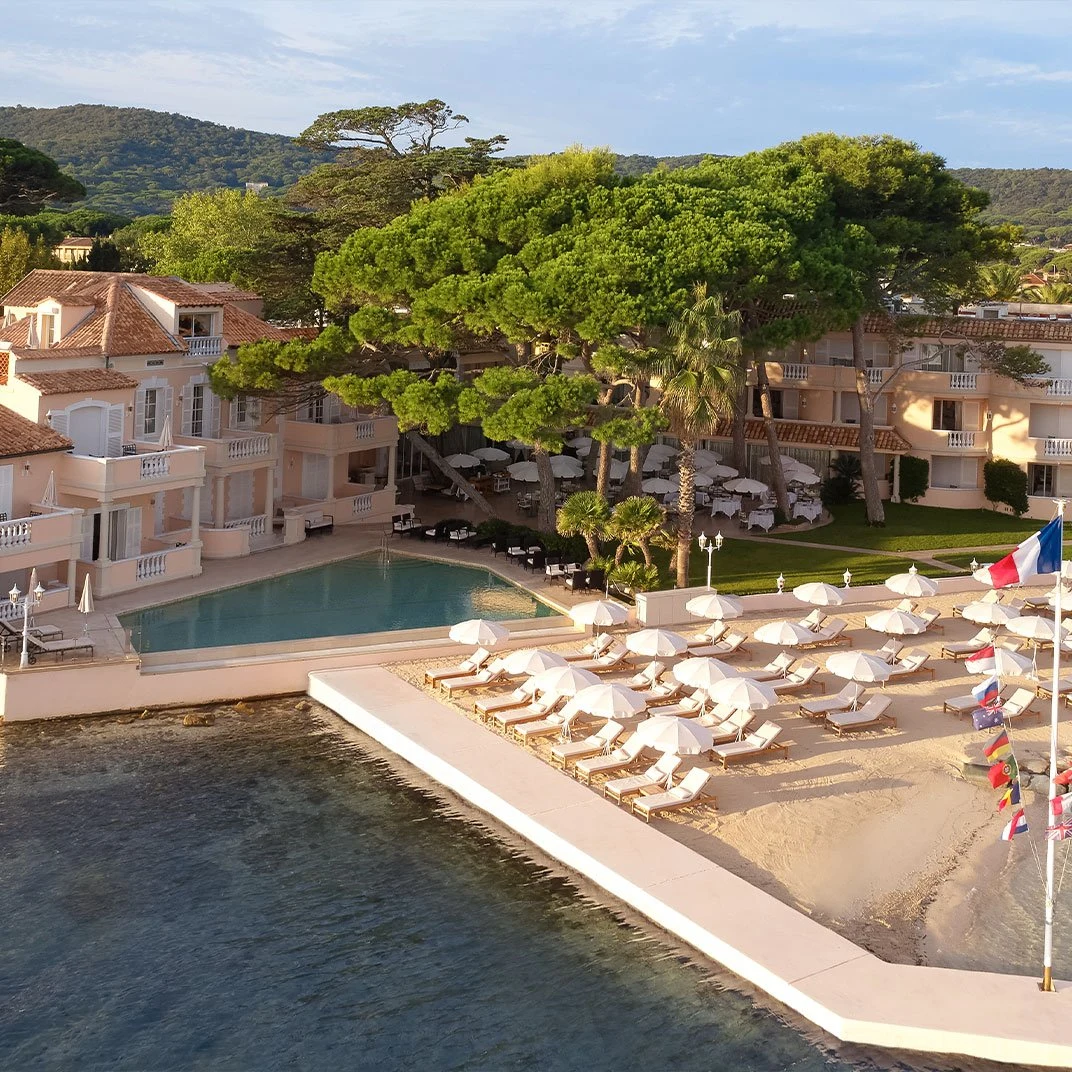
| La Vague d'Or - Cheval Blanc St-Tropez | Michelin 3 Stars | Modern Mediterranean Fine Dining | Saint-Tropez |
| Riff | Michelin 1 Star | Modern Mediterranean Fine Dining | València |
In residence
Similar places
Modern Mediterranean Fine Dining
Antiqvvm
Porto, Portugal
★★
Modern Mediterranean Fine Dining
BonAmb
Xàbia, Spain
★★
Modern Mediterranean Fine Dining
Casadelmar
Porto-Vecchio, France
★★
Modern Mediterranean Fine Dining
La Table du Castellet
Le Castellet, France
Modern Mediterranean Fine Dining
La Vague d'Or - Cheval Blanc St-Tropez
Saint-Tropez, France
★★★
Modern Mediterranean Fine Dining
Riff
València, Spain
★
The Sunday letter
Get the next Made By story in your inbox.
We send one email every Sunday morning with the places and people we covered that week.
See a sample of the Sunday emailOne email a week. Unsubscribe from any issue.