Made ByWinery
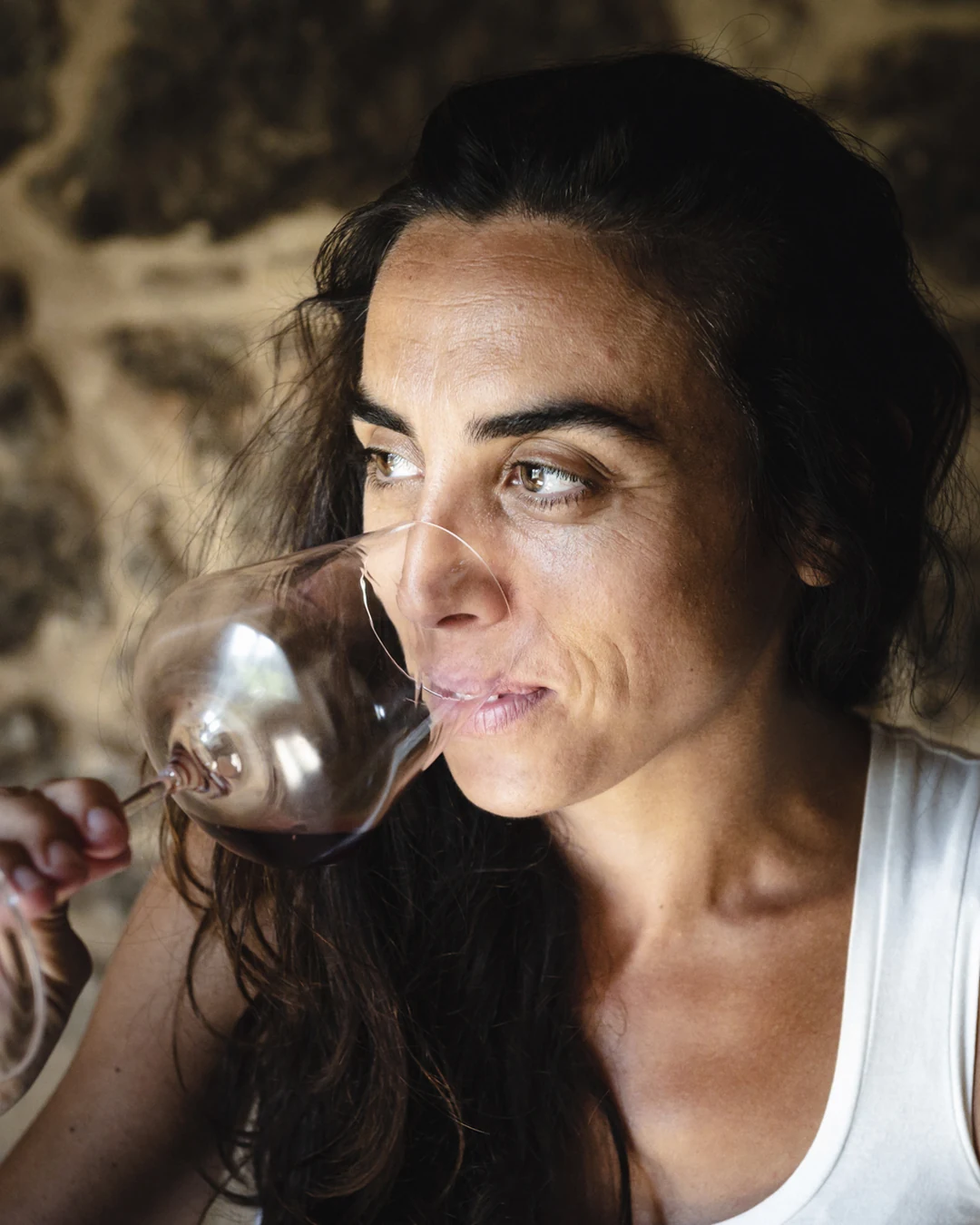
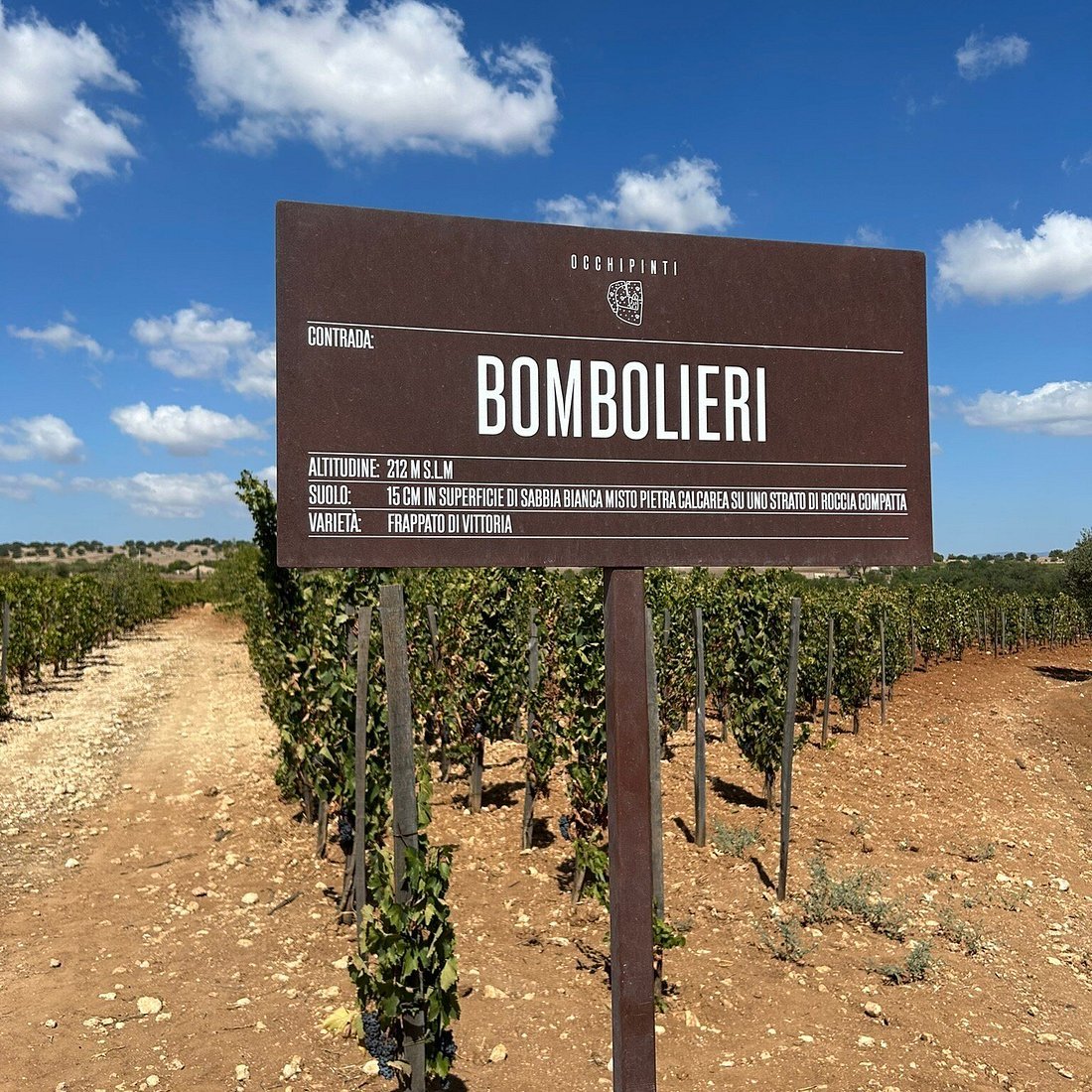
Arianna Occhipinti, winemaker at Arianna Occhipinti in Vittoria, farms biodynamic Sicilian vineyards from the SP68 road to cement tanks.
At a glance
- Price
- $$
- Neighborhood
- Vittoria
From field decision to cellar choice
The cement tanks replaced steel so the fermenting wine could breathe. Arianna Occhipinti, winemaker at Arianna Occhipinti in Vittoria, made that cellar choice as part of the same discipline that governs the vines outside. Since 2004, when she founded the estate after studying viticulture and enology at the University of Milan, her work has held vineyard, cellar, and bottling in one line of responsibility. The house is not built around an inherited style. It is built around Frappato, Nero d’Avola, Albanello, Zibibbo, Grillo, red sand, limestone, wind, and the SP68 road that gives its name to the Rosso and Bianco. Occhipinti’s role here is both winemaker and owner, but the more precise description is agricultural: she farms the place, then lets the cellar carry what the field has already set in motion. The estate has grown into a biodynamic farm of around 40 hectares of vineyards, with olive and fruit trees around them. In 2025, the winery was listed at No.78 on The World’s 50 Best Vineyards, recognition attached to this house in Vittoria and to the way its farming and finished wines are read together.
Cement, native yeasts, red sand
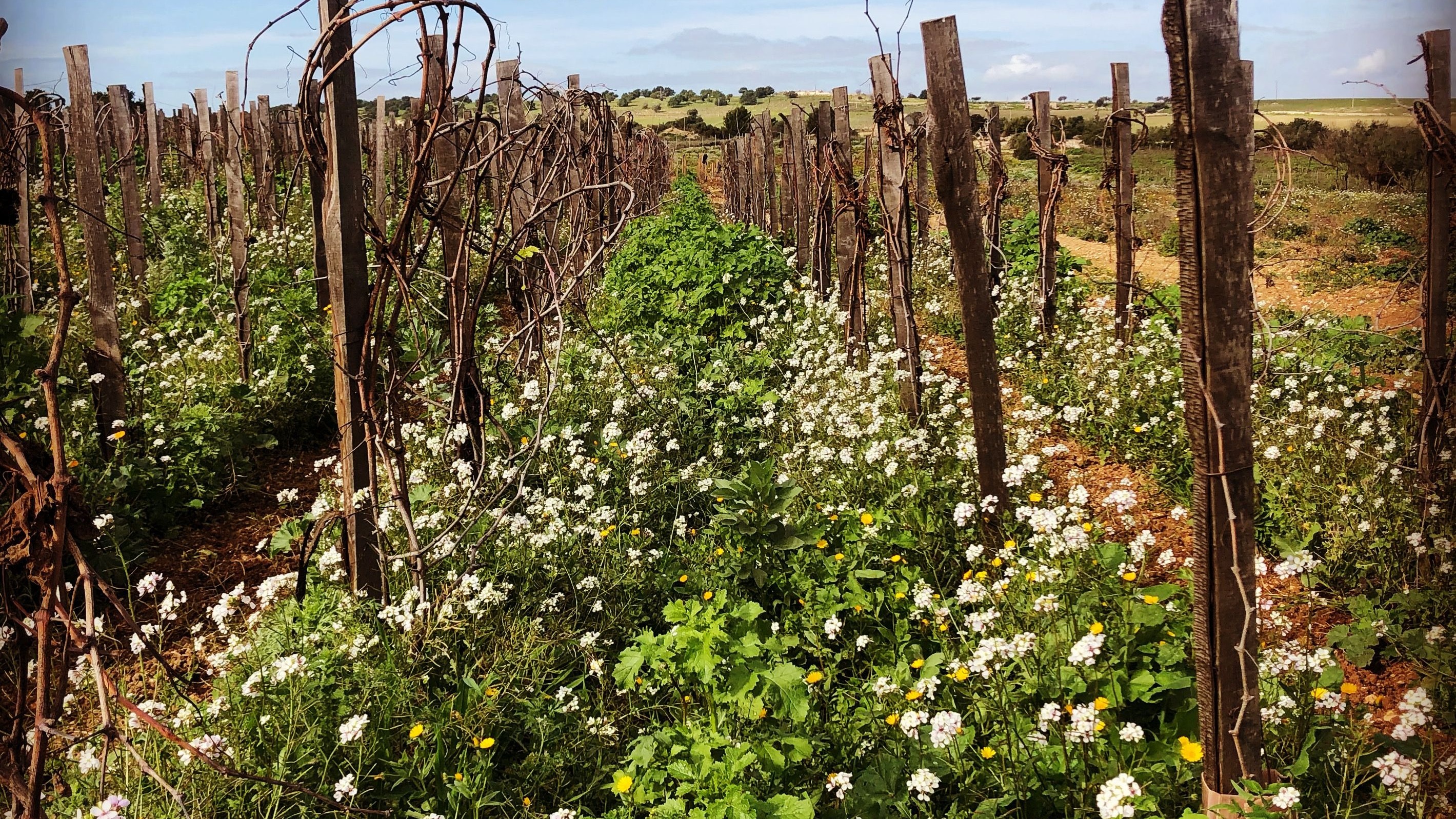
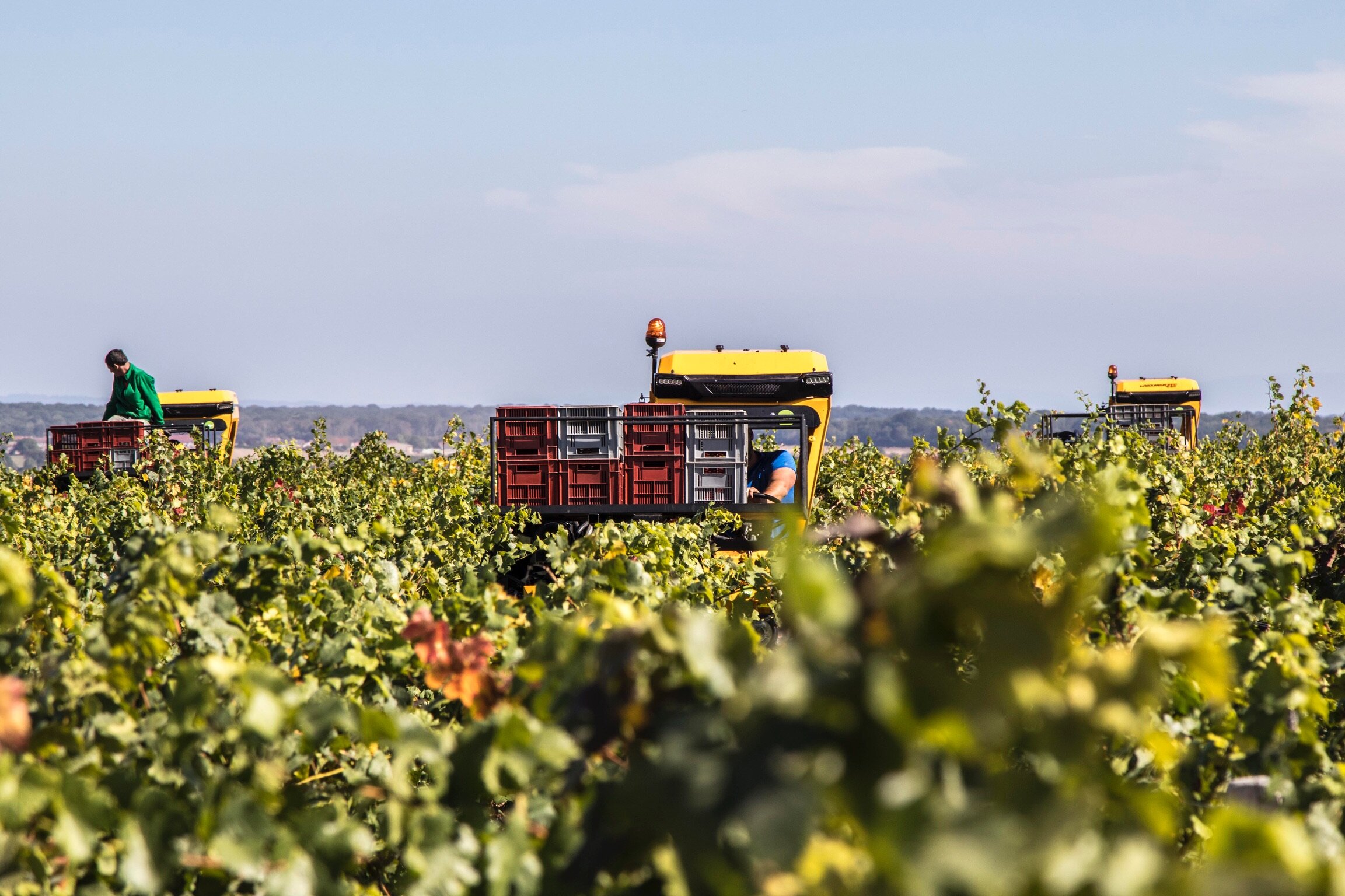
Biodynamics here is a method on the tools, not a decorative language laid over the bottle. The vineyards have been farmed biodynamically since April 2009, across contrade around Vittoria, between the Mediterranean coast and the Iblei Mountains at around 280 meters. Occhipinti works with the albarello training system, cover crops, spontaneous flora, and manual vineyard work, using the vine’s relation to soil and season as the first cellar instruction. The site sits on limestone, once sea floor, with red sand above it, a structure that asks the roots to work into stone rather than feed from easy fertility. In the cellar, fermentation relies on native airborne yeasts. Maceration with skins and seeds averages 15 days, and cement carries much of the work that oak would mark too heavily. The SP68 Rosso joins Frappato and Nero d’Avola; the SP68 Bianco joins Albanello and Zibibbo. Il Frappato narrows the lens to one grape, while Grotte Alte stays with the Cerasuolo di Vittoria DOCG frame. The method is spare, but not passive. Occhipinti decides what not to add.
The cellar under the villa
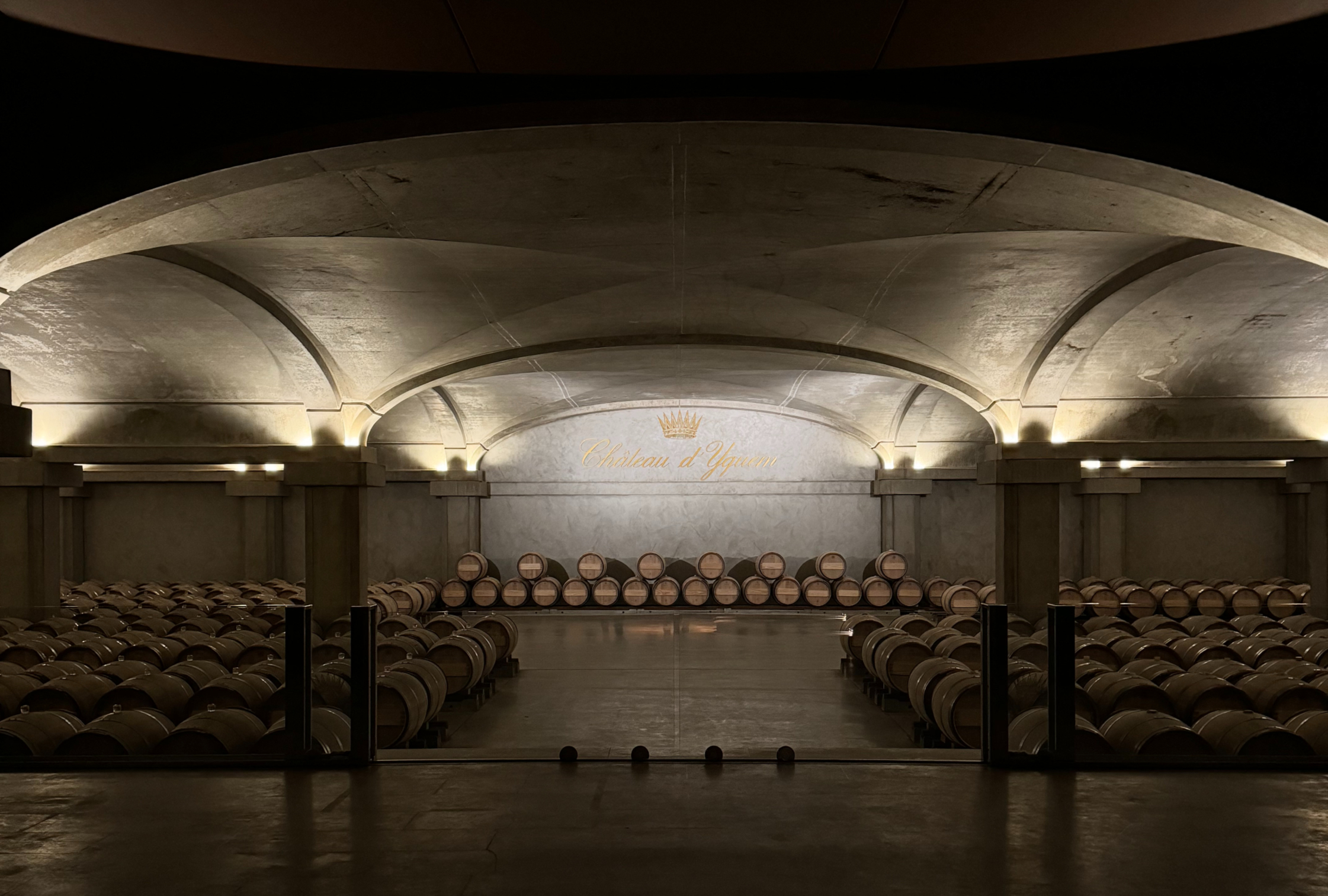
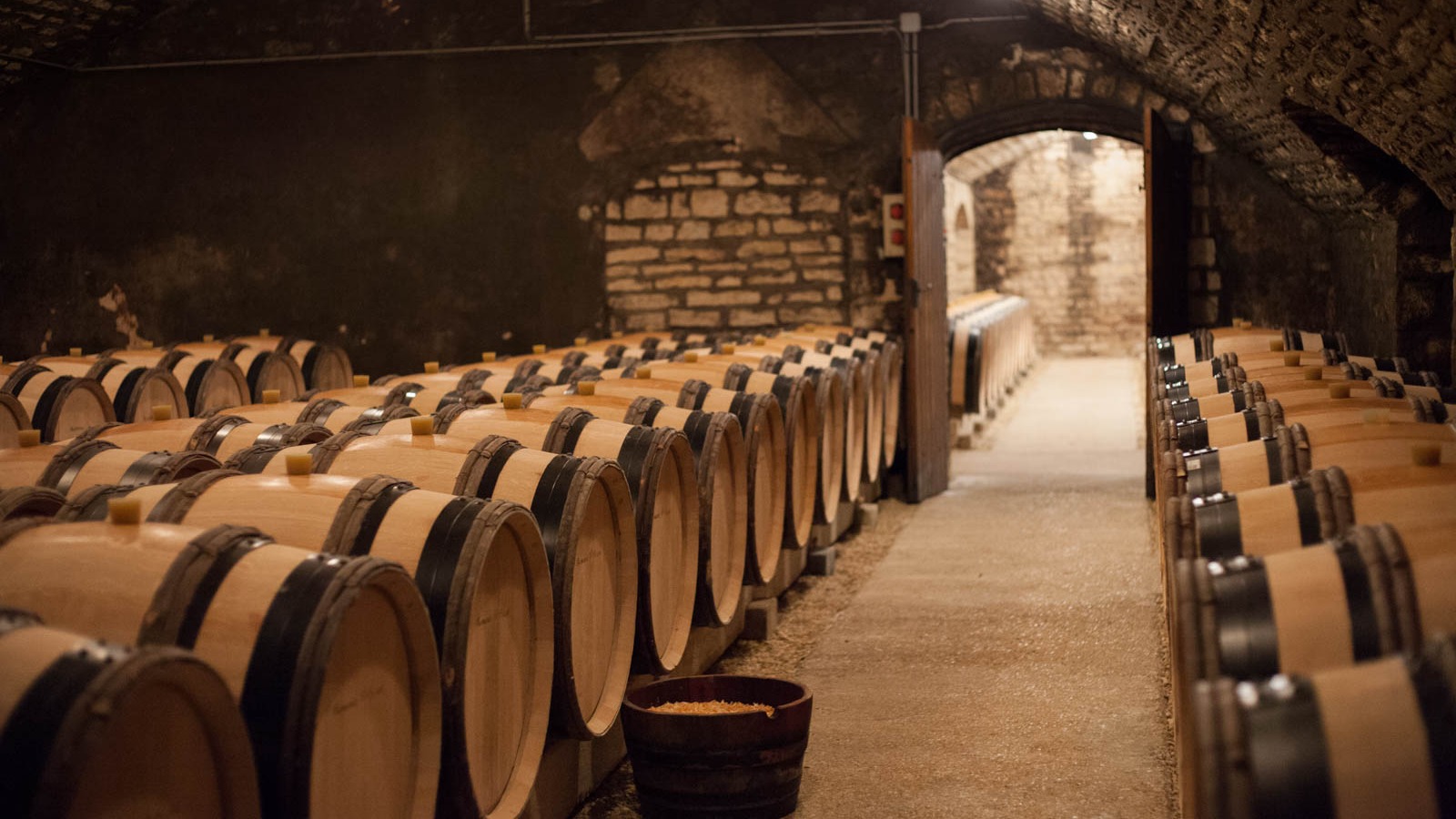
The cellar is partly underground, held close by vineyards, ancient olive trees, vegetable gardens, dry-stone walls, and the low light of the Vittoria countryside. A tunnel connects the newer cellar to the older one under the villa and the palmento, the traditional stone press space now used for tastings. The room stays quiet because the work is not theatrical. Cement, amphorae, bottles, and stone do most of the talking. Outside, the SP68 country road runs through red sands and limestone walls; inside, the same geography returns in the glass without needing translation. Vineyard walks and cellar tastings place the visitor inside that loop rather than apart from it. The next measure here is not a new claim, but the continuity between the field and the vessel, especially in Il Frappato.
Know before you go
- Reservations
- appointment_only
- Parking
- on_site_lot
- Outdoor seating
- Yes
- Groups
- Welcomed
Address
Vittoria, Sicily, Italien
Vittoria