Armando al Pantheon
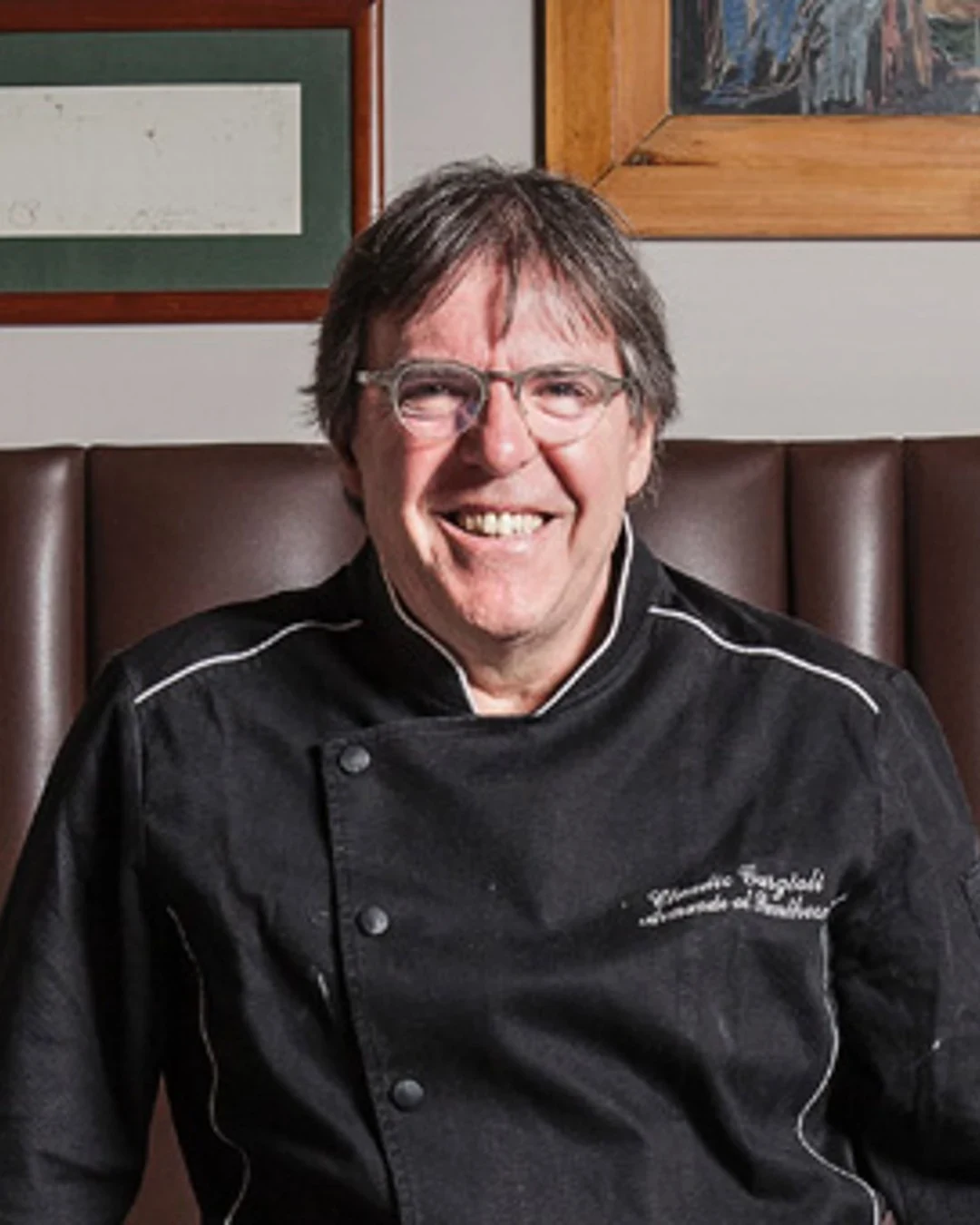
In Residence
Claudio Gargioli
Chef
- 01CuisineTraditional Roman Trattoria
- 02CityRome, Italy
From the people index
Recommended by
2 trusted voices point here.
- Michelin Plate · 2026
- Opinionated About Dining Casual in Europe Ranked #146 · 2026
- Opinionated About Dining Casual in Europe Ranked #556 · 2025
- Michelin Plate · 2025
- Opinionated About Dining Casual in Europe Ranked #437 · 2024
- Opinionated About Dining Casual in Europe Recommended · 2023
A Few Metres from Rome's Most Visited Monument, and Somehow Still Local
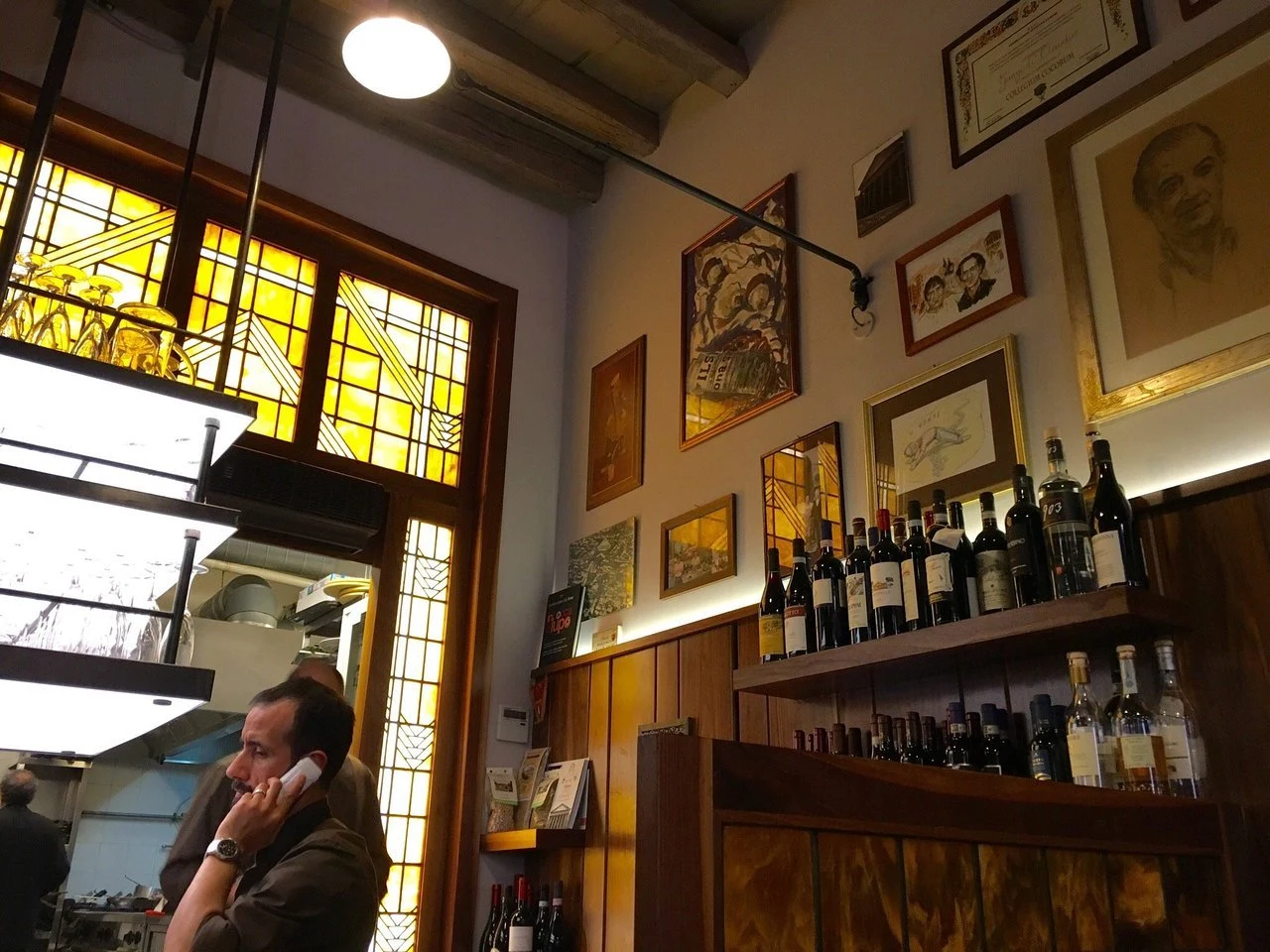
The streets around the Pantheon have absorbed centuries of foot traffic, tourist menus, and indifferent cafes. Salita de' Crescenzi, a short slip of road on the monument's northern flank, is where Armando al Pantheon has operated since 1961. Walking toward it, you pass the kind of Rome that rewards persistence: narrower, quieter, with the low hum of a dining room that has been full on most lunchtimes and evenings for over six decades. The physical setting is compact and unfussy, the sort of space where tables are set close and the room carries the acoustic warmth of a place that has found its rhythm and stopped trying to change it.
For a milestone lunch, a post-museum dinner, or a Roman evening that anchors itself in something older and more considered than the neighbourhood's average offering, Armando represents a family trattoria that has outlasted most of its competition by doing less, not more.
The Sunday letter
Find new places through the people who run them.
Our Sunday email brings you the chefs, winemakers and hoteliers behind our newest stories. See a sample before you subscribe.
See a sample of the Sunday emailOne email a week. Unsubscribe from any issue.
Three Generations, One Kitchen, Consistent Recognition
Multigenerational Roman restaurants occupy a particular position in the city's dining culture. They are neither nostalgic projects nor heritage brands in the marketing sense; they are businesses that have survived because successive families have maintained both quality and relevance. Armando al Pantheon, now under third-generation direction with Claudio Gargioli at the helm, belongs to a small group of establishments that have managed this without diluting the original proposition.
The external recognition reflects this consistency. A Michelin Plate in 2025 signals a kitchen the guide considers worth knowing about. More telling is the Opinionated About Dining trajectory: Ranked #556 in Europe's casual category in 2025 within an expanding pool of ranked restaurants.
For those planning a milestone meal in Rome at the mid-price tier, this combination of family continuity, guide recognition, and volume of sustained positive response makes it a strong option. Within the €€ bracket around the historic centre, few restaurants carry this level of documented, multi-source credentialling. By comparison, Rome's upper-tier occasions dining at venues like Checchino Dal 1887 or Antica Pesa operates at a different price point and register. Armando fits a different occasion: the anniversary dinner that does not require a tasting menu, the significant birthday lunch where the food should matter more than the theatre around it.
Roman Cooking as the Point, Not the Backdrop
Rome's cucina romana is built around economy, seasonality, and offal. The quinto quarto, the fifth quarter of the animal, became central to Roman working-class cooking when the expensive cuts went elsewhere; the cheaper parts stayed, and the city developed a culinary repertoire around them that is now both historically significant and actively sought by visitors who understand what they are eating. Armando's menu is one of the cleaner expressions of this tradition available at this price level in the city centre.
The kitchen works through offal and veal intestines, spring lamb when the season allows, fresh anchovies, and the sour-cherry tart that has become something of a reference point for returning guests. These are not concessions to tourist expectation; they are the actual substance of Lazian cooking. Meat and fish options extend the menu beyond the quinto quarto tradition, but the identity is Roman, not broadly Italian, and not modernised. For visitors who want to understand Roman cooking, that specificity has real value. Restaurants like Da Danilo and Da Tullio occupy adjacent territory in the city's traditional trattoria tier, and CiPASSO approaches Roman wine and food from a slightly different angle; each represents a distinct entry point into the same broad tradition.
Italy's most celebrated dining, from Osteria Francescana in Modena to Enoteca Pinchiorri in Florence, and the country's most technically ambitious restaurants including Le Calandre in Rubano, Enrico Bartolini in Milan, and Atelier Moessmer Norbert Niederkofler in Brunico, operate at a remove from what a Gargioli family kitchen represents. So does Dal Pescatore in Runate, where the multigenerational model is attached to a fully starred fine-dining format. Armando's closest comparison in concept, if not geography, is the sustained-tradition trattoria operating at the intersection of local loyalty and informed visitor attention: a category that Il Marchese in Milan and Osteria Romana in Brussels approach from different cities, each exporting Roman identity outward while Armando maintains it at source.
Planning the Occasion: Practical Notes
Armando al Pantheon is located at Salita de' Crescenzi, 31, a short walk from the Pantheon, and the €€ pricing makes it accessible relative to the neighbourhood without signalling informality. The address sits within easy reach of several of Rome's central hotels; for a full picture of where to stay during a Roman trip oriented around dining, our full Rome hotels guide covers the range of options across the city's districts.
Booking in advance for a milestone meal is advisable. The room is compact, which means it fills completely rather than absorbing walk-ins at peak times.
Questions
Frequently asked
Who works at Armando al Pantheon?
Made By profiles Claudio Gargioli (Chef) at Armando al Pantheon.
How expensive is Armando al Pantheon?
Armando al Pantheon is listed at a price level of $$$.
Where is Armando al Pantheon and what does it serve?
Armando al Pantheon is in San Eustachio, Rome, serving Traditional Roman Trattoria.
The field
How it compares
| Place | Cuisine | Notes | Awards |
|---|---|---|---|
| Armando al Pantheon | Traditional Roman Trattoria | San Eustachio, $$$ | · |
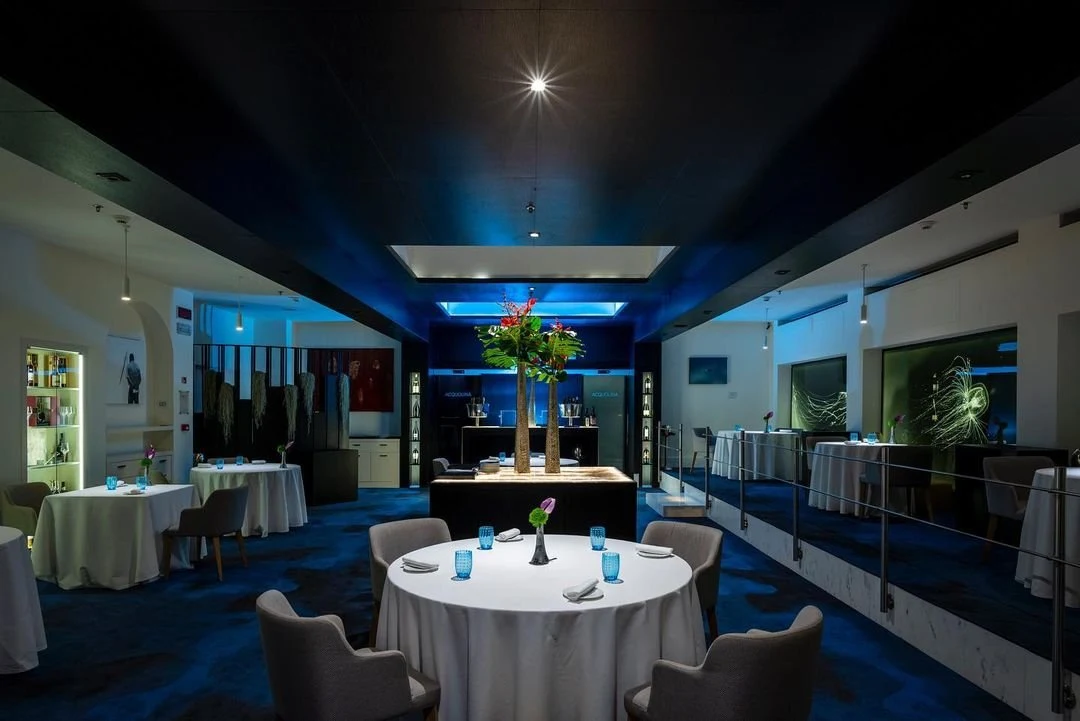
| Acquolina | Modern Mediterranean Seafood Fine Dining | Rome | Michelin 2 Stars |
| Enoteca La Torre | Modern Italian Fine Dining | Rome | Michelin 2 Stars |
| Idylio by Apreda | Modern Mediterranean-Asian Fusion | Rome | Michelin 1 Star |
| Il Pagliaccio | Modern Italian-Japanese Fusion Fine Dining | Rome | Michelin 2 Stars |
| Imàgo | Modern Italian Fine Dining | Rome | Michelin 1 Star |
| La Pergola | Modern Italian Fine Dining | Rome | Michelin 3 Stars |
In residence
Similar places
Modern Mediterranean Seafood Fine Dining
Acquolina
Rome, Italy
★★
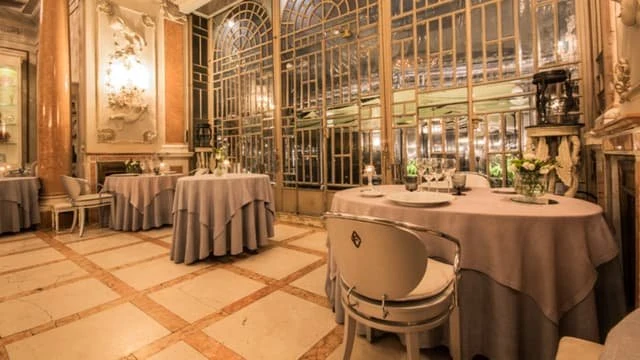
Modern Italian Fine Dining
Enoteca La Torre
Rome, Italy
★★
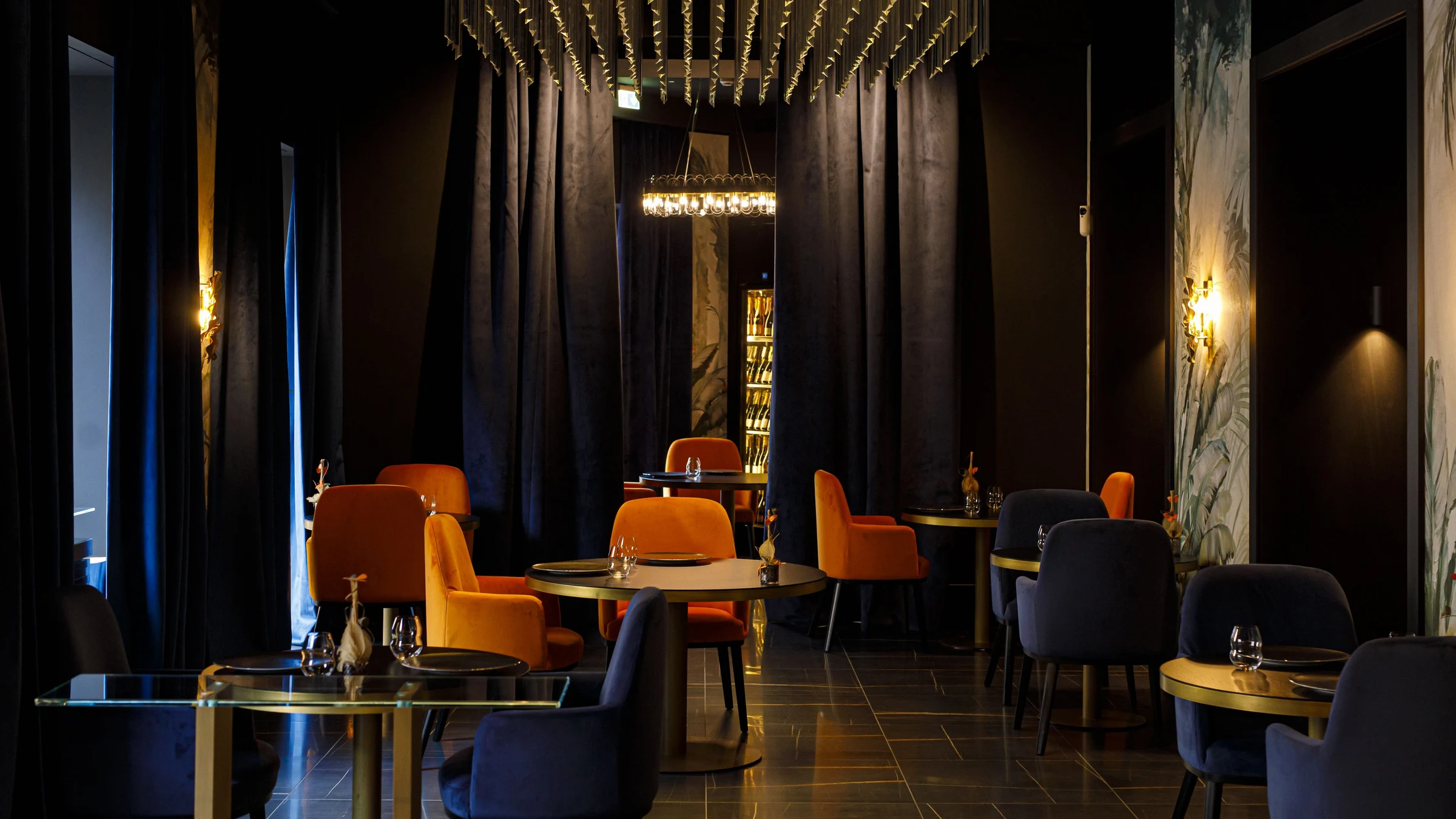
Modern Mediterranean-Asian Fusion
Idylio by Apreda
Rome, Italy
★
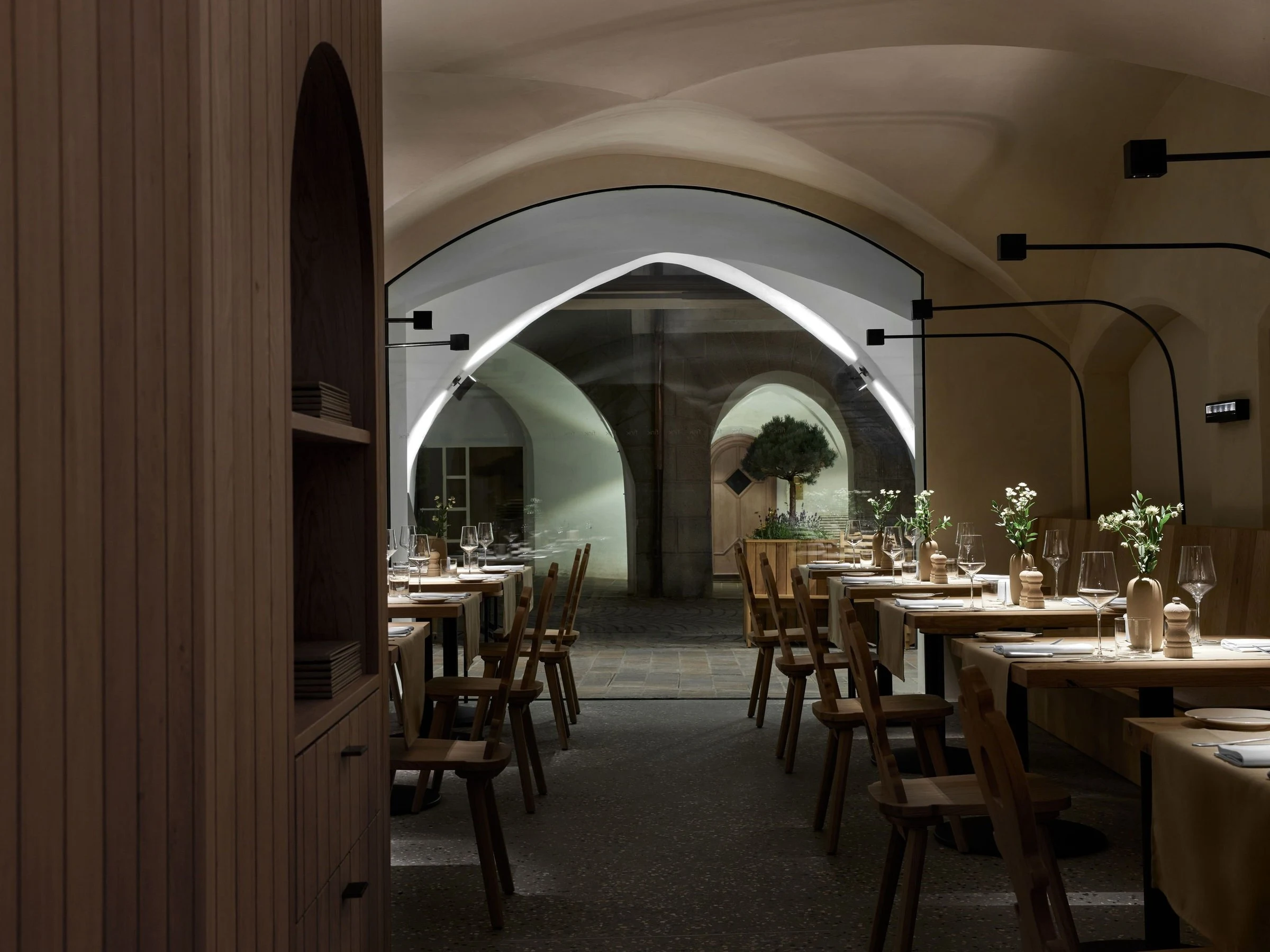
Modern Italian-Japanese Fusion Fine Dining
Il Pagliaccio
Rome, Italy
★★
Modern Italian Fine Dining
Imàgo
Rome, Italy
★
Modern Italian Fine Dining
La Pergola
Rome, Italy
★★★
The Sunday letter
Get the next Made By story in your inbox.
We send one email every Sunday morning with the places and people we covered that week.
See a sample of the Sunday emailOne email a week. Unsubscribe from any issue.