Ars Vivendi
In Residence
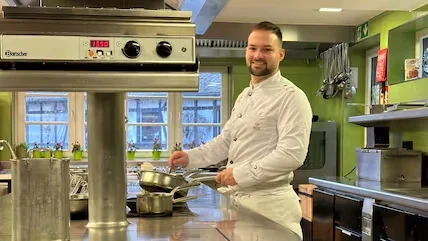
Petar Popovic
Chef
- 01CuisineModern fusion fine dining in a mountain hotel
- 02CityBad Laasphe, Germany
- Relais Chateaux Award · 2026
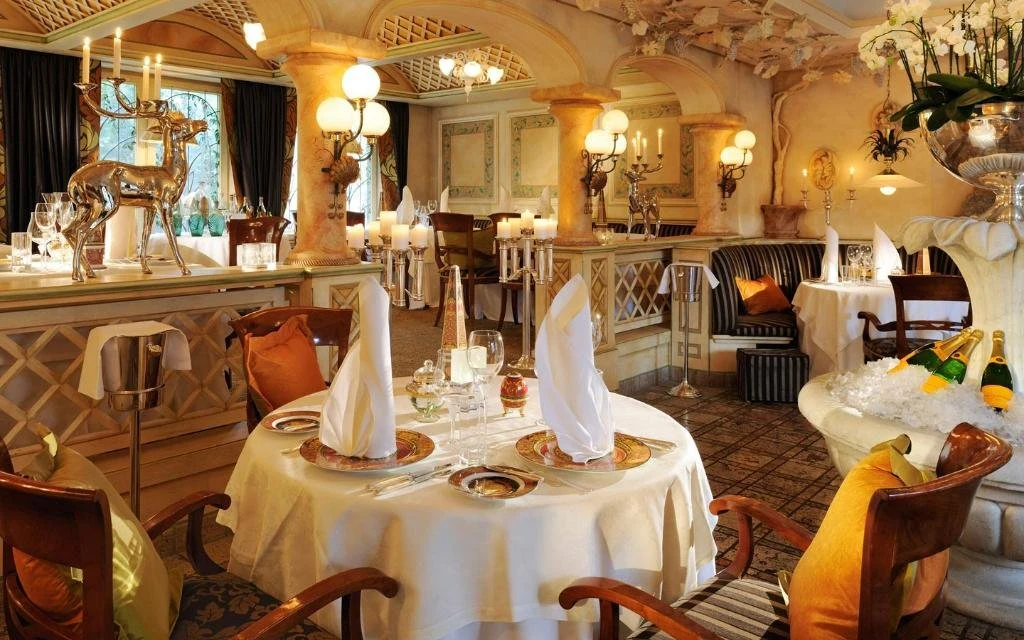
Approach this part of Bad Laasphe and the rhythm changes before the table comes into view: wooded Sauerland edges, hotel quiet, and the kind of dining room where the evening is expected to slow down rather than accelerate. In small German spa and countryside towns, serious cooking often lives inside hotels, not on restaurant rows. Ars Vivendi belongs to that tradition, using the privacy and infrastructure of Hotel Jagdhof Glashütte as the frame for a kitchen described as creative cooking rather than regional tavern fare.
That distinction matters in Bad Laasphe. The town is not built around the dense, competitive restaurant traffic of Cologne, Düsseldorf, or Frankfurt; its stronger dining logic is destination-led. Guests are more likely to plan an evening around a hotel stay, a country drive, or a quiet weekend than a spontaneous crawl through multiple rooms. For a wider map of the area, our full Bad Laasphe restaurants guide gives the local spread, while our full Bad Laasphe hotels guide explains why hospitality infrastructure shapes the town’s dining culture.
Creative cooking in a country-hotel register
German country-house gastronomy has split into two useful lanes. One is the comfort-led Stube, where game, roasts, dumplings, and regional habits carry the room. The other is the polished hotel restaurant, where the kitchen has permission to edit tradition, reduce heaviness, and work with a more composed sequence. Ars Vivendi sits in the second lane. Its classification as creative cooking signals a broader brief than Heimat cuisine, but the setting keeps it from drifting into urban tasting-menu theatre.
The more useful comparison inside Bad Laasphe is not with a metropolitan fine-dining counter, but with neighbouring formats at the same property and nearby. Rôtisserie Jagdhof Stuben (Traditional Cuisine) represents the traditional side of the house: a more familiar register, likely better suited to guests who want regional comfort over kitchen authorship. Fuhrmannskneipe gives another local reference point for Bad Laasphe’s dining range. Read together, the town’s stronger proposition is not breadth, but contrast: rustic room, hotel restaurant, and countryside retreat within a short local circuit.
Relais & Châteaux recognition is the key trust signal here. In Germany, that association tends to point less to hype and more to a particular hospitality grammar: destination properties, controlled service, and kitchens expected to justify a stay rather than fill a casual slot between errands. That does not make every meal formal by default, but it does place the restaurant in a more deliberate tier than a standard village address.
Petar Popovic gives the kitchen its authorship
Chef Petar Popovic is the named culinary lead, and that matters because creative cooking in a hotel context can otherwise become anonymous: polished plates, soft lighting, little point of view. A named chef gives the room an authorial anchor. The point is not biography for its own sake, but accountability. In a countryside property, the chef’s role is to connect the calm of the setting with enough culinary movement to make the restaurant feel intentional rather than merely convenient.
The strongest reading of the restaurant is therefore as a bridge between two German dining expectations. One expectation is rooted in the Sauerland and Wittgenstein countryside, where hotel dining traditionally means warmth, wood, and regional generosity. The other is the contemporary premium traveller’s expectation that a country stay should include a kitchen with technique and progression. Ars Vivendi’s creative-cooking label places it in that second conversation while retaining the slower tempo of the first.
For travellers comparing German hotel restaurants, the distinction is useful. [CANTINACCIA] in Heidelberg, [KOOK] 36 in Deggendorf, [m]eatery in Hamburg, and [m]eatery in Dresden sit in busier city or city-adjacent patterns, where the restaurant competes against a larger evening economy. Bad Laasphe asks a different question: whether the restaurant can carry the weight of a whole night in a quieter place. That is where hotel-backed service and a chef-led kitchen become more relevant than trend language.
How to place it within a wider German itinerary
Ars Vivendi makes the most sense as part of a countryside itinerary rather than a standalone detour for diners chasing star counts. The appeal is the combination of a controlled hotel setting, a named chef, and a creative brief in a town where dining options are more selective than sprawling. Travellers building a broader German restaurant route can use it as a quieter counterpoint to addresses such as [maki:'dan] im Ritter in Durbach, [w]einklang in Nuremberg, #heimat im Badischen Hof in Buhl, and 100 Grad Restaurant in Ulm, each of which belongs to a different regional dining rhythm.
The planning logic is simple: treat the meal as part of the stay, not as a quick add-on. Bad Laasphe rewards guests who are already oriented toward the area’s hotels, forests, and slower evenings. Drinks-led travellers can cross-check our full Bad Laasphe bars guide, while wine-focused readers should use our full Bad Laasphe wineries guide for regional context. If the trip needs a cultural layer beyond dining, our full Bad Laasphe experiences guide is the cleaner starting point.
Within Europe’s wider creative-cooking category, the label covers a broad range, from resort dining to city tasting rooms. That breadth is visible when set beside A-Bay Beach Bar, Creative cooking in Stari Grad or Buddha-Bar Beach by Buddha-Bar TM, Creative cooking in Vevey, both operating in a different hospitality climate. For urban contrast within Germany, "Inside Berlin" Food & Culture Tour in Berlin shows how food programming changes when the city itself becomes the subject. Bad Laasphe is quieter, more enclosed, and more dependent on the relationship between room, kitchen, and hotel. That is the reason Ars Vivendi reads as a country-house dining decision rather than a generic restaurant booking.
The Sunday letter
Get new places like Ars Vivendi every Sunday.
One email a week with the restaurants, bars and hotels we have just written up, and the people who run them.
One email a week. Unsubscribe from any issue.
Questions
Frequently asked
Who works at Ars Vivendi?
Made By profiles Petar Popovic (Chef) at Ars Vivendi.
How expensive is Ars Vivendi?
Ars Vivendi is listed at a price level of $$$$.
Where is Ars Vivendi and what does it serve?
Ars Vivendi is in Bad Laasphe, serving Modern fusion fine dining in a mountain hotel.
The field
How it compares
| Place | Cuisine | Notes | Awards |
|---|---|---|---|
| Ars Vivendi | Modern fusion fine dining in a mountain hotel | $$$$ | · |
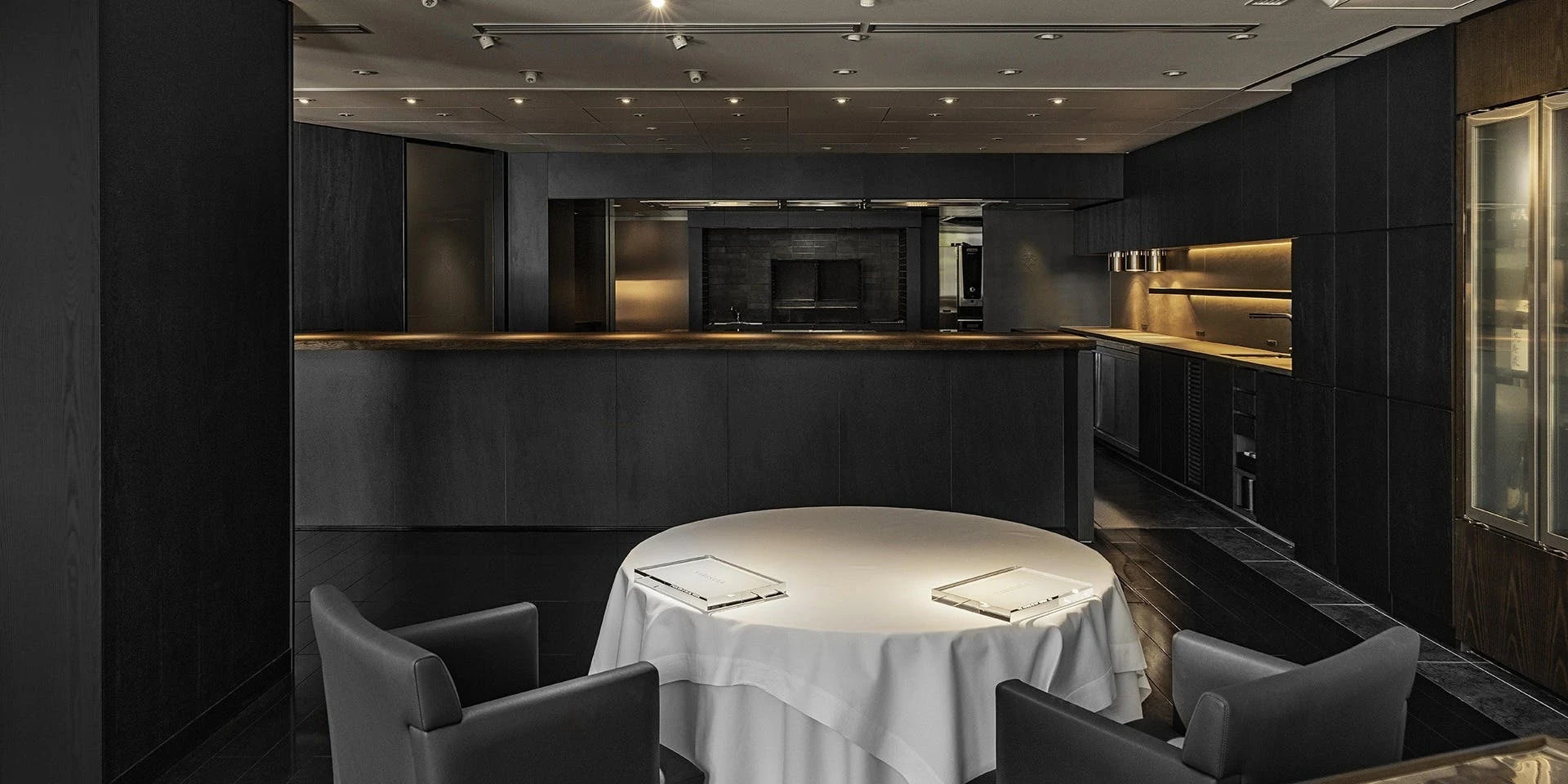
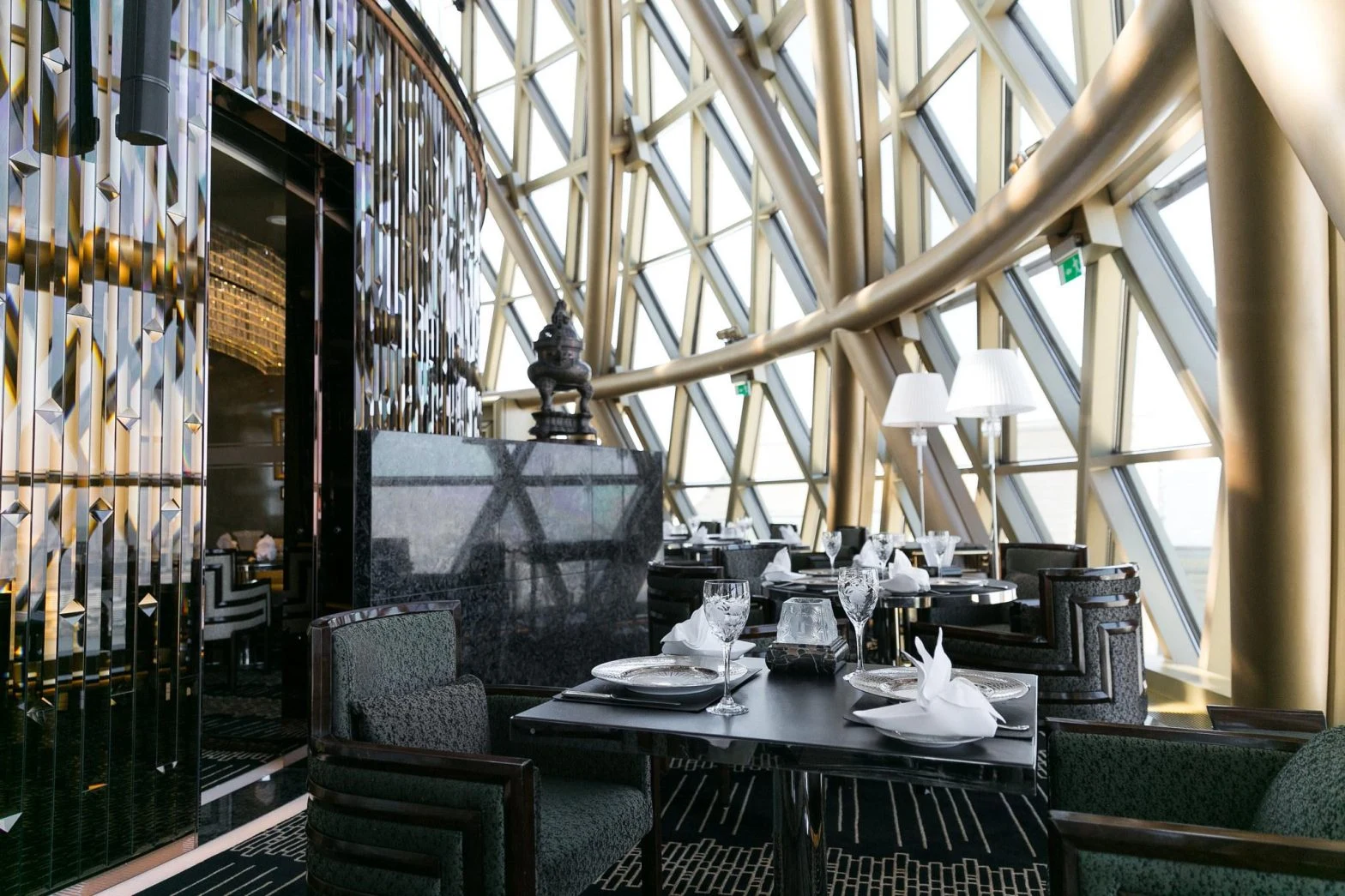
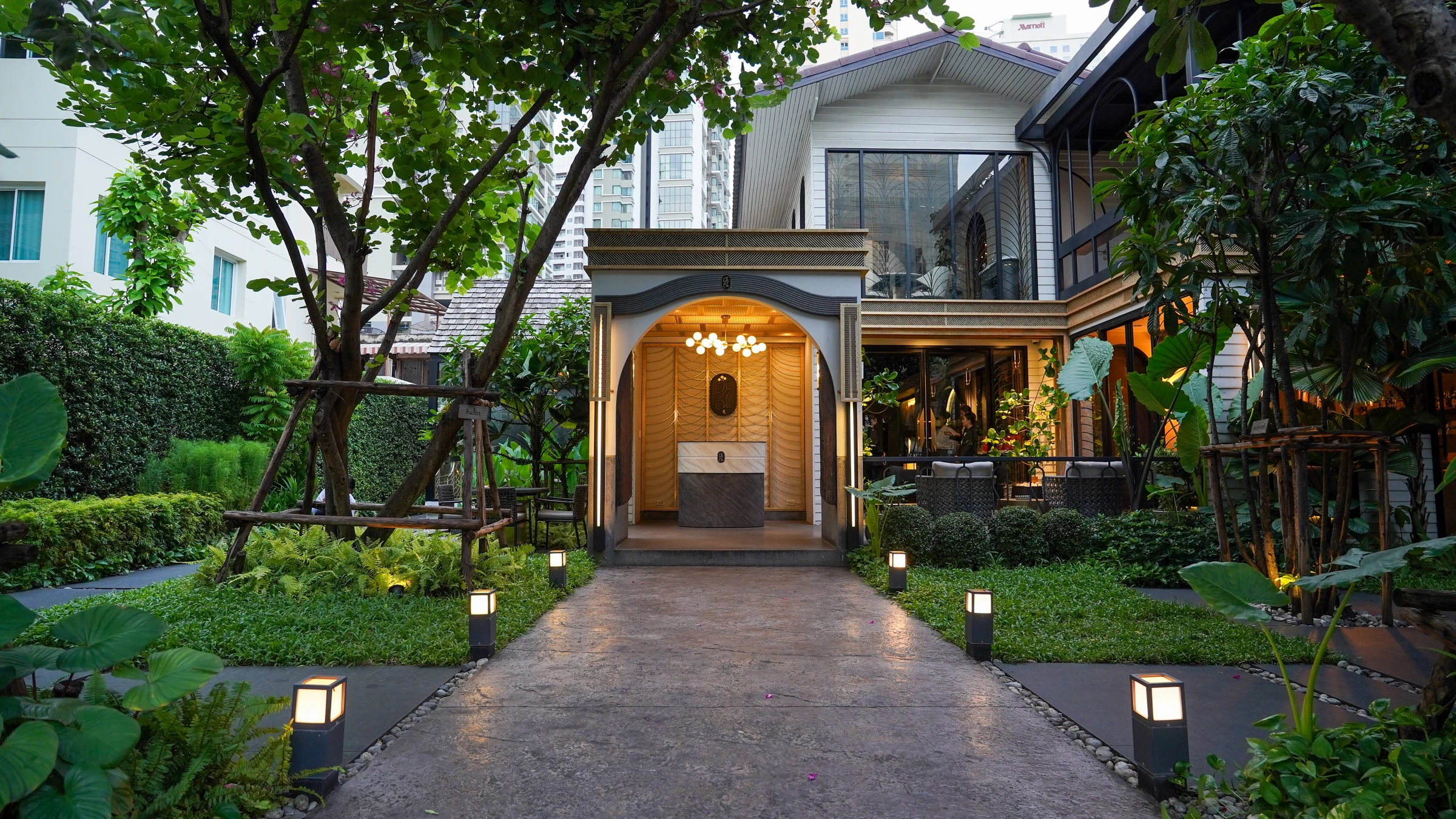
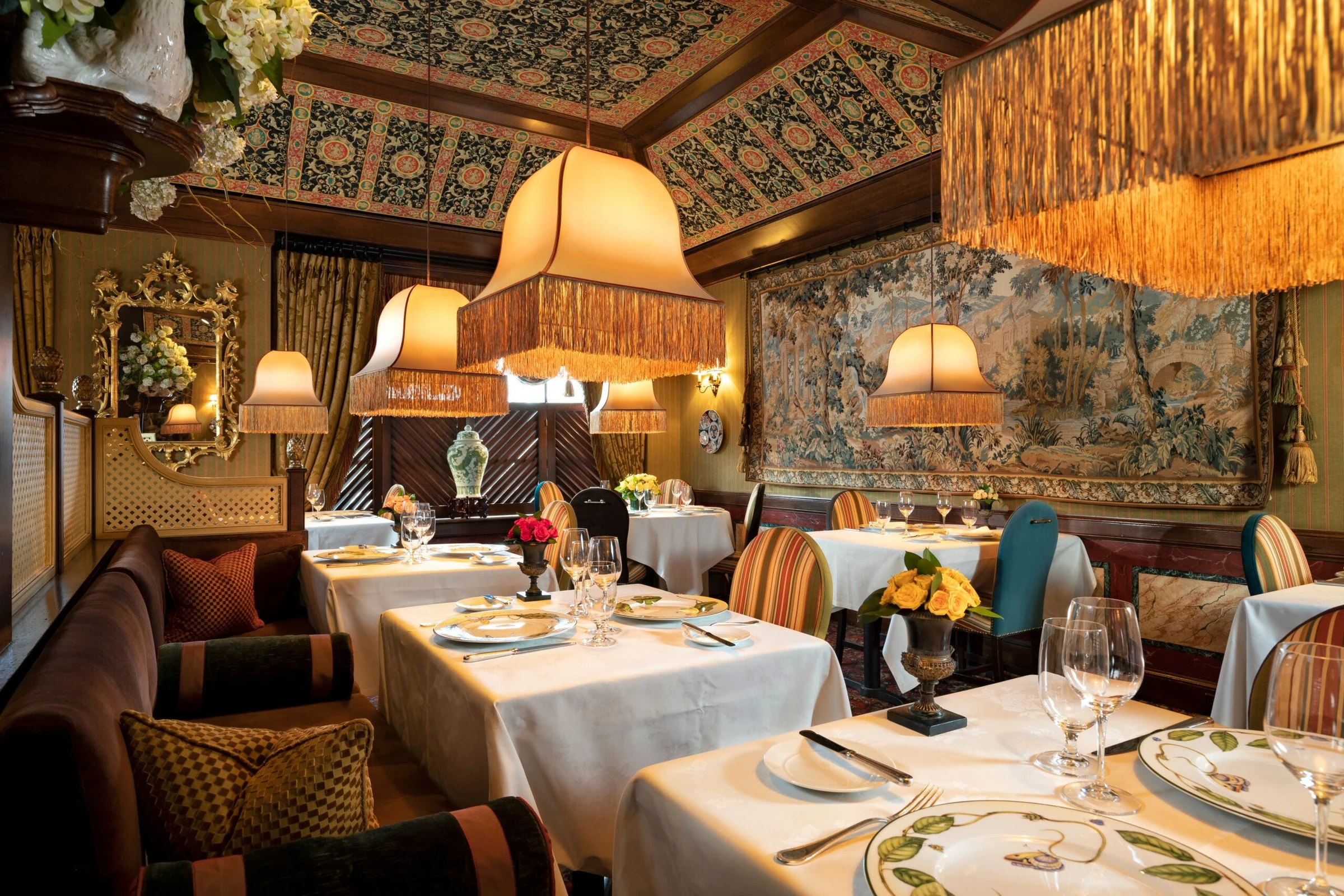
| Mirazur | Modern French Fine Dining | Menton | Michelin 3 Stars, World's 50 Best |
| Mugaritz | Avant-Garde Basque Fine Dining | Errenteria | Michelin 2 Stars, World's 50 Best |
| Narisawa | Modern Japanese Satoyama Fine Dining | Tokyo | Michelin 2 Stars, World's 50 Best |
| Robuchon au Dôme | Contemporary French Fine Dining | Macau | Michelin 3 Stars |
| Sorn | Fine Southern Thai | Bangkok | Michelin 3 Stars, World's 50 Best |
| The Inn at Little Washington | Contemporary American Fine Dining with French Influence | Washington | Michelin 3 Stars |
In residence
Similar places
Modern French Fine Dining
Mirazur
Menton, France
★★★ · 50 Best
Avant-Garde Basque Fine Dining
Mugaritz
Errenteria, Spain
★★ · 50 Best
Modern Japanese Satoyama Fine Dining
Narisawa
Tokyo, Japan
★★ · 50 Best
Contemporary French Fine Dining
Robuchon au Dôme
Macau, Macau
★★★
Fine Southern Thai
Sorn
Bangkok, Thailand
★★★ · 50 Best
Contemporary American Fine Dining with French Influence
The Inn at Little Washington
Washington, United States
★★★
The Sunday letter
Get the next Made By story in your inbox.
We send one email every Sunday morning with the places and people we covered that week.
One email a week. Unsubscribe from any issue.