- Falstaff Winery - Listed · 2026
Gussago gives this small sparkling-wine estate a quiet, craft-focused frame. The useful lens here is not a polished corporate tasting circuit, but an artisanal cellar identity built around spontaneous fermentations, long lees aging, and terroir-driven cuvées. Azienda Agricola Alessandra Divella is best understood as an intimate, rustic producer whose appeal lies in minimal-intervention work and a close connection between place and bottle. That makes the address feel less like a broad hospitality product and more like a focused expression of a particular way of making sparkling wine, where the most important cues are patience, restraint, and attention to origin.
Sparkling wine through a minimal-intervention lens
Azienda Agricola Alessandra Divella is described as a small, artisanal sparkling-wine estate in Gussago. Its identity centers on spontaneous fermentations, long lees aging, and cuvées shaped by terroir rather than by a broad, standardized house style. In practical terms, that description points the conversation away from scale and polish and toward cellar choices that allow the wines to carry a more handmade, site-conscious character.
The Sunday letter
Find new places through the people who run them.
Our Sunday email brings you the chefs, winemakers and hoteliers behind our newest stories. See a sample before you subscribe.
See a sample of the Sunday emailOne email a week. Unsubscribe from any issue.
Those details are enough to define the estate without overstating what is publicly confirmed here. The emphasis is on patience in the cellar, craft over scale, and a style of sparkling wine that rewards drinkers interested in texture, origin, and a less corporate presentation. Spontaneous fermentation and long lees aging are not decorative phrases in this context; they are the core signals by which the estate is being framed. They suggest a producer whose work is best approached with curiosity and attention rather than with expectations formed by large, highly standardized sparkling-wine houses.
The portfolio should be approached through that general production philosophy rather than through claims about specific grapes, vineyard size, bottlings, or technical specifications. What is clear is the estate’s focus on sparkling wine and a cellar approach that favors minimal intervention and long aging on the lees. For visitors and readers, that means the safest and most useful way to understand the producer is through its confirmed priorities: small scale, artisanal handling, terroir-driven cuvées, and a willingness to let time in the cellar play a central role in the finished wine.
A small estate format, not a corporate tasting circuit
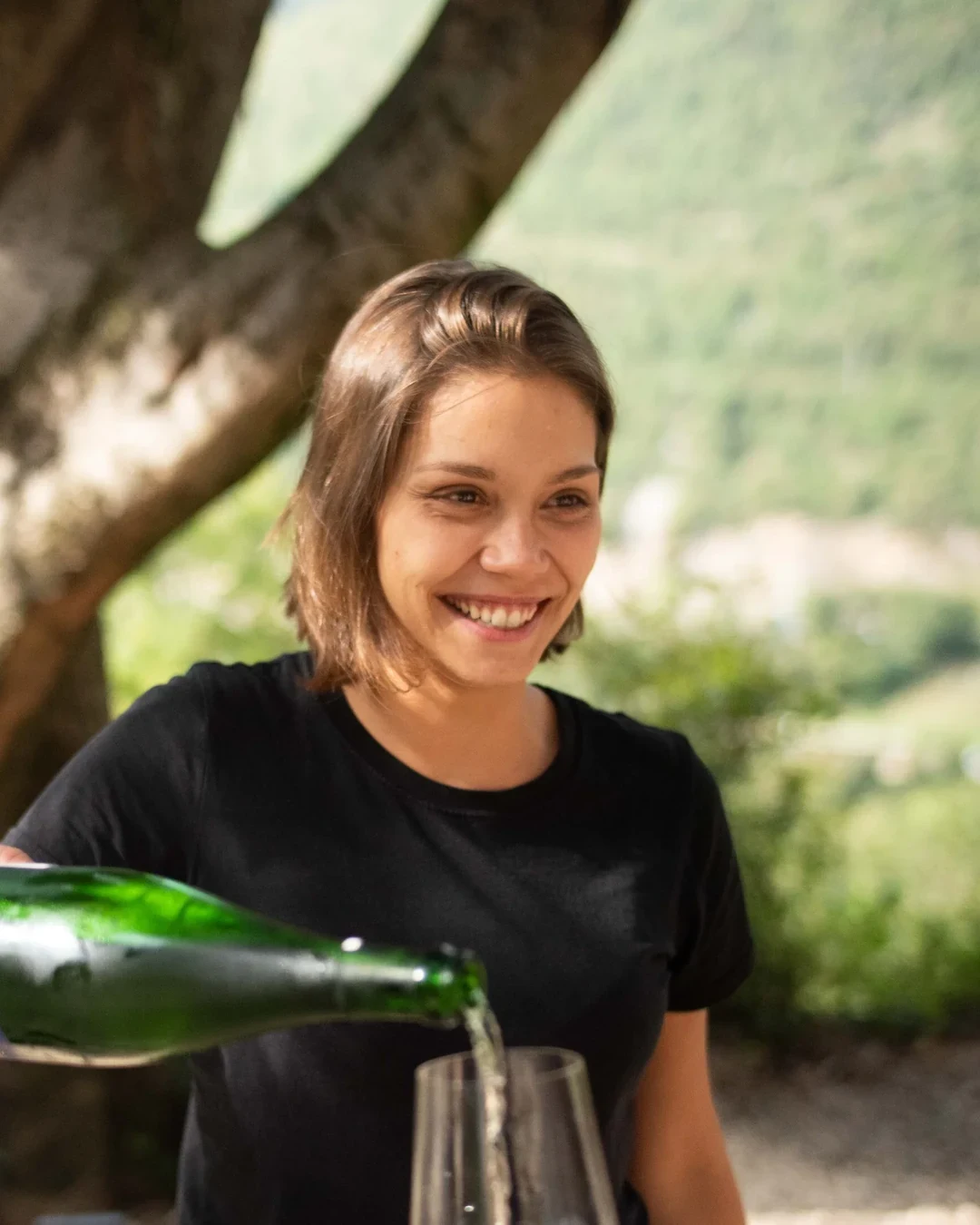
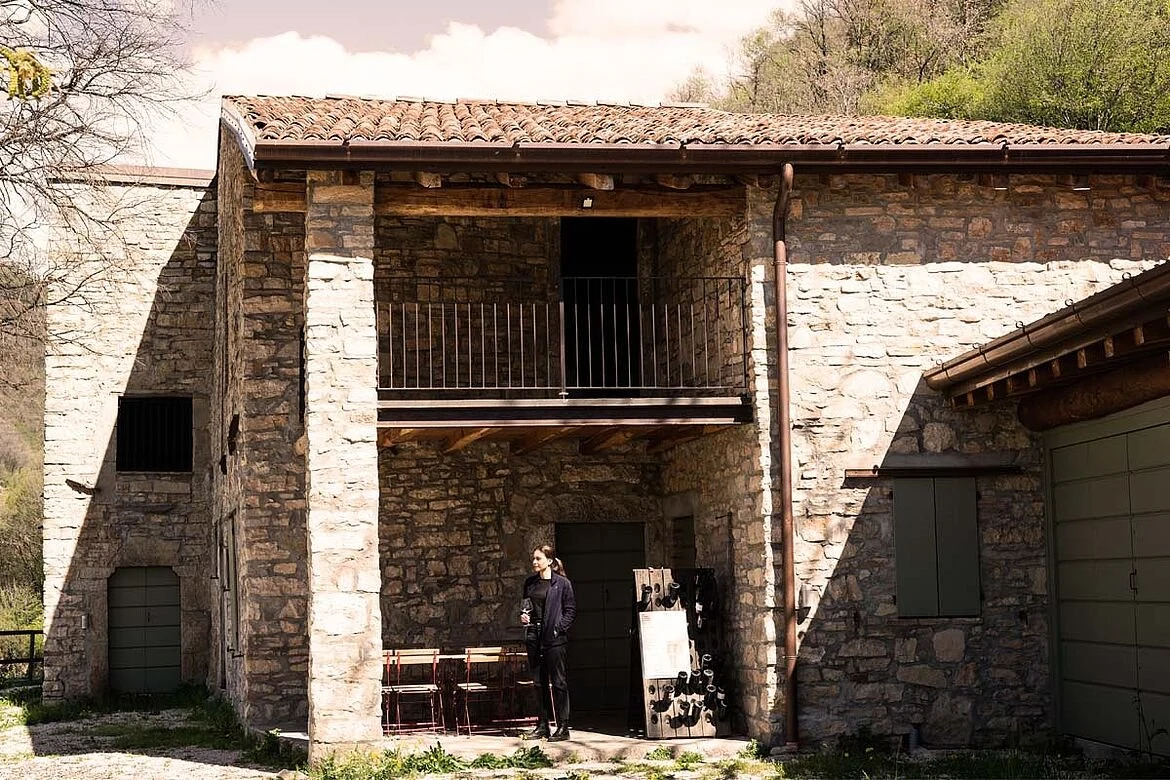
The atmosphere is intimate, rustic, and craft-focused. This is the kind of address to frame as a small agricultural sparkling-wine estate rather than a glossy hospitality venue. The appeal is the producer’s artisanal scale and cellar philosophy. That distinction matters because it sets the right expectations: the draw is not a highly packaged visitor experience, but the chance to understand a producer whose identity is closely tied to its method and setting.
Because confirmed visitor details are limited, it is best not to assume a particular tasting format, visit length, booking system, or service structure. Travelers should verify practical arrangements directly before planning around the estate. That caution is part of reading the venue properly. A small, craft-focused estate may not communicate itself in the same way as a larger destination winery, and the responsible approach is to treat practical details as something to confirm rather than something to infer.
For a broader Gussago itinerary, keep the winery in the wine lane rather than trying to make it do every job in the day. Build meals, stays, bars, and local programming around other Gussago options as needed. In that role, the estate can function as a focused wine anchor within the day: a stop for visitors specifically interested in artisanal sparkling wine, minimal-intervention cues, and a producer identity that is intentionally narrow rather than all-purpose.
Where it fits in an Italian wine itinerary
The useful comparison is not with specific named producers, but with a broader Italian interest in small estates that make place and cellar choices feel visible. In this case, the markers are clear: a small sparkling-wine estate in Gussago, spontaneous fermentations, long lees aging, terroir-driven cuvées, and an intimate rustic atmosphere. Those markers are enough to place Azienda Agricola Alessandra Divella within a travel pattern that values producers for how they work, not simply for how much they offer to visitors.
What separates this address from a casual sparkling stop is the density of those production signals. It suits travelers who want a craft-focused wine visit and who are comfortable with a page where only a limited set of details are confirmed. The lack of excess information should not be filled with assumptions; instead, it should sharpen the focus on what is actually stated. The estate is small, the wines are sparkling, the approach is artisanal, and the cellar language points toward minimal intervention, spontaneous fermentations, long lees aging, and terroir-led cuvées.
For further context, consider it as part of a wider Gussago wine itinerary, then compare it generically with other small Italian wine estates according to confirmed style, location, and visitor information. That keeps the recommendation accurate while still giving the producer its due. The value here is in a clearly defined, craft-led identity: an intimate sparkling-wine estate whose appeal comes from the relationship between place, cellar choices, and a restrained, non-corporate presentation.
Questions
Frequently asked
Who works at Azienda Agricola Alessandra Divella?
Made By profiles Alessandra Divella (Winemaker) at Azienda Agricola Alessandra Divella.
How expensive is Azienda Agricola Alessandra Divella?
Azienda Agricola Alessandra Divella is listed at a price level of $$$.
The field
How it compares
| Place | Notes | Awards |
|---|---|---|
| Azienda Agricola Alessandra Divella | Gussago, $$$ | · |
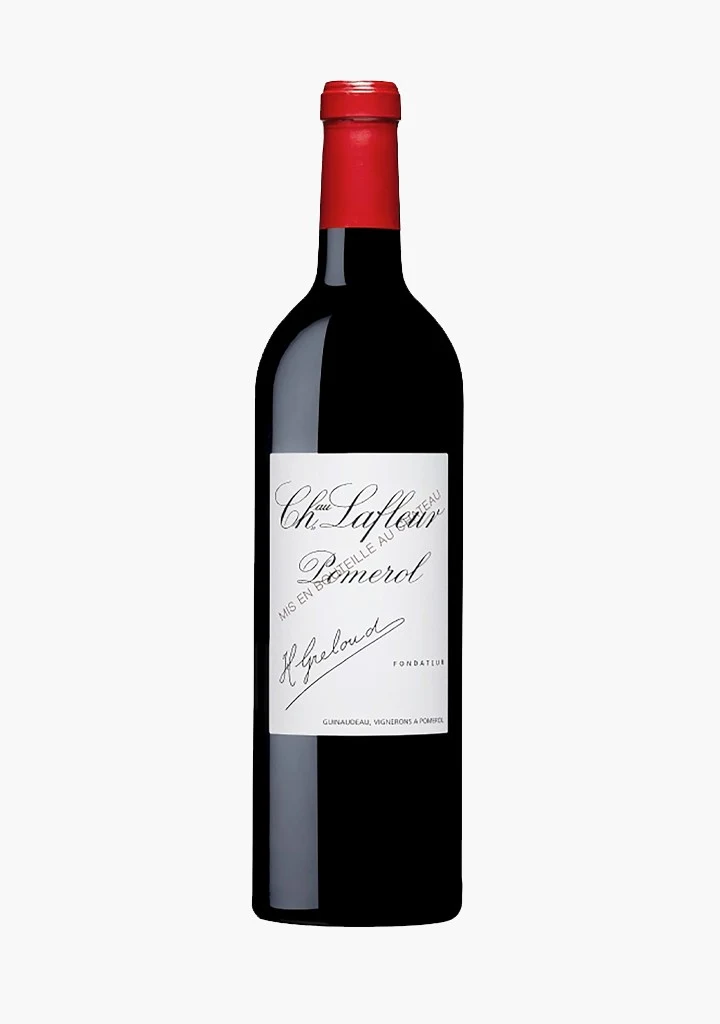
| Château Lafleur | Pomerol | · |
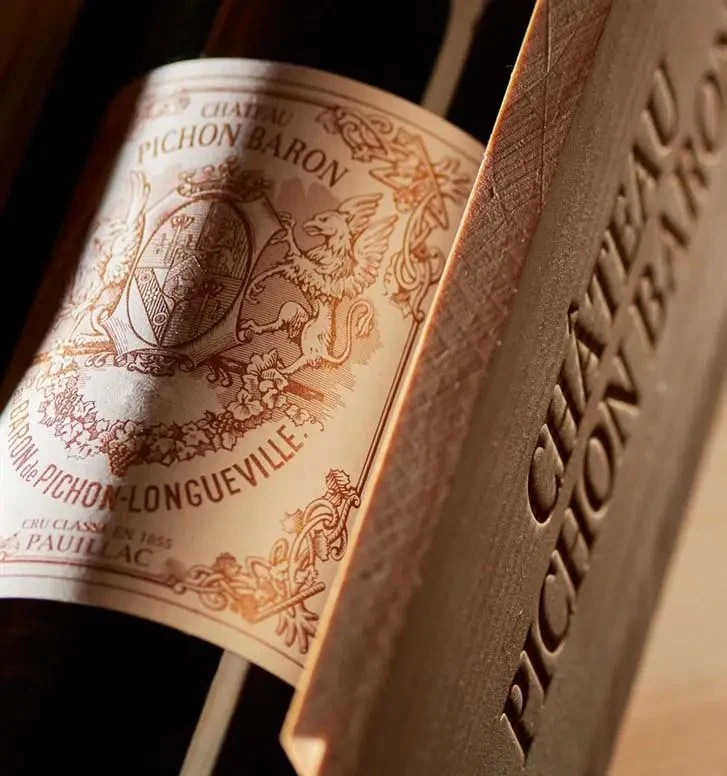
| Château Pichon Longueville Baron | Pauillac | World's 50 Best |
| Clos Apalta (Casa Lapostolle) | Santa Cruz | World's 50 Best |
| Domaine Méo-Camuzet | Vosne-Romanée | · |
| Masi | Sant'Ambrogio di Valpolicella | · |
| Nicola Gatta Metodo Classico | Gussago | · |
In residence
Similar places
The Sunday letter
Get the next Made By story in your inbox.
We send one email every Sunday morning with the places and people we covered that week.
See a sample of the Sunday emailOne email a week. Unsubscribe from any issue.