Barolo vinified parcel by parcel
- Falstaff Winery - 4 Stars · 2026
A cycle measured in the vineyard
Gianluca Grasso looks first to the vine, not the vat, as winemaker at Azienda Agricola Elio Grasso in Monforte d'Alba. Gianluca Grasso also holds the estate as proprietor, so the work joins cellar responsibility to stewardship of the Ginestra and Gavarini hillsides. The modern chapter began in 1978, when Elio Grasso returned to the family farming lands and turned fruit once sold elsewhere into estate-bottled wine. Gianluca continues that premise with Francesca Grasso beside him in the running of the family estate. His operating language is seasonal and exact. “Ideally, we want to see a cycle of 210 days.” That measure gathers the year without decorating it: budbreak, warmth, ripening, harvest, and the quieter interval that lets the vineyard reset. The estate’s line is not a declared camp between traditionalist and modernist. Gianluca works from the land outward, keeping intervention in the cellar secondary to decisions made by slope, parcel, and picking date.
Parcels kept separate since 1978
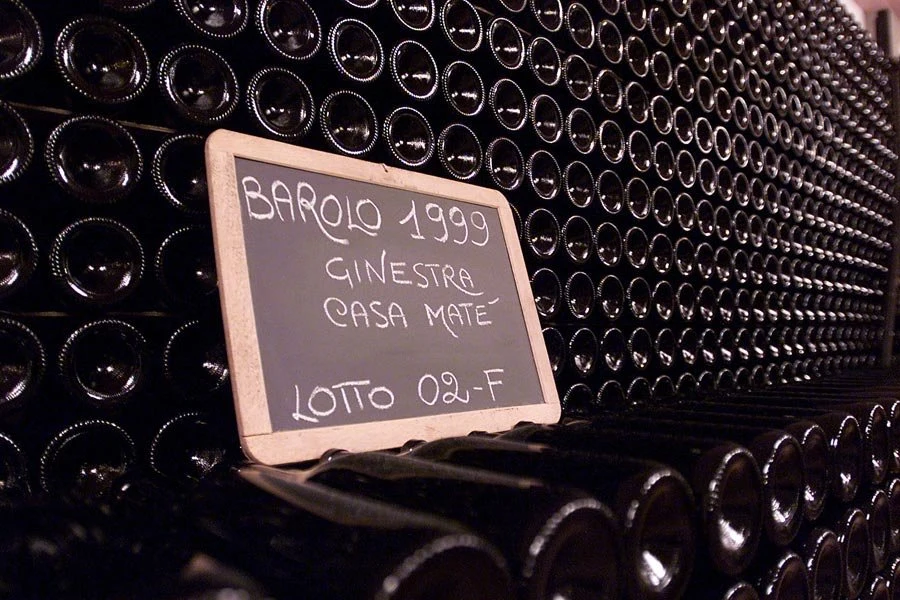
The method here depends on keeping places apart long enough for them to speak clearly. Elio Grasso began separate vinification of vineyard parcels in 1978, and Gianluca has kept that discipline central to the house. The estate farms 18 hectares and produces about 90,000 bottles per year, small enough for the work to remain close to the hands and large enough for each site to carry its own register in bottle. Gavarini Chiniera sits in a higher, sandier zone and is known for lift and aromatics. Ginestra Casa Maté brings deeper clay and sandstone, giving darker structure. Rüncot, a section of Gavarini replanted in the 1990s, becomes the long-aged Riserva. Classic Barolo ages in large Slavonian oak botti, while Rüncot Riserva takes French barrique before extended bottle aging. Nebbiolo leads the estate language, with Barbera, Dolcetto, and Chardonnay also in the cellar.
The amphitheater above Monforte
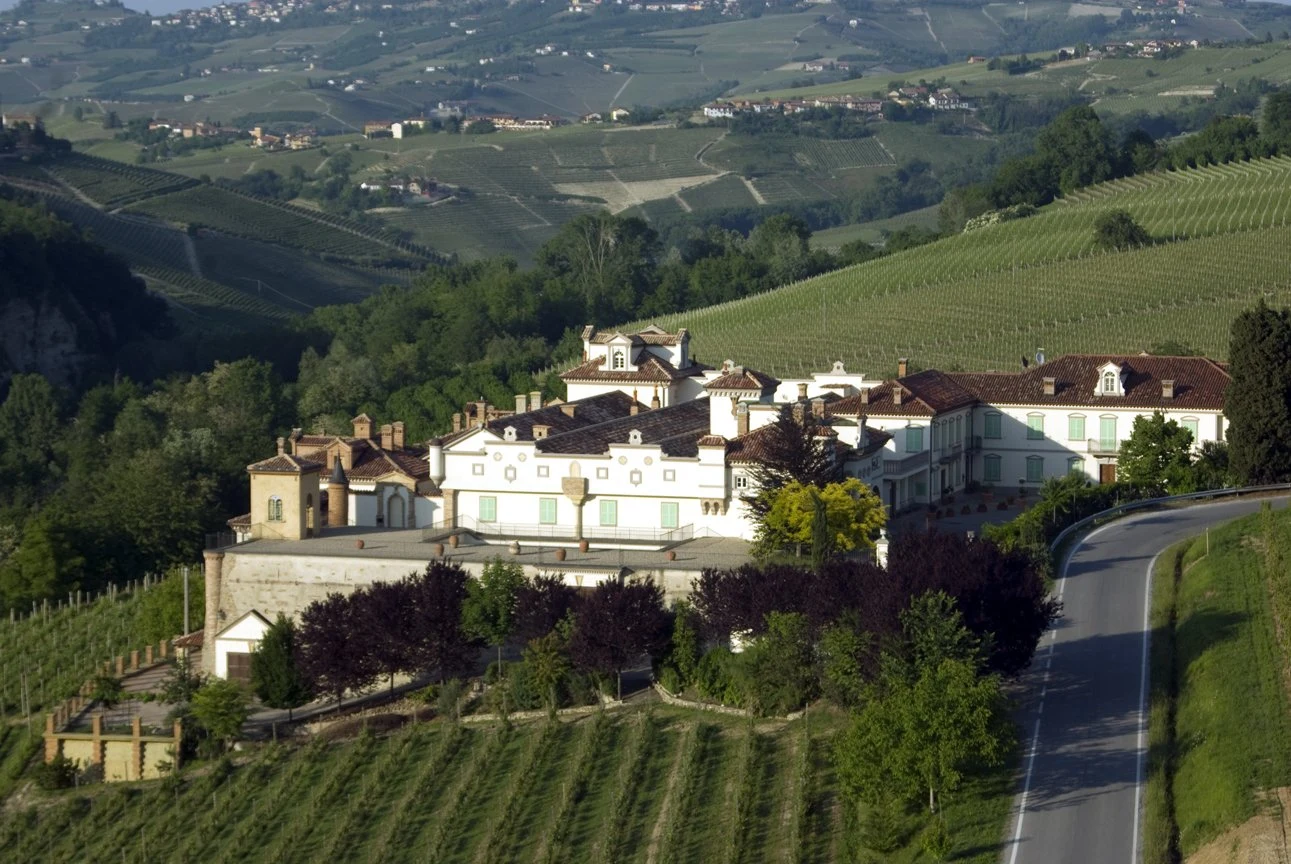
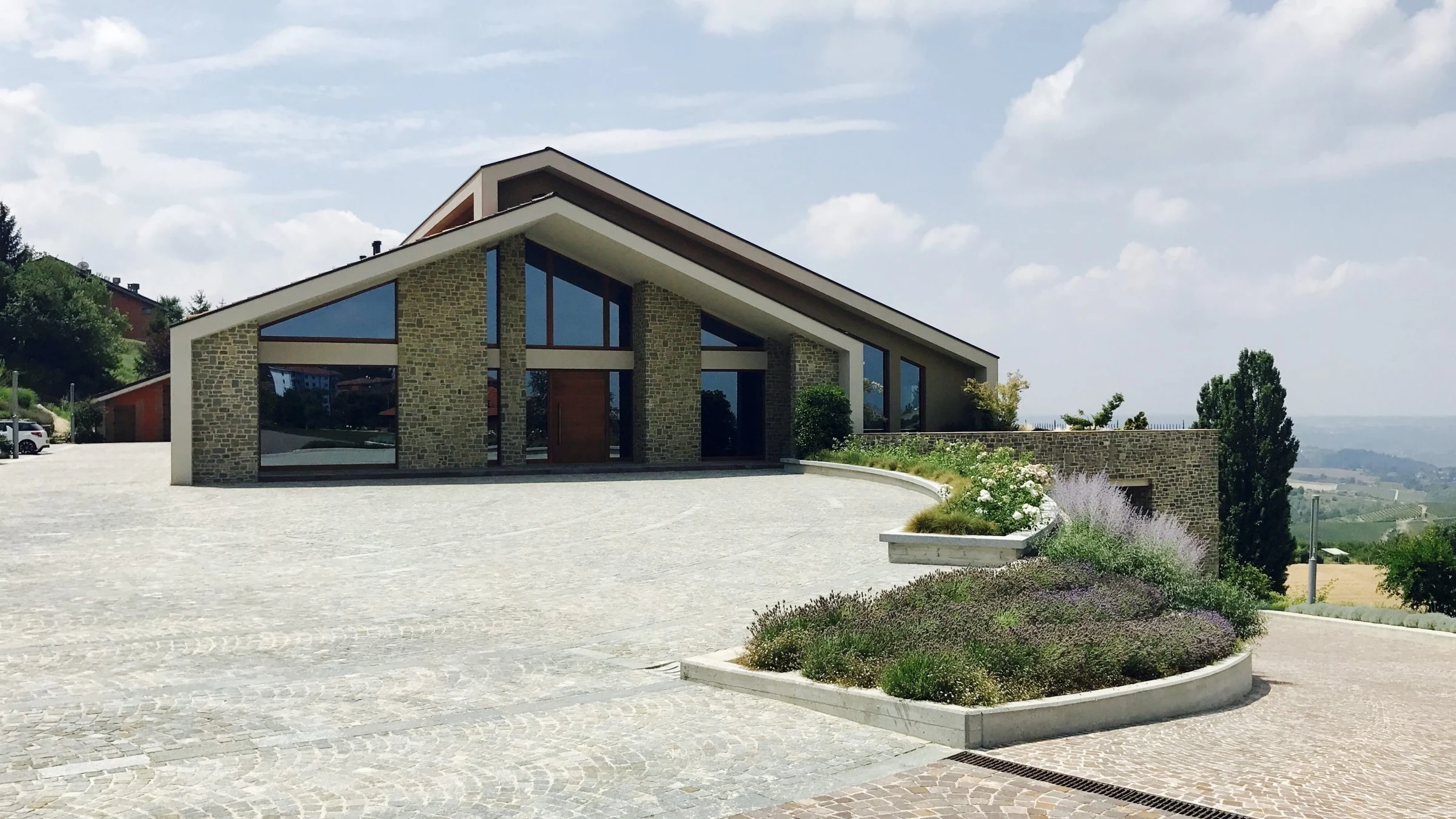
The cellar and tasting room sit above Monforte d'Alba in a natural amphitheater of vines, woods, and meadows, around 400 meters above sea level. The holdings are nearly contiguous, an advantage in Barolo country, where parcels often scatter from hill to hill. Here the vineyard reads as one broad working surface, with exposures and soils changing inside a frame the family can walk and tend with continuity. The room is quiet in the way cellars are quiet when the program has little need for display. Stainless cleanliness, oak, glass, and the names of the sites do most of the talking. Ginestra and Gavarini are not backdrop here; they are the bench.
Continuity without theater
What matters at Azienda Agricola Elio Grasso is the refusal to separate reputation from the daily method that earned it. If the estate points forward, it does so through the next vintage cycle Gianluca Grasso waits to read in Gavarini Chiniera.
Questions
Frequently asked
Who makes the wine at Azienda Agricola Elio Grasso?
Gianluca Grasso is the winemaker and proprietor, and he runs the estate with Francesca Grasso.
What is the estate known for?
The estate is known for Barolo made parcel by parcel, with separate vinification of vineyard sites kept central to the work since 1978.
What should visitors know about booking?
Visits are by appointment only.
Is there parking on site?
There is an on-site parking lot.
What kind of setting does the cellar and tasting room have?
The cellar and tasting room sit above Monforte d'Alba in a natural amphitheater of vines, woods, and meadows, around 400 meters above sea level.
The field
How it compares
| Place | Notes |
|---|---|
| Azienda Agricola Elio Grasso | Località Ginestra, $$$ |
| Aldo Conterno | Monforte d'Alba |
| Giacomo Conterno | Monforte d'Alba |
| Gianfranco Alessandria | Monforte d'Alba |
| Parusso | Monforte d'Alba |
| Piero Benevelli | Monforte d'Alba |
| Tre Pile | Monforte d'Alba |