Old vines, fortified patience
- Falstaff Winery - Listed · 2026
- Pearl 2 Star Prestige · 2025
One cellar, many vintages
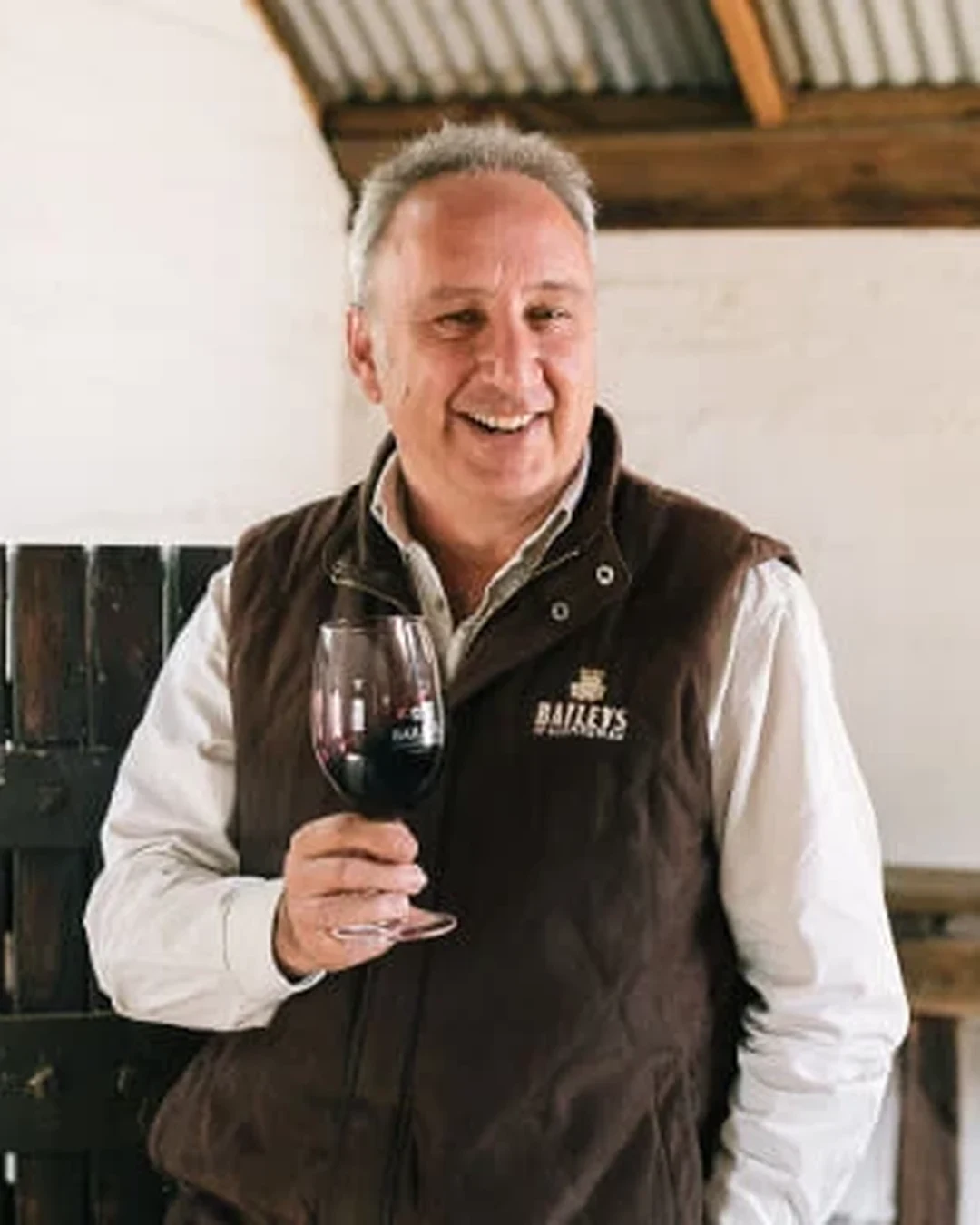
Old Shiraz vines set the pace for Paul Dahlenburg, Chief Winemaker at Baileys of Glenrowan in Glenrowan, where the cellar still works in the register of powerful red wine and fortified Muscat and Topaque. His path to this bench began with study at the University of Melbourne, then a first professional post at Morris of Rutherglen winery in 1988, before he joined Baileys of Glenrowan in 1996. By 2004 he had become Chief Winemaker, a role he continues to hold.
That length of tenure matters in a winery built around continuity. Dahlenburg has stayed with one place long enough for vintage, house expectation, and personal judgement to become harder to separate. The work is not presented as reinvention. It is stewardship, carried through seasons, through organic vineyards, and through a cellar whose reputation rests on red wines made for length and fortifieds that ask for patience rather than novelty.
Organic fruit and fortified patience
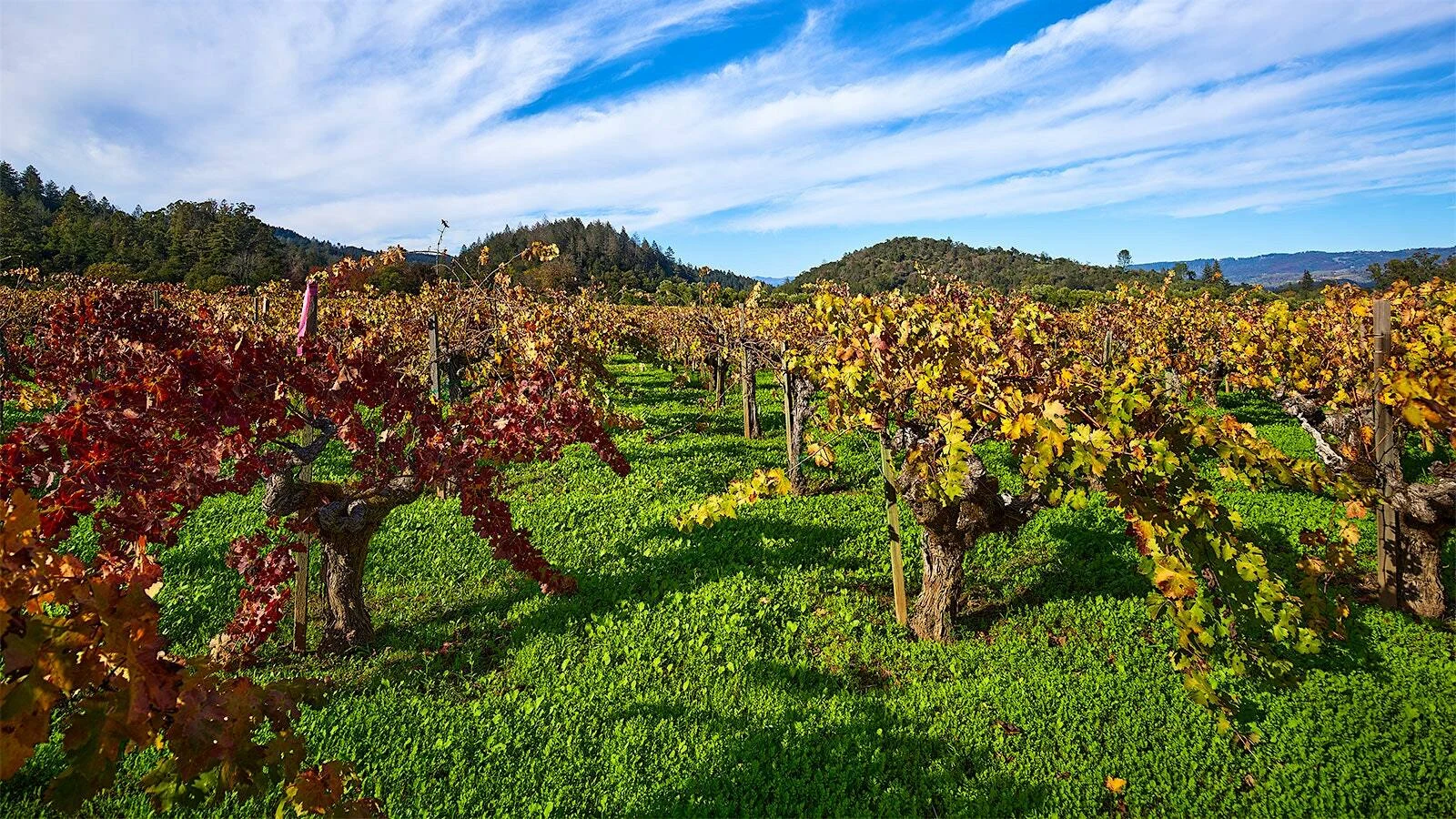
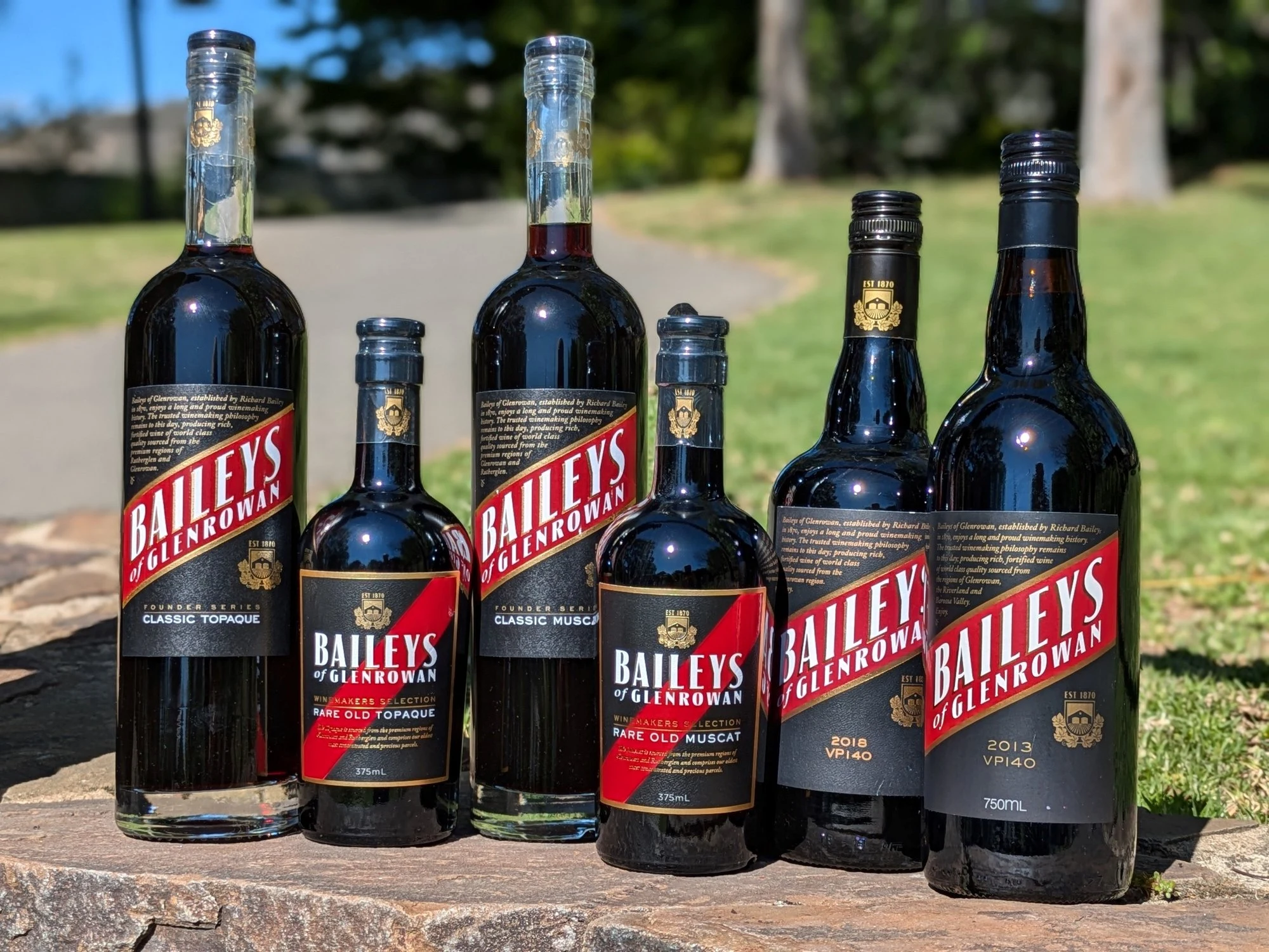
Baileys of Glenrowan works at small scale, with an organic production philosophy and a focus that remains narrow enough to be legible: Shiraz, Muscat, and Topaque from the Glenrowan appellation. The house is known for powerful, long-lived red wines from very old Shiraz vines, alongside fortified wines that place sweetness, age, and structure in the same glass. The winery does not need a broad portfolio to make its argument.
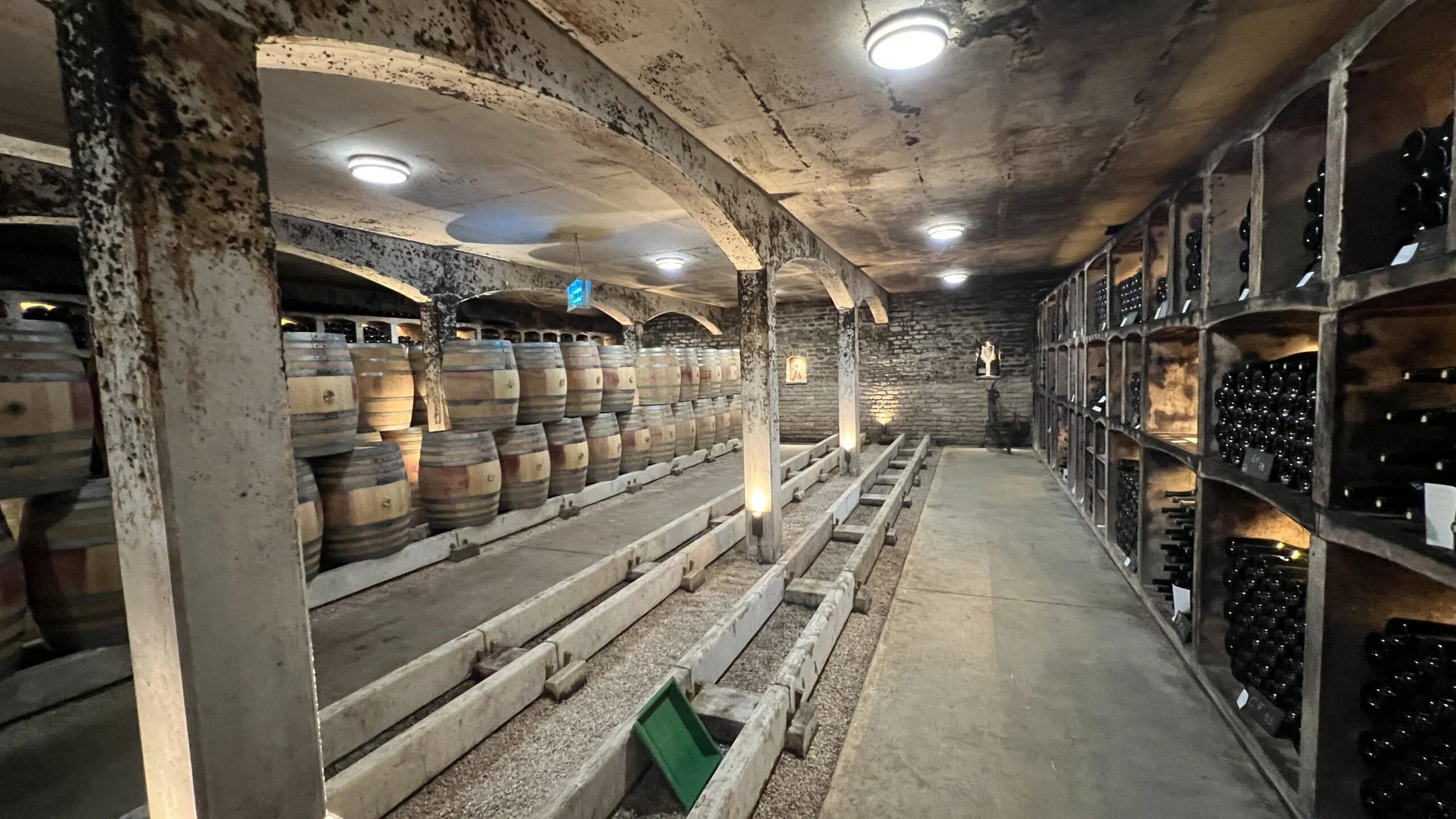
For Dahlenburg, the discipline sits in repetition. Still red wine and fortified wine answer to different clocks, yet both punish haste. Shiraz asks for decisions that can hold their shape with time; Muscat and Topaque carry the cellar’s patience in a more direct way, through concentration, aging, and the slow accumulation of flavour.
Between the ranges and the wetlands
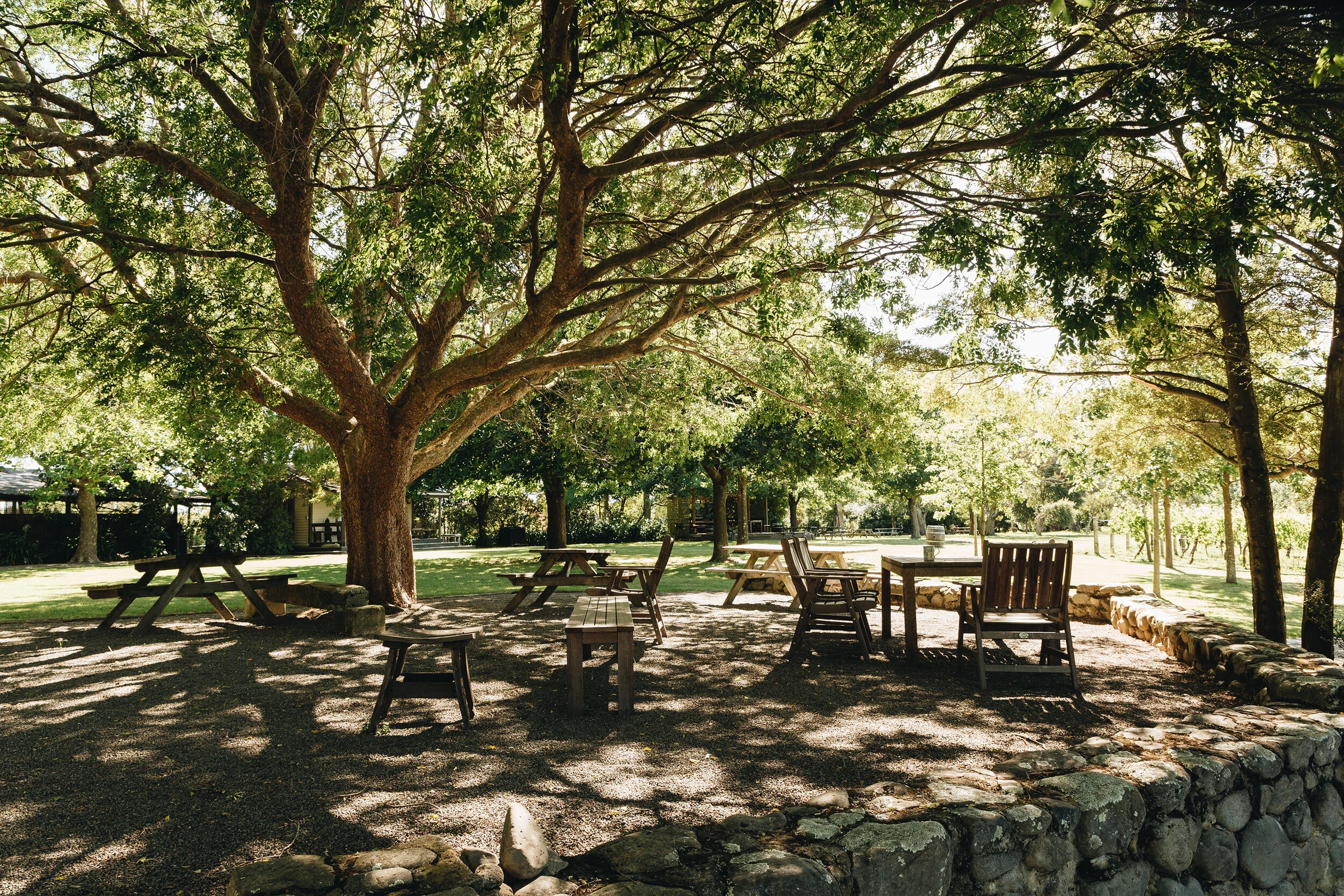
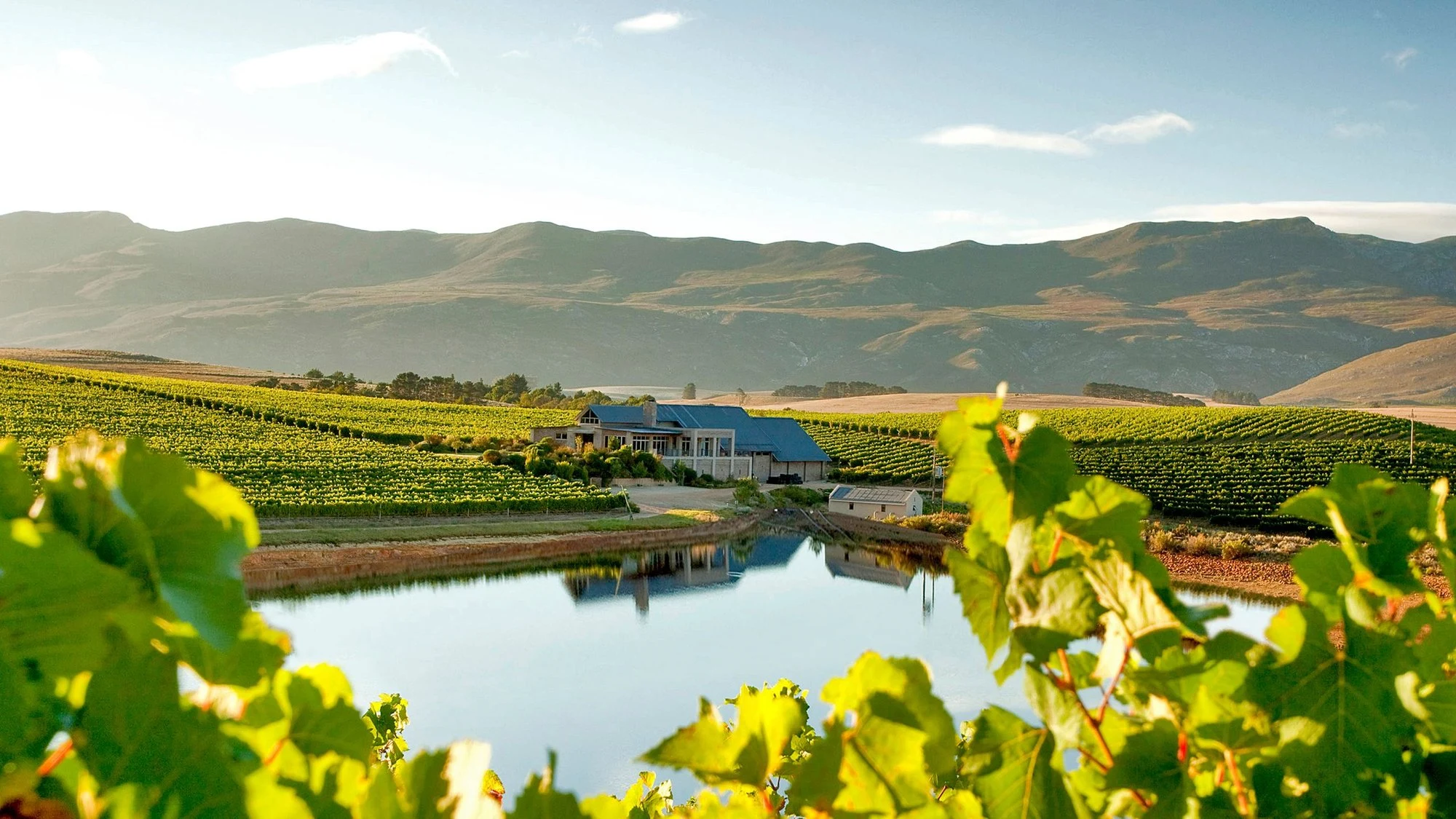
The cellar door sits among organic vineyards between the Warby Ranges and Winton Wetlands, with heritage-listed buildings held in a garden setting of greenery and shade. The room is quiet. That quiet is part of the work here, not a decorative extra; fortified wine and old-vine Shiraz ask the visitor to slow down enough to taste development, weight, and finish.
Baileys of Glenrowan was established in 1870, and the physical setting carries that date without needing to announce it at every turn. Heritage walls, shaded trees, and the cellar door make a frame for Dahlenburg’s current work rather than a museum around it. The estate’s scale remains human, and the craft feels close to the ground: vines outside, cellar nearby, glass on the counter.
What endures in Glenrowan
The house reflects the continuity between site and maker. Dahlenburg’s career has moved from University of Melbourne training to Morris of Rutherglen, then into a long Glenrowan tenure that began before he took the Chief Winemaker post. Old-vine Shiraz, Muscat, and Topaque remain the grammar of Baileys of Glenrowan.
Questions
Frequently asked
Who makes the wine at Baileys of Glenrowan?
Paul Dahlenburg is the Chief Winemaker at Baileys of Glenrowan. He studied at the University of Melbourne, worked first at Morris of Rutherglen in 1988, joined Baileys of Glenrowan in 1996, and became Chief Winemaker in 2004.
What is Baileys of Glenrowan known for?
Baileys of Glenrowan is known for organic Shiraz, Muscat and Topaque from the Glenrowan appellation. The house is also noted for powerful, long-lived red wines from very old Shiraz vines and fortified wines that rely on sweetness, age and structure.
What is the cellar door setting like?
The cellar door sits among organic vineyards between the Warby Ranges and Winton Wetlands. Heritage-listed buildings are held in a garden setting of greenery and shade.
Do I need to book, and what should I expect on arrival?
Reservations are recommended at Baileys of Glenrowan. The dress code is casual, and there is an on-site parking lot.
The field
How it compares
| Place | Notes | Awards |
|---|---|---|
| Baileys of Glenrowan | Glenrowan, $$ | · |
| Ata Rangi | Martinborough | World's 50 Best |
| Creation Wines | Hermanus | World's 50 Best |
| Domaine Georges Mugneret-Gibourg | Vosne-Romanée | · |
| Domäne Wachau | Dürnstein | World's 50 Best |
| Scarecrow | Napa | · |
| Valdicava | Montalcino | · |