Barbican Kitchen
- 01CuisineModern British Brasserie
- 02CityPlymouth, United Kingdom
From the people index
Recommended by
One trusted voice points here.
Gin, History, and the Brasserie at Black Friars
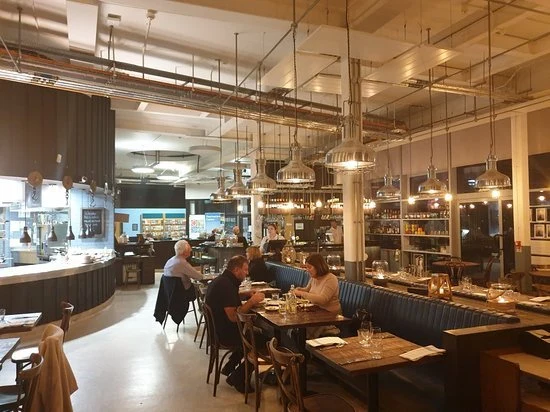
Plymouth's Barbican quarter carries more maritime and industrial history per square metre than almost anywhere else in the South West. The cobbled streets running down to the Mayflower Steps have seen centuries of naval provisioning, trade, and departure, and the buildings that line them have been put to work accordingly. Black Friars Distillery on Southside Street is one of those buildings: a Dominican friary turned working distillery, where Plymouth Gin was once produced specifically for the Royal Navy. Today, the Barbican Kitchen brasserie occupies that same space, serving a well-regarded menu inside walls that have absorbed several hundred years of the city's history.
That physical setting matters more than it might in an ordinary restaurant. The connection between the building and the broader story of British naval provisioning, of gin rationing and expedition supply, gives the room a cultural weight that few brasseries can claim. The Barbican Kitchen brasserie in Plymouth stands out not as a fine-dining destination but as a venue where the surroundings, the format, and the cooking are all pointing in the same direction: towards something direct, honest, and well-located within a city with a growing dining scene.
Where Barbican Kitchen Sits in Plymouth's Dining Picture
Plymouth's restaurant scene has been reshaping itself over the past decade. The city now has representation at both ends of the ambition spectrum: Àclèaf operates at the formal, modern-cuisine end of the market, while Fletcher's anchors the Modern British mid-tier. Barbican Kitchen occupies a different register entirely, working within a brasserie format that prioritises accessibility over technical display. A price point of ££ places it firmly in the middle of the market, below the tasting-menu tier that draws comparison to venues such as L'Enclume in Cartmel or Moor Hall in Aughton, but well above casual dining. Its 4.6 Google rating drawn from 647 reviews signals consistent execution rather than occasional brilliance, which is, in many ways, the harder thing to sustain in a high-footfall historic venue.
Barbican Kitchen does not hold a Michelin star, but it is Michelin-recognised for good cooking using quality ingredients. For a brasserie operating inside a working distillery attraction, that recognition is significant. It separates Barbican Kitchen from the many tourist-facing venues that crowd the Barbican waterfront and rely on footfall rather than kitchen discipline.
The Cultural Roots of the Brasserie Format
The European brasserie tradition that Barbican Kitchen draws from has an interesting relationship with exactly the kind of building it now occupies. The original Parisian and Belgian brasseries were industrial in origin: working spaces attached to breweries, where the food was functional and the atmosphere was built around conviviality rather than ceremony. Comfort food, generous portions, a menu that could satisfy without demanding much of the diner in terms of engagement or occasion: these were the brasserie's defining characteristics, and they translate cleanly into the Black Friars Distillery setting.
The menu at Barbican Kitchen follows that logic. Simply cooked dishes with classic comfort food at the centre, a range wide enough to accommodate different appetites, and solid provision for vegetarians. This is not the kind of cooking that rewards obsessive analysis of technique. It is the kind of cooking that rewards a long lunch in a remarkable room, perhaps with a Plymouth Gin in hand before sitting down. The cuisine leans to modern British brasserie cooking, with an inclusive range rather than any narrow regional identity.
That vegetarian provision deserves a specific note. In a port city with strong meat and fish traditions, the brasserie's explicit commitment to catering well for vegetarians positions it as a venue that thinks across its whole dining room rather than defaulting to a single demographic. This aligns with broader shifts in British comfort-food cooking, where the most considered brasserie operators have learned that the quality of a vegetable dish is often a more honest measure of kitchen capability than anything that arrives with a premium protein.
The Room, the Distillery, and What to Expect
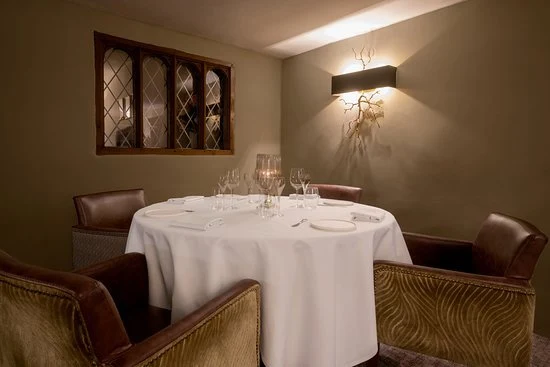
Black Friars Distillery is among the oldest surviving commercial buildings in Plymouth, and the architectural fabric reflects that age in the leading possible way. Dining inside a working historic distillery is a different experience from eating in a purpose-built restaurant. The proportions, the materials, and the accumulated atmosphere of a building used for centuries contribute something that no amount of interior design spend can replicate. For visitors to Plymouth who want to understand the city's relationship with its industrial and naval heritage, a meal at Barbican Kitchen is one of the most direct entry points available.
Southside Street sits at the heart of the Barbican quarter, within easy reach of the waterfront and the historic Mayflower Steps. The area concentrates much of Plymouth's heritage tourism, but the street itself has the character of a working neighbourhood rather than a sanitised attraction zone. For those building a wider Plymouth itinerary, the Plymouth experiences guide covers the city's cultural offer in more depth, and the Plymouth bars guide maps the drinking options in the surrounding area, including those with their own connection to the city's gin heritage.
On the practical side, Barbican Kitchen operates at a price point that makes it a workable choice across a range of occasions: a weekday lunch, a family meal, a post-distillery-tour dinner. The ££ bracket means that two courses with a drink will sit comfortably under most reasonable meal budgets.
Questions
Frequently asked
How expensive is Barbican Kitchen?
Barbican Kitchen is listed at a price level of $$$.
Where is Barbican Kitchen and what does it serve?
Barbican Kitchen is in Barbican, Plymouth, serving Modern British Brasserie.
The field
How it compares
| Place | Cuisine | Notes | Awards |
|---|---|---|---|
| Barbican Kitchen | Modern British Brasserie | Barbican, $$$ | · |
| Àclèaf | Modern Fine Dining | Plymouth | Michelin 1 Star |
| Bryn Williams at Porth Eirias | Modern British Brasserie | Colwyn Bay | · |
| Clocktower | Modern British Brasserie | New York City | · |
| Edie's | Modern British Brasserie | St Austell | · |
| Quintessence | Modern French Fine Dining | Tokyo | Michelin 3 Stars |
| The Fat Duck | Modern British Molecular Gastronomy | Bray | Michelin 3 Stars, World's 50 Best |
Similar places
Modern Fine Dining
Àclèaf
Plymouth, United Kingdom
★
Modern British Brasserie
Bryn Williams at Porth Eirias
Colwyn Bay, United Kingdom
Modern British Brasserie
Clocktower
New York City, United States
Modern British Brasserie
Edie's
St Austell, United Kingdom
Modern French Fine Dining
Quintessence
Tokyo, Japan
★★★
Modern British Molecular Gastronomy
The Fat Duck
Bray, United Kingdom
★★★ · 50 Best