From the people index
Recommended by
One trusted voice points here.
The Counter as Commitment
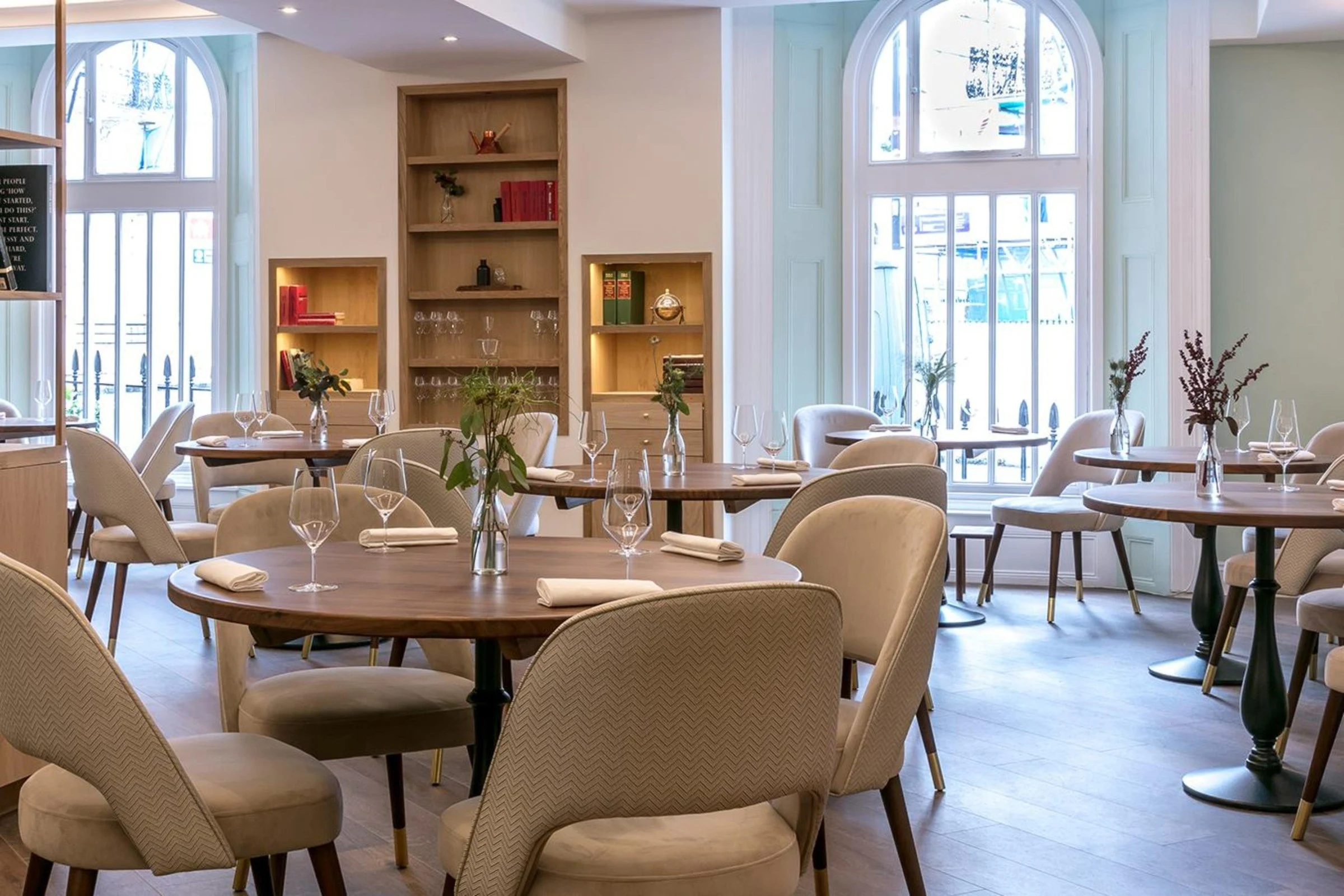
There is a version of Spanish food in London that reads as comfort shorthand: jamón croquetas, patatas bravas, a glass of something cold. Then there is the version that takes the discipline of a Madrid or Barcelona bar seriously, where the plancha runs hot all service, the ingredients are sourced with the same rigour as any tasting-menu kitchen, and the counter format is not a design choice but a structural commitment to how the food should be cooked and eaten. Barrafina Dean Street belongs to the second category. At 26-27 Dean Street in Soho, it operates within a counter-only format that places the kitchen on full display and the guest in direct relationship with the cooking.
That format carries an implicit argument about how Spanish bar food works well: it should be immediate, it should be cooked to order, and it should be consumed close to the heat source. The counter seats in Soho enforce all three. London's tapas tier has expanded considerably over the past decade, with operators ranging from high-volume casual chains to serious small-plate kitchens, but the no-reservations counter model at this level remains a niche position. It demands patience from the diner, the queue outside Dean Street on a Friday evening is not accidental, and in return it delivers a directness of experience that reserved dining rooms rarely match.
How the Menu Is Built
The architecture of the menu at Barrafina Dean Street reflects a core principle of Spanish counter cooking: categories are structural, not decorative. The division between cold preparations, plancha work, and more substantial plates is not arbitrary, it tracks the logic of how a Spanish bar actually sequences food across a meal. You do not eat in courses so much as in rhythms, with dishes arriving as they finish rather than on a dining-room schedule.
Cold preparations anchor the opening register: cured fish, raw shellfish, and dressed vegetables that ask nothing of the stove and everything of the sourcing. The plancha section is where the kitchen's technical position becomes clear. Cooking on a flat iron surface at high heat leaves no margin for error and no sauce to cover imprecision. The discipline required to produce consistent results across a full service on a plancha is considerable, and it is the reason that counter restaurants built around this method occupy a different tier from those that rely on braise or bake.
The structure also resists over-ordering in the way that a conventional menu might not. Because dishes arrive when ready and are designed to be shared across the counter, the pace of eating is self-regulating. This is not incidental to the experience, it is the experience. Spanish bar culture has always understood that the meal is a duration, not an event, and the menu architecture here encodes that understanding.
Soho as Context
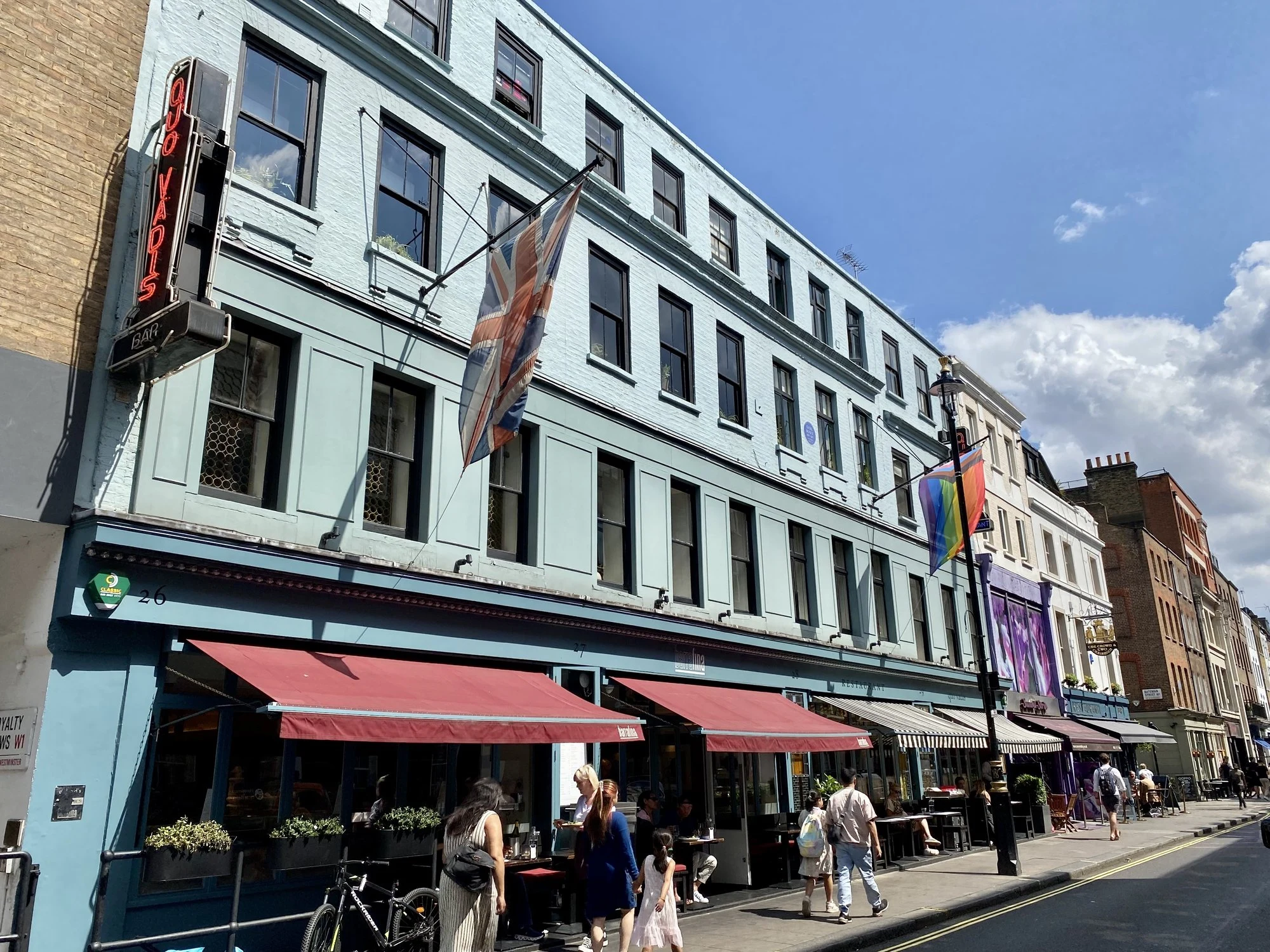
Dean Street sits inside one of London's most concentrated dining corridors. Soho has long operated as the city's default address for restaurants that combine serious cooking with an absence of formality, and the street itself holds a particularly high density of well-regarded independent operators. Quo Vadis, a short walk north on Dean Street, anchors the more conventional end of the neighbourhood's dining offer with its members' club and à la carte format. Barrafina's position on the same street represents a different thesis about what a Soho restaurant can be: no reservations, no tablecloths, no progression through a fixed structure.
This contrast is instructive for how London's mid-to-upper dining tier has evolved. The city now supports multiple formats at comparable price points, from formal tasting menus to counter-only standing bars, and the queue at Barrafina Dean Street is evidence that a section of London diners actively chooses the counter commitment over the convenience of a booking. For those who want to map London's broader drinking and dining scene, our full London restaurants guide covers the range of formats across the city's key neighbourhoods.
Where Barrafina Sits Among London's Spanish Offer
London's Spanish restaurant tier divides roughly into three positions: high-volume casual, independent mid-market, and precision-led counter operations. The third group is small. Barrafina's counter format, combined with its consistent critical recognition over more than fifteen years of London operation, places it in that upper bracket. Its peers are other counter restaurants with comparable ingredient standards and technical ambition.
That positioning matters for how the experience should be framed. This is not a venue where the logic is volume or variety. It is a venue where the logic is constraint: a limited counter, a disciplined menu, a cooking method that tolerates no shortcuts. The tradeoff is that the experience requires more of the diner, in time, in flexibility, in willingness to queue, but it returns something closer to the actual texture of eating well in Spain than most London alternatives manage.
Planning Your Visit
Barrafina Dean Street is walk-in friendly, so timing is the primary logistical variable. Queues form before service begins on busy nights, and midweek lunches offer a more accessible entry point without significantly changing the experience. The counter seats mean that solo diners and pairs are typically seated faster than larger groups, which is worth factoring into plans. The address is 26-27 Dean Street, W1D 3LL, in Soho. The surrounding area offers strong options for drinks before or after: London's cocktail bar scene has produced a range of technically serious operations across the city, from 69 Colebrooke Row in Islington to A Bar with Shapes For a Name, both of which represent the more structured end of the city's cocktail offer. For those exploring further, Academy and Amaro sit within the same broader London bar scene worth mapping alongside a Soho dinner.
For readers comparing London's counter dining offer with what other UK cities have developed, the contrast is informative. Schofield's in Manchester and Bramble in Edinburgh both represent serious independent operations in their respective cities, while Mojo Leeds takes a different approach to the counter format altogether. Further afield, Bar Kismet in Halifax, Dear Friend Bar in Dartmouth, Lab 22 in Cardiff, and Bar Leather Apron in Honolulu each illustrate how the precision counter model operates across very different markets and hospitality cultures.
The Sunday letter
Get new places like Barrafina Dean Street every Sunday.
One email a week with the restaurants, bars and hotels we have just written up, and the people who run them.
One email a week. Unsubscribe from any issue.
Questions
Frequently asked
Who works at Barrafina Dean Street?
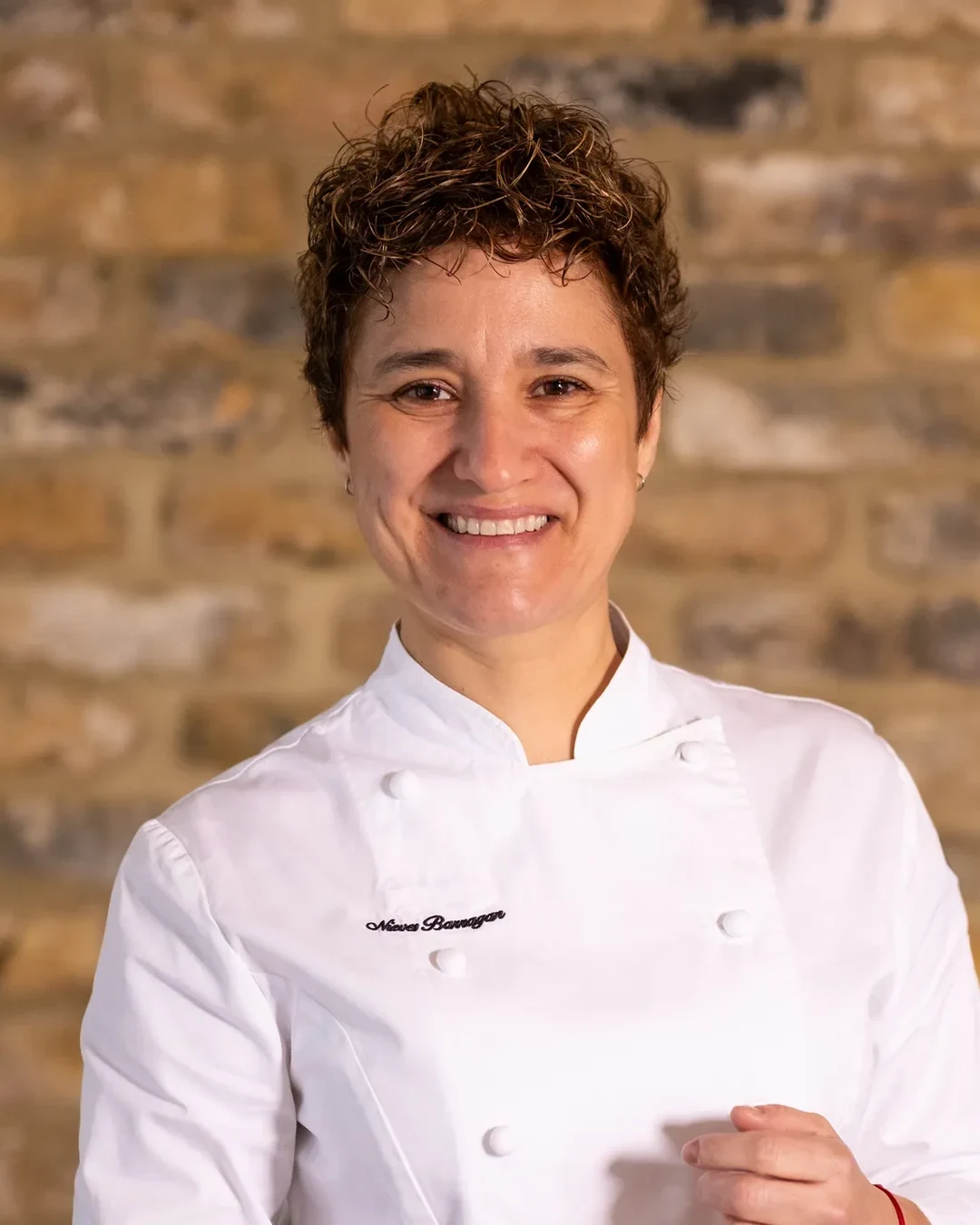
Made By profiles Nieves Barragán Mohacho (Other) at Barrafina Dean Street.
How expensive is Barrafina Dean Street?
Barrafina Dean Street is listed at a price level of $$$.
The field
How it compares
| Place | Notes | Awards | Cuisine |
|---|---|---|---|
| Barrafina Dean Street | Soho, $$$ | · | · |
| CORE by Clare Smyth | London | Michelin 3 Stars, World's 50 Best | Modern British Fine Dining |
| Ikoyi | London | Michelin 2 Stars, World's 50 Best | Modern West African Fine Dining |
| Kitchen Table | London | Michelin 2 Stars | Modern British Fine Dining |
| KOL | London | Michelin 1 Star, World's 50 Best | Modern Mexican Fine Dining |
| Row on 5 | London | Michelin 2 Stars | Modern British Fine Dining with Mediterranean & Asian Influences |
| The Ledbury | London | Michelin 3 Stars, World's 50 Best | Modern British Fine Dining |
In residence
Similar places
Modern British Fine Dining
CORE by Clare Smyth
London, United Kingdom
★★★ · 50 Best
Modern West African Fine Dining
Ikoyi
London, United Kingdom
★★ · 50 Best
Modern British Fine Dining
Kitchen Table
London, United Kingdom
★★
Modern Mexican Fine Dining
KOL
London, United Kingdom
★ · 50 Best
Modern British Fine Dining with Mediterranean & Asian Influences
Row on 5
London, United Kingdom
★★
Modern British Fine Dining
The Ledbury
London, United Kingdom
★★★ · 50 Best
The Sunday letter
Get the next Made By story in your inbox.
We send one email every Sunday morning with the places and people we covered that week.
One email a week. Unsubscribe from any issue.