Bentoteca Milano
- 01CuisineJapanese-Italian Izakaya Fusion
- 02CityMilan, Italy
From the people index
Recommended by
2 trusted voices point here.
- Opinionated About Dining Top Restaurants in Europe Highly Recommended · 2026
- Michelin Plate · 2026
- Michelin Plate · 2025
- Opinionated About Dining Top Restaurants in Europe Ranked #176 · 2025
- Opinionated About Dining Top Restaurants in Europe Ranked #181 · 2024
- Michelin Plate · 2024
- Opinionated About Dining Top New Restaurants in Europe Highly Recommended · 2023
Where Japanese Precision Meets the Southern Italian Pantry
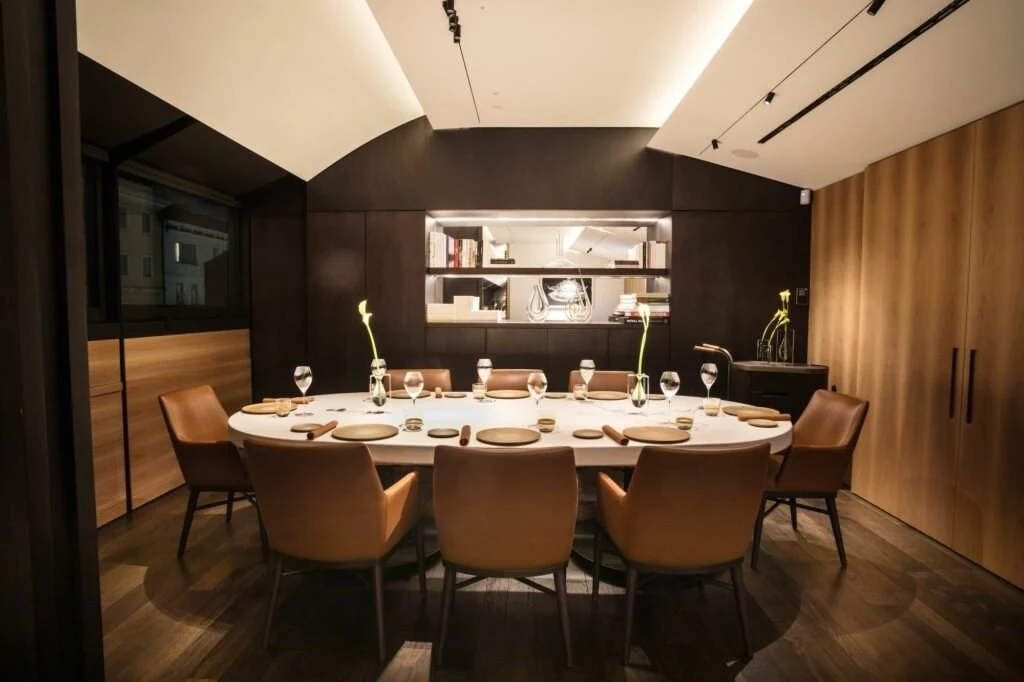
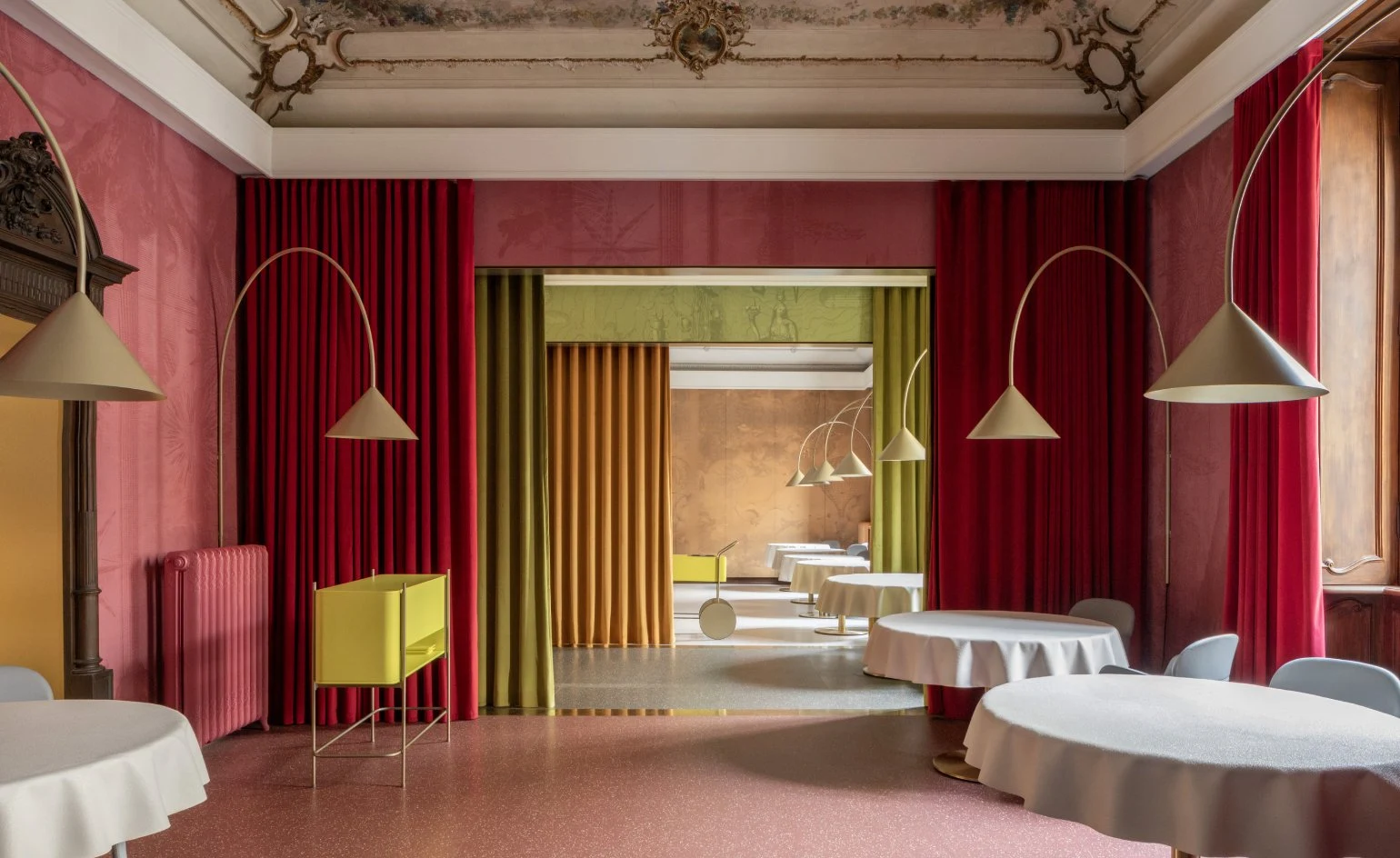
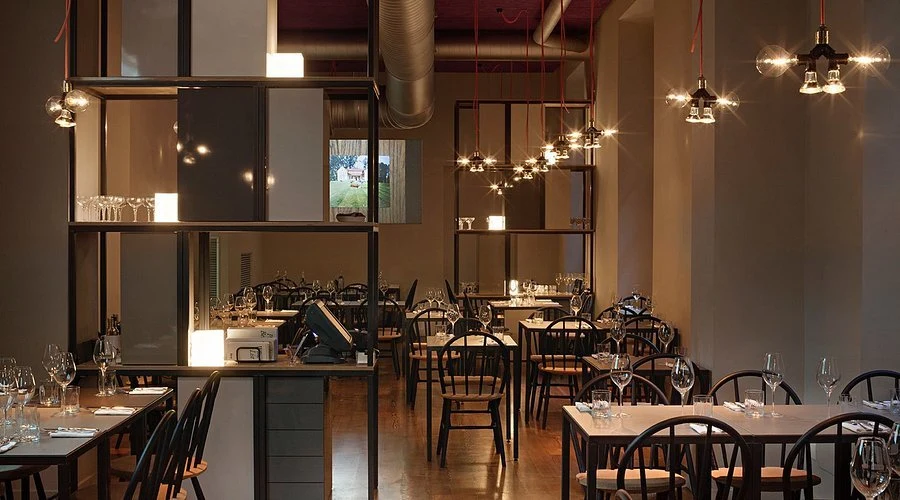
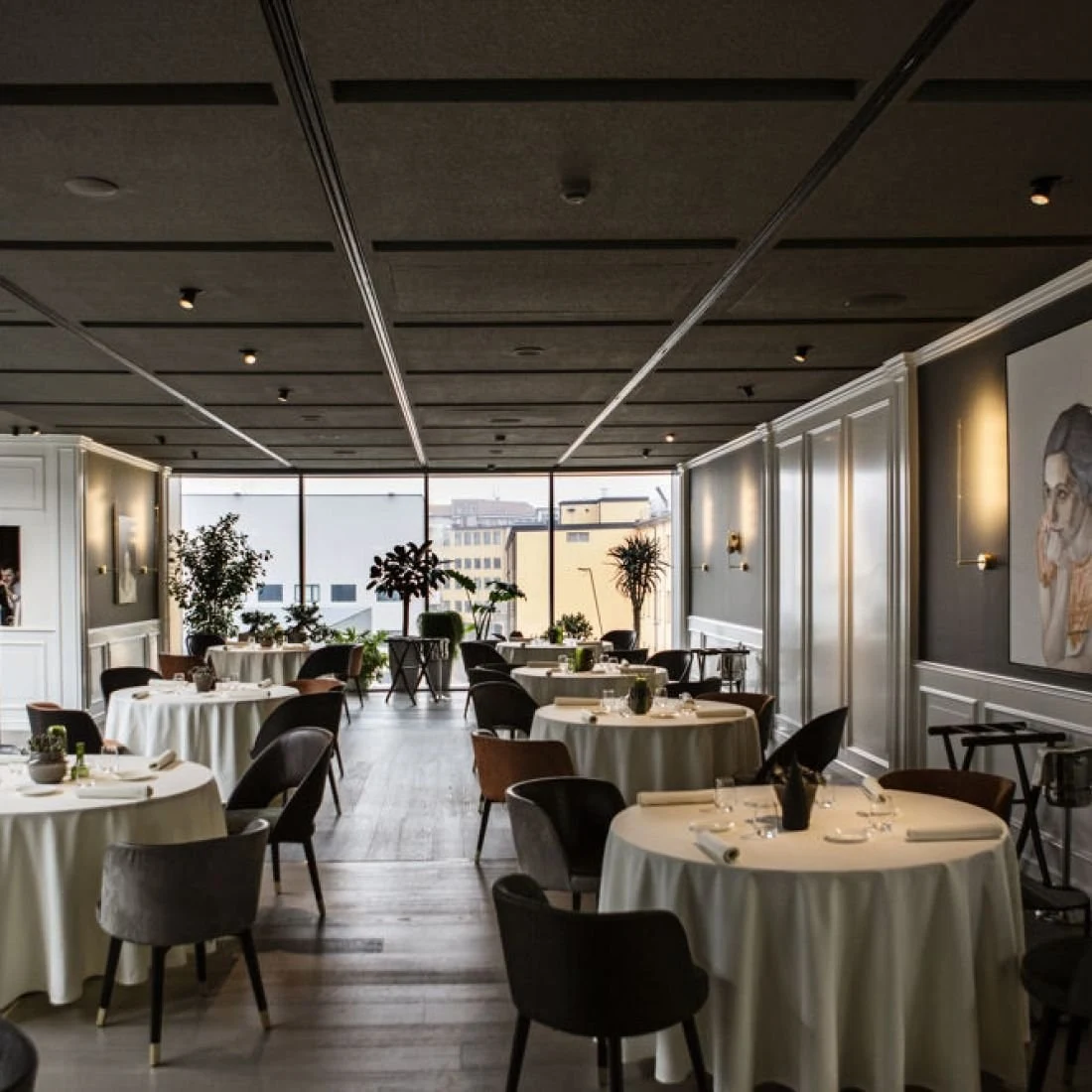
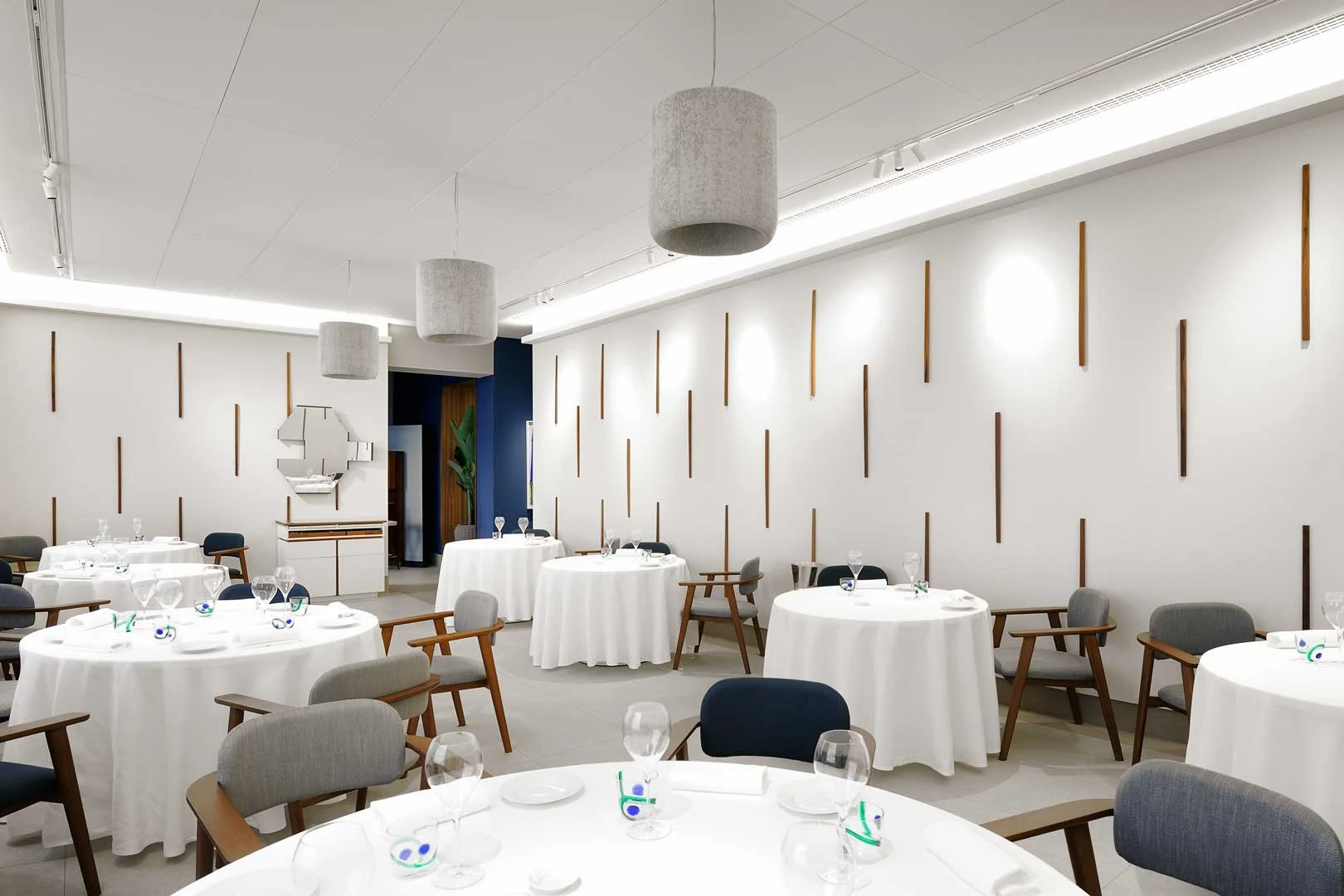
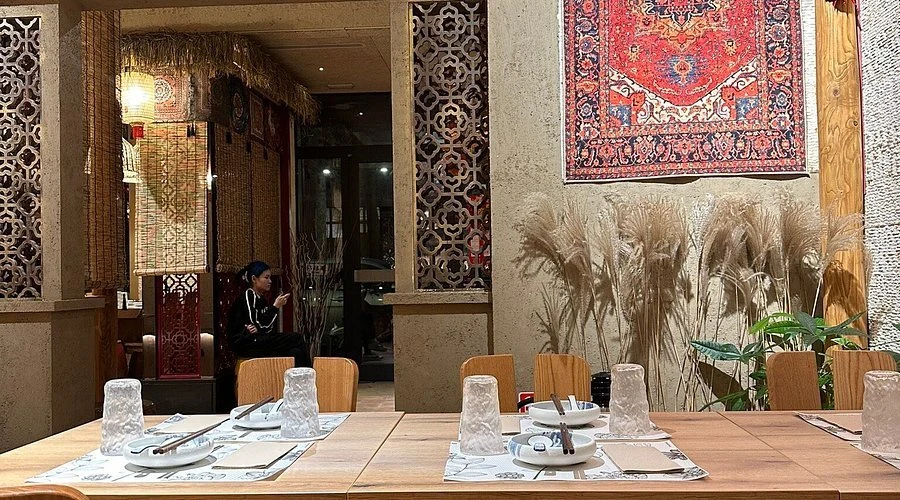
The Sant'Ambrogio neighbourhood, a few minutes from the basilica of the same name on Via S. Calocero, sits outside the circuits that attract most of Milan's fine-dining traffic. The addresses here tend toward the residential and the quietly serious rather than the theatrical. That context matters for understanding what Bentoteca Milano is: a restaurant operating at a level of critical recognition, ranked #176 in Opinionated About Dining's Leading Restaurants in Europe for 2025, up from #181 the previous year, in a room that is described as modern and understated, without the pageantry that normally accompanies that kind of standing.
Milan's Japanese dining scene has expanded considerably over the past decade, and it has stratified as it grew. At one end sit the formal omakase and kaiseki formats represented by addresses such as Iyo Kaiseki and Iyo, both operating at the €€€€ tier with Michelin stars attached. In the middle and lower registers you find a crowded field of sushi restaurants with varying levels of seriousness. Bentoteca Milano sits at €€€ and reads, in competitive terms, closer to the upper end of that middle bracket, except that its awards profile aligns it with the tier above. That gap between price and recognition is the core of its value proposition.
The Sunday letter
Find new places through the people who run them.
Our Sunday email brings you the chefs, winemakers and hoteliers behind our newest stories. See a sample before you subscribe.
See a sample of the Sunday emailOne email a week. Unsubscribe from any issue.
The Kitchen's Governing Idea
The approach taken at Bentoteca Milano is not fusion. What the kitchen does, under chef Leonardo D'Ingeo, is treat Japanese technique and Mediterranean ingredients as structurally equivalent. The Michelin documentation for the restaurant gives specific examples: horsemeat tataki finished with a pizzaiola sauce; barbecued fish neck with friggitello pepper. These are not garnishes or winking cultural references. They are dishes that require both culinary traditions to function.
Horsemeat tataki is an instructive case. Tataki as a preparation demands precise temperature control and the kind of knife work that makes raw or near-raw meat readable as a composed dish rather than an assembly. Pizzaiola, the Neapolitan tomato-and-oregano sauce traditionally used with tougher cuts of beef, brings acidity and weight. The combination asks the diner to recalibrate what each tradition is doing. The fish neck preparation follows similar logic: a cut that Japanese kitchens have long used for grilling, paired with friggitello, the elongated Italian sweet pepper that collapses into sweetness under heat. Neither element is decorative.
The kitchen-facing bench functions as a counter format within a larger dining room. Counter seating at a Japanese-influenced restaurant is more than an aesthetic choice; it collapses the distance between preparation and consumption in a way that communicates the precision involved. Watching the knife work on sushi from that vantage point shifts sushi from product to process. For a kitchen whose identity depends on technical credibility in two traditions simultaneously, that visibility is a considered move.
Price Tier and What It Implies
Bentoteca Milano's position in Milan's wider dining context is clear. The city's leading Italian-focused restaurants, Hazama, Enrico Bartolini, Seta, Andrea Aprea, Contraste, mostly operate at €€€€. Bentoteca's pricing sits below those addresses while its Opinionated About Dining ranking places it in a peer conversation with critically regarded European restaurants regardless of category. For Milan specifically, that spread is unusual. The city's €€€€ tier contains the bulk of its Michelin-starred and widely ranked restaurants; finding a ranked address at €€€ with a consistent upward trajectory in the OAD rankings (from Highly Recommended in 2023 to #181 in 2024 to #176 in 2025) represents a particular kind of proposition.
For reference, other Japanese addresses in Milan operating at the same or higher price points include Osaka and Wicky's Innovative Japanese Cuisine. Neither has accumulated the same density of European-ranking recognition as Bentoteca. The trajectory, three consecutive years of critical notice from OAD, is a stronger signal than a static award.
Chef Tokuyoshi and the Italian-Japanese Question
The question of how Japanese technique and Italian tradition interact is central here. In Tokyo, the movement runs in the opposite direction: Italian-trained Japanese chefs who bring European structural thinking to Japanese ingredients and service formats, as seen at addresses like Myojaku and Azabu Kadowaki. Tokuyoshi's position in Milan represents the mirror version of that exchange: deep immersion in Italian cooking, his tenure at Osteria Francescana in Modena is well-documented, turned outward toward a menu that does not resolve the tension between the two traditions but uses it as the organising principle.
That is a different project from cross-cultural novelty menus that appear briefly and then disappear. Bentoteca has been accumulating recognition across multiple cycles of the OAD rankings, which operates on peer-review methodology from active industry professionals. That kind of sustained standing requires consistency at the kitchen level, not just an arresting concept.
Planning Your Visit
Bentoteca Milano is open Wednesday through Sunday; Monday and Tuesday the restaurant is closed. Evening service runs from 7 pm to 11 pm on those days, with a lunch service added on Friday, Saturday, and Sunday from 12:30 pm to 3 pm. The address, Via S. Calocero, 3, in the 20123 postal district, places the restaurant in the Sant'Ambrogio area. The Google rating sits at 4.5 across 720 reviews.
For Italy's broader fine-dining circuit,
Questions
Frequently asked
How expensive is Bentoteca Milano?
Bentoteca Milano is listed at a price level of $$$$.
Where is Bentoteca Milano and what does it serve?
Bentoteca Milano is in Magenta - S. Vittore, Milan, serving Japanese-Italian Izakaya Fusion.
The field
How it compares
| Place | Cuisine | Notes | Awards |
|---|---|---|---|
| Bentoteca Milano | Japanese-Italian Izakaya Fusion | Magenta - S. Vittore, $$$$ | · |
| Andrea Aprea | Modern Italian Fine Dining | Milan | Michelin 2 Stars |
| Contraste | Modern Italian Fine Dining | Milan | Michelin 1 Star |
| Dry Milano | Neapolitan Pizza & Cocktails | Milan | · |
| Enrico Bartolini | Modern Italian Fine Dining | Milan | Michelin 3 Stars, World's 50 Best |
| Il Luogo di Aimo e Nadia | Modern Italian Regional | Milan | · |
| Seta | Modern Italian Fine Dining | Milan | Michelin 2 Stars |
Similar places
Modern Italian Fine Dining
Andrea Aprea
Milan, Italy
★★
Modern Italian Fine Dining
Contraste
Milan, Italy
★
Neapolitan Pizza & Cocktails
Dry Milano
Milan, Italy
Modern Italian Fine Dining
Enrico Bartolini
Milan, Italy
★★★ · 50 Best
Modern Italian Regional
Il Luogo di Aimo e Nadia
Milan, Italy
Modern Italian Fine Dining
Seta
Milan, Italy
★★
The Sunday letter
Get the next Made By story in your inbox.
We send one email every Sunday morning with the places and people we covered that week.
See a sample of the Sunday emailOne email a week. Unsubscribe from any issue.