Iyo Kaiseki
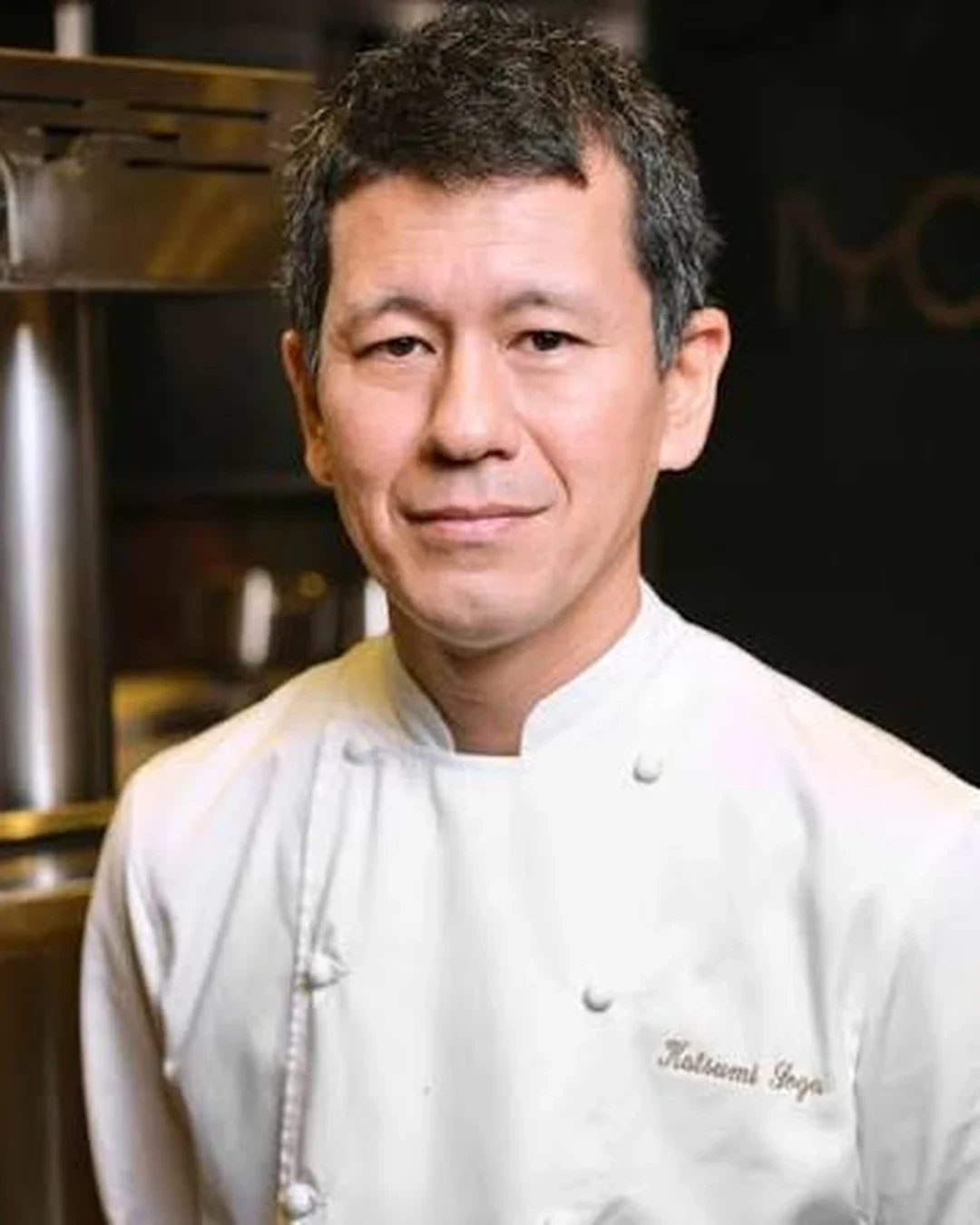
In Residence
Katsumi Soga
Chef
- 01CuisineTraditional Japanese Kaiseki
- 02CityMilan, Italy
- 03RecognitionOne Michelin Star
- 1 Michelin Star · Michelin Guide
- Michelin 1 Star · 2026
- Opinionated About Dining Top Restaurants in Europe Recommended · 2026
- Michelin 1 Star · 2025
- Opinionated About Dining Top Restaurants in Europe Ranked #451 · 2025
- Michelin 1 Star · 2024
Where Porta Nuova Meets Kaiseki Discipline
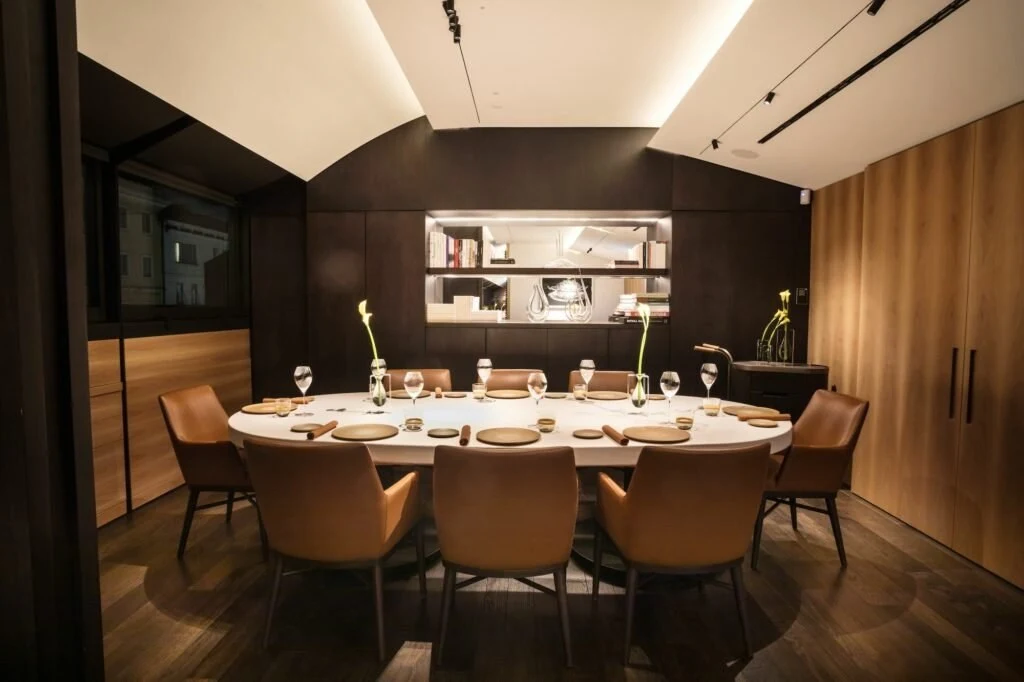
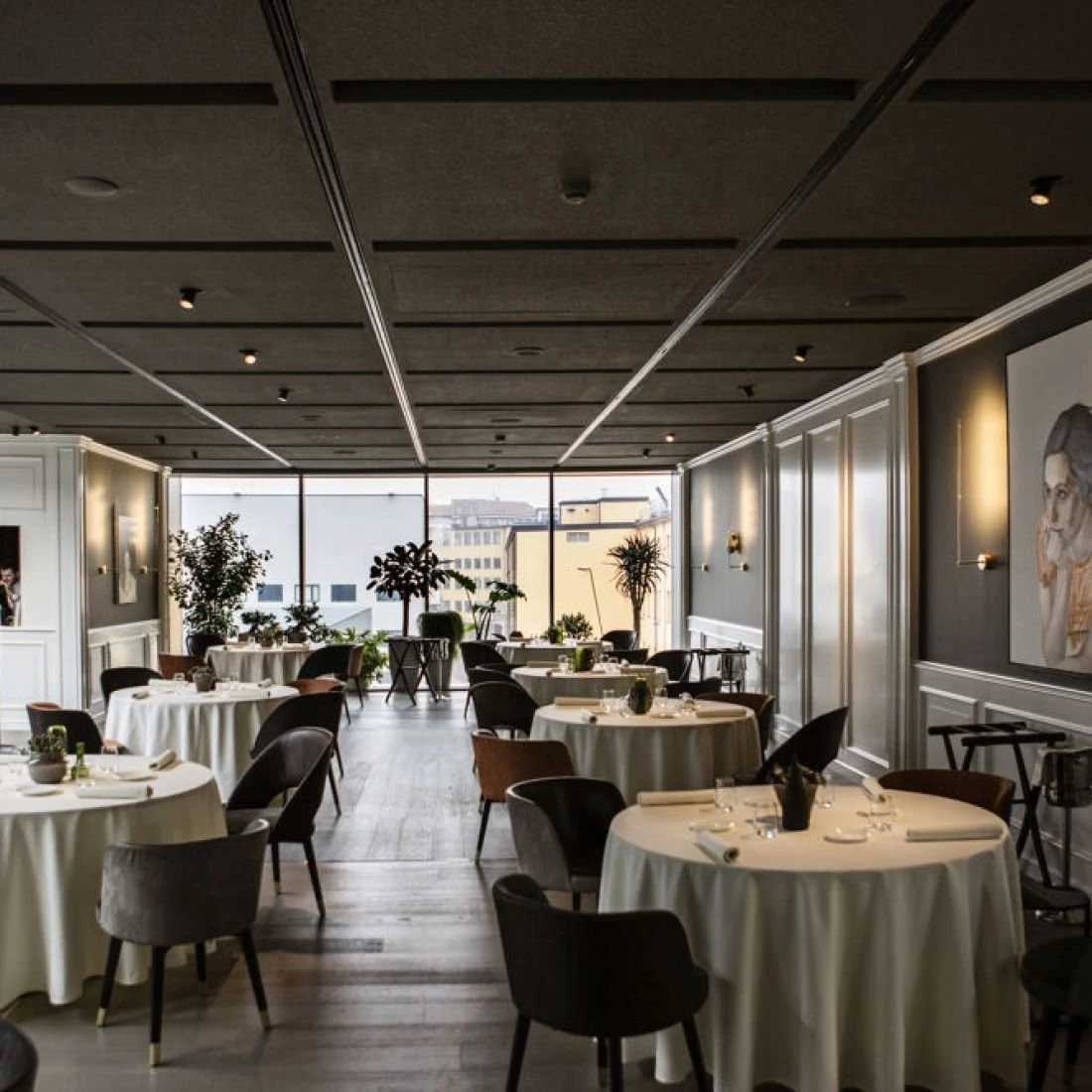
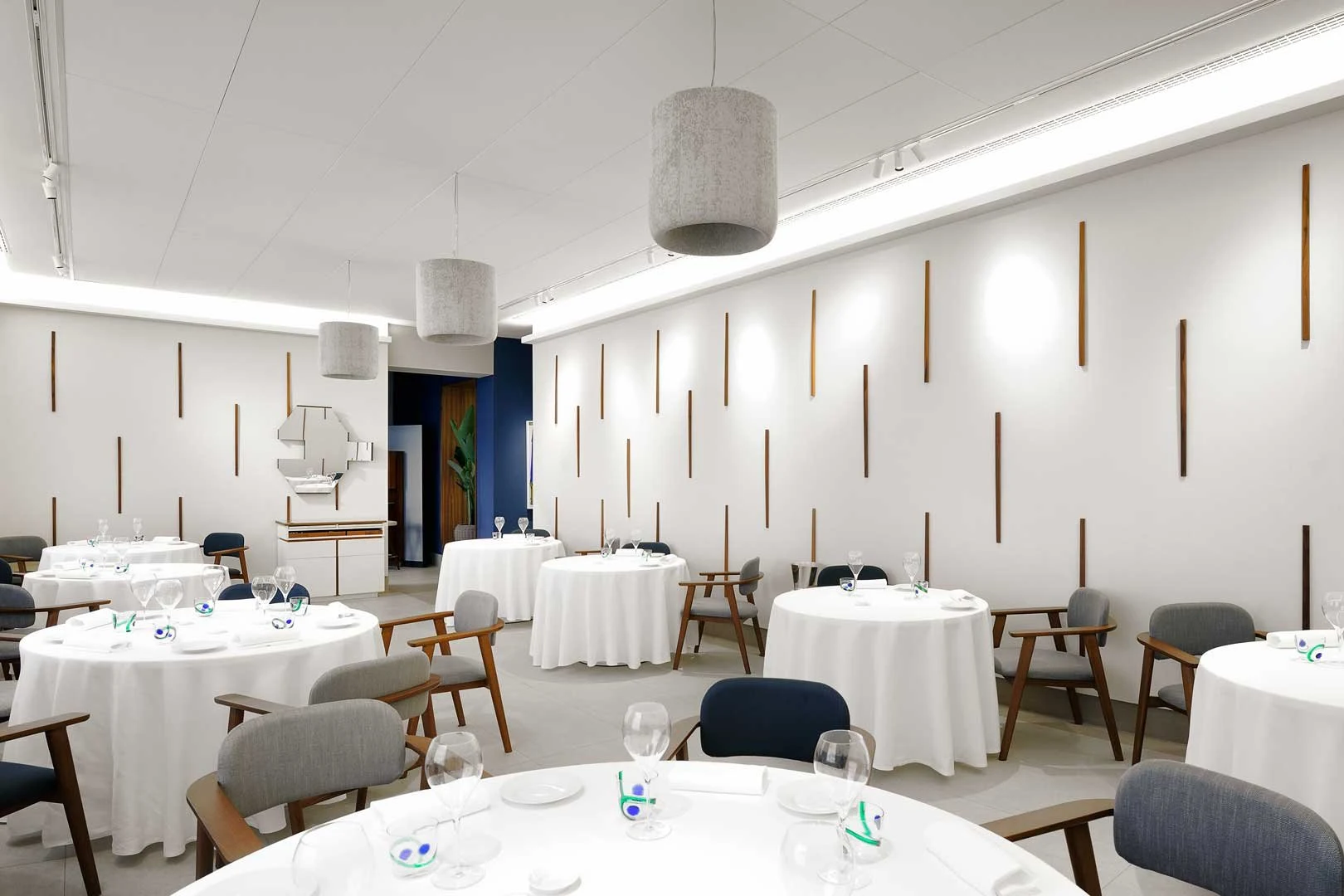
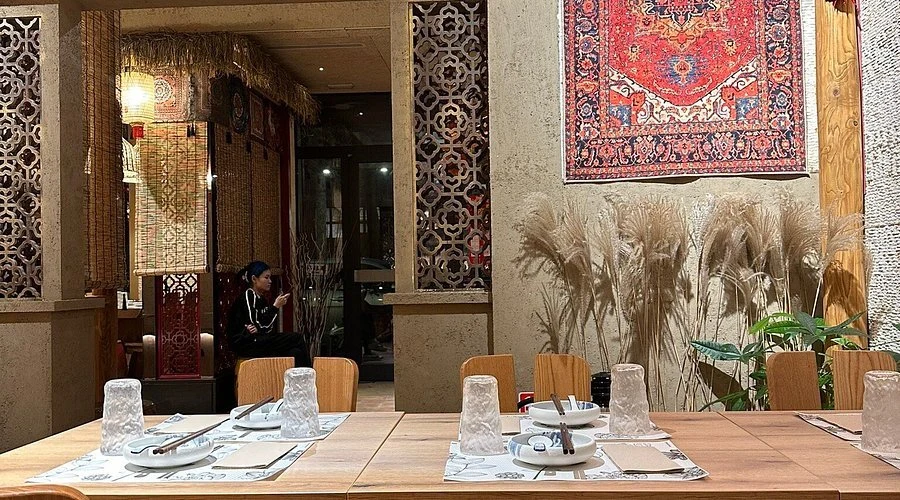
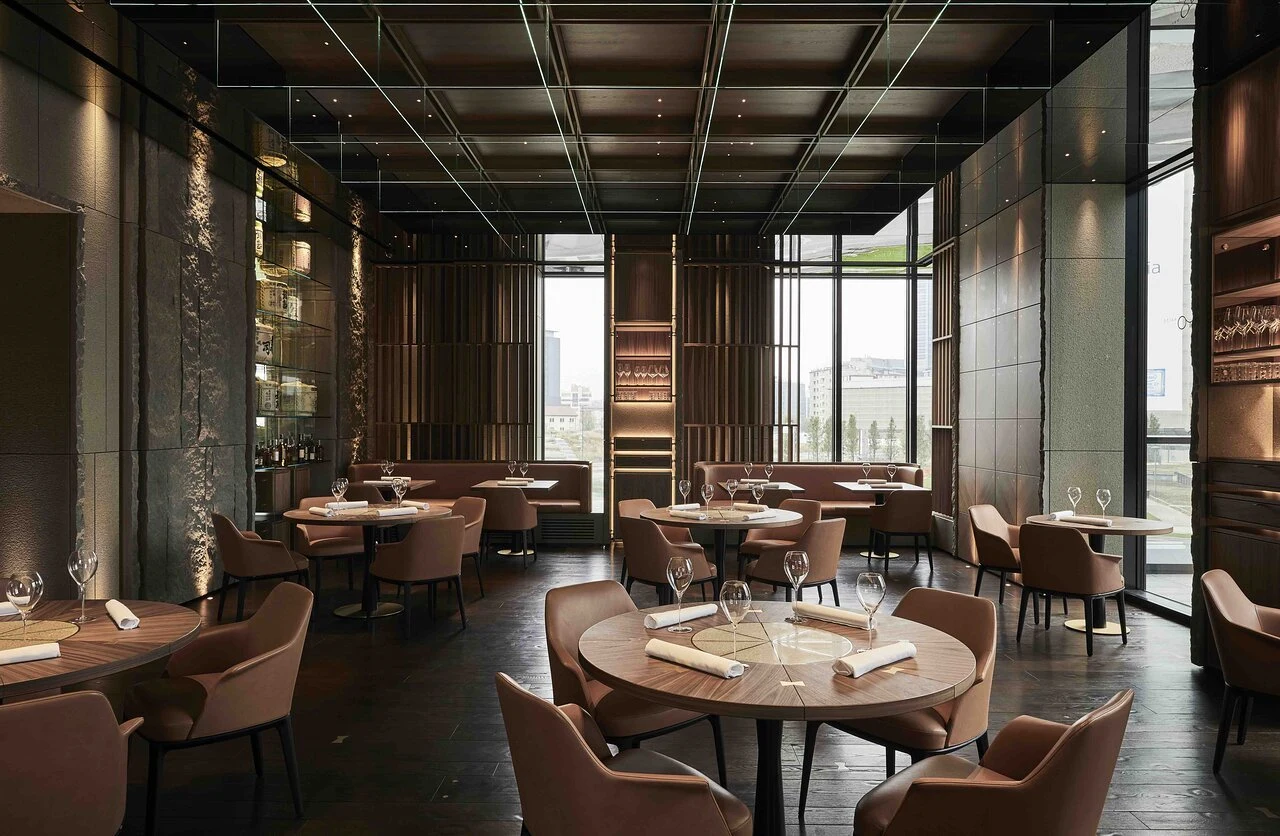
Iyo Kaiseki is a one-Michelin-star restaurant in Milan serving Traditional Japanese Kaiseki at Piazza Alvar Aalto, 9N02, 20124 Milano MI, Italy. Piazza Alvar Aalto sits at the base of Torre Solaria, one of the glass-and-steel towers that redrew Milan's northern skyline over the past fifteen years. The Porta Nuova regeneration project turned what was a fragmented railway corridor into the city's most self-consciously contemporary district, and the architecture around the piazza announces as much before you reach the door. Iyo Kaiseki occupies the ground floor of that tower, and the interior follows a logic that mirrors the building above it: wood, stone, and glass arranged with deliberate restraint, the materials warm enough to soften what might otherwise read as corporate cool. A separate, smaller room to one side holds a sushi bar with just a few seats, the counter format functioning almost as a room-within-a-room where the omakase program runs on its own terms.
The Metropolitan Divide on a Plate
In Japan, the friction between Tokyo and Kyoto in fine dining is a genuine philosophical argument. Tokyo kaiseki tends toward precision and technique as ends in themselves; Kyoto kaiseki is slower, more ceremony-conscious, more insistent on seasonal ingredient logic as the primary language. The division matters because it tells you what a kitchen actually values when it constructs a multi-course Japanese meal. Milan is not Kyoto, and Iyo Kaiseki does not pretend otherwise. What Chef Katsumi Soga has established here is a kaiseki program that reads as faithful to the form rather than as fusion or creative reinterpretation, the courses follow the classical sequence, the ingredient relationships are deferential to season, and the restraint in the room is not accidental. That fidelity places it closer to the Kyoto end of the philosophical spectrum, even if the postcode is one of Italy's most forward-looking addresses.
The contrast with the sister restaurant Iyo on Corso Sempione makes this positioning explicit. That address, which carries Michelin recognition of its own, operates in a more creative, fusion-oriented register. Iyo Kaiseki, by contrast, treats kaiseki not as a canvas for Italian-Japanese crossover but as a discipline in its own right. The two restaurants answer different questions about what Japanese cooking can mean in a European city, and together they represent one of the more considered Japanese restaurant groups in Italy.
Milan's Japanese Table in 2025
Milan has developed a Japanese dining scene with more vertical differentiation than most European cities its size. At the entry level, quality has improved significantly over the past decade as ingredient sourcing from Japan became more reliable for Italian operators. At the formal end, the city now supports a small cohort of restaurants that operate with the same structural seriousness as Tokyo-trained counterparts. Iyo Kaiseki sits in that upper tier, holding one Michelin star as of the 2024 guide and A 4.6 Google rating across 346 reviews supports the restaurant's consistency.
For comparison within Milan's Japanese category, Hazama and Wicky's Innovative Japanese Cuisine both occupy distinct positions: Wicky's operates in an explicitly innovative mode, while Hazama has its own interpretive sensibility. Osaka and Bentoteca Milano address different price points and formats altogether. Iyo Kaiseki's particular claim is the classical kaiseki sequence delivered with the seriousness that designation implies, not as a reference point for fusion experimentation.
Against the wider context of Milan's starred dining, the price positioning is instructive. The city's leading Italian tables, Enrico Bartolini, Andrea Aprea, Seta, operate at the €€€€ tier, where creative Italian and modern European cuisine commands high premiums. Iyo Kaiseki sits at €€€, a tier below, which may reflect the specific economics of kaiseki in Milan rather than any signal about ambition or execution. The Michelin star is the more relevant quality signal here, and it places the restaurant in peer company with addresses like Cracco in Galleria and Contraste, both of which carry one star in the same city.
The Omakase Counter as a Separate Argument
The small sushi bar inside Iyo Kaiseki operates with an omakase format, a structure that in Japan's most serious rooms involves the chef selecting and sequencing every element without recourse to a printed menu. In Tokyo, counter omakase has become one of the city's most competitive and expensive dining categories; rooms like Myojaku and Azabu Kadowaki represent that format at its most concentrated. In Milan, omakase remains a more specialist proposition, with fewer counters and a smaller base of regular diners who understand its conventions. The presence of a dedicated omakase space within Iyo Kaiseki, separated from the main kaiseki dining room, gives the address two distinct registers operating under one roof, with the counter format serving guests who want the chef's sequencing judgment applied directly rather than working through a fixed kaiseki progression.
Italy's Wider Fine Dining Frame
The context for any starred restaurant in Italy is inevitably the Italian fine dining tradition itself, which at its most formal means addresses like Osteria Francescana in Modena, Le Calandre in Rubano, Dal Pescatore in Runate, Enoteca Pinchiorri in Florence, and Piazza Duomo in Alba. These are rooms built around Italian culinary identity at various points on the creative-to-classical spectrum. Iyo Kaiseki operates outside that tradition entirely, which is precisely what defines its position in Milan. The city has always been more internationally oriented than its Italian peers, and its dining scene reflects that: there is an appetite for non-Italian formality here that does not exist to the same degree in Bologna or Florence. A kaiseki counter in Porta Nuova makes sense in Milan in a way it might not elsewhere in Italy, and the Michelin recognition confirms it has found its audience.
Italy's northern starred dining also extends beyond Milan into the mountains: Atelier Moessmer Norbert Niederkofler in Brunico represents a very different kind of formal commitment, rooted in Alpine ingredient philosophy. The breadth of that northern Italian dining geography makes Iyo Kaiseki's particular position, Japanese formality in a Milanese commercial district, more interesting rather than less, because it speaks to how much the city absorbs.
Planning Your Visit
The restricted weekly schedule means the restaurant operates only from Wednesday through Sunday. Reservations are essential given the Michelin star and the specialist nature of the format.
Questions
Frequently asked
What recognition does Iyo Kaiseki hold?
Iyo Kaiseki holds 1 Michelin star.
Who works at Iyo Kaiseki?
Made By profiles Katsumi Soga (Chef) at Iyo Kaiseki.
How expensive is Iyo Kaiseki?
Iyo Kaiseki is listed at a price level of $$$$.
Where is Iyo Kaiseki and what does it serve?
Iyo Kaiseki is in Porta Garibaldi - Porta Nuova, Milan, serving Traditional Japanese Kaiseki.
The field
How it compares
| Place | Awards | Cuisine | Notes |
|---|---|---|---|
| Iyo Kaiseki | Michelin 1 Star | Traditional Japanese Kaiseki | Porta Garibaldi - Porta Nuova, $$$$ |
| Andrea Aprea | Michelin 2 Stars | Modern Italian Fine Dining | Milan |
| Contraste | Michelin 1 Star | Modern Italian Fine Dining | Milan |
| Dry Milano | · | Neapolitan Pizza & Cocktails | Milan |
| Enrico Bartolini | Michelin 3 Stars, World's 50 Best | Modern Italian Fine Dining | Milan |
| Il Luogo di Aimo e Nadia | · | Modern Italian Regional | Milan |
| Seta | Michelin 2 Stars | Modern Italian Fine Dining | Milan |
In residence
Similar places
Modern Italian Fine Dining
Andrea Aprea
Milan, Italy
★★
Modern Italian Fine Dining
Contraste
Milan, Italy
★
Neapolitan Pizza & Cocktails
Dry Milano
Milan, Italy
Modern Italian Fine Dining
Enrico Bartolini
Milan, Italy
★★★ · 50 Best
Modern Italian Regional
Il Luogo di Aimo e Nadia
Milan, Italy
Modern Italian Fine Dining
Seta
Milan, Italy
★★