- Falstaff Winery - 2 Stars · 2026
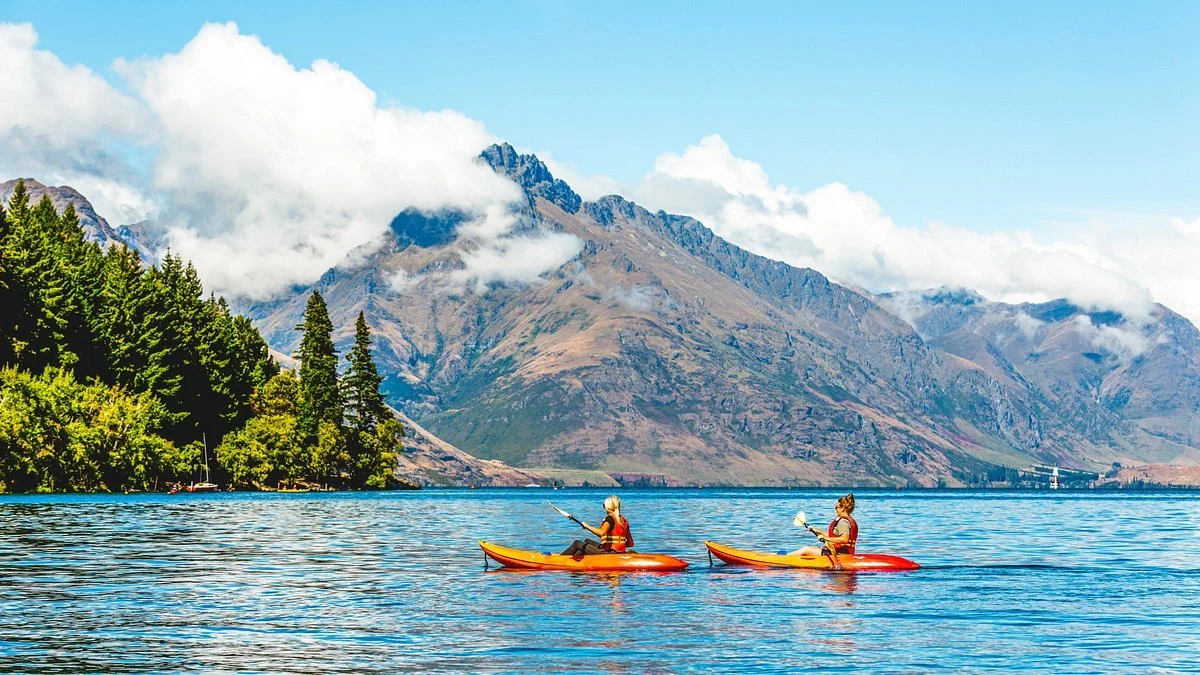
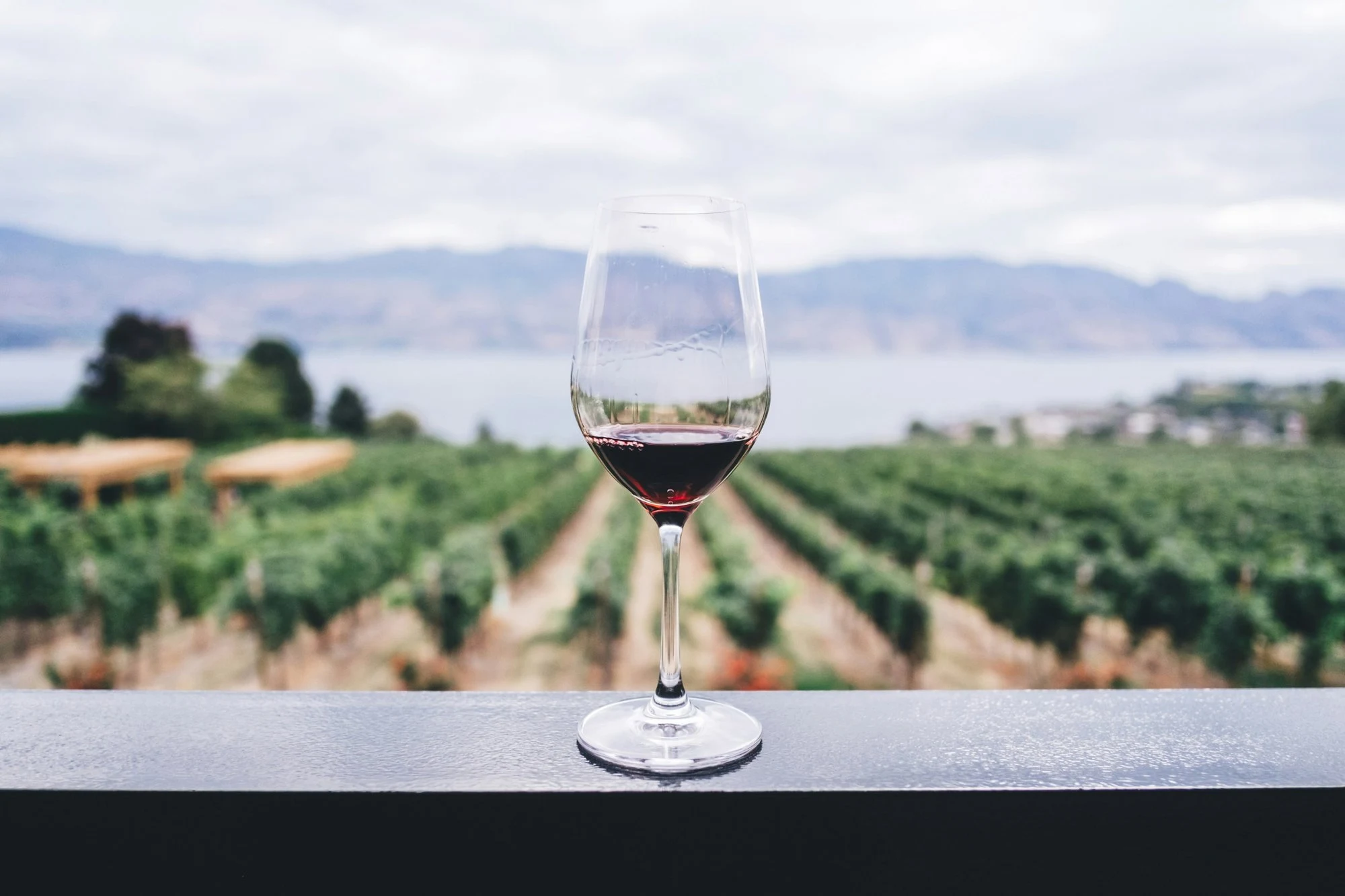
Rural Nelson sets the tone before the first glass: vineyard rows, open countryside, and the slower rhythm of a working estate rather than a high-traffic tasting counter. Blackenbrook Vineyard is best understood as a small, family-run, hands-on vineyard and winery in rural Tasman, with a low-key tasting experience built around the wines rather than spectacle. The useful way to read it is not as a polished tourism stop, but as an intimate estate where scale, restraint, and a direct connection to place are the main arguments.
The picture is deliberately focused. Blackenbrook is known here as a rural Nelson vineyard and gravity-fed winery with an emphasis on aromatic, Alsace-inspired whites and elegant reds. That gives the estate a clear editorial identity without needing to overstate grape lists, awards, acreage, or visitor infrastructure that are not confirmed in the available data. For planning purposes, the important points are the family-run character, the countryside setting, the gravity-fed production approach, and the moderate price bracket.
Aromatic whites define the centre of gravity
The strongest case for Blackenbrook is its emphasis on aromatic Alsace-inspired whites. In a region where visitors may be comparing a range of local wine styles, that focus gives the vineyard a more specific identity than a generic cellar-door stop. Aromatic whites are not just about perfume; at their best, they balance fragrance, texture, freshness, and shape. Blackenbrook’s positioning sits in that more considered lane, where the appeal is the feel and detail of the wines as much as their immediate brightness.
Instead, approach the estate through its stated strengths: aromatic whites with an Alsace reference point, supported by elegant reds. That framing is enough to explain why the vineyard may interest drinkers who prefer nuance over volume. It also keeps expectations honest. This is not a page promising a trophy trail, a named flagship bottling, or a fixed tasting sequence; it is a guide to a small Nelson producer with a clearly signalled style.
The red-wine side broadens the estate’s range without changing its centre of gravity. The description points to elegant reds rather than powerful, heavily framed wines. That matters for visitors who want a tasting that feels measured and intimate. The appeal is not breadth for its own sake, but a compact sense of house style: aromatic whites first, elegant reds alongside them, and a production model that remains close to the vineyard.
A gravity-fed winery keeps the scale honest
Blackenbrook is also described as a gravity-fed winery, a detail that fits the wider impression of a hands-on estate. Gravity-fed production is worth noting because it suggests a practical preference for gentle movement through the winery rather than a purely industrial feel. On a small family-run vineyard, that detail reads less like a design flourish and more like part of the overall approach: quiet, restrained, and connected to the material being handled.
The family-run description is equally important. It tells visitors to expect a more personal, low-key setting than a large tourism-facing operation. What can be said is that the experience is intimate and rural, with the focus placed on the wines and the vineyard rather than on a large hospitality apparatus.
For that reason, Blackenbrook is well suited to drinkers who value context. The page should not inflate the estate into a luxury destination or a full-day attraction. Its appeal is quieter: a scenic rural Nelson setting, a family-run vineyard, a gravity-fed winery, and a tasting experience centred on aromatic whites and elegant reds. That is a strong enough proposition without adding claims about awards, sustainability programmes, named winemakers, acreage, or specific bottles.
The visit is for drinkers who prefer working vineyards to theatre
The hospitality mood is low-key and intimate. That is the key practical distinction. Visitors should expect the feel of a small working vineyard rather than a busy, high-volume tasting room. The data supports a rural, scenic character and a hands-on family operation, so the best expectation is a calm tasting experience where the wines are the focus and the setting does part of the work.
Price is listed as $$, placing Blackenbrook in a moderate bracket. That helps define the venue without inventing a menu, a tasting format, or a fixed spend. The value proposition is not luxury signalling; it is the chance to engage with a smaller Nelson vineyard whose identity is built around aromatic whites, elegant reds, and a restrained winery model.
For a Nelson itinerary, treat Blackenbrook Vineyard as one focused stop rather than a catch-all destination. Pair it with other unnamed Nelson dining, lodging, bar, or experience options as needed, and confirm current visit details directly before travelling. The most reliable summary is simple: Blackenbrook Vineyard is a small, family-run, gravity-fed winery in rural Nelson, offering an intimate, scenic, low-key tasting experience with an emphasis on aromatic Alsace-inspired whites and elegant reds.
Questions
Frequently asked
Who works at Blackenbrook Vineyard?
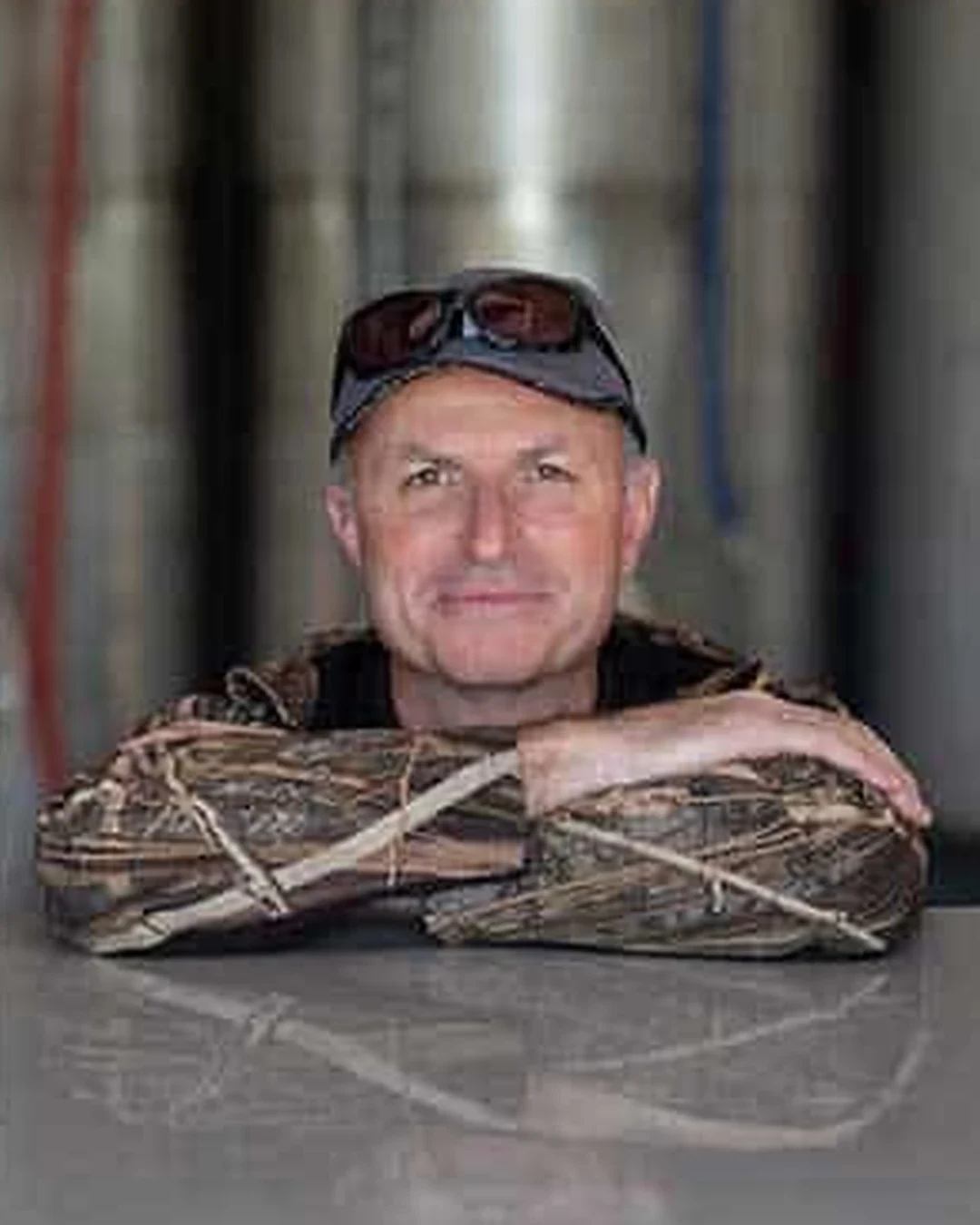
Made By profiles Daniel Schwarzenbach (Winemaker) and Ursula Schwarzenbach (Winemaker) at Blackenbrook Vineyard.
How expensive is Blackenbrook Vineyard?
Blackenbrook Vineyard is listed at a price level of $$.
The field
How it compares
| Place | Notes |
|---|---|
| Blackenbrook Vineyard | Tasman, $$ |
| Aronui Wines | Nelson |
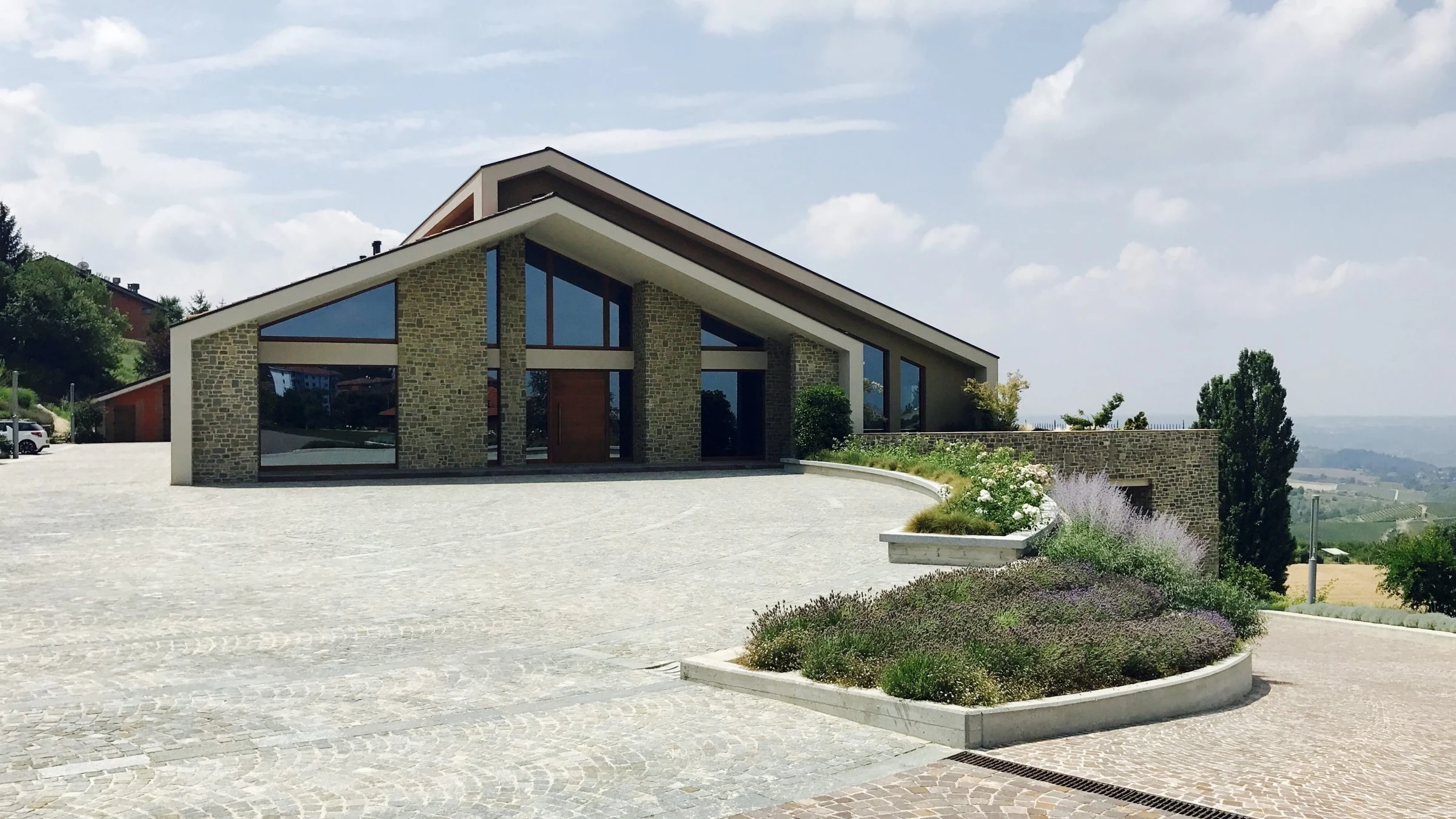
| Giacomo Conterno | Monforte d'Alba |
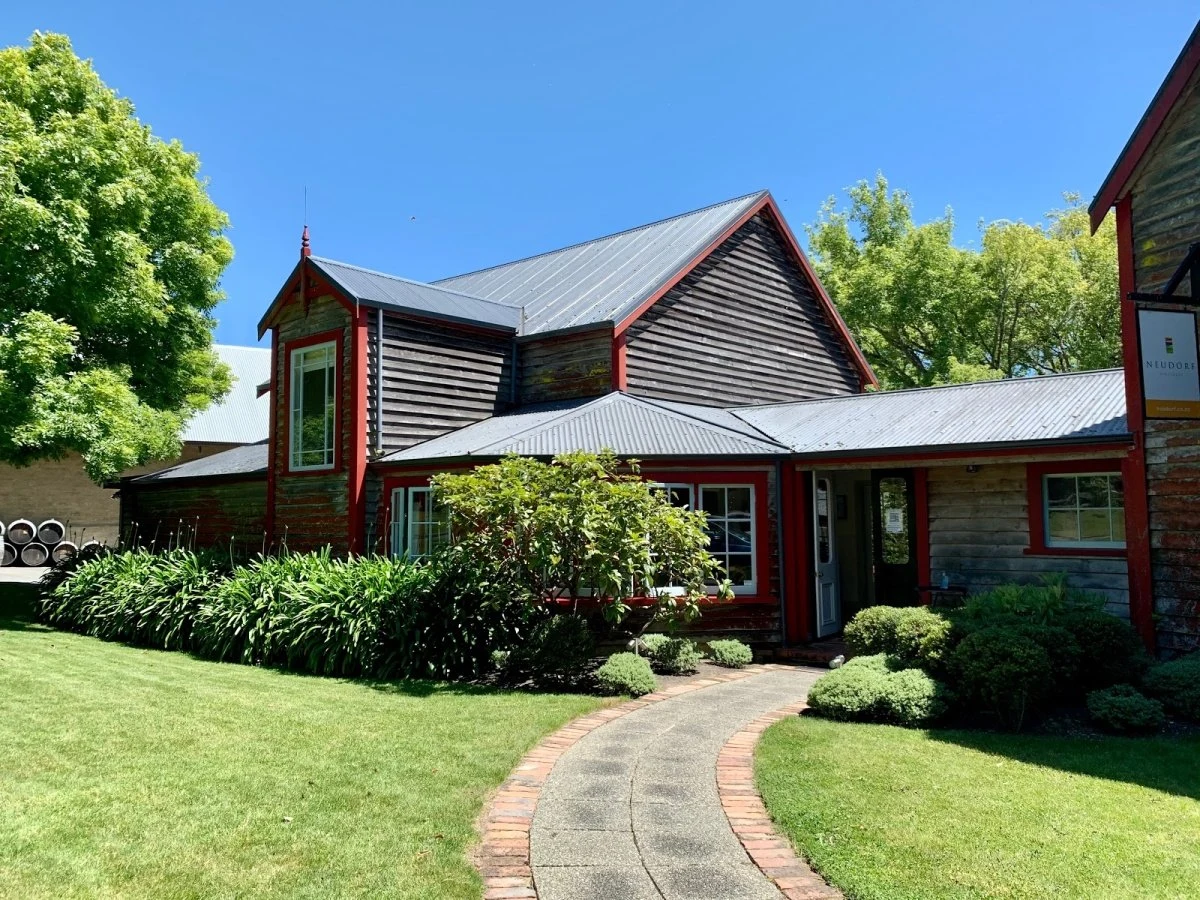
| Neudorf Vineyards | Nelson |
| Seifried Estate | Nelson |
| Tohu Wines | Nelson |
| Waimea Estates | Nelson |