- Falstaff Winery - Listed · 2026
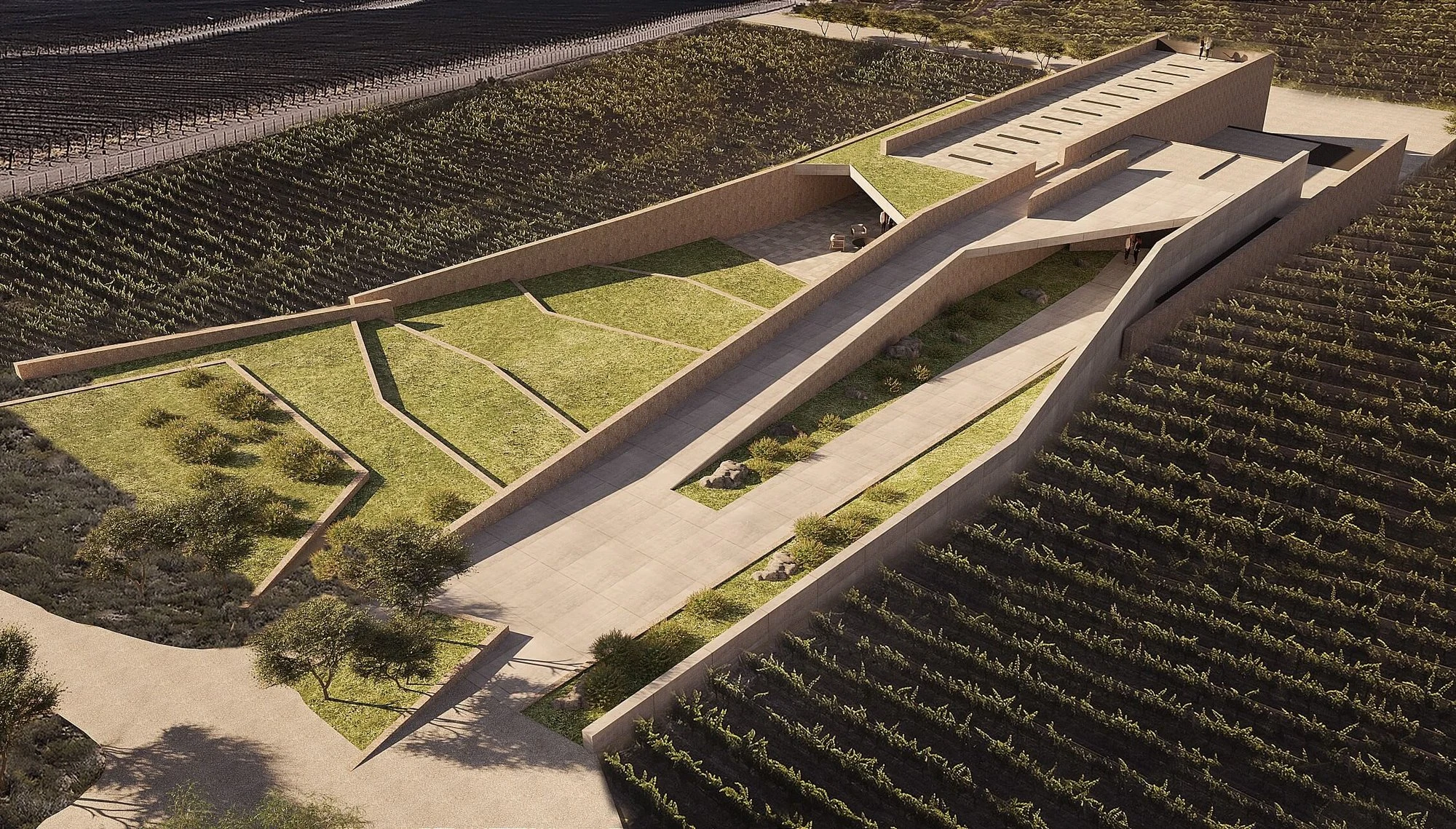
Approaching wine in Tunuyán means treating the Uco Valley setting as central to the experience. Bodega Aleanna is best framed as a producer associated with the El Enemigo and Gran Enemigo wines, with an atmosphere focused on serious, site-driven winemaking and close attention to terroir rather than tourism or entertainment. In that sense, the value of the address is not in a list of visitor amenities, but in the way it concentrates the conversation around origin, interpretation and the character of the wines themselves.
The useful lens here is restraint. Specific visit formats, services, opening arrangements and tasting details should be confirmed directly before planning around them. That caution is part of the point: Bodega Aleanna reads more convincingly as a focused wine stop than as a conventional, fully described hospitality venue. Travelers should approach it with curiosity, but also with the expectation that practical information belongs in a direct confirmation rather than an assumed itinerary template.
The Sunday letter
Find new places through the people who run them.
Our Sunday email brings you the chefs, winemakers and hoteliers behind our newest stories. See a sample before you subscribe.
See a sample of the Sunday emailOne email a week. Unsubscribe from any issue.
Terroir as a map of the Uco Valley
Bodega Aleanna’s identity is tied to the El Enemigo and Gran Enemigo wines in the Uco Valley. That association immediately frames the winery through a more serious and site-conscious vocabulary. The emphasis is on wines that encourage attention to place, and on a producer identity that feels connected to the broader range of Tunuyán rather than separated from it as a standalone attraction.
What is grounded is the broader mood: this is a serious wine address where terroir is the central theme. Rather than presenting the winery as a tourism stop with a fixed public format, it is more accurate to describe it as a producer-led experience whose appeal lies in the way the wines invite comparison, reflection and close reading of place. The Uco Valley context matters because it gives that reflection a geographical and stylistic anchor; the wines are not simply being tasted, but considered as expressions of a particular setting.
That makes Bodega Aleanna especially suited to travelers who are willing to slow down and think about wine in a more analytical way. The experience, as far as it can be responsibly described, is less about checking off a scenic winery and more about engaging with a producer whose reputation is bound to terroir. For visitors who already approach wine through soil, altitude, climate and vineyard character, the appeal is easy to understand without needing to add unnecessary embellishment.
For travelers using Tunuyán as a base, Bodega Aleanna belongs on a more focused wine itinerary: fewer assumptions, more attention to the producer’s Uco Valley context, and direct confirmation of practical details before visiting. It is best positioned as one thoughtful stop in a day that leaves enough room for concentration, rather than as an add-on squeezed between more casual appointments.
A Uco Valley project with a precise authorial line
Bodega Aleanna is a Tunuyán venue whose profile centers on the El Enemigo and Gran Enemigo wines. That association gives the winery a clear identity within the Uco Valley: serious, site-minded and more concerned with the intellectual side of terroir than with entertainment-led hospitality. The phrase “producer-led” is useful here because it keeps the emphasis where it belongs: on the wines, on their relationship to place, and on the disciplined character of the project.
That distinction matters in Tunuyán, where wine travel can easily be reduced to scenery alone. Aleanna is better understood through its producer identity. The atmosphere is described as classic and rustic, with a hidden-gem quality and a functional seriousness that keeps attention on winemaking rather than spectacle. Those descriptors suggest a place whose appeal is quieter and more inward-facing, rewarding visitors who are more interested in what is in the glass than in theatrical presentation.
The hidden-gem quality should not be read as a promise of informality or open-ended access. It is better understood as an editorial cue: this is not being framed as a mass-market stop, but as a winery whose reputation and mood are more specific. The classic and rustic character gives the profile texture, while the functional seriousness prevents the description from drifting into lifestyle language. In practical terms, that means expectations should stay grounded, measured and wine-focused.
For readers building a wider Tunuyán itinerary, compare Bodega Aleanna with other options in the area generically, then confirm the practical details directly. The information supports its positioning as a $$$$ serious Uco Valley producer, but not specific claims about services, schedules, formats or amenities. That distinction is important: the editorial recommendation rests on identity and positioning, not on hospitality details.
How to place it in a Tunuyán wine day
This is a fit for travelers who want a serious, terroir-focused Uco Valley stop rather than a venue defined by entertainment. The profile points to a classic, rustic and discreet atmosphere, with the wines and their sense of place at the center. It is therefore well suited to a day planned with enough patience for attentive tasting and comparison, not simply movement from one address to the next.
The price signal is $$$$, so it belongs in the upper end of a Tunuyán plan. That does not require overcomplicating the itinerary; it simply means the visit should be treated as a considered choice. Build around the seriousness of the producer, confirm the details directly, and let the Uco Valley context remain the main frame for the experience.
Questions
Frequently asked
Who works at Bodega Aleanna?
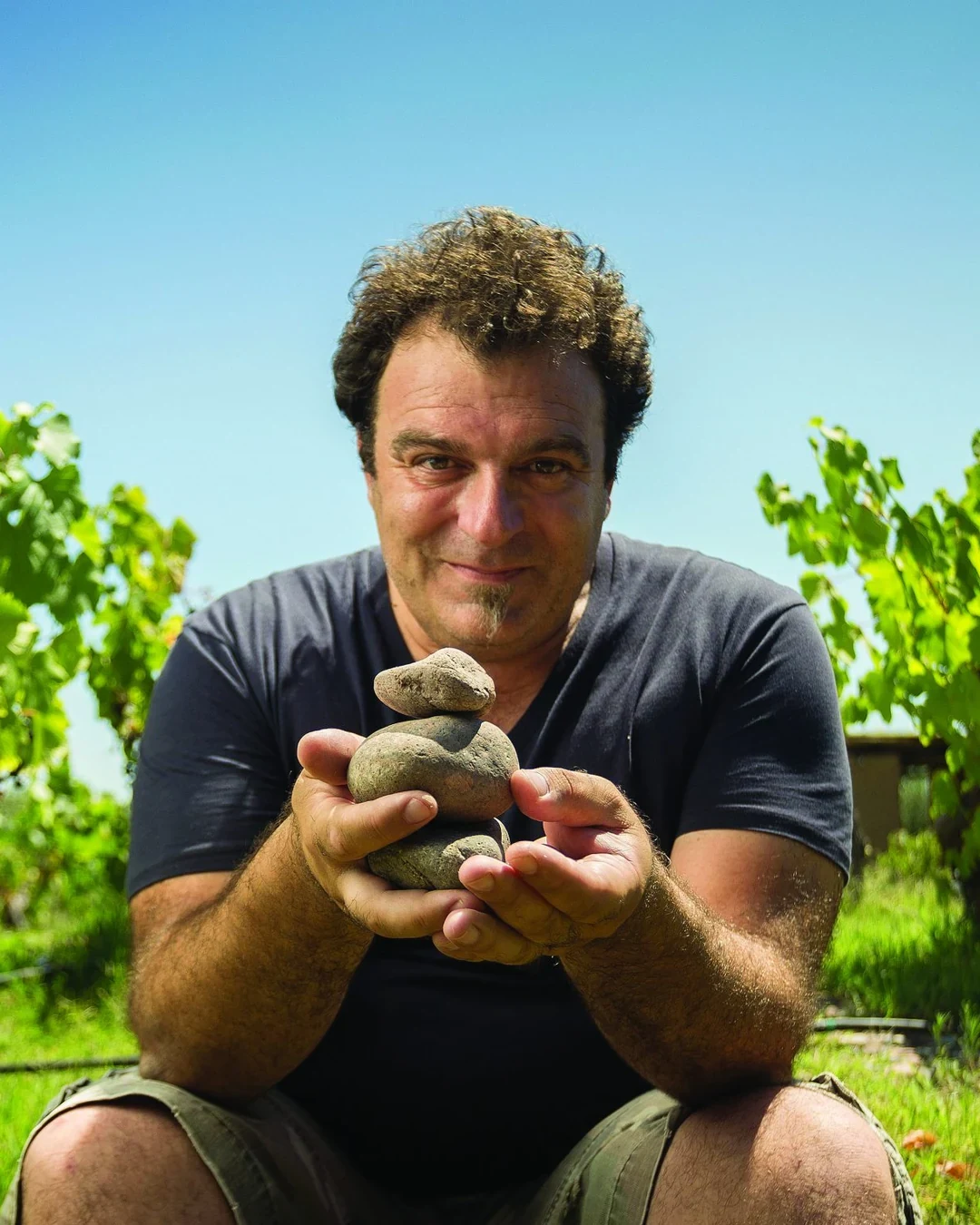
Made By profiles Alejandro Vigil (Winemaker) at Bodega Aleanna.
How expensive is Bodega Aleanna?
Bodega Aleanna is listed at a price level of $$$$.
The field
How it compares
| Place | Notes | Awards |
|---|---|---|
| Bodega Aleanna | Los Chacayes, Tunuyán, $$$$ | · |
| Antucura | Tunuyán | · |
| Bodega DiamAndes | Tunuyán | World's 50 Best |
| Bodega La Azul | Tunuyán | · |
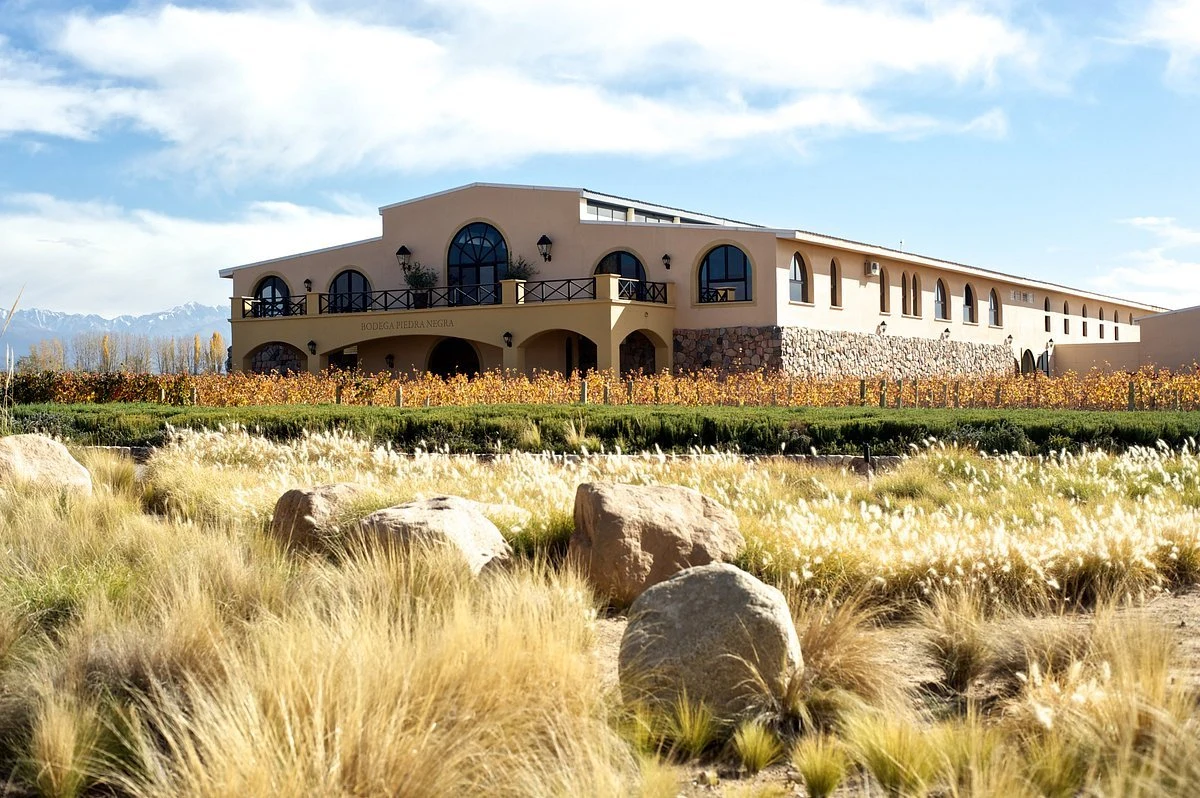
| Bodega Piedra Negra | Tunuyán | · |
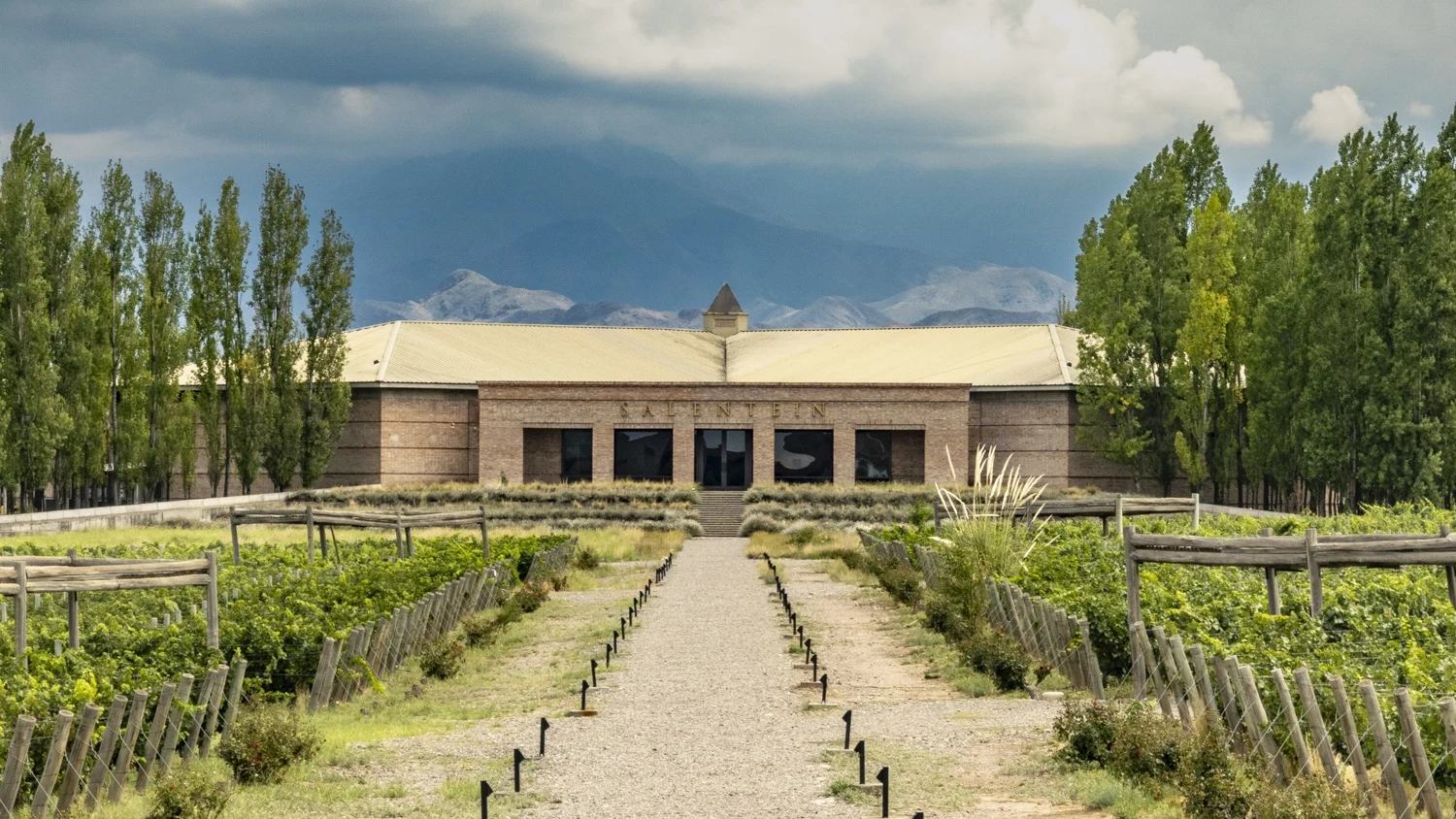
| Bodegas Salentein | Tunuyán | World's 50 Best |
| Zuccardi Valle de Uco | Tunuyán | World's 50 Best |
In residence
Similar places
The Sunday letter
Get the next Made By story in your inbox.
We send one email every Sunday morning with the places and people we covered that week.
See a sample of the Sunday emailOne email a week. Unsubscribe from any issue.