Organic fruit at 1100m
- Falstaff Winery - Listed · 2026
- Pearl 2 Star Prestige · 2025
Keeping the ground in the glass
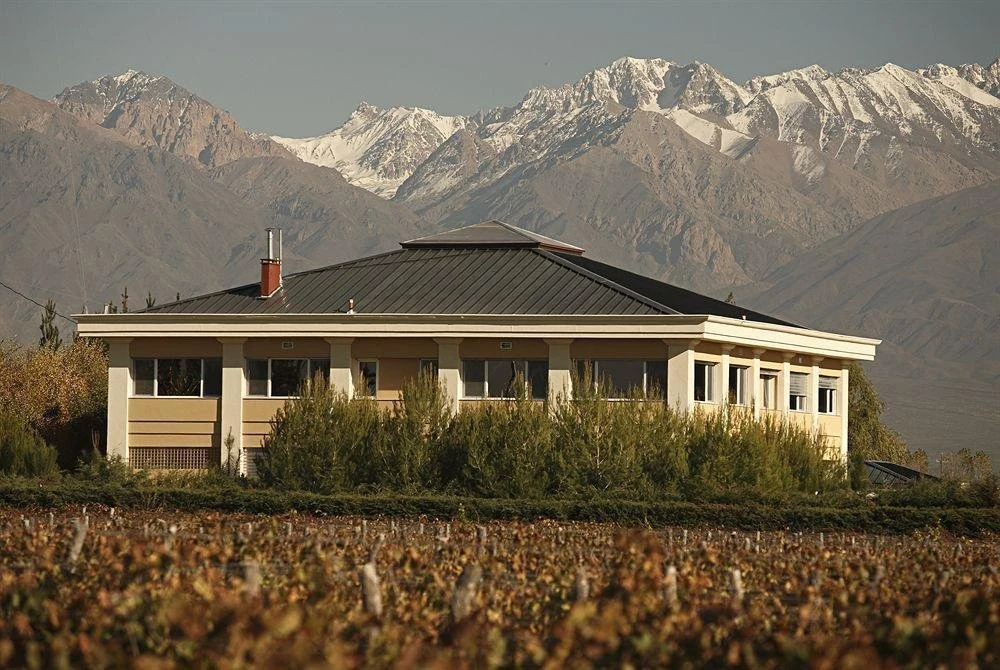
High-altitude fruit sets the terms before François Lurton, winemaker at Bodega Piedra Negra in Vista Flores, Tunuyán, begins to shape it. His word for the job is winegrowing, not styling, and that choice matters at a cellar working from organic vineyards at 1100m in the semi-desert foothills of the Andes. The place asks for restraint: sun, altitude, dry air, and mountain light give the fruit its line before any cellar decision can improve or blur it.
Lurton’s Argentine work did not begin here as a finished estate story. He consulted with Nicolás Catena, then made his own wines in rented space at Bodegas Escorihuela until 1996, a practical arrangement where timing, volume, and available tools pressed directly on the method. Since 2007 he has also managed overseas projects for J.&F. Lurton, but the thread at Bodega Piedra Negra stays close to his stated aim: “I'm a winegrower, and my goal is to express the terroir.” In Los Chacayes, that means letting site carry identity without asking cellar work to decorate it.
Organic vineyards under Andean pressure
The program at Bodega Piedra Negra is built around organic farming and a small scale, with Malbec, Cabernet Sauvignon, Pinot Gris, Cabernet Franc, and Côt forming the named palette. The house’s signature wines, Chacayes, Piedra Negra Gran Malbec, and Piedra Negra Malbec Reserva, point toward origin rather than breadth. They read as a set of decisions around place: structure without disguise, fruit without excess polish, and a cellar hand that keeps the terrain legible.
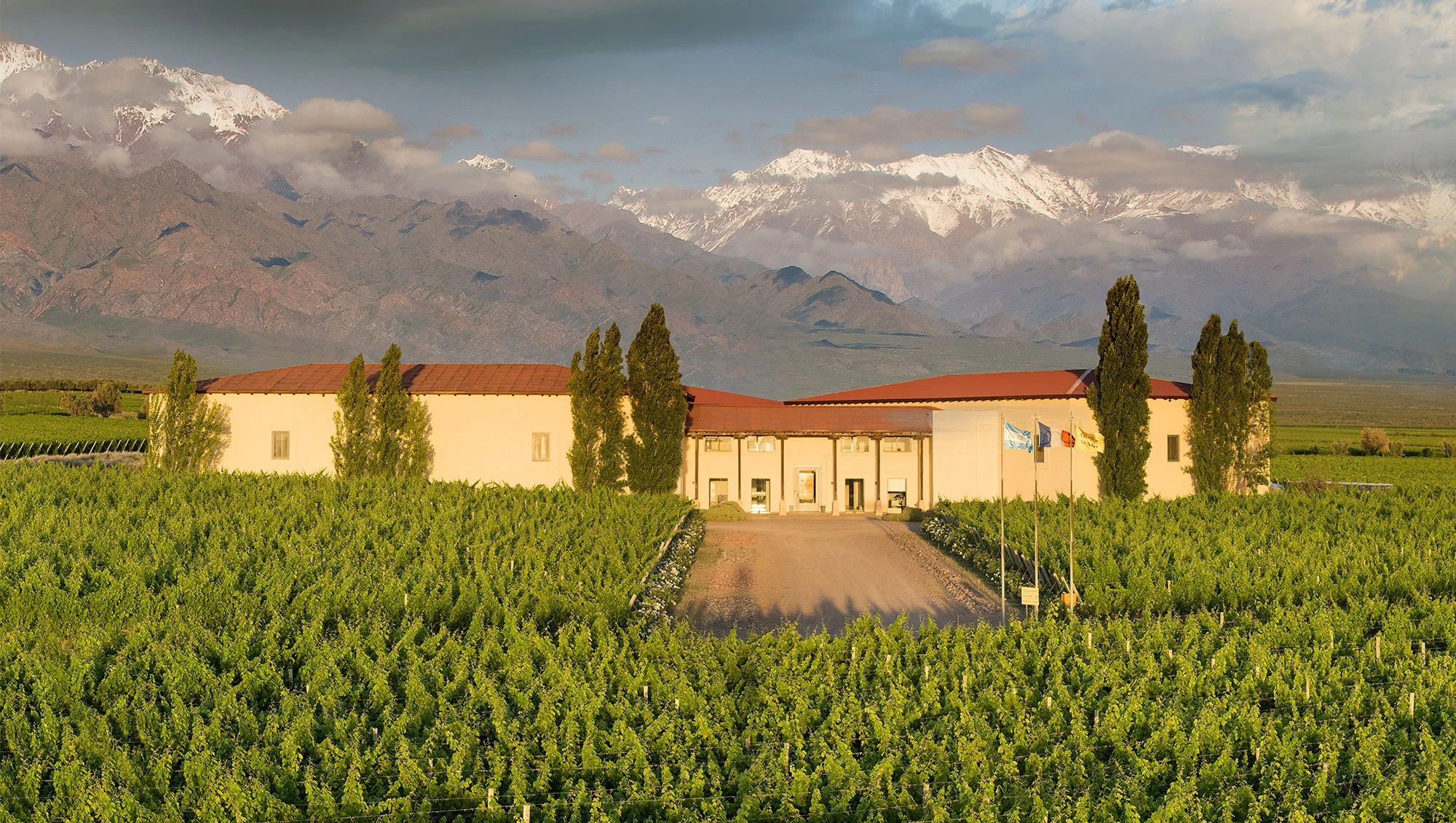
Los Chacayes sits within the Uco Valley, where the setting is not background. At 1100m, the vineyard works in a semi-desert climate at the foot of the Andes, with panoramic exposure and the quiet severity that altitude brings. Bodega Piedra Negra does not publish detailed fermentation or ageing protocols for these wines, so the most reliable description of the method remains agricultural: organic vines, high-altitude fruit, still red, white, and rosé wines, and a winemaker who frames the work from the vineyard outward.
The cellar beside the foothills
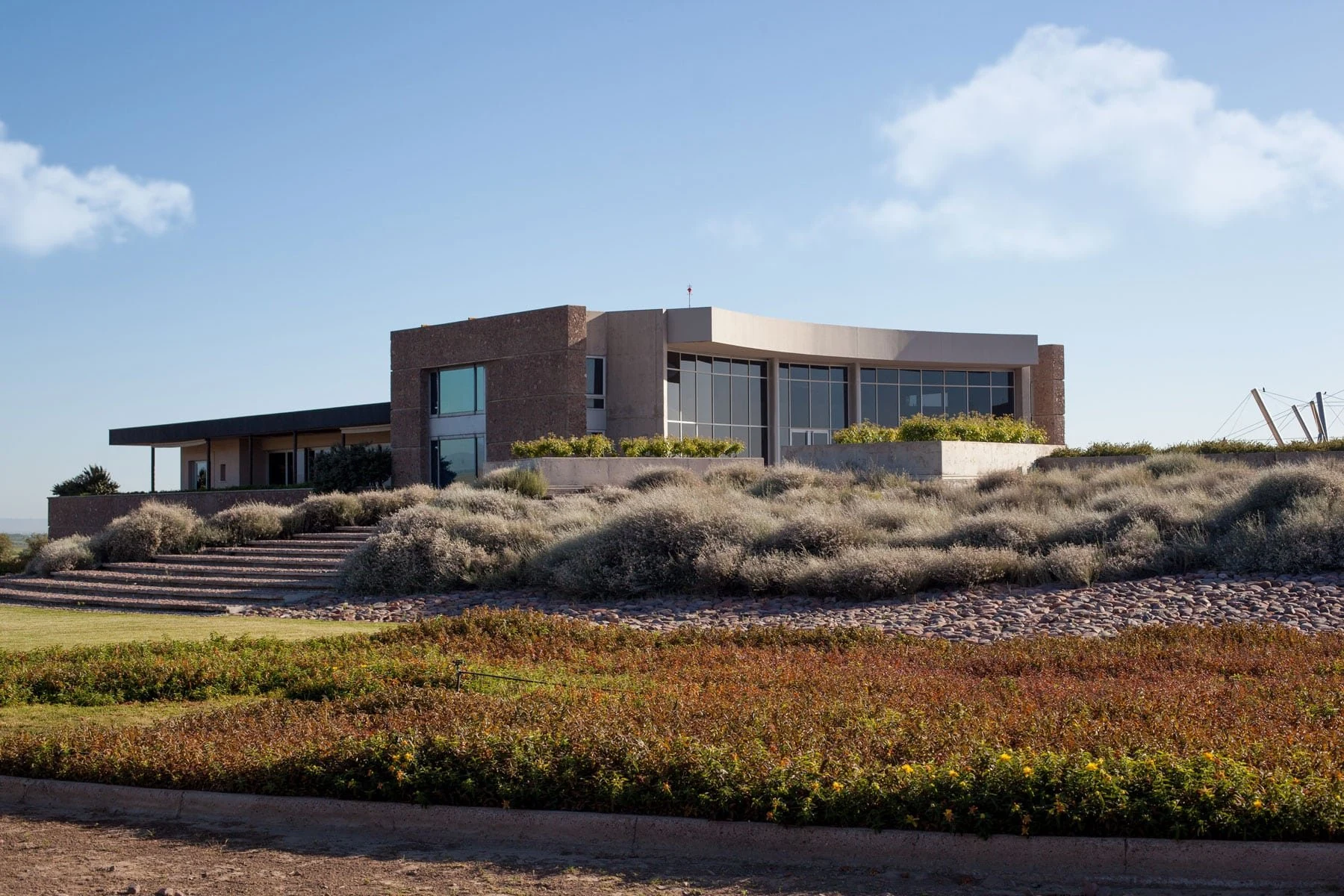
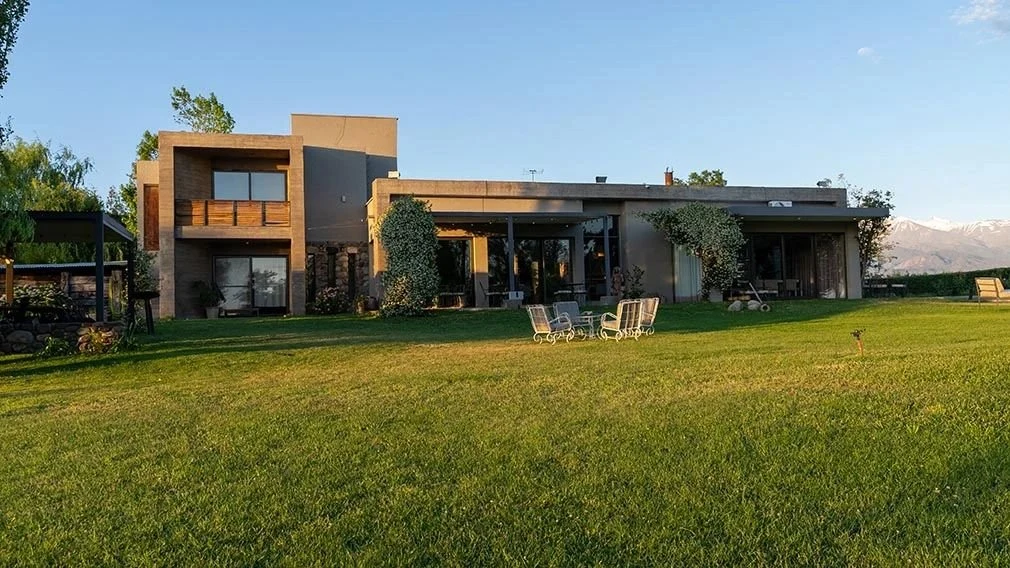
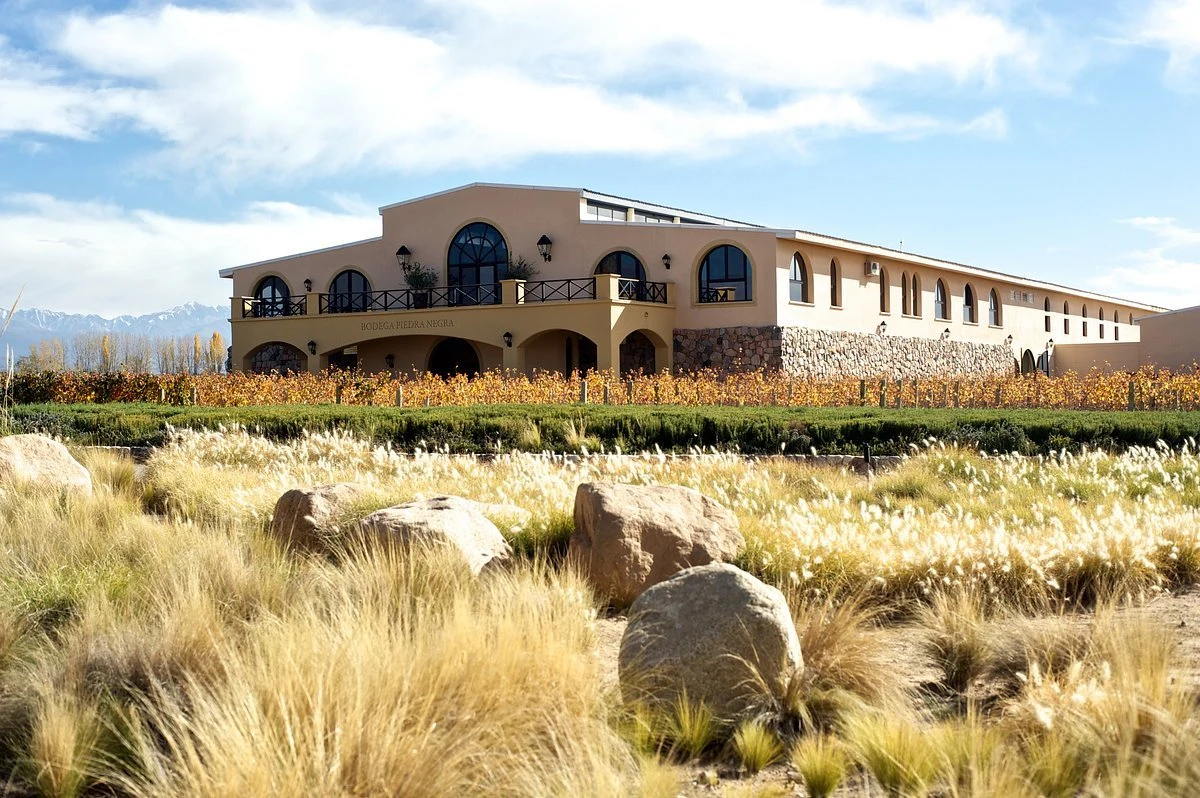
The tasting room looks back across vineyard rows toward the mountains, and the atmosphere follows the terrain rather than interrupting it. Quiet suits this kind of place. Visitors come into a relaxed, welcoming room where guided tastings carry the emphasis back to organic winemaking, the appellation, and the semi-desert conditions that shape the fruit. The cellar is not presented as theatre; it is the working side of a landscape that already has force.
That restraint gives Bodega Piedra Negra its pace. The wines are still wines, and the room allows them to be read that way: Malbec beside Cabernet Franc, Pinot Gris beside the red program, each one tied back to vineyards rather than spectacle. The craft here is not a flourish at the end of production. It begins in Los Chacayes soil, in the organic discipline of the rows, and in Lurton’s insistence that the glass should return to Chacayes.
Questions
Frequently asked
Who makes the wines at Bodega Piedra Negra?
François Lurton is the winemaker at Bodega Piedra Negra. He describes the work as winegrowing and says his goal is to express the terroir.
What is Bodega Piedra Negra known for?
Bodega Piedra Negra works with organic vineyards at 1100m in Los Chacayes, in the Uco Valley, and the wines are shaped by the semi-desert foothills of the Andes. Its named wines include Chacayes, Piedra Negra Gran Malbec, and Piedra Negra Malbec Reserva.
What kinds of wines are made there?
The program includes Malbec, Cabernet Sauvignon, Pinot Gris, Cabernet Franc, and Côt. The cellar produces still red, white, and rosé wines.
What is the tasting room like?
The tasting room looks back across the vineyard rows toward the mountains. Visitors are welcomed into a relaxed room where guided tastings focus on organic winemaking, the appellation, and the conditions of the site.
Do I need to book a visit in advance?
Reservations are recommended.
The field
How it compares
| Place | Notes | Awards |
|---|---|---|
| Bodega Piedra Negra | Vista Flores, $$ | · |
| Antucura | Tunuyán | · |
| Bodega Cuvelier Los Andes | Tunuyán | · |
| Bodega DiamAndes | Tunuyán | World's 50 Best |
| Bodega La Azul | Tunuyán | · |
| Bodegas Salentein | Tunuyán | World's 50 Best |
| Zuccardi Valle de Uco | Tunuyán | World's 50 Best |