Whole clusters, concrete, named Rioja plots
- Falstaff Winery - 5 Stars · 2026
Parcel work in Banos De Ebro
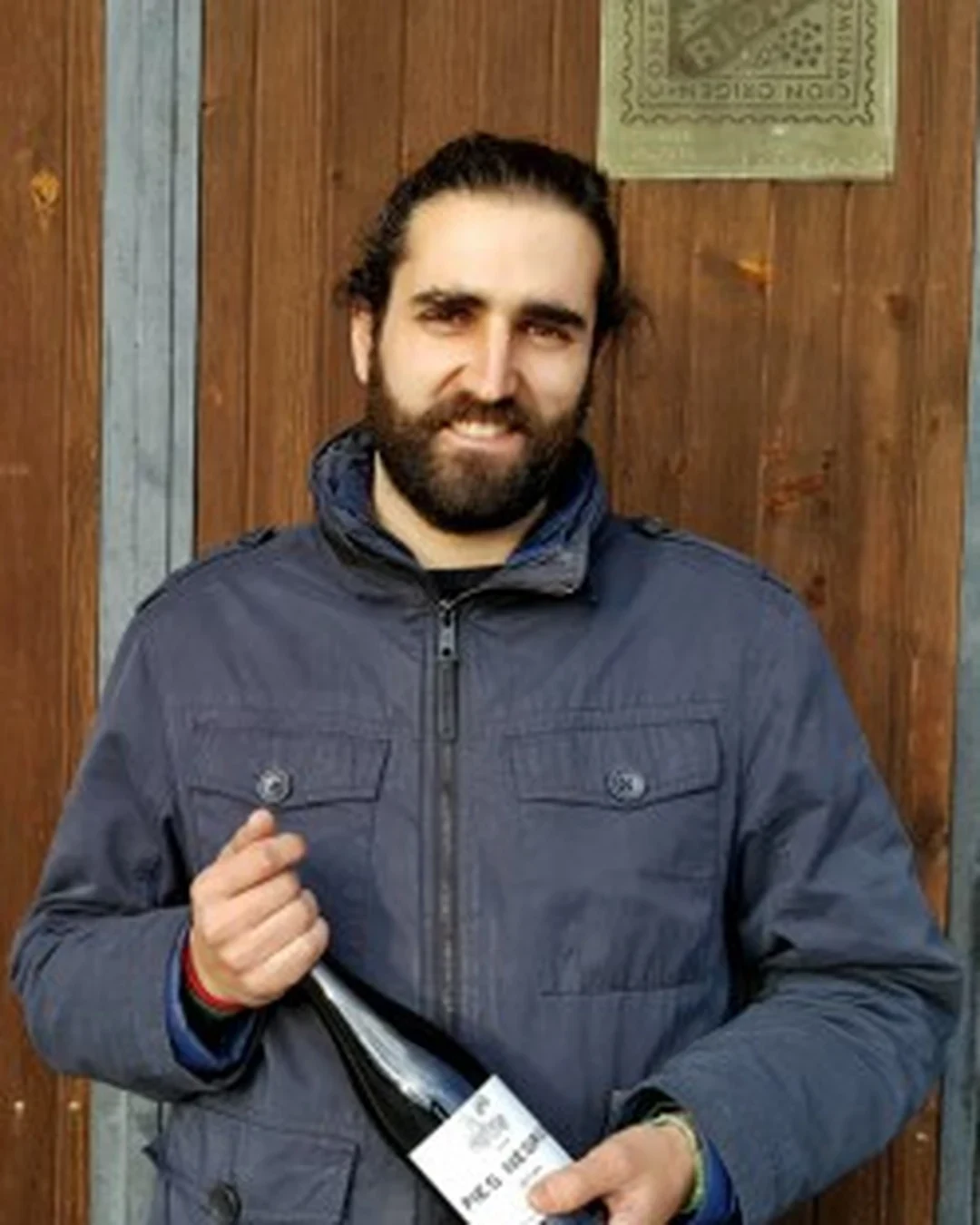
Whole clusters arrive with their stems intact for some of the young reds at Bodega Viña Artuke in Banos De Ebro. There, Kike de Miguel Blanco, winemaker, works from that premise: origin first, cellar second. The house belongs to the small, family-run grain of Rioja Alavesa, with a history tied to viticulture rather than to display. Its clearest founding marker is 1991, when Roberto de Miguel moved from bulk wine toward bottled wine, giving the estate a more precise address for its farming and its name. Artuke itself draws from the names of the brothers who brought the project into its present register, though the public role named here is Kike’s work as winemaker. His language is modern and terroir-focused, shaped by restraint rather than ornament. The estate does not frame its identity around a long list of outside posts. It returns to Baños de Ebro, to the family parcels, and to the decision to let village and plot carry the line.
Concrete, stems, and named plots
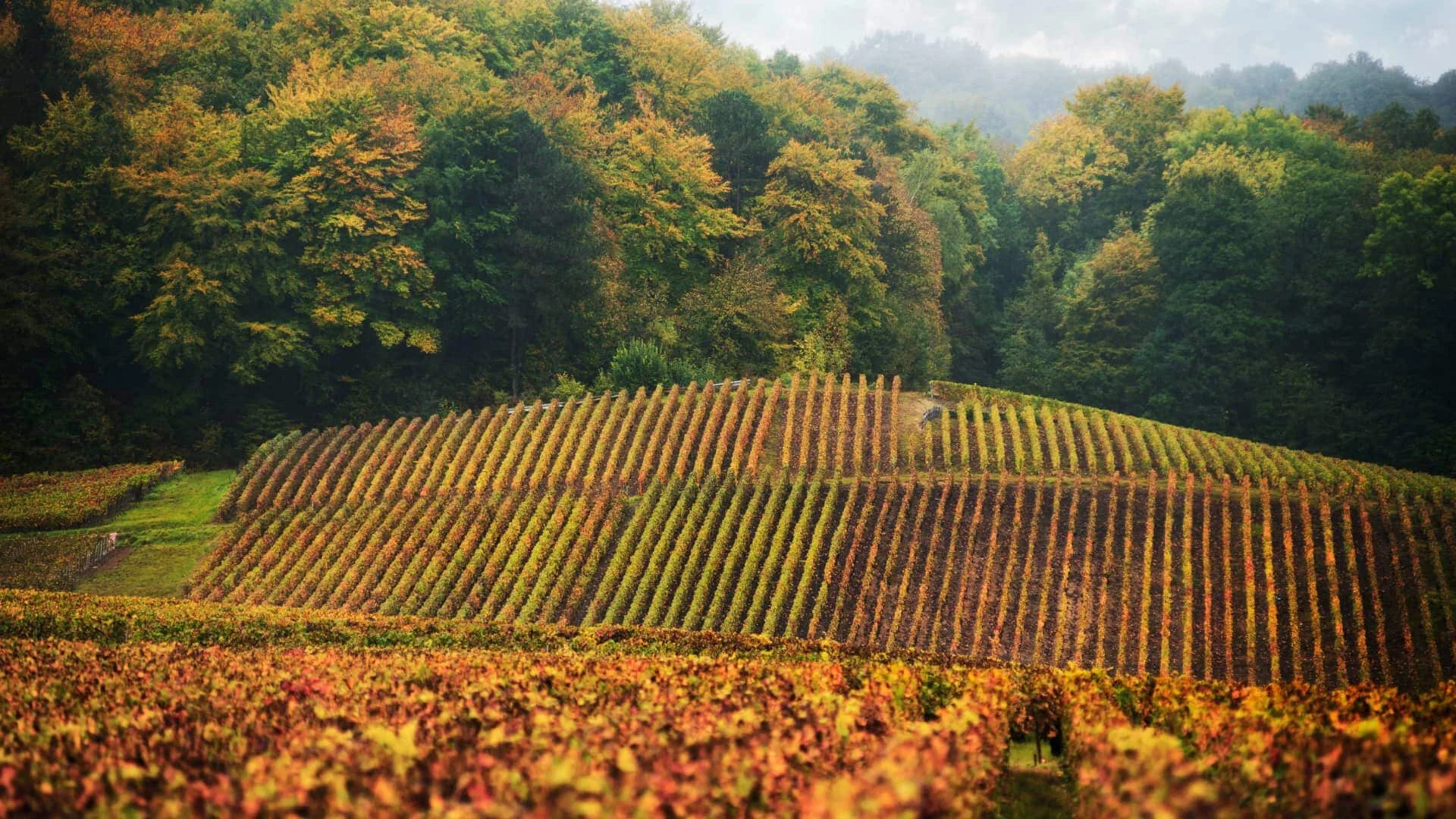
The working scale matters here. Artuke farms 22 hectares across 32 plots in Baños de Ebro and Ábalos, a structure that asks for separate attention rather than a single estate blend. The basic Rioja Tinto gives the method in plain terms: 95% Tempranillo and 5% Viura, with accounts describing carbonic maceration, whole-cluster fermentation, no destemming, and young bottling. One description places its aging at about 5–6 months in concrete tanks, which explains the absence of a heavy oak signature. The technique is not nostalgia. It is a way to keep lift, red fruit, and the snap of acidity inside a region often read through barrel age. For the vineyard wines, the names become the map: Las Manas, Los Locos, El Escolladero, La Condenada. La Condenada carries the most exact published vineyard detail, a once-abandoned sandy plot at 530 meters, planted in 1920 with Tempranillo, Garnacha, Graciano, and local varieties. That is the cellar’s discipline: protect the difference before blending can blur it.
A village winery without theatre
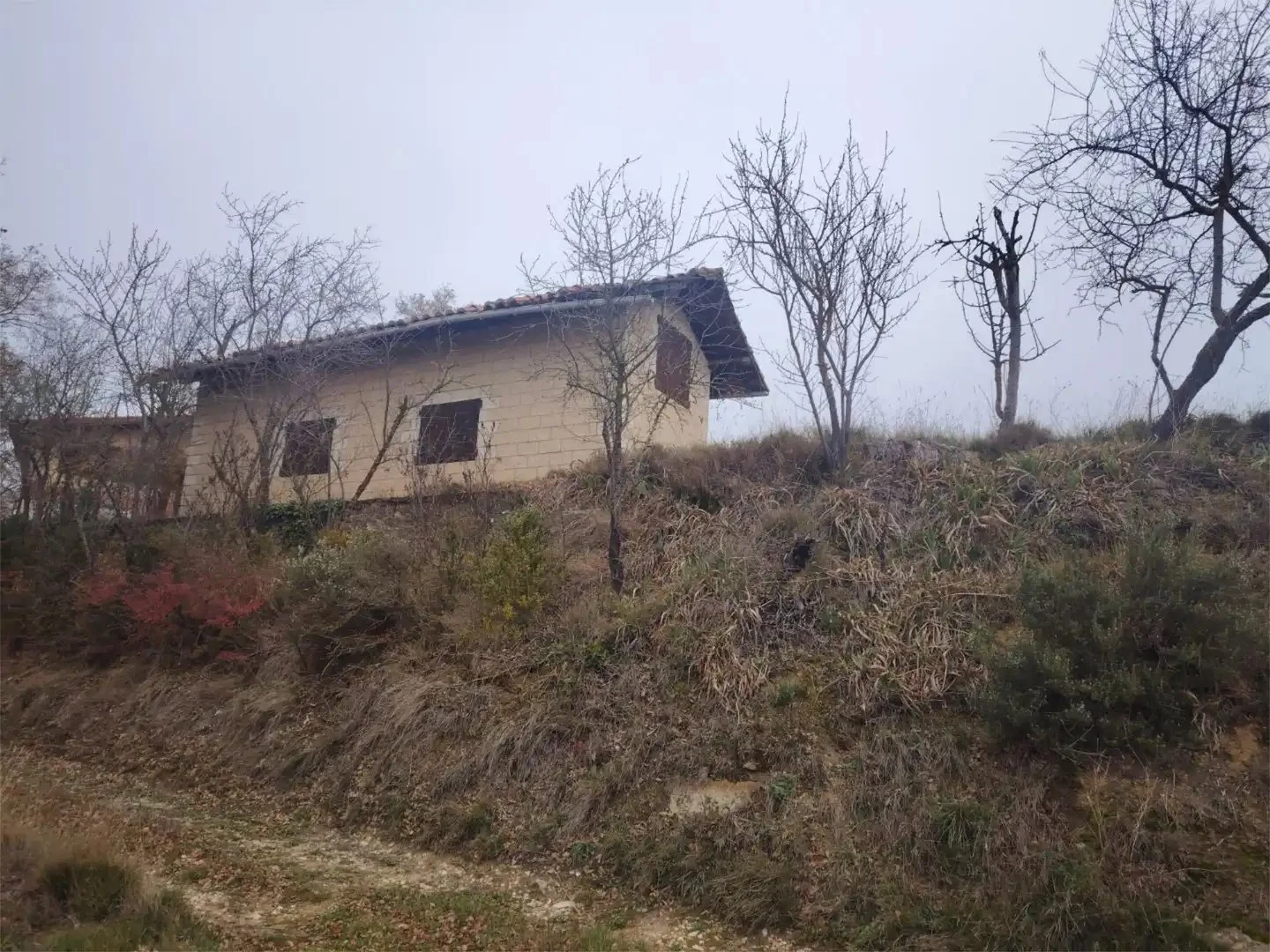
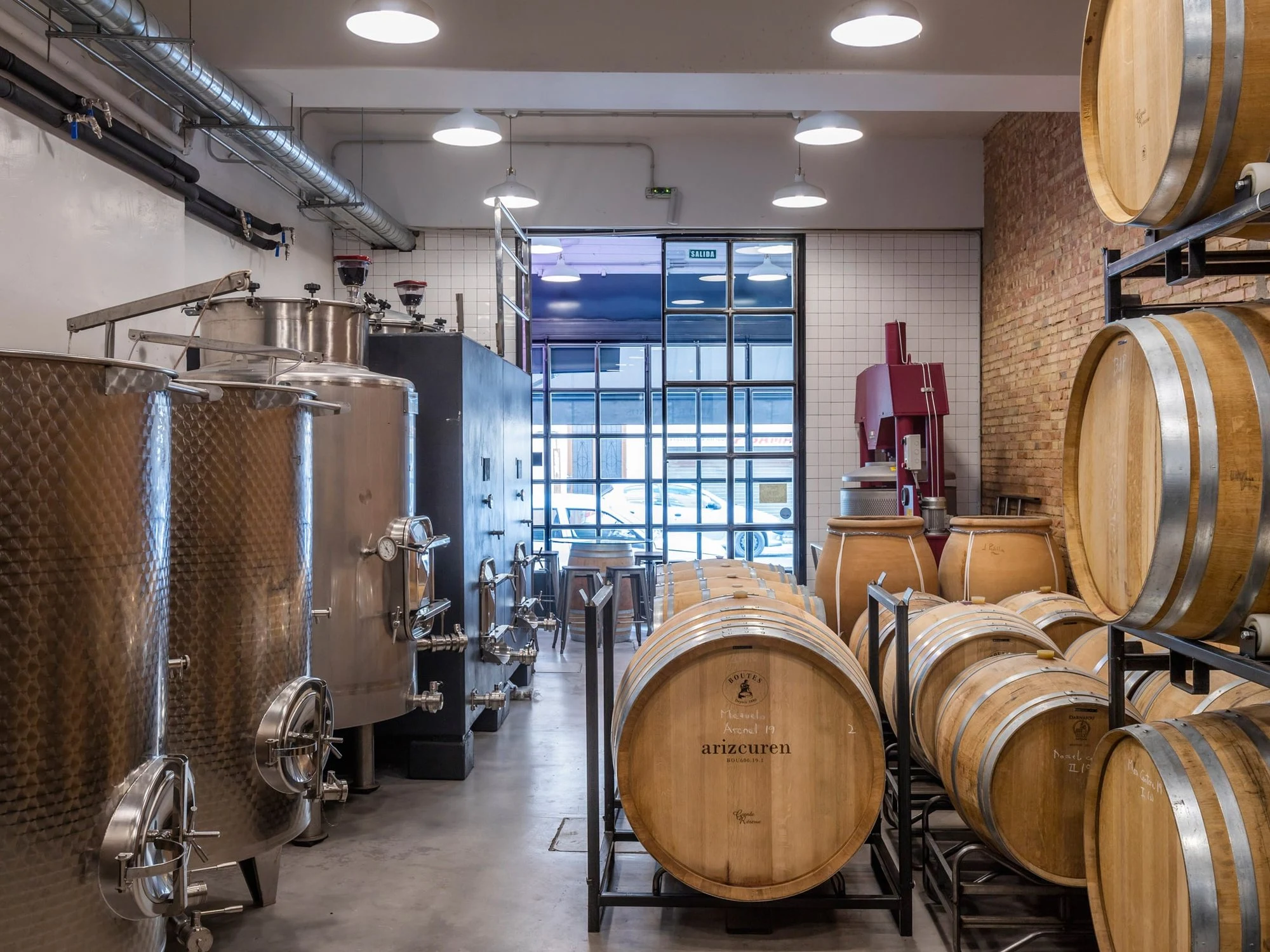
The cellar sits inside the village fabric rather than apart from it, with the working-estate feel of a rural Rioja Alavesa bodega. The point is not architecture. It is the movement between vineyard, tank, and bottle, and the patience required when a small holding breaks itself into many decisions. Tastings here are best understood through comparison: a young, concrete-aged red beside a named plot; Baños de Ebro set against Ábalos; freshness held against the old expectation of weight. The room stays quiet because the wines ask for that kind of attention. There is no need to dress the method. The concrete tanks, the whole clusters, and La Condenada give the house its vocabulary.
Questions
Frequently asked
Who makes the wines at Bodega Viña Artuke?
Kike de Miguel Blanco is the winemaker at Bodega Viña Artuke in Baños de Ebro.
What is the estate known for?
The winery works from parcel by parcel farming in Rioja Alavesa, with a focus on origin, whole clusters, and named vineyard plots rather than heavy oak or a broad estate blend.
What kinds of wines does Artuke produce?
Its basic Rioja Tinto is made from 95% Tempranillo and 5% Viura, with carbonic maceration, whole-cluster fermentation, no destemming, and a short ageing period in concrete tanks. The estate also bottles named plot wines such as Las Manas, Los Locos, El Escolladero, and La Condenada.
What is known about La Condenada?
La Condenada comes from a once-abandoned sandy plot at 530 metres, planted in 1920 with Tempranillo, Garnacha, Graciano, and local varieties.
Can visits be booked in advance?
Visits are by appointment only.
The field
How it compares
| Place | Notes | Awards |
|---|---|---|
| Bodega Viña Artuke | Rioja Alavesa, $$ | · |
| Bodegas Dominio Berzal | Banos De Ebro | · |
| Harlan Estate | Napa | · |
| Herdade do Esporão | Reguengos de Monsaraz | World's 50 Best |
| Masi | Sant'Ambrogio di Valpolicella | · |
| Rippon Vineyard | Wānaka | World's 50 Best |
| Ruinart | Reims | World's 50 Best |