Swedish apples concentrated by winter
- Falstaff Winery - Listed · 2026
Apples held for the cold
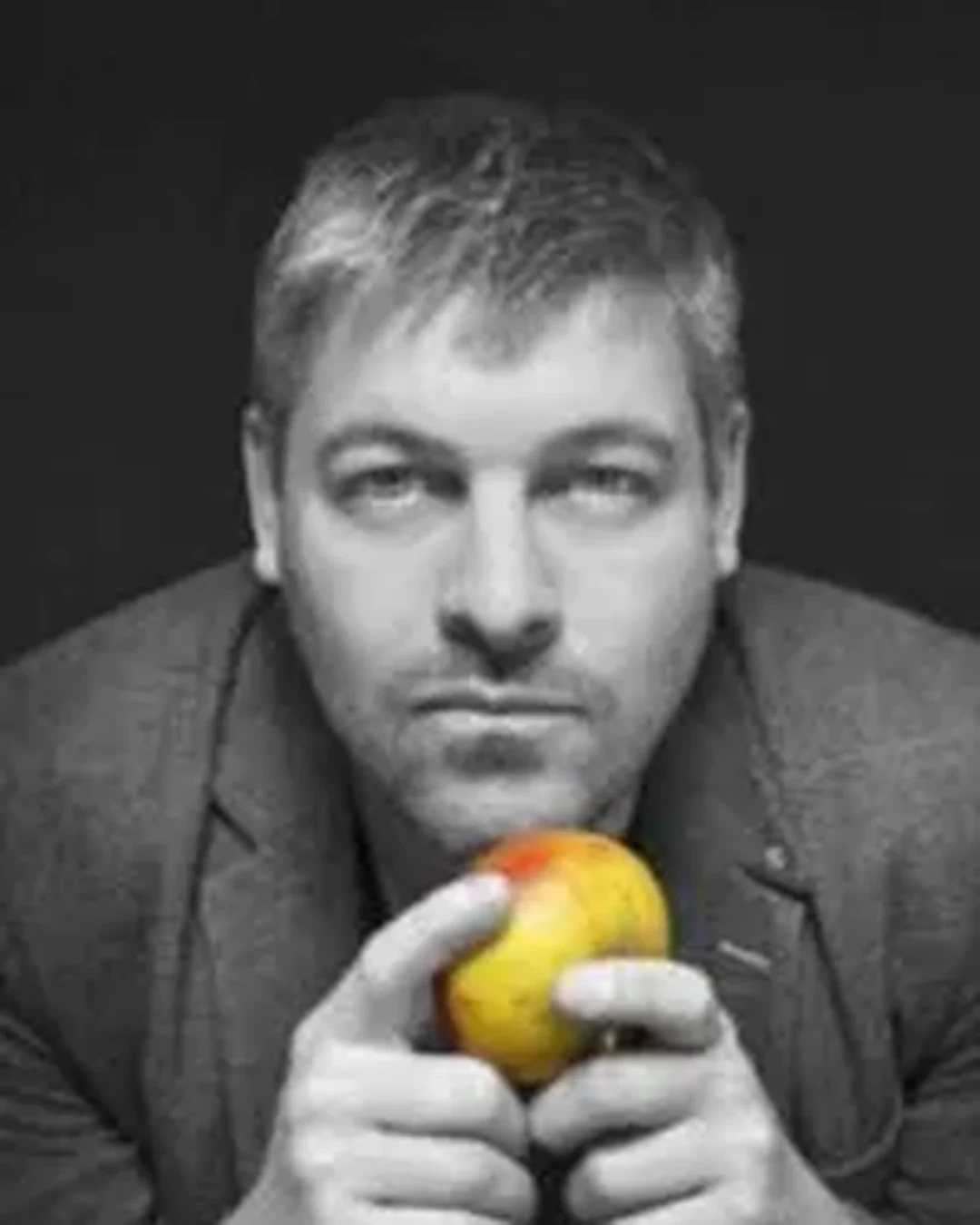
Apples wait in chilled storage before winter does its work; Andreas Sundgren, winemaker at Brännland Cider in Vannas, built the house around that delay. He has served as founder and CEO since 2010, a title that sounds administrative until the method comes into view. The program depends on accepting Umeå and Västerbotten as conditions of the craft, not as obstacles to be corrected. Sundgren has described the choice plainly: if he wanted to make wine and live in Umeå, he had to compromise. At Brännland, that compromise became the discipline of ice cider.
His working language keeps the boundary clean. Cider, for Sundgren, separates grape wine from apple wine; Brännland’s own definition is a wine made from 100% apple juice, made in the same way as wine. That is not a soft claim for cider to borrow prestige from another cellar. It is a practical position. The raw material changes, the expectations do not. Fermentation, balance, residual sweetness, acidity and length all sit inside the same frame of judgment that a winemaker would bring to grapes.
The Sunday letter
Find new places through the people who run them.
Our Sunday email brings you the chefs, winemakers and hoteliers behind our newest stories. See a sample before you subscribe.
See a sample of the Sunday emailOne email a week. Unsubscribe from any issue.
Winter as the concentrating tool
The method begins with Swedish apples and northern cold. Fruit is harvested in October, then held until December, when winter begins to concentrate the juice by freezing water out of the must. Brännland works with cryoconcentration, using the climate rather than artificial concentration or sugar addition. Before fermentation, the juice reaches at least 30 Brix. Afterward, the finished ice cider sits within a required 7% to 13% ABV range, with no less than 130 grams per liter of residual sugar.
Those numbers matter because sweetness alone would make a blunt wine. Brännland’s work turns on the tension between sugar and the acidity of the apple, a structure that can hold dessert-wine weight without losing cut. Fermentation follows in spring, after the winter concentration has done its part. The house does not frame this as novelty. It is a cellar logic built around another fruit and another season, with Brännland Iscider Barrique, Pernilla Perle and Perle marking different registers of the same method.
A quiet room west of Umeå
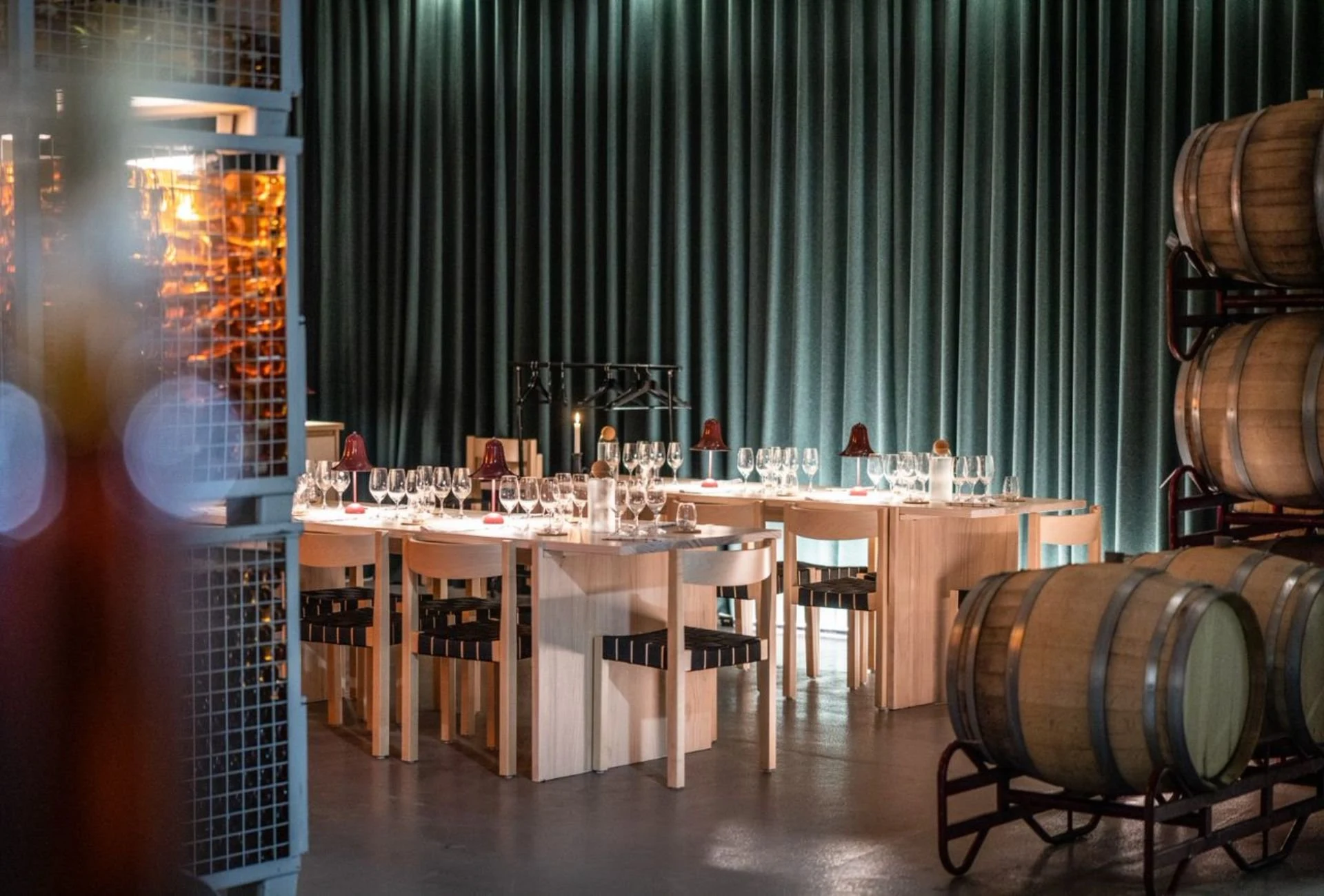
The tasting room sits in Vännäsby, about 20 minutes west of Umeå, and the scale suits the work. The room is small and instructional without becoming theatrical; the point is to connect the glass to the cold outside, the apple before pressing, and the slow decisions that make concentration possible. This is not a cellar of abundance. It is a place where restraint is visible, from the controlled pace of the tour to the way the bottles ask for attention rather than volume.
Visitors see the production setting and taste indoors, but the stronger impression is of a house arranged around one recurring winter act. The village setting keeps the frame narrow. Snow, storage, juice, fermentation, bottle. Sundgren’s SISGA 15 gold medal and the glass of Brännland Iscider Barrique are part of that line of work.
Questions
Frequently asked
What is Brännland Cider known for?
Brännland Cider makes ice cider from Swedish apples and northern cold, using cryoconcentration rather than artificial concentration or sugar addition. The house describes its cider as a wine made from 100% apple juice, made in the same way as wine.
Who is behind the cider here?
Andreas Sundgren is the winemaker, founder and CEO of Brännland Cider, a role he has held since 2010.
How does the ice cider making work?
Apples are harvested in October and held until December, when winter freezes water out of the must and concentrates the juice. Fermentation follows in spring, after the winter concentration has done its work.
Can you visit without booking?
Visits are by appointment only. The tasting room is in Vännäsby, about 20 minutes west of Umeå, and there is an on-site parking lot.
Has Brännland Cider received any recognition?
Andreas Sundgren has a SISGA 15 gold medal.
The field
How it compares
| Place | Notes | Awards |
|---|---|---|
| Brännland Cider | Vännäsby, $$$ | · |
| Ardbeg | Port Ellen | · |
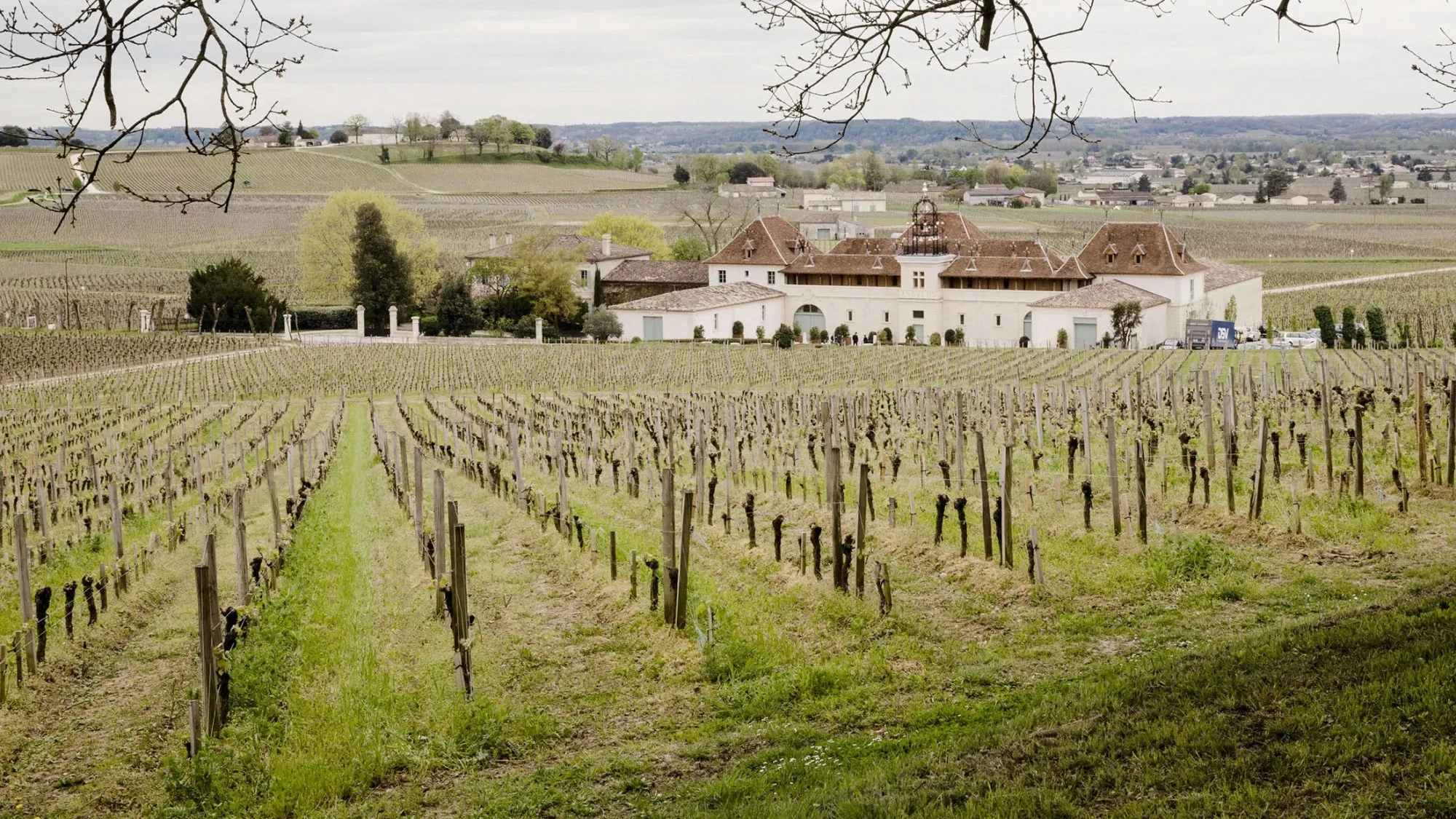
| Château Angelus | Saint-Émilion | · |
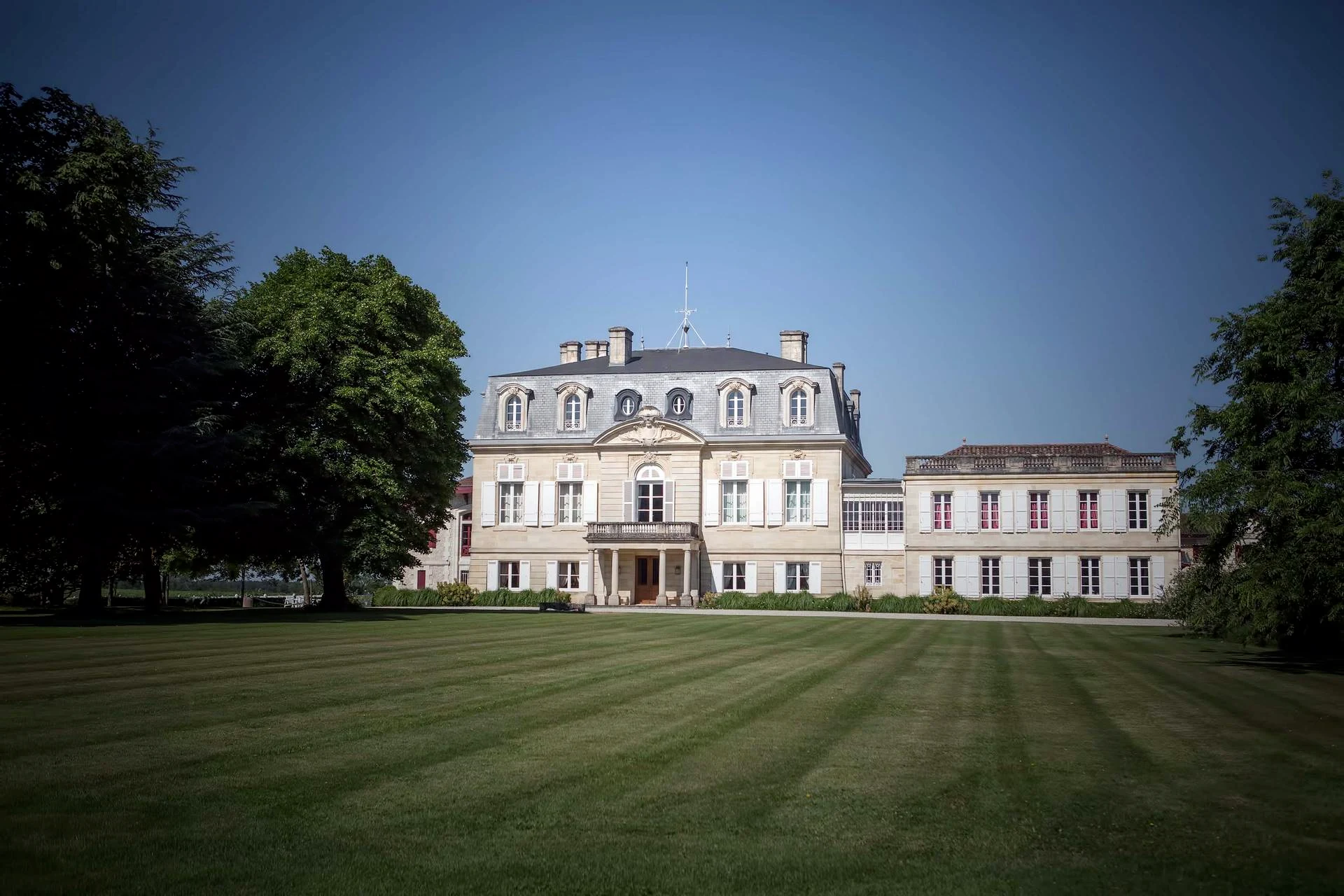
| Château Pontet-Canet | Pauillac | · |
| Château Smith Haut Lafitte | Martillac | World's 50 Best |
| Domaine Bonneau du Martray | Pernand-Vergelesses | · |
| Tenuta San Guido | Bolgheri | · |
In residence
Similar places

The Sunday letter
Get the next Made By story in your inbox.
We send one email every Sunday morning with the places and people we covered that week.
See a sample of the Sunday emailOne email a week. Unsubscribe from any issue.