Château Smith Haut Lafitte
In Residence
Fabien Teitgen
Winemaker
- 01CityMartillac, France
- 02RecognitionWorld's 50 Best — No. 5
Biodynamic Bordeaux, wood chosen by taste
- World's 50 Best · #5 · World's 50 Best Restaurants
- Michelin 1 Grape · 2026
- Falstaff Winery - 3 Stars · 2026
- Pearl 4 Star Prestige · 2025
- World's 50 Best Best Vineyards #5 · 2025
- World's 50 Best Best Vineyards #7 · 2024
- World's 50 Best Best Vineyards #5 · 2023
- World's 50 Best Best Vineyards #13 · 2022
- World's 50 Best Best Vineyards #12 · 2021
- World's 50 Best Best Vineyards #7 · 2020
- World's 50 Best Best Vineyards #16 · 2019
Tasting the wood before the barrel
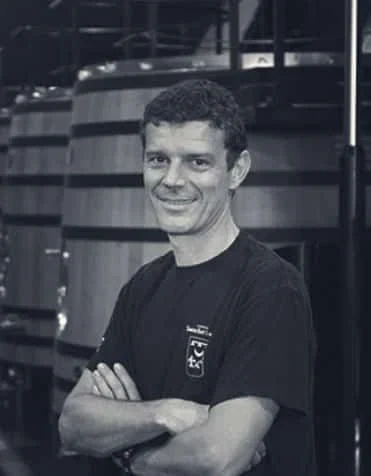
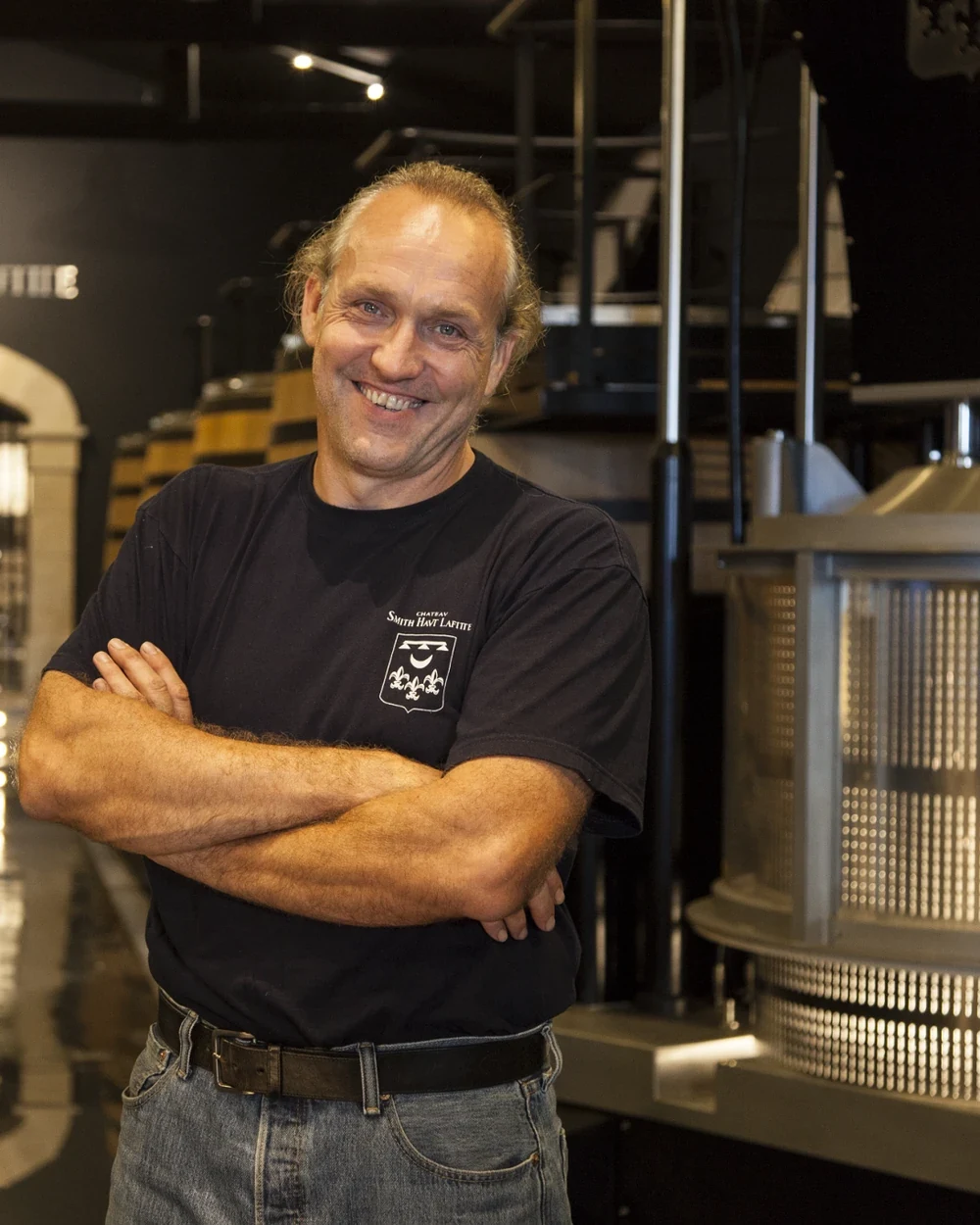
Fabien Teitgen tastes wood in the forest before barrels enter the cellar at Château Smith Haut Lafitte in Martillac. As Managing Director, agronomist and oenologist, Fabien Teitgen keeps the work tied to vineyard, cooperage and blend rather than letting those decisions sit in separate rooms. He joined the estate in October 1995 as vineyard manager, then served as technical director for six years, and has led technical and operational work here for over 20 years. That span matters at a property where the program moves across Cabernet Sauvignon, Merlot, Cabernet Franc, Petit Verdot, Sauvignon Blanc, Sauvignon Gris and Semillon, all under AOC Pessac-Leognan. His brief is not only cellar-side. It begins in the rows, with organic and biodynamic practice, and continues through optical sorting and custom barrel selection. The estate also carries a second technical thread through the Cathiard Vineyard in Napa Valley, acquired in 2020, where Teitgen adapts Bordeaux methods to Cabernet Sauvignon-focused wines. The Bordeaux bench remains the root.
Biodynamic work at estate scale
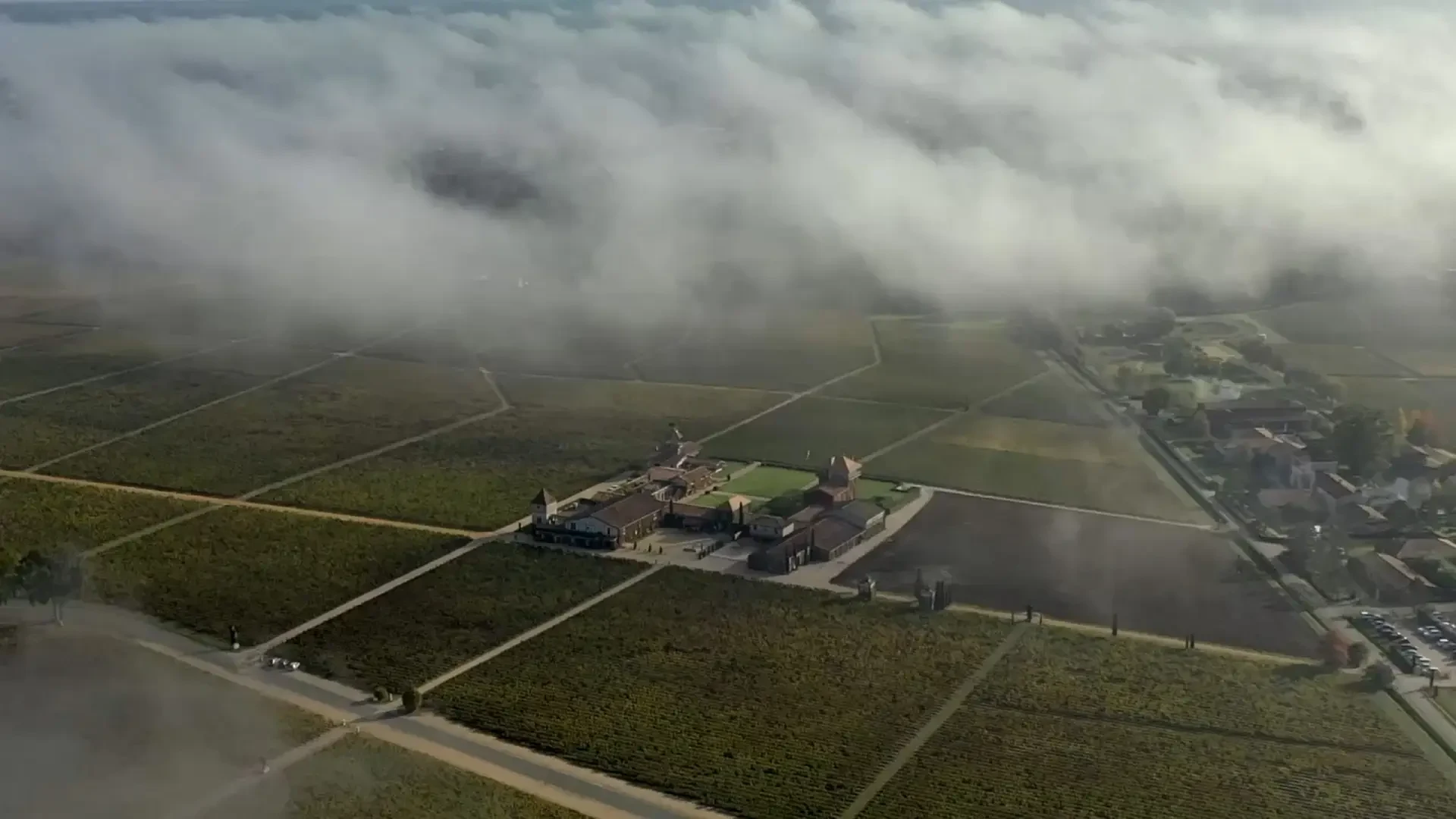
The production philosophy here is biodynamic, carried through a property of 80 hectares of vineyards within a wider setting of woodland, orchards and beehives. The house works at approximately 18,500 cases annually, with 120,000 bottles of red wine and 30,000 bottles of white wine. Those figures give the cellar its particular discipline: large enough for repetition to matter, small enough for selection to remain visible in the hands. The red program rests on Cabernet Sauvignon, Merlot, Cabernet Franc and Petit Verdot. Optical sorting adds another pass before fermentation, while the barrel program begins earlier than the cooperage order, in the choice of wood itself. Teitgen was named Winemaker of the Year by the Guide Hachette des Vins in 2021, and he tastes the wood at Château Smith Haut Lafitte in Martillac.
Art between the vines and the cellar
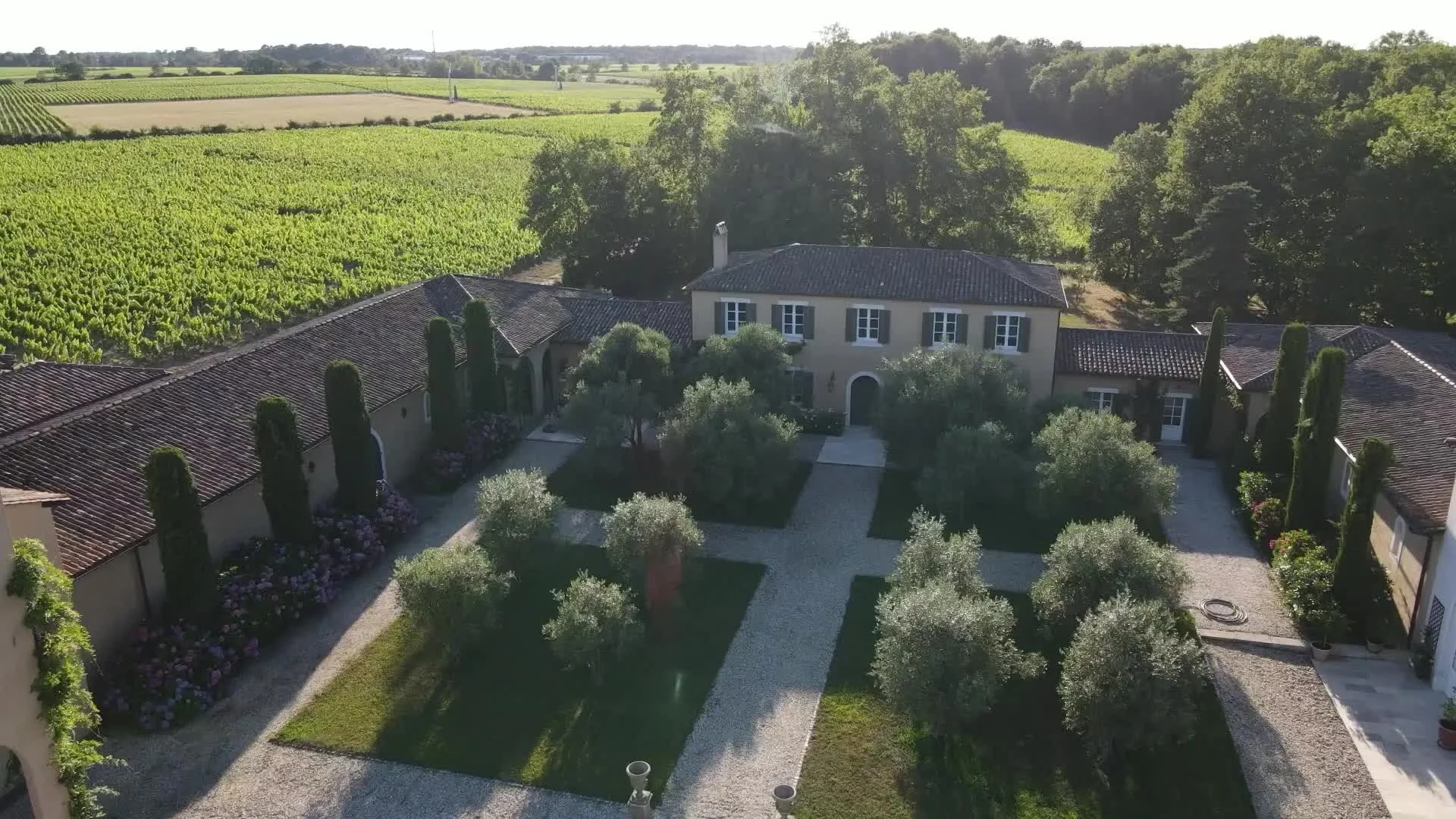
The estate works from an 18th-century château, with the cellar and tasting room set among vines, woodland and contemporary art. The place is quiet by design. A guided tour may move from the winery toward a forest walk with tasting, so the craft is not confined to tanks and barrels; it passes through the grounds that frame the fruit. The open-air museum covers 10 hectares, and that scale changes the pace of the room before a glass is poured. Hospitality here is refined, but it does not need to press. The vineyard, the art and the cellar hold their lines.
A long estate with present hands
Château Smith Haut Lafitte is a 650-year-old estate, yet the current work is not treated as inheritance alone. Teitgen’s time on the tools gives the place its continuity, from biodynamic farming to optical sorting to the forest choice behind the barrel program. Petit Verdot still has to meet in the glass at Château Smith Haut Lafitte.
Questions
Frequently asked
Who leads the winemaking at Château Smith Haut Lafitte?
Fabien Teitgen guides agronomy and oenology at Château Smith Haut Lafitte, where he is Managing Director, agronomist and oenologist. He joined the estate in October 1995 and has led technical and operational work there for over 20 years.
What kind of wines does the estate make?
The estate works under AOC Pessac-Leognan with Cabernet Sauvignon, Merlot, Cabernet Franc, Petit Verdot, Sauvignon Blanc, Sauvignon Gris and Semillon. Its production philosophy is biodynamic, with organic and biodynamic practice running through the vineyard and cellar.
What is the visit format like?
A guided visit may move from the winery toward a forest walk with tasting. The cellar and tasting room sit among vines, woodland and contemporary art, and the open-air museum covers 10 hectares.
Do visits need to be booked in advance?
Visits are by appointment only.
Is there any guidance on parking or dress code?
There is an on-site parking lot, and the dress code is smart casual.
The field
How it compares
| Place | Awards | Notes |
|---|---|---|
| Château Smith Haut Lafitte | World's 50 Best #5 | Martillac, $$$$ |
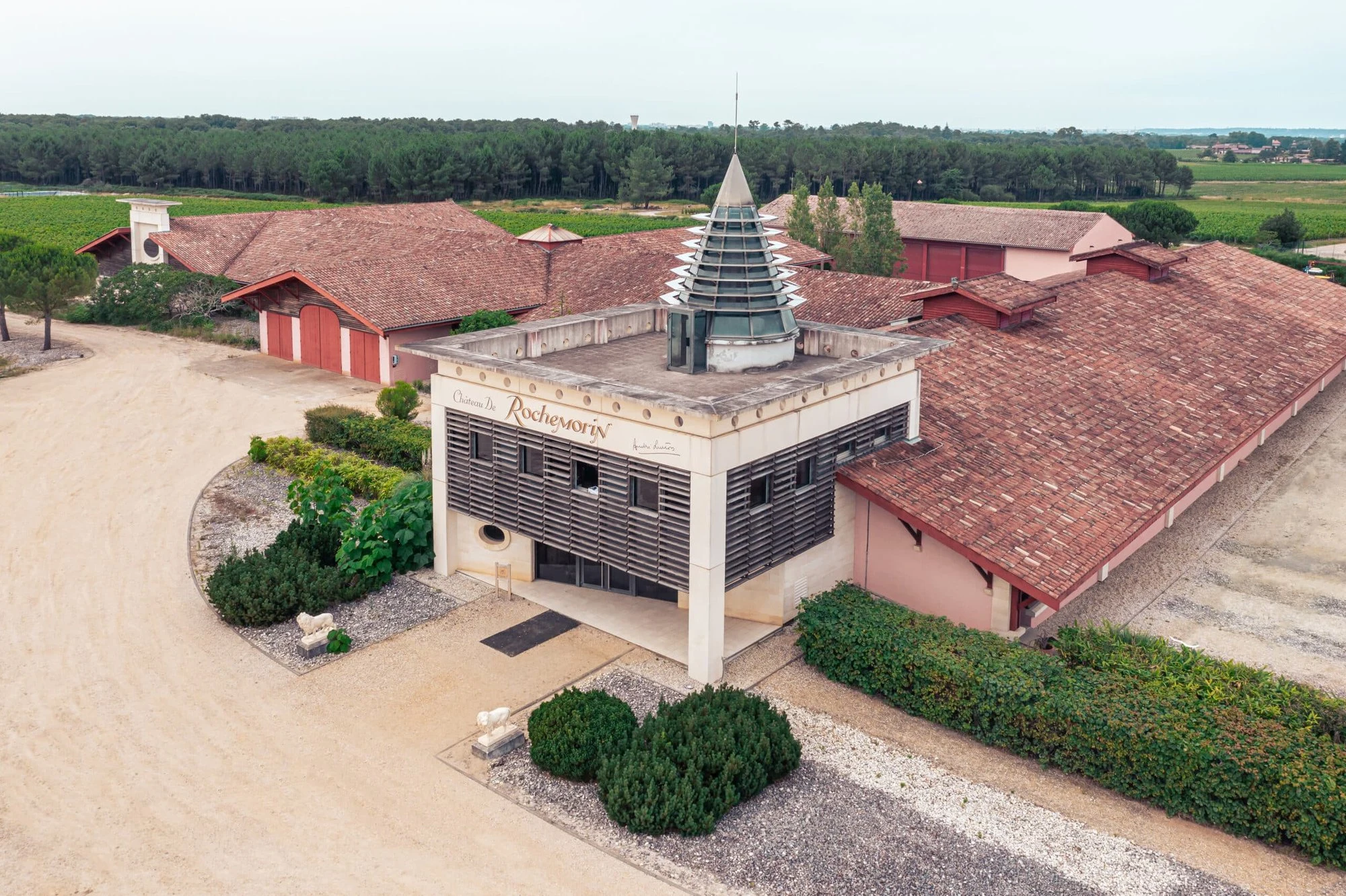
| Château de Rochemorin | · | Martillac |
| Château Lafont Menaut | · | Martillac |
| Château Lespault-Martillac | · | Martillac |
| Clos Marsalette | · | Martillac |
| Domaine de la Solitude | · | Martillac |
| SCEA Château Ferran | · | Martillac |