Made ByRestaurant
Brasserie

Chef in Residence
Gerard Craft
Owner
- 01CuisineClassic French Brasserie
- 02CitySt Louis, United States
- 03RecognitionJames Beard Award
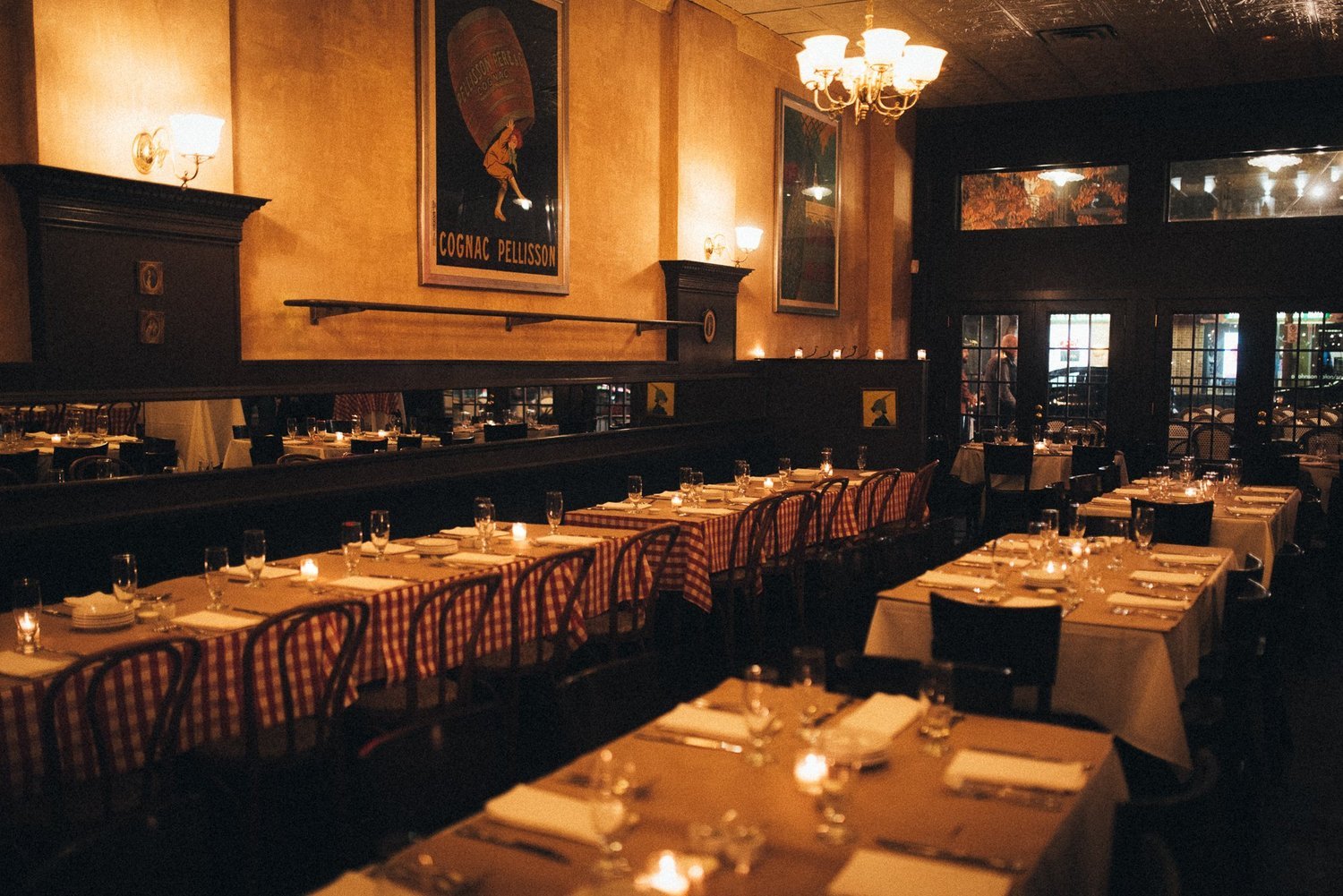
Brasserie sits in St Louis’s modern bistro conversation, where French technique meets Midwestern sourcing rather than imported nostalgia. Its 2025 James Beard Award semifinalist recognition for Outstanding Restaurateur, tied to Gerard Craft, gives the room national credibility while keeping the editorial question local: how far can a city’s ingredients carry a French brasserie format?
- James Beard Winner
At a glance
- Cuisine
- Classic French Brasserie
- Price
- $$$
- Per person
- $55
- Neighborhood
- Central West End
<p>The brasserie format works when the room has motion: glassware, low conversation, the steady rhythm of a dining room built for regulars rather than ceremony. In St Louis, that rhythm carries a different charge than it would in Paris or New York. The city has a deep habit of practical eating, shaped by neighborhood taverns, Italian-American kitchens, steakhouse culture, barbecue, and a farm belt close enough to matter. Brasserie belongs in that intersection, where French structure gives Midwestern ingredients a frame rather than a costume.</p><h2>French grammar, Midwestern supply lines</h2><p>The useful way to read a St Louis brasserie is not through nostalgia for zinc counters and Parisian mythology. It is through sourcing pressure. The Midwest gives restaurants access to beef, pork, dairy, grains, orchard fruit, and seasonal vegetables without requiring a conceptual stretch. French cooking has always depended on disciplined use of ordinary things: stock, fat, eggs, greens, off-cuts, wine, heat. In this city, that grammar makes sense because the region’s raw materials are direct, familiar, and often better suited to comfort than spectacle.</p><p>That sourcing angle is also where Brasserie separates itself from a generic French label. The point is not to reproduce France by quotation. The stronger argument is regional: a brasserie can be a civic dining room when the kitchen treats local abundance with technique rather than fuss. St Louis diners have long understood the pleasures of generosity, but the newer restaurant conversation asks for more precision about where that generosity comes from. A James Beard Award 2025 semifinalist citation for Outstanding Restaurateur, recognizing Gerard Craft, places the project inside a national discussion about operators who build durable restaurant cultures, not single-plate theatrics.</p><p>For a wider sense of the city’s range, Our full St Louis restaurants guide is the better map than any single category. The city can move from old-school dining rooms such as <a href="https://www.enprimeurclub.com/restaurants/als-restaurant-st-louis-restaurant">Al's Restaurant</a> to steakhouse-and-provisions thinking at <a href="https://www.enprimeurclub.com/restaurants/annie-gunns-st-louis-restaurant">Annie Gunn's</a>, neighborhood Italian-Greek comfort at <a href="https://www.enprimeurclub.com/restaurants/anthoninos-taverna-st-louis-restaurant">Anthonino's Taverna</a>, and casual late-night energy at <a href="https://www.enprimeurclub.com/restaurants/atomic-cowboy-st-louis-restaurant">Atomic Cowboy</a>. Those references matter because they show the local appetite Brasserie has to meet: not fragile luxury, but food with structure, warmth, and a reason to return.</p><h2>A brasserie is judged by repeatability, not spectacle</h2><p>The American brasserie has become a test of restraint. Too much reverence and the room turns into theme dining; too much reinvention and the format loses its reason for existing. The better version lets the guest understand the meal quickly, then rewards attention through execution: sauces handled with discipline, vegetables treated as seasonal rather than decorative, and proteins cooked with the confidence of a kitchen that knows its supply chain. That is where ingredient sourcing becomes more than a menu note. It determines whether the restaurant feels rooted or merely styled.</p><p>St Louis gives that question sharper edges. The city is not chasing coastal dining fashion with the same velocity as larger markets, which can be an advantage. Restaurants here have to justify themselves to locals who know value, portions, and hospitality in concrete terms. Recognition from the James Beard Foundation adds a national signal, but the deeper credibility comes from fitting the room to the city’s habits. Brasserie reads strongest as part of a Midwestern dining tradition that has grown more technically fluent without losing its appetite for comfort.</p><p>Travelers using the restaurant as part of a broader St Louis itinerary should think beyond dinner alone. The city’s hospitality pattern is spread across meals, neighborhoods, and late-evening drinking rather than concentrated in a single polished district. Pair the restaurant lens with Our full St Louis hotels guide, Our full St Louis bars guide, Our full St Louis wineries guide, and <a href="https://www.enprimeurclub.com/experiences/st-louis">Our full St Louis experiences guide</a> to see how the city’s dining rooms connect to its bars, cultural stops, and regional drinking culture.</p><h2>How it sits in the broader American dining conversation</h2><p>Across the country, restaurants are moving away from maximalist tasting-menu language and back toward formats that can carry regular use. That shift is visible in many forms: the tightly controlled counter experience at ACHI – The Omakase Experience, the focused sake-and-food structure at Jōdo Saké Bar in Los Angeles, the narrow-format comfort of Onigiri Time in Pasadena, and the regional casual grammar at ¿Por Qué No? in Portland. Different cuisines, same underlying question: can a restaurant be specific without becoming precious?</p><p>That question also runs through ingredient-led places such as 'Ai Love Nalo in Waimanalo Beach, 'āina in San Francisco, 'Ama 'Ama in Kapolei, -Grilled beef Sukiyaki- KAMAKURA TANUKIAN 鎌倉 たぬき庵 in Kamakura, and ¡Salud! in Los Angeles. Brasserie belongs in that larger conversation not because it mimics those formats, but because it makes the same editorial bet: sourcing and format have to reinforce each other. In St Louis, French brasserie cooking is strongest when it stops performing Frenchness and starts clarifying what the region already grows, raises, and eats well.</p>
Know before you go
- Dress code
- smart_casual
- Reservations
- recommended
- Parking
- street
- Payment
- credit_card, debit_card, contactless
- Outdoor seating
- Yes
- Groups
- Welcomed
- Children
- Welcomed
Frequently asked
Would Brasserie be comfortable with kids?
Brasserie reads as a dining room built for steady neighborhood use in St Louis, not a formal tasting counter. The 2025 James Beard semifinalist nod for Outstanding Restaurateur points to a place with broad appeal, which usually suits families better than a special-occasion room.
What is the atmosphere like at Brasserie?
Expect a brasserie format rather than a staged dining spectacle: practical, seated service with the pace and structure that format implies. In St Louis, that tends to mean a room that works for regular dinners as much as celebratory ones, backed by its 2025 James Beard semifinalist recognition.
Is Brasserie Michelin-listed?
Brasserie has received recognition including: James Beard Award 2025 Brasserie was named a 2025 James Beard Award semifinalist for Outstanding Restaurateur. Location: St Louis, Missouri Recognized people: Gerard Craft Source: https://www.jamesbeard.org/stories/the-2025-james-beard-awar….
Do I need a reservation for Brasserie?
The 2025 James Beard semifinalist recognition for Outstanding Restaurateur suggests steady demand in St Louis. Planning ahead is the safer approach, especially if the visit is tied to a specific time or larger party.
What is Brasserie known for?
Brasserie is known for being a 2025 James Beard Award semifinalist for Outstanding Restaurateur, with Gerard Craft named in the recognition. That places it in the St Louis conversation as a restaurant with institutional weight, not just passing local attention.
Is Brasserie allergy-friendly?
Brasserie does not provide an allergy policy in the venue details, so the safest reading is to treat it as a standard restaurant kitchen in St Louis rather than assuming built-in accommodations. The brasserie format can work well for diners who need flexibility, but specific ingredients and cross-contact still need checking.
In residence
Similar places
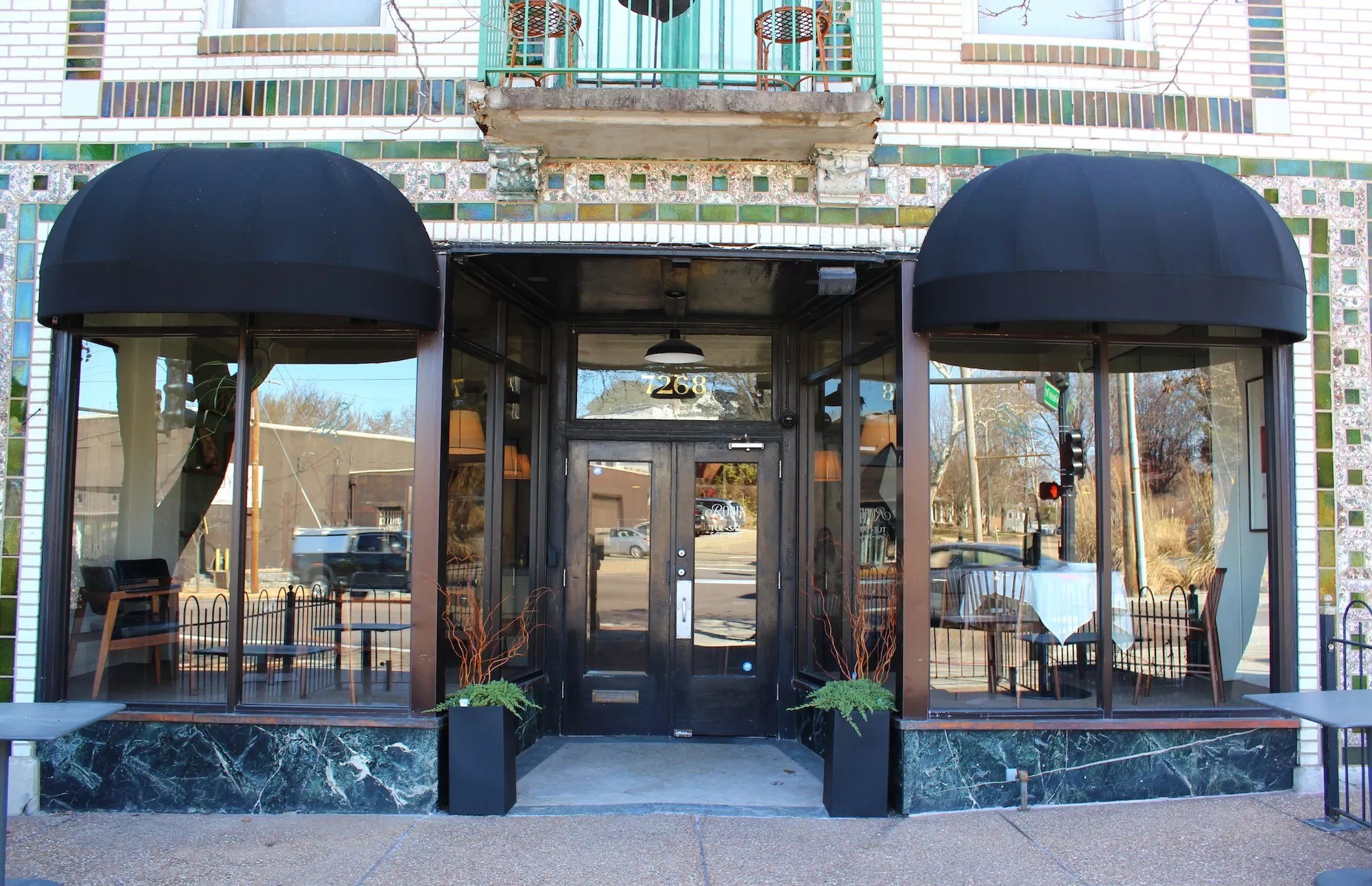
Seasonal Midwestern Bistro
Robin
St Louis, United States
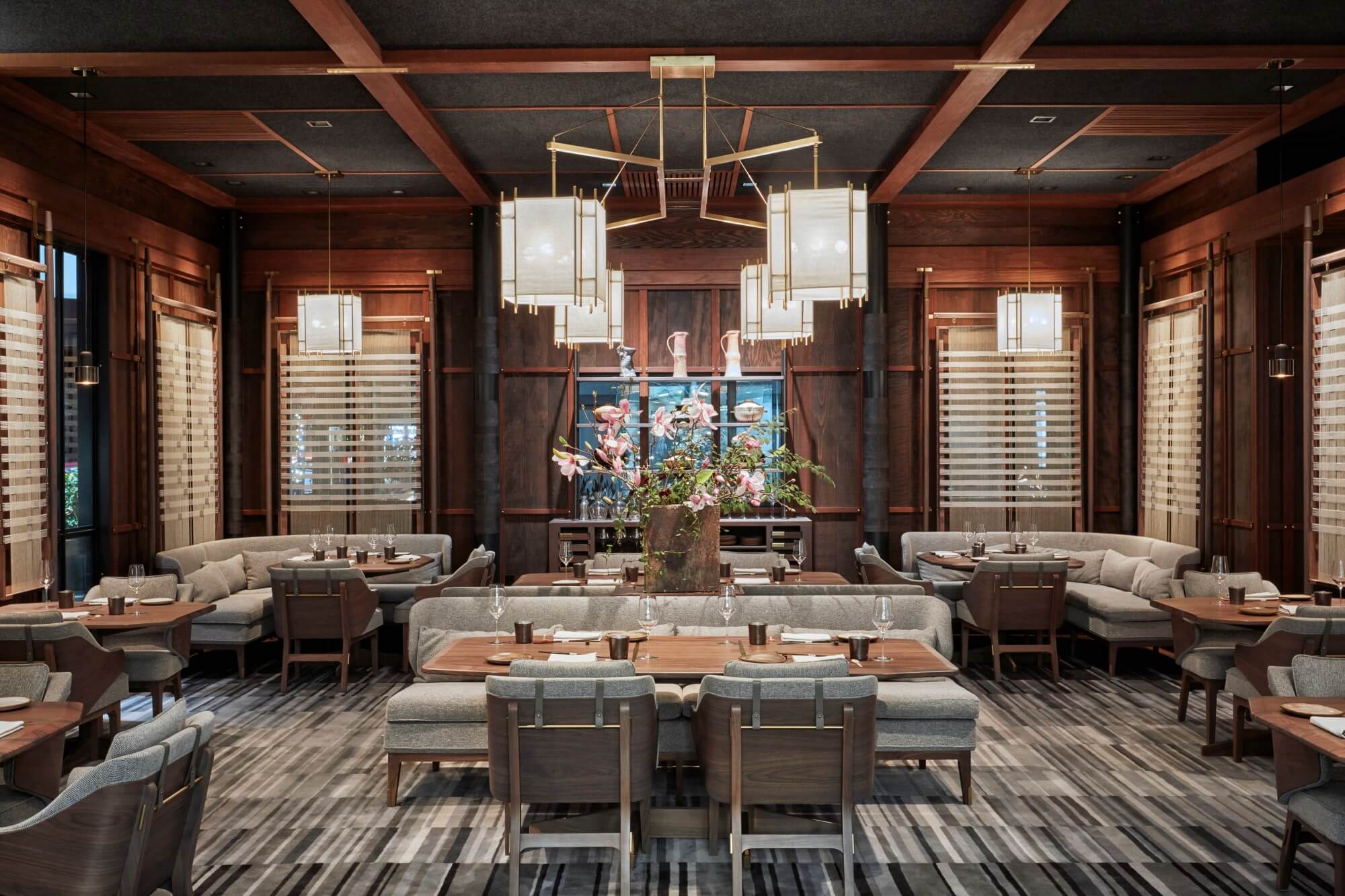
Japanese-influenced Californian Kaiseki
Single Thread Farm
Healdsburg, United States
★★★ · 50 Best
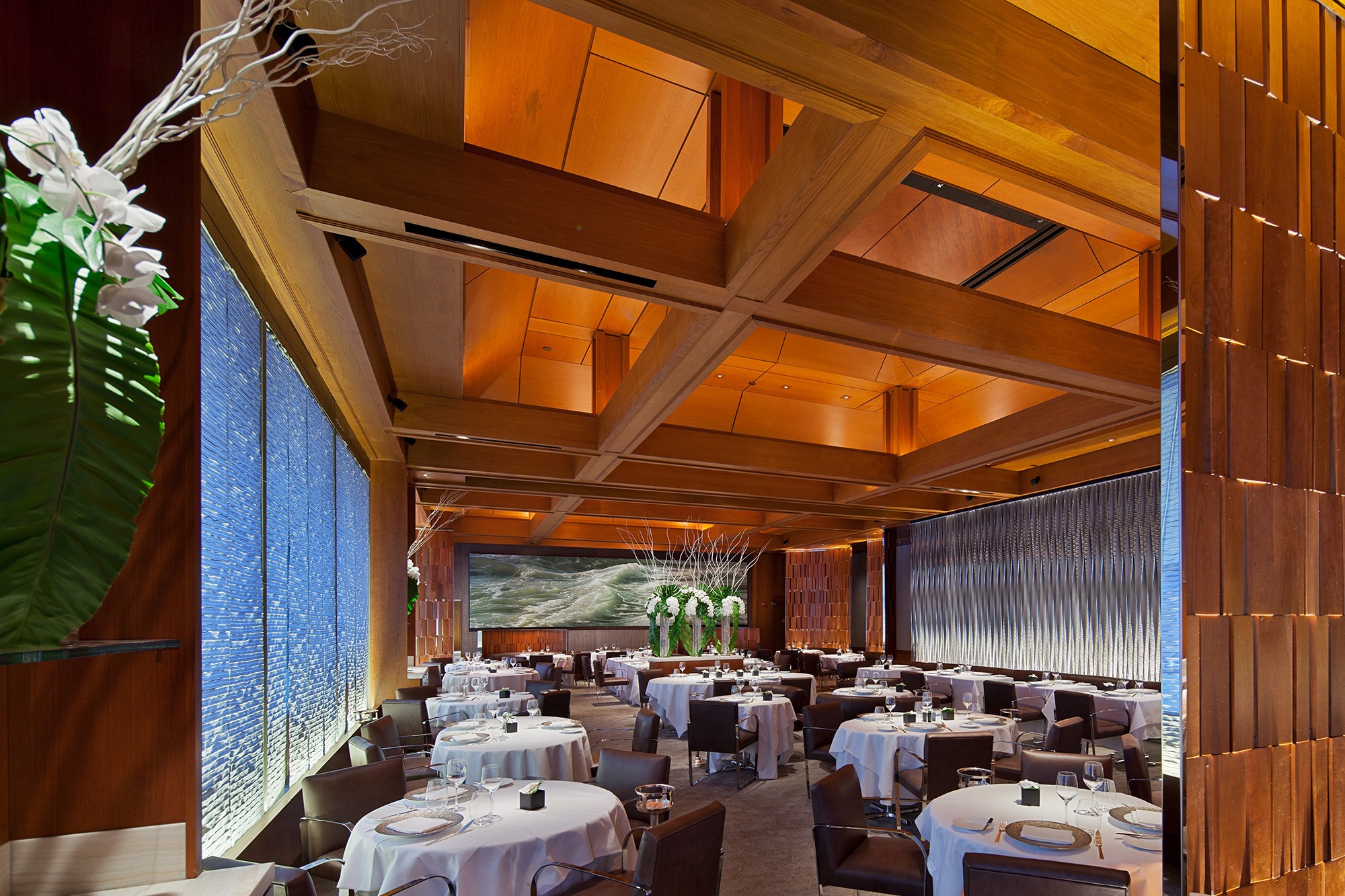
French Seafood Fine Dining
Le Bernardin
New York City, United States
★★★ · 50 Best
Modern Korean Tasting Menu
Atomix
New York City, United States
★★ · 50 Best
French
Sézanne
Tokyo, Japan
★★★ · 50 Best
Modern Seafood Fine Dining
Providence
Los Angeles, United States
★★★ · 50 Best