Granta Bitter, fruit, herbs, honey
- Pearl 2 Star Prestige · 2025
Fruit, herbs, honey, and a long station
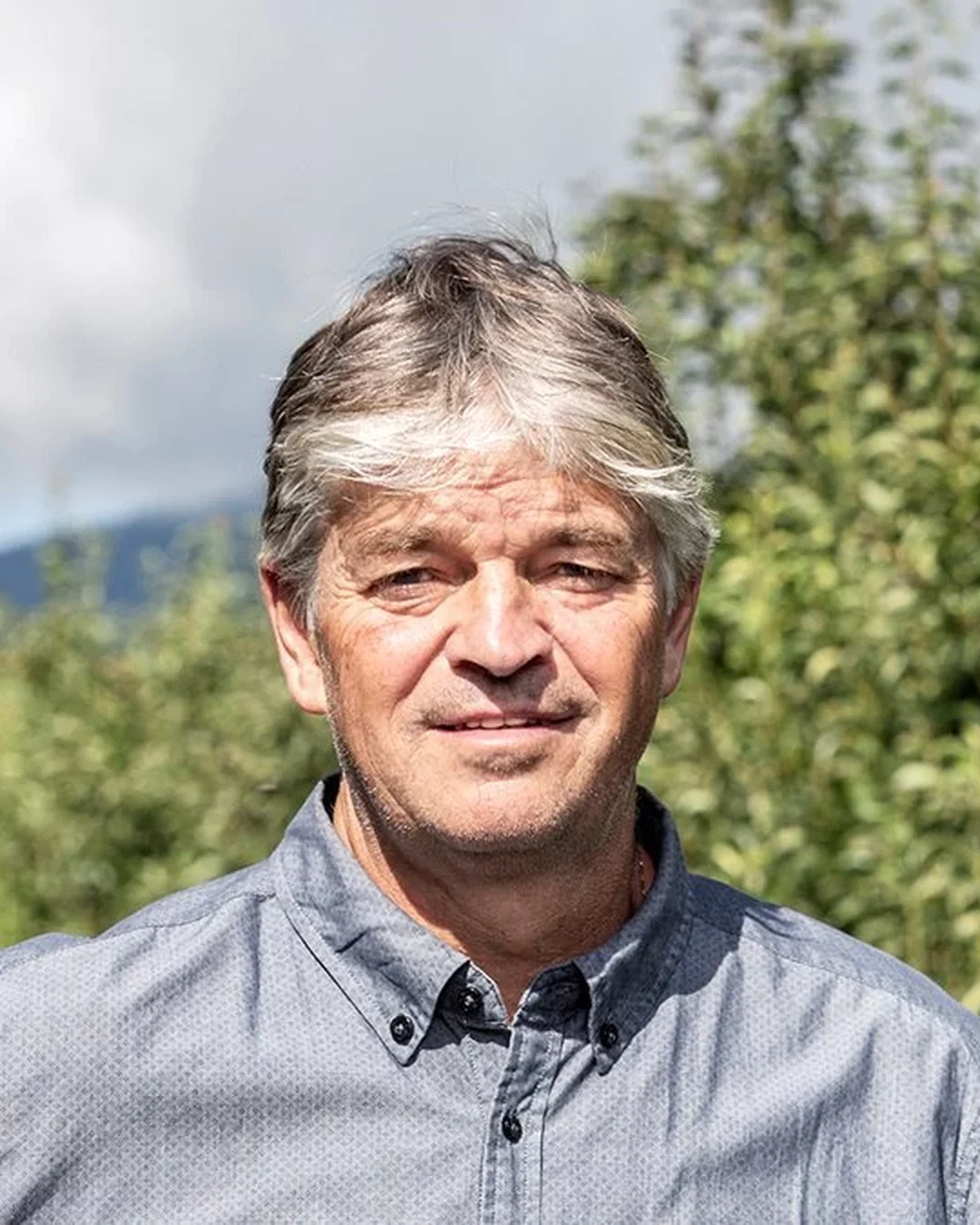
Since 1995, Christoph Kössler, distiller here, works from Brennerei Christoph Kössler in Stanz im Landeck, where Granten, the lingonberries used for Granta Bitter, meet 24 different herbs and sweet honey. The distillery sits in the former birthplace of Jakob Prandtauer, the Baroque master builder, and that fact gives the bench a particular weight: a working house held against older craft, proportion, and repetition.
Kössler describes the inheritance in plain terms: “We have been producing the finest fruit brandies and liqueurs since 1995, so continuing this tradition was the obvious thing to do.” The sentence matters because it does not chase novelty. It places the work inside return, season after season, with fruit brandies and liqueurs made under a standard that depends on restraint. The distiller’s role is not presented as performance. It is a station held over time, with local material, inherited method, and the discipline to keep the spirit clean enough for the ingredient to remain legible.
A bitter built from 24 herbs
The clearest published measure of the method is Granta Bitter. Kössler gives its structure without ornament: “This is also evident in our Granta Bitter, which is made only from granten (lingonberries), 24 different herbs and sweet honey.” In a distillery, a formula like that is less a recipe than a set of limits. The berry brings acid and color; the herbs bring pressure and aromatic length; the honey rounds the edge without taking the drink away from its bitter line. Each part has to hold its place.
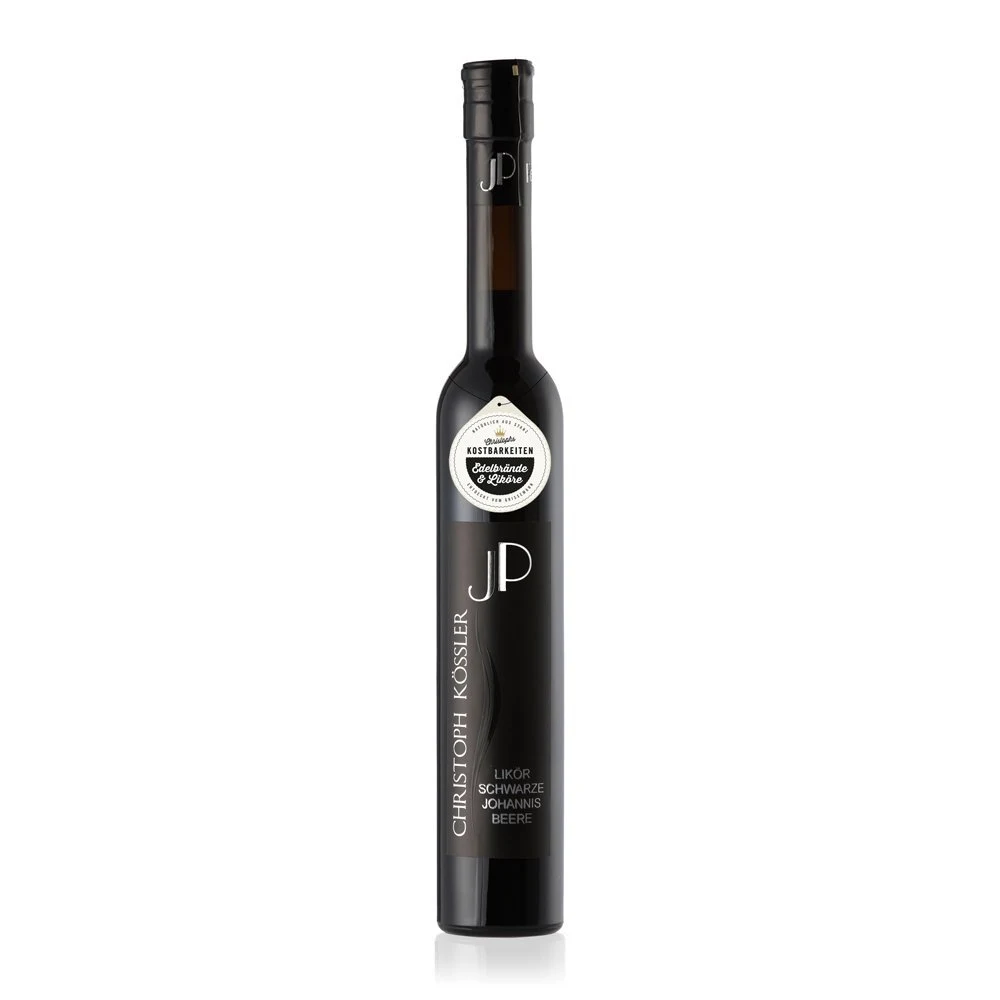
The same discipline runs through the named range: Granta Bitter, Apfelbrand Eichenfass Kössler 0,35 l, Birnen-Cuvée Kössler 0,35 l, and barley cigar distillate. The titles alone sketch the program, fruit brandy with wood-aged depth, pear handled as cuvée, and a grain distillate given a more singular register. Kössler’s stated rule is spare: “We use only natural products.” Another line fixes the standard: “We stand for the highest and best quality.” Those are broad words in most mouths. Here, they are tied to a narrow practice: ingredient clarity, controlled building, and a finish that does not need volume to announce itself.
The still house in Prandtauer’s birthplace
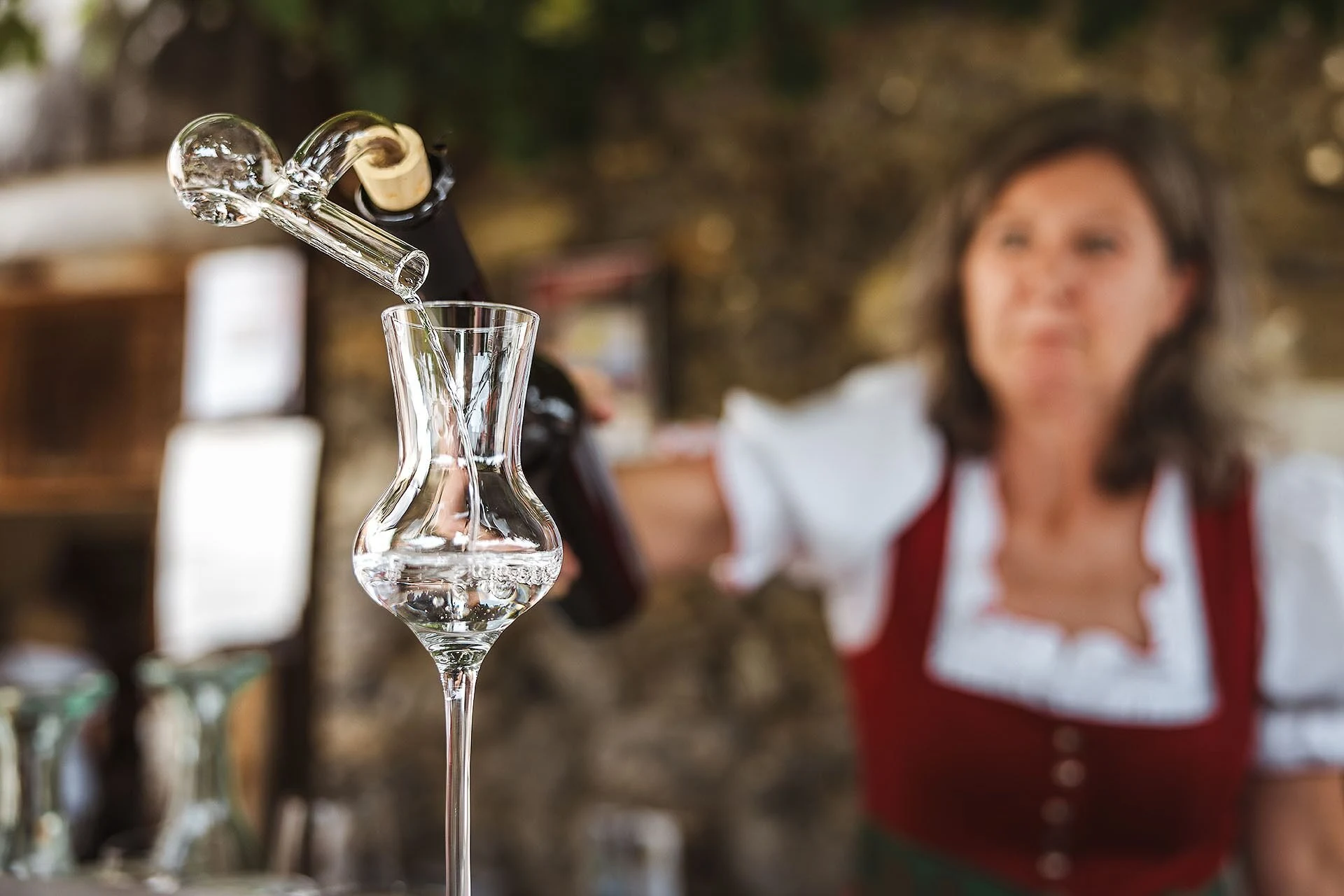
The place asks to be read slowly. In the still house, the important texture is not spectacle, but frame: Stanz im Landeck outside, the former Prandtauer birthplace around the work, and a distillery program built on fruit, herbs, honey, wood, and grain. The room’s authority comes from that compression. Architecture, local material, and daily craft sit close together.
Kössler’s work has also been recognized beyond the house; Brennerei Christoph Kössler received Distillery of the Year in 2012. The award is useful because it names a standard already visible in the bottles, not because it changes the method. If the range points anywhere next, it points back to the bench: to Granta Bitter, to the pear cuvée, and to the exacting return of Christoph Kössler’s hands in Stanz im Landeck.
Questions
Frequently asked
Who distills at Brennerei Christoph Kössler?
Christoph Kössler distills there and has worked from the distillery in Stanz im Landeck since 1995.
What does the distillery make?
The distillery makes fruit brandies, liqueurs, and Granta Bitter. The named range also includes Apfelbrand Eichenfass Kössler 0,35 l, Birnen-Cuvée Kössler 0,35 l, and barley cigar distillate.
What is Granta Bitter made from?
Granta Bitter is made from granten, which are lingonberries, 24 different herbs, and sweet honey.
Has Brennerei Christoph Kössler received any recognition?
Yes. Brennerei Christoph Kössler received Distillery of the Year in 2012.
The field
How it compares
| Place | Notes |
|---|---|
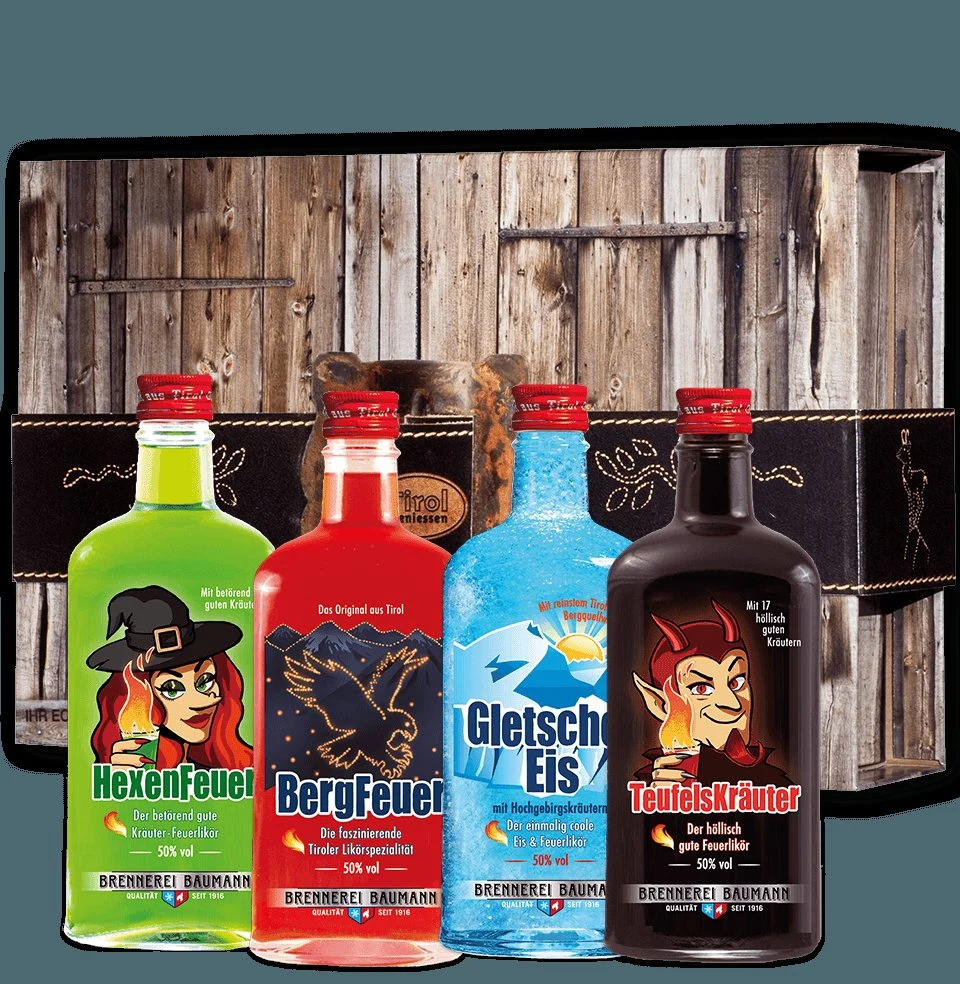
| Brennerei Baumann | Stanz im Landeck |
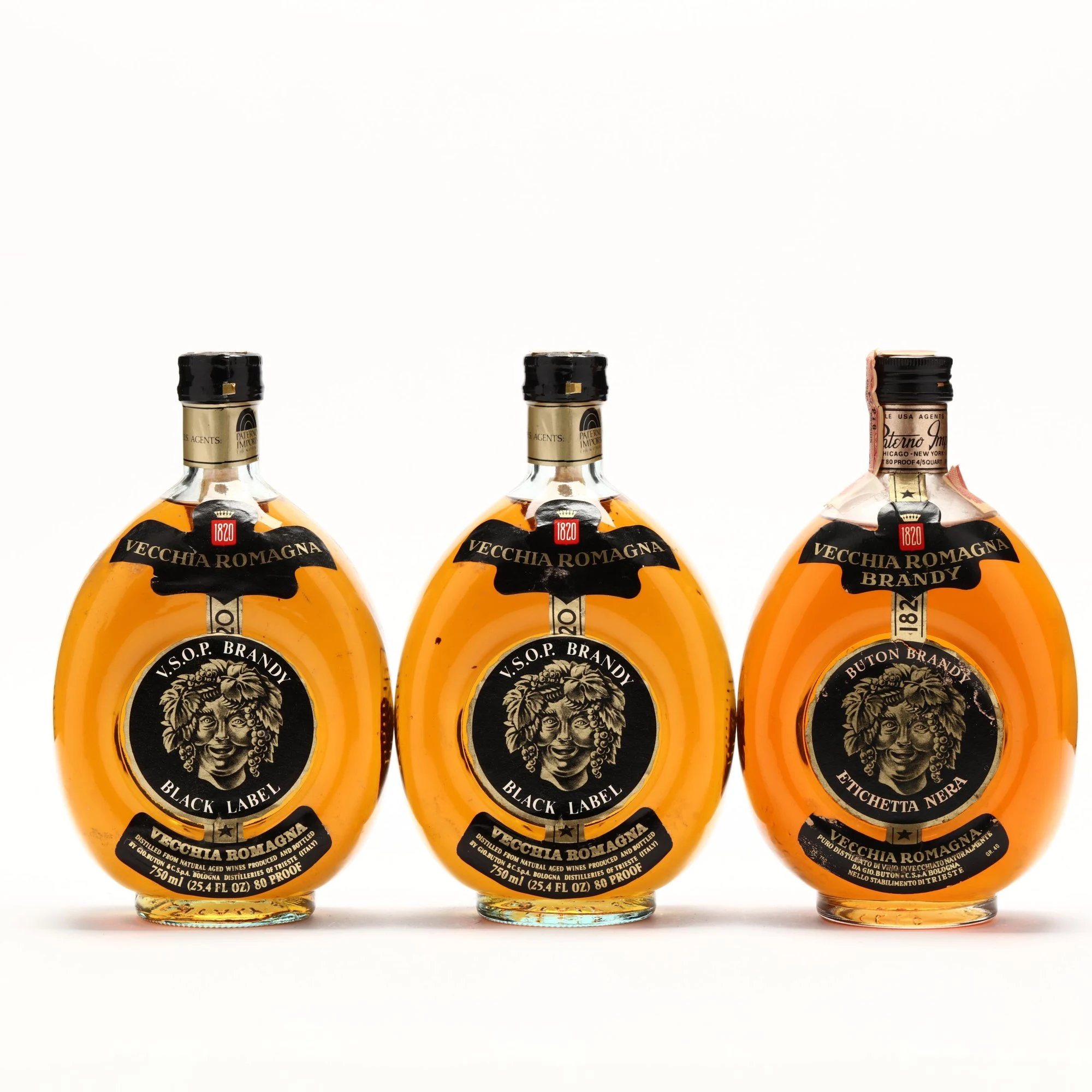
| Distillerie Buton (Vecchia Romagna) | Bologna |
| Grüneis Distillery | Stanz im Landeck |
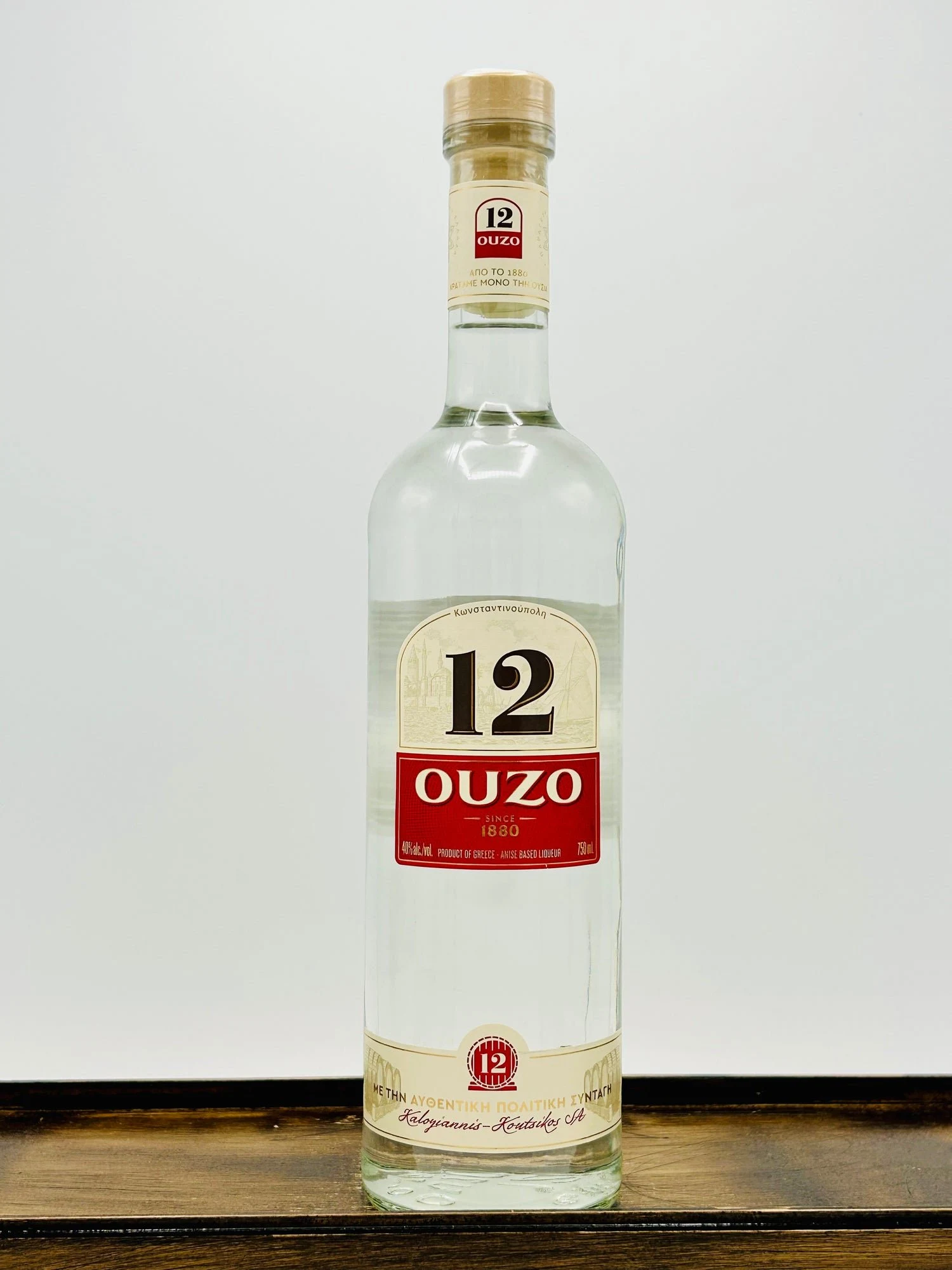
| Kaloyannis Distillery (Ouzo 12) | Volos |
| Knysna Distillery | Knysna |
| St Agnes Distillery | Renmark |