BRERA Ristorante

In Residence
Angelo Auriana
Chef
- 01CuisineNorthern Italian Osteria
- 02CityLos Angeles, United States
- Opinionated About Dining Top Restaurants in North America Ranked #344 · 2024
- Opinionated About Dining Top Restaurants in North America Recommended · 2023
The Arts District as a Backdrop for Italian Ambition
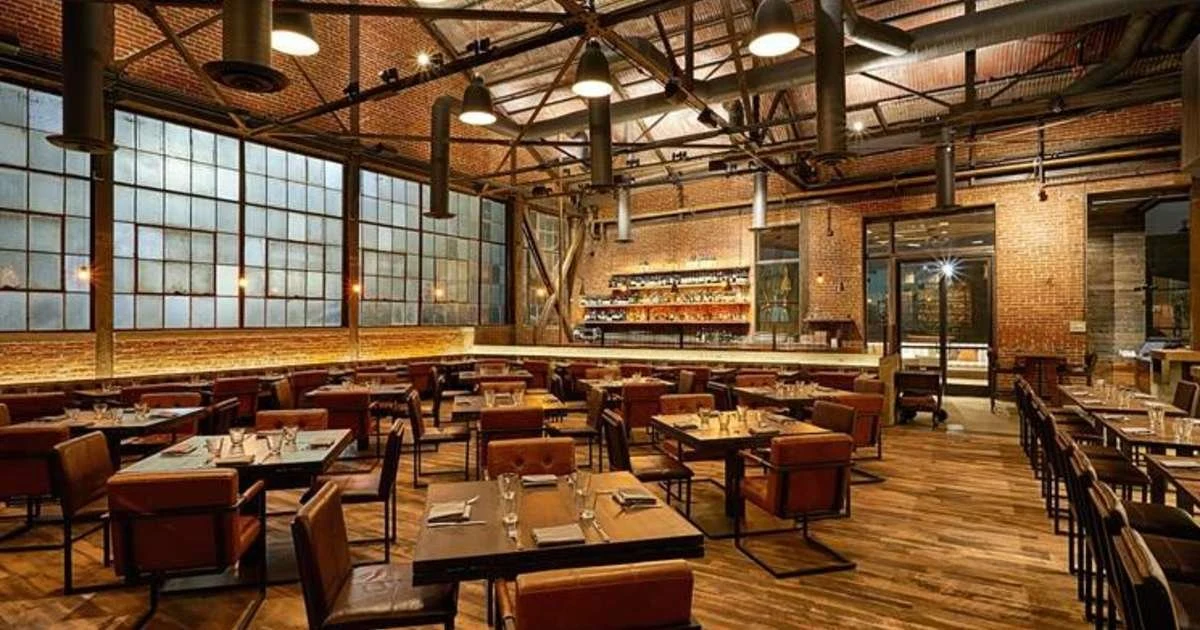
Los Angeles Italian dining has long organised itself around a handful of recognisable poles: the Nancy Silverton tradition anchored by Osteria Mozza on Melrose, the red-sauce comfort of older Westside institutions, and a more recent wave of regional-Italian seriousness that has surfaced in less expected addresses. BRERA Ristorante belongs to this third current, operating from 1331 E 6th Street in the Arts District, a block better known for converted warehouses and cold-brew roasters than for the kind of dinner that requires a reservation. That contrast is part of the point. The neighbourhood strips away the expectation-management work that comes with a high-profile address and places the focus squarely on the food.
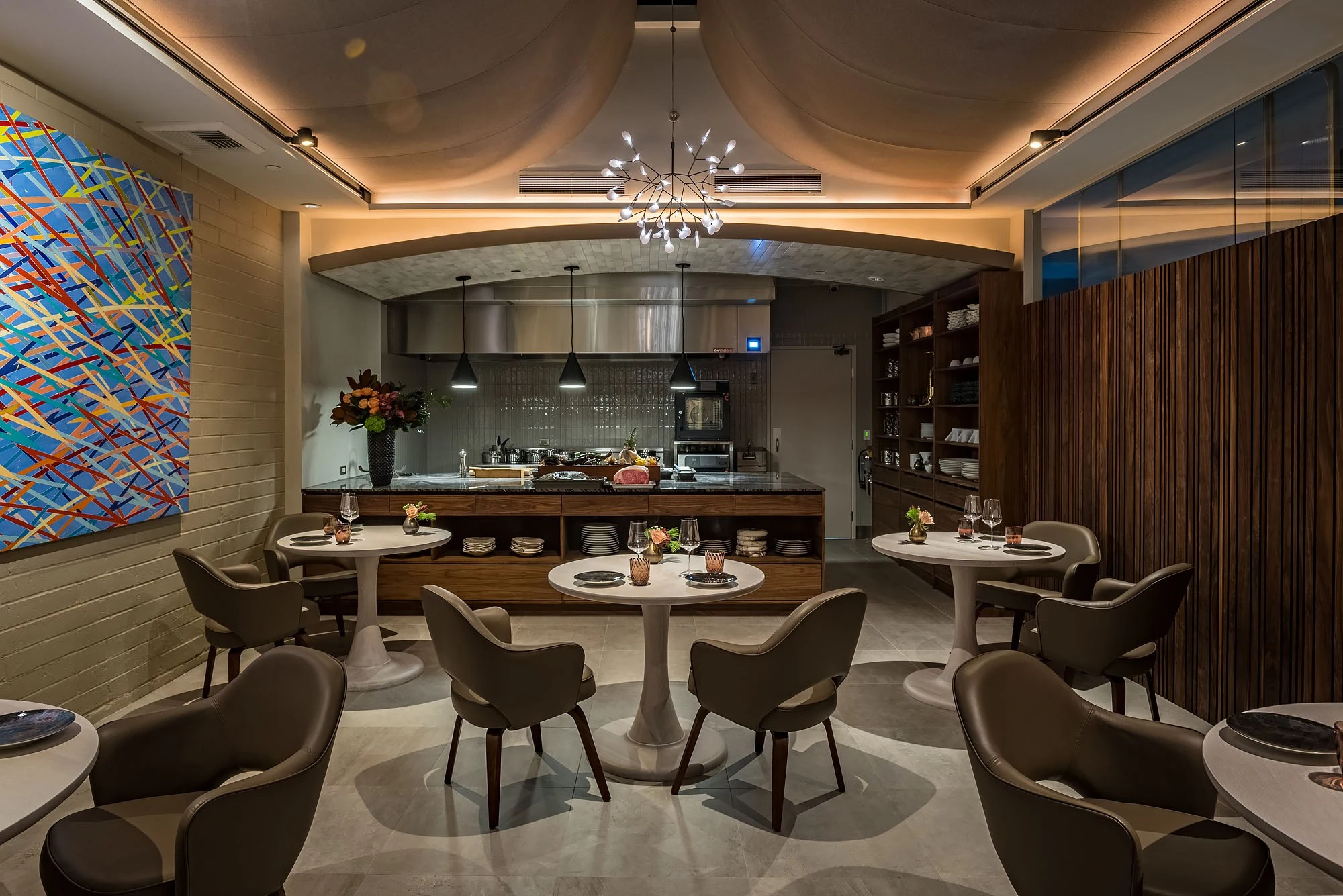
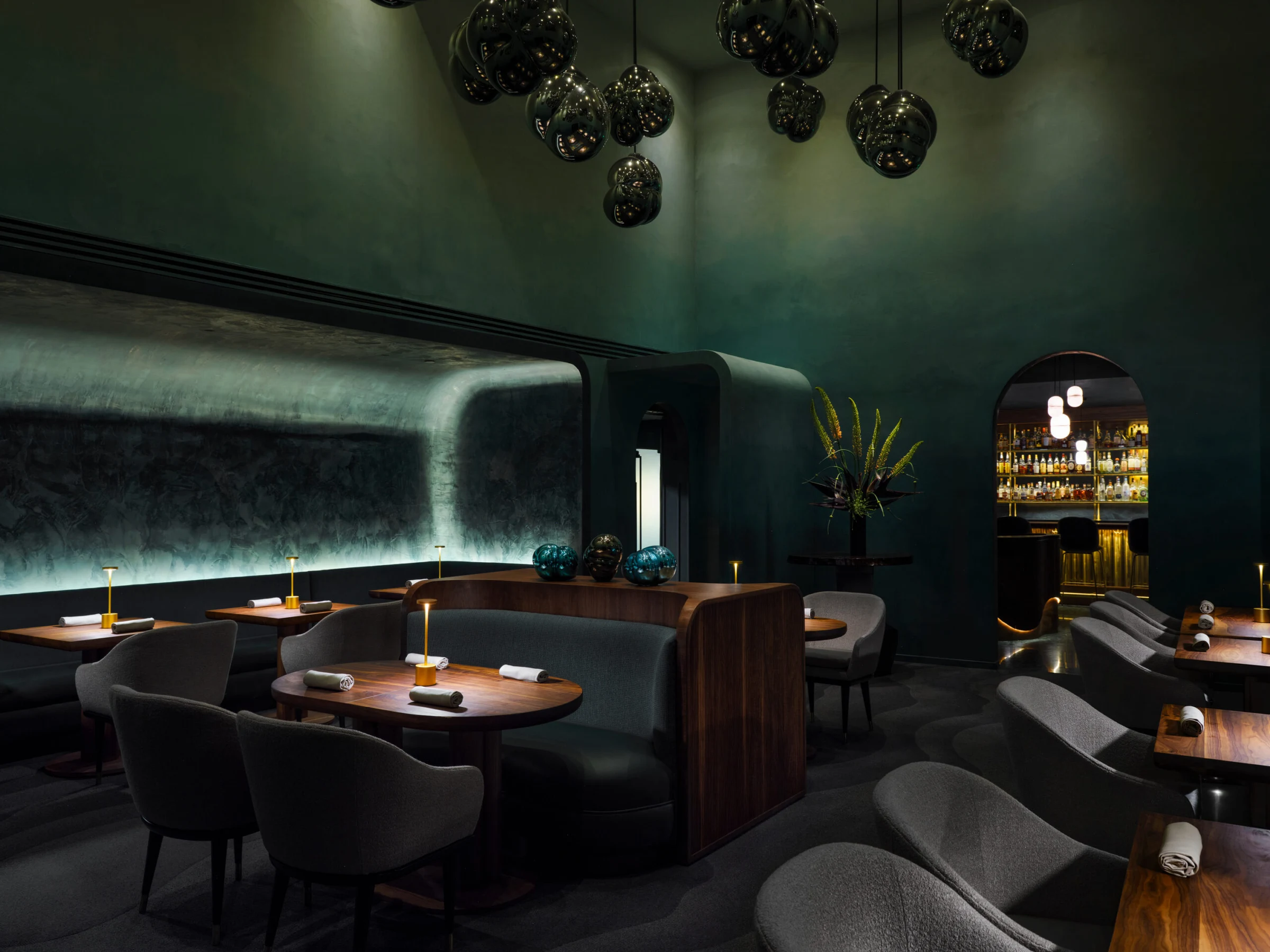
The Arts District itself has followed a pattern visible in cities from Brooklyn to east London: industrial infrastructure repurposed first by artists, then by the hospitality industry, producing a dining environment that tends toward exposed concrete and minimal ornamentation. Restaurants that settle here generally do so because the rent allows for kitchen investment rather than front-of-house spectacle, and the clientele that follows is correspondingly attentive. BRERA fits that profile. Its position in the neighbourhood signals a set of priorities before a single course arrives.
The Sunday letter
Find new places through the people who run them.
Our Sunday email brings you the chefs, winemakers and hoteliers behind our newest stories. See a sample before you subscribe.
See a sample of the Sunday emailOne email a week. Unsubscribe from any issue.
What the Menu Architecture Communicates
Italian menus, at the serious end, are structural arguments. The sequencing of antipasti, primi, secondi, and dolci is not merely convention; it is a claim about the relationship between courses, about pacing, and about which element of the meal the kitchen considers its strongest statement. In Los Angeles, where tasting menus from Kato and omakase formats from Hayato have conditioned diners to chef-controlled, linear progressions, a restaurant that preserves Italian à la carte logic is making a different argument about hospitality: that the diner, not the kitchen, should drive the architecture of the evening.
The name BRERA references the historic neighbourhood in Milan, a district associated with art galleries, aperitivo culture, and a certain northern Italian restraint that keeps decoration secondary to craft. That reference, whether worn lightly or carried through the full experience, sets an implied standard. Northern Italian cooking, particularly in its Milanese and Lombard expressions, prizes precision over abundance. Risotto technique, the quality of a braise, the balance of a bitter-edged salad: these are the measures by which Brera-style cooking earns or loses credibility. They do not hide behind sauce volume or theatrical presentation.
In a city where molecular formats like Somni and refined seafood programs like Providence occupy the best of the fine-dining attention economy, a straightforwardly regional Italian room occupies a different kind of authority. The comparison set is not other tasting menus. It is the handful of Italian restaurants nationally that take regional specificity seriously, including Frasca Food and Wine in Boulder, which has built two decades of credibility on Friulian focus, or the ingredient-led seriousness of Blue Hill at Stone Barns in Tarrytown, where sourcing is the menu's primary argument. At BRERA, the Milanese reference performs the same function: it narrows the scope and sharpens the expectation.
Placing BRERA in the Los Angeles Italian Tier
Los Angeles runs a deeper Italian bench than the city's reputation for casual eating might suggest. Osteria Mozza remains the reference point for wood-fired and mozzarella-led cooking. A second tier of neighbourhood trattorias serves consistent pasta to local regulars without particular regional ambition. BRERA positions itself between those poles and something closer to the focused regional projects that have emerged in other American cities, from the northern-Italian precision of programs in Chicago to the pasta-centred seriousness that institutions like Le Bernardin in New York have shown is achievable in a city with plural dining priorities.
Nationally, the Italian-American fine-dining conversation has shifted. The question is no longer whether a kitchen can produce technically correct pasta, but whether it can make a coherent regional argument, sustain it across a full menu, and price it against a comparable set rather than against the nearest red-sauce trattoria. Restaurants like Smyth in Chicago and Lazy Bear in San Francisco have demonstrated, in different cuisines, that the Arts-District-adjacent model works when the kitchen is serious enough to carry the address. BRERA makes the same bet in a city where the Italian competition is real and the diner's reference points are increasingly international.
For those mapping the full range of serious dining in the city, our full Los Angeles restaurants guide provides broader context across categories, from the Japanese precision of Hayato to the tasting-menu ambition of venues that have drawn national attention. BRERA occupies a specific and underrepresented niche within that map.
Planning a Visit
The address at 1331 E 6th Street sits in the eastern Arts District, where street parking is available but variable on weekday evenings and tight on weekends. The neighbourhood is walkable from the Gold Line's Little Tokyo/Arts District station, roughly a ten-minute walk. Given the restaurant's positioning, visits during midweek service tend to offer more space for the kind of unhurried progression that Italian coursing rewards.
Questions
Frequently asked
Who works at BRERA Ristorante?
Made By profiles Angelo Auriana (Chef) at BRERA Ristorante.
How expensive is BRERA Ristorante?
BRERA Ristorante is listed at a price level of $$$.
Where is BRERA Ristorante and what does it serve?
BRERA Ristorante is in Arts District, Los Angeles, serving Northern Italian Osteria.
The field
How it compares
| Place | Cuisine | Notes | Awards |
|---|---|---|---|
| BRERA Ristorante | Northern Italian Osteria | Arts District, $$$ | · |
| Hayato | Traditional Japanese Kaiseki | Los Angeles | Michelin 2 Stars |
| Holbox | Modern Mexican Seafood | Los Angeles | Michelin 1 Star, World's 50 Best |
| Kato | Modern Taiwanese Fine Dining | Los Angeles | Michelin 2 Stars, World's 50 Best |
| Mélisse | California-French Fine Dining | Los Angeles | Michelin 2 Stars |
| Providence | Modern Seafood Fine Dining | Los Angeles | Michelin 3 Stars, World's 50 Best |
| Somni | Modern Spanish Fine Dining | Los Angeles | Michelin 3 Stars, World's 50 Best |
In residence
Similar places
Traditional Japanese Kaiseki
Hayato
Los Angeles, United States
★★
Modern Mexican Seafood
Holbox
Los Angeles, United States
★ · 50 Best
Modern Taiwanese Fine Dining
Kato
Los Angeles, United States
★★ · 50 Best
California-French Fine Dining
Mélisse
Los Angeles, United States
★★
Modern Seafood Fine Dining
Providence
Los Angeles, United States
★★★ · 50 Best
Modern Spanish Fine Dining
Somni
Los Angeles, United States
★★★ · 50 Best
The Sunday letter
Get the next Made By story in your inbox.
We send one email every Sunday morning with the places and people we covered that week.
See a sample of the Sunday emailOne email a week. Unsubscribe from any issue.