Made ByRestaurant
Cañitas Maite Gastro
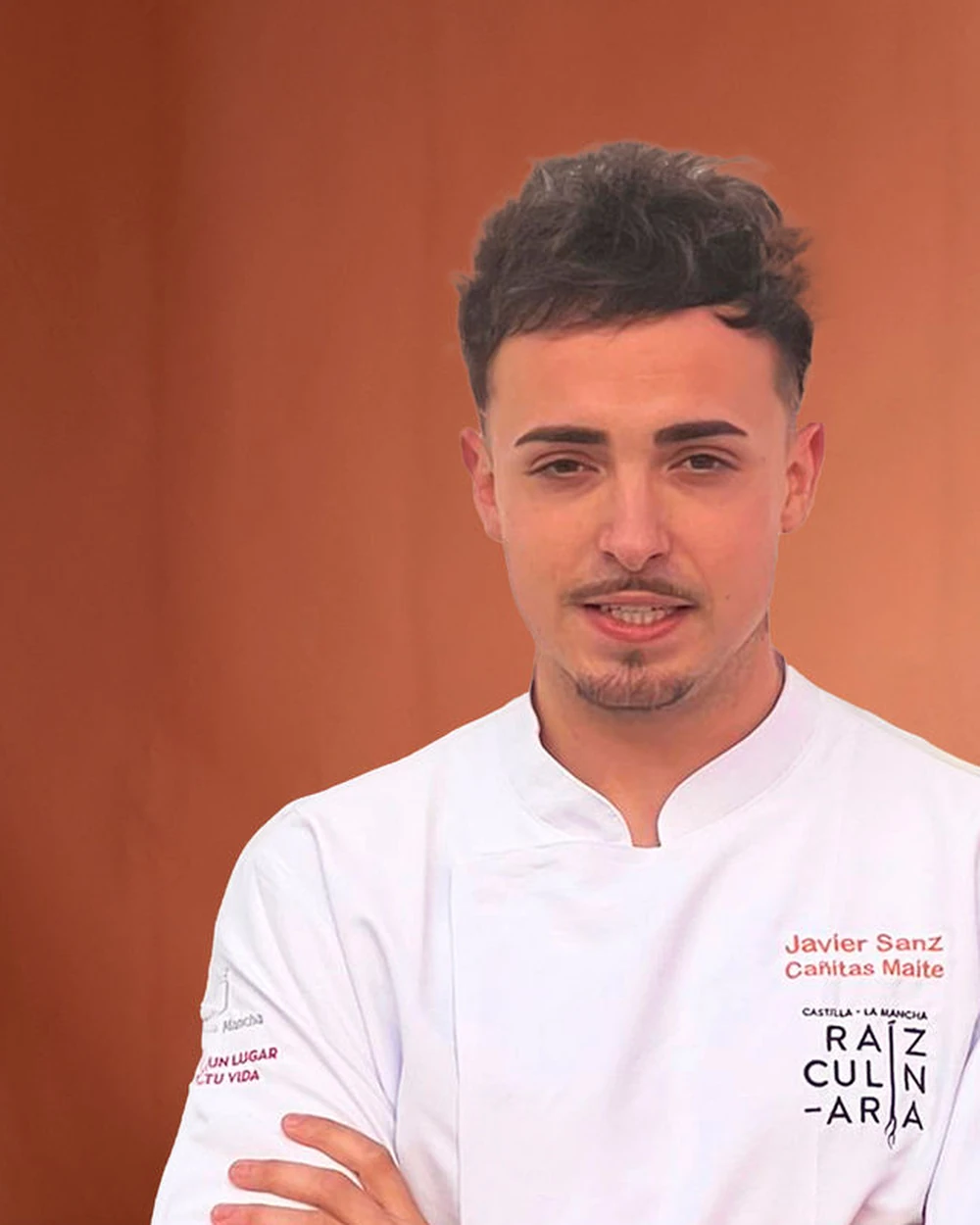
Chef in Residence
Javier Sanz
Chef
- 01CuisineModern Spanish Tapas
- 02CityCasas-Ibáñez, Spain
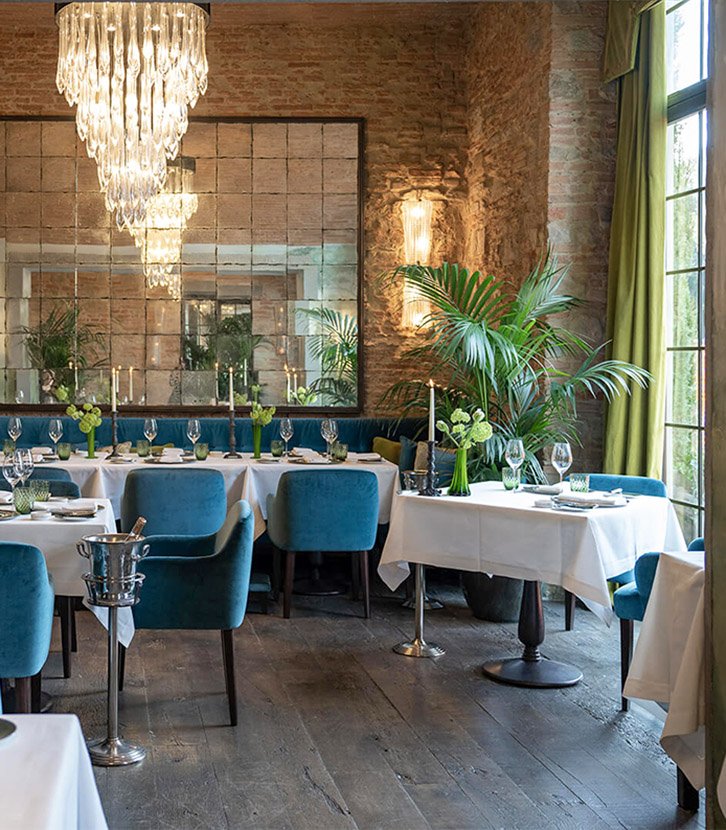
Cañitas Maite Gastro serves modern Spanish tapas with signature dishes such as la mejor croqueta del mundo and foie con galleta de avellana, alongside an extensive wine list.
At a glance
- Cuisine
- Modern Spanish Tapas
- Price
- $$$
- Per person
- $50
- Neighborhood
- Casas-Ibáñez
- Rating
- 4.3 (1,568)
<h2>A Small Town, a Serious Kitchen</h2><p>Casas-Ibáñez sits in the Manchuela comarca of Albacete province, a stretch of inland Spain where vineyards, saffron, and garlic fields define the agricultural calendar more than tourist itineraries do. The town holds fewer than 6,000 residents. Its main square sees more tractors than tour buses. Against that backdrop, the presence of a Michelin-recognised contemporary restaurant is not merely notable; it signals something broader happening in rural Spanish gastronomy, where a generation of chefs trained in urban kitchens has started returning to their home provinces and applying those skills to local ingredients rather than imported frameworks.</p><p>Cañitas Maite Gastro, at Calle Tomás Pérez Úbeda 6, sits within that wider shift. Javier Sanz and Juan Sahuquillo are both from the region, and what they have built here is positioned not as an outpost of city dining dropped into the countryside, but as a kitchen that treats La Mancha's produce as its primary argument. The Michelin Plate recognition places the restaurant in the tier of addresses Michelin considers worth seeking out. At a €€€ price point, it occupies a position in the Spanish contemporary dining scene that is difficult to find: technically ambitious cooking at a midrange price, in a town most food tourists have never heard of.</p><h2>Two Formats, Two Conversations</h2><p>The kitchen runs two distinct menus, and the distinction matters for understanding what the restaurant is doing. The "De Barra" menu centres on contemporary tapas, small plates built around technique but served in the informal register that tapas culture implies. This is not fine-dining food reshaped into bite-sized portions as an afterthought; it is a considered format that acknowledges the social architecture of Spanish eating, where sharing, grazing, and conversation at the bar remain structurally different from the seated tasting progression.</p><p>The "De Producto" menu operates in a different register: longer, more composed, focused on modern dishes that foreground the raw materials of La Mancha. That region's pantry is not neutral. Manchego cheese, pisto manchego, game from the plains, Castilian legumes, and the wines of Manchuela (a DO that has attracted serious attention over the past decade for its Bobal-driven reds) all offer a kitchen genuine latitude to build a cuisine that reads as of this place rather than generically contemporary Spanish. The structural decision to build around regional product rather than imported luxury ingredients is the right one architecturally.</p><h2>Where This Sits in the Spanish Contemporary Scene</h2><p>Spanish contemporary cuisine is one of the most referenced in the world, but its reference points are almost exclusively urban and high-budget. <a href="https://www.enprimeurclub.com/restaurants/diverxo-madrid-restaurant">DiverXO in Madrid</a>, <a href="https://www.enprimeurclub.com/restaurants/arzak-san-sebastian-restaurant">Arzak in San Sebastián</a>, <a href="https://www.enprimeurclub.com/restaurants/el-celler-de-can-roca-girona-restaurant">El Celler de Can Roca in Girona</a>, <a href="https://www.enprimeurclub.com/restaurants/azurmendi-larrabetzu-restaurant">Azurmendi in Larrabetzu</a>, <a href="https://www.enprimeurclub.com/restaurants/mugaritz-errenteria-restaurant">Mugaritz in Errenteria</a>, <a href="https://www.enprimeurclub.com/restaurants/aponiente-el-puerto-de-santa-maria-restaurant">Aponiente in El Puerto de Santa María</a>, <a href="https://www.enprimeurclub.com/restaurants/martin-berasategui-lasarte-oria-restaurant">Martin Berasategui in Lasarte-Oria</a>, <a href="https://www.enprimeurclub.com/restaurants/cocina-hermanos-torres-barcelona-restaurant">Cocina Hermanos Torres in Barcelona</a>, <a href="https://www.enprimeurclub.com/restaurants/quique-dacosta-denia-restaurant">Quique Dacosta in Dénia</a>, and <a href="https://www.enprimeurclub.com/restaurants/ricard-camarena-valencia-restaurant">Ricard Camarena in València</a> are the names that circulate internationally, all operating at €€€€ price levels and inside cities with established dining tourism infrastructure. Internationally, the contemporary format has similarly concentrated in urban centres; <a href="https://www.enprimeurclub.com/restaurants/cesar-new-york-city-restaurant">César in New York City</a> and <a href="https://www.enprimeurclub.com/restaurants/jungsik-seoul-restaurant">Jungsik in Seoul</a> illustrate how the language of contemporary fine dining has globalised while remaining fundamentally city-bound.</p><p>Cañitas Maite Gastro operates in a structurally different space. It is not competing with those addresses for the same diner, and it is not trying to. The more relevant competitive set is the small cluster of rural Spanish restaurants that have earned Michelin recognition for applying serious technique to regional ingredients: places where the argument is that the countryside produces both the material and the reason to cook there. Within that niche, a Google review score of 4.3 across 1,568 reviews is a meaningful data point. That volume of reviews in a town of this size indicates a genuine local following alongside destination dining, which is a healthier base than restaurants that depend entirely on tourist traffic driven by award listings.</p><h2>The Chefs and What Their Trajectory Signals</h2><p>Javier Sanz and Juan Sahuquillo are described as local chefs, and that provenance is the editorial fact worth dwelling on. The Spanish gastronomic generation that produced the country's starred restaurants largely trained locally but built their reputations in cities or on coastlines with existing culinary identities: the Basque Country, Catalonia, Valencia, Andalusia. The interior of the peninsula, and Castilla-La Mancha in particular, has not historically been a region associated with destination dining at the contemporary end.</p><p>When trained chefs choose to operate in their home provinces rather than migrate to established gastronomic centres, the implication for the local dining scene is significant. It creates a kitchen with genuine stake in the region's agricultural economy, access to producers who might not otherwise supply high-technique restaurants, and a frame of reference that is local rather than aspirationally cosmopolitan. Whether that translates into a cuisine that is distinctly Manchegan or simply contemporary Spanish executed in Manchegan surroundings is a distinction that the menu structure (with its explicit "De Producto" framing) is designed to resolve in favour of the former.</p><h2>Practical Notes for Planning a Visit</h2><p>Casas-Ibáñez is a deliberate destination rather than a passing stop. The town sits roughly 130 kilometres southeast of Madrid and approximately 80 kilometres northwest of Valencia, which positions it as a viable day trip from either city or, more interestingly, as part of a longer route through the Manchuela wine country. The Manchuela DO has been producing Bobal-based wines that have attracted serious critical attention over the past fifteen years; pairing a meal at Cañitas Maite Gastro with a visit to one of the comarca's producers offers a coherent argument for spending more than an afternoon in the area. Readers planning around wine should consult our full Casas-Ibáñez wineries guide for current recommendations.</p><p>For those building a broader picture of eating and drinking in the town, our full Casas-Ibáñez restaurants guide covers the wider field, including <a href="https://www.enprimeurclub.com/restaurants/oba-casas-ibanez-restaurant">Oba- (Creative)</a>, another address in the town working in the contemporary register. Our full Casas-Ibáñez bars guide, hotels guide, and experiences guide round out the planning picture for a longer stay. The restaurant's address is C. Tomás Pérez Úbeda, 6, 02200 Casas-Ibáñez, Albacete, Spain. Arriving with a reservation is the prudent approach for the "De Producto" menu format.</p><h2>What to Expect in the Room</h2><p>The price tier signals a certain informality of setting, and the dual-menu format reinforces this: a restaurant running both a tapas-bar format and a longer product-driven menu is likely operating in a space that accommodates both without committing to the hushed severity of high-end tasting rooms. In small-town Castilian restaurants of this type, the room is often the least considered element; the kitchen's priorities tend to show in the plate rather than in the décor budget. That is not a criticism. It is a category norm that experienced diners adjust to quickly, and it is part of what makes the €€ price point sustainable.</p><h3>What Should I Eat at Cañitas Maite Gastro?</h3><p>The "De Producto" menu is the more structured argument for what Sanz and Sahuquillo are doing: modern dishes built around La Mancha's seasonal and agricultural identity. For a first visit, it gives the fullest account of the kitchen's range and its relationship to regional ingredients. The "De Barra" menu, centred on contemporary tapas, is the better choice if you are eating here as part of a longer afternoon rather than as the primary event of the day. Both menus carry Michelin Plate recognition, which means Michelin's inspectors found the cooking across formats worth flagging. The regional product emphasis and the sustained positive reception across more than 1,500 Google reviews give a reliable directional signal: this kitchen takes its ingredients seriously and executes them with genuine technique at a price point that few contemporary Spanish restaurants of this calibre can match.</p>
Know before you go
- Dress code
- smart_casual
- Reservations
- recommended
- Groups
- Welcomed
Frequently asked
What does dinner at Cañitas Maite Gastro typically cost?
Pricing at Cañitas Maite Gastro is listed as €€.
What awards or recognition does Cañitas Maite Gastro have?
Cañitas Maite Gastro has received recognition including: Run by two local chefs who offer two different menus: “De Barra”, based around contemporary tapas, and “De Producto”, offering modern dishes that showcase the La Mancha region.; Michelin Plate (2025); Chef: Javier Sanz & Juan Sahuquillo doc….
What should I eat at Cañitas Maite Gastro?
The 'De Producto' menu is the more deliberate statement of what Javier Sanz and Juan Sahuquillo are building: modern dishes structured around La Mancha's seasonal and agricultural identity, from the Manchuela vineyards to the region's saffron and garlic production. If you want to understand the kitchen's argument for rural contemporary Spanish cuisine, this is the format to book. The 'De Barra' menu works as a lower-commitment entry point — contemporary tapas at the €€ price tier, without the full tasting structure.
Address
C. Tomás Pérez Úbeda, 6, 02200 Casas-Ibáñez, Albacete, Spain
Casas-Ibáñez
How it compares
Cañitas Maite Gastro
- Cuisine
- Modern Spanish Tapas
- Price
- $$$
- Awards
- Michelin Plate
- Notes
- Casas-Ibáñez
Oba-
- Cuisine
- Modern Creative Spanish
- Price
- $$$$
- Awards
- Michelin 1 Star
- Notes
- Casas-Ibáñez
- Cuisine
- Modern Spanish Tapas & Gourmet Gastro-Bar
- Price
- $$$
- Awards
- Michelin Plate
- Notes
- Centro
- Cuisine
- Modern Spanish Tavern Cuisine
- Price
- $$$
- Awards
- Michelin Bib Gourmand
- Notes
- La Gran Via
- Cuisine
- Modern Traditional Spanish
- Price
- $$$
- Awards
- Michelin Plate
- Notes
- casco antiguo
- Cuisine
- Contemporary Live Fire Grill
- Price
- $$$
- Awards
- Michelin Plate
- Notes
- Centro (Center Alicante)
In residence
Similar places
Modern Creative Spanish
Oba-
Casas-Ibáñez, Spain
★
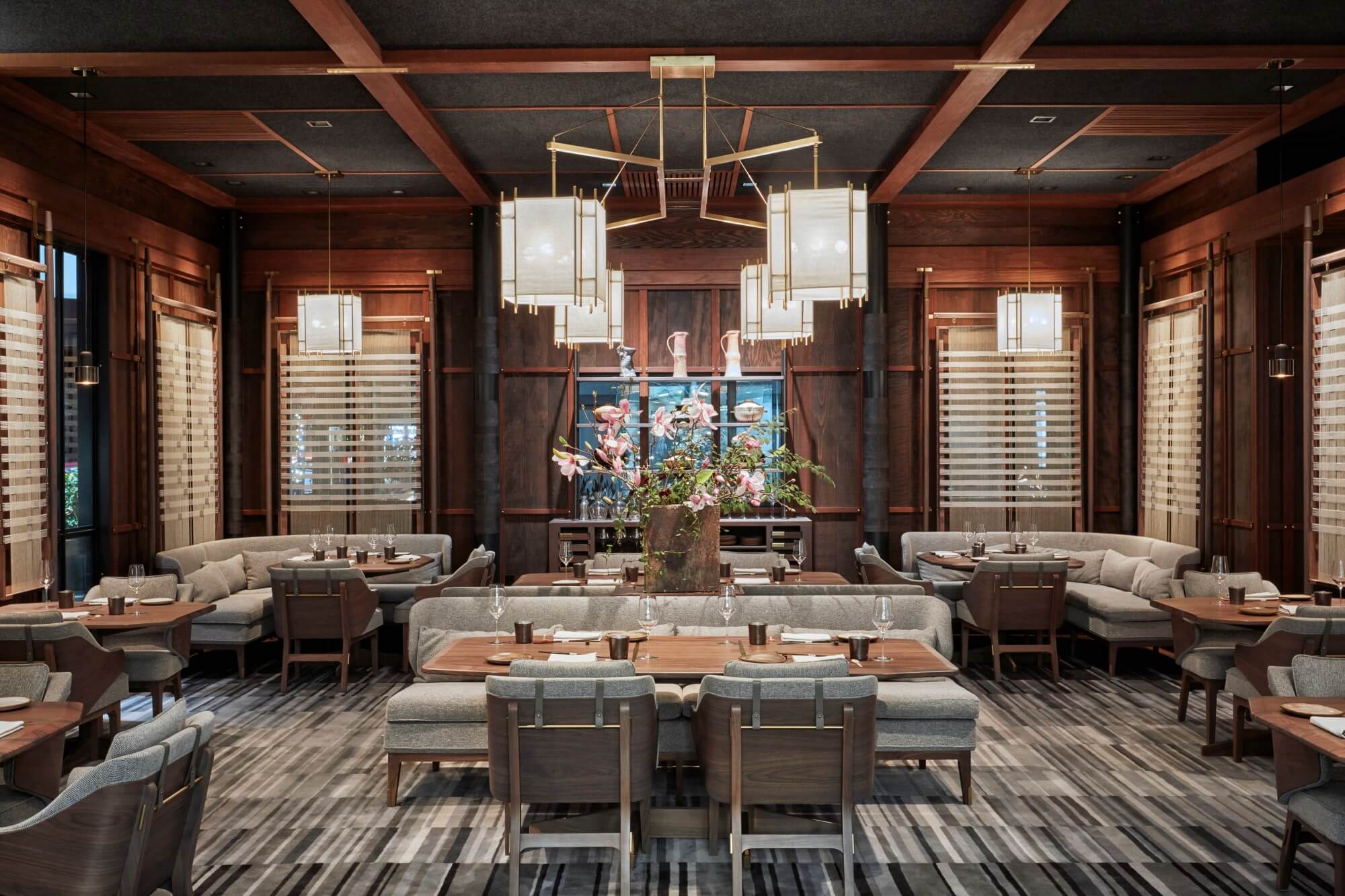
Japanese-influenced Californian Kaiseki
Single Thread Farm
Healdsburg, United States
★★★ · 50 Best
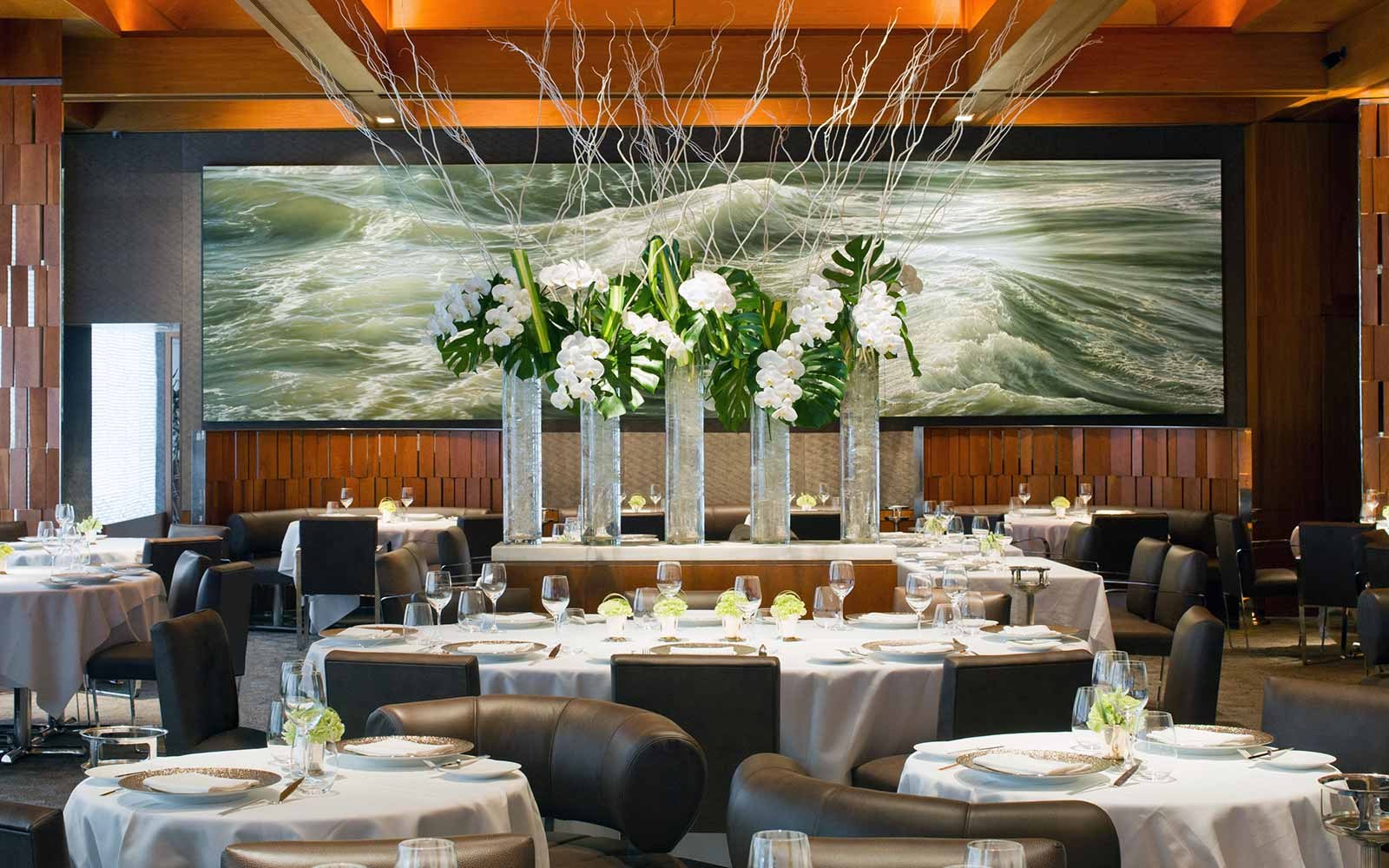
French Seafood Fine Dining
Le Bernardin
New York City, United States
★★★ · 50 Best
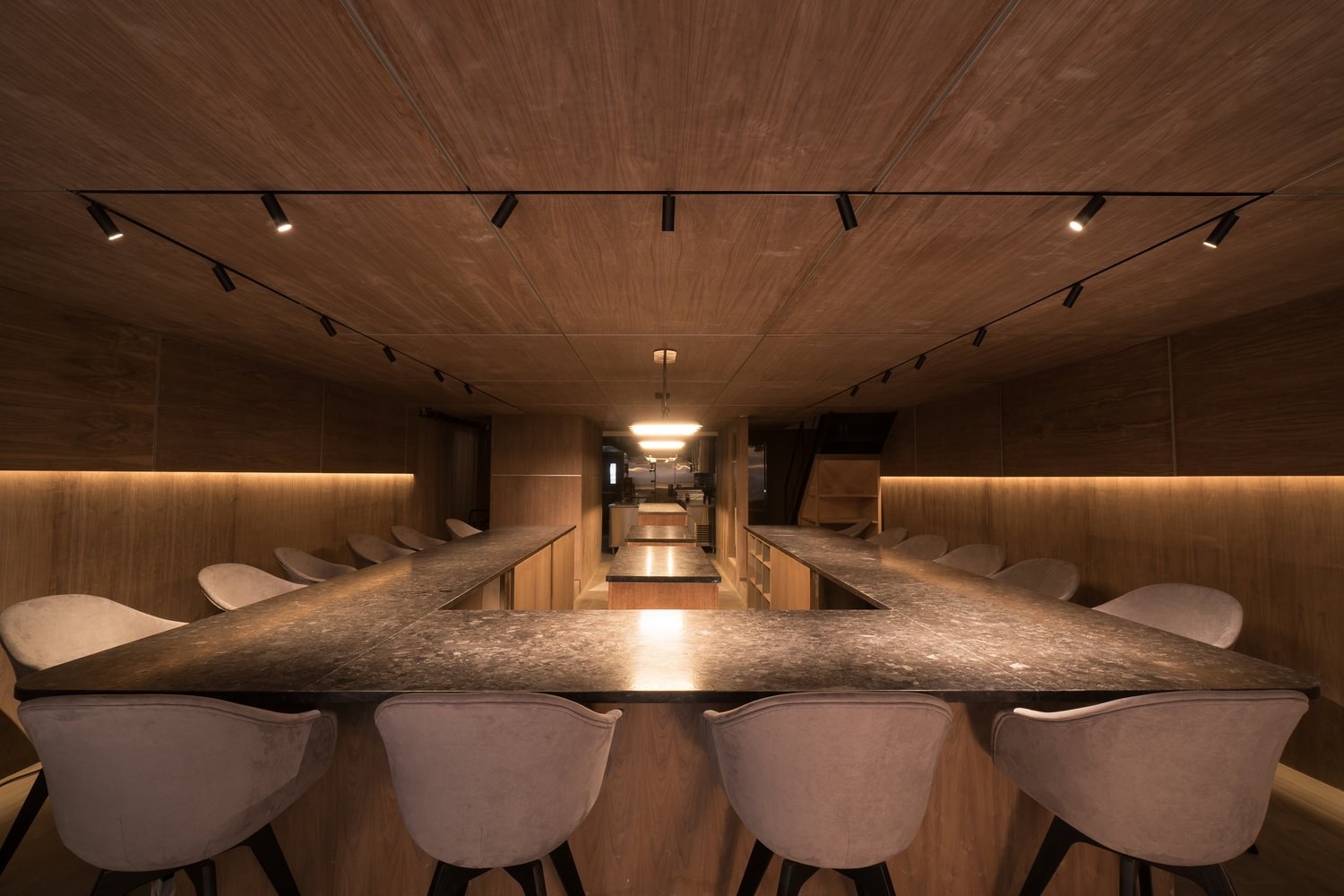
Modern Korean Tasting Menu
Atomix
New York City, United States
★★ · 50 Best
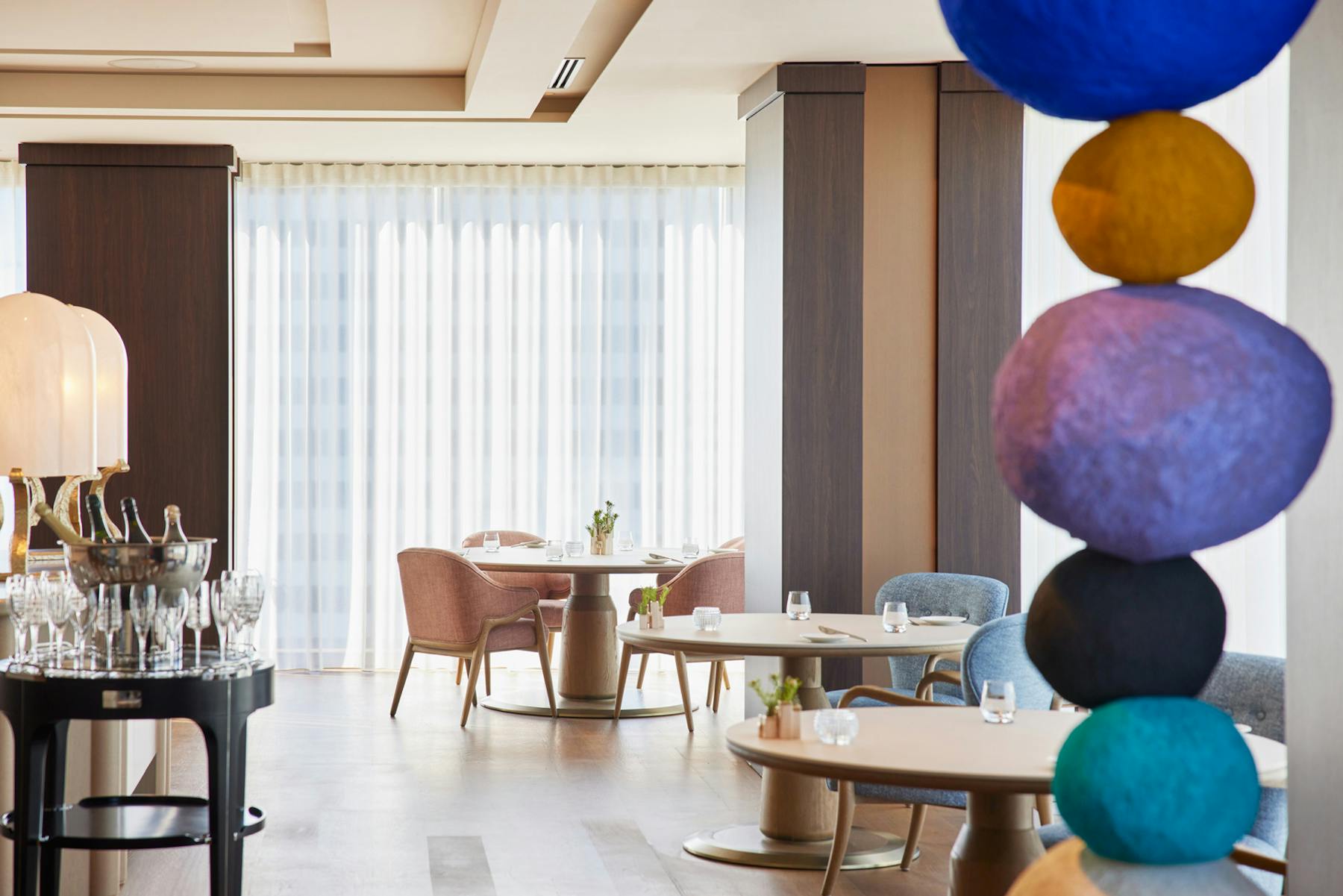
French
Sézanne
Tokyo, Japan
★★★ · 50 Best
Modern Seafood Fine Dining
Providence
Los Angeles, United States
★★★ · 50 Best