- World's Best Steaks 101 Best Steak Restaurants #43 · 2026
- World's Best Steaks 101 Best Steak Restaurants #21 · 2025
Fire, Provenance, and the Case for the Steakhouse in Copenhagen
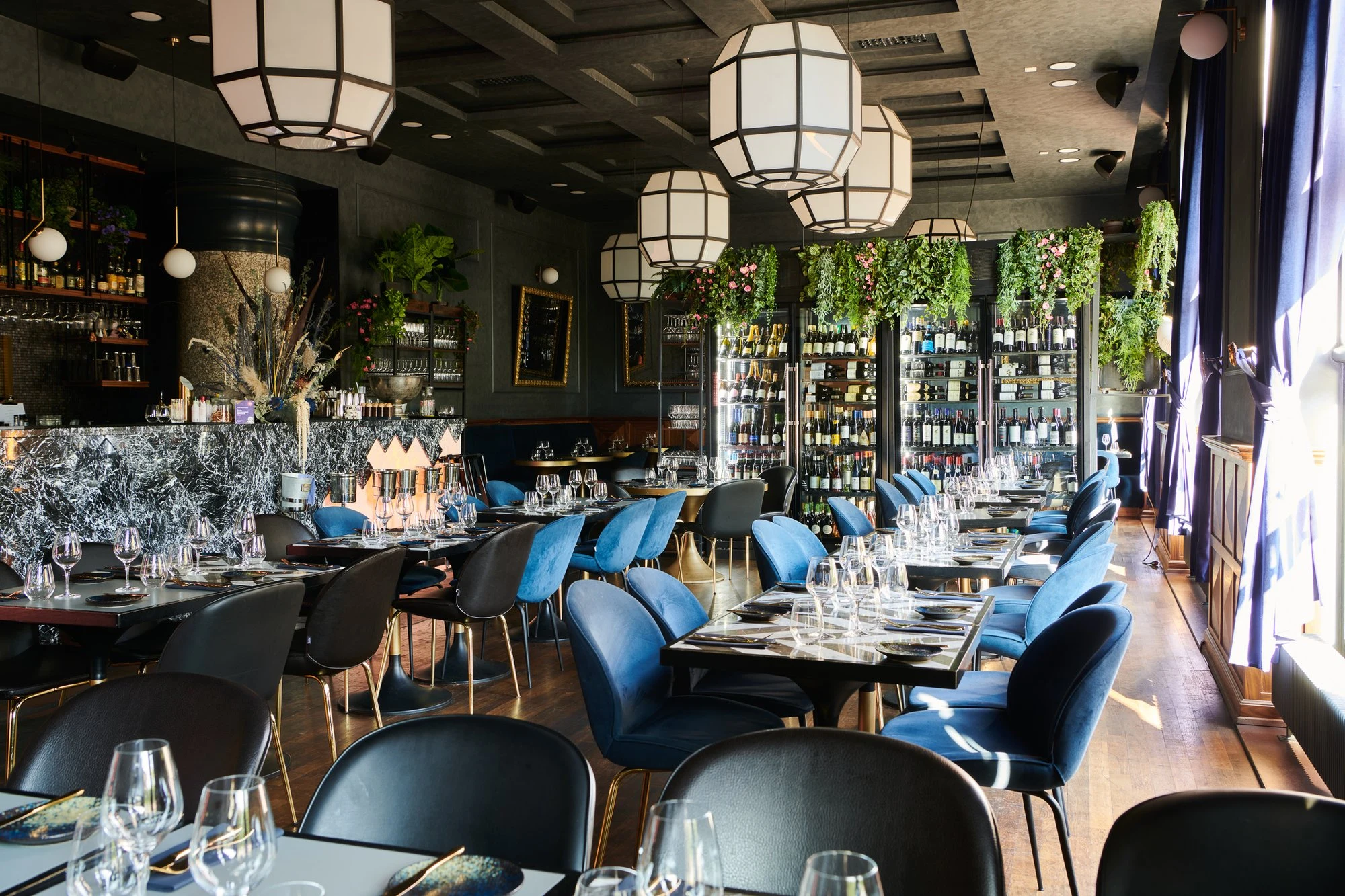
Copenhagen's restaurant culture is weighted heavily toward the multi-course tasting format. The city's most-discussed addresses, from Geranium and Noma to Alchemist and Koan, operate in a register defined by conceptual menus, long evenings, and kitchen-led progression. Against that backdrop, a restaurant oriented around fire and carefully sourced beef cuts a different profile. Capa, a Modern Steakhouse at Rådhuspladsen 57 in Copenhagen, is a grill-focused kitchen that brings the sourcing rigour and technical discipline associated with the city's fine-dining tier to a format the market has largely left to casual operators.
What makes this worth attention is not the format itself but the sourcing architecture behind it. The steakhouse, as a category, tends to rise or fall on the quality of its supply chain. Capa's approach, built around Sashi beef and Freygaard cattle from Finland alongside locally sourced Danish dairy cow beef, places it firmly in the provenance-first camp that defines serious Nordic cooking regardless of format.
Where the Meat Comes From, and Why That Matters
Sashi beef, bred in Denmark and Finland and raised on a diet designed to produce high intramuscular fat levels, has attracted attention from European chefs as an alternative to Japanese Wagyu for markets where traceability and regional context matter as much as marbling scores. Freygaard, a Finnish producer with a reputation for consistent, high-welfare rearing, represents the kind of northern European supply chain that aligns naturally with Copenhagen's sourcing values. These are not generic commodity cuts. They are beef with a documented backstory, the sort of ingredient decision that reflects a kitchen making deliberate choices rather than purchasing from the nearest distributor.
The dry-ageing programme at Capa extends this logic. Long dry-ageing concentrates flavour and changes the textural structure of beef in ways that wet-ageing cannot replicate, and it requires both controlled infrastructure and the confidence to commit stock for extended periods. In practical terms, it is expensive and operationally demanding. The fact that this is a core part of the kitchen's identity rather than a menu footnote says something about where the restaurant positions itself within Copenhagen's broader dining ecosystem.
Whole-animal usage, reflected in the house charcuterie programme, adds another dimension. Using trim, secondary cuts, and offal to produce cured and fermented products is a sustainability practice with deep roots in Nordic food culture, and it is increasingly rare to see it executed with genuine commitment rather than as a gesturally presented side note. At Capa, the charcuterie programme appears to be an ongoing operational priority rather than a seasonal addition.
The Grill as Technique, Not Theatre
Bespoke grill equipment signals that the kitchen has invested in temperature control and fuel specificity rather than treating the grill as interchangeable with a standard broiler. The distinction matters. Smoke character, crust development, and internal temperature management at scale require precision, and kitchens that build custom grilling setups are generally those where the grill is the primary technical instrument rather than one station among many.
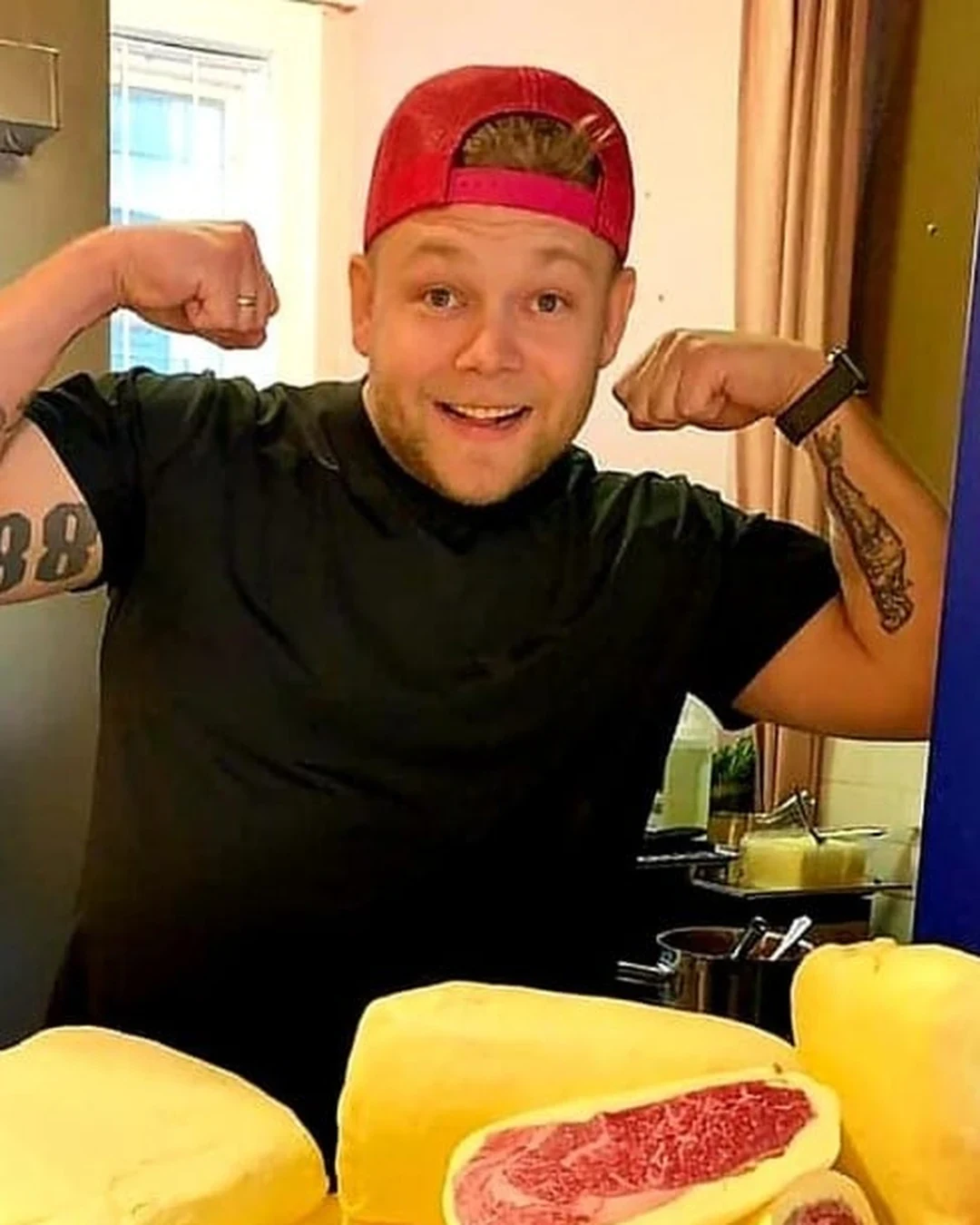
Chef Casper Sobczyk's role here is less that of a personality-driven auteur and more that of a technician with a clear ingredient brief. The approach, as described across the kitchen's output, favours restraint at the plate level: smoked butter, house-fermented accompaniments, sauces calibrated not to dominate. These are the decisions of a kitchen that trusts its primary ingredient to carry the weight of the experience, which in turn demands that the sourcing and ageing decisions upstream are genuinely sound.
Starters and sides reflect the same logic. Bone marrow with pickled onions, root vegetables roasted in beef fat, and seasonal elements framed by Nordic seasonality sit in clear relationship with the protein-led main course rather than competing with it.
Where Capa Sits in the Copenhagen Dining Picture
Copenhagen's Michelin-tracked dining scene is weighted toward creative and New Nordic formats. Addresses like Kadeau operate within a tasting-menu framework. The broader Danish dining circuit, including destinations like Jordnær in Gentofte, Frederikshøj in Aarhus, Henne Kirkeby Kro, Alimentum in Aalborg, ARO in Odense, and Domæne in Herning, shares a broadly ingredient-led orientation, but the format diversity outside Copenhagen is wider than the capital's critical conversation suggests.
Internationally, comparison points exist in the premium grill category. New York addresses like Le Bernardin and Atomix operate in entirely different registers, but they illustrate the point that serious technique and serious sourcing can anchor a restaurant in a city's upper tier regardless of format. In Copenhagen, the tasting-menu dominance of the critical conversation has arguably created space for a well-executed grill concept to occupy a tier that comparable European capitals fill more fully.
The sommelier programme, designed to work alongside the weight of grilled and aged meat, reflects a service approach that treats wine matching as a technical discipline rather than a upsell sequence. In a city with a strong natural and low-intervention wine culture, pairing with beef fat and smoke requires decisions about structure, tannin, and acidity that a generic list cannot answer adequately.
Planning a Visit
Capa is located at Rådhuspladsen 57, placing it at the City Hall Square in central Copenhagen, accessible by metro, S-tog, and bus connections that serve the square directly. Given the sourcing depth and the format's positioning within Copenhagen's upper dining tier, booking ahead is advisable, particularly for weekend evenings and during peak season when the city's international visitor volume increases. The restaurant's address and format make it a viable anchor for an evening in the city centre. For a fuller picture of Copenhagen's dining, drinking, and hospitality options, see our full Copenhagen restaurants guide, our full Copenhagen hotels guide, our full Copenhagen bars guide, our full Copenhagen wineries guide, and our full Copenhagen experiences guide.
Questions
Frequently asked
Who works at Capa?
Made By profiles Casper Sobczyk (Chef) at Capa.
How expensive is Capa?
Capa is listed at a price level of $$$$.
Where is Capa and what does it serve?
Capa is in Indre By, Copenhagen, serving Modern Steakhouse.
The field
How it compares
| Place | Cuisine | Notes | Awards |
|---|---|---|---|
| Capa | Modern Steakhouse | Indre By, $$$$ | · |
| Alchemist | Avant-Garde Molecular Gastronomy with Social Commentary | Copenhagen | Michelin 2 Stars, World's 50 Best |
| Geranium | Modern New Nordic Pescatarian | Copenhagen | Michelin 3 Stars, World's 50 Best |
| Kadeau | New Nordic Cuisine | Copenhagen | Michelin 3 Stars, World's 50 Best |
| Kong Hans Kælder | Classic French Fine Dining | Copenhagen | Michelin 2 Stars |
| Noma | New Nordic Fine Dining | Copenhagen | Michelin 3 Stars, World's 50 Best |
| Søllerød Kro | Modern French Fine Dining | Copenhagen | Michelin 1 Star |
In residence
Similar places
Avant-Garde Molecular Gastronomy with Social Commentary
Alchemist
Copenhagen, Denmark
★★ · 50 Best
Modern New Nordic Pescatarian
Geranium
Copenhagen, Denmark
★★★ · 50 Best
New Nordic Cuisine
Kadeau
Copenhagen, Denmark
★★★ · 50 Best
Classic French Fine Dining
Kong Hans Kælder
Copenhagen, Denmark
★★
New Nordic Fine Dining
Noma
Copenhagen, Denmark
★★★ · 50 Best
Modern French Fine Dining
Søllerød Kro
Copenhagen, Denmark
★