- Wine Spectator · Tier 3
- Wine Spectator Grand Award · 2026
- Star Wine List · 2026
- Opinionated About Dining Top Restaurants in North America Recommended · 2026
- Wine Spectator Grand Award · 2025
- Pearl Recommended Restaurant · 2025
- Opinionated About Dining Top Restaurants in North America Ranked #317 · 2025
- Opinionated About Dining Top Restaurants in North America Ranked #348 · 2024
- Opinionated About Dining Top Restaurants in North America Recommended · 2023
Ocean Avenue, After Dark
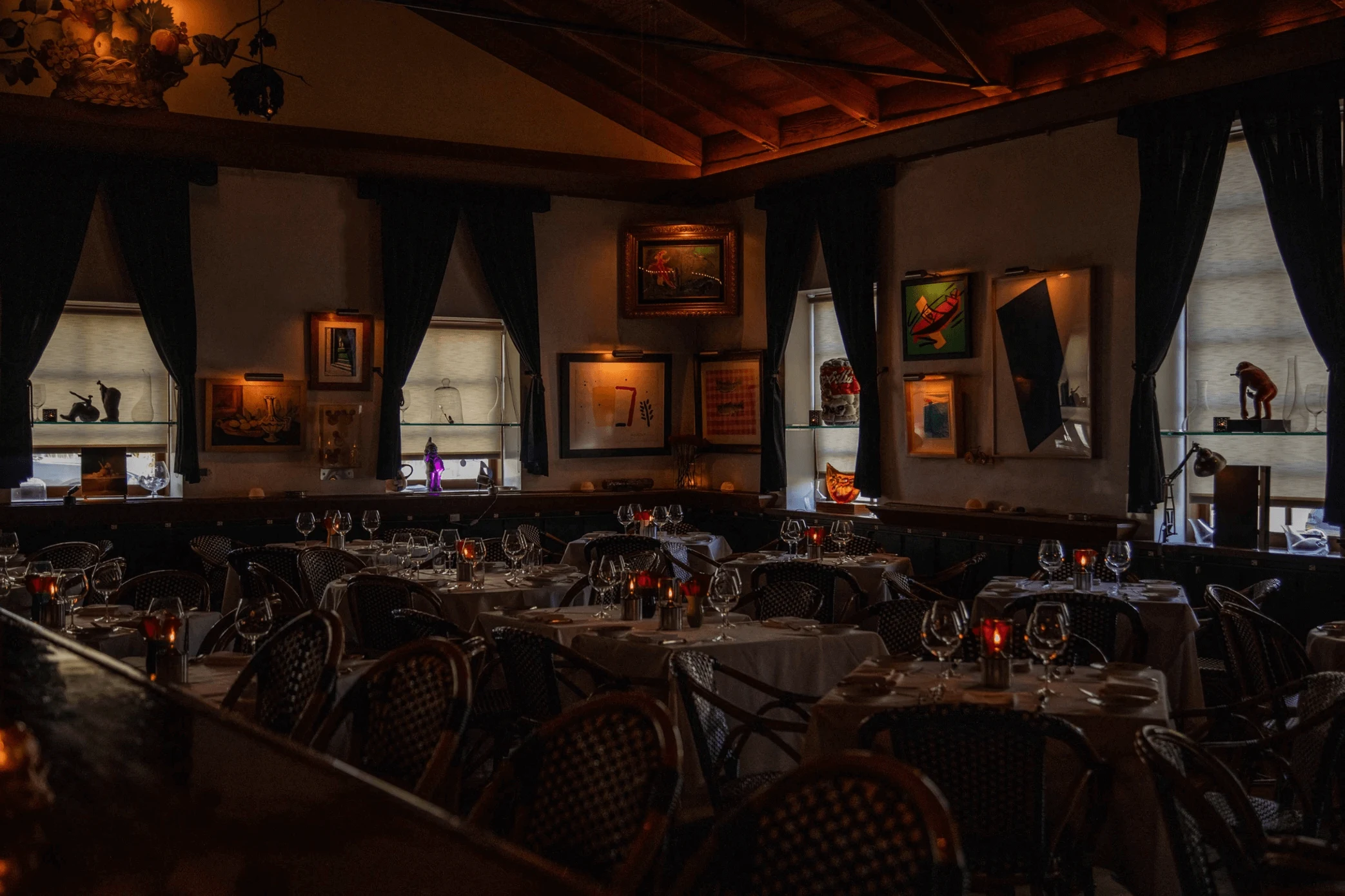
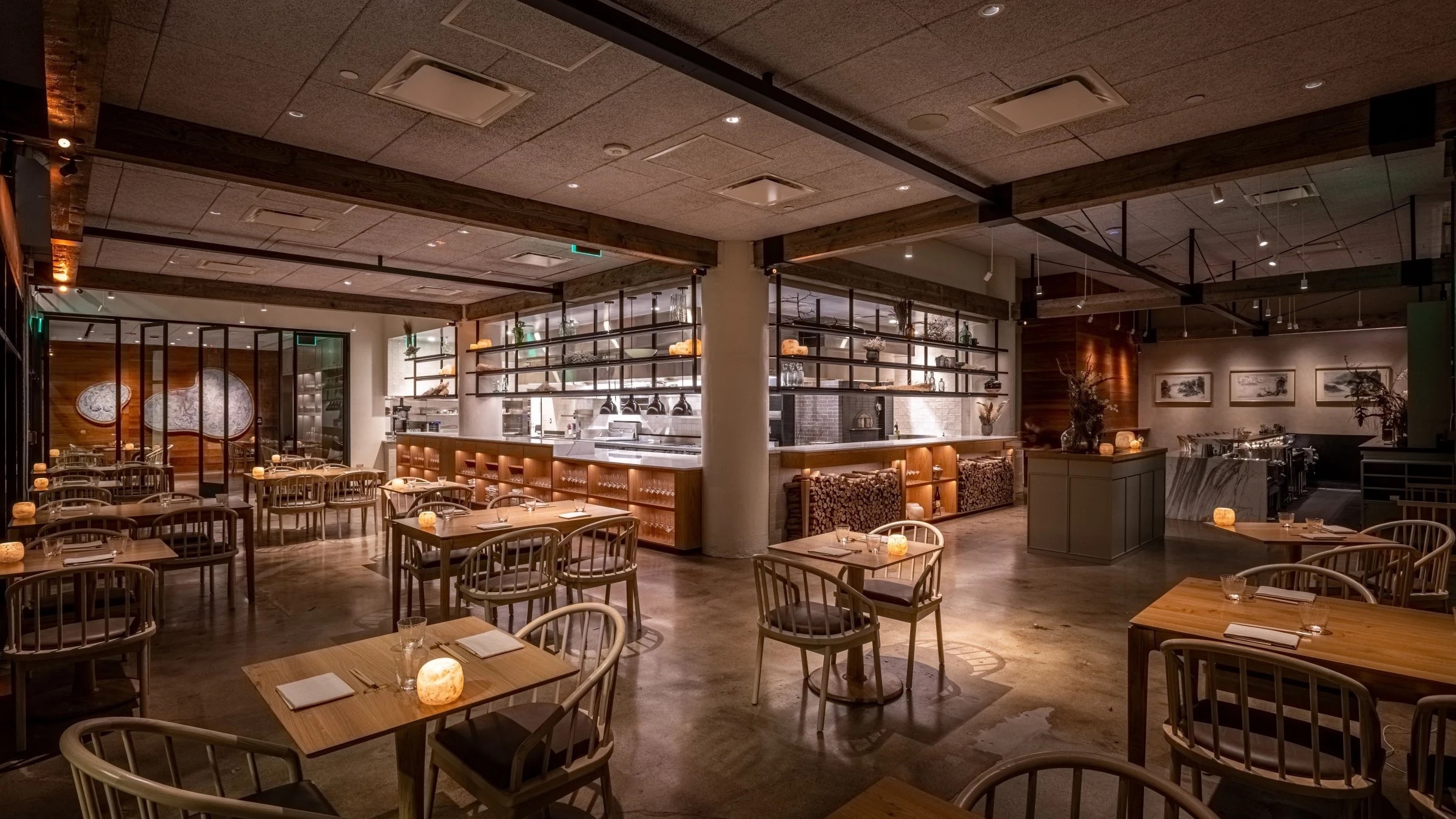
Santa Monica's Ocean Avenue runs along the bluff above the Pacific Coast Highway, and by the time dinner service begins at Capo, the light over the water has already shifted from gold to grey. The address, 1810 Ocean Ave, places the restaurant in Santa Monica. Capo sits in that latter category: a dinner-only Italian operation with a wine program large enough to anchor a much bigger city's conversation.
The format itself is a statement. No lunch, no Sunday service, no Monday opening. Dinner runs Tuesday through Saturday, 6 to 9 pm. That compressed window signals a deliberate approach to hospitality, one that prioritises quality of service over volume of covers, a model that has become more common in the top tier of Los Angeles dining but remains rarer in the coastal Santa Monica market, where tourism economics tend to favour longer trading hours.
The Sunday letter
Find new places through the people who run them.
Our Sunday email brings you the chefs, winemakers and hoteliers behind our newest stories. See a sample before you subscribe.
See a sample of the Sunday emailOne email a week. Unsubscribe from any issue.
Three Decades of Recalibration
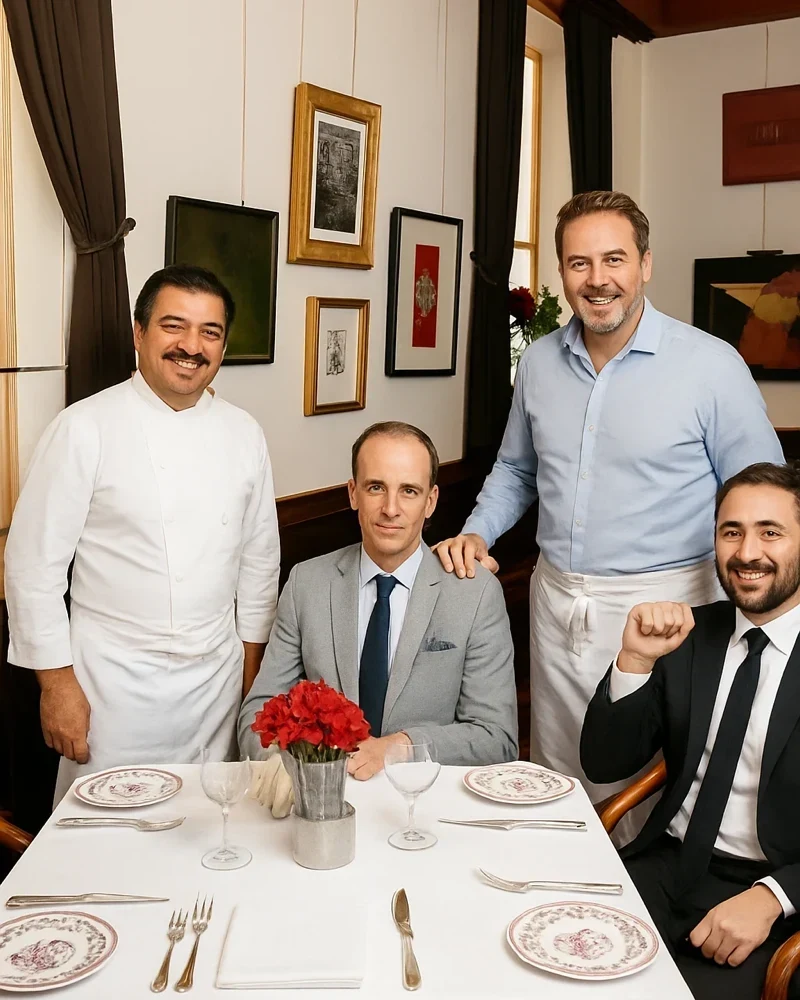
The Italian-American restaurant that endures for thirty-plus years in a major American city is not the same place it was at opening. Capo has followed the pattern common to the category's survivors: successive refinements that shed earlier informality, deepened the wine inventory, and tightened the culinary focus without abandoning the core identity that built the original audience. Owner Bruce Marder, who also serves as chef, represents the kind of ownership-operator continuity that is increasingly unusual in Los Angeles dining, where chef departures and ownership transitions regularly reset a restaurant's trajectory.
That sequence, from broad recognition to a ranked position climbing year-on-year, suggests a venue in active forward motion rather than coasting on an established reputation. Among the Italian and steakhouse-inflected restaurants in Los Angeles, consistent upward movement in OAD rankings over a three-year period is a meaningful signal.
The Wine Argument
Any serious Italian restaurant in a major American market eventually gets judged as much by its cellar as its kitchen. Capo's wine program makes a strong case for itself on quantitative grounds alone: 2,725 selections and an inventory of 13,500 bottles, with pricing at the $$$ tier (many bottles exceeding $100). Wine Director and General Manager Frank Turrisi oversees the list, with Sommelier Mirco Pallotti supporting service. The dual role of Turrisi, managing both the floor and the cellar, is a structure that tends to produce tighter alignment between wine selection and dining pace than programs where the two functions are siloed.
The list's geographic strengths include California, Burgundy, Bordeaux, Tuscany, Piedmont, and the Rhône. That coverage places Capo in a peer conversation with the better-stocked Italian wine programs in the city, including Osteria Mozza and Angelini Osteria, both of which operate with similarly serious cellar depth. The corkage fee is $75.
For context on how Italian restaurants abroad approach wine depth, the comparison reaches further: 8 1/2 Otto e Mezzo Bombana in Hong Kong and cenci in Kyoto both demonstrate that the Italian dining format carries its wine seriousness across geographies. Capo's list, at nearly 13,500 bottles, sits comfortably in that tradition.
Where Capo Sits in the Los Angeles Italian Conversation
Los Angeles Italian dining has fractured into distinct tiers over the past decade. At one end, the market has absorbed a wave of technically driven, often younger restaurants, places like Antico Nuovo and Bianca, that approach the cuisine with an eye toward regional Italian specificity and contemporary cooking technique. At the other, the stalwarts of the Italian-American tradition hold ground through accumulated reputation and loyal clientele.
Capo occupies a position that bridges those two poles. Its cuisine is classified as Italian and steakhouse, a combination that places it in a legacy American format, but one that the wine program and OAD recognition lift into a different critical register. Bestia operates further east, in the Arts District, with a rougher, more industrial energy. Capo's Ocean Avenue location sets a different expectation: quieter, more deliberately paced, with the kind of service register that comes from a room where the owner is present and the general manager is also the sommelier.
The broader Los Angeles fine dining market includes Michelin-recognised venues in adjacent categories, Osteria Mozza at the Italian end, Gwen and Camphor in the American and French-Asian tiers, but Capo's OAD ranking places it in a credible position within the city's Italian subset without requiring Michelin validation. OAD's methodology, which aggregates opinions from frequent restaurant-goers rather than anonymous inspectors, tends to surface venues with strong repeat clientele, which aligns with Capo's profile.
Planning a Visit
Capo takes reservations and serves dinner Tuesday through Saturday, with service running from 6 to 9 pm on Tuesday through Thursday and 6 to 9:30 pm on Friday and Saturday. Given the wine program's scale and the $75 corkage fee, arriving with a bottle from outside is a calculation worth making in advance. The Google rating sits at 4.4 across 273 reviews.
For reference points beyond Los Angeles, the Italian fine dining format finds its American peers at places like Le Bernardin in New York City, not Italian, but a useful benchmark for the dinner-only, wine-serious format, and its West Coast counterparts at Lazy Bear in San Francisco and Single Thread Farm in Healdsburg, both of which operate with similarly compressed service windows and deep wine programs. Alinea in Chicago and Emeril's in New Orleans represent different regional expressions of the American fine dining format that Capo's OAD ranking places it alongside.
Questions
Frequently asked
Who works at Capo?
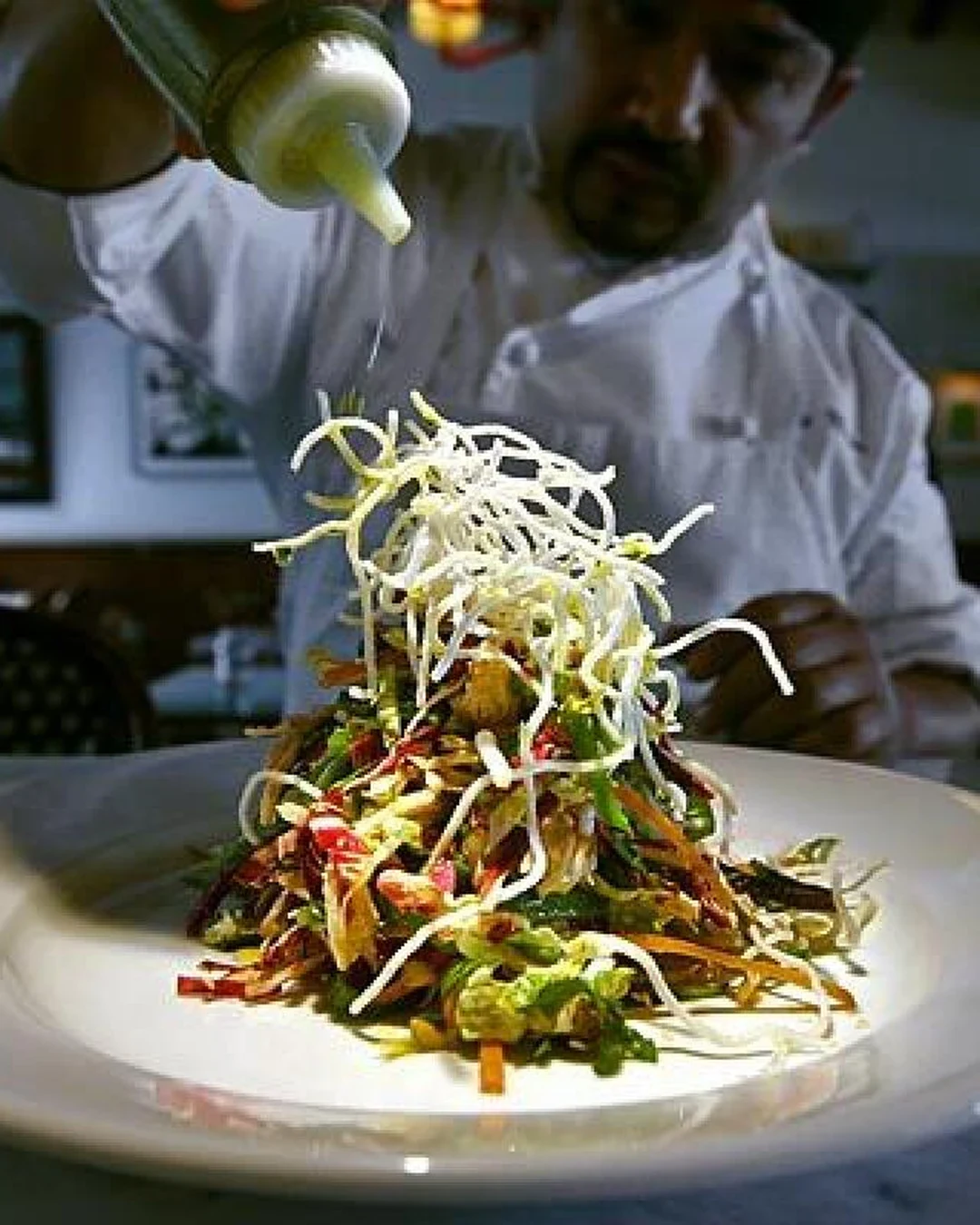
Made By profiles Bruce Marder (Chef) and Ricky Moreno (Chef) at Capo.
How expensive is Capo?
Capo is listed at a price level of $$$$.
Where is Capo and what does it serve?
Capo is in Ocean Park, Los Angeles, serving Modern Italian Wood-Fired.
The field
How it compares
| Place | Cuisine | Notes | Awards |
|---|---|---|---|
| Capo | Modern Italian Wood-Fired | Ocean Park, $$$$ | · |
| Hayato | Traditional Japanese Kaiseki | Los Angeles | Michelin 2 Stars |
| Holbox | Modern Mexican Seafood | Los Angeles | Michelin 1 Star, World's 50 Best |
| Kato | Modern Taiwanese Fine Dining | Los Angeles | Michelin 2 Stars, World's 50 Best |
| Mélisse | California-French Fine Dining | Los Angeles | Michelin 2 Stars |
| Providence | Modern Seafood Fine Dining | Los Angeles | Michelin 3 Stars, World's 50 Best |
| Somni | Modern Spanish Fine Dining | Los Angeles | Michelin 3 Stars, World's 50 Best |
In residence
Similar places
Traditional Japanese Kaiseki
Hayato
Los Angeles, United States
★★
Modern Mexican Seafood
Holbox
Los Angeles, United States
★ · 50 Best
Modern Taiwanese Fine Dining
Kato
Los Angeles, United States
★★ · 50 Best
California-French Fine Dining
Mélisse
Los Angeles, United States
★★
Modern Seafood Fine Dining
Providence
Los Angeles, United States
★★★ · 50 Best
Modern Spanish Fine Dining
Somni
Los Angeles, United States
★★★ · 50 Best
The Sunday letter
Get the next Made By story in your inbox.
We send one email every Sunday morning with the places and people we covered that week.
See a sample of the Sunday emailOne email a week. Unsubscribe from any issue.