Organic Sangiovese by named sites
- Falstaff Winery - 3 Stars · 2026
Parcels before labels
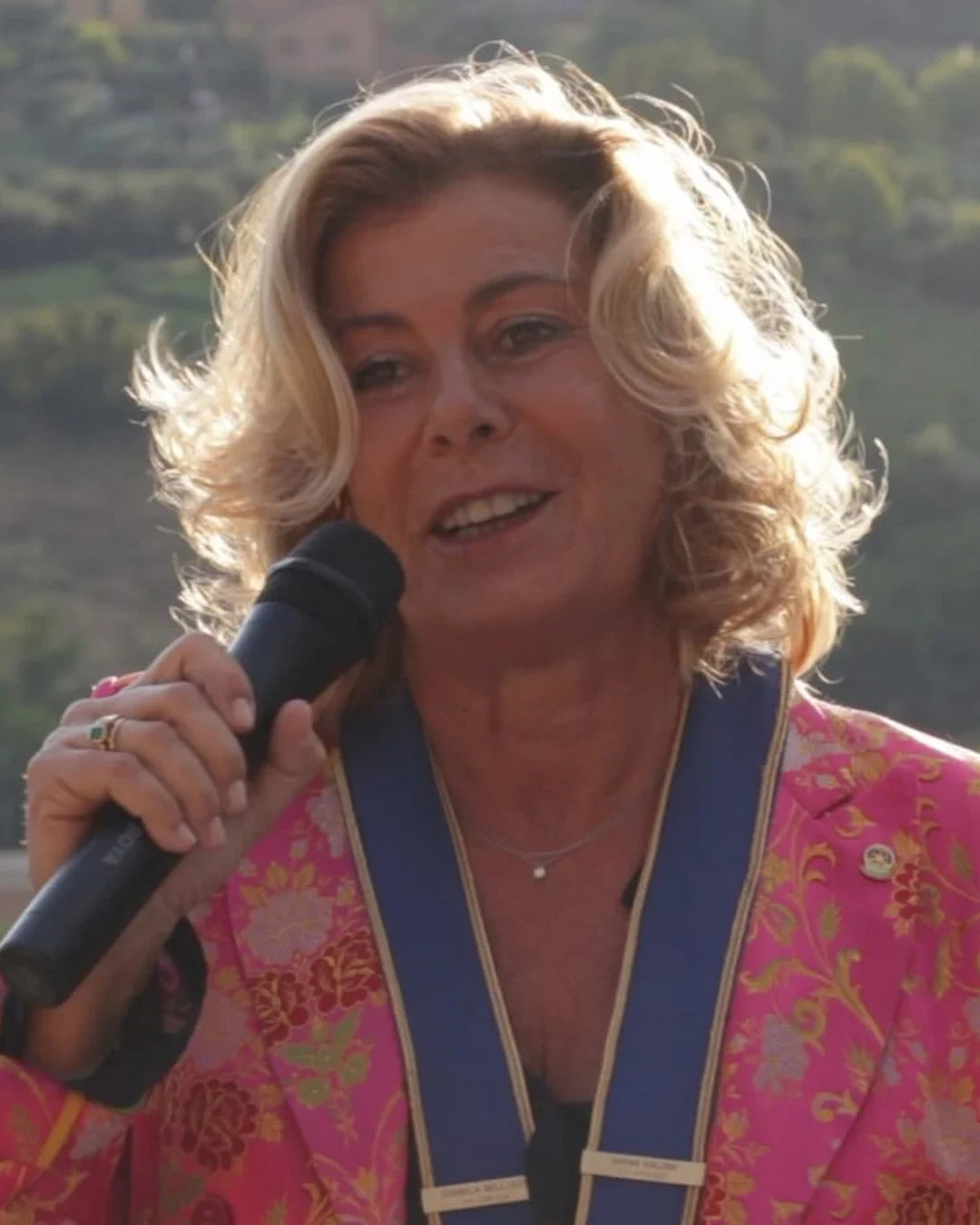
Sangiovese sets the first decision for Gioia Cresti, winemaker at Carpineta Fontalpino in Montaperti, Castelnuovo Berardenga. She works from the estate she took over with Filippo Cresti in 1990, after agriculture and enology studies in Bordeaux gave her a technical language for vines, parcels, fermentation and patience. The family line here reaches back to Italo Cresti, who turned the ancestral vineyard into a business in 1967, and the present work still carries that inheritance in the practical sense: land first, wine after. Cresti has described the early years as a wait for young vines to mature, not a quick change of label or market position. That delay matters at this bench. The current direction points toward a cru system for Sangiovese and Chianti Classico, with Montaperto, Fontalpino and Dofana treated as named sites rather than background material. Her role is not only cellar work. It is the mapping of the estate into wines that can hold their own names.
Thirty hectares under organic work
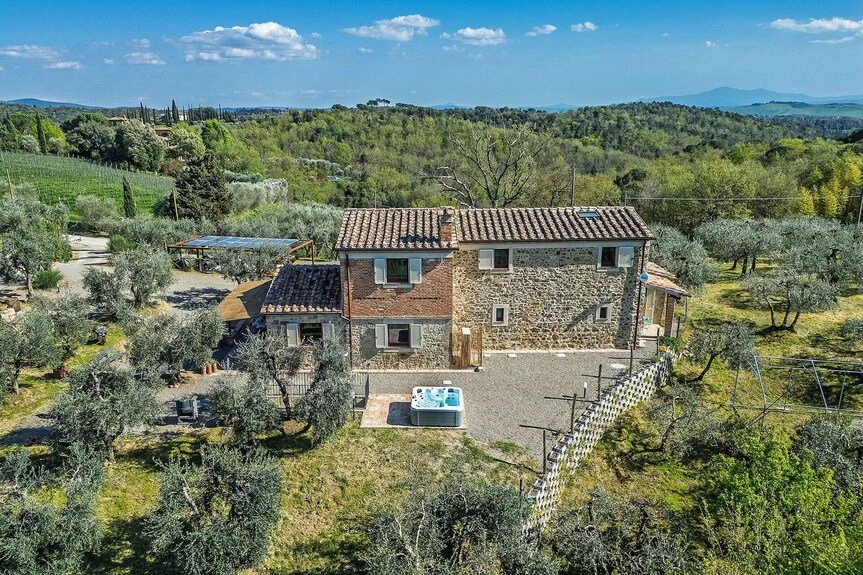
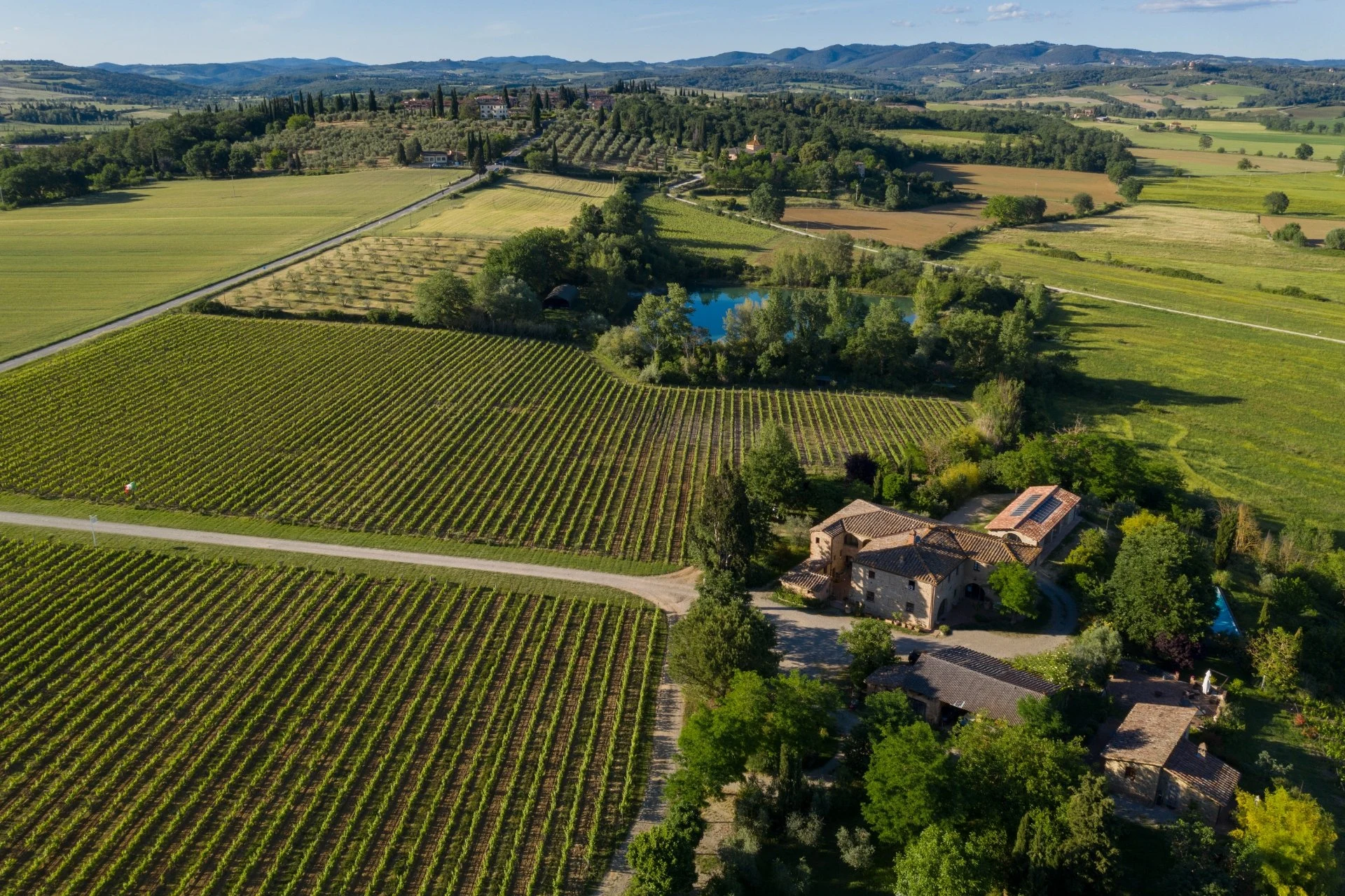
The estate covers 90 hectares, with 30 hectares planted to vineyard, and the farming is certified organic. Sangiovese accounts for 90% of the plantings; the rest includes Merlot, Cabernet Sauvignon, Petit Verdot, Alicante and Gamay, alongside the broader house list of Chardonnay and sparkling work. Carpineta Fontalpino also cultivates Senatore Cappelli wheat, a heritage grain that keeps the agricultural frame wider than wine alone. In the cellar, the method stays within recognizable Tuscan discipline: temperature-controlled fermentation, aging in oak barrels and stainless steel tanks, and a program built around Chianti Classico DOCG, Chianti Colli Senesi DOCG, Supertuscan IGT and Spumante Metodo Classico. The most specific thread remains Sangiovese. The Chianti Classico Fontalpino is made as 100% Sangiovese, while Vigna Montaperto gives the cru work a narrower lens, with the site’s fruit and resinous juniper character brought forward in the glass.
A cellar near Montaperti
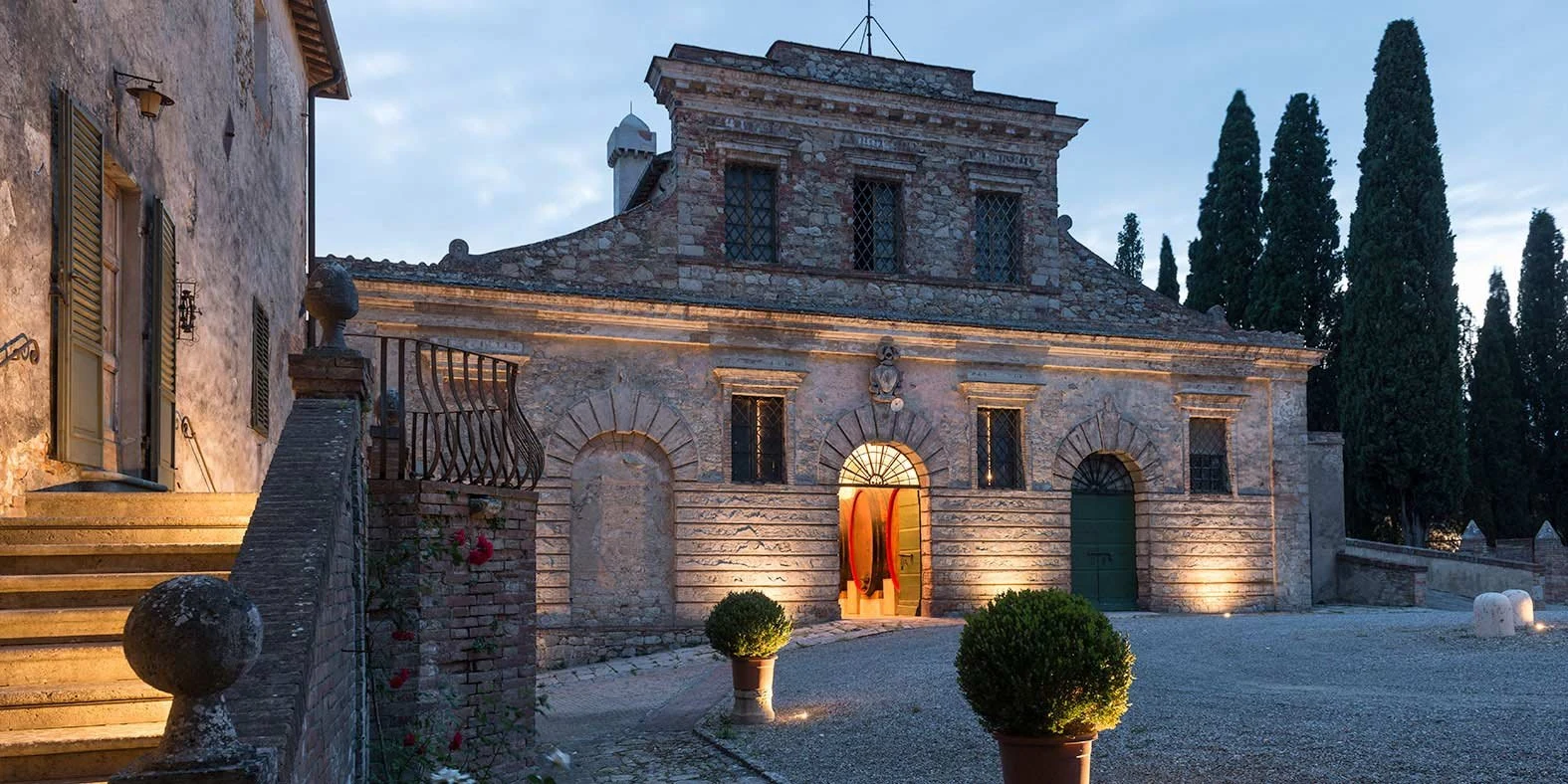
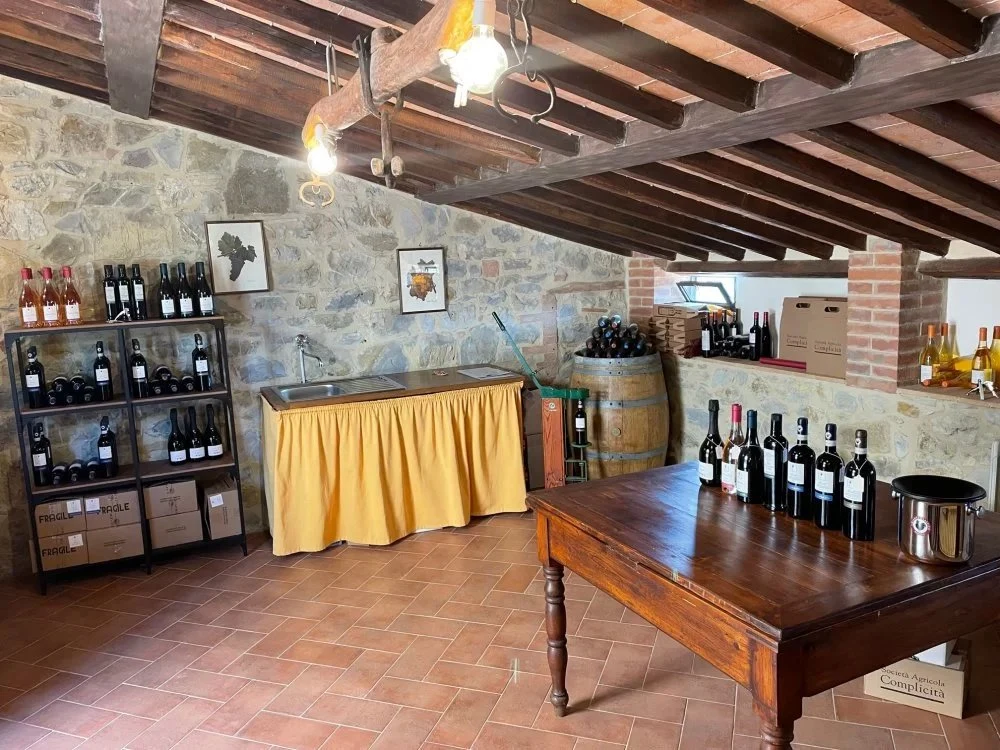
The place keeps a quiet Tuscan register: cellar tastings, stone, vineyard air, and the slower rhythm of a family estate near the medieval hill of Montaperti. The name carries its own geography. Carpineta refers to the carpini trees on the site; Fontalpino points to the water source backed by pine woods. In the tasting room, the work is not separated from the land that made it. Sangiovese, Merlot, Cabernet Sauvignon, Petit Verdot and Chardonnay sit within the same agricultural frame, with Chianti Classico as the central discipline. The room does not need theatre. It has barrels, bottles, and the knowledge that the next distinction may come from one parcel rather than another.
The estate drawn more finely
The 2023 Fontalpino received Tre Bicchieri from Gambero Rosso, and Cresti and Filippo are naming the estate into clearer parts. Montaperto, Fontalpino and Dofana give the next chapter its nouns, and Vigna Montaperto is the bottle that makes that direction visible.
Questions
Frequently asked
Who makes the wine at Carpineta Fontalpino?
Gioia Cresti is the winemaker at Carpineta Fontalpino, working with Filippo Cresti on the estate the family took over in 1990.
What is Carpineta Fontalpino known for?
The estate is centred on Sangiovese, with a current focus on a cru system for Chianti Classico and named sites such as Montaperto, Fontalpino and Dofana. The Chianti Classico Fontalpino is made as 100% Sangiovese, and Vigna Montaperto is presented as a cru wine from a single site.
What kind of farming and production does the estate use?
Carpineta Fontalpino has 90 hectares in total, with 30 hectares planted to vineyard, and the farming is certified organic. In the cellar, the work includes temperature-controlled fermentation, aging in oak barrels and stainless steel tanks.
What other grapes and products are part of the estate?
Sangiovese makes up 90% of the plantings, and the rest includes Merlot, Cabernet Sauvignon, Petit Verdot, Alicante and Gamay. The estate also grows Chardonnay, makes sparkling wine, and cultivates Senatore Cappelli wheat.
Has Carpineta Fontalpino received any recognition?
The 2023 Fontalpino received Tre Bicchieri from Gambero Rosso.
The field
How it compares
| Place | Notes |
|---|---|
| Carpineta Fontalpino | Montaperti, $$ |
| Castell'in Villa | Castelnuovo Berardenga |
| Fèlsina | Castelnuovo Berardenga |
| Pagliarese | Castelnuovo Berardenga |
| Soc. Agr. Complicità | Castelnuovo Berardenga |
| Tenuta Moraia | Castelnuovo Berardenga |
| Terra di Seta | Castelnuovo Berardenga |