Casa Chef Victor Felisberto
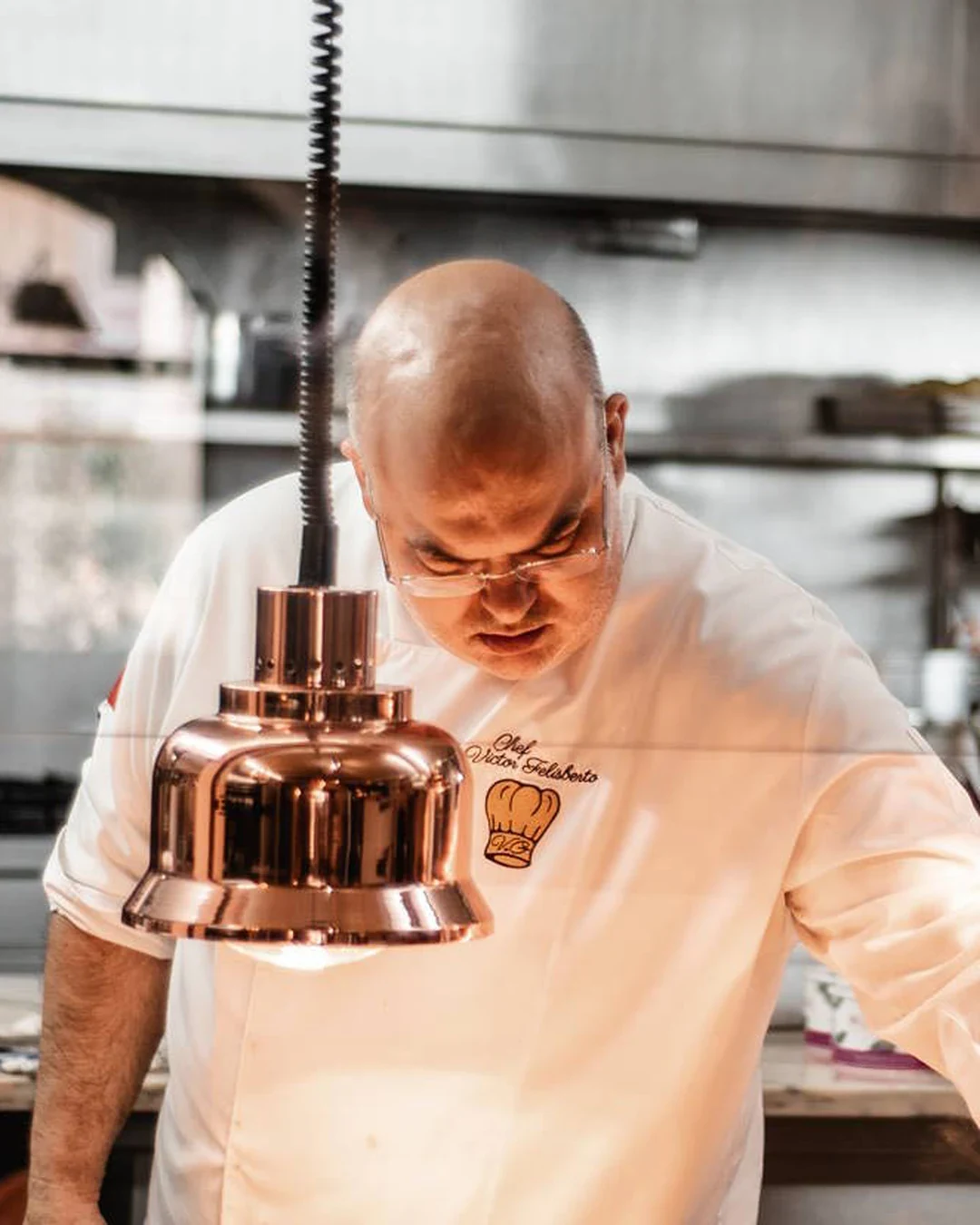
In Residence
Victor Felisberto
Chef
- 01CuisineRegional Portuguese Meats and Grills
- 02CityAbrantes, Portugal
- Michelin Bib Gourmand · Michelin Guide
- Michelin Bib Gourmand · 2026
- Michelin Bib Gourmand · 2025
- Michelin Bib Gourmand · 2024
Wood, Fire, and the Ribatejo Interior
Inland Portugal has a different culinary register from the coast. Where Lisbon and Porto concentrate their Michelin attention on contemporary Portuguese technique, venues like Belcanto in Lisbon or Antiqvvm in Porto operate at the €€€€ tier with modernist ambitions, the Ribatejo and Alentejo corridor runs on an older set of priorities: the wood-fired oven, the slow braise, the cut of meat that rewards patience over precision plating. Casa Chef Victor Felisberto, on Rua Francisco Ferreira da Mata in Abrantes, sits squarely inside that tradition.
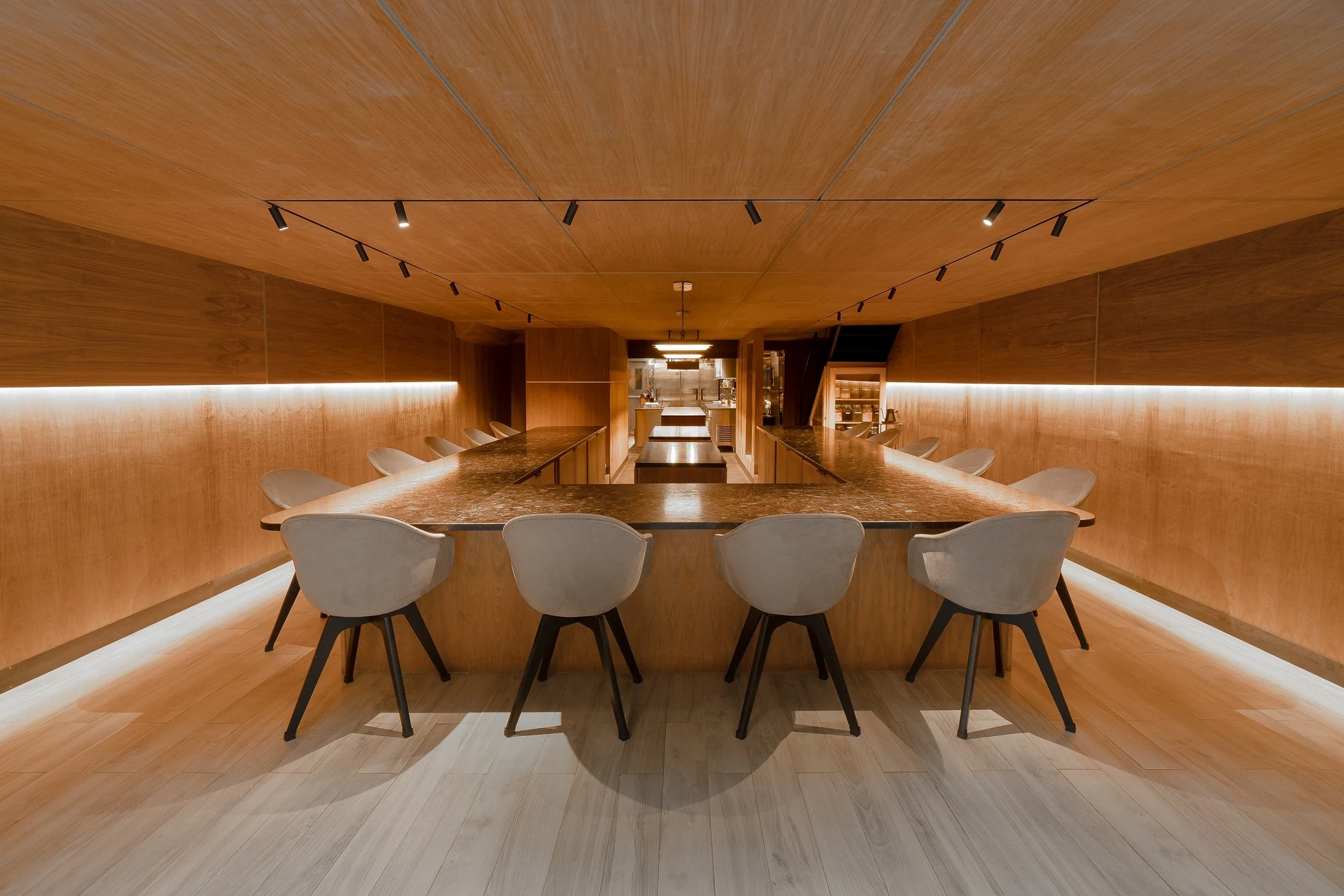
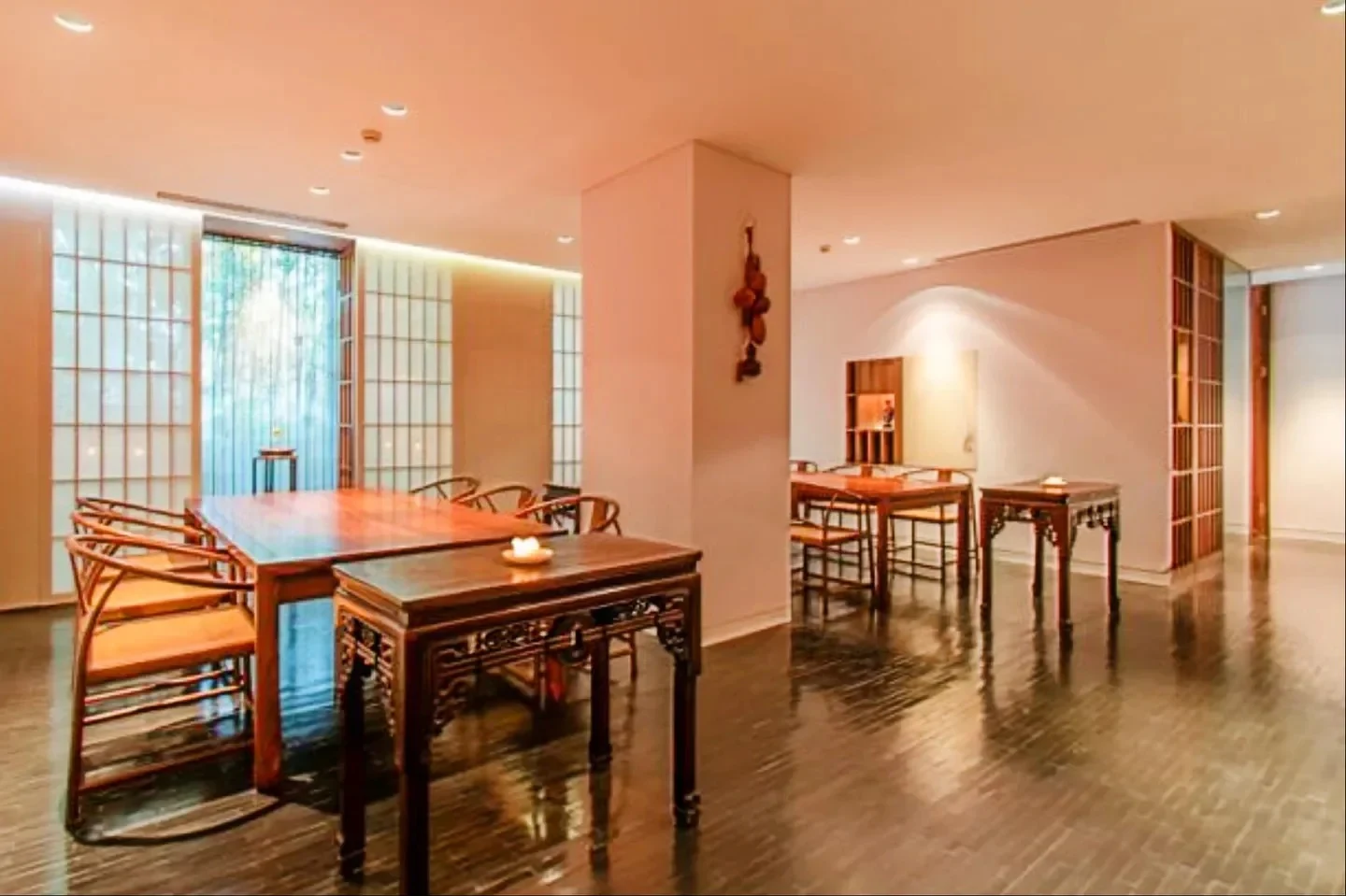
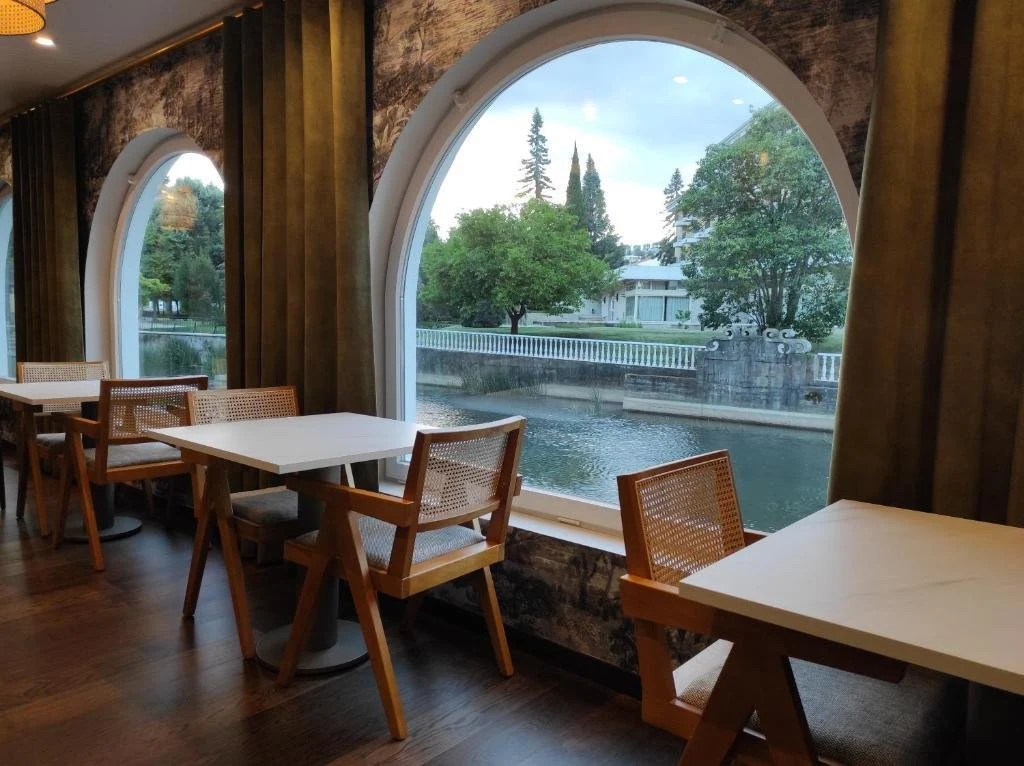
The dining room reads as a working space rather than a stage set. A spacious, light-filled main room handles the volume of a popular neighbourhood restaurant, while a more intimate lounge offers a quieter register for smaller parties. The open kitchen is the room's focal point, giving the wood-fired oven a visibility it earns: this is the instrument around which the entire menu is organised, and watching it work is part of understanding what arrives at the table.
The Case for Slow Heat
The editorial angle on wood-fired meat cookery is often framed around steakhouse theatre, flames, theatre, the quick sear. That is not what is happening here. The dominant technique is slow application of retained heat, the kind of cooking that wood ovens sustain more consistently than gas or electric alternatives. The chemistry is direct: low, steady radiant heat over extended time breaks down collagen into gelatin, keeps moisture inside the protein, and concentrates flavour compounds that higher heat would volatilise away. The result is the texture the kitchen is known for: what the venue's own framing describes as extremely succulent.
Chanfana is the clearest expression of this logic. The dish is a fixture of central Portuguese cooking, particularly in the Beira and Ribatejo regions, where goat was historically the available protein and slow braising in red wine was both practical and effective. Wood-fired slow-cooked chanfana here belongs to a long continuum of that preparation, one that connects domestic farmhouse cooking to the kind of considered regional execution that earns Michelin notice. For context on how the guide recognises this tier of Portuguese cooking elsewhere, A Cozinha in Guimaraes and A Ver Tavira in Tavira represent similar regional commitments at comparable recognition levels.
The confit pork cheeks from black pigs add another layer to the meat programme. Black Iberian pig, the breed behind prestige charcuterie, produces cheeks with a higher fat-to-muscle ratio than commercial pork, which makes the confit technique particularly effective: the fat bastes the meat from within during the long cook, and the collagen-rich cheek structure becomes yielding without losing its integrity. This is the same logic that has made the cut a fixture on menus across the Iberian Peninsula, from high-end Lisbon restaurants to rural tabernas. At the €€ price point in Abrantes, it represents a different kind of value calculation than the two-star programme at, say, Casa de Chá da Boa Nova in Leça da Palmeira or Ocean in Porches, but the underlying quality of the ingredient is comparable.
Fried sweetbreads occupy a different end of the offal spectrum: quick heat, crisp exterior, the rich interior of thymus gland that divides opinion sharply but rewards those who seek it out. Veal rounds out the protein range, bringing a lighter texture that contrasts with the longer-cooked preparations. Across this range, the kitchen is making a coherent argument: that the wood-fired oven is not a single-register instrument but a tool capable of handling everything from delicate offal to the deep braise of chanfana.
Beyond the Meat Programme
The wood-fired oven's role extends to bread baked in-house, which arrives alongside the meat programme as a functional element rather than an afterthought. In a kitchen organised around a single heat source, the bread cycle and the slow braises share the same thermal environment, which tends to produce a crust and crumb character specific to wood-fired conditions: slight smokiness, a thicker crust from the radiant heat, a moist interior.
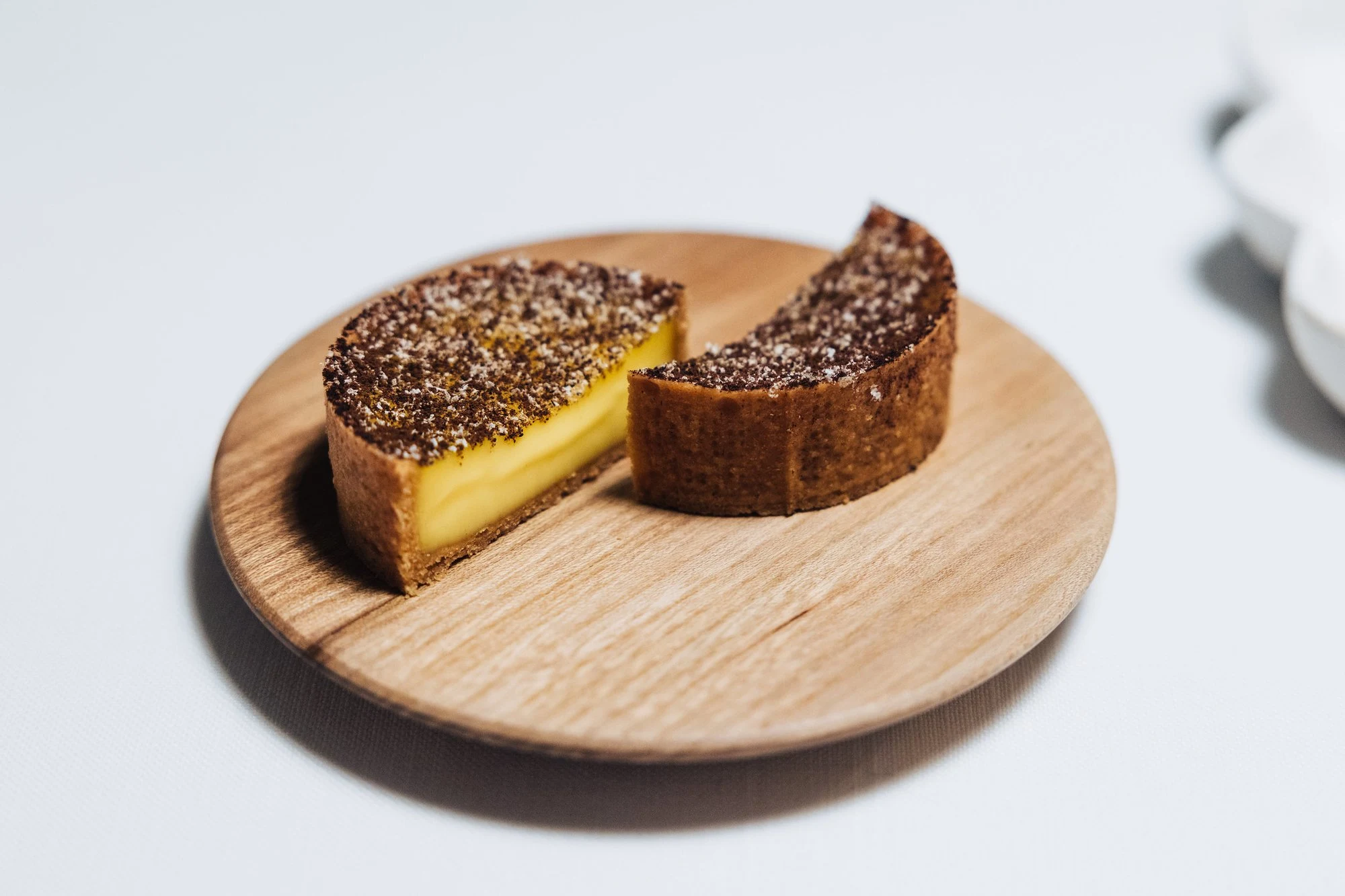
The signature fondants are the kitchen's move into a different register. Fondants, in their classic form, butter-poached potato or the chocolate version, require precise temperature control and timing, qualities that a well-managed wood oven can deliver but that demand more attention than a passive slow braise. Their presence on the menu signals that the kitchen is operating with more technical range than a pure grill house; this is closer to the kind of regional restaurant that uses classical training to articulate local ingredients, a model visible across the Michelin Bib tier in Portugal and comparable European contexts. For reference on how meats and grills operate at different tiers internationally, Carcasse in Sint-Idesbald and Damini Macelleria & Affini in Arzignano represent the European specialist-grill context.
Abrantes and Its Place in the Portuguese Restaurant Conversation
Abrantes sits on the Tagus, roughly midway between Lisbon and the Spanish border, and the town's restaurant scene does not compete with the capital's density of Michelin-recognised addresses. What it offers instead is a more direct expression of Ribatejo and Alentejo culinary tradition, without the mediation of urban fine dining conventions. A Velha represents the traditional cuisine strand of that scene; Casa Chef Victor Felisberto occupies a different position, one where classical training is applied to the same regional ingredients rather than simply reproducing them.
The Bib Gourmand places the kitchen in a specific competitive tier: not the starred tables of Vila Joya in Albufeira, The Yeatman in Vila Nova de Gaia, or Il Gallo d'Oro in Funchal, but a category defined by value and genuine quality in a mid-range bracket. At €€, with a 4.6 Google rating across more than 1,000 reviews, the kitchen has built a following that extends beyond destination diners to the local regulars who return for the chanfana and the bread. That dual audience, the occasional visitor and the habitual local, is one of the more reliable indicators that a regional restaurant is doing something right. Al Sud in Lagos operates in a comparable value-and-recognition register on the Algarve coast, making the comparison across Portuguese regions instructive.
Planning a Visit
The restaurant is located at Rua Francisco Ferreira da Mata 99 in Abrantes, a short walk from the town centre. At the €€ price point and with a Bib Gourmand profile, demand at peak hours and weekends warrants advance booking.
Questions
Frequently asked
What recognition does Casa Chef Victor Felisberto hold?
Casa Chef Victor Felisberto holds a Michelin Bib Gourmand.
Who works at Casa Chef Victor Felisberto?
Made By profiles Victor Felisberto (Chef) at Casa Chef Victor Felisberto.
How expensive is Casa Chef Victor Felisberto?
Casa Chef Victor Felisberto is listed at a price level of $$.
Where is Casa Chef Victor Felisberto and what does it serve?
Casa Chef Victor Felisberto is in Abrantes, Abrantes, serving Regional Portuguese Meats and Grills.
The field
How it compares
| Place | Cuisine | Notes | Awards |
|---|---|---|---|
| Casa Chef Victor Felisberto | Regional Portuguese Meats and Grills | Abrantes, $$ | · |
| Atomix | Modern Korean Tasting Menu | New York City | Michelin 2 Stars, World's 50 Best |
| Fu He Hui | Modern Seasonal Vegetarian Fine Dining | Shanghai | Michelin 2 Stars, World's 50 Best |
| Jordnær | Modern Nordic Seafood Fine Dining | Gentofte | Michelin 3 Stars, World's 50 Best |
| Mugaritz | Avant-Garde Basque Fine Dining | Errenteria | Michelin 2 Stars, World's 50 Best |
| Myojaku | Modern Minimalist Kaiseki | Tokyo | Michelin 3 Stars, World's 50 Best |
| Restaurant Sat Bains | Modern British Fine Dining | Nottingham | Michelin 2 Stars |
In residence
Similar places
Modern Korean Tasting Menu
Atomix
New York City, United States
★★ · 50 Best
Modern Seasonal Vegetarian Fine Dining
Fu He Hui
Shanghai, China
★★ · 50 Best
Modern Nordic Seafood Fine Dining
Jordnær
Gentofte, Denmark
★★★ · 50 Best
Avant-Garde Basque Fine Dining
Mugaritz
Errenteria, Spain
★★ · 50 Best
Modern Minimalist Kaiseki
Myojaku
Tokyo, Japan
★★★ · 50 Best
Modern British Fine Dining
Restaurant Sat Bains
Nottingham, United Kingdom
★★