- Macarfi 8.5 Food Rating · 2026
- Opinionated About Dining Casual in Europe Recommended · 2023
Olive Country, Honest Cooking
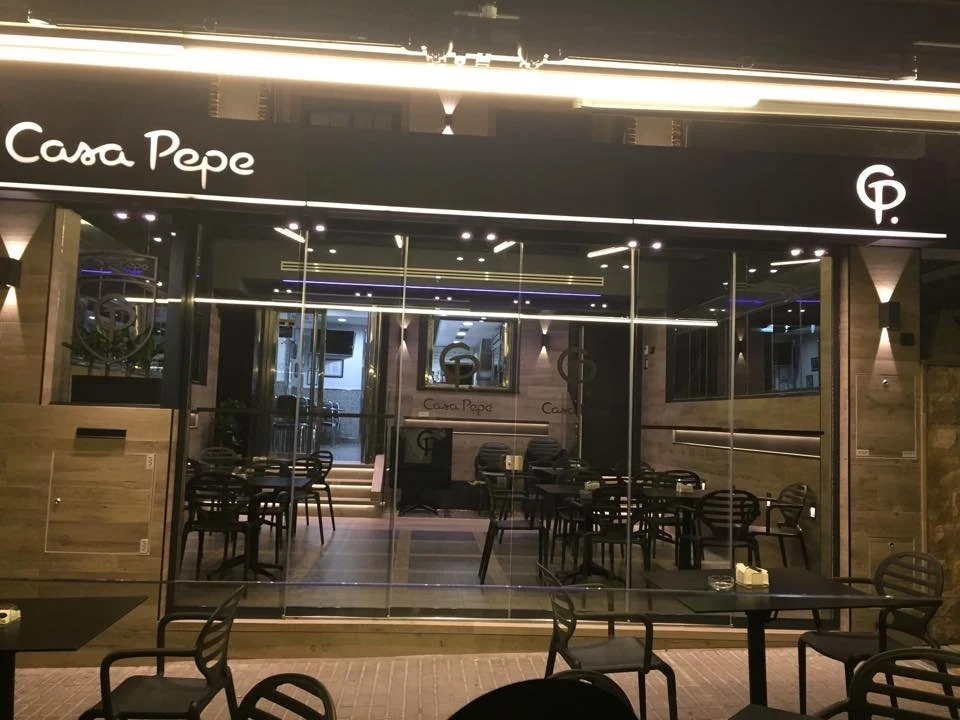
Jaén produces roughly 20 percent of the world's olive oil, a fact that shapes everything from how local kitchens are stocked to how dishes are seasoned and finished. In a province where olive groves cover more than 60 million trees and designated Protected Designation of Origin oils carry the weight of terroir-driven wine, a restaurant's relationship to that ingredient is a meaningful signal. Casa Pepe sits on the Carretera de Jabalcuz, a road that climbs south out of the city.
Jaén's dining scene operates differently from the Michelin-dense corridors of the Basque Country or Catalonia. Houses like Arzak in San Sebastián, Azurmendi in Larrabetzu, or El Celler de Can Roca in Girona operate inside a high-visibility critical infrastructure that Jaén simply does not have. That absence cuts both ways. It means fewer three-star destinations, but it also means that kitchens here have less incentive to perform for international critics and more room to cook for a local public that understands its own ingredients better than most. In that context, a restaurant on a road leading out toward olive groves is less a compromise than a declaration of intent.
The Sourcing Logic of the Sierra Sur
Andalusia's southern provinces have historically been underrepresented in Spain's prestige dining conversation. While Noor in Córdoba has drawn international attention for its Al-Andalus framework, and Aponiente in El Puerto de Santa María has built a global profile around marine ingredients, Jaén has largely stayed within its own orbit. That orbit is defined almost entirely by land-based ingredients: the olives and their oils, game from the Sierra de Cazorla (Spain's largest protected natural reserve, which begins east of the city), legumes, and the preserved and cured traditions that make Andalusian pantries distinct.
The Carretera de Jabalcuz address places Casa Pepe outside the city centre's denser, more tourist-facing cluster, which aligns it with a style of Spanish restaurant that serves a neighbourhood and regional clientele first. This is the same logic that governs many of Spain's most reliable provincial tables: the audience is local, the supply chain is short, and the menu reflects what is available rather than what is fashionable. For a cuisine built on olive oil, game, and seasonal vegetables from surrounding farmland, that proximity is the entire argument.
In Spain's broader dining geography, the most discussed restaurants tend to cluster around coastlines and the largest cities. DiverXO in Madrid, Cocina Hermanos Torres in Barcelona, and Martin Berasategui in Lasarte-Oria each operate inside established critical and tourism ecosystems. Interior Andalusia, by contrast, has a dining culture that runs on different rewards: family loyalty, long lunches, and menus built around ingredients that require no long supply chains to arrive at the table in good condition. Atrio in Cáceres and Cenador de Amós in Villaverde de Pontones are two provincial Spanish restaurants that have translated that interior character into international recognition; the question for Jaén's tables is whether that recognition matters to them.
Planning Your Visit
Casa Pepe is located at Ctra. Jabalcuz, 45, on the southern approach out of Jaén city. The address sits away from the central historic district, so arriving by car is the most practical option; the route south from the city centre takes roughly ten minutes. Jaén itself is accessible by train from Córdoba (around an hour and a half) and by road from Granada (under an hour). Reservations are recommended, particularly for weekend lunches. Dress code is casual, and opening hours vary by day.
Within Jaén itself, IZAKAYA AJHITO and Restaurante Capilla 21 represent different points on the city's dining range, from imported formats to more formally presented local cooking. Casa Pepe's road address suggests a different register from either: less urban, more grounded in the physical surroundings of the province.
For reference points further afield, Quique Dacosta in Dénia, Mugaritz in Errenteria, and Ricard Camarena in València each demonstrate how Spanish regional identity can be translated into internationally recognized dining. The gap between those operations and a provincial Andalusian table is not a quality gap so much as a scale and visibility gap. Some of Spain's most honest cooking happens precisely where the critics aren't looking. Outside Spain, kitchens that pursue a similar sourcing discipline include Le Bernardin in New York City and Lazy Bear in San Francisco, where producer relationships shape the menu as much as any technical approach.
The Sunday letter
Get new places like Casa Pepe every Sunday.
One email a week with the restaurants, bars and hotels we have just written up, and the people who run them.
One email a week. Unsubscribe from any issue.
Questions
Frequently asked
Who works at Casa Pepe?
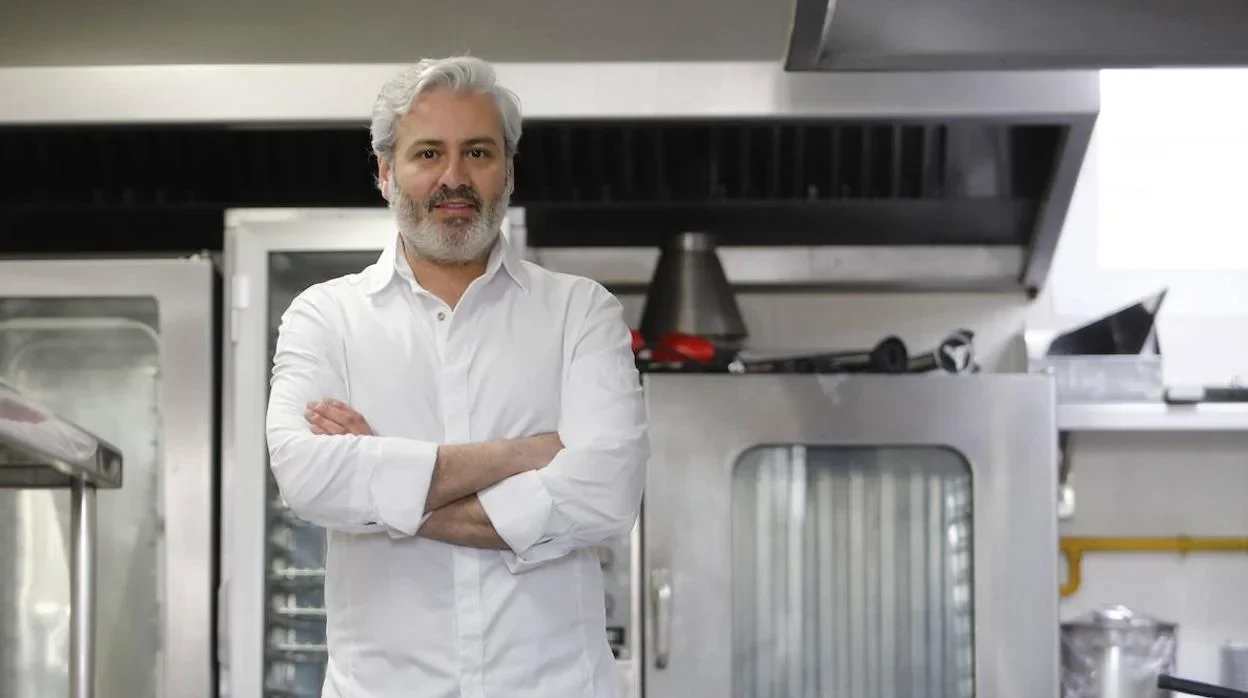
Made By profiles Juan Pedro Secaduras (Chef) at Casa Pepe.
How expensive is Casa Pepe?
Casa Pepe is listed at a price level of $$.
Where is Casa Pepe and what does it serve?
Casa Pepe is in Jaén, Jaén, serving Traditional Spanish Homemade.
The field
How it compares
| Place | Cuisine | Notes | Awards |
|---|---|---|---|
| Casa Pepe | Traditional Spanish Homemade | Jaén, $$ | · |
| Bagá | Avant-Garde Spanish Fine Dining | Jaén | Michelin 1 Star |
| Casa Antonio | Contemporary Spanish | Jaén | · |
| Dama Juana | Modern Andalusian Fine Dining | Jaén | Michelin 1 Star |
| Döllerer | Modern Alpine Cuisine | Golling an der Salzach | Michelin 2 Stars |
| Kabawa | Modern Caribbean Prix Fixe | New York City | World's 50 Best |
| Pujol | Modern Mexican Fine Dining | Mexico City | Michelin 2 Stars, World's 50 Best |
In residence
Similar places
Avant-Garde Spanish Fine Dining
Bagá
Jaén, Spain
★
Contemporary Spanish
Casa Antonio
Jaén, Spain
Modern Andalusian Fine Dining
Dama Juana
Jaén, Spain
★
Modern Alpine Cuisine
Döllerer
Golling an der Salzach, Austria
★★
Modern Caribbean Prix Fixe
Kabawa
New York City, United States
50 Best
Modern Mexican Fine Dining
Pujol
Mexico City, Mexico
★★ · 50 Best
The Sunday letter
Get the next Made By story in your inbox.
We send one email every Sunday morning with the places and people we covered that week.
One email a week. Unsubscribe from any issue.