- Falstaff Winery - Listed · 2026
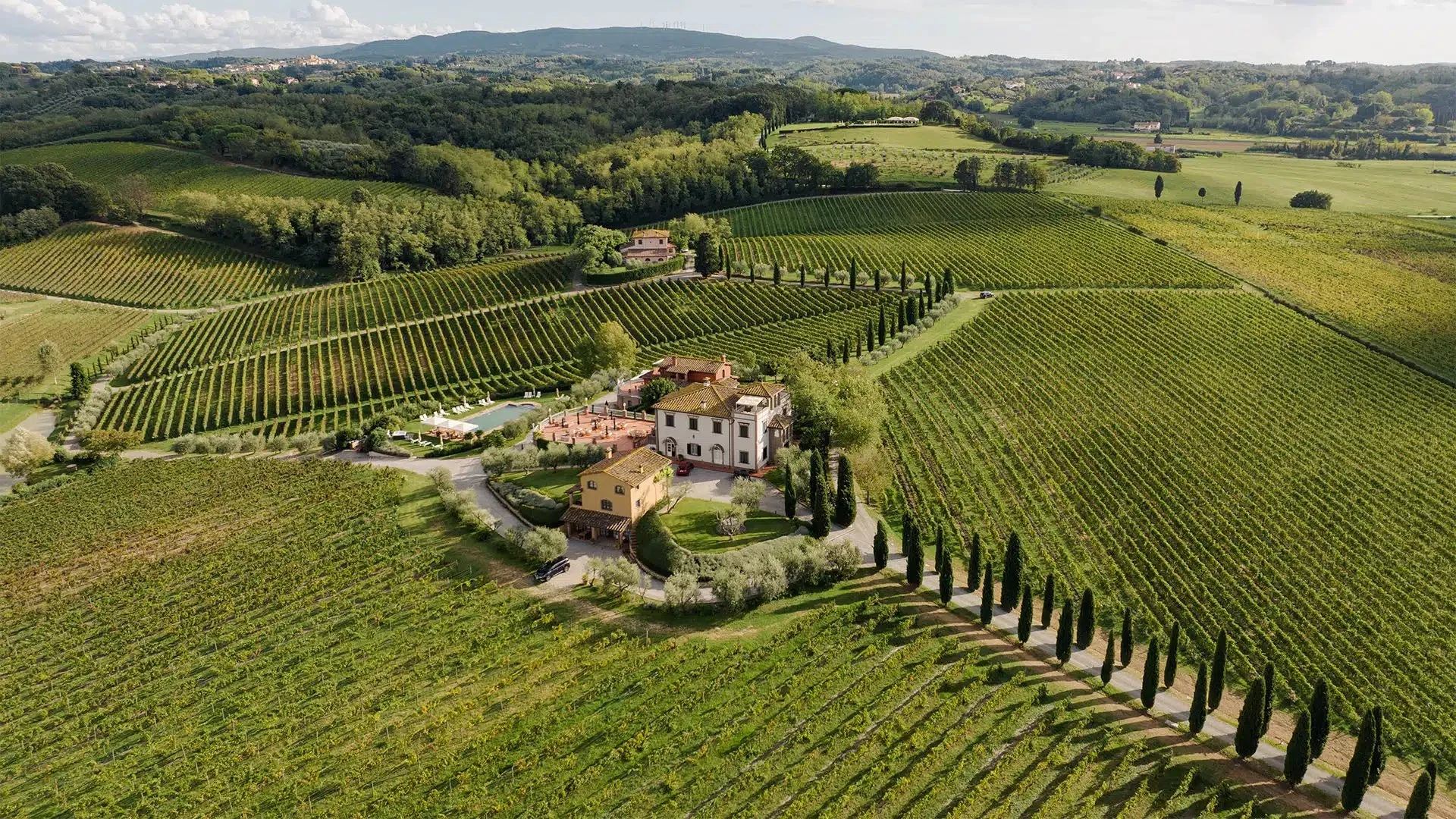
Approaching Castellani means entering a Tuscan wine world shaped less by architectural theatre than by scale, inheritance, and vineyard reach. The atmosphere is classic and quiet: a working family wine company rather than a design-led tasting salon. That matters in Tuscany, where premium wine travel is often framed around either small-estate intimacy or broader producers defined by continuity and reach. Castellani sits in Pontedera as a family-run Tuscan wine company with a heritage-driven feel and a focus that extends across the Tuscan hills rather than one showpiece property.
For travellers mapping Pontedera through wine rather than restaurant reservations, Castellani is best understood as a context stop: a way to see how a larger Tuscan producer presents tradition, vineyards, and regional identity without relying on a single postcard estate. It is not necessary to frame it through invented scarcity signals, a named tasting format, or a detailed menu of wines. The picture is simpler and still useful: classic, family-run, Tuscan, and rooted in a broader vineyard landscape.
Multi-estate Tuscany, not a single-vineyard postcard
Tuscany is often sold through the romance of one hill, one farmhouse, one cypress-lined approach. Castellani complicates that story. Its identity is not presented as the voice of one isolated parcel or a design-led tasting room, but as that of a large, family-run Tuscan wine company connected to vineyards across the Tuscan hills. That distinction is the most important planning note: visitors should read it less as a tiny boutique address and more as a heritage-minded producer operating at broader regional scale.
That broader model changes the way to think about the venue. Instead of searching for one precise architectural hook or one narrowly defined vineyard narrative, the useful lens is range: Tuscan hills, family continuity, and a classic atmosphere. What can be said confidently is that Castellani’s appeal comes from its position within a larger Tuscan wine tradition rather than from a single showpiece estate experience.
This also makes the venue relevant for travellers who want a grounded view of wine around Pontedera. The city may not be the shorthand many visitors use for Tuscan wine, but a producer based here can still help frame the region beyond the most familiar images. Castellani’s profile points to scale, heritage, and vineyards across the Tuscan hills: enough to make it a meaningful wine reference without inventing a more detailed visitor script.
Heritage works here because the feel is classic
Family history can become empty decoration in wine writing, especially when unsupported dates and names are added for colour. For Castellani, the reliable point is more general and more useful: it is a family-run Tuscan wine company with a classic, heritage-driven feel. That gives the venue its editorial shape. It suggests continuity and a traditional sensibility without requiring claims about founders, current leadership, production volumes, farming certifications, or specific estates.
The classic feel matters because it separates Castellani from venues built primarily around design, spectacle, or a tightly staged tasting-room identity. Here, the emphasis is on a larger Tuscan wine company and its vineyard reach across the hills. That is a different kind of premium cue. It is less about theatrical presentation and more about how a family-run producer can represent a broad, established version of Tuscan wine culture.
Travellers should therefore approach Castellani with the right expectations. It does support a simpler recommendation: consider Castellani if you are interested in a classic Tuscan wine company in Pontedera, especially one that reads as heritage-focused and connected to a wider hill-country vineyard landscape.
What the glass is likely to teach about Pontedera's place in Tuscan wine
Pontedera is not always the first name travellers attach to Tuscan wine itineraries, which can make Castellani’s presence there more interesting. The venue offers a way to think about wine around the city without forcing Pontedera into a more famous regional script. Its identity is not a restaurant concept, not a bar programme, and not a design-led hospitality project. It is a family-run Tuscan wine company with a classic feel and a focus on vineyards across the Tuscan hills.
That makes Castellani useful as a planning anchor for travellers who want wine context around Pontedera rather than a list of guaranteed visitor amenities. The price marker is $$, but beyond that the safest reading is qualitative: traditional, family-run, Tuscan, and broader in vineyard scope than a single-estate postcard. If your trip depends on specific services, timings, tastings, food options, or access rules, those details should be confirmed directly before you go.
As part of a Pontedera itinerary, Castellani can sit alongside other dining in Pontedera generically, but it should not be treated as a restaurant substitute unless current service details confirm that. Its role in this guide is narrower and clearer: it gives wine-minded travellers a reference point for a classic Tuscan family company in the city. That is enough to distinguish it without adding unsupported claims.
The editorial verdict is measured: Castellani is not best described through invented tiny-production mystique, named vineyard statistics, or appointment-only drama. It is more useful as a direct example of a heritage-driven Tuscan family wine company based in Pontedera, with a focus extending across the Tuscan hills. That may be quieter than the small-estate fantasy, but it gives the venue a clear and credible place in a wine-focused trip.
Questions
Frequently asked
Who works at Castellani?
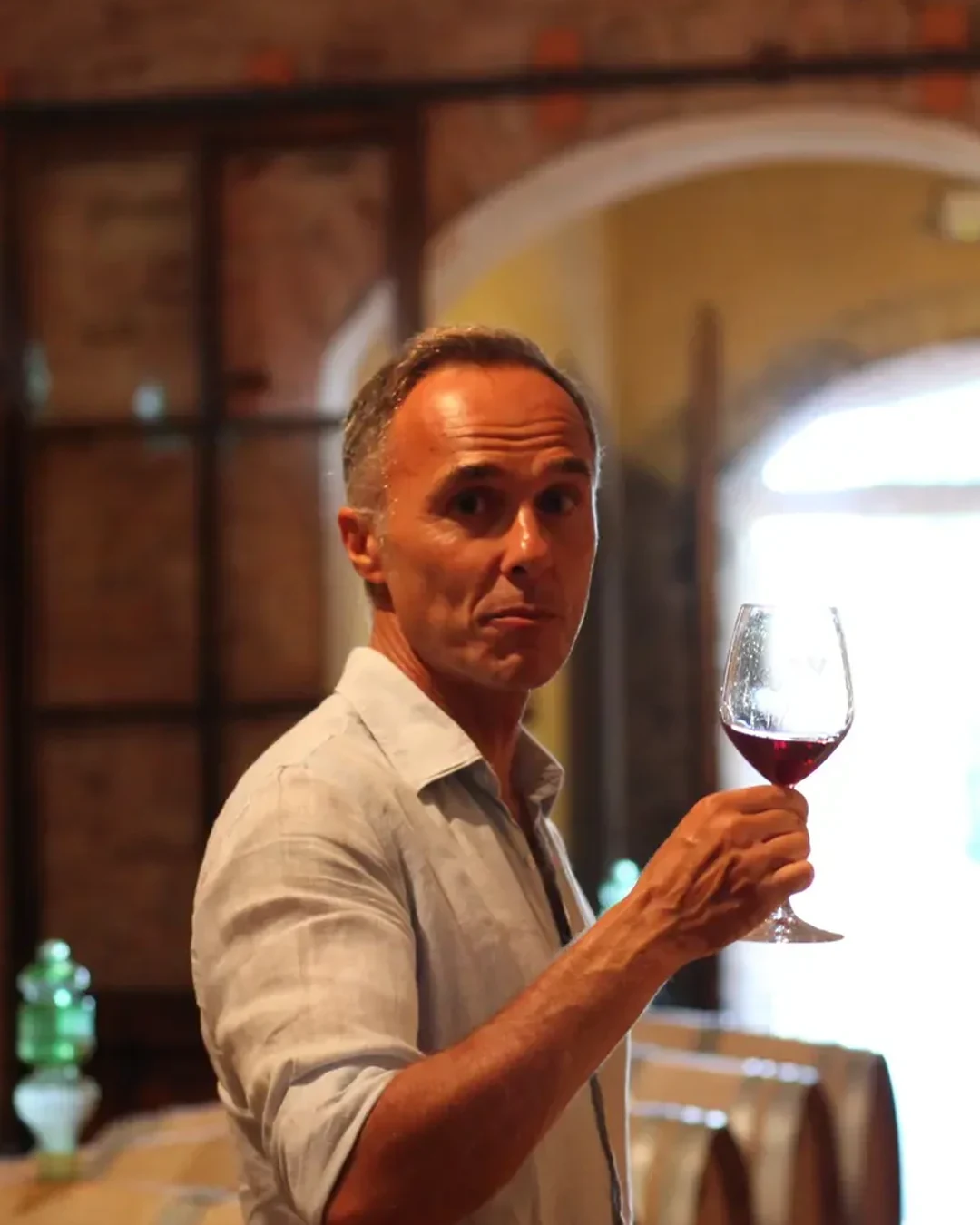
Made By profiles Piergiorgio Castellani Jr (Winemaker) at Castellani.
How expensive is Castellani?
Castellani is listed at a price level of $$.
The field
How it compares
| Place | Notes | Awards |
|---|---|---|
| Castellani | Frazione Santa Lucia, $$ | · |
| Château La Fleur-Pétrus | Pomerol | · |
| Château La Mission Haut-Brion | Talence | · |
| Château Rayas | Châteauneuf-du-Pape | · |
| Domaine Leflaive | Puligny-Montrachet | · |
| Michter's | Louisville | · |
| Ruinart | Reims | World's 50 Best |