- Falstaff Winery - Listed · 2026
Approaching a small cellar in Saillon is not the same proposition as entering a polished destination winery. The rhythm is quieter, and the emphasis is on personal contact rather than scale. Cave de la Sarvaz is best understood as a small, simple, family-run cellar with an intimate tasting room for about twenty guests, a setting where the visit is shaped less by spectacle than by proximity.
The appeal is grounded in relaxed encounters with the winemaker and in wines presented for clear varietal character rather than oak or heavy manipulation. The setting is rustic and classic, with a format that suits guests who prefer a direct, low-key tasting experience. Nothing in the description suggests a grand hospitality machine; instead, the tone is that of a cellar where the guest can slow down, listen, taste, and understand the wines without a complicated frame placed around them.
Varietal clarity without oak-heavy framing
Cave de la Sarvaz is described around a direct idea: expressing pure varietal character without oak or heavy manipulation. That gives the visit a clear focus. Rather than leaning on luxury cues or a heavily staged format, the cellar’s identity is tied to simplicity, restraint, and legibility in the glass. The point is not to distract from the wine with elaborate presentation, but to keep attention on what each variety is meant to show.
What can be said is that the cellar’s positioning favors direct varietal expression and a personal tasting-room encounter over a more elaborate hospitality program. In that sense, the absence of oak-heavy framing is not just a technical note; it is part of the personality of the visit. The wines are presented in a way that makes clarity the central value, and the tasting room offers a setting that matches that approach: modest, close, and easy to read.
That makes Cave de la Sarvaz a useful stop for visitors who want a modest, producer-centered introduction to a Saillon cellar. The experience is not defined here by awards, rankings, chef-led dining, or a formal restaurant format, but by a small-room tasting environment and the chance for a relaxed exchange. For guests who value conversation as much as presentation, that can be the main attraction.
A cellar visit scaled for conversation
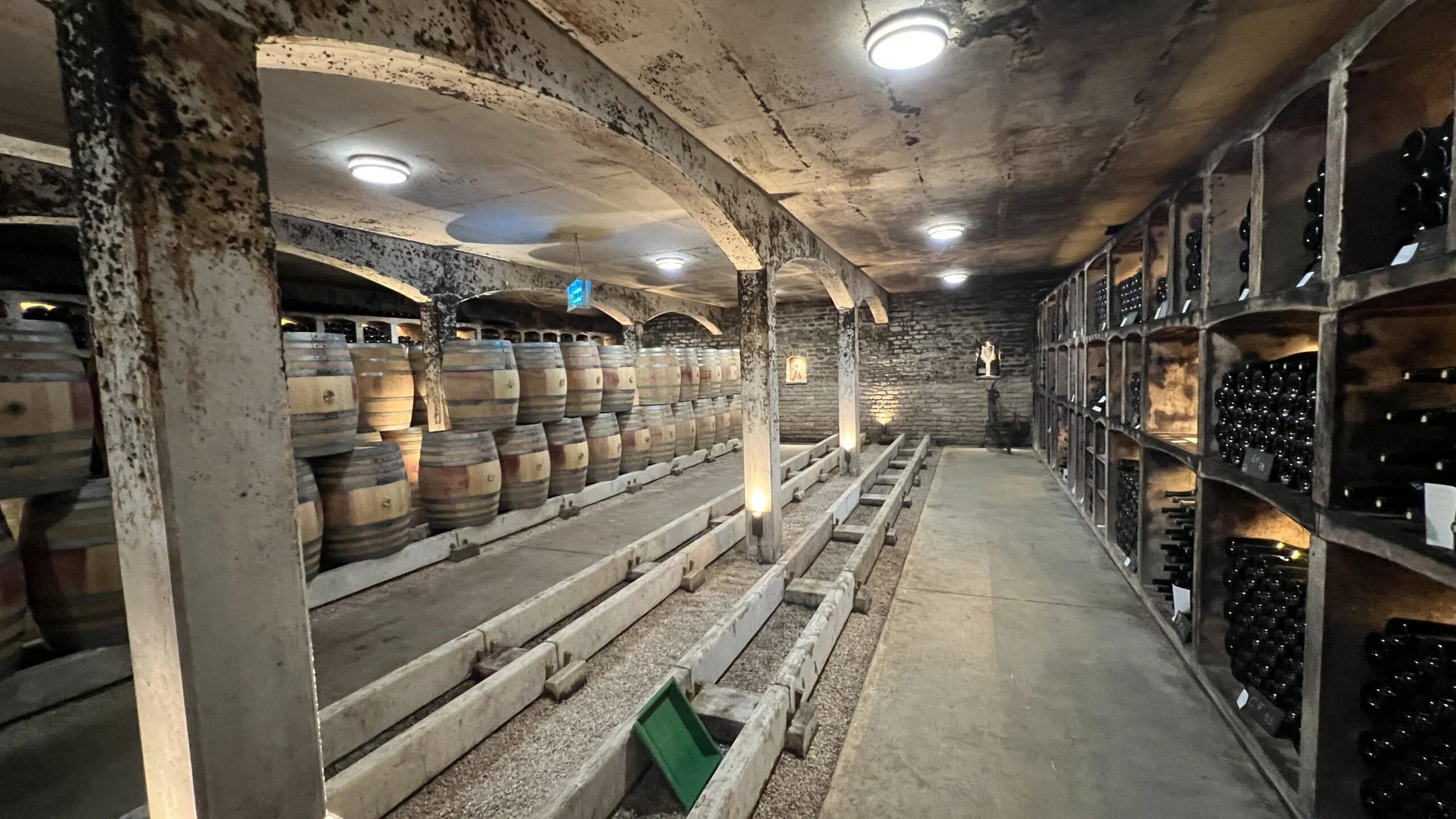
The tasting room is intimate, with space for about twenty guests. That scale shapes the visit: smaller groups, quieter conversation, and more room for a personal encounter with the winemaker. The atmosphere is rustic and classic rather than theatrical, which matters because it sets expectations from the start. This is the kind of visit where the room itself encourages attention, and where a guest is less likely to feel processed through a large visitor circuit.
For Saillon, that scale is part of the point. Cave de la Sarvaz is a better fit for guests who want a simple cellar experience than for anyone looking for a large, highly produced visitor attraction. The description points to a family-run setting, a relaxed tone, and a focus on wines that avoid oak-heavy or heavily manipulated presentation. Those details work together: the small room, the direct style of wine, and the informal atmosphere all reinforce the same low-key identity.
Within that frame, the most useful expectation is simplicity. Plan for a personal tasting-room encounter in Saillon, centered on varietal character and a small-cellar atmosphere. Visitors should not expect the visit to be made meaningful by extra layers of service or by a long list of external credentials. Its strength lies in the opposite direction: a compact encounter, a clear tasting focus, and a sense that the cellar is comfortable being modest.
How it fits a Saillon wine itinerary
Saillon can be approached at a slower pace, especially for travellers who want to combine a cellar visit with other local dining or overnight plans. Cave de la Sarvaz fits that kind of itinerary as a modest, personal stop rather than a large-scale destination. It is the sort of address that makes sense when the aim is not to fill the day with spectacle, but to include a grounded wine encounter that feels closely tied to the producer.
If comparing options, keep the focus on Cave de la Sarvaz and other Saillon dining or wine experiences in general terms. The case is narrow but clear: a small family-run cellar, an intimate tasting room for about twenty guests, and a relaxed encounter built around pure varietal character without oak or heavy manipulation. That clarity is useful when planning, because it helps define what the stop is and what it is not. It is not being presented as a restaurant, a luxury venue, or a heavily programmed attraction.
That is the reason to pay attention. Cave de la Sarvaz is not presented here through awards, elaborate service claims, or invented menu details. Its appeal rests on scale, simplicity, and a direct tasting-room experience in Saillon. For the right visitor, those qualities are enough: a small cellar, a classic rustic setting, and wines approached through their varietal character rather than through an imposed sense of grandeur.
Questions
Frequently asked
Who works at Cave de la Sarvaz?
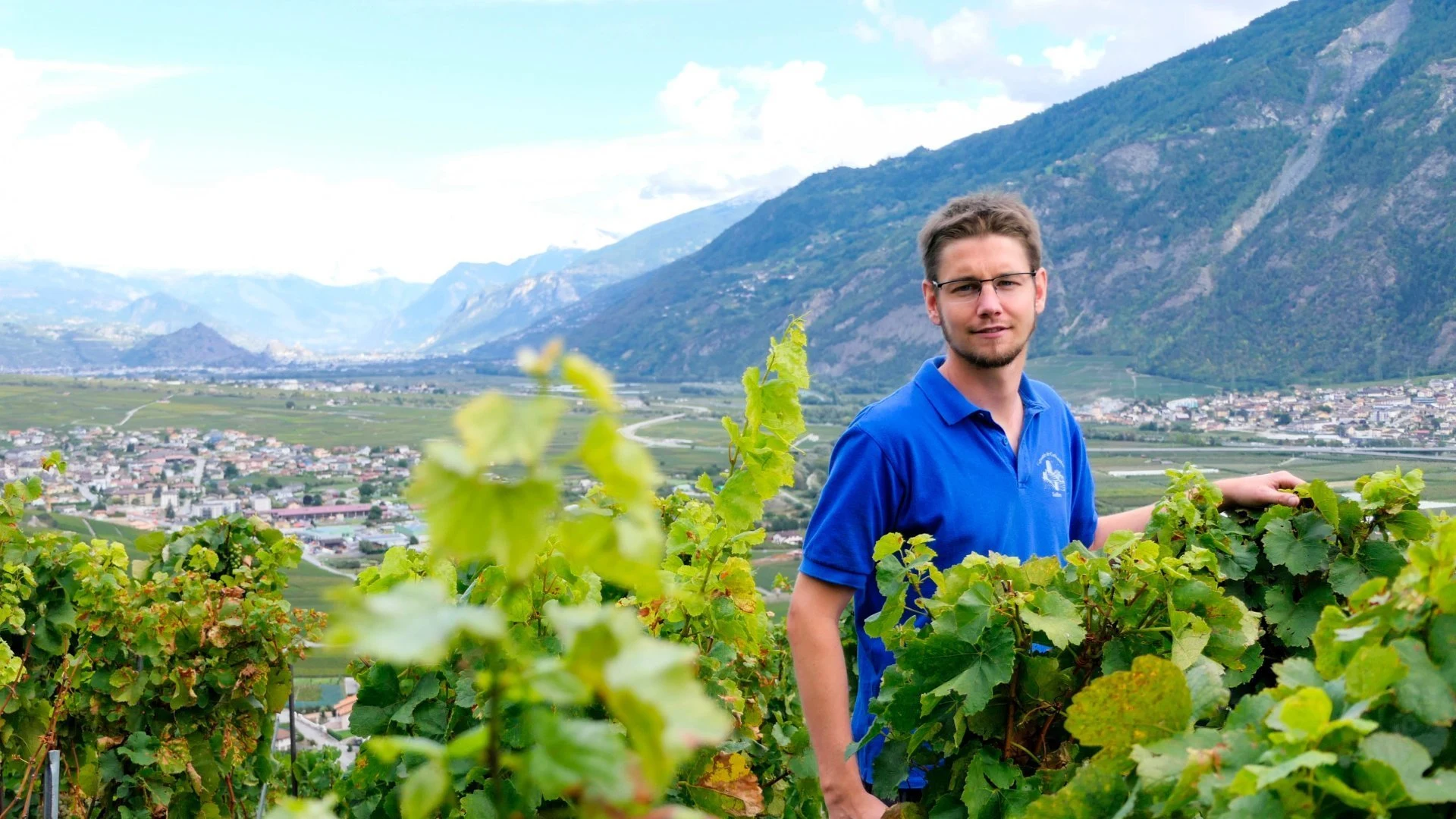
Made By profiles Christian Perraudin (Winemaker) at Cave de la Sarvaz.
How expensive is Cave de la Sarvaz?
Cave de la Sarvaz is listed at a price level of $$.
The field
How it compares
| Place | Notes |
|---|---|
| Cave de la Sarvaz | Saillon, $$ |
| Cave Corbassière | Saillon |
| Cave des Amandiers | Saillon |
| Cave Mandolé | Saillon |
| Domaine Georges Mugneret-Gibourg | Vosne-Romanée |
| Domaine Leroy | Vosne-Romanée |
| Valentina Andrei | Saillon |