Made ByWinery
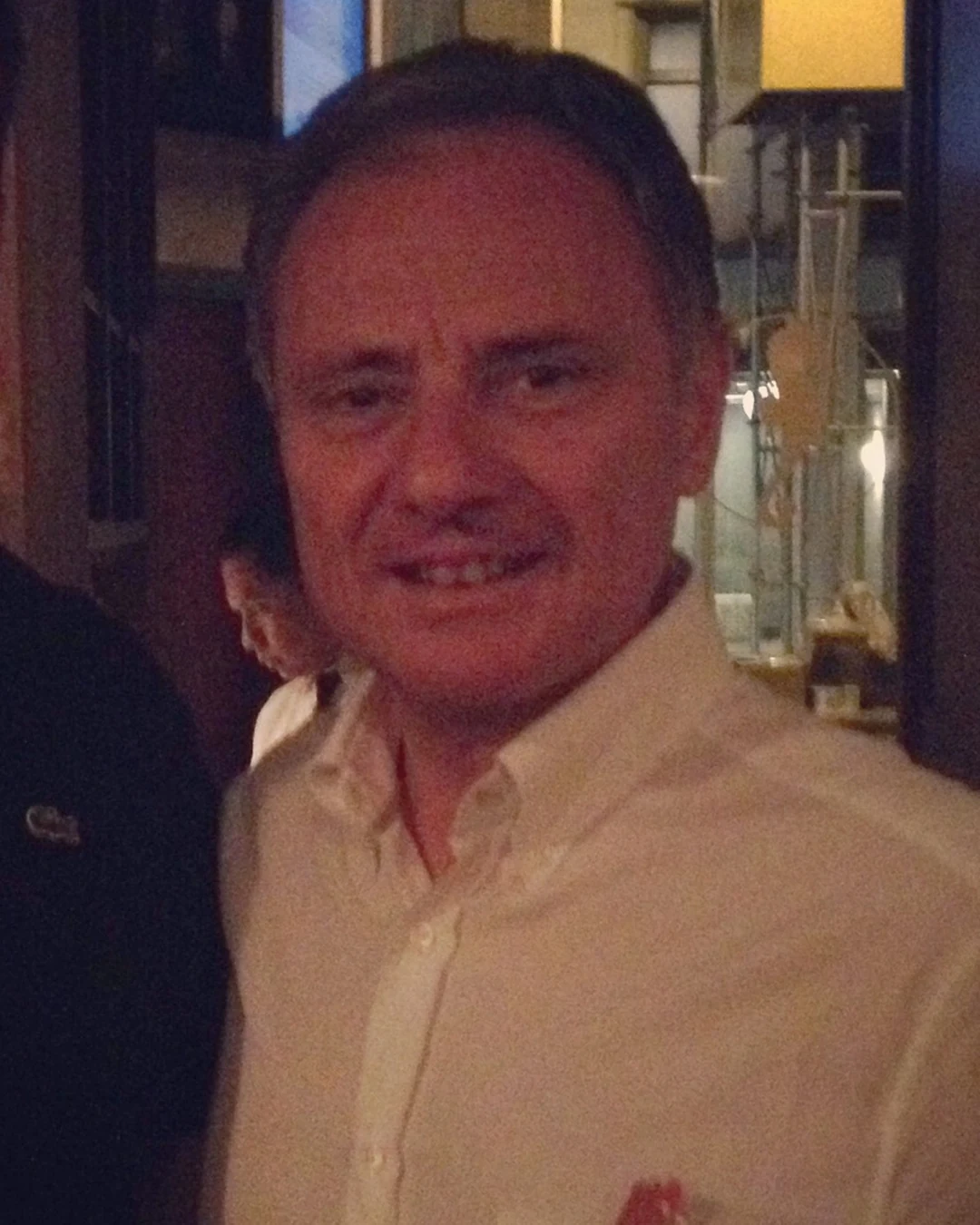
Andrea Cecchi, winemaker at Cecchi in Castellina in Chianti, leads a fourth-generation Tuscan estate rooted in Sangiovese tradition.
At a glance
- Price
- $$
- Per person
- $30
- Neighborhood
- Castellina in Chianti
Sangiovese before the office door
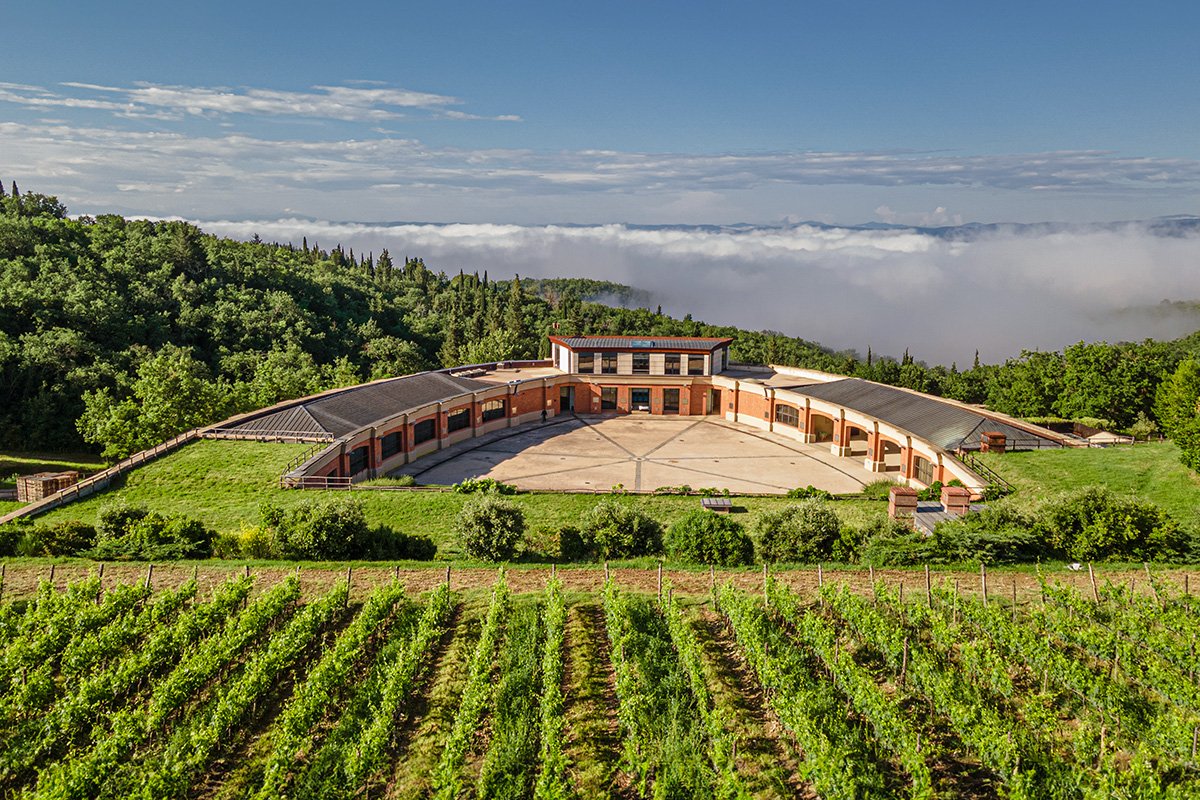
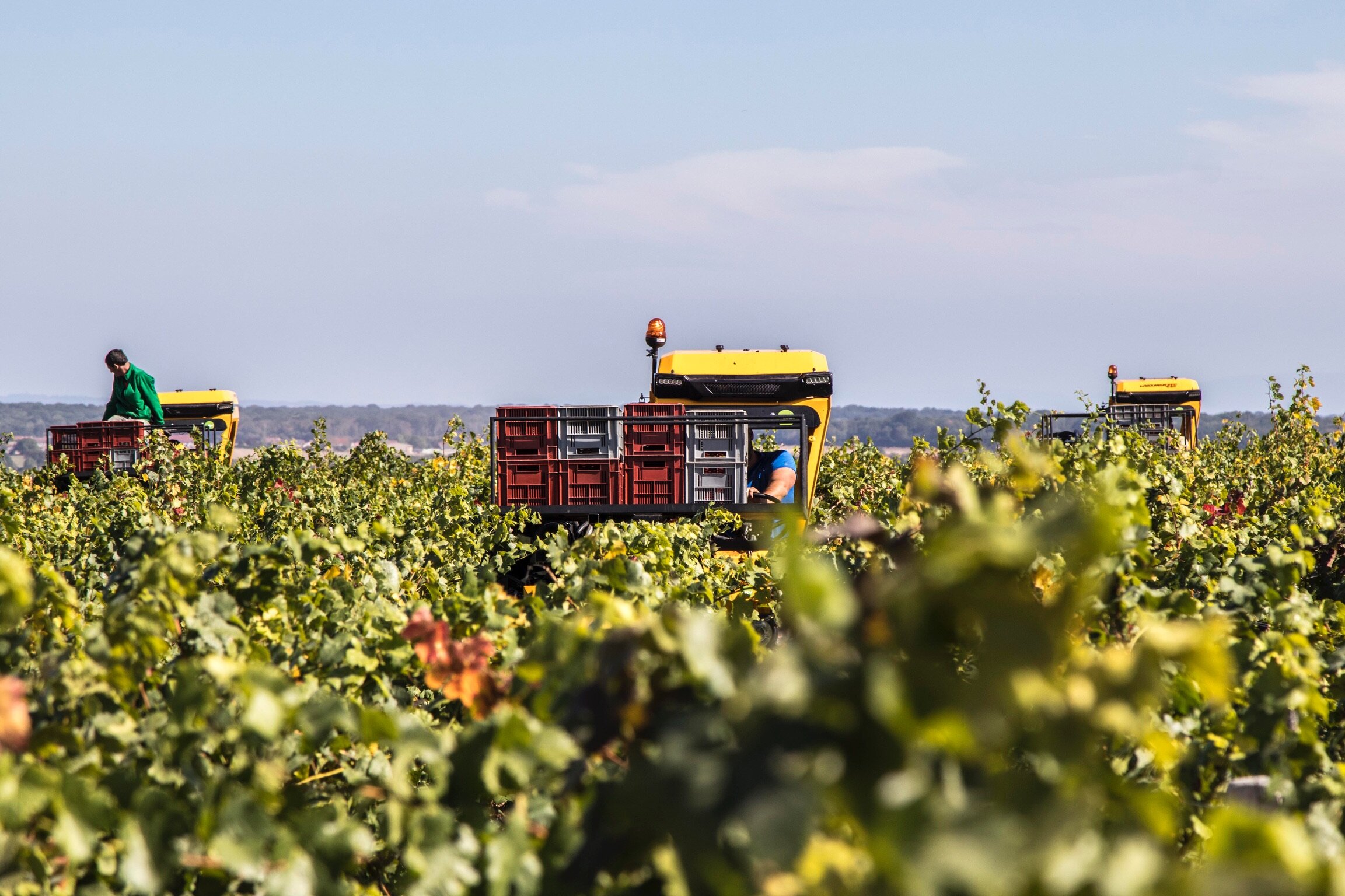
Sangiovese sets the measure for Andrea Cecchi, winemaker at Cecchi in Castellina in Chianti, where family decisions still begin in the vineyard. He is the fourth generation of a house founded by Luigi Cecchi in 1893, and his present role joins owner, winemaker, president and CEO without separating the cellar from the name on the bottle. Andrea studied at the University of Agraria in Florence, then returned to a discipline that works by season: pruning, flowering, picking, fermenting, waiting. Since 2004 he has carried the family business with his brother Cesare, expanding the work beyond a single address while keeping Castellina in Chianti as the center of gravity. The headquarters, established there in the 1970s, sits inside Chianti Classico territory rather than beside it. That matters for the hand as much as the label. Clay, limestone, Sangiovese and weather make a slower set of instructions than any boardroom can give, and Cecchi’s task is to hear them without turning inheritance into costume.
Six estates, one agricultural argument
The program at Cecchi is large for a family estate, with six properties across Tuscany and Umbria and a range that moves from Chianti Classico DOCG to Morellino di Scansano DOCG, Montefalco Sagrantino DOCG and a Montalcino project near Sant’Antimo Abbey. Sangiovese remains the house’s primary grammar, but the vineyards also carry Vermentino, Trebbiano Toscano, Chardonnay, Cabernet Sauvignon and Trebbiano Spoletino. Andrea’s work is described through vineyard management, new clones, cellar technology and the recovery of native grapes, a practical mix of experiment and conservation. The environmental line is older than current fashion here. Cecchi installed a wastewater treatment plant in the early 1990s, and Tenuta Alzatura and Val delle Rose converted to organic farming in 2021. The method does not reduce to a single technique. It is a sequence of choices, some agricultural, some cellar-side, all intended to let each estate keep its own accent.
The cellar above Chianti Classico
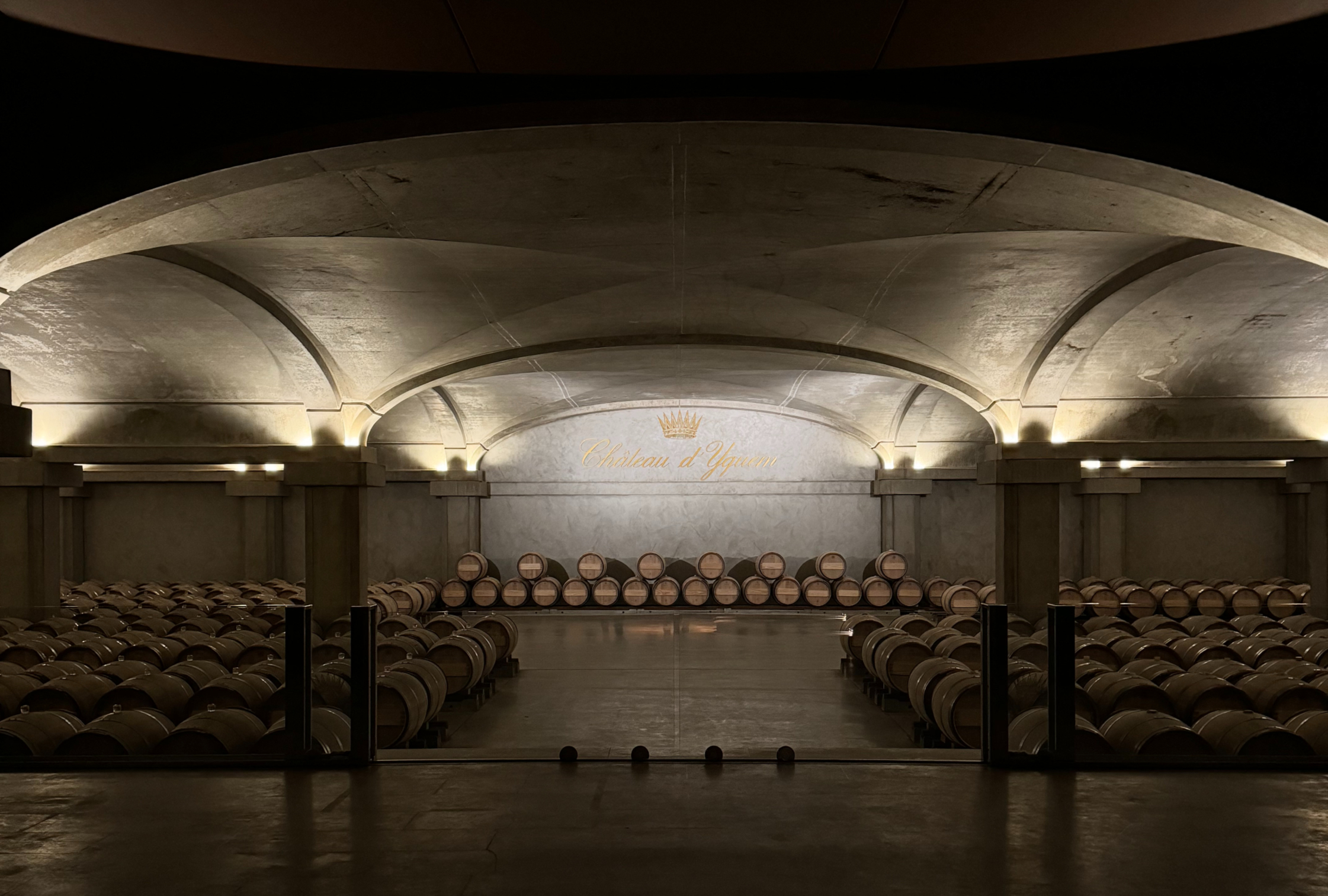
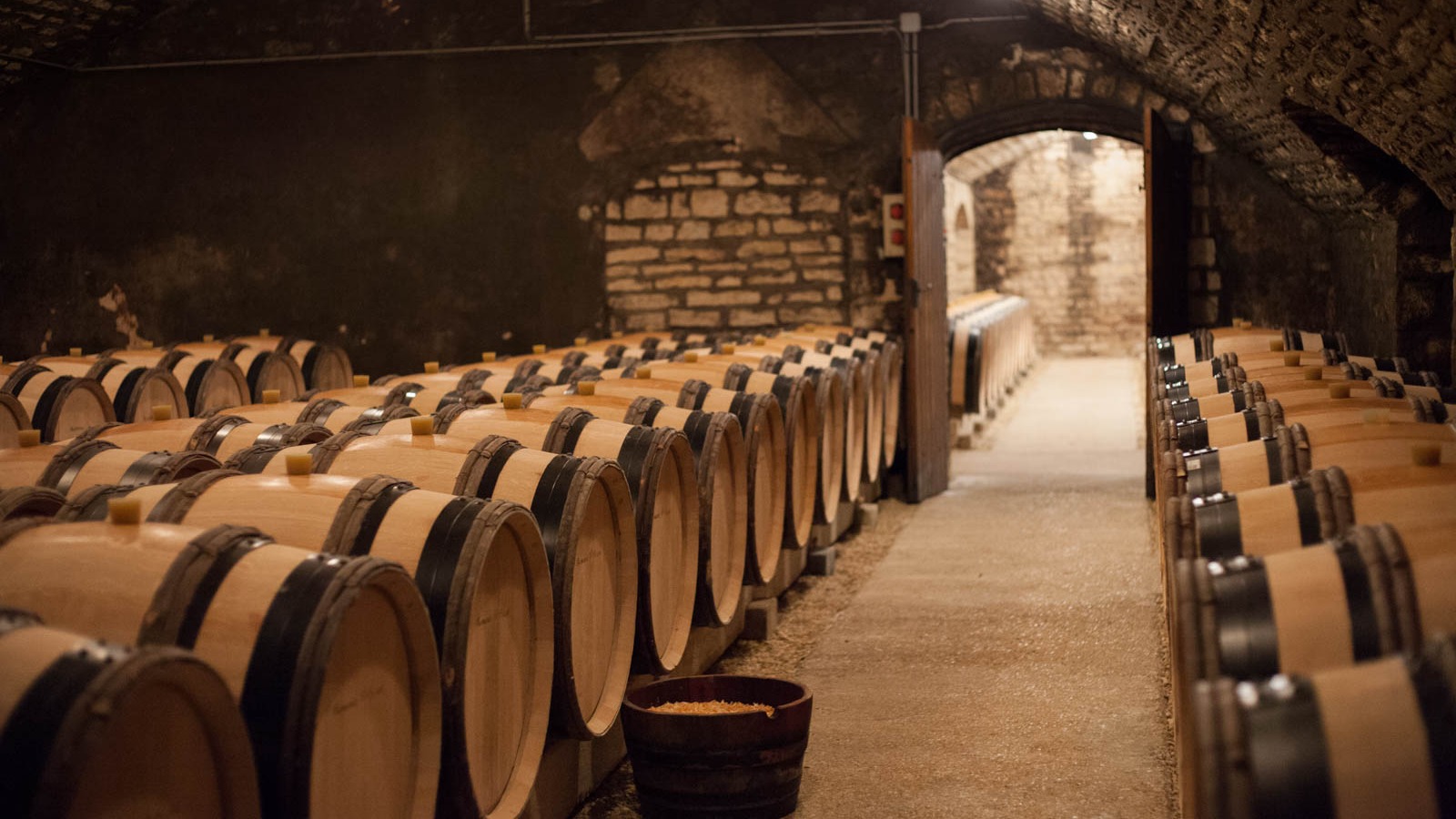
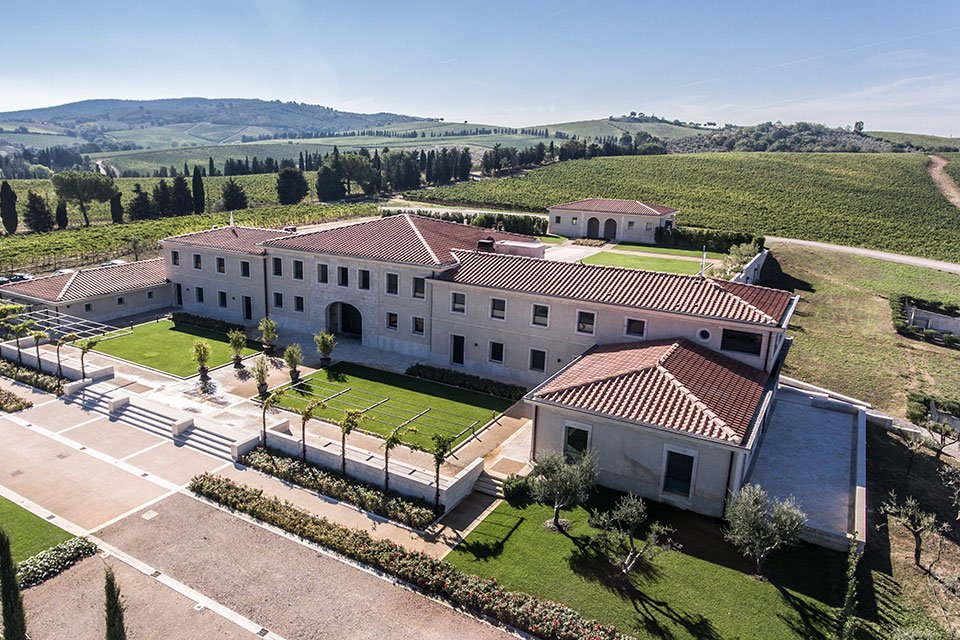
The room around the work is Tuscan in the literal sense: estate buildings, vineyard terraces and the roll of Castellina in Chianti outside the cellar. The noise stays conversational, the pace set less by spectacle than by the order of a working winery. Tastings may happen at the estate, around a guided pour, with food beside the glass, or through a screen, but the deeper structure remains agricultural. Barrels, tanks, vineyard samples and office decisions share the same weather. From Castellina, the family looks outward to Maremma, San Gimignano, Montepulciano, Montalcino and Montefalco, yet the address keeps pulling the work back to Chianti Classico. The house marked its 130th anniversary in 2024, not as a finish line, but as another vintage in a longer family ledger. The next bottle still has to answer to Sangiovese in Castellina in Chianti.
Know before you go
- Reservations
- recommended
- Parking
- on_site_lot
- Payment
- credit_card, debit_card, cash
- Outdoor seating
- Yes
- Groups
- Welcomed
Address
Castellina in Chianti, Siena, Italien
Castellina in Chianti