Ceibe
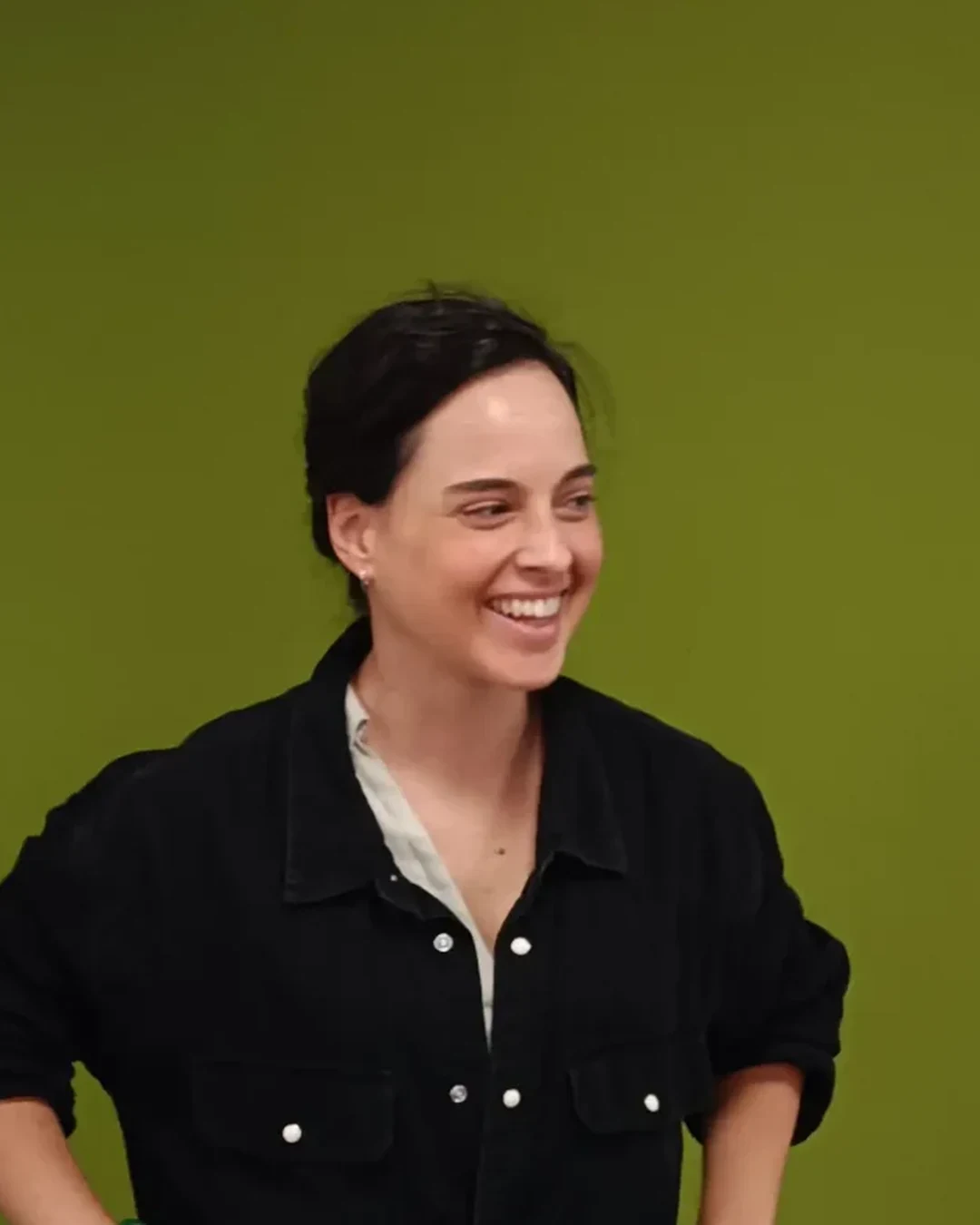
In Residence
Lydia del Olmo
Chef
- 01CuisineModern Galician Fine Dining
- 02CityOurense, Spain
- 03RecognitionOne Michelin Star
- 1 Michelin Star · Michelin Guide
- Macarfi 8.6 Food Rating · 2026
- Opinionated About Dining Top Restaurants in Europe Recommended · 2026
- Michelin 1 Star · 2026
- Guía Repsol 1 Sol · 2026
- Opinionated About Dining Top Restaurants in Europe Ranked #429 · 2025
- Michelin 1 Star · 2025
- Michelin 1 Star · 2024
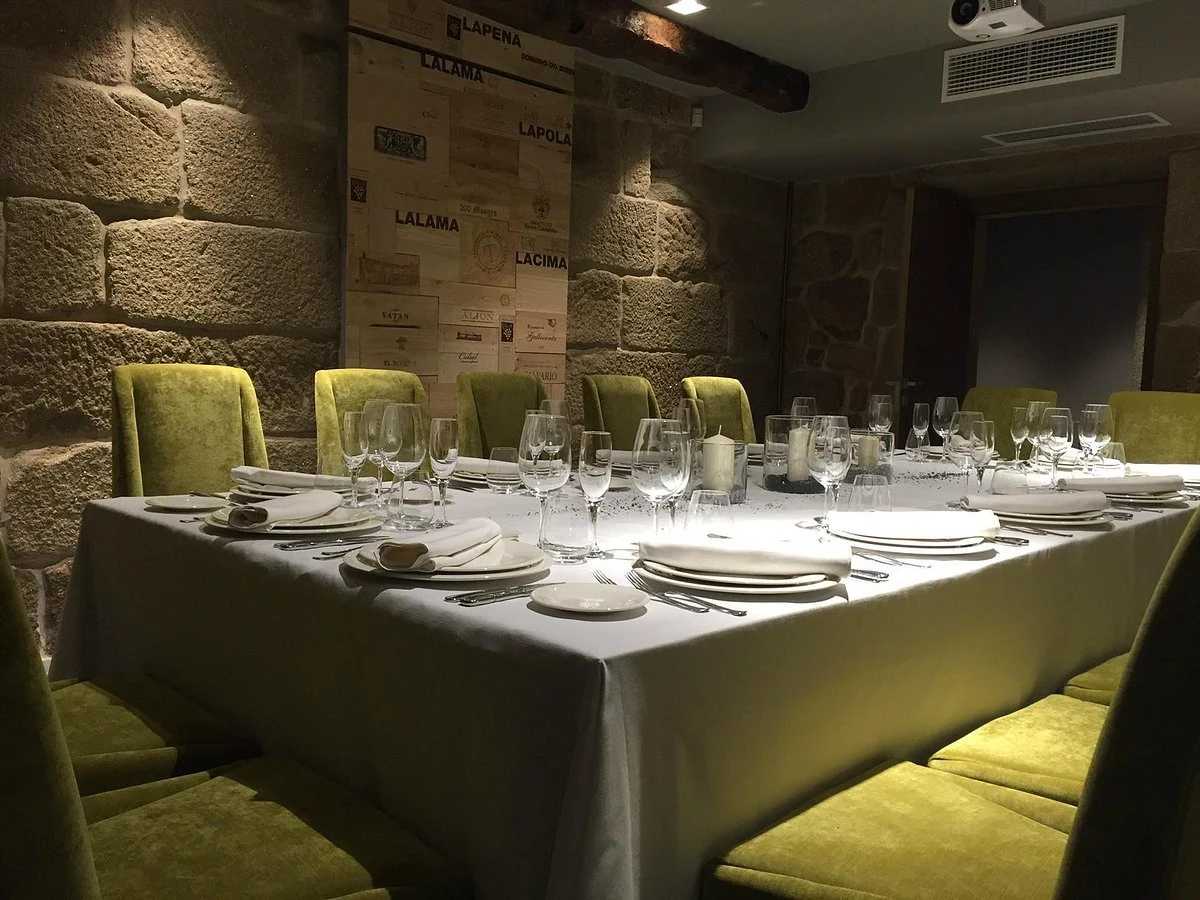
Stone Walls, Open Kitchen, Galician Intention
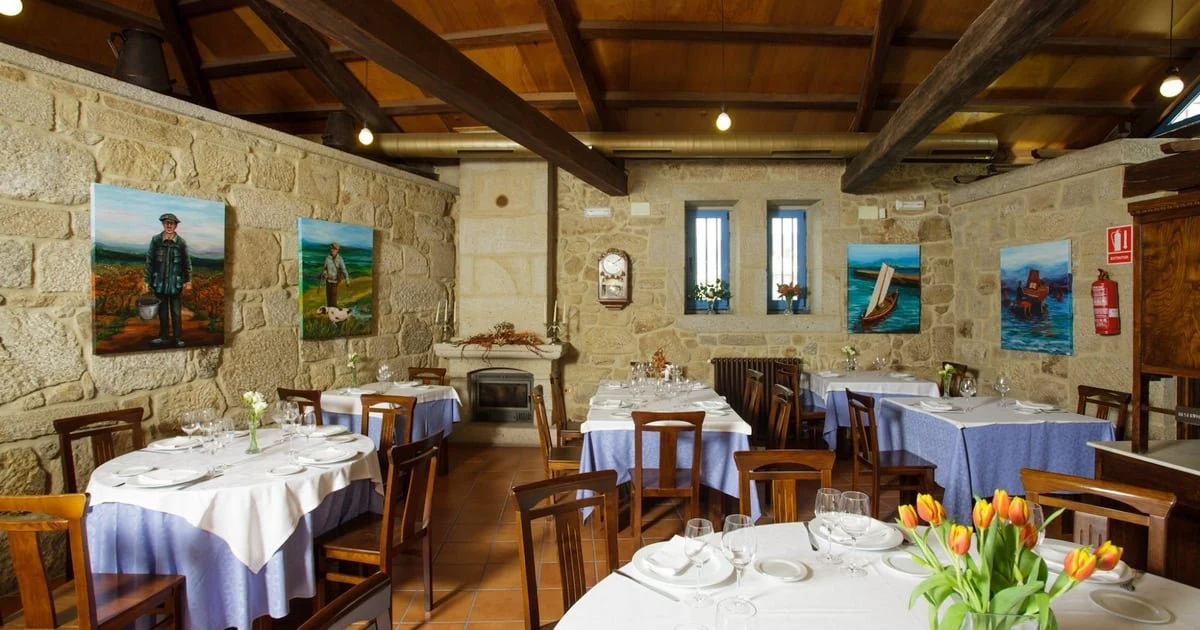
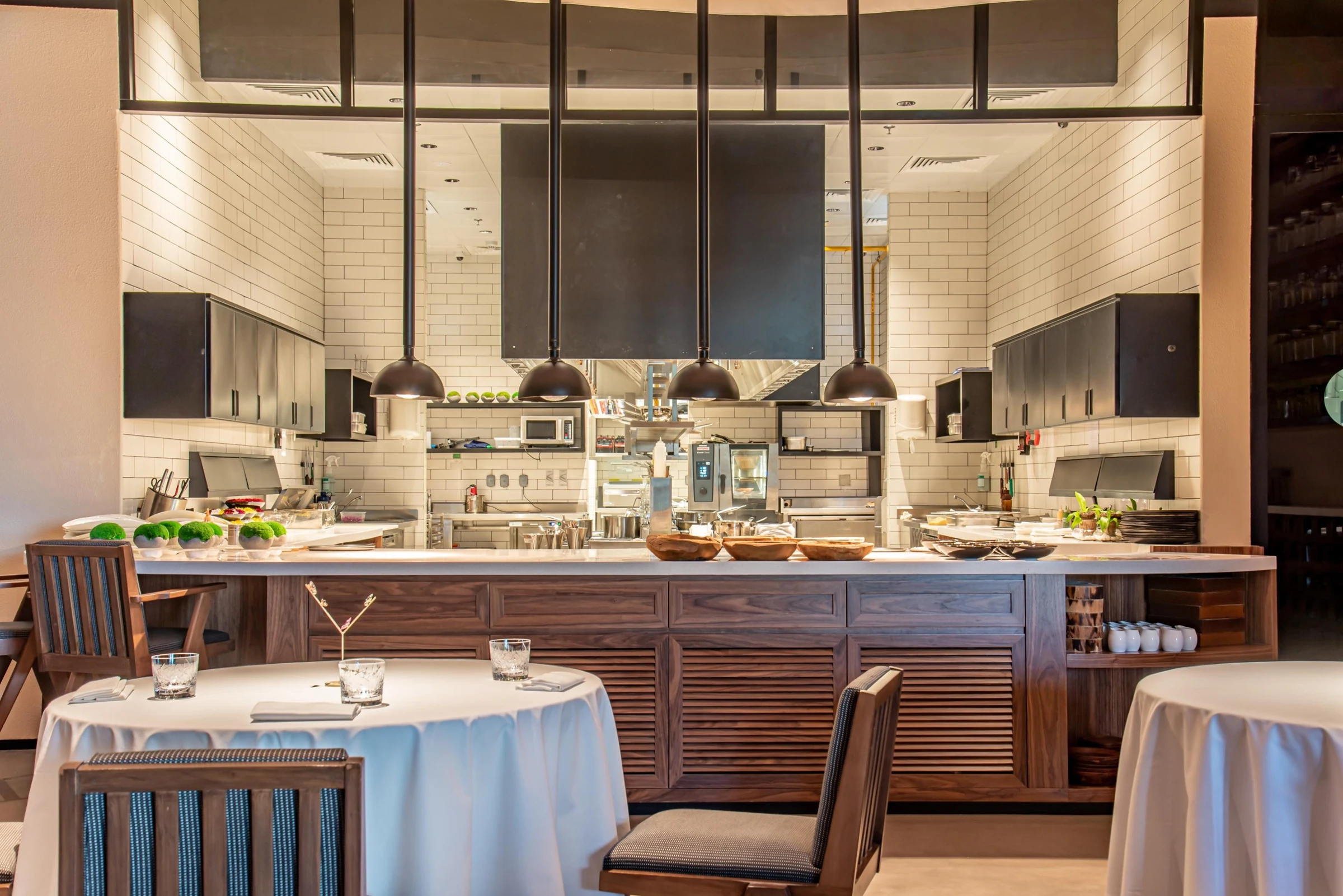
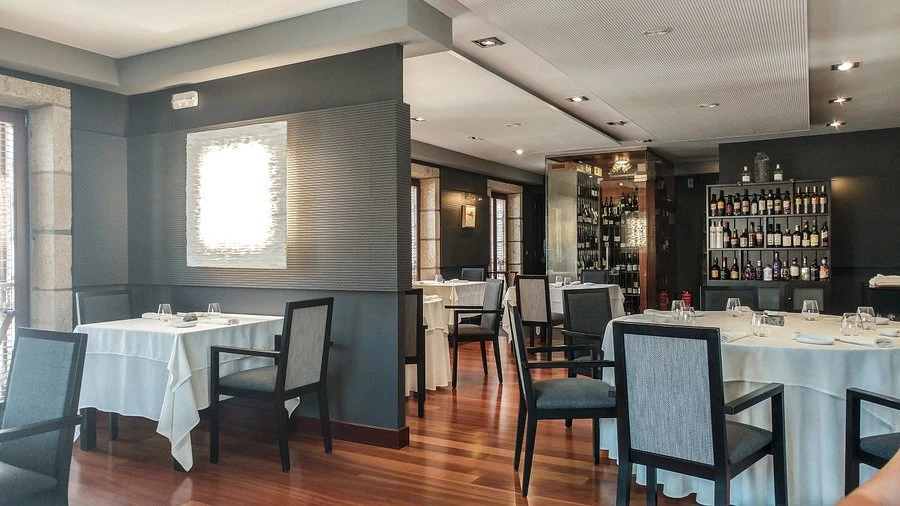
The restaurant sits a short walk from Ourense's cathedral, in a building where exposed stone walls carry centuries of accumulated weight. The dining room does not fight that history, it works with it, pairing the texture of old masonry against a spare, minimalist interior. The kitchen is not hidden behind a closed door or a partition; it is part of the room itself, a deliberate choice that collapses the distance between preparation and consumption. What reaches the table has been assembled in plain view, which sets a particular tone before anything is tasted.
This kind of spatial transparency has become a recurring feature in serious Galician restaurants over the past decade. The open kitchen serves as a statement of confidence: the food can bear scrutiny at close range. At Ceibe, on Rúa San Miguel, that confidence appears to be earned. The restaurant holds a Michelin star. Google reviewers place it at 4.7 from 411 ratings, a score that points to consistent execution rather than the occasional exceptional night.
The Sunday letter
Find new places through the people who run them.
Our Sunday email brings you the chefs, winemakers and hoteliers behind our newest stories. See a sample before you subscribe.
See a sample of the Sunday emailOne email a week. Unsubscribe from any issue.
What Galician Cuisine Means Inland
Most international coverage of Galician food focuses on the coast: the fish markets of A Coruña, the percebes and navajas pulled from Atlantic water, the seafood counters of Santiago de Compostela. Ourense sits inland, in a river basin rather than on a ria, and the cooking that has developed there draws more heavily on the interior tradition of Galicia, braised meats, fermented and pickled preparations, the slow, acid-forward flavours of a colder-weather kitchen.
Ceibe's kitchen reflects this geography directly. The escabeches, pickles, and marinades are identified as signature preparations: acid-led techniques that preserve and transform, with roots in Iberian cooking that predate refrigeration by centuries. These are not decorative touches on a contemporary menu; they are the structural language of the food. That commitment to fermented and pickled preparations places Ceibe in a broader conversation about how inland Galician cooking can assert its own identity, separate from the coastal registers that dominate outside perception of the region. For other expressions of this tradition, the work at As Garzas in Barizo and A Mundiña in A Coruña maps how different parts of Galicia are working through similar questions.
Three Menus, One Terroir Argument
Ceibe operates through three tasting menus: Xeito, Enxebre, and Esmorga. Each carries a Galician name with cultural weight. Xeito describes a particular way of doing something correctly or with skill; enxebre is a term for something authentically Galician, untouched by outside influence; esmorga refers to a long, communal feast. The names are not arbitrary branding. They signal that the menus operate at different intensities of the same argument about territory and tradition.
Every menu begins with a queimada, the traditional Galician drink prepared by flaming orujo with sugar and citrus peel, accompanied by a ritual incantation. This is not a theatrical garnish imported from elsewhere, the queimada has deep roots in Galician folk practice, associated with Celtic heritage and communal ritual. Starting a tasting menu with it situates the experience within a cultural continuity that pre-dates the restaurant. Boliño de cocido, a small fried dumpling drawn from the Galician caldo and cocido tradition, appears among the emblematic dishes: a kitchen finding its formal language in the everyday cooking of the region rather than reaching toward abstraction.
The Xeito menu is available at lunch only, from Tuesday to Friday. Enxebre and Esmorga run at both lunch and dinner services on applicable days. Aged meat dishes can be added to any menu as a supplement, which extends the range for those who want to cross into the interior Galician tradition of cured and slow-cooked beef.
Lydia del Olmo and Xosé Magalhaes in Context
The editorial angle that matters here is positional. In Spain's high-end restaurant map, the starred addresses cluster around San Sebastián, Barcelona, Madrid, and select coastal towns. The Basque axis produced houses like Arzak and Martin Berasategui in Lasarte-Oria; Catalan cooking has its own dense tier from El Celler de Can Roca in Girona to Cocina Hermanos Torres in Barcelona; Madrid carries addresses like DiverXO; and the Levantine coast has Quique Dacosta in Dénia and Aponiente in El Puerto de Santa María and Azurmendi in Larrabetzu.
Ourense occupies none of those established corridors. Holding a Michelin star in this city is a different proposition than holding one in San Sebastián, where the surrounding density of starred addresses creates mutual reinforcement. Here, Lydia del Olmo and Xosé Magalhaes are running an operation that must justify its own destination argument: a diner has to come specifically to Ourense, or already be there, rather than folding Ceibe into a multi-restaurant itinerary built around infrastructure that already exists. The 4.7 Google score across more than 400 reviews suggests that argument is landing.
The restaurant's name adds a layer to this reading. Ceibe translates from Galician as someone who is free to choose and manage their own way of acting and thinking, a word that implies autonomy and self-determination. Applied to a kitchen, it describes an approach that is not trying to replicate a format developed elsewhere or chase a style defined by a dominant culinary centre. That is a harder position to sustain than it sounds.
Ourense's Restaurant Tier
Within Ourense itself, the restaurant scene operates at a relatively concentrated level. The city is smaller than Vigo or A Coruña, and the premium dining options are fewer. Nova holds a Michelin star at the €€€ price point, working in a contemporary register. Pacífico operates in modern cuisine territory at €€, and Miguel González rounds out the local picture. Ceibe sits at €€€€, the highest price tier in the city's visible comparable set, which positions it as the reference point for formal dining in Ourense rather than as one option among many equivalents.
The city's thermal baths, its position on the Camino Sanabrés route, and its relative lack of mass tourism create a specific visitor profile: people who have actively chosen to be in Ourense rather than passed through by accident. That visitor type tends to seek out the specific rather than the generic, which may explain why a tasting-menu restaurant anchored in fermentation and regional ritual has found a stable audience here.
Planning a Visit
Ceibe is closed on Mondays and Sundays. Lunch services run Tuesday through Saturday within a tight window: the kitchen typically begins at 1:00 or 1:30 PM and closes by 2:30 or 3:00 PM, depending on the day. Dinner service is available Thursday through Saturday, beginning at 8:30 PM and closing between 9:30 and 10:00 PM on Saturday. The compressed dinner window, particularly on weekdays, is narrower than most starred restaurants in larger cities. Reservations should be made well in advance, particularly for Saturday dinner. The address is Rúa San Miguel, 8, 32005 Ourense, close to the cathedral.
FAQ
What should I order at Ceibe?
The structure of the menu leaves most decisions in the kitchen's hands: you are choosing between the Xeito, Enxebre, and Esmorga tasting formats rather than building a plate-by-plate order. For the most direct engagement with what Ceibe does with regional technique, the escabeches and pickled preparations are the kitchen's defining register, the dishes that most clearly locate the cooking in the inland Galician tradition. The boliño de cocido, drawn from the Galician cocido tradition, appears as one of the emblematic preparations and is grounded in everyday regional cooking rather than modernist re-invention. Every menu begins with a queimada, so that is not optional. If the supplement for aged meat dishes suits your appetite, it extends the experience into the slower, longer-cooked end of the Galician interior repertoire. The Xeito menu is only available at lunch, Tuesday to Friday, and represents the entry point into the format; Enxebre and Esmorga run at both lunch and dinner services and move deeper into the kitchen's terroir argument.
Questions
Frequently asked
What recognition does Ceibe hold?
Ceibe holds 1 Michelin star.
Who works at Ceibe?
Made By profiles Lydia del Olmo (Chef) and Xosé Magalhaes (Chef) at Ceibe.
How expensive is Ceibe?
Ceibe is listed at a price level of $$$$.
Where is Ceibe and what does it serve?
Ceibe is in Ourense center, Ourense, serving Modern Galician Fine Dining.
The field
How it compares
| Place | Awards | Cuisine | Notes |
|---|---|---|---|
| Ceibe | Michelin 1 Star | Modern Galician Fine Dining | Ourense center, $$$$ |
| A Tafona | Michelin 1 Star | Modern Galician Fine Dining | Santiago de Compostela |
| Alkimia | Michelin 1 Star | Modern Catalan Fine Dining | Barcelona |
| Benu | Michelin 3 Stars, World's 50 Best | Modern Asian Fusion Fine Dining | San Francisco |
| Casa Solla | Michelin 1 Star | Modern Galician Fine Dining | Poio |
| Trèsind Studio | Michelin 3 Stars, World's 50 Best | Modern Indian Fine Dining | Dubai |
| Yayo Daporta | Michelin 1 Star | Modern Galician Fine Dining | Cambados |
In residence

Similar places
Modern Galician Fine Dining
A Tafona
Santiago de Compostela, Spain
★
Modern Catalan Fine Dining
Alkimia
Barcelona, Spain
★
Modern Asian Fusion Fine Dining
Benu
San Francisco, United States
★★★ · 50 Best
Modern Galician Fine Dining
Casa Solla
Poio, Spain
★
Modern Indian Fine Dining
Trèsind Studio
Dubai, United Arab Emirates
★★★ · 50 Best
Modern Galician Fine Dining
Yayo Daporta
Cambados, Spain
★
The Sunday letter
Get the next Made By story in your inbox.
We send one email every Sunday morning with the places and people we covered that week.
See a sample of the Sunday emailOne email a week. Unsubscribe from any issue.