- Falstaff Winery - Listed · 2026
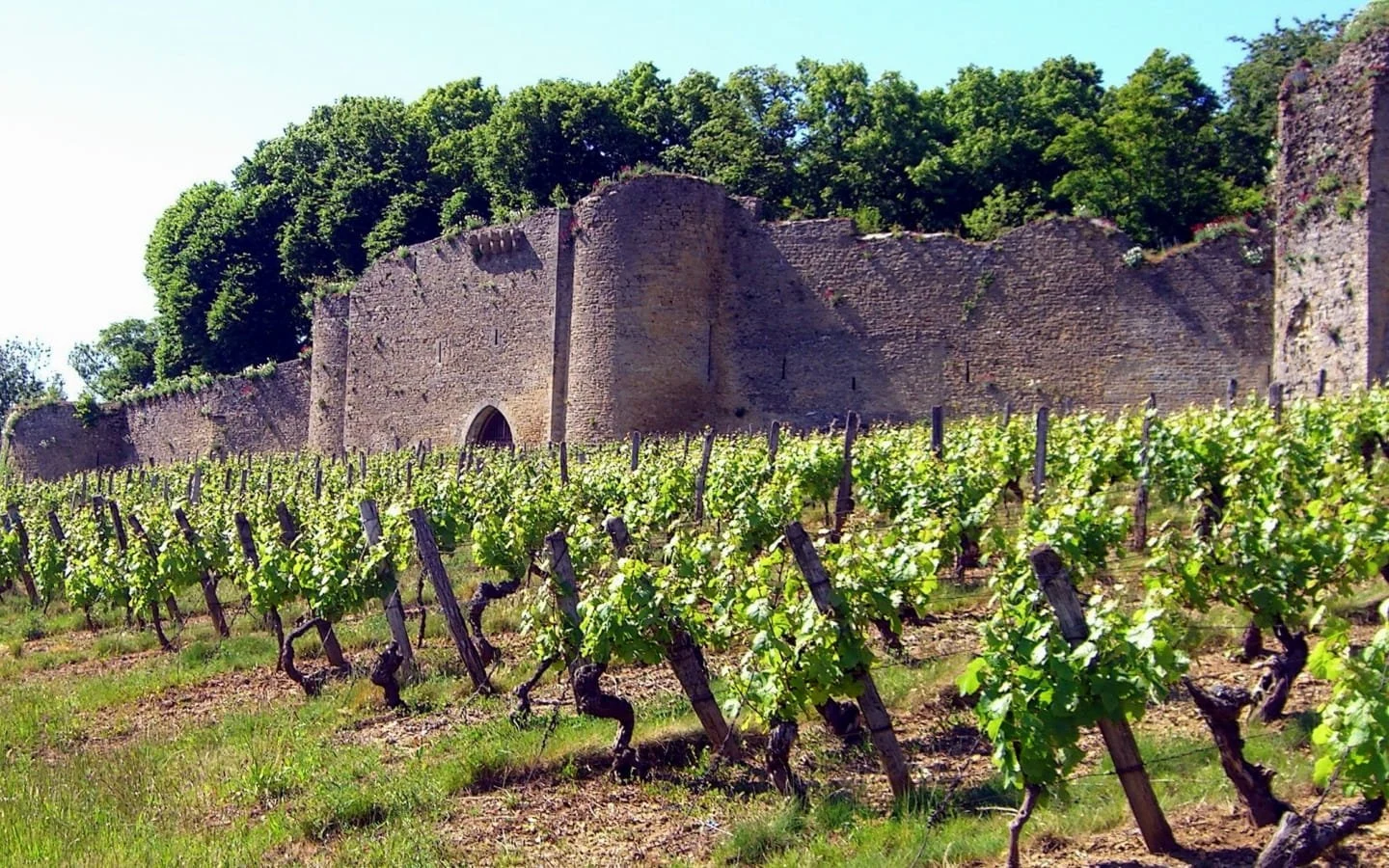
Château d'Arlay in Arlay is best framed as a historic Jura wine estate rather than as a conventional restaurant or bar listing. That distinction matters, because the main draw is not a menu, a cocktail list, or a standard hospitality format, but the combination of place, wine culture, and inherited atmosphere. The picture is deliberately simple: an 18th-century neo-classical château, a romantic park, and tastings that emphasize traditional Jura wines and the estate’s long family heritage. It is the kind of venue where the setting does a great deal of the work, giving the tasting a sense of continuity and local identity before a glass is even poured.
The appeal is the setting as much as the glass. Visitors should expect a classic, scenic, elegant estate atmosphere rooted in local wine culture, with the château and park forming the central context for the experience. Rather than approaching it as a fast stop or a place defined by a single product detail, it is better understood as a wine visit shaped by architecture, landscape, and heritage. The tone is calm and traditional, with the surrounding estate helping to frame the wines as part of a broader Jura story.
The Sunday letter
Find new places through the people who run them.
Our Sunday email brings you the chefs, winemakers and hoteliers behind our newest stories. See a sample before you subscribe.
See a sample of the Sunday emailOne email a week. Unsubscribe from any issue.
Traditional Jura wines in a heritage setting
What can be said with confidence is that tastings at Château d'Arlay are centered on traditional Jura wines and the continuity of a long family estate. That gives the visit a clear identity: it is not simply about sampling wine in isolation, but about tasting within a setting that reinforces history and place. The emphasis on tradition is important here, because it positions the estate within the broader culture of Jura wine rather than as a generic tasting room.
For travelers interested in Jura wine, the value of the visit is its historic context: a tasting experience attached to a notable estate setting in Arlay, rather than a page built around technical claims. The château and its atmosphere provide a frame for understanding the wines as part of a local inheritance. For visitors who respond to a sense of place, that context may be as memorable as the tasting itself, especially in a region where landscape, family heritage, and wine traditions are closely intertwined.
Because detailed wine styles and production information are not confirmed in available information, guests should check directly with Château d'Arlay for the current tasting lineup and any visit details before planning around a specific bottle or format. That is especially sensible for anyone making a special trip with a particular expectation in mind. The safest reading of the venue is broad but useful: traditional Jura wines, a family-estate narrative, and a historic château environment, with the practical details best at the source.
A château visit where architecture is part of the tasting
The strongest feature is the estate atmosphere: an 18th-century neo-classical château, romantic parkland, and a classic, scenic, elegant tone. The architecture is not just background; it is central to how the venue presents its heritage. The château gives the experience a formal and historic frame, while the park softens it with a more romantic, leisurely quality. Together, they make the visit feel less like a standalone tasting and more like time spent inside a preserved estate environment.
Château d'Arlay is therefore a good fit for visitors who want a wine-focused stop with historic estate character. The experience is best described as calm, traditional, and rooted in place, with tastings that connect Jura wines to family heritage. It will likely appeal most to travelers who enjoy the relationship between wine and setting: the way a château facade, landscaped grounds, and a sense of continuity can shape the mood of a tasting without needing to over-explain it. The elegance here is understated, coming from the combination of history, scenery, and restraint.
Specific claims about owners, exact dates, site classifications, park size, languages, access arrangements, or tour formats are not included in the data and should be confirmed directly with the estate. This is an important limitation to keep in mind when planning. The venue can be recommended for its broad identity and atmosphere, but not for operational details. Treat the available information as a dependable outline, then contact the estate for the particulars that affect timing, access, and the exact shape of the visit.
How to place it in an Arlay itinerary
Within Arlay, Château d'Arlay is the estate to consider when a historic château setting, romantic park ambiance, and traditional Jura wine tastings are the priorities. The price level is $$, and the overall mood is classic, scenic, elegant, iconic, and romantic. In itinerary terms, it works well as a stop where the surroundings are part of the reason to go, not merely a backdrop to a quick tasting. Visitors looking for a sense of Jura heritage in a polished estate context will find that this is the core appeal.
For the rest of a visit, pair the estate with other dining or hospitality options in Arlay generically, depending on your schedule. If you are comparing wine-focused stops in the area, keep Château d'Arlay as the reference point and confirm current tasting details directly before you go. Its role is clearest when viewed as a heritage-led wine estate: a place where traditional Jura wines, family continuity, château architecture, and romantic parkland combine into one calm, scenic experience.
Questions
Frequently asked
Who works at Château d'Arlay?
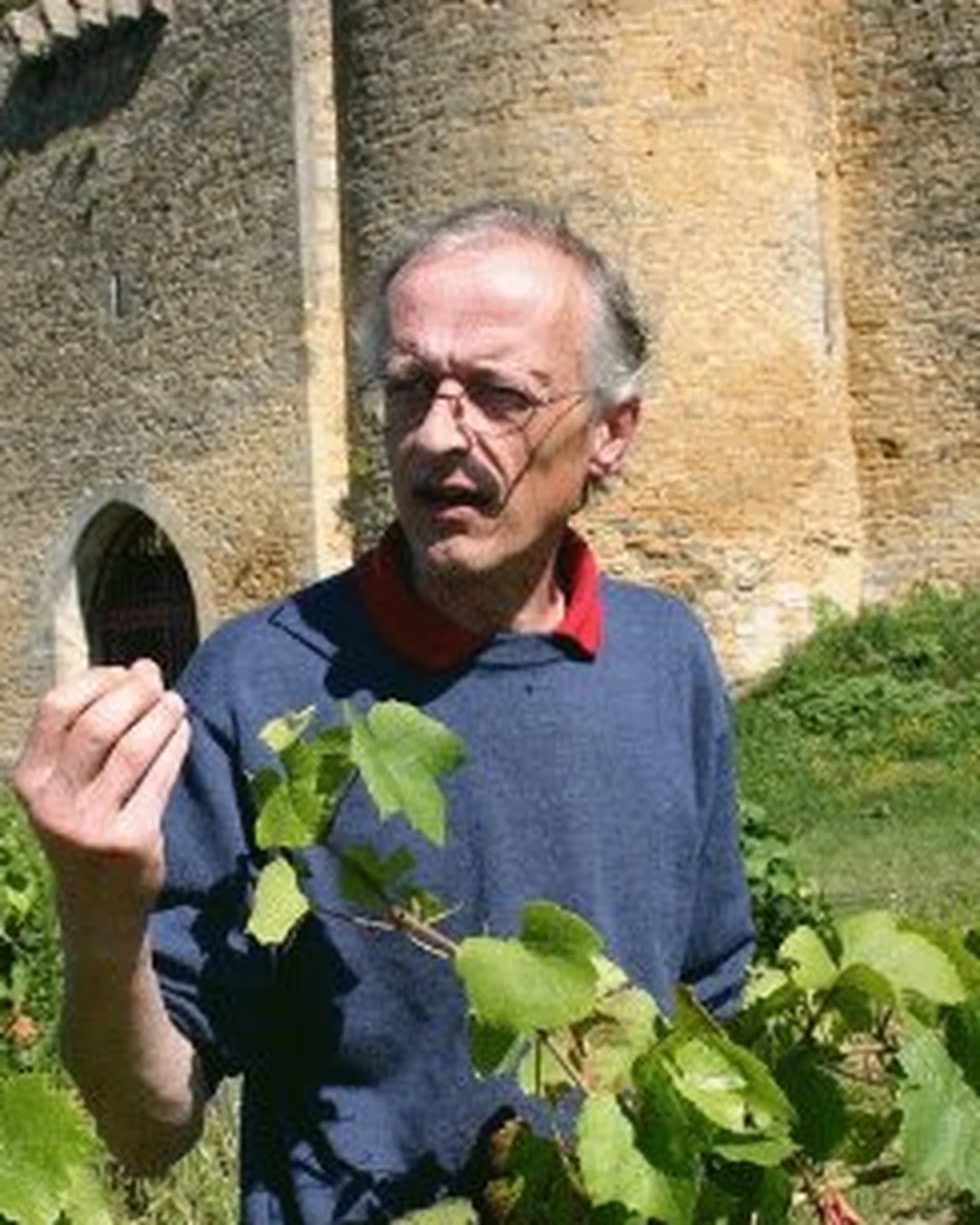
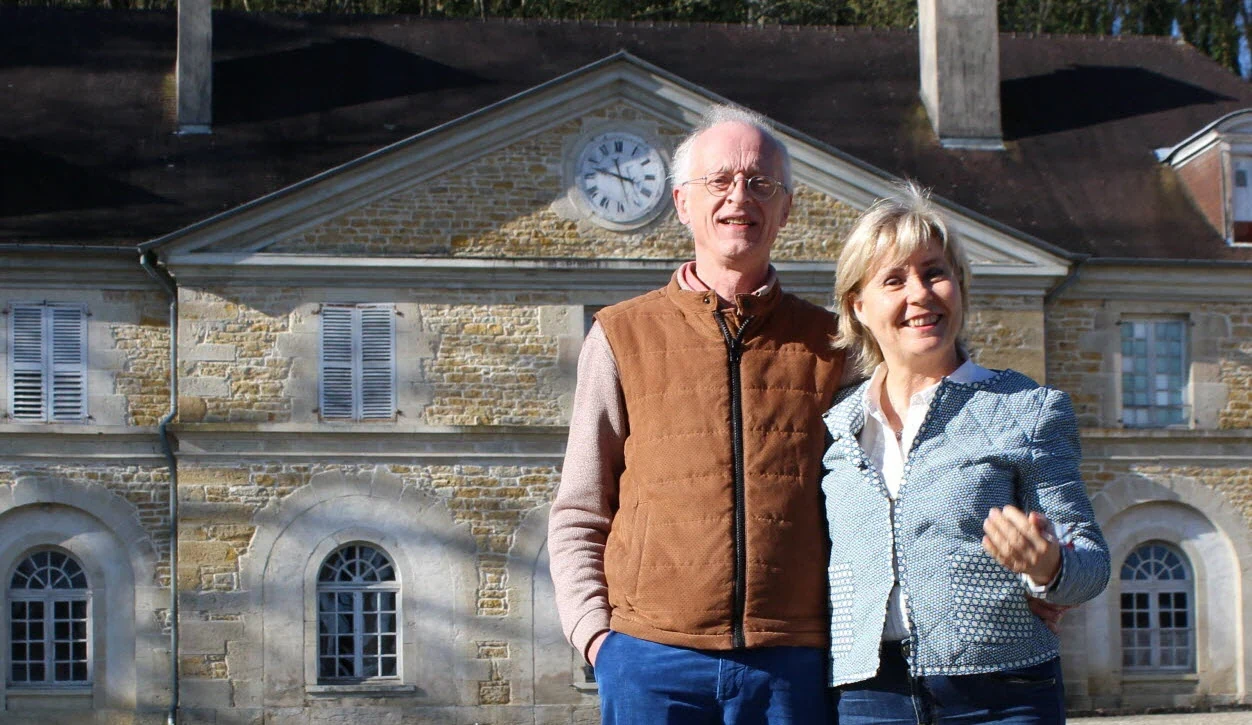
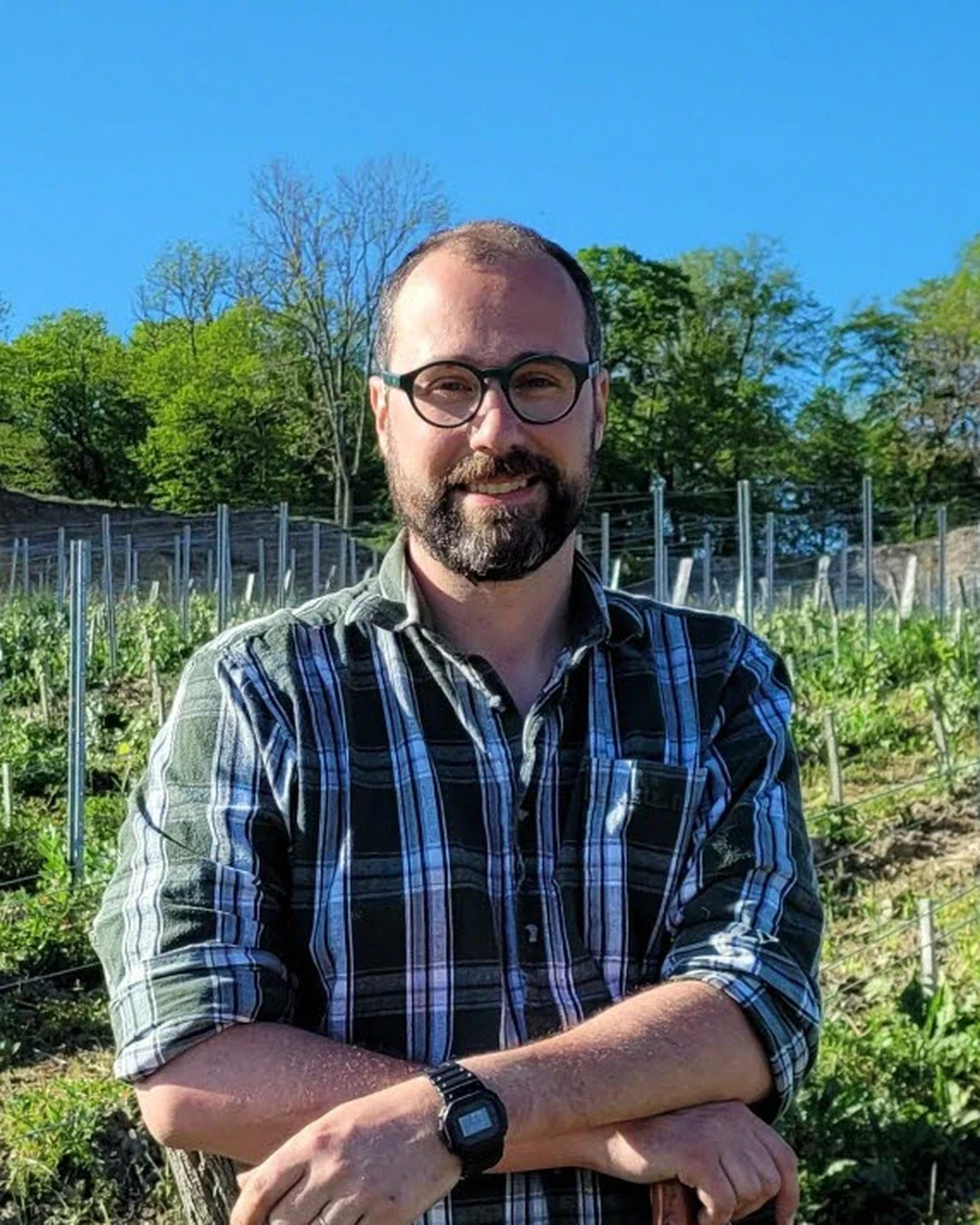
Made By profiles Alain de Laguiche (Winemaker), Anne de Laguiche (Winemaker) and Pierre-Armand de Laguiche (Winemaker) at Château d'Arlay.
How expensive is Château d'Arlay?
Château d'Arlay is listed at a price level of $$.
The field
How it compares
| Place | Notes | Awards |
|---|---|---|
| Château d'Arlay | Arlay, $$ | · |
| Dom Pérignon | Hautvillers | · |
| Domaine du Clos de Tart | Morey-Saint-Denis | · |
| Domaine Henri Jayer | Vosne-Romanée | · |
| Edmond Vatan | Sancerre | · |
| Tenuta San Guido | Bolgheri | · |
| Viña VIK | San Vicente De Tagua Tagua | World's 50 Best |
In residence
Similar places
The Sunday letter
Get the next Made By story in your inbox.
We send one email every Sunday morning with the places and people we covered that week.
See a sample of the Sunday emailOne email a week. Unsubscribe from any issue.