- Falstaff Winery - Listed · 2026
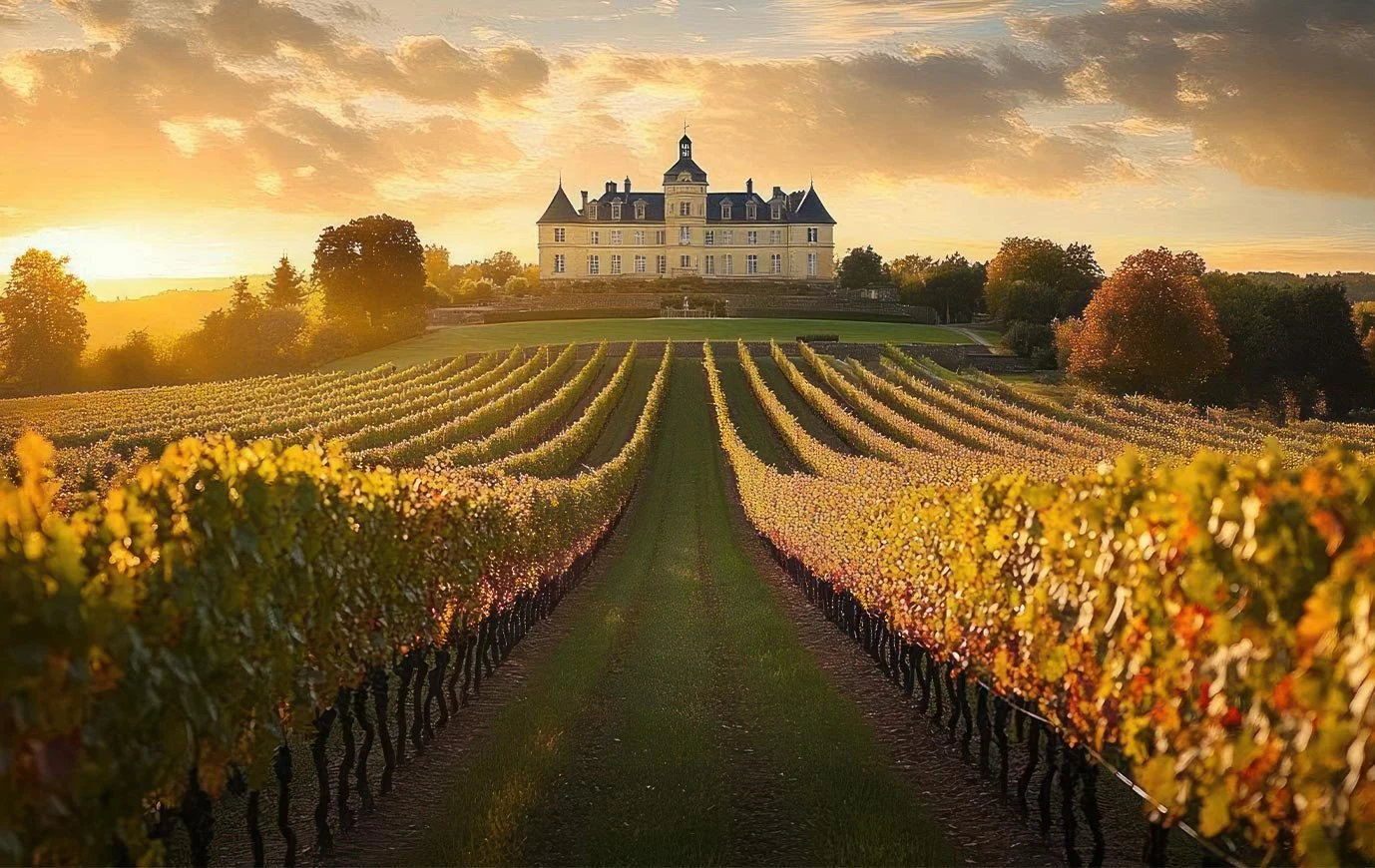
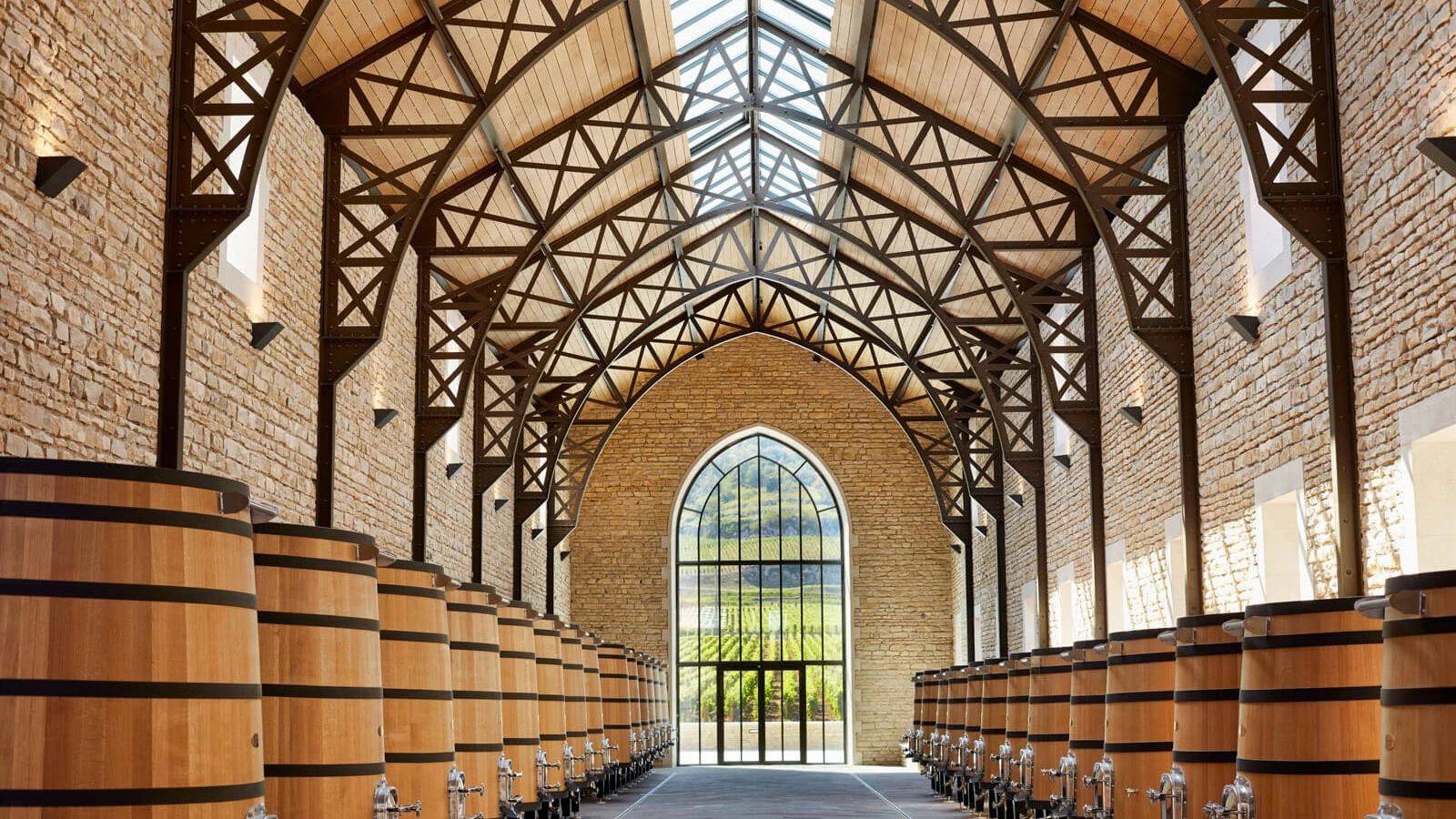
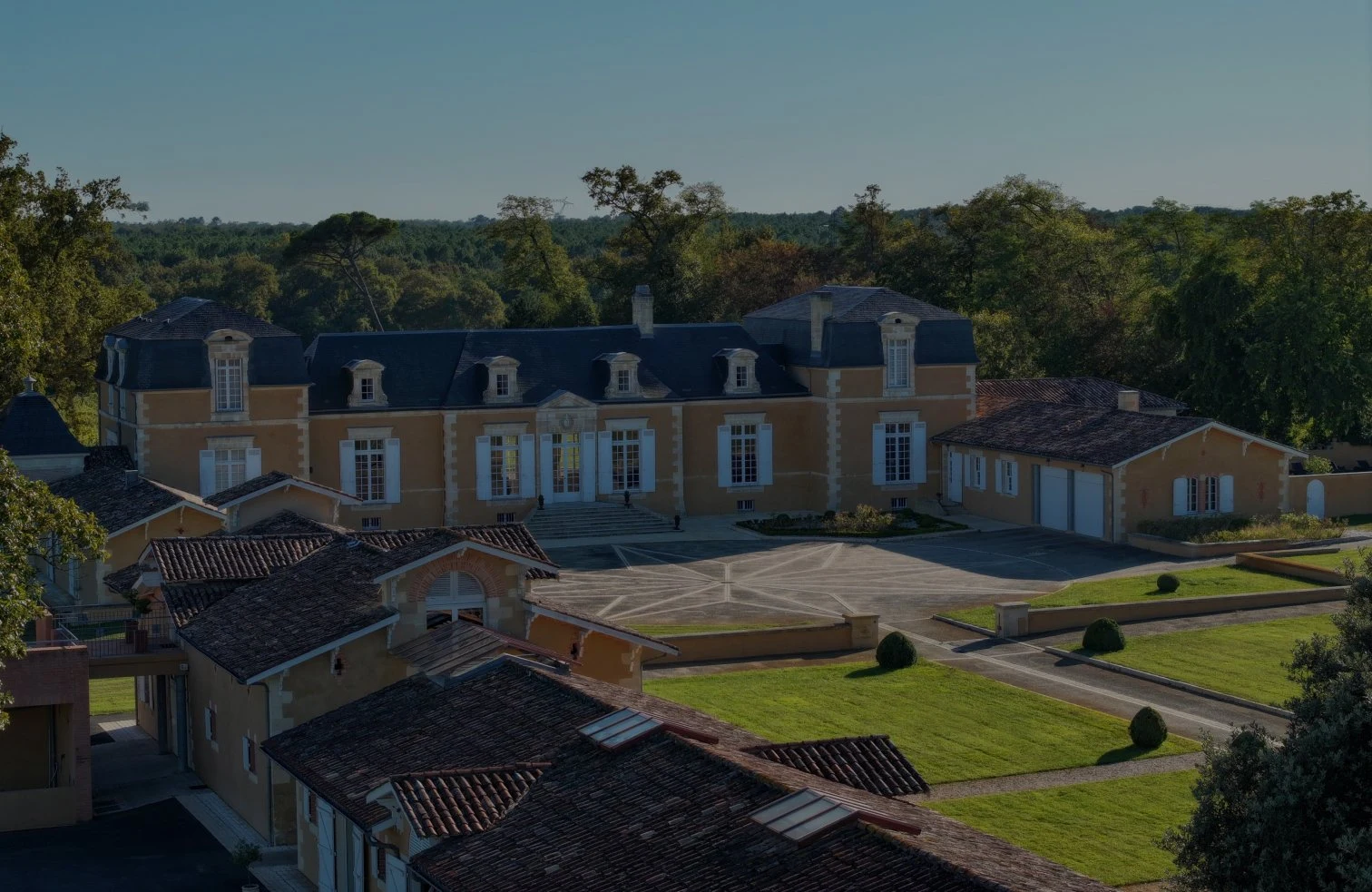
The approach to Bordeaux wine tourism often splits between château grandeur and cellar instruction. In Canéjan, the more convincing visits make those two elements speak to each other: architecture gives context, but vineyard choices explain the wine. Château de Rouillac works in that register, using a 19th-century estate setting, restored stables, vat room, barrel cellar, and vineyard grounds to frame Pessac-Léognan as a living agricultural system rather than a postcard.
Pessac-Léognan occupies a particular place in Bordeaux because it has equal credibility in structured reds and serious dry whites. That dual identity matters here. The estate’s vineyards cover 27.7 hectares within a 36-hectare property, with 23.7 hectares planted for red wine and 4 hectares for white. The red plantings divide evenly between Cabernet Sauvignon and Merlot, while the whites draw on Sauvignon Blanc, Sémillon, and Sauvignon gris. Those figures are not decorative; they explain why the visit can move between the architecture of tannin, the freshness of white Bordeaux, and the practical decisions that make both possible on the same estate.
Gravel, clay, Cabernet and Sauvignon: the Pessac-Léognan lesson in miniature
The appellation’s grammar is built on drainage, ripening, and restraint. Gravelly soils help Cabernet Sauvignon reach structure without heaviness, while clay and sand influence water retention and textural balance. At Rouillac, that translates into a portfolio focused on still red and still white wines rather than a broad lifestyle spread. Reds are aged in French oak for 14 to 16 months, with about one-third new barrels, a measured regime by Bordeaux standards. The whites follow the region’s logic of Sauvignon-led freshness, supported by Sémillon and Sauvignon gris for breadth.
The stronger editorial point is that the estate visit makes terroir legible. Manual harvesting, barrel-cellar work, and guided explanation put the region’s familiar vocabulary into a compact, readable format. For travelers comparing French winery experiences beyond Bordeaux, the contrast is useful: Champagne houses such as A. Margaine in Villers-Marmery and Agrapart & Fils in Avize often explain precision through chalk, acidity, and élevage, while southern estates such as Abbaye de Fontfroide in Narbonne, Abbotts & Delaunay in Marseillette, and Advini in Saint Felix De Lodez tend to speak through sun, blend, and Mediterranean range. Canéjan’s value is different: it shows Bordeaux structure at an estate scale that remains easy to parse.
The horse heritage gives the tasting a sharper point of view
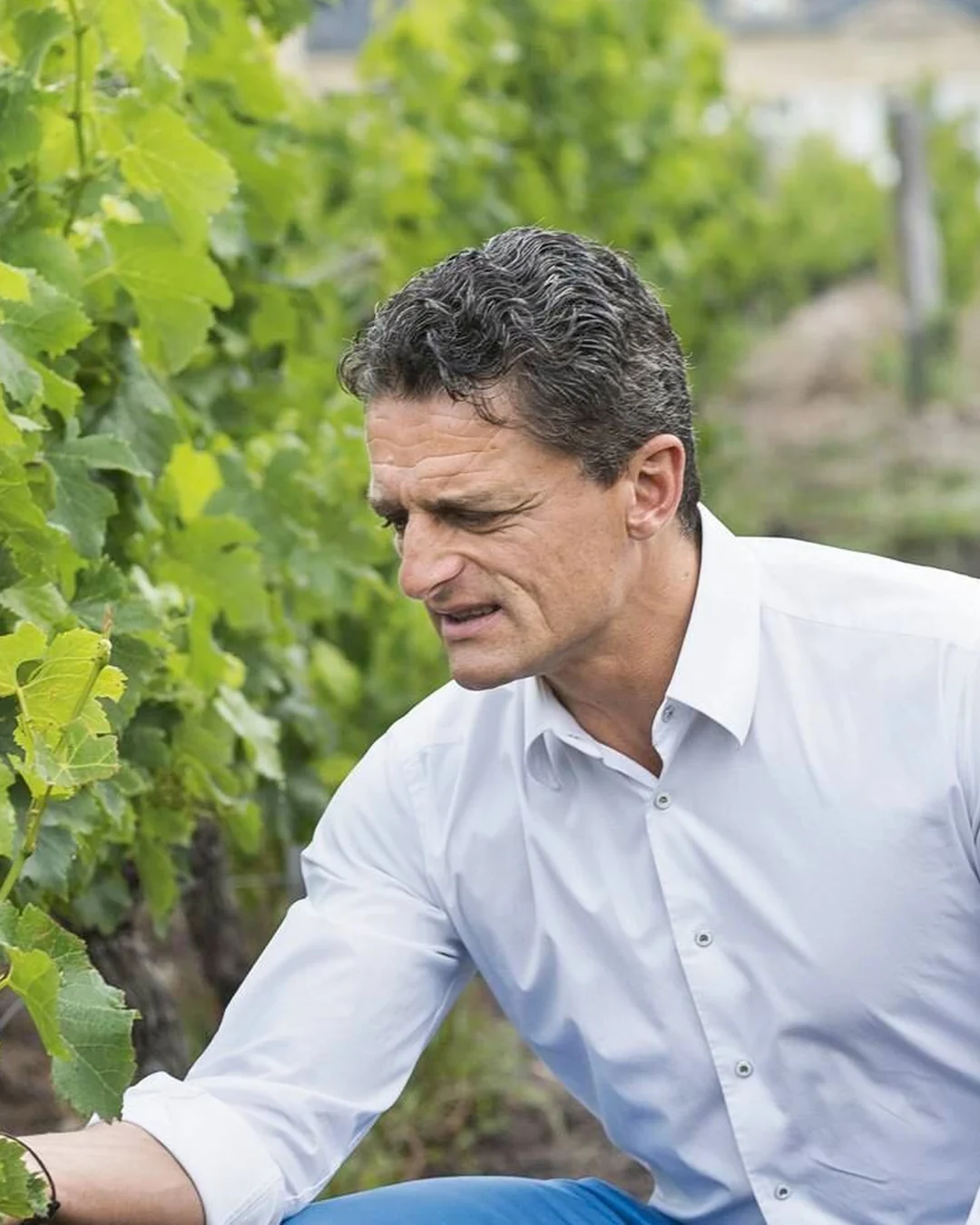
Wine-and-horses branding can become soft-focus quickly. Here, the equestrian material has a firmer historical anchor. Baron Haussmann acquired the estate in 1864 and shaped its architectural identity, including the stables that remain central to the property’s visual language. The current era began in 2010 under Laurent Cisneros, whose name is also attached to the winemaking leadership. The important detail is not biography for its own sake; it is continuity. The estate’s modern hospitality uses the stables and château fabric to connect land, labor, and leisure without turning the visit into a museum piece.
That setting also supports a more varied tasting format than the basic pour-and-purchase model. The estate offers tour-and-tasting, private tasting, vertical tasting, and food-pairing formats, with visits generally running 60 to 90 minutes. English and French are used for tours, and the tone is closer to wine education than high-energy entertainment. HVE 3 certification, achieved in 2013, gives the sustainability claim a concrete frame: biodiversity, reduced inputs, and environmental management sit inside the agricultural story rather than being treated as a separate slogan.
The Dada-themed tastings in the former stables are the estate’s clearest hospitality signature, because they turn the horse heritage into an organizing idea rather than an ornament. Food pairings with chocolate or cheese add another route into the wines, but the core appeal remains the same: tasting red and white Pessac-Léognan while seeing how vineyard, cellar, and estate architecture reinforce one another.
How to place it within a Canéjan wine day
Canéjan is not a city built around late-night dining drama or hotel theatre; its strongest travel argument is proximity to vineyard culture and the quieter edge of Bordeaux wine tourism. Rouillac suits visitors who want a guided estate experience with enough technical content to matter and enough physical beauty to hold non-specialists. The quiet setting, garden and vineyard views, accessible parking, step-free entrance, and family-friendly features make it more flexible than many château visits, while the appointment-only format keeps the experience controlled.
For a wider local plan, pair this page with Château Seguin and Our full Canejan wineries guide. Travelers building the rest of a stay can cross-check Our full Canejan restaurants guide, Our full Canejan hotels guide, Our full Canejan bars guide, and Our full Canejan experiences guide. For broader wine-trip calibration across Europe, compare the regional logic with Alain Brumont in Castelnau Riviere Basse, Alain Gras in Saint-Romain, »der Steiner« Hans Steiner in Podersdorf am See, and & Handwein in Mannheim. The point is not to rank them against one another; it is to see how each region teaches wine through place.
Questions
Frequently asked
Who works at Château de Rouillac?
Made By profiles Laurent Cisneros (Winemaker) at Château de Rouillac.
How expensive is Château de Rouillac?
Château de Rouillac is listed at a price level of $$.
The field
How it compares
| Place | Notes | Awards |
|---|---|---|
| Château de Rouillac | Canéjan, $$ | · |
| Abadía Retuerta | Sardón de Duero | World's 50 Best |
| Bollinger | Aÿ | World's 50 Best |
| Château Lynch-Bages | Pauillac | · |
| Château Palmer | Margaux | · |
| Château Seguin | Canejan | · |
| Domaine Faiveley | Nuits-Saint-Georges | World's 50 Best |