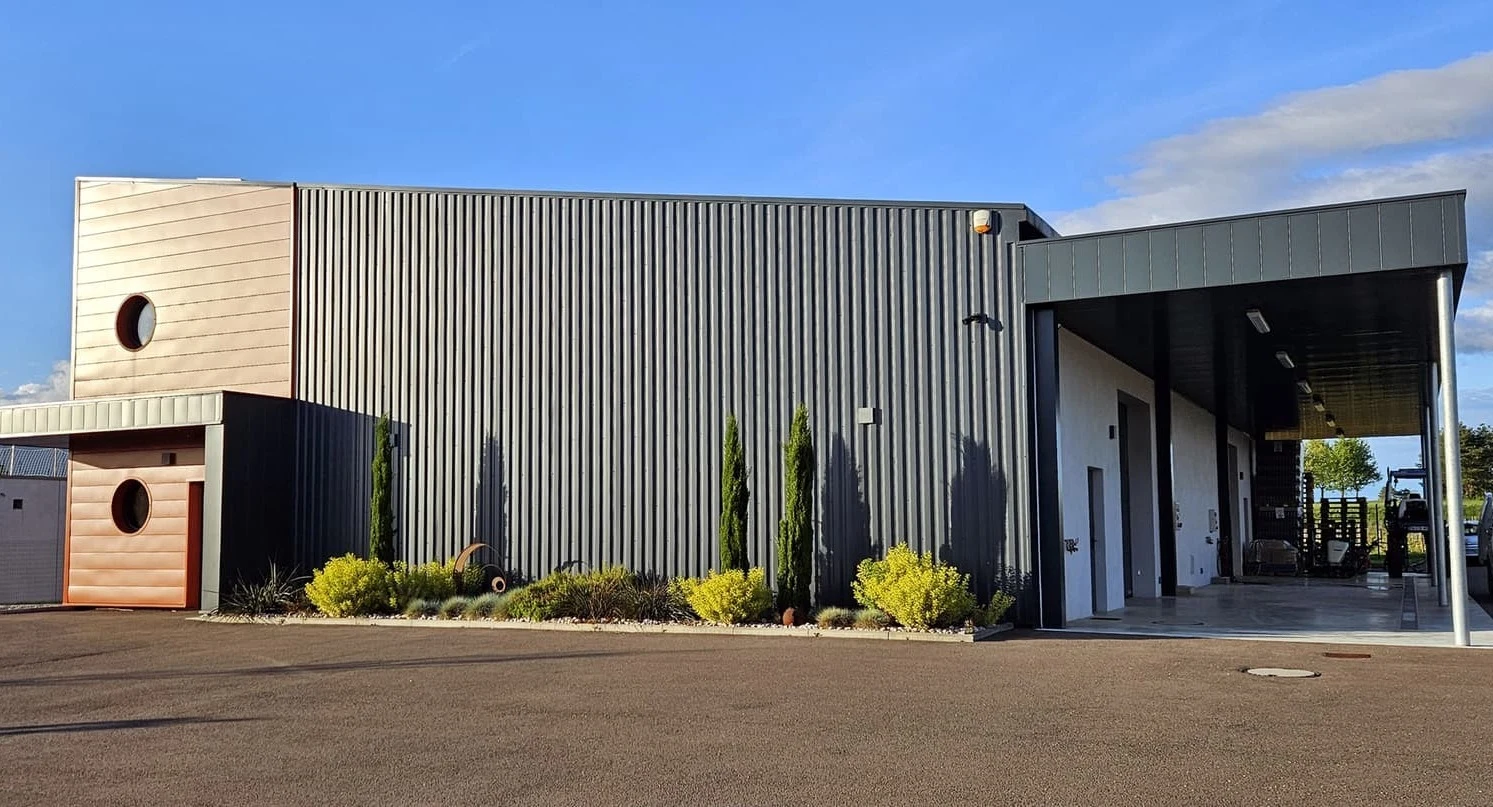
Château du Courlat
- 01CityLussac, France
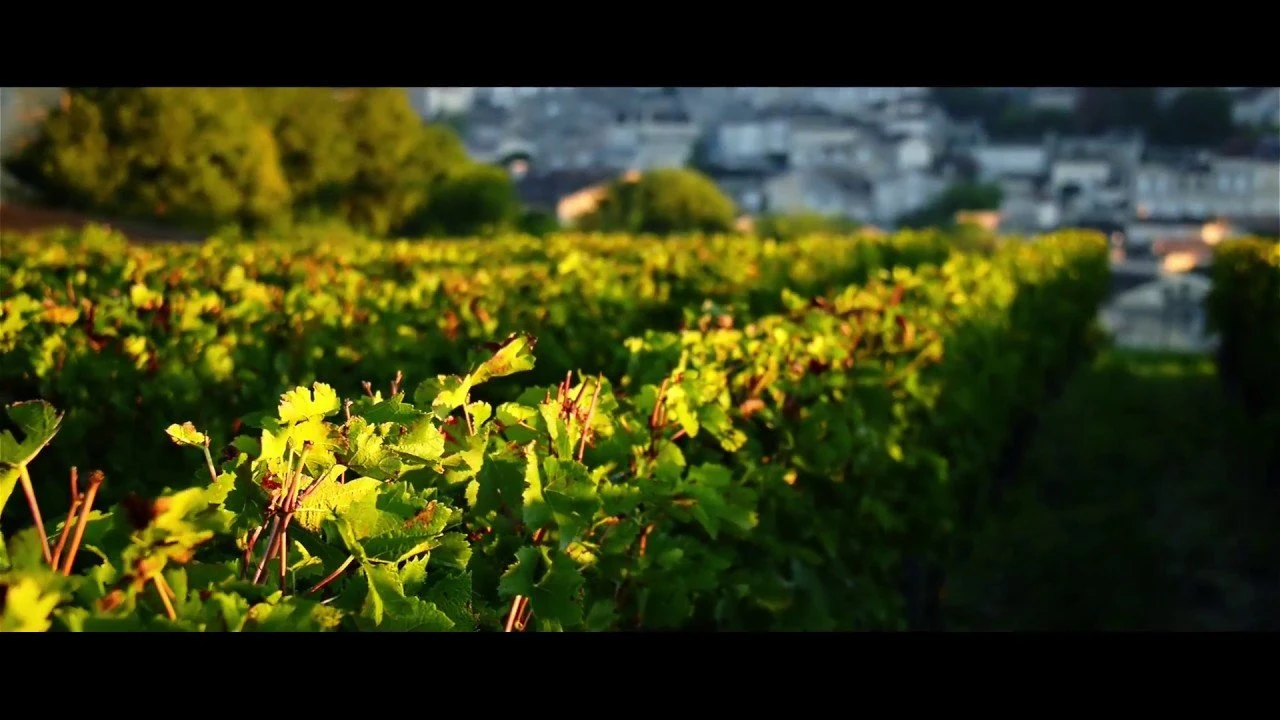
Merlot shaped on clay limestone
- Falstaff Winery - Listed · 2026
Ripeness, oxygen, and the Right Bank hand
Blending decisions come before spectacle here: Château du Courlat works Merlot grown in Lussac-Saint-Émilion, with Cabernet Franc and Cabernet Sauvignon in support. The estate sits inside a longer Libournais discipline, minutes from Saint-Émilion and within reach of Bordeaux, on soils where clay and limestone give Merlot both density and line. The first vines went into the slopes of Lussac in the Middle Ages, and the earliest figures in the estate’s record are the Seigneurs Barons de Montagne, whose legacy the property still carries in its name and papers. The recurring questions stay close to the bench: when fruit has enough ripeness, how the blend is proportioned, where the wine carries its weight.
Stewardship of Château du Courlat now falls under Domaines Bourotte-Audy, the wine group that took the estate into its portfolio of Bordeaux properties, and the current management team works the house with modern resources against a traditional frame. The property belongs to Lussac-Saint-Émilion AOC, on the right bank, and the fruit is primarily estate-grown, which gives the cellar complete control over quality and character. Here, the aim is not gloss for its own sake. The house language is elegance, purity of fruit, and tannins that fold into the wine rather than stand apart from it.
Thirteen hectares under vine
The estate works at a medium scale: around 13 hectares under vine for the main Château du Courlat wines, producing approximately 55,000 bottles per year, with an additional 4 hectares dedicated to the Cuvée Jean-Baptiste. The yield frame given for the property is 53 hl/ha as a base and 65 hl/ha as a maximum, numbers that matter because Lussac-Saint-Émilion can turn generous quickly if the hand in the vineyard loses discipline.
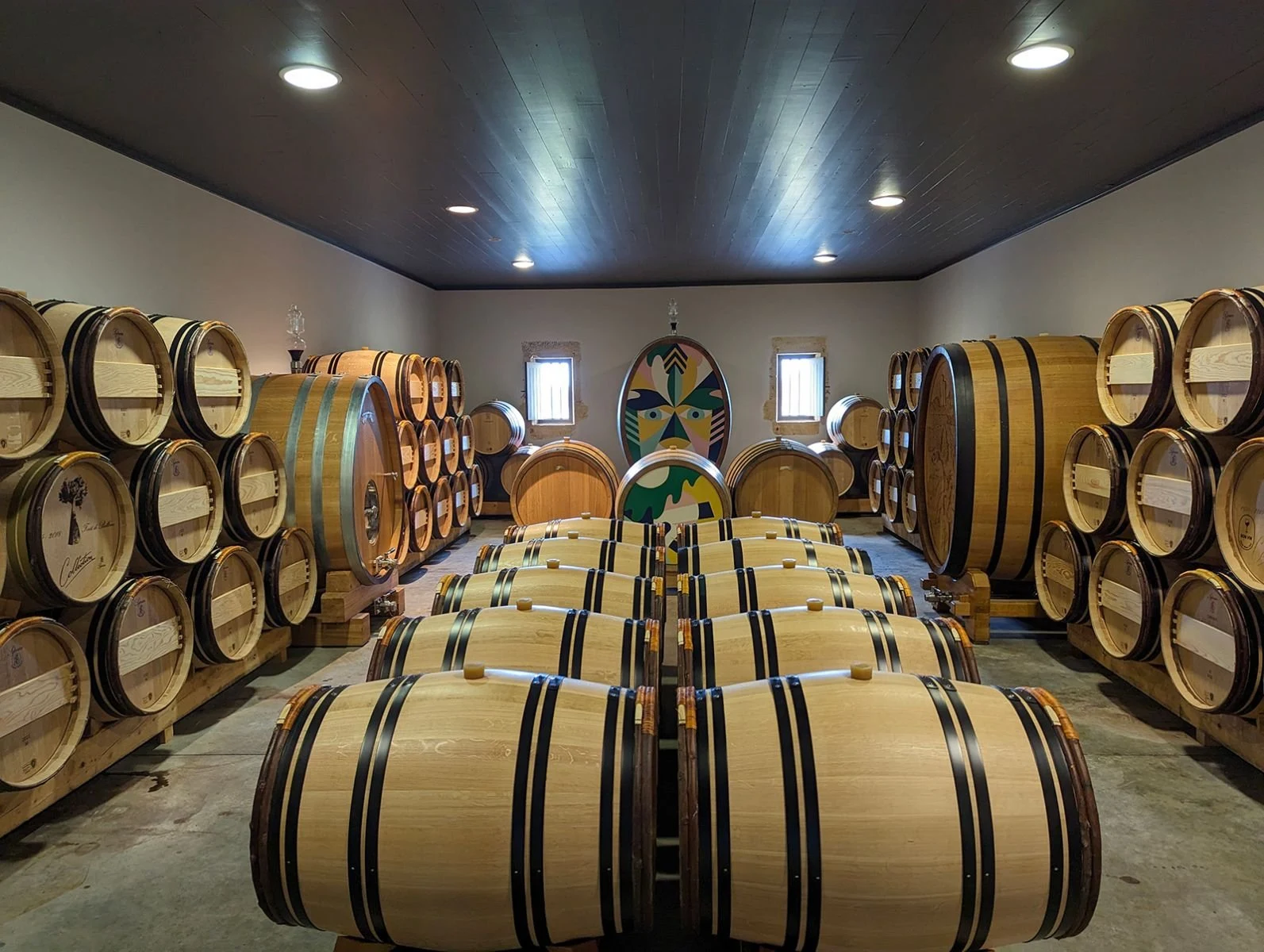
Vine care follows an integrated, eco-friendly agriculture on a property where vineyard blocks sit with meadows, woods and a pond. The pruning work belongs to winter, in January, when the vines are dormant and the decisions are structural rather than cosmetic. Canopy work, soil maintenance and picking all serve the same end: Merlot with concentration, Cabernet Franc and Cabernet Sauvignon with enough lift to hold the blend. In the cellar, the wines are made as still reds and aged partly in oak, with the barrel program used for structure and texture while keeping the fruit clean. A recent vintage note for 2025 records 50–80 mm of rain in August, followed by mild, relatively dry harvest conditions. That kind of sequence asks for patience, then speed.
The cellar beside the pond
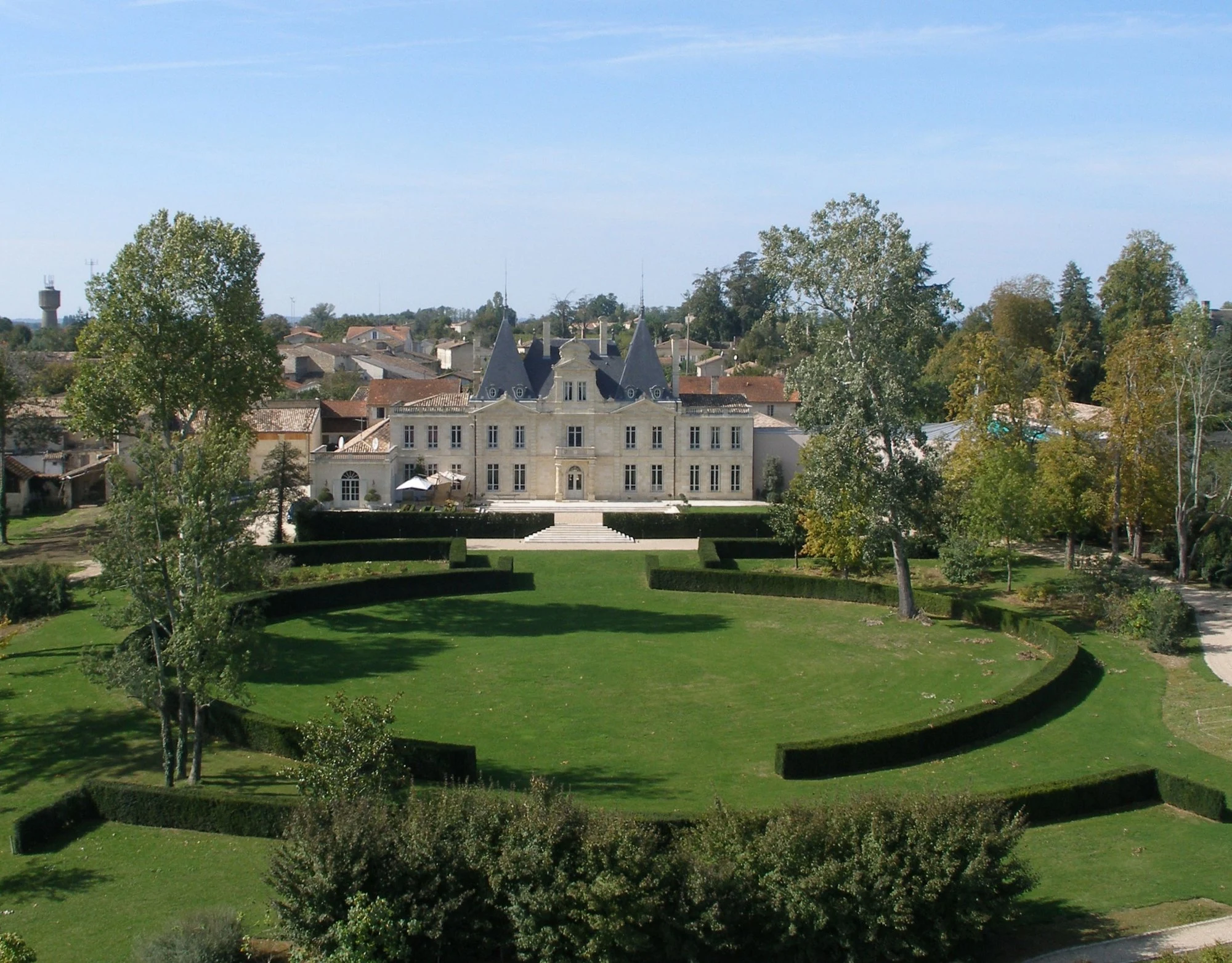
The place has the quiet of a traditional right-bank château rather than the brightness of a tasting-room performance. An 18th-century manor anchors the estate, with cypress trees, parkland, a wild pond and vineyard rows around it. The setting is scenic, with meadow, wood, water and cultivated rows close to the vines. Biodiversity is not a brochure word when it changes the air around the vineyard.
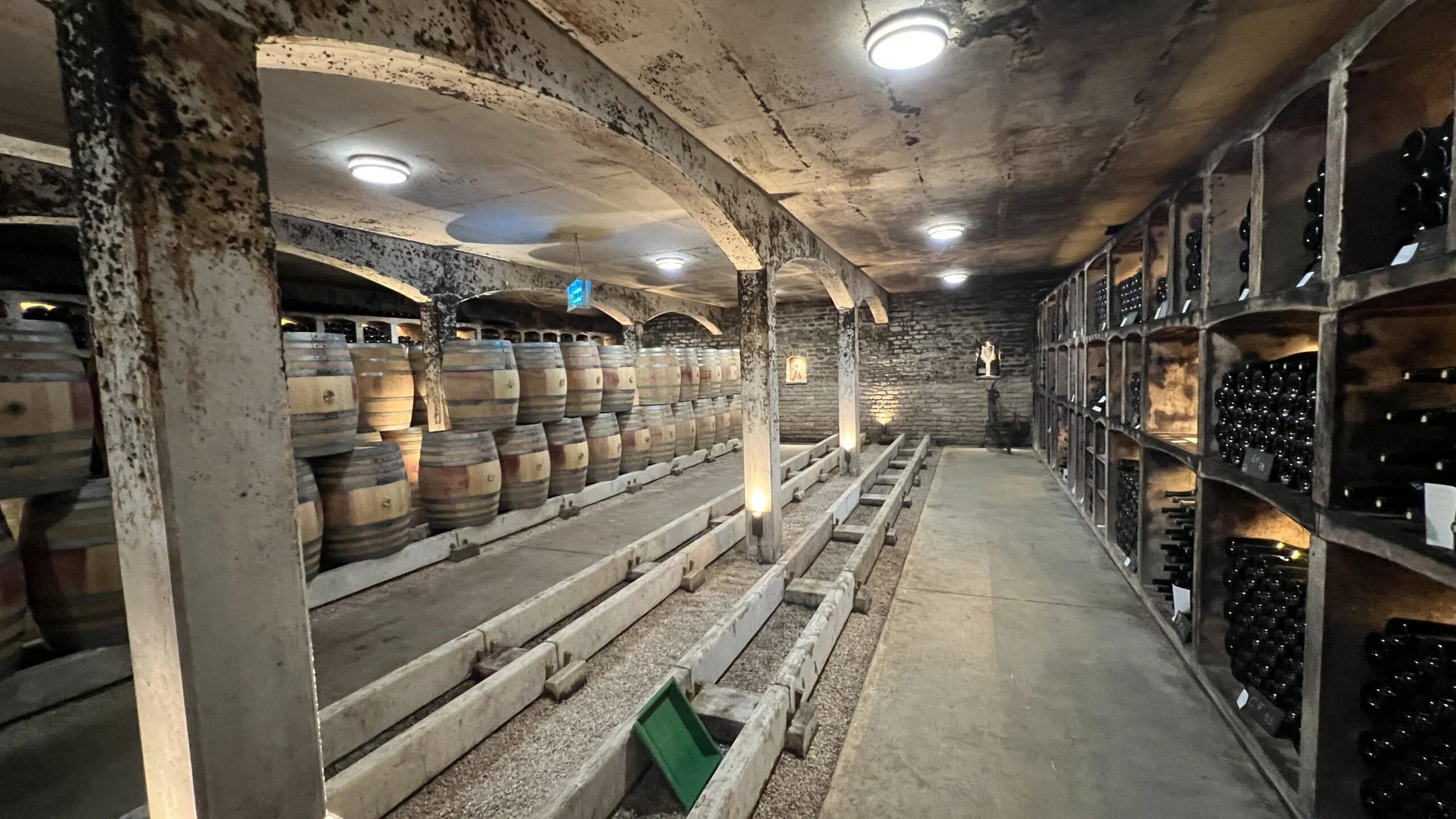
Inside that calm, the cellar work stays measured. The estate’s reds are built for a line of fruit first, then tannin, then oak. The room asks the taster to notice integration rather than power. Glass by glass, the signature is Merlot in a restrained key: dark fruit, soft grain, and the slow hand of élevage around Château du Courlat.
Questions
Frequently asked
What is Château du Courlat known for?
Château du Courlat works Merlot from the clay and limestone soils of Lussac-Saint-Émilion, with Cabernet Franc and Cabernet Sauvignon in support. The wines are made as still reds and are shaped for elegance, purity of fruit, and tannins that fold into the wine.
Who oversees the estate now?
Stewardship of Château du Courlat now falls under Domaines Bourotte-Audy. The current management team works the house with modern resources within a traditional frame.
What is the setting like at the property?
The estate sits on the right bank in Lussac-Saint-Émilion, minutes from Saint-Émilion and within reach of Bordeaux. An 18th-century manor anchors the property, with cypress trees, parkland, a pond, meadows and vineyard rows around it.
Can visits be booked any time?
Visits are by appointment only.
Is there parking on site?
Yes. Château du Courlat has an on-site lot for parking.
The field
How it compares
| Place | Notes |
|---|---|
| Château du Courlat | Lussac-Saint-Émilion, $$$ |
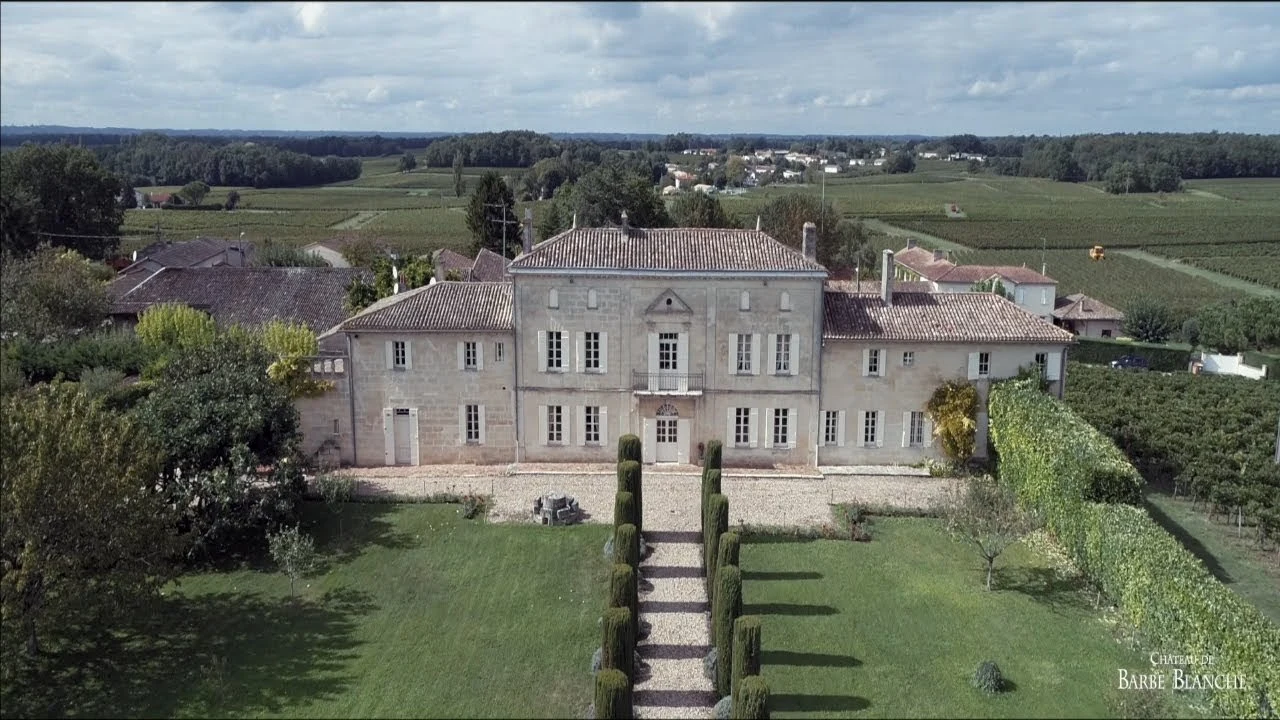
| Château de Barbe Blanche | Lussac |
| Château de Lussac | Lussac |
| Château La Rose Perrière | Lussac |
| Château Tour Perruchon | Lussac |
| Domaine Georges Mugneret-Gibourg | Vosne-Romanée |
| Domaine Roulot | Meursault |