Château Grée Laroque
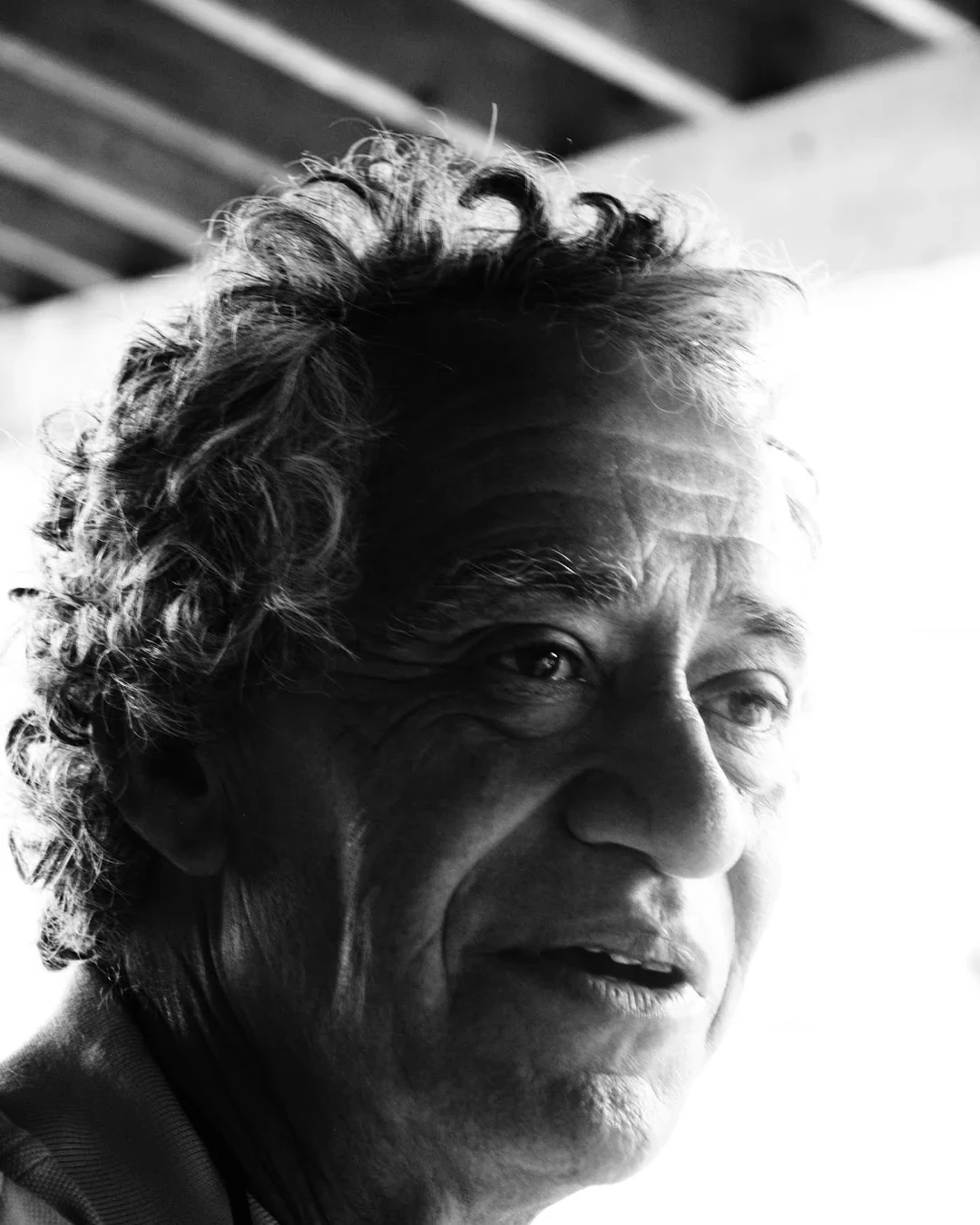
In Residence
Arnaud Benoît de Nyvenheim
Winemaker
- 01CitySaint Ciers D Abzac, France
- Falstaff Winery - Listed · 2026
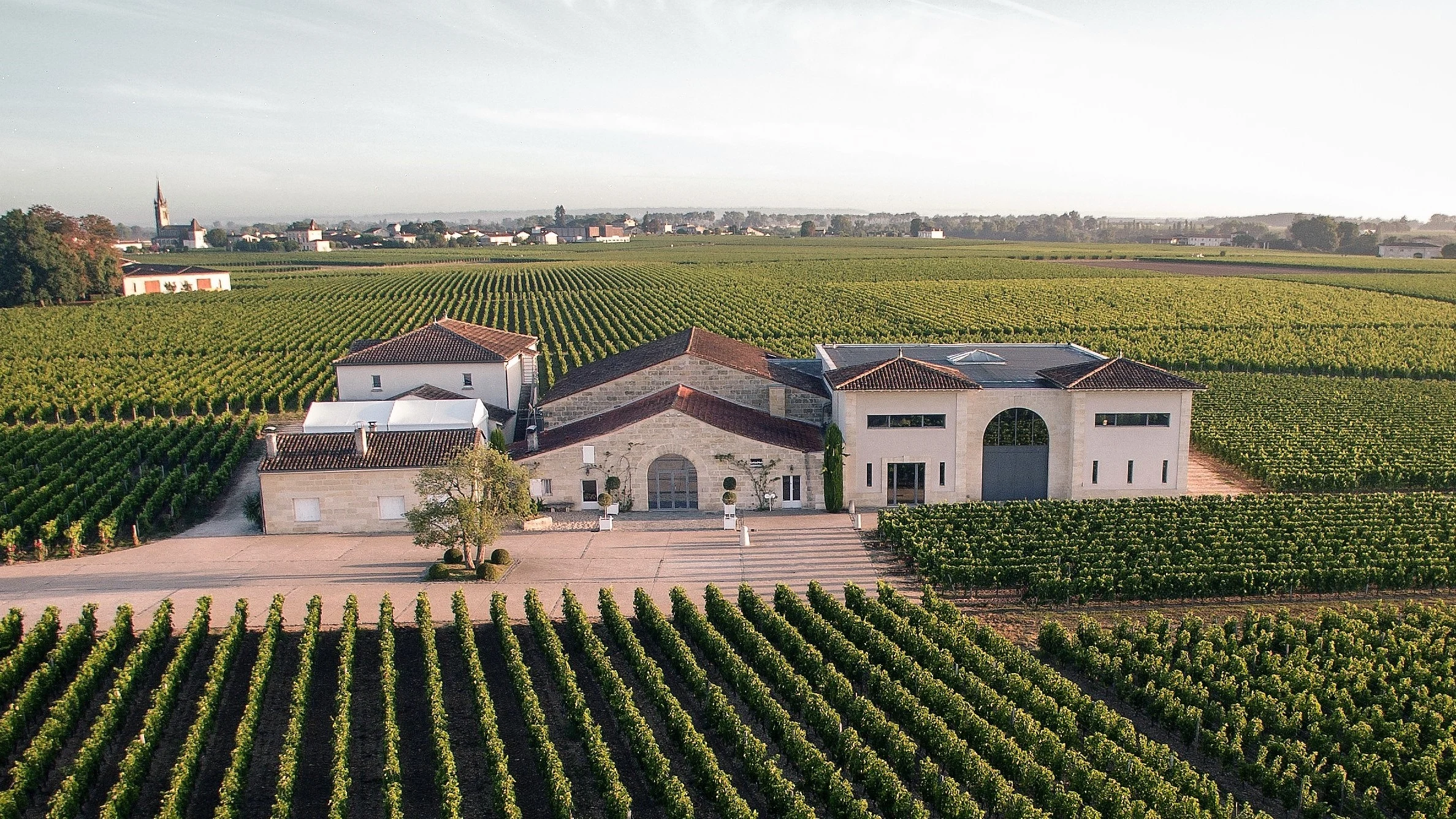
Approaching Château Grée Laroque means focusing on a quieter side of Saint Ciers D Abzac. The picture is of a small, traditional Bordeaux family estate with a rural atmosphere, old vines on mixed clay-limestone soils, and an emphasis on structured, ageworthy red wines rather than tourism-driven experiences. It is not a venue that should be read through spectacle or through a long list of confirmed visitor features; its identity, as presented here, is more modest and more grounded.
Because only limited details are confirmed, the strongest way to read the estate is through what is known: it is small in scale, classic in feel, and rooted in a rustic countryside setting. That makes the page less about filling in missing technical information and more about understanding the tone of the place. Château Grée Laroque comes across as the kind of Bordeaux address where restraint is central to the appeal, and where the absence of theatrical framing helps keep the focus on vines, soils, and red wine.
The Sunday letter
Find new places through the people who run them.
Our Sunday email brings you the chefs, winemakers and hoteliers behind our newest stories. See a sample before you subscribe.
See a sample of the Sunday emailOne email a week. Unsubscribe from any issue.
Old vines on mixed clay-limestone soils
Château Grée Laroque is associated with old vines and mixed clay-limestone soils, a combination that frames the estate’s identity more clearly than any technical specification. The focus is on red wines with structure and aging potential, not on a broad hospitality program or a heavily staged visitor experience. In editorial terms, those elements are enough to give the estate a clear profile: rooted, traditional, and oriented toward wines that are meant to have shape rather than immediate gloss.
The estate’s appeal is therefore quiet and traditional. It suits readers who are interested in the more restrained, rural side of Bordeaux family estates, where the setting and winemaking intent matter more than spectacle. Old vines and clay-limestone soils are not presented here as decoration; they are the main confirmed anchors for understanding the place. They suggest a property whose character is best approached through patience, context, and a preference for classic red-wine structure.
Details such as exact vineyard size, grape blend, harvest method, barrel regimen, and annual production are not confirmed in the data. For an accurate visit or purchase decision, those points should be checked directly with the estate rather than assumed from secondary descriptions. That caution matters, because small Bordeaux estates are often described in broad regional language, and it is easy to overstate what has actually been verified. Here, the more reliable approach is to keep the focus tight and avoid turning a quiet estate into something more specific than the available information supports.
Bordeaux without the château theatre
Château Grée Laroque is best understood as a small Saint Ciers D Abzac estate with a classic, rustic character. No confirmed awards or formal rankings are represented in the data, so the editorial case should rest on the estate’s atmosphere, old vines, mixed clay-limestone soils, and focus on structured reds. That is a narrower story than a prestige-driven château profile, but it is also a more honest one.
Rather than building a story around unconfirmed biography or production claims, the safer reading is simple: this is a quiet Bordeaux family estate whose identity is tied to place, vines, and red wine. The lack of extra claims does not weaken the entry; it defines its boundaries. Château Grée Laroque is presented through what can be said with confidence, and that gives the venue page a deliberately measured tone.
That restraint is part of the appeal. Château Grée Laroque is not presented here as a luxury destination or full-service hospitality complex. It is framed as a hidden, rural estate for those who prefer understated Bordeaux character. In that sense, the interest lies in the contrast with more polished château narratives: this is Bordeaux without heavy staging, where the rural setting and traditional red-wine focus carry the weight of the description.
How to read it in a Saint Ciers D Abzac itinerary
For a wine-focused trip, Château Grée Laroque is most useful as a lens on traditional, small-scale Bordeaux estate culture in Saint Ciers D Abzac. It is a better fit for travelers interested in old vines, mixed clay-limestone soils, and ageworthy red wines than for those seeking a tourism-led château experience. The right expectation is important: this is not being positioned as a broad leisure stop, but as a low-key point of reference for a more restrained understanding of the area.
Saint Ciers D Abzac can also be approached as a quiet base for regional exploration. When planning around Château Grée Laroque, keep expectations grounded: information supports a rustic, classic estate atmosphere and a $$ price marker, but not specific claims about tours, tastings, dining, accommodation, opening hours, or visitor amenities. Any practical plan should therefore be built around direct confirmation, especially if the visit depends on availability, access, or a particular format of experience.
For comparison, Château Grée Laroque itself is the relevant reference point here: a small, traditional family estate in Saint Ciers D Abzac with a low-key rural identity and a focus on structured red wines. Its usefulness in an itinerary comes from that clarity. It represents a quieter thread of Bordeaux, one where the estate is understood less as a performance space and more as a rural wine property with a defined traditional character.
The editorial case for Château Grée Laroque is clear but narrow. The draw is not confirmed awards, luxury infrastructure, or an elaborate visitor program. It is the chance to understand a quiet Saint Ciers D Abzac estate shaped by old vines, mixed clay-limestone soils, and a classic Bordeaux red-wine focus. For readers who value understatement, that narrowness is not a limitation; it is the point. Château Grée Laroque belongs in the guide as a modest, grounded Bordeaux reference, best appreciated through the facts that are confirmed rather than through assumptions added around them.
Questions
Frequently asked
Who works at Château Grée Laroque?
Made By profiles Arnaud Benoît de Nyvenheim (Winemaker) at Château Grée Laroque.
How expensive is Château Grée Laroque?
Château Grée Laroque is listed at a price level of $$.
The field
How it compares
| Place | Notes |
|---|---|
| Château Grée Laroque | rural Saint-Ciers-d'Abzac, $$ |
| BOND Winery | Napa |
| Château La Conseillante | Pomerol |
| Chateau Lafite Rothschild | Pauillac |
| Domaine Denis Mortet | Gevrey-Chambertin |
| Domaine des Comtes Lafon | Meursault |
| Ornellaia | Castagneto Carducci |
In residence
Similar places
The Sunday letter
Get the next Made By story in your inbox.
We send one email every Sunday morning with the places and people we covered that week.
See a sample of the Sunday emailOne email a week. Unsubscribe from any issue.