One hectare of Pomerol fruit
- Falstaff Winery - Listed · 2026
Walking the rows before the blend
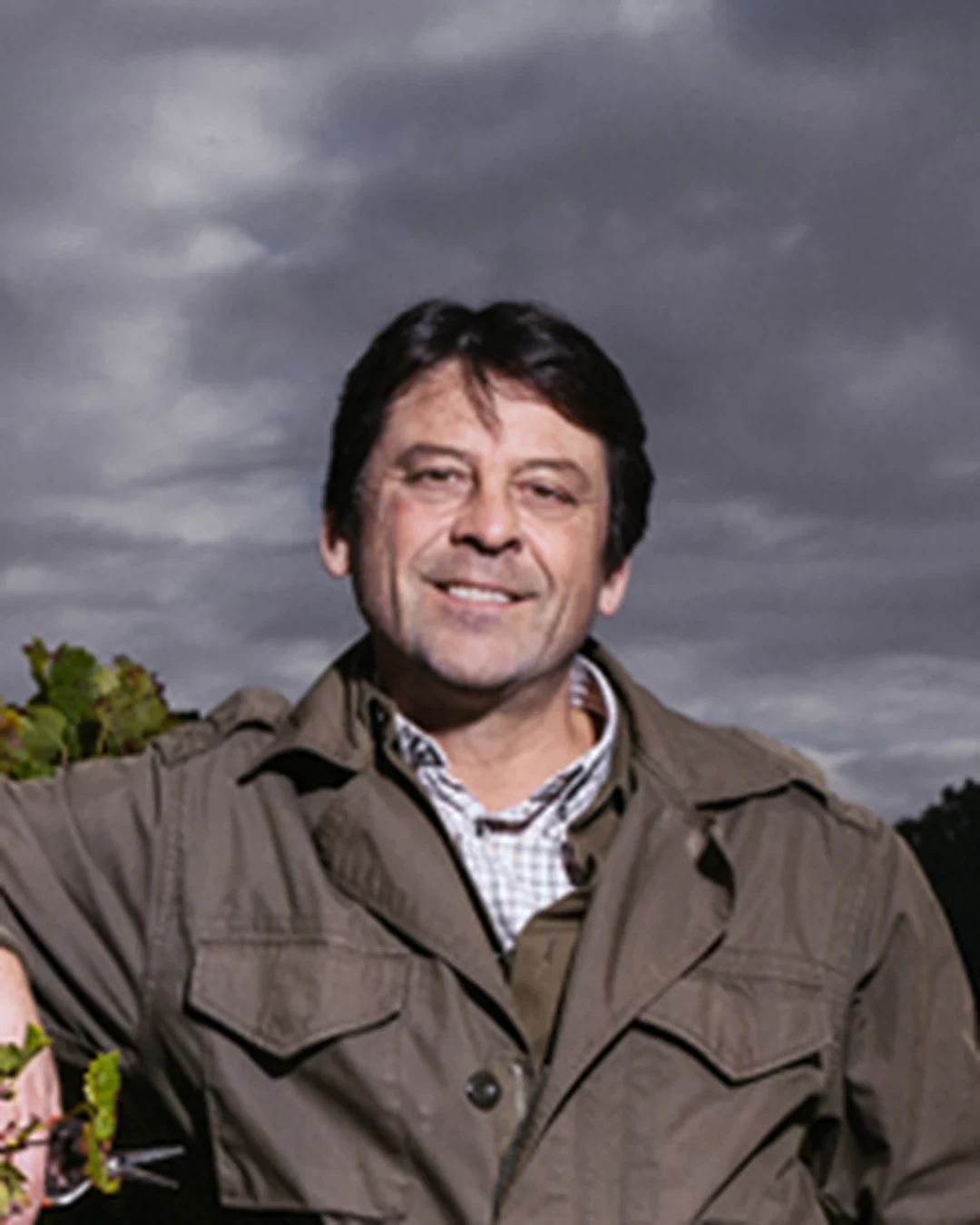
Alexandre de Malet Roquefort tastes grapes in the rows before he carries the day back to the cellar as winemaker at Château La Connivence, Pomerol, Saint-Émilion, France. His own description of the work stays close to that gesture: “wine of my ancestors and tasting the grapes while walking in the vineyards.” At La Connivence, that sentence is less a motto than a method, because the property leaves little room for distance between owner, fruit, and bottle.
Alexandre de Malet Roquefort has been co-owner and director of Château La Connivence since 2001, while also heading Domaines Comte de Malet Roquefort in Saint-Émilion. The role places vineyard judgment inside family stewardship, not beside it. His work here belongs to a Bordeaux lineage in which the family name, the estate name, and the taste of fruit at harvest all meet before the blend is fixed. La Connivence is not a broad estate program with many cuvées to explain. It is a small Pomerol holding, focused on one principal wine and on the discipline required when the vineyard itself sets the scale.
The Sunday letter
Find new places through the people who run them.
Our Sunday email brings you the chefs, winemakers and hoteliers behind our newest stories. See a sample before you subscribe.
See a sample of the Sunday emailOne email a week. Unsubscribe from any issue.
One hectare, one main wine
The estate centers on a one-hectare gravel-and-clay vineyard in the Pomerol AOC, planted to Merlot and Cabernet Franc. The house style is still red Bordeaux, Merlot-dominant by structure and Right Bank by instinct, with Cabernet Franc carrying lift and frame. Published technical notes give the planting as 65% Merlot and 35% Cabernet Franc, a useful measure of the wine’s grammar before barrel or vintage begins to speak.
La Connivence works at a scale where selection is not an abstraction. The vineyard’s thick gravel, fine gravel, and clay-rich ground hold the terms of the wine: drainage, reserve, and the slow ripening judgment that Alexandre makes by walking and tasting. The estate produces a single limited-production Château La Connivence wine; La Belle Connivence is associated with the same domain as a second wine from younger vines. For the flagship, the Bordeaux method remains legible: fruit from the estate, fermentation for a still red wine, then barrel aging for approximately 16 months before the bottle carries the place outward.
A quiet cellar for a scarce Pomerol
The room at La Connivence asks for a different kind of attention than a large château floor. The property is intimate, cellar-driven, and quiet, with the work concentrated around a small parcel rather than dispersed across a wide range of holdings. In a place of this size, the vineyard is never background. The cellar receives what the rows give it, and the tasting room, when opened for private tasting, belongs to the same restrained rhythm.
The atmosphere follows the wine’s narrow brief. Gravel and clay are not decorative language here; they are the bench. Merlot and Cabernet Franc are not a portfolio, they are the available hands. Alexandre’s long tenure gives the place its continuity, and the taste of fruit in Pomerol is followed by the Château La Connivence bottle.
Questions
Frequently asked
Who makes Château La Connivence?
Alexandre de Malet Roquefort makes Château La Connivence. He has been co-owner and director of the estate since 2001, and he also heads Domaines Comte de Malet Roquefort in Saint-Émilion.
What kind of wine is produced here?
Château La Connivence is a small Pomerol holding focused on a single limited-production red Bordeaux wine. The estate’s vineyard is planted to 65% Merlot and 35% Cabernet Franc, and La Belle Connivence is associated with the same domain as a second wine from younger vines.
How large is the vineyard?
The estate centres on a one-hectare vineyard in the Pomerol AOC. The ground is described as thick gravel, fine gravel, and clay-rich soil.
What is the tasting or visiting arrangement?
Visits are by appointment only. The property is described as intimate, cellar-driven, and quiet, with private tasting when opened.
The field
How it compares
| Place | Notes |
|---|---|
| Château La Connivence | Pomerol, $$$ |
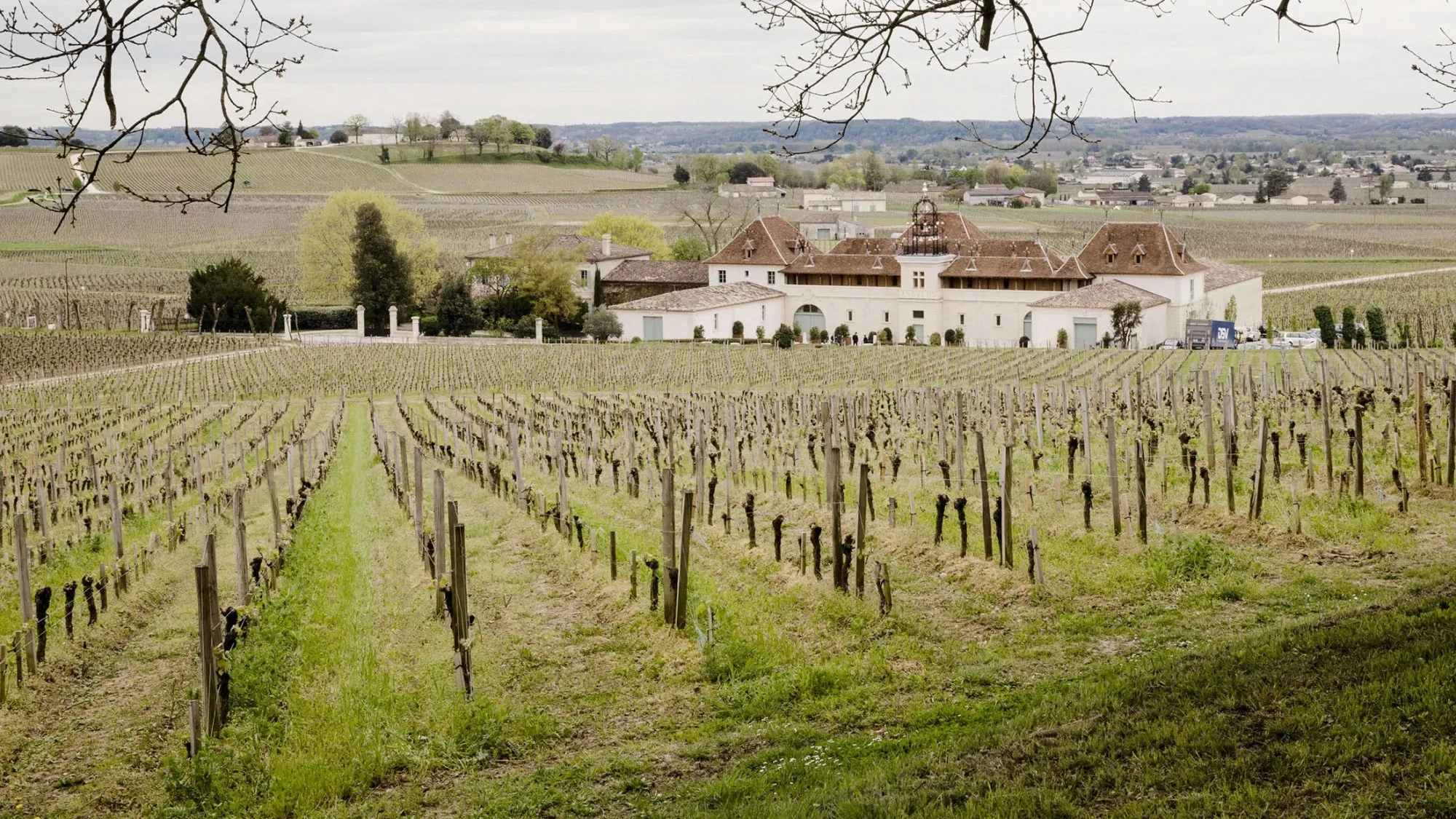
| Château Angelus | Saint-Émilion |
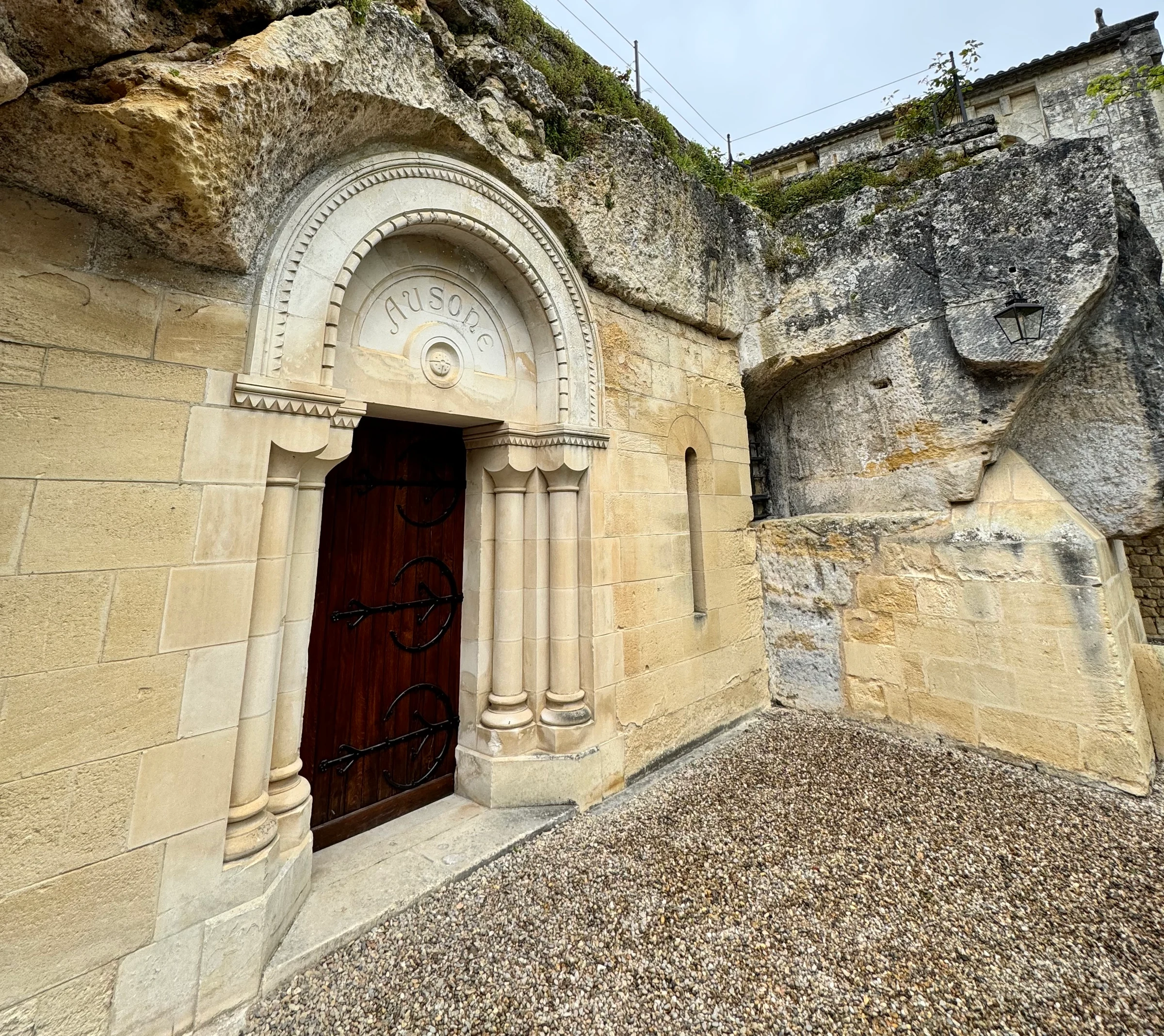
| Chateau Ausone | Saint-Émilion |
| Château Canon | Saint-Émilion |
| Château Cheval Blanc | Saint-Émilion |
| Château Figeac | Saint-Émilion |
| Château Pavie | Saint-Émilion |
In residence
Similar places
The Sunday letter
Get the next Made By story in your inbox.
We send one email every Sunday morning with the places and people we covered that week.
See a sample of the Sunday emailOne email a week. Unsubscribe from any issue.