The Places · France
Saint-Émilion
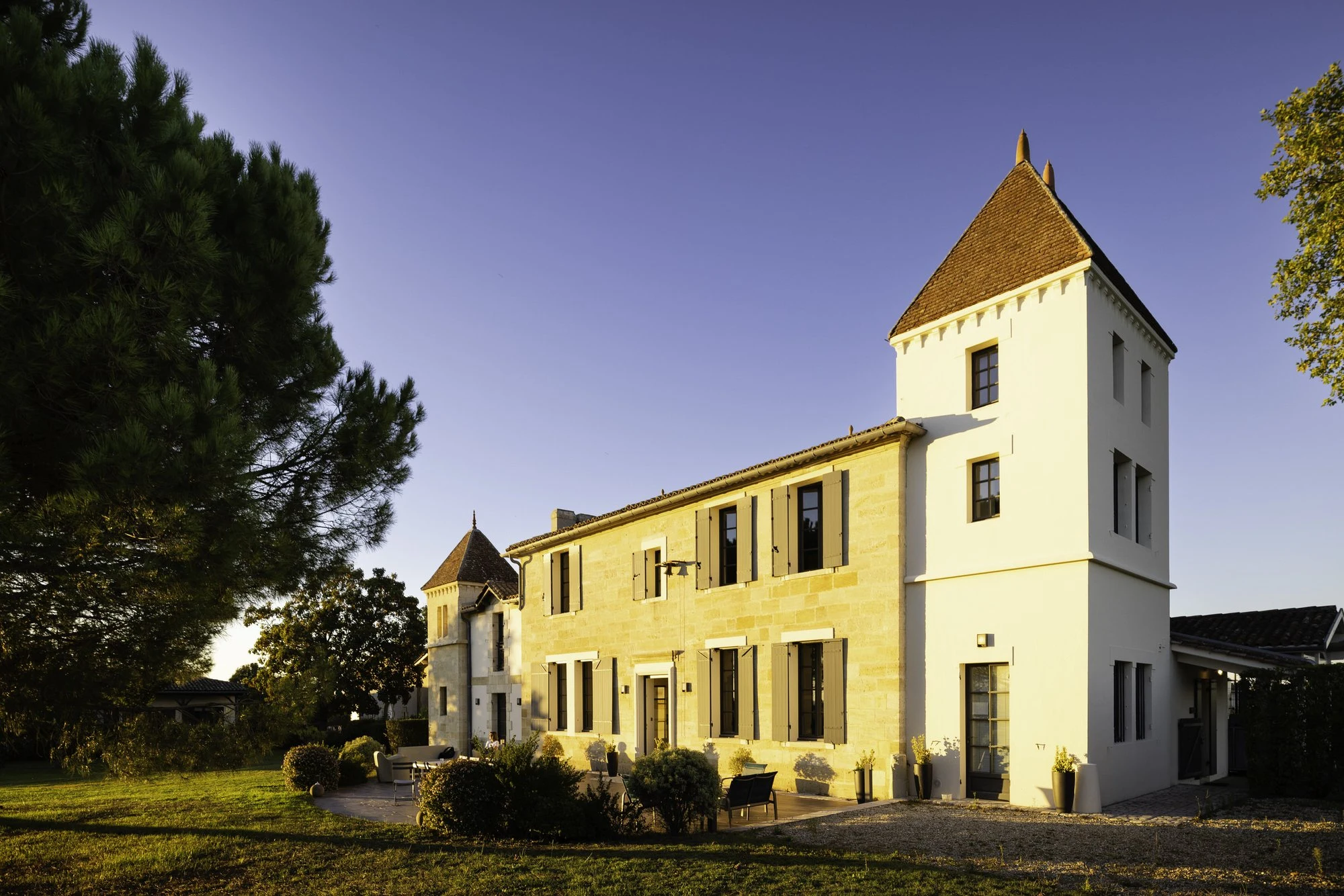
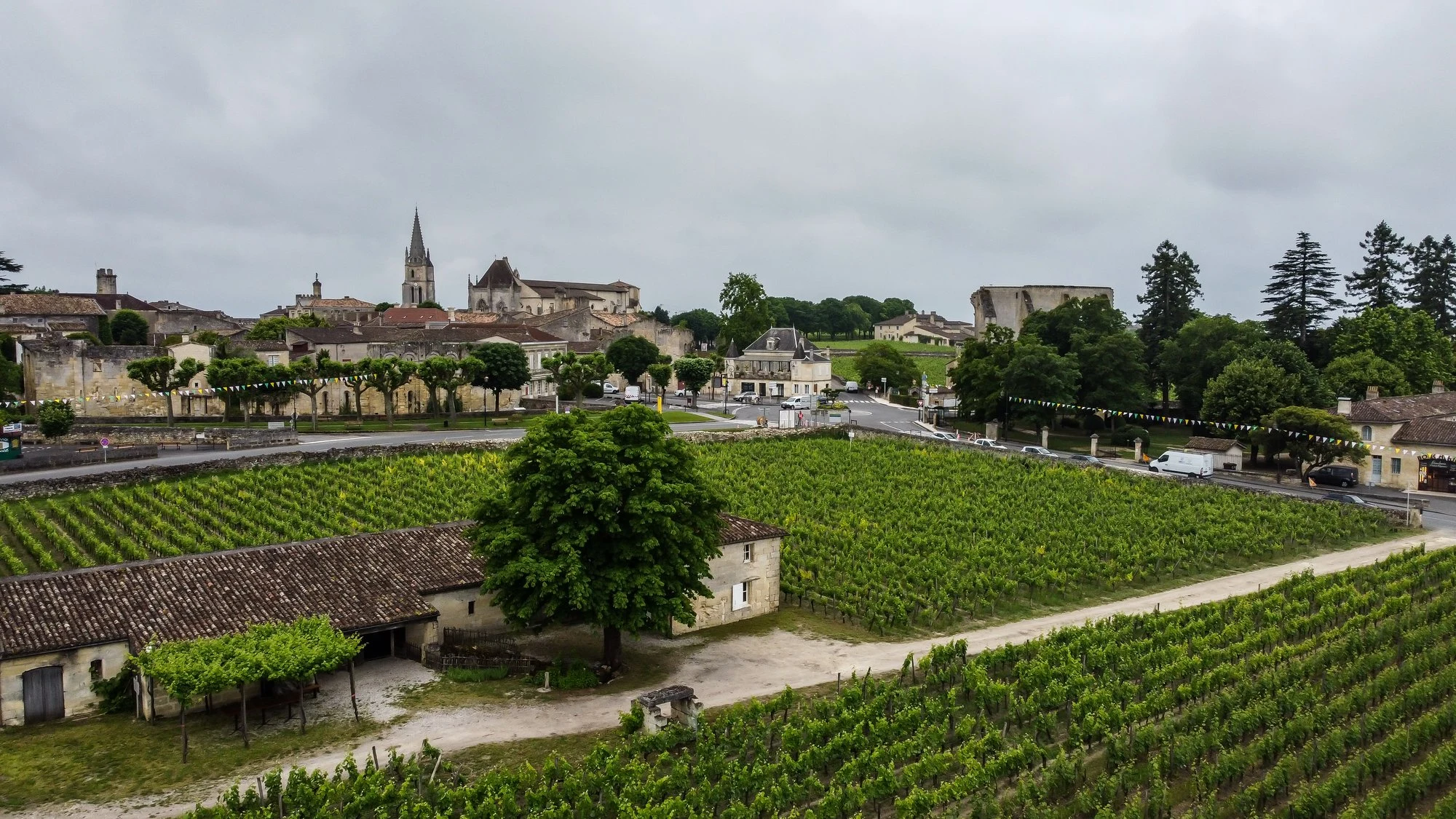
Made By profiles 34 places in Saint-Émilion, spanning winery, modern bordelaise fine dining, modern french gastronomic — each tied to the people and producers behind it.

01.Winery
Château Cheval Blanc
Saint-Émilion, France
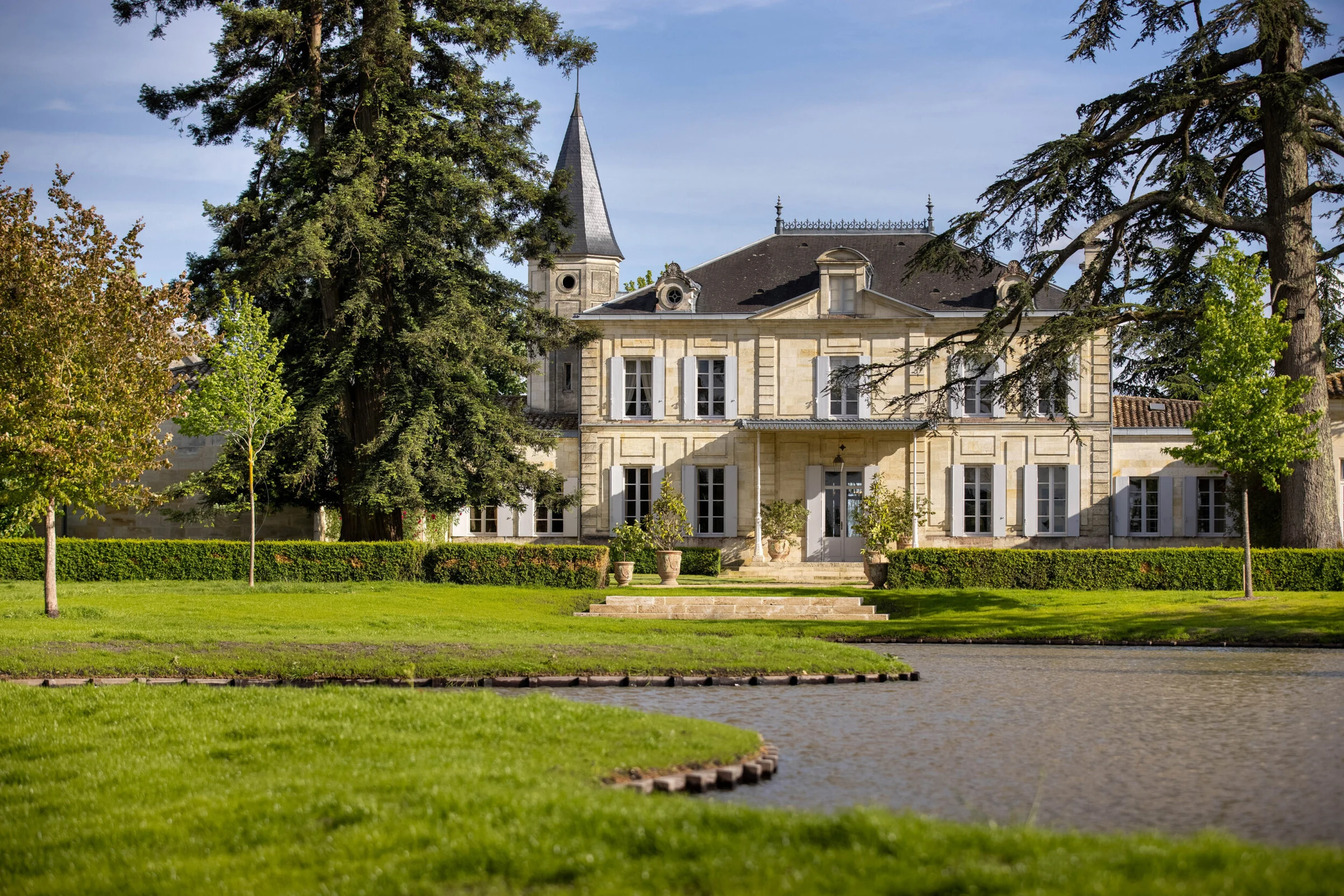
Château Cheval Blanc has produced wine from its Saint-Émilion estate since 1821, making it one of the oldest continuously operating domaines on the Right Bank. Under winemaker Pierre-Olivier Clouet, it holds the 2025 EP Club Pearl 5 Star Prestige award and occupies the uppermost tier of Saint-Émilion classification alongside a small cohort of peers who define the appellation's international reputation.
● 1 artisanView →
02.Winery
Chateau Ausone
Saint-Émilion, France
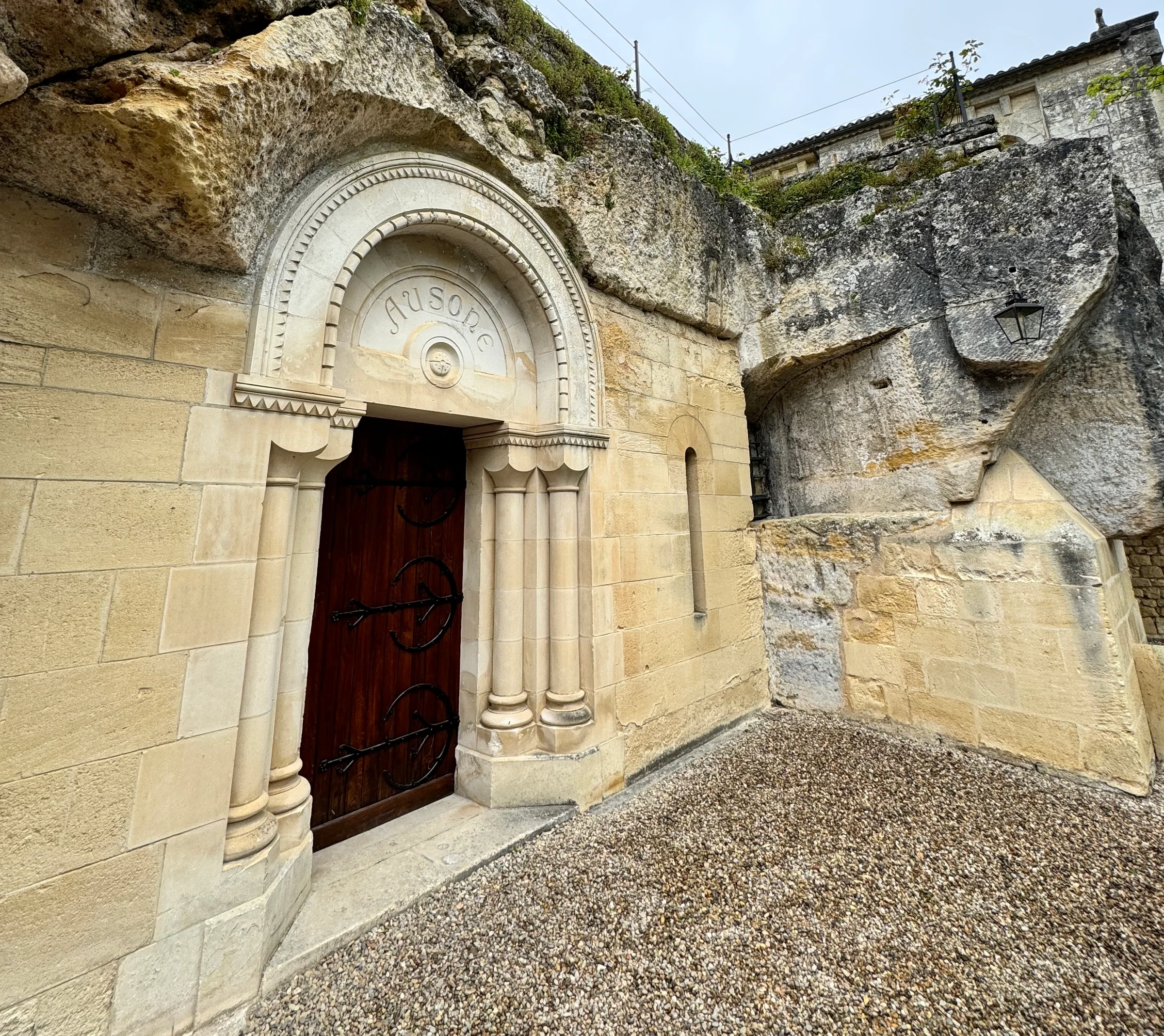
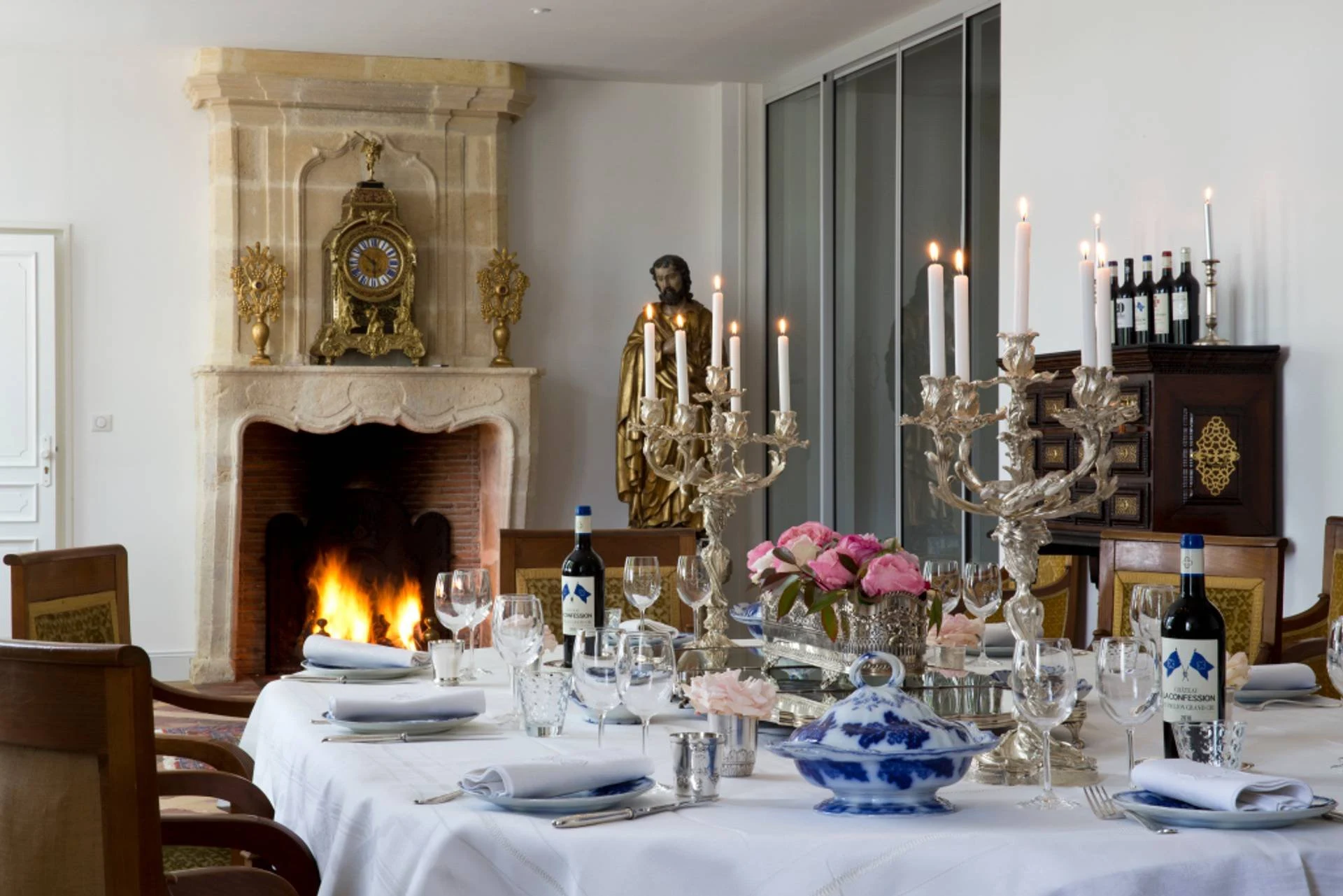
Château Ausone holds one of Saint-Émilion's smallest and most historically significant vineyard positions, with records tracing to 1847 and a 2025 Pearl 5 Star Prestige award affirming its place at the top of the right bank's hierarchy. Allocation is extremely limited, placing it firmly in a comparable set defined by scarcity and provenance rather than volume.
● 1 artisanView →
03.Modern Bordelaise Fine Dining
La Table de Pavie
Saint-Émilion, France
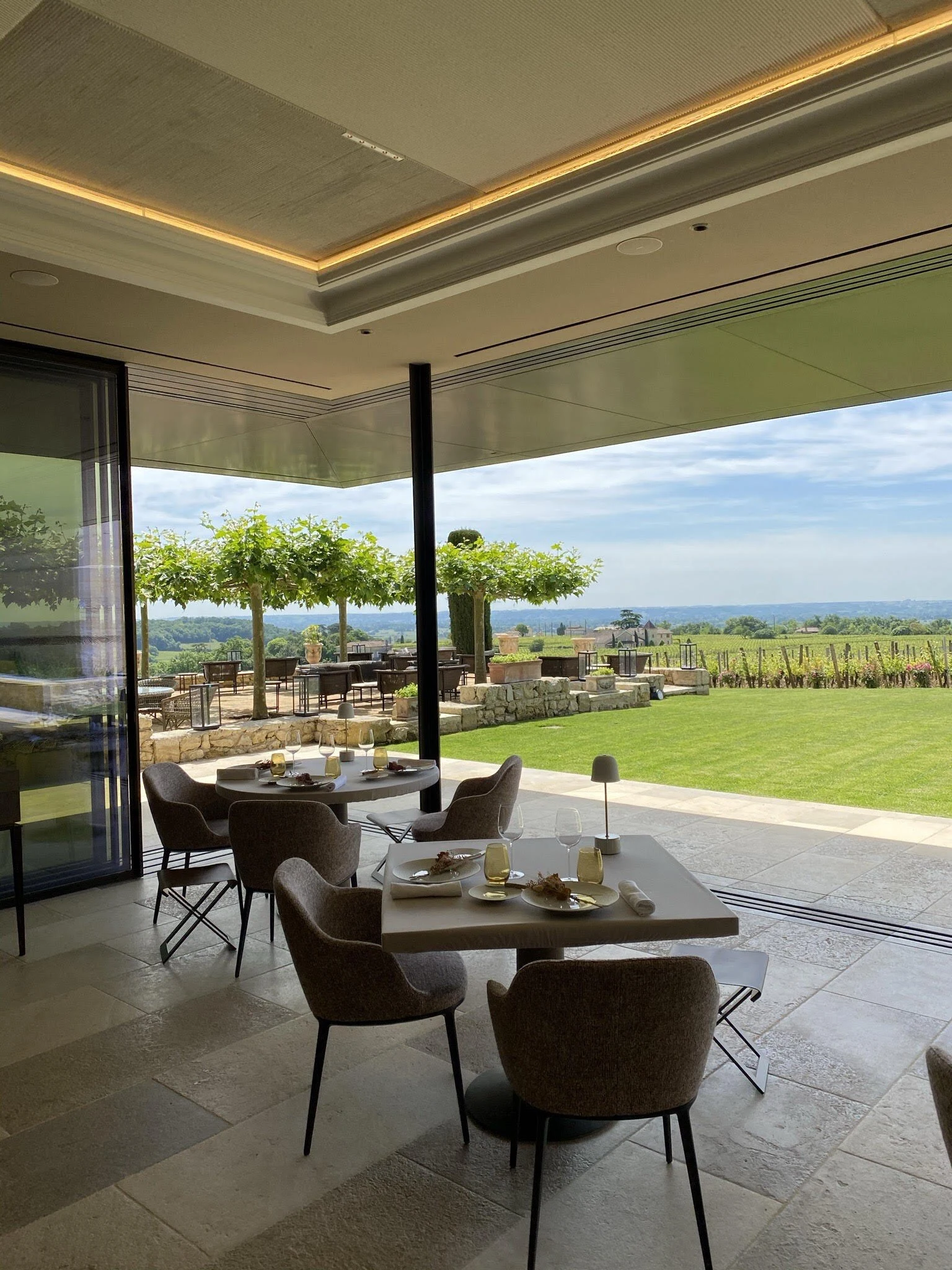
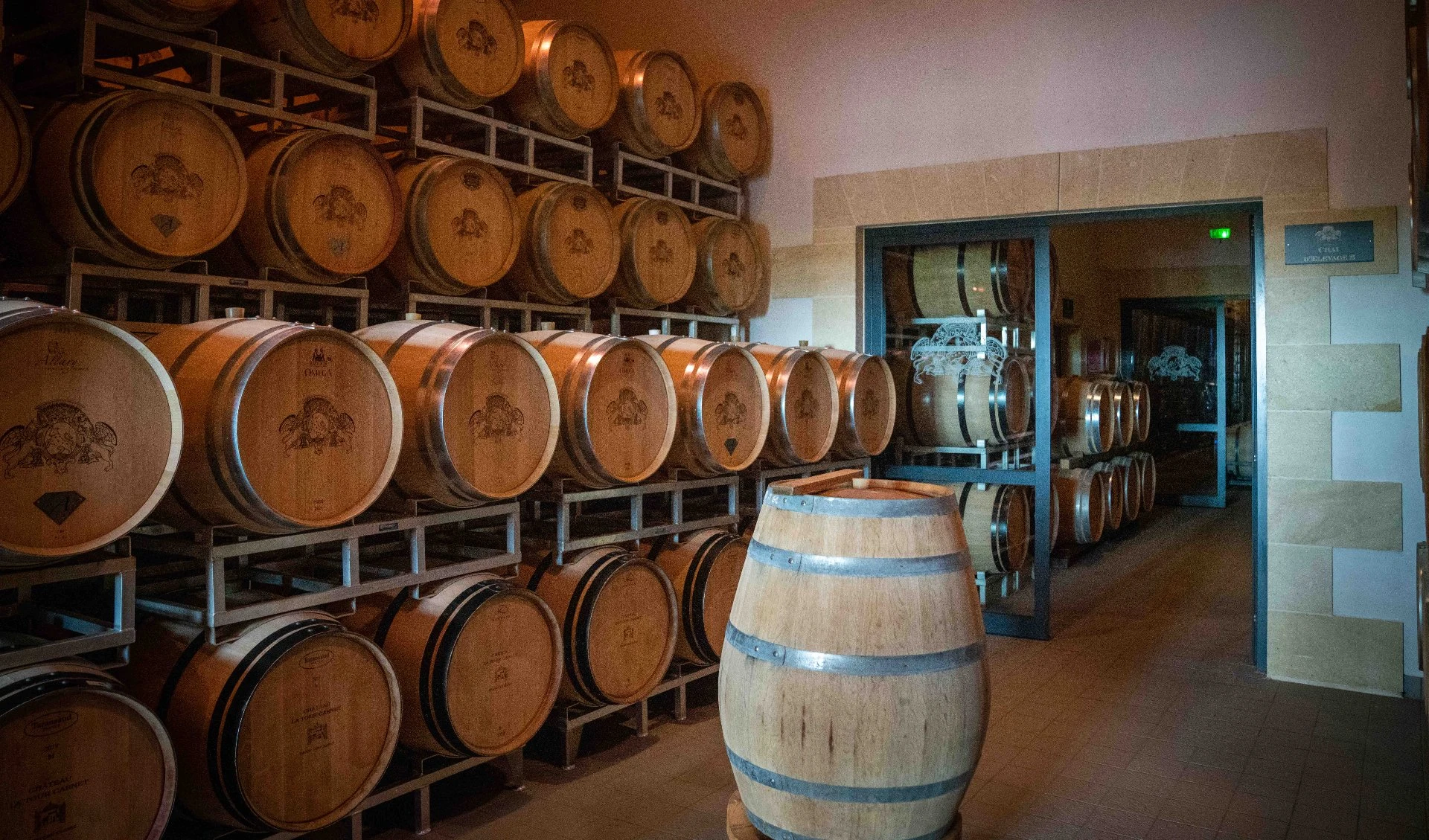
La Table de Pavie elevates Southwest French terroir to two-Michelin-starred heights in Saint-Émilion, where chef Yannick Alléno's contemporary interpretations of Bordeaux traditions unfold against panoramic vineyard views. This ultra-premium destination within Hôtel de Pavie showcases Aquitaine's finest ingredients through innovative techniques and expert Bordeaux wine pairings.
● 1 artisanView →
04.Winery
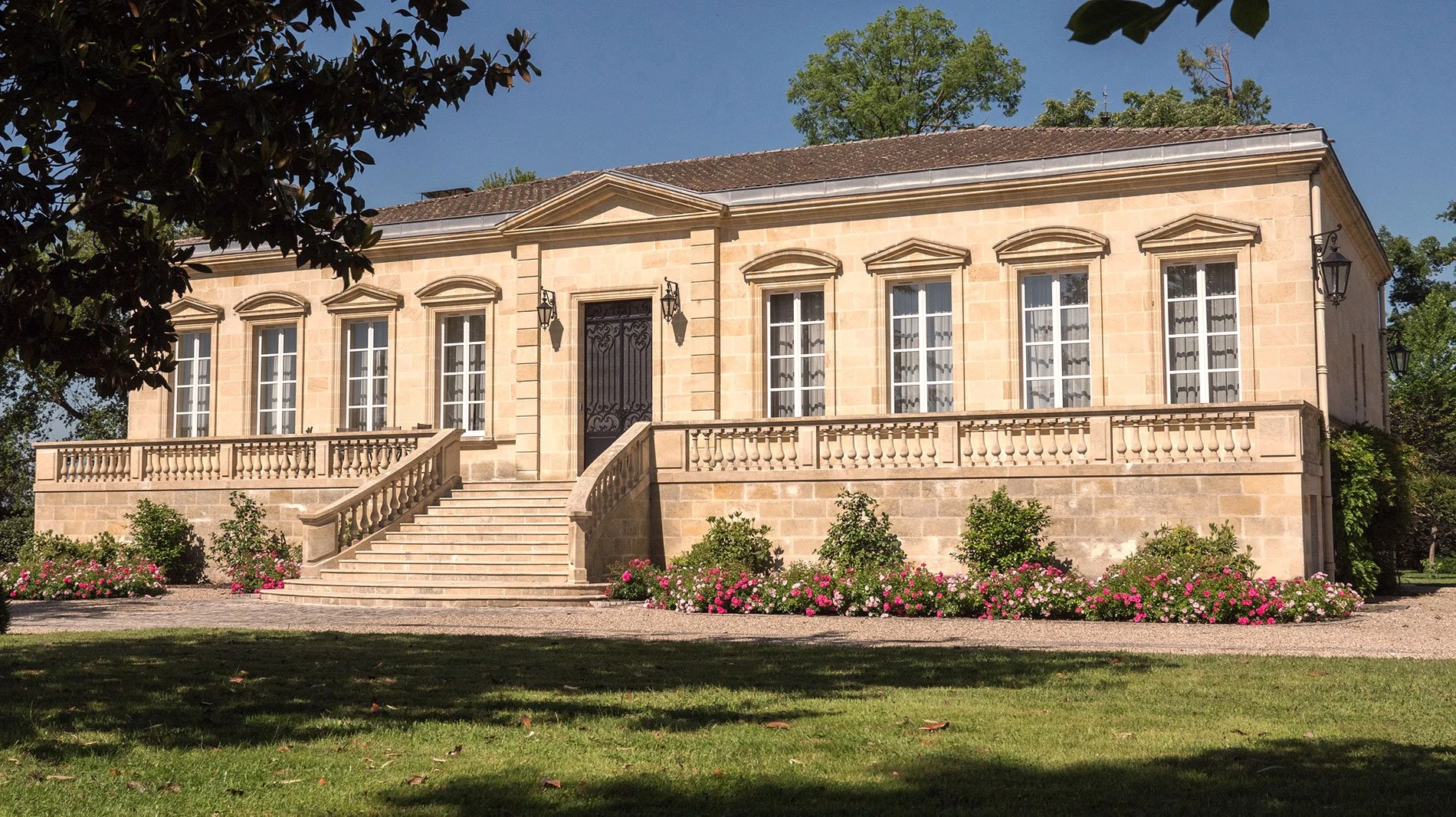
Château Canon
Saint-Émilion, France
One of Saint-Émilion's oldest continuously producing estates, Château Canon has operated from its limestone plateau position since 1770. Held by the Wertheimer family and guided by winemaker Nicolas Audebert, it earned a Pearl 4 Star Prestige rating in 2025. The estate's approach to the plateau's clay-limestone soils anchors it in the regenerative viticulture conversation that is reshaping the appellation's upper tier.
● 1 artisanView →
05.Winery
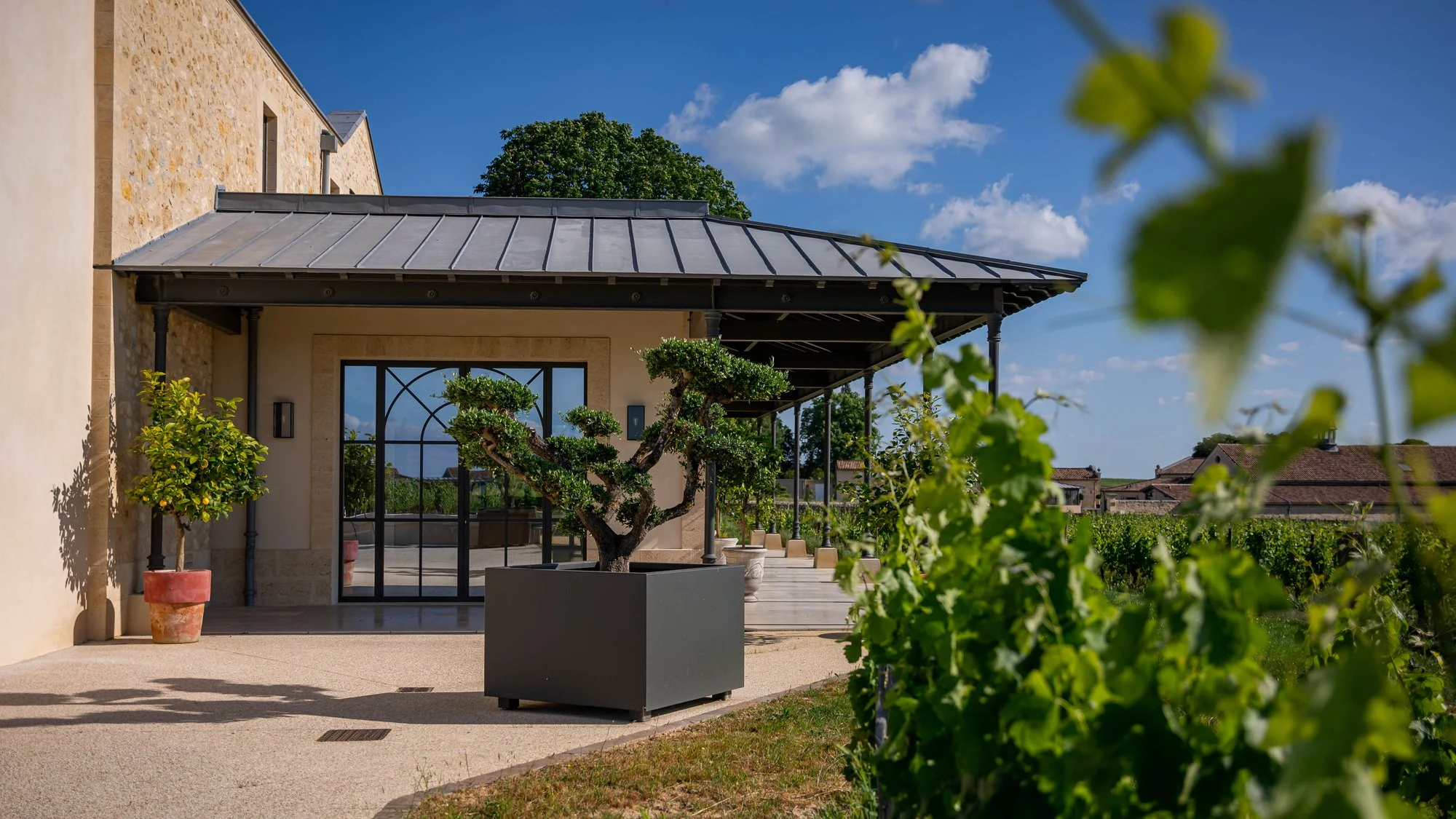
Château Pavie
Saint-Émilion, France
Château Pavie has produced wine from its Saint-Émilion limestone plateau since 1904, with Henri Parent overseeing a cellar that earned EP Club's Pearl 4 Star Prestige recognition in 2025. The estate occupies one of the appellation's most geologically complex sites, where clay, limestone, and sandy soils converge across a single slope. For serious collectors, it sits at the upper tier of Right Bank Bordeaux.
● 1 artisanView →
06.Winery
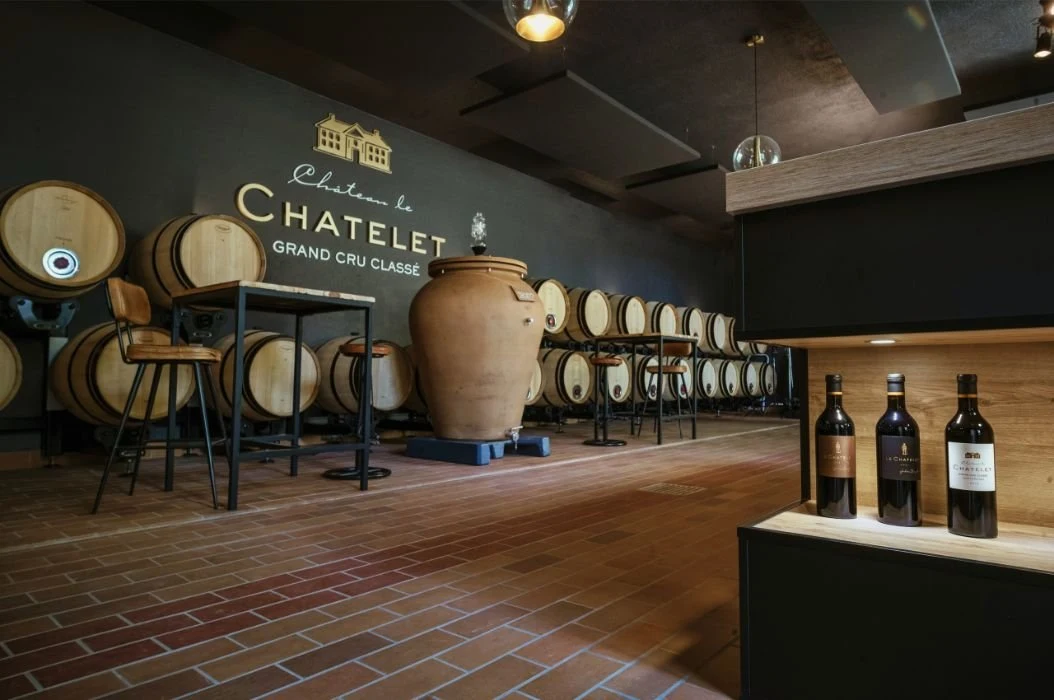
Château Angelus
Saint-Émilion, France
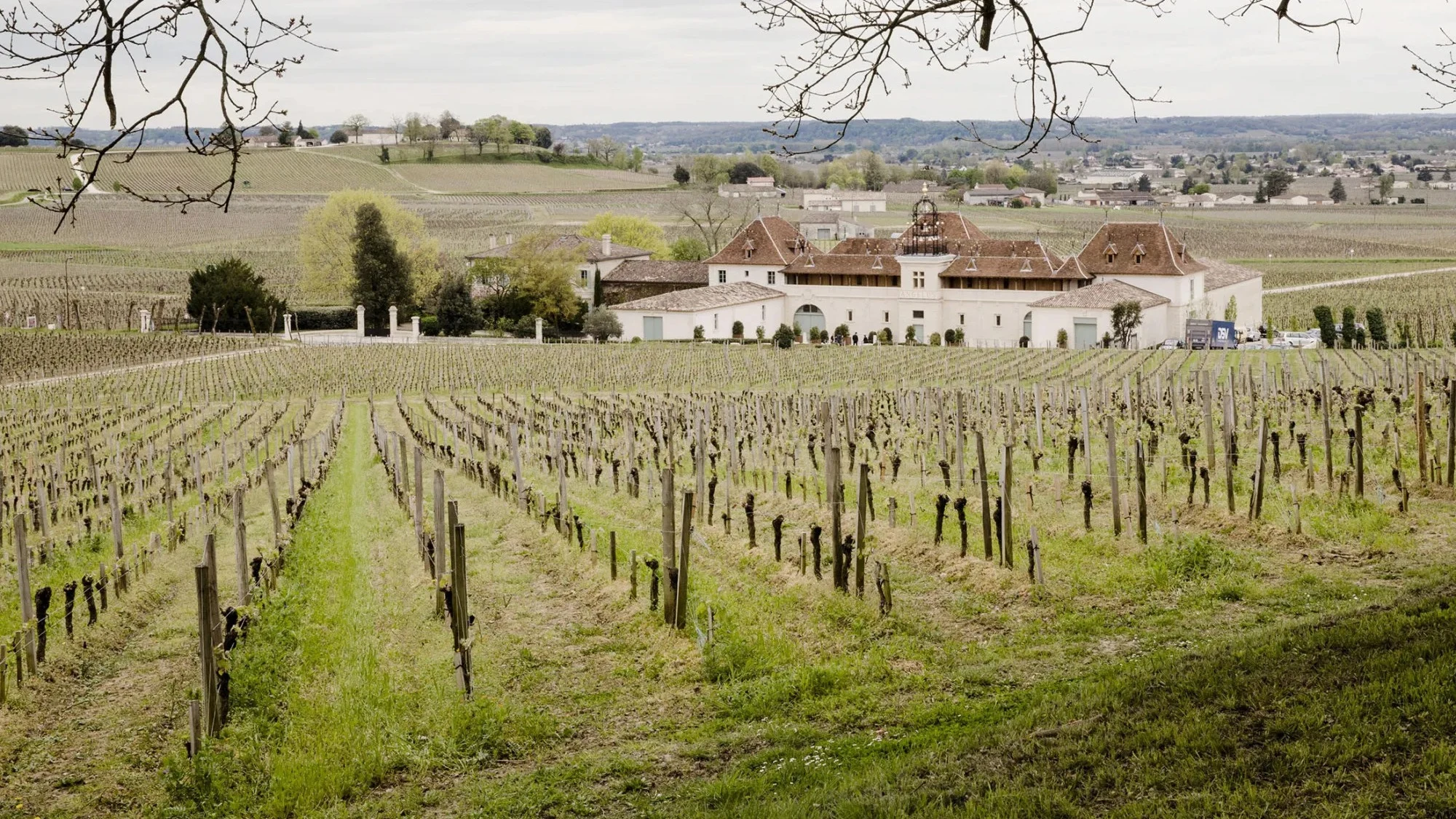
One of Saint-Émilion's most closely watched estates, Château Angélus earned its Premier Grand Cru Classé 'A' status through decades of precise work on the limestone and clay soils of the appellation's western slope. Under Hubert de Boüard de Laforest, the estate's Merlot-dominant blends have become a reference point for Right Bank power and structure. EP Club rates the estate at Pearl 4 Star Prestige (2025).
● 1 artisanView →
07.Winery
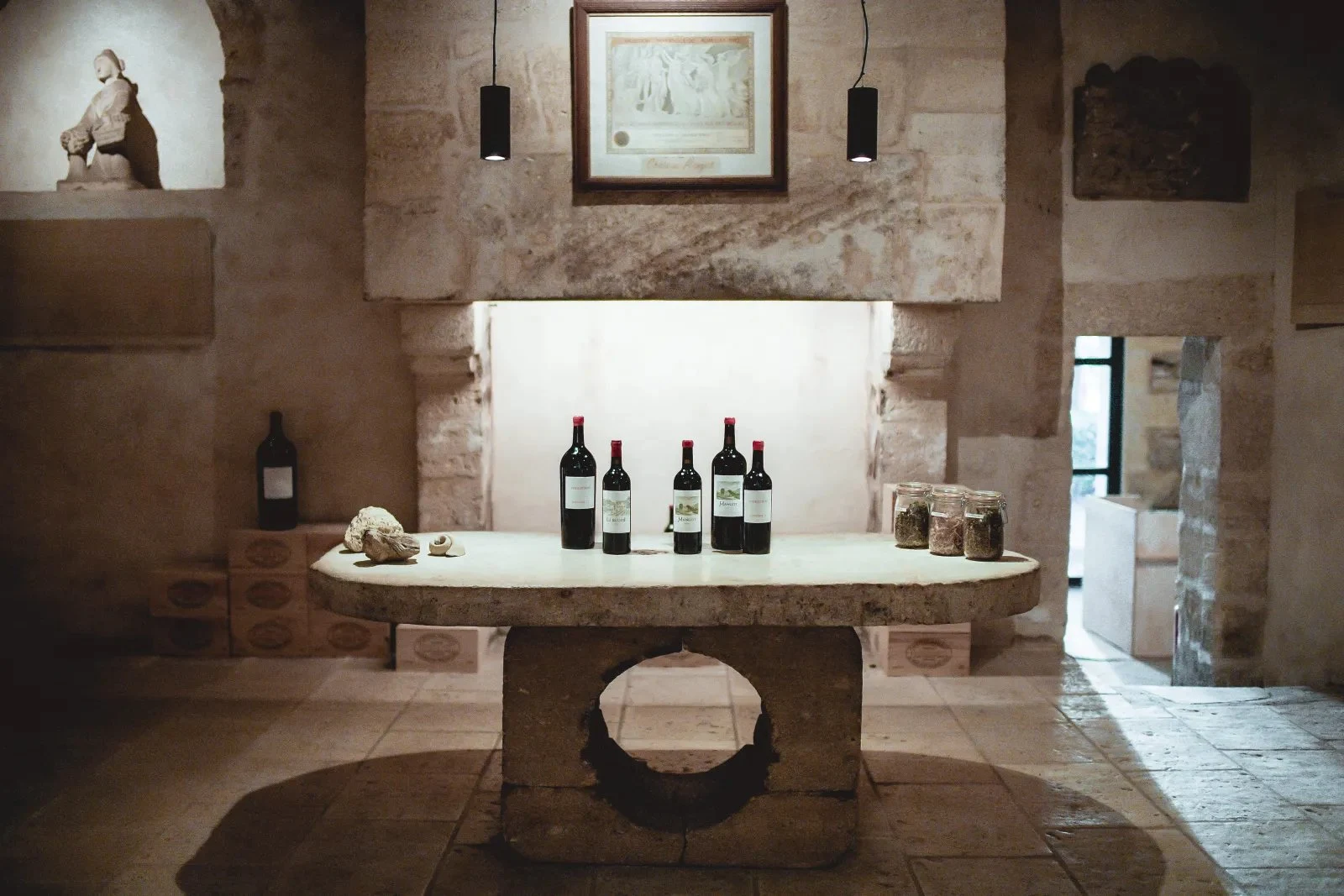
Château Figeac
Saint-Émilion, France
One of Saint-Émilion's oldest documented estates, Château Figeac holds a first vintage dating to 1776 and sits on a gravel plateau at the western edge of the appellation, placing it in a distinct terroir tier from the limestone-dominant Right Bank norm. Guided by winemaker Frédéric Faye and carrying a 2025 Pearl 4 Star Prestige rating, the estate draws collectors and serious Bordeaux buyers seeking structured, cellar-worthy Merlot-dominant blends from a historically grounded address.
● 1 artisanView →
08.Winery
Le Dome
Saint-Émilion, France
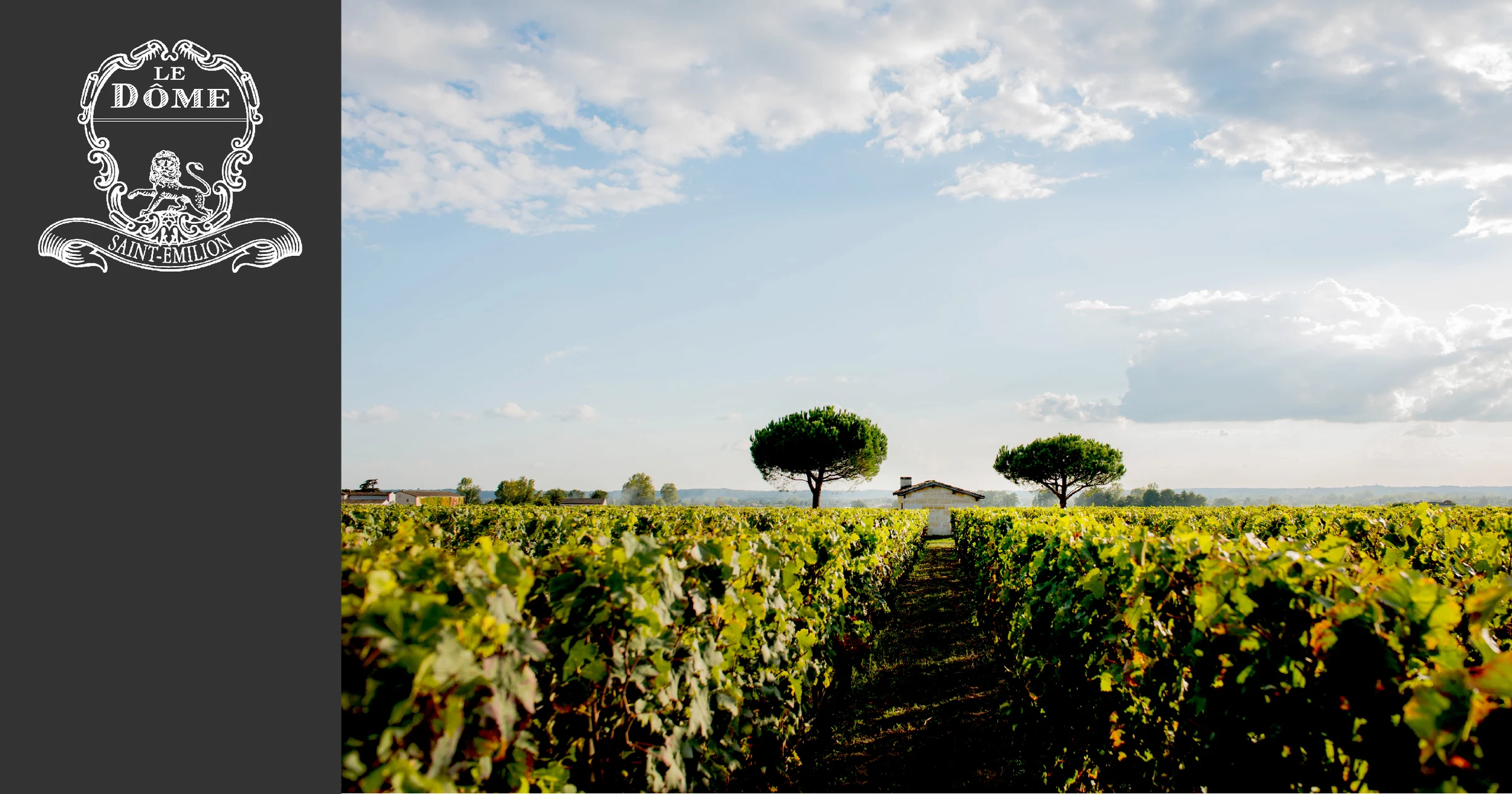
Le Dome is a Right Bank estate in Saint-Émilion overseen by winemaker Jonathan Maltus, holder of EP Club's Pearl 4 Star Prestige rating for 2025. Situated at Les Verdiannes on the appellation's limestone plateau, it represents the micro-négociant wave that reshaped Saint-Émilion's premium tier in the late 1990s. Allocation volumes are limited and demand from collector markets runs consistently ahead of supply.
● 1 artisanView →
09.Winery
Château La Conseillante
Saint-Émilion, France
Château La Conseillante is a Pomerol estate under winemaker Marielle Cazaux, recognised with EP Club's Pearl 4 Star Prestige in 2025. The property sits on the celebrated plateau that defines Pomerol's most concentrated terroirs, producing wines that consistently trade in the upper tier of Right Bank Bordeaux. For collectors visiting the region, it represents one of the more focused addresses for understanding what this appellation does at its ceiling.
● 1 artisanView →
10.Modern French Gastronomic
Les Belles Perdrix de Troplong Mondot
Saint-Émilion, France
Set within the estate of one of Saint-Émilion's classified grand cru châteaux, Les Belles Perdrix de Troplong Mondot holds a Michelin star and a 4.9 Google rating across 229 reviews. Chef David Charrier's cooking is shaped by the seasons and anchored to the wines of the appellation, making it one of the clearest expressions of what château dining in Bordeaux can be when kitchen and cellar are genuinely aligned.
● 1 artisanView →
11.Winery
Château Canon La Gaffelière
Saint-Émilion, France
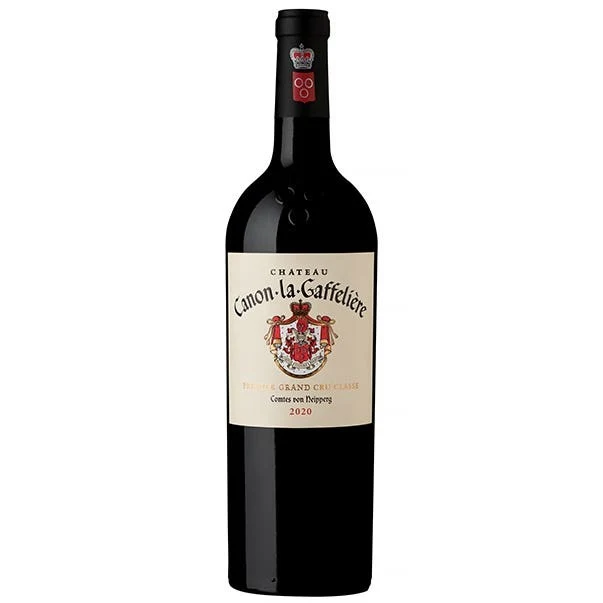
Château Canon-la-Gaffelière sits on the limestone and clay soils below Saint-Émilion's plateau, where the von Neipperg family has built one of the appellation's most closely watched estates. The property holds a Pearl 3 Star Prestige rating for 2025, placing it in a comparable set that includes the Right Bank's most scrutinised Grand Cru Classés. Visits are best timed to the cooler months, when the cellar programme is in full swing and the estate's barrel work is most visible.
● 1 artisanView →
12.Winery
Château Valandraud
Saint-Émilion, France
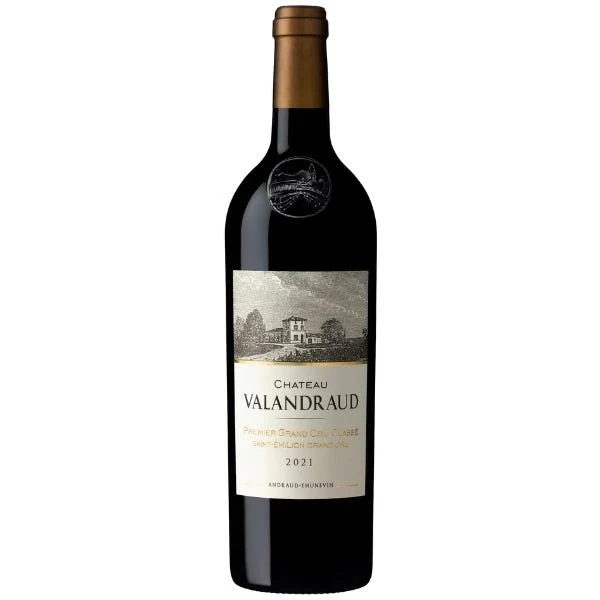
Château Valandraud is one of Saint-Émilion's defining garage wine estates, the property that effectively established the garagiste movement on the Right Bank. Winemaker Jean-Luc Thunevin produces Merlot-dominant wines from parcels on the limestone-clay plateau east of the town, earning a Pearl 3 Star Prestige rating in 2025. The estate sits at 1589 route de Jappeloup in Saint-Étienne-de-Lisse.
● 1 artisanView →
13.Winery
Château Clos Fourtet
Saint-Émilion, France
Château Clos Fourtet is a Saint-Émilion estate producing Merlot-dominant wines from limestone plateau vineyards on the plateau calcaire, earning a Pearl 3 Star Prestige rating in 2025 under winemaker Mathieu Cuvelier. Its position along the ancient town walls places it among the appellation's most historically rooted estates, operating within Saint-Émilion's Premier Grand Cru Classé tier alongside a compact peer group of plateau-focused producers.
● 1 artisanView →
14.Winery
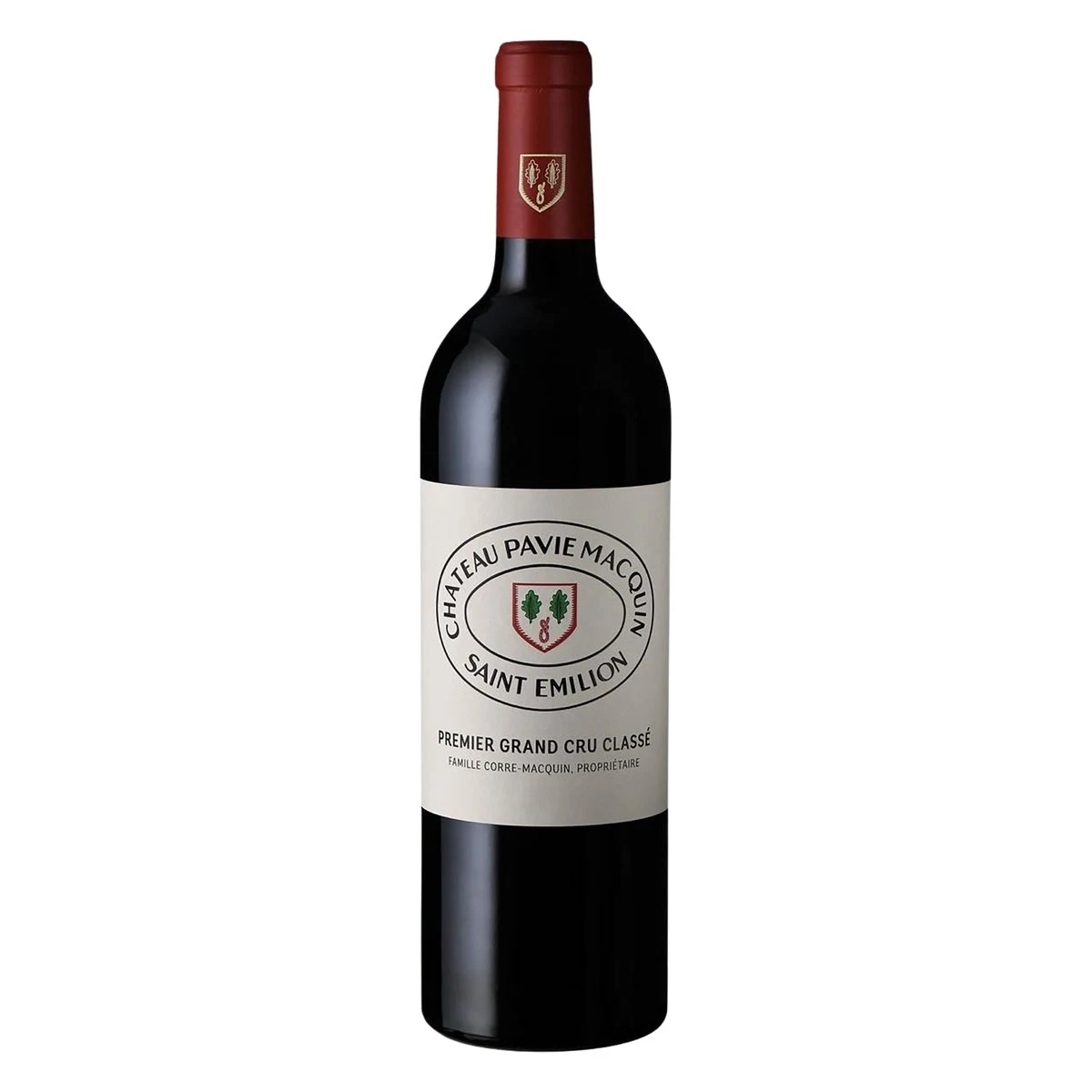
Château Pavie Macquin
Saint-Émilion, France
Château Pavie Macquin sits among Saint-Émilion's upper-tier Right Bank estates, holding a Pearl 3 Star Prestige rating in 2025. Located at 1 Peygenestau on the plateau adjacent to the appellation's most celebrated vineyards, it represents the kind of address that rewards planning well in advance. Visitors arriving with context, on the classification system, the terroir, and the booking process, get considerably more from the experience.
● 1 artisanView →
15.Winery
Château La Mondotte
Saint-Émilion, France
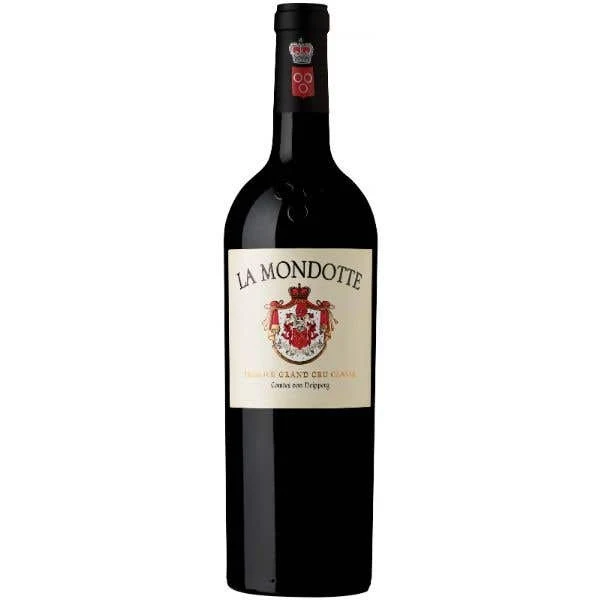
Château La Mondotte sits on a narrow limestone terrace in Saint-Laurent-des-Combes, producing one of Saint-Emilion's most allocation-driven right-bank Merlot blends under winemaker Stephan von Neipperg. The estate earned a Pearl 3 Star Prestige rating in 2025, placing it among the upper tier of Bordeaux's right bank. Visits require planning well ahead of the harvest season.
● 1 artisanView →
16.Winery
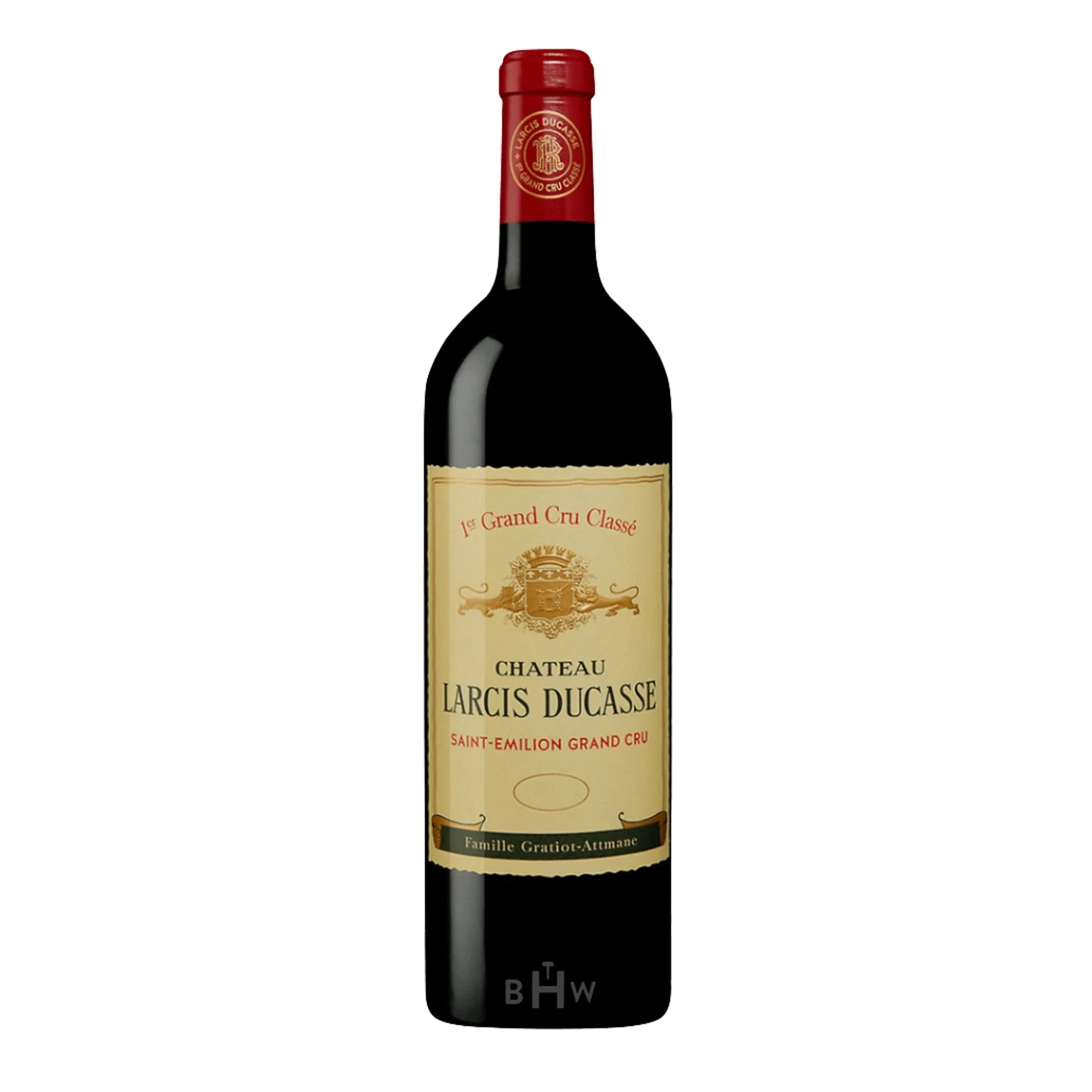
Château Larcis Ducasse
Saint-Émilion, France
Château Larcis Ducasse sits on the limestone-clay slopes east of Saint-Émilion's medieval centre, earning a Pearl 3 Star Prestige rating in 2025. The estate's position within Saint-Émilion's most demanding appellation tier places it among the appellation's compact group of top-flight producers. For serious Bordeaux collectors, it represents one of the Right Bank's more quietly regarded addresses.
● 1 artisanView →
17.Winery
Château Peby Faugeres
Saint-Émilion, France
Château Peby Faugeres sits on the limestone and clay slopes east of Saint-Émilion, producing Merlot-dominant wines under owner Silvio Denz that have earned a Pearl 3 Star Prestige rating in 2025. The estate occupies the quieter fringes of the appellation, where the competitive set thins and terroir distinctions between plateau and hillside become most legible. For collectors tracking right-bank Bordeaux with serious recognition, it warrants close attention.
● 1 artisanView →
18.Winery
Château Bélair-Monange
Saint-Émilion, France
Château Bélair-Monange occupies a defining position on Saint-Émilion's limestone plateau, where the geology that distinguishes the appellation's upper tier is most legible in the glass. Awarded Pearl 3 Star Prestige in 2025, it sits among a small cohort of right-bank estates where terroir argument and classification history intersect. Visitors come to understand what the côte can produce at its most concentrated.
● 1 artisanView →
19.Winery
Château TrotteVieille
Saint-Émilion, France
Château TrotteVieille holds a Premier Grand Cru Classé position on Saint-Émilion's limestone plateau, where its 2025 EP Club Pearl 3 Star Prestige rating places it among the appellation's most consistently decorated estates. The property draws a loyal following of collectors who return for the structured, age-worthy reds that characterise the appellation's plateau terroir. Plan visits around harvest season for the fullest expression of the estate's working rhythm.
● 1 artisanView →
20.Winery
Château Coutet
Saint-Émilion, France
Operating since 1779, Château Coutet is one of Saint-Émilion's oldest wine estates, guided today by winemaker Aline Baly and recognised with a Pearl 3 Star Prestige award in 2025. The property sits within a appellation where limestone and clay soils have shaped Merlot-dominant blends for over two centuries, offering visitors a direct encounter with the long arc of right-bank Bordeaux winemaking.
● 1 artisanView →
21.Winery
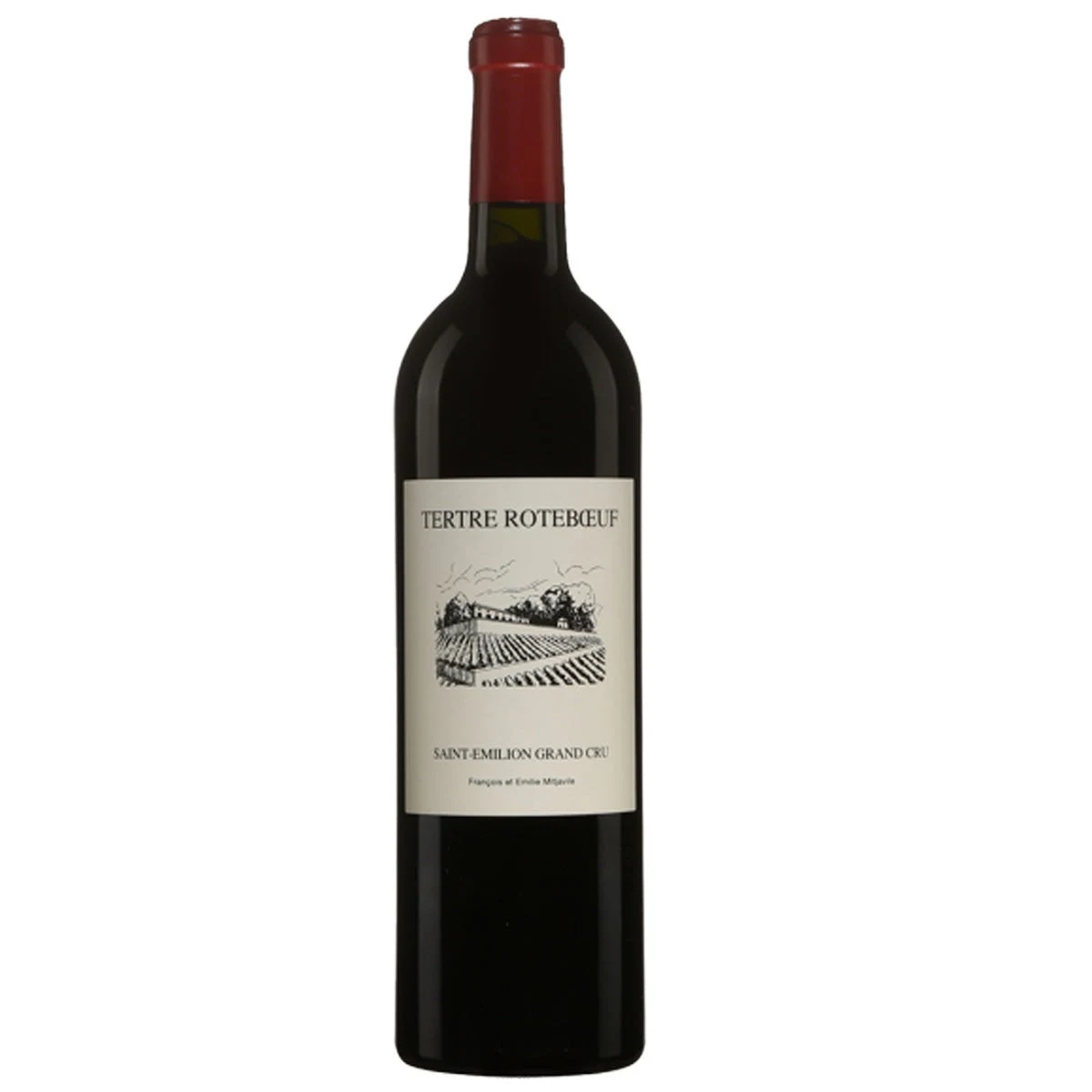
Château Le Tertre Roteboeuf
Saint-Émilion, France
Château Le Tertre Roteboeuf occupies a quiet plateau east of Saint-Émilion's medieval core, where winemaker François Mitjavile has spent decades producing some of the appellation's most discussed right-bank Merlot. Awarded Pearl 3 Star Prestige in 2025, the estate operates outside the formal classification system yet commands prices and collector attention that rival classified growths. Visiting requires planning: allocation access is limited and demand consistently outpaces supply.
● 1 artisanView →
22.Winery
Château Beau-Séjour (héritiers Duffau-Lagarrosse)
Saint-Émilion, France
Château Beau-Séjour Bélair Duffau-Lagarrosse sits on the limestone plateau above Saint-Émilion, holding a 2025 EP Club Pearl 2 Star Prestige rating that places it among the appellation's most closely watched estates. The property produces Merlot-dominant Right Bank reds in a tradition shared by the appellation's most decorated names. Visits require advance planning; walk-ins are rarely accommodated at this level of the Saint-Émilion hierarchy.
● 1 artisanView →
23.Winery
Château Pas de l’Ane
Saint-Émilion, France
Château Pas de l’Ane belongs in a Saint-Emilion itinerary framed by limestone, clay, Merlot, and the plateau-to-slope differences that define the appellation. With no public database details for visits, pricing, awards, or winemaking team, the useful reading is contextual: treat it as a name to place against the wider Right Bank conversation rather than a fully documented tasting stop.
● 1 artisanView →24.Winery
Château Pindefleurs
Saint-Émilion, France
Château Pindefleurs is a Saint-Émilion Grand Cru estate where Right Bank clay, limestone, gravel and sand drive the conversation more than cellar theatre. The 17–18 hectare vineyard is Merlot-led, HVE-certified, and shaped by manual harvests, stainless-steel vinification and measured French-oak ageing.
● 1 artisanView →25.Winery
Château La Dominique
Saint-Émilion, France
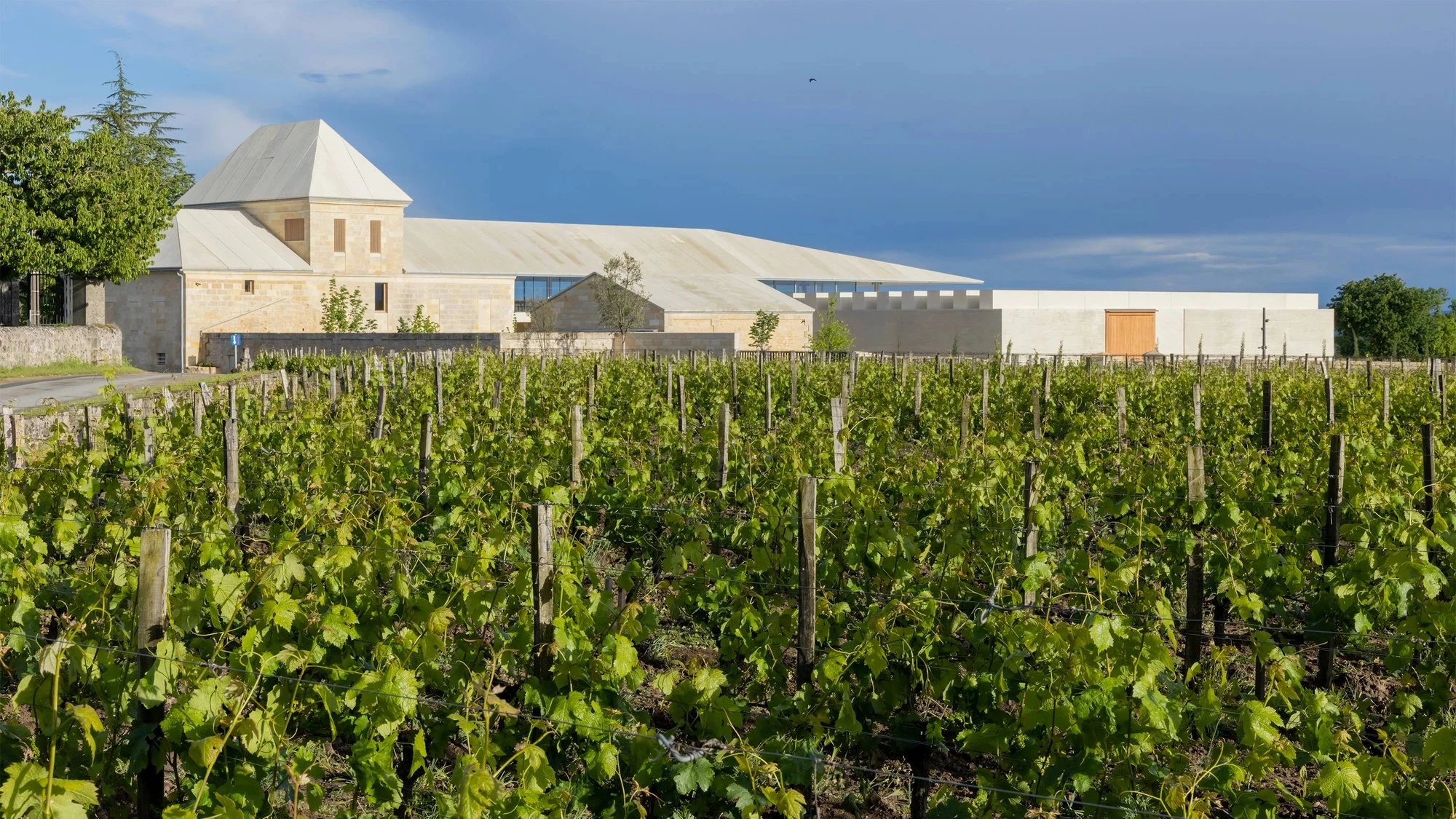
Château La Dominique brings a contemporary architectural charge to Saint-Émilion wine tourism, pairing a Jean Nouvel red steel winery with a Grand Cru Classé estate rooted in Merlot-led Bordeaux. The visit is strongest for travelers interested in terroir, design, and the way modern hospitality now frames historic right-bank wine culture.
● 1 artisanView →26.Winery
Château Soutard
Saint-Émilion, France
Château Soutard gives Saint-Émilion wine tourism a rare combination: old Right Bank lineage, a visible limestone-plateau identity, and a modern gravity-fed cellar built for teaching rather than spectacle. The estate’s Grand Cru Classé status, 30-hectare vineyard and Merlot-led blend make it a serious stop for visitors who want terroir explained through architecture, vineyard practice and glass.
● 1 artisanView →27.Winery
Château Petit Gravet Aîné
Saint-Émilion, France
Château Petit Gravet Aîné is a small Saint-Émilion estate shaped by clay-limestone soils, old vines and an unusually Cabernet Franc-led profile for the appellation. Its 3.66 hectares and annual production of about 7,000 bottles place it in the low-volume, collector-minded tier of right-bank Bordeaux, with recent vintages drawing strong scores from Jeb Dunnuck, Vinous and other critics.
● 1 artisanView →28.Winery
Château Jean de Gué
Saint-Émilion, France
Château Jean de Gué works in the Libournais register of Merlot-led Bordeaux: structured, polished Lalande-de-Pomerol with a modern edge rather than rustic softness. The estate’s 9.8 hectares, 75% Merlot blend, manual harvesting, and Aubert family ownership place it in the quieter, quality-focused side of the Saint-Émilion orbit.
● 1 artisanView →29.Winery
SCEA Chateau Cantenac
Saint-Émilion, France
SCEA Chateau Cantenac is a Saint-Émilion Grand Cru estate shaped by hillside exposure, gravel-clay soils and a red-wine tradition built on Merlot, Cabernet Franc and Cabernet Sauvignon. The appeal is terroir-led rather than trophy-led: a quiet, heritage estate founded in 1870, with HVE certification since the 2019 vintage and guided tastings that suit visitors who want context with their glass.
● 1 artisanView →30.Winery
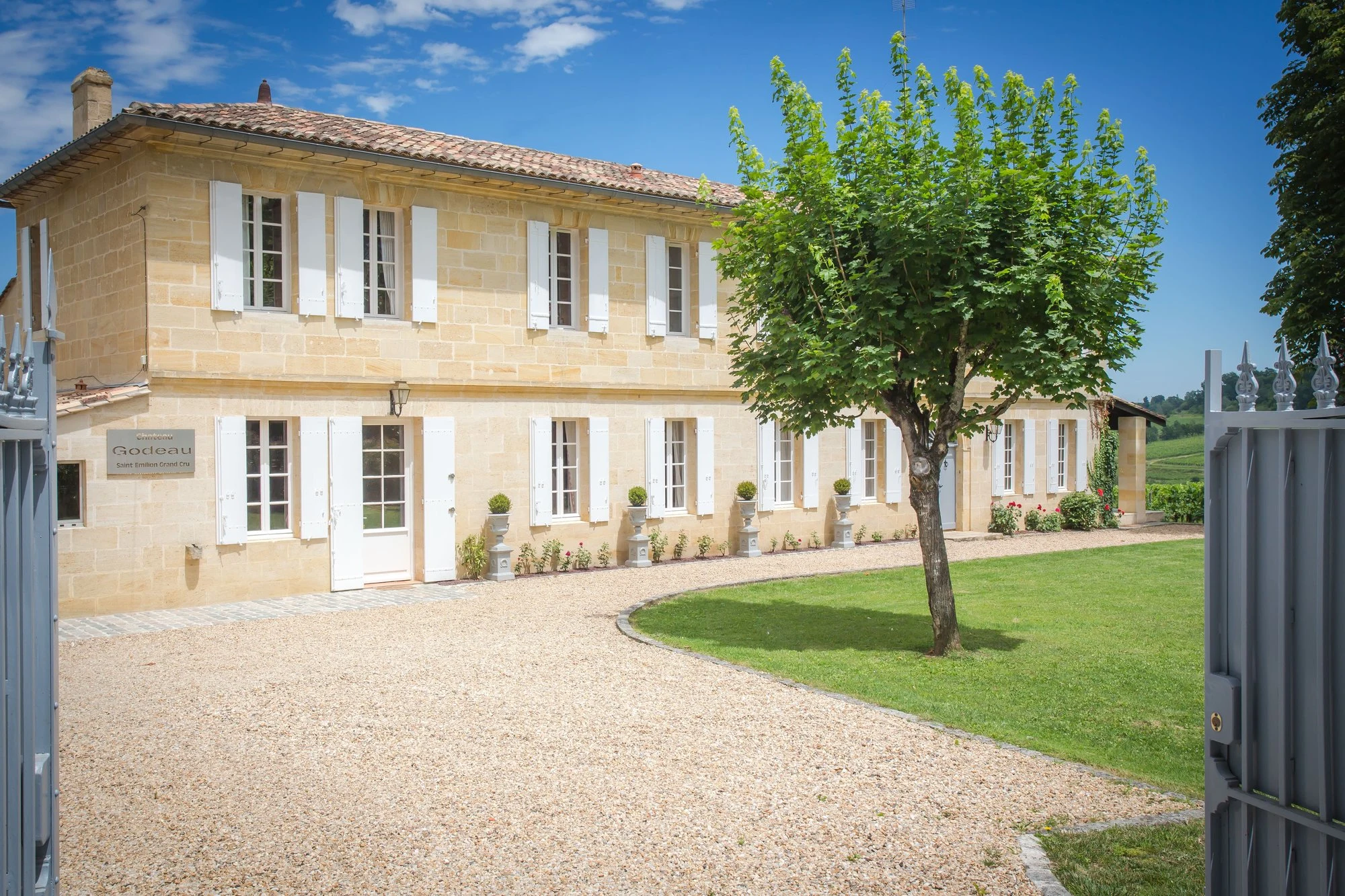
Château Godeau
Saint-Émilion, France
Château Godeau is a Right Bank estate shaped by Saint-Émilion’s clay-limestone slopes and a Merlot-led Grand Cru profile. Its recent reputation rests on small-scale production, sustainable farming, manual harvest, Stéphane Derenoncourt’s consultation from the 2009 vintage, and wines built for freshness, lift and moderate cellar time rather than heavy extraction.
● 1 artisanView →
31.Winery
Château Clos St. Emilion Philippe
Saint-Émilion, France
Château Clos Saint-Émilion Philippe makes three small cuvées of Merlot and Cabernet Franc from 1.15 hectares in Saint-Émilion.
● 1 artisanView →32.Winery
Château L'If
Saint-Émilion, France
Château L’If sits in the quieter, production-led side of Saint-Émilion: small scale, serious vineyard work, and a Right Bank red shaped by limestone, clay, Merlot, and Cabernet Franc. The estate’s interest is not visitor theatre but precision, from its 8 hectares and 14 parcels to élevage in 50% new French oak for 12 to 16 months.
● 1 artisanView →
33.Winery
Chateau Beauregard
Saint-Émilion, France
Chateau Beauregard sits on the Pomerol plateau, where iron-rich clay soils and a cool Atlantic-influenced climate have shaped Merlot-dominant wines for generations. The estate occupies a distinct position in the right bank's comparable set, where geology speaks louder than appellation rank. Visitors encounter a property where the land's character is the primary argument, not marketing.
● 1 artisanView →
34.Winery
Château de Ferrand
Saint-Émilion, France
Château de Ferrand suits smart-casual visits in Saint-Émilion, where quiet vineyard and garden views frame organic, sustainable estate experiences.
● 1 artisanView →