Château Petit Gravet Aîné
- 01CitySaint-Émilion, France
Old-vine Cabernet Franc in Saint-Émilion
- Falstaff Winery - Listed · 2026
Seventy-year-old Cabernet Franc at the bench
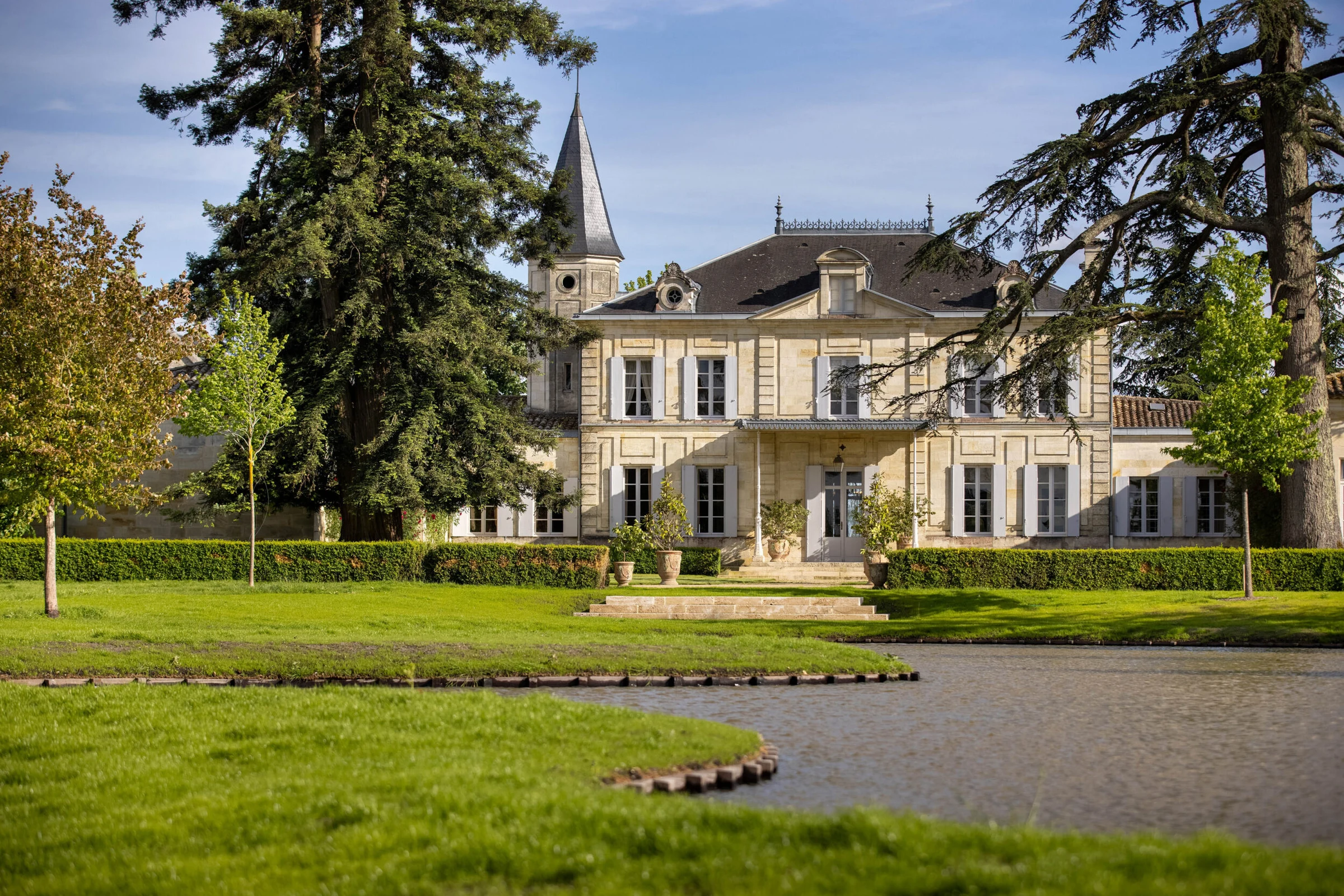
Seventy-year-old Cabernet Franc sets the pace. Catherine Papon-Nouvel, winemaker at Château Petit Gravet Aîné in Saint-Émilion, works inside a scale that gives little cover for excess. The estate is small even by right-bank measures, 3.66 hectares on clay-limestone slopes near the village, and its Grand Cru is shaped by Cabernet Franc with Merlot in support. Catherine is also named as winegrower and operator of Château Petit-Gravet since 2000, a role that keeps the vineyard and the cellar close enough to be read as one discipline rather than two departments.
The family holding sits among a tighter group of properties connected to Catherine, including Château Gaillard and Clos Saint-Julien, but Petit Gravet Aîné has its own pressure. It is one of the smallest classified growths in Saint-Émilion, and smallness here is not a mood. It changes the work. A decision in one row, one harvest pass, one barrel, has nowhere to disappear. Catherine has described Castillon as “the closest thing to visiting Bordeaux thirty years ago,” a sentence that carries her sense of the region’s tempo: less theatre, more memory in the ground.
The Sunday letter
Find new places through the people who run them.
Our Sunday email brings you the chefs, winemakers and hoteliers behind our newest stories. See a sample before you subscribe.
See a sample of the Sunday emailOne email a week. Unsubscribe from any issue.
A Grand Cru led by Cabernet Franc
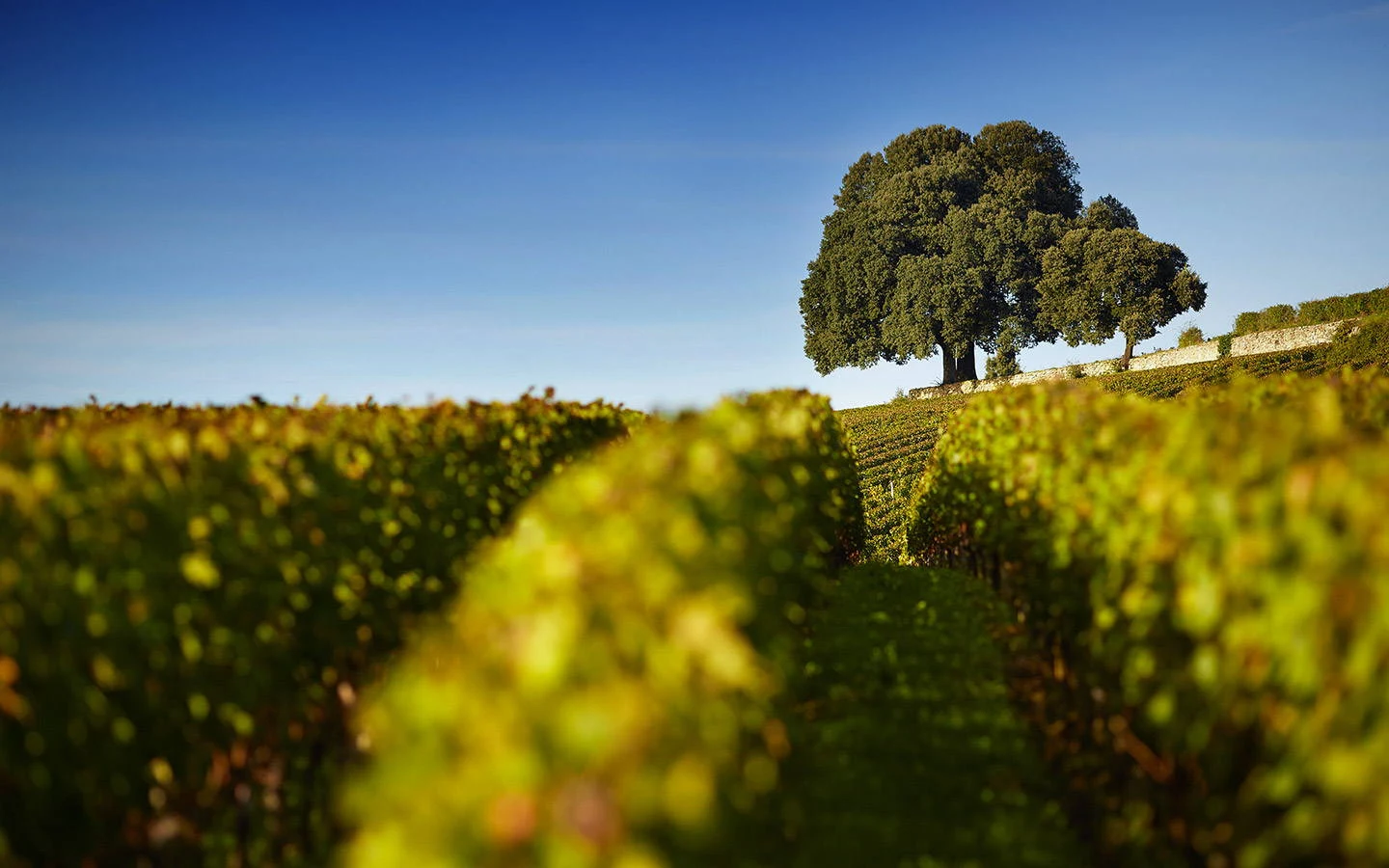
The house’s signature rests on an unusually high share of Cabernet Franc, often between 80% and 90% of the blend, with Merlot used for breadth. In a commune where Merlot frequently takes the lead, that proportion changes the register of the wine. The fruit comes from clay-limestone soils and old vines, with an average age of 70 years, giving the Cabernet Franc the concentration and line that the estate asks of it.
The harvest is manual. Fermentation includes micro-bullage under the cap, a cellar choice used to work extraction and tannin without losing the variety’s lift. After that, malolactic fermentation takes place in 100% new French oak barrels, with cooperage named by the estate including Taransaud, Darnajou, and Ana. The élevage runs 12 to 18 months, depending on the vintage. Those figures tell the method plainly: small surface, old vines, high Cabernet Franc, new oak, time enough for the structure to settle before bottling.
The quiet scale of the cellar
The place reads as a right-bank estate held at close range: vineyard, cellar, tasting room, and the name on the bottle all gathered around a small parcel of Saint-Émilion ground. The room is quiet because the work does not need much volume. Cabernet Franc brings its own insistence, floral, mineral, sometimes darker and more game-edged, and the cellar has to answer without sanding away its edge.
That intimacy is the estate’s working condition. The classified status may sit on the label, but the daily craft is more practical: fruit sorted by hand, cap managed in fermentation, barrels chosen for a wine that can carry new oak without becoming only oak. When Catherine’s signature is named, it lands in bottles such as Château Petit Gravet Aîné Grand cru 2021.
Questions
Frequently asked
Who makes the wine at Château Petit Gravet Aîné?
Catherine Papon-Nouvel is the winemaker there, and she is also named as winegrower and operator of Château Petit-Gravet since 2000.
What is Château Petit Gravet Aîné known for?
The estate makes Saint-Émilion Grand Cru wines led by Cabernet Franc, often making up 80% to 90% of the blend, with Merlot used in support.
What kind of site does the estate work with?
Château Petit Gravet Aîné is a very small estate in Saint-Émilion, with 3.66 hectares on clay-limestone slopes near the village and old vines with an average age of 70 years.
How are the wines made?
The harvest is manual, fermentation includes micro-bullage under the cap, malolactic fermentation takes place in 100% new French oak barrels, and élevage lasts 12 to 18 months depending on the vintage.
Can visitors come without an appointment?
Visits are appointment only.
The field
How it compares
| Place | Notes |
|---|---|
| Château Petit Gravet Aîné | Saint-Émilion, $$$ |
| Château Angelus | Saint-Émilion |
| Chateau Ausone | Saint-Émilion |
| Château Canon | Saint-Émilion |
| Château Cheval Blanc | Saint-Émilion |
| Château Figeac | Saint-Émilion |
| Château Pavie | Saint-Émilion |
Similar places
The Sunday letter
Get the next Made By story in your inbox.
We send one email every Sunday morning with the places and people we covered that week.
See a sample of the Sunday emailOne email a week. Unsubscribe from any issue.